Table of Content
How can retailers turn passive foot traffic into active sales without increasing staff workload? Digital signage bridges the gap between online convenience and in-store reality, allowing you to update content in minutes, automate promotions, and capture attention with motion-capabilities that static print simply cannot match.
Beyond better aesthetics, these tools provide operational agility. Store owners can react instantly to inventory changes, launch flash sales from anywhere, and ensure pricing consistency across locations. As we move toward 2026, combining these displays with smart data turns screens into reliable assistants that guide customers and support sales teams.
What Is Digital Signage in Retail?
How Does Digital Signage Work in Retail Environments?
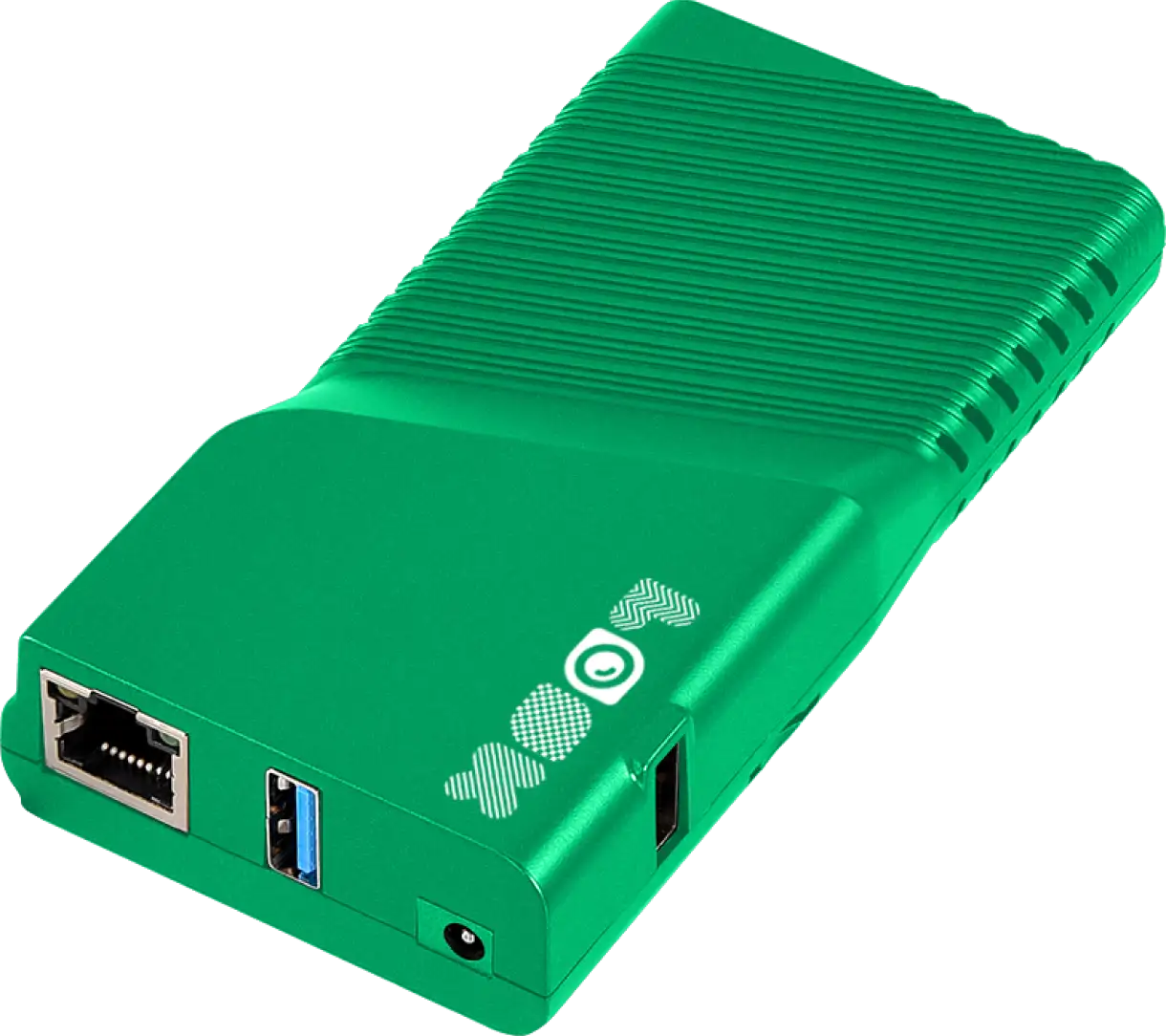
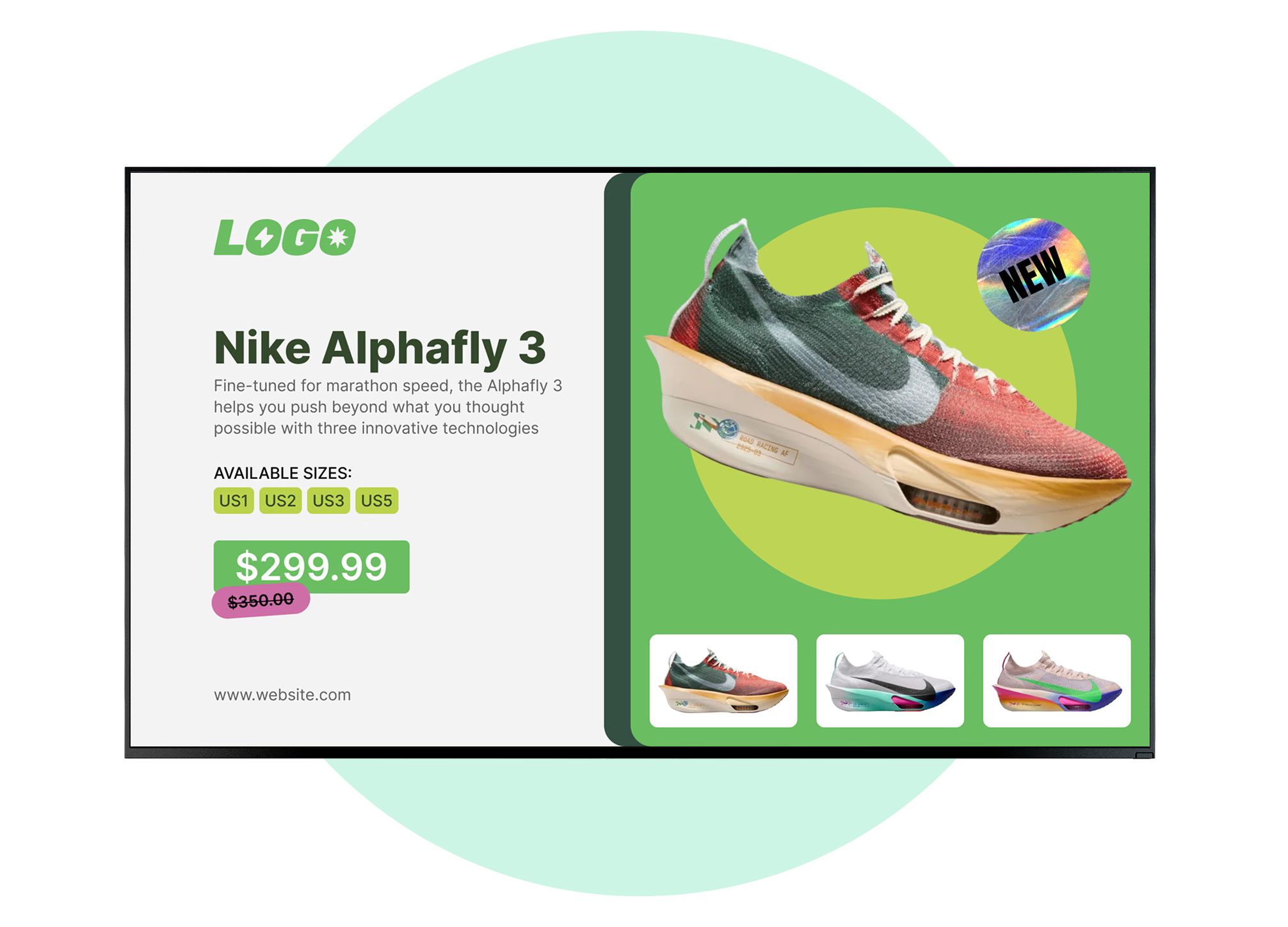
Digital signage is a network of screens controlled by software that delivers targeted messages to shoppers. The hardware setup typically involves professional displays or standard TVs paired with a media player-such as the Look Player – to handle playback. These screens are strategically placed in high-value areas, from storefront windows to checkout counters.
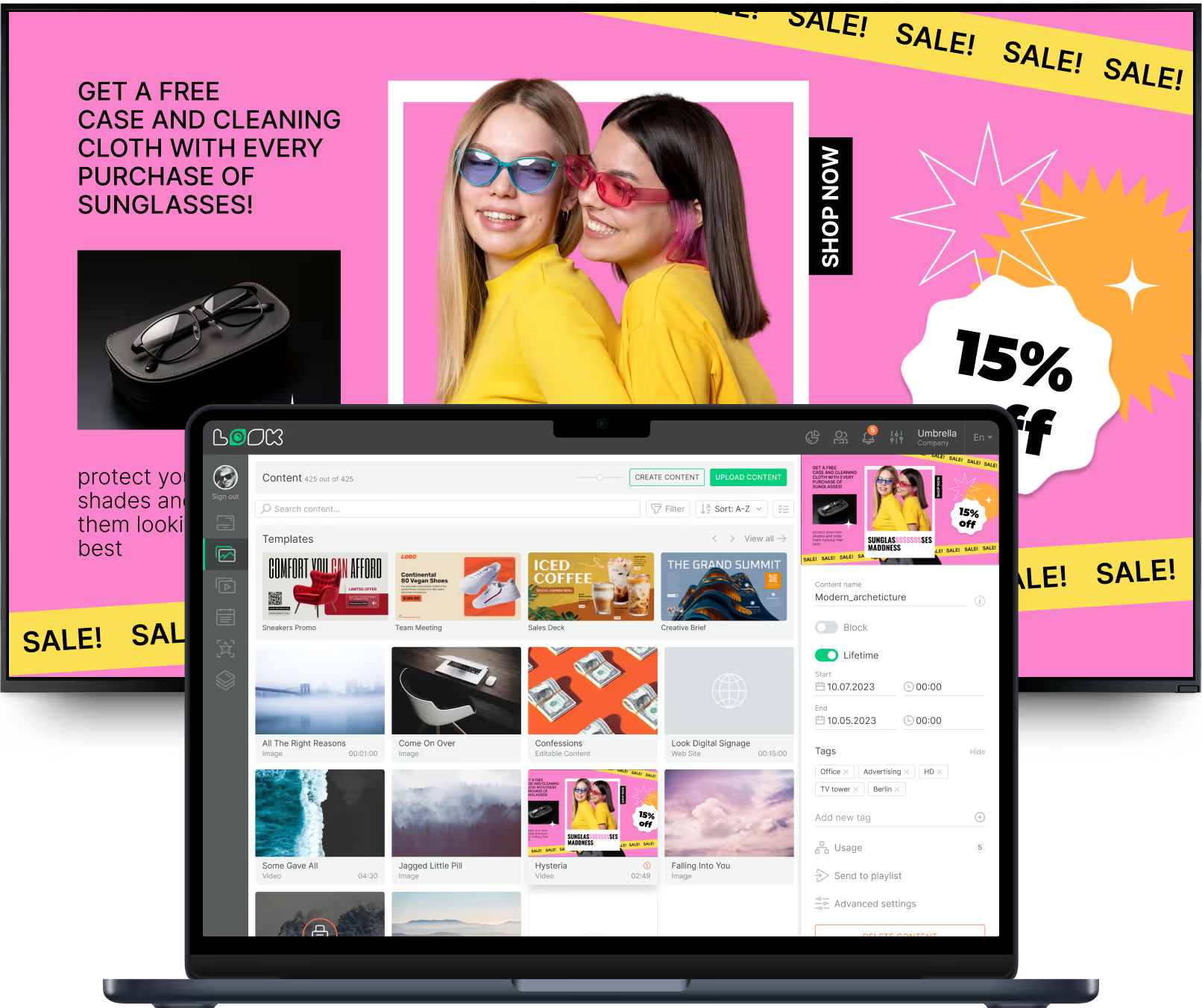
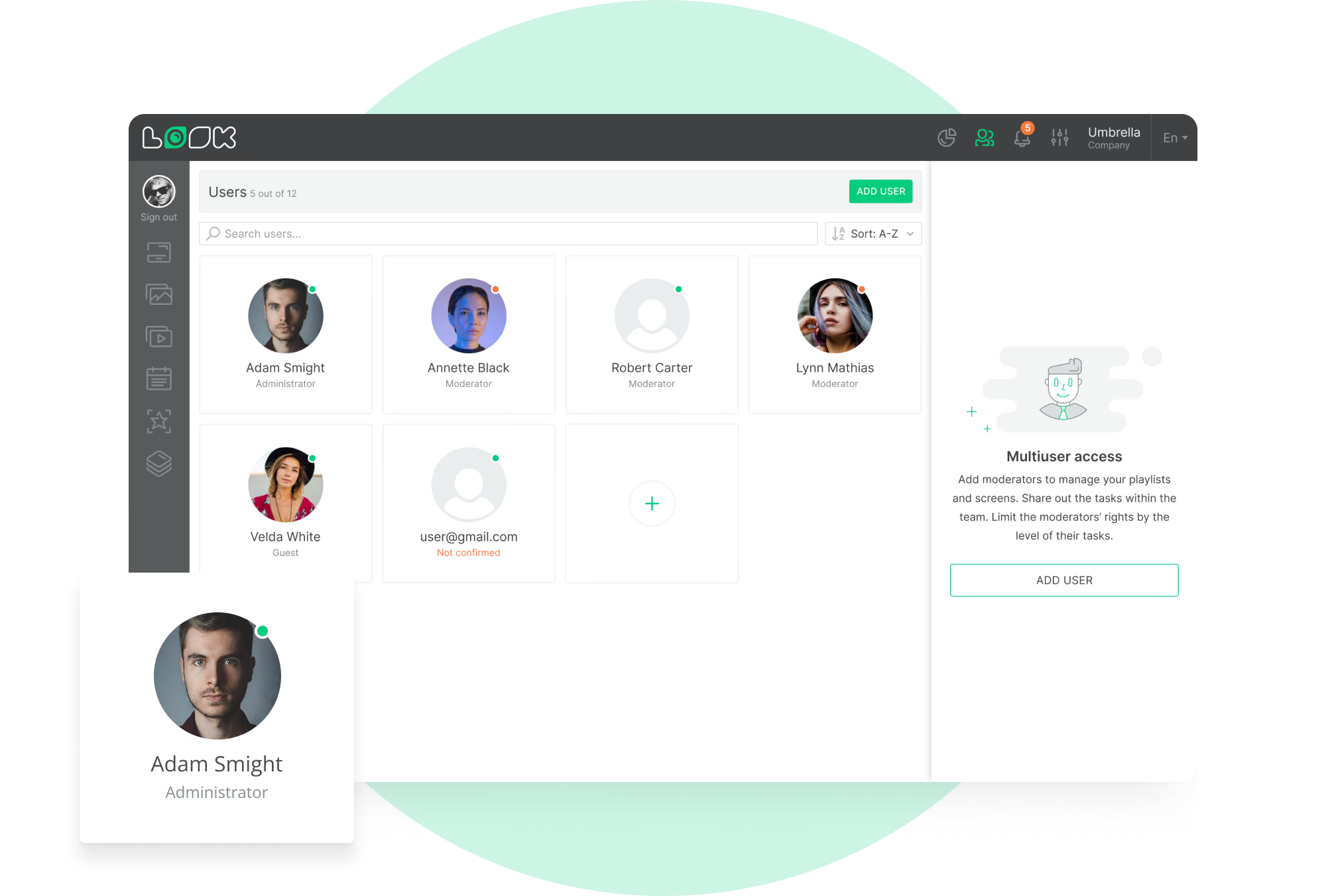
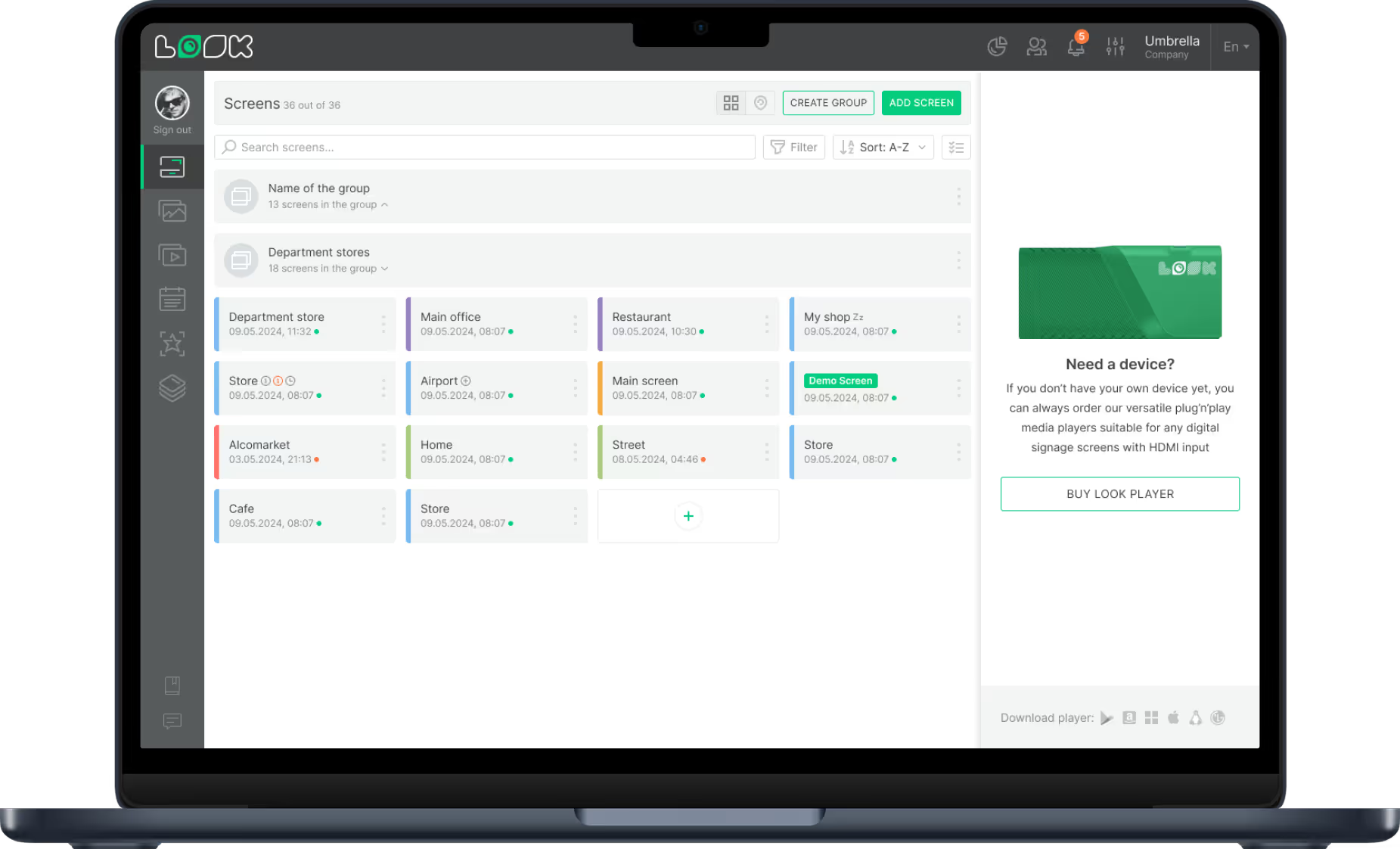
The core of the system is the Content Management System (CMS), like Look Digital Signage. This cloud-based software allows you to create, schedule, and publish content to one screen or thousands from a single web dashboard. When integrated with POS or inventory systems, the CMS can automatically remove sold-out items from digital menu boards or update pricing in real-time, ensuring accuracy without manual intervention.

What Makes Digital Signage Dynamic?
Signage becomes "dynamic" when it changes automatically to fit the context. Unlike a printed poster that remains static until physically replaced, a digital screen can rotate through multiple messages based on a schedule. This movement and variety capture attention far more effectively than still images; research suggests the brain processes visual motion significantly faster than text.
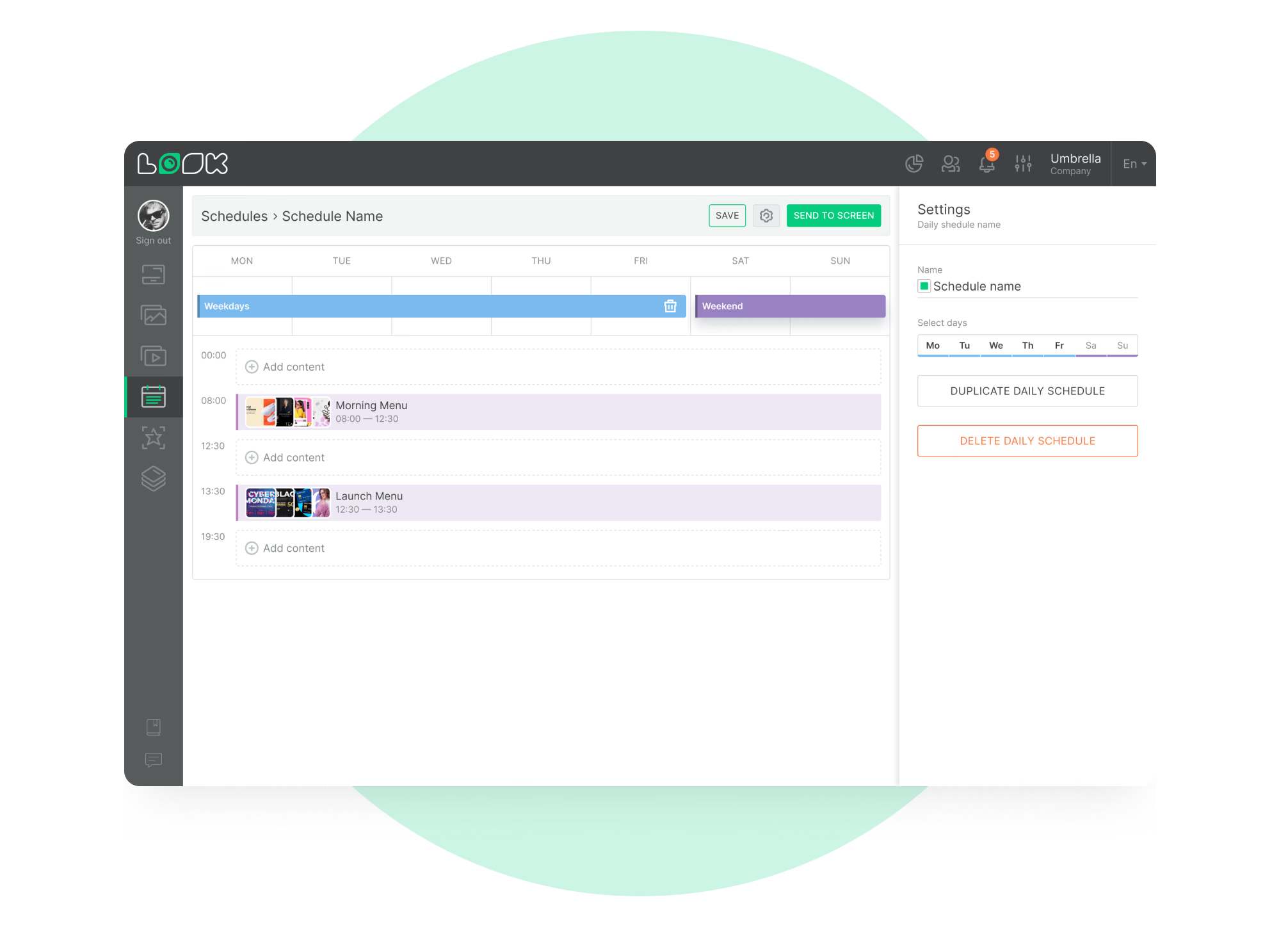
True dynamic content also reacts to data. Using Smart Scheduling within Look CMS, a display can switch playlists based on the time of day, day of the week, or even local weather conditions. This keeps messaging relevant-promoting hot coffee on a cold morning or umbrellas during a storm-making the store feel responsive to the customer's immediate needs.

Why Retailers Are Replacing Static Signage with Dynamic Digital Displays
Key Differences Between Static and Dynamic Signage
The primary difference is agility. Static signage requires design, printing, shipping, and manual installation-a slow process that makes it hard to react to market changes. Dynamic signage allows you to manage content remotely. You can upload a new graphic or video to the cloud and publish it to screens in minutes.
Engagement is another differentiator. Static signs can easily blend into the background. Dynamic displays use high-definition video and animation to break through the noise. Since visual processing is rapid, moving content helps communicate value propositions quickly to shoppers with short attention spans.

Disadvantages of Traditional Signage in Retail
Traditional signage carries hidden costs. While the initial material might seem cheap, the cumulative cost of printing, logistics, and staff hours spent changing signs adds up. There is also the issue of waste; paper and plastic materials from temporary campaigns often end up in landfills, contradicting the sustainability goals many modern businesses strive for.


Operational risk is another factor. If a printed sign promotes a product that is out of stock, it creates customer frustration. Static signs also lack flexibility; they show one message to everyone. Digital screens can rotate content to appeal to different demographics throughout the day, maximizing the value of every square foot of wall space.

Dynamic Benefits of Digital Signage in Retail Stores
Drives Foot Traffic and Captures Attention
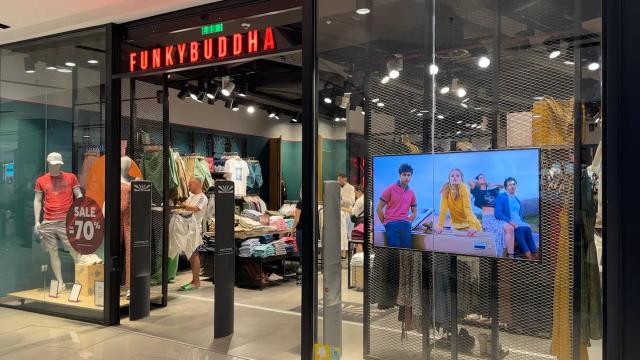
Your storefront is your primary acquisition channel. High-brightness screens in windows are effective at stopping passersby. Moving visuals naturally draw the eye in a way that static cardboard displays cannot.
By using Look CMS to schedule timely content, you can keep the storefront fresh. A fashion retailer might loop a video of a new seasonal collection, while a convenience store triggers a "cold drink" promo when the temperature hits a certain peak. This relevance gives people a concrete reason to enter.
Personalizes the Shopping Experience
Digital signage brings elements of e-commerce personalization into the physical store. Using tools like Interactive Scenarios, screens can allow customers to choose their own path-viewing product catalogs or filtering options based on their needs.

Integration with loyalty programs adds another layer. When a customer scans a customized QR code or app at a kiosk, the screen can display personalized offers or point balances. This recognition makes the shopping experience feel tailored and valued.

Boosts Shopper Engagement with Interactive Content
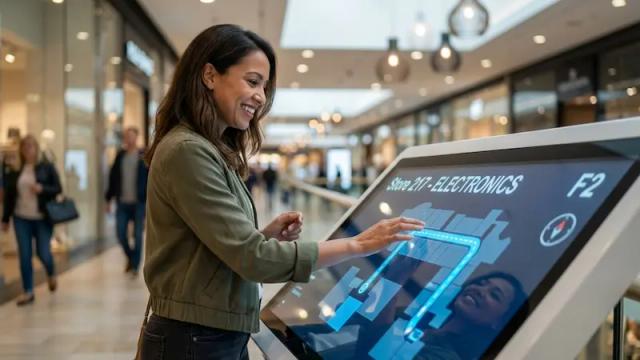
Modern retail is often about self-service and exploration. Interactive touchscreens allow shoppers to browse extended inventory that isn't physically on the shelf, check specs, or compare models. This keeps customers in the store longer and reduces the pressure on sales staff.
Gamification is another engagement tactic. Simple interactive campaigns, such as "spin-to-win" discounts triggered via QR codes on digital screens, create a memorable brand interaction. Engaged shoppers are generally more likely to convert.

Improves In-Store Navigation and Wayfinding
Large retail footprints can be overwhelming. Digital wayfinding screens help reduce friction by offering clear, updateable maps. Using Screen Layouts in Look CMS, you can dedicate one zone of the screen to a map and another to directory listings, helping customers find what they need quickly.
This is particularly useful during renovations or layout changes. Instead of reprinting signs, you simply update the digital map to reflect the new location of a department, keeping the customer experience smooth.
Strengthens Brand Visibility and Messaging
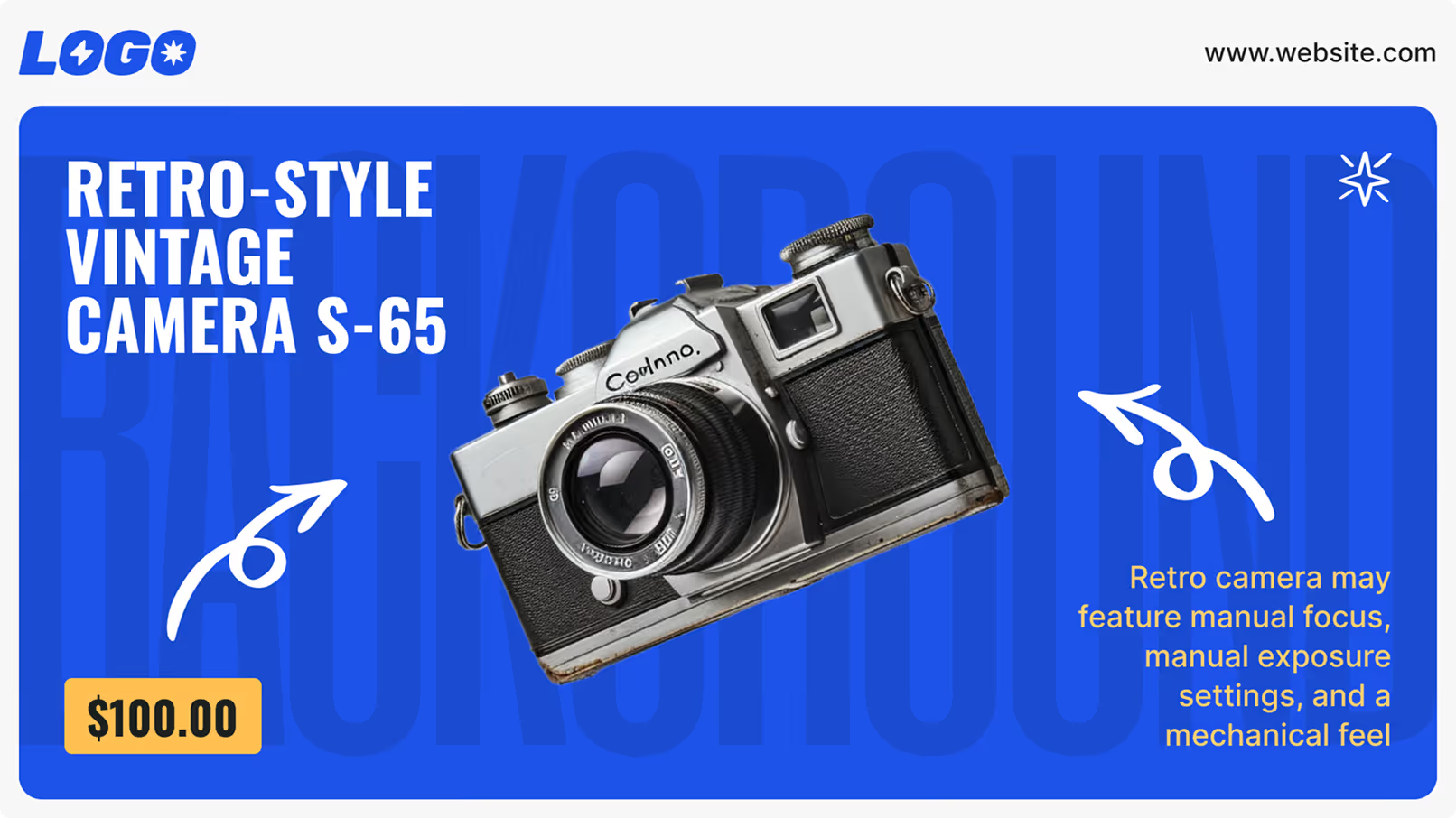
Digital signage offers a canvas for storytelling. Rather than just displaying a price, a video wall can show the craftsmanship behind a product or the brand's sustainability efforts. This builds a deeper connection with the shopper.
Using the Look Apps feature, you can also display live social media feeds or customer reviews. This social proof builds trust and keeps the in-store environment feeling connected to the wider community.
Increases Sales and Promotes Cross-Selling
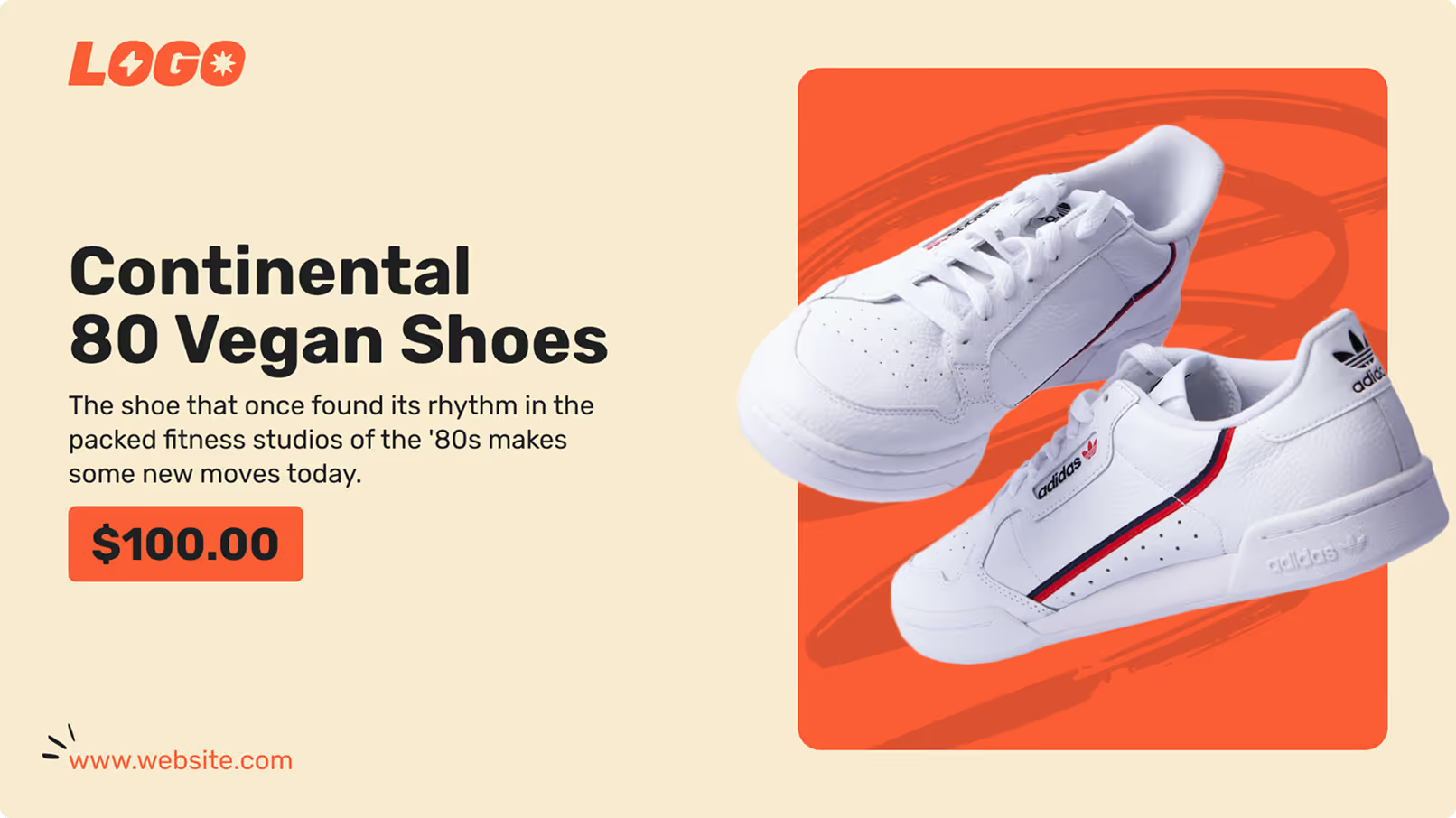
Screens act as "silent sellers" that never forget to upsell. Placed near specific products, digital signage can suggest complementary items-like batteries for a toy or a scarf for a coat.
These prompts work because they are visually engaging and timed correctly. A playlist scheduled to run during peak traffic hours can highlight high-margin impulse buys, effectively increasing the average basket size without requiring staff intervention.
Delivers Real-Time Promotions and Updates
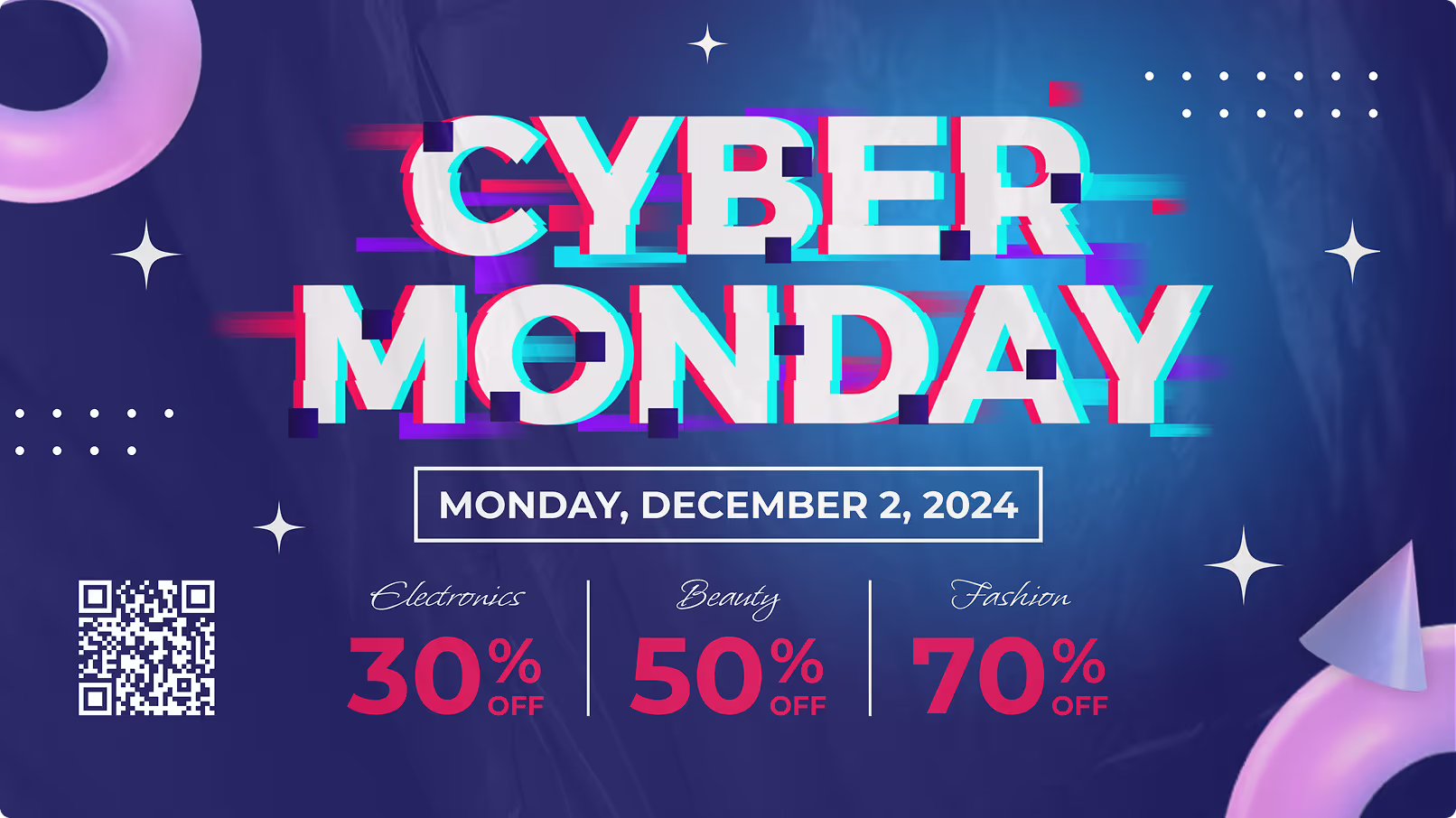
The ability to launch a promotion instantly is a major operational advantage. If a manager needs to clear perishable stock, they can deploy a flash sale across all screens immediately. This creates urgency and reduces waste.
Integration prevents pricing errors. When screens are connected to your central data source, price changes on the shelf happen the moment they change in the system. This eliminates the discrepancy between shelf price and register price.
Enables Seamless Omnichannel Integration
Digital signage connects the physical and digital worlds. Screens displaying dynamic QR codes allow shoppers to scan to view online exclusives, sign up for newsletters, or download the brand's app. This captures the customer who prefers to research on their phone while in the aisle.
This integration ensures that the marketing message is consistent across your website, app, and physical location, reinforcing the brand identity at every touchpoint.
Supports Sustainable Retail Practices
Digital signage offers a reduction in material waste. By eliminating the need for recurring print runs, shipping, and disposal of plastic or foam-board signs, retailers can lower their carbon footprint.
Furthermore, screens can be used to communicate these green initiatives to customers, reinforcing the brand's commitment to sustainability without generating more paper waste to do so.
Collects Customer Insights and Analytics
Unlike paper signs, digital networks provide data. Through Playback Analytics in Look CMS, you can verify exactly what content played and how often. When paired with optional sensors, you can gain insights into audience behavior, such as dwell time and attention span.
These insights allow you to optimize content strategies. If data shows a specific video retains attention longer, you can prioritize that format across your network, making decisions based on evidence rather than guesswork.
Innovative Features Shaping Digital Signage in Retail
AI-Powered Personalization and Recommendations
Artificial Intelligence is streamlining content creation and targeting. Tools like the Look AI Wizard help teams generate professional layouts and headlines quickly, ensuring content looks fresh without needing a dedicated design team.
On the playback side, AI models can analyze external data-like weather or local event schedules-to trigger relevant content automatically. This predictive approach ensures the right message appears when it is most likely to influence a sale.
Contactless and Voice-Activated Interactions
Hygiene and convenience have driven the adoption of touchless interfaces. Screens can now be controlled via gesture sensors or by allowing customers to use their mobile phones as a remote control (often via a QR code scan). This allows for deep interaction without physical contact.
Voice-activated directories are also emerging, allowing shoppers to simply ask for a product location and receive visual guidance on the screen, improving accessibility.
Augmented Reality for Virtual Try-Ons and Demonstrations
Augmented Reality (AR) transforms screens into virtual mirrors. Shoppers can see how accessories or makeup look on them digitally, reducing the need for physical samples and fitting rooms. This accelerates the decision-making process.
For home goods, AR visualizations help customers picture items in their own space. This reduces the uncertainty of large purchases and can help lower return rates.

Sensor-Based Content Triggers and Analytics
Sensors make playlists reactive. A proximity sensor can trigger a specific video when a shopper approaches a display, capturing attention at the critical moment. This turns a passive loop into an active invitation.
Environmental sensors can also adjust screen brightness or content based on ambient light and temperature, ensuring visibility and relevance throughout the day.
Real-World Examples and Use Cases of Retail Digital Signage
Product Launches and Flash Promotions
Digital signage is ideal for maximizing impact during a launch. Retailers can synchronize every screen in the store to play a reveal video simultaneously, creating a "takeover" effect that builds excitement. For flash promotions, the ability to update content remotely means offers can be deployed and removed instantly based on stock levels.
Wayfinding and Queue Management
In large malls or multi-story stores, interactive kiosks help customers navigate efficiently. Look Digital Signage supports interactive scenarios that allow users to search for specific stores or products.
At the checkout, screens serve a dual purpose: they reduce perceived wait times by providing entertainment or news, and they clearly signal register availability, keeping the queue moving smoothly.

Loyalty Program Integration
Screens near the point of sale are effective for driving loyalty sign-ups. Displaying clear, simple benefits-or a QR code for instant registration-captures customers while they are already in a buying mindset.
Emergency Messaging and Public Safety
In the event of an emergency, digital signage becomes a critical safety tool. A centralized CMS allows operators to instantly override all playlists to display evacuation routes or safety instructions, ensuring clear communication when it matters most.
Digital Signage Solutions: Selection Criteria for Retailers
Content Management System Capabilities
The software is the most critical component of your network. We recommend Look Digital Signage for retailers because it offers a balance of power and simplicity. Key features to look for include:
- Remote Management: Update screens from anywhere via a cloud-based dashboard.
- Smart Scheduling: Automate content based on time, date, or recurring loops.
- Screen Layouts: easily create multi-zone displays (e.g., a video on one side, a pricing list on the other).
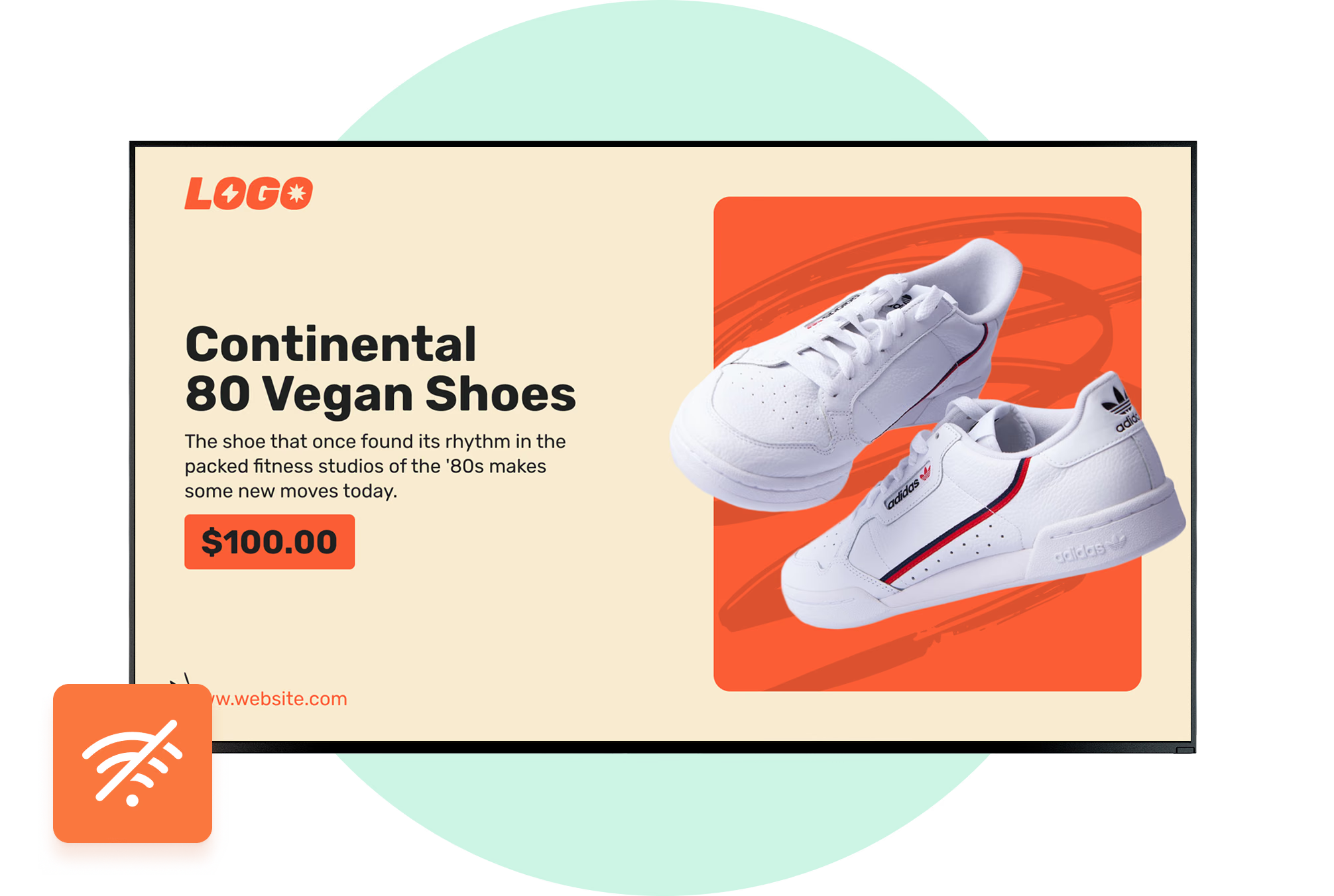
- Reliability: Look CMS includes Offline Playback, ensuring your screens keep running even if the internet connection drops.
Integration with Retail Technologies
A siloed system creates extra work. Look for a platform that supports integrations. Look DS, for example, offers API access and Zapier integration, allowing you to connect your screens to other business tools for automated updates.
Scalability and Ease of Deployment
Retail networks need to grow. Whether you are running a single screen in a boutique or thousands across a franchise, the system should scale without complexity. Look Digital Signage is designed to scale from 1 to 1,000+ screens easily.
Deployment should also be flexible. You can use the Look HDMI Player for a plug-and-play experience, or if you already have Android TVs or Fire TV sticks, you can simply install the Look App to get started without buying new hardware.
Cost Considerations Versus Traditional Signage
While digital signage requires an initial investment in hardware, the Total Cost of Ownership (TCO) is often lower than print when factoring in the labor and materials of frequent updates. Cloud-based subscriptions like Look DS offer predictable pricing models that scale with your network.
Retailers can further offset costs by using screens for "retail media"-selling ad space to supplier brands. This turns the signage network into a revenue-generating asset.
How Retailers Measure ROI and Effectiveness of Digital Signage
Key Performance Indicators for Digital Signage Success
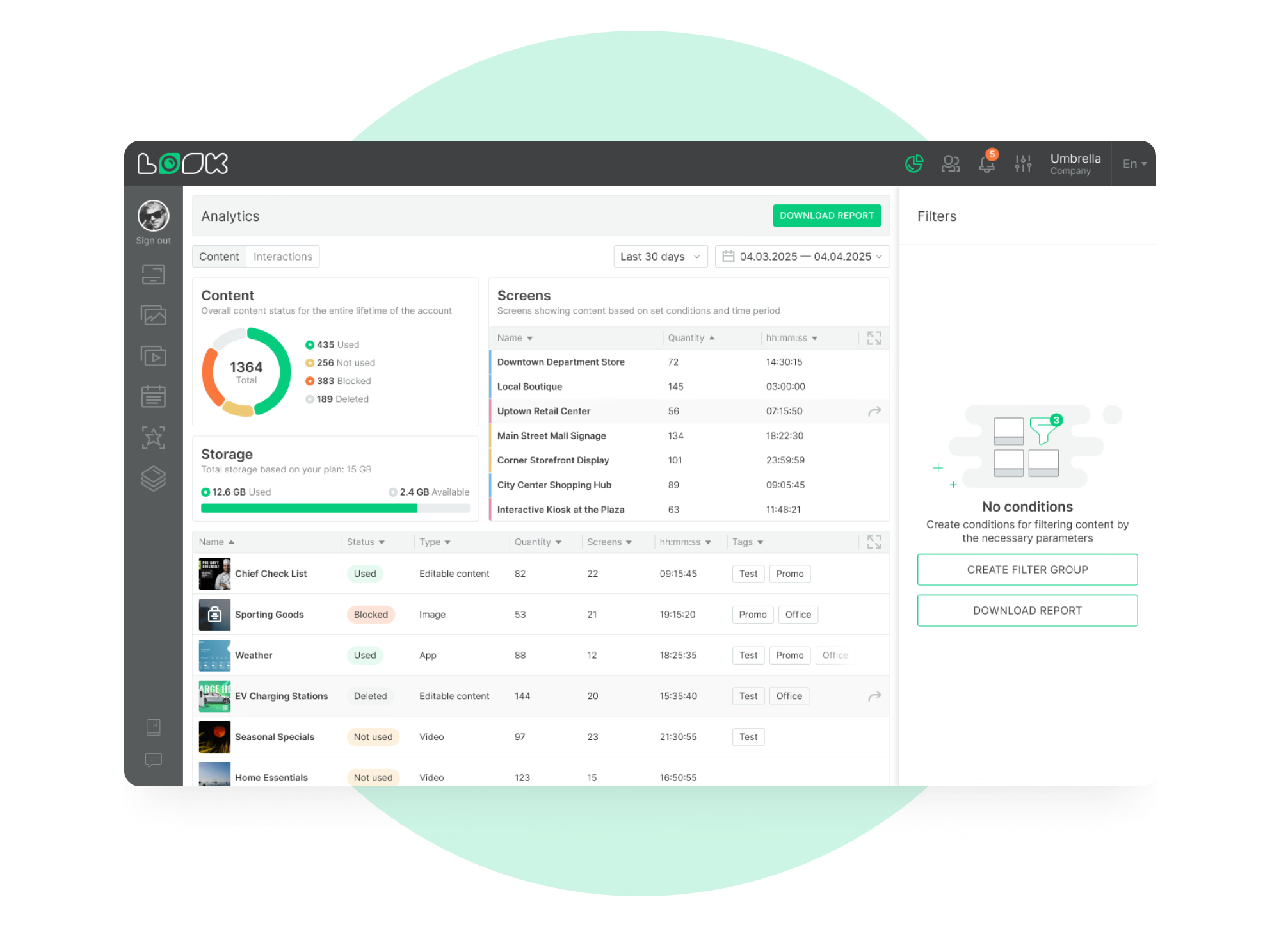
To prove ROI, focus on measurable KPIs. Proof-of-Play reports in Look CMS verify that your promotional content actually ran as scheduled. Combine this with sales data to track "Sales Lift" for promoted items during the campaign period.
Other metrics include "Dwell Time" (how long people look) and "Conversion Rate" (how many viewers purchased the product), which help fine-tune content strategies.
Improving Upselling and Conversion Rates
Digital signage is highly effective at upselling. By analyzing transaction data before and after deploying screens, retailers can often see a measurable increase in the attachment rate of accessories or add-on items featured on the displays.
Gathering Data for Future Campaigns
The data collected helps you iterate. If analytics show that short, animated clips perform better than static images on weekends, you can adjust your Playlists accordingly. This data-driven approach ensures your content strategy improves over time.
What’s Next for Dynamic Digital Signage in Retail?
Emerging Trends and Technologies
The future of retail signage lies in deeper integration with IoT (Internet of Things). "Lift and learn" technology, where picking up a product triggers specific content on a nearby screen, creates highly interactive experiences.
Retail Media Networks are also expanding. As privacy regulations limit online tracking, the physical store becomes a prime location for advertisers to reach real audiences, making in-store screens increasingly valuable real estate.
Predictions for the Future of Retail Experiences
The line between online and offline retail will continue to blur. Digital signage will serve as the bridge, providing the rich information of the web with the tactile experience of the store. As AI and automation evolve, screens will become even more predictive, helping retailers deliver the right message to the right shopper at the perfect time, with minimal manual effort.