Table of Content
How can shopping malls boost tenant sales and keep visitors engaged without relying on outdated paper posters? Tenant ads on mall digital signage screens offer a flexible, high-impact way to deliver real-time messages, promotions, and wayfinding that drive foot traffic and modernize the shopper experience.
What Are Tenant Ads on Mall Digital Signage Screens?
How Do Digital Signage Screens Function in Shopping Malls?
Mall digital signage is a connected network of screens, media players, and software designed to deliver targeted messaging across your property. Unlike static posters that require manual replacement, digital screens allow you to update content in minutes from a central cloud-based dashboard. This ensures that every message-whether it is a store promotion or an emergency alert-is always current.
These systems rely on reliable media players and internet connectivity to keep content in sync. A valuable capability here is screen zoning, or Screen Layouts, which allows you to split a single display into multiple sections. You might show a tenant’s video ad in the main zone, a ticker with mall hours at the bottom, and a sidebar for weather updates, maximizing the utility of every screen.
Types of Digital Displays Used for Tenant Advertising
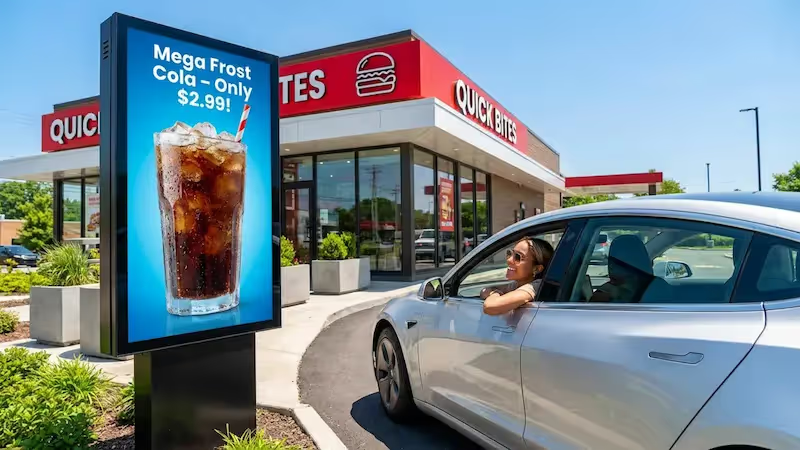
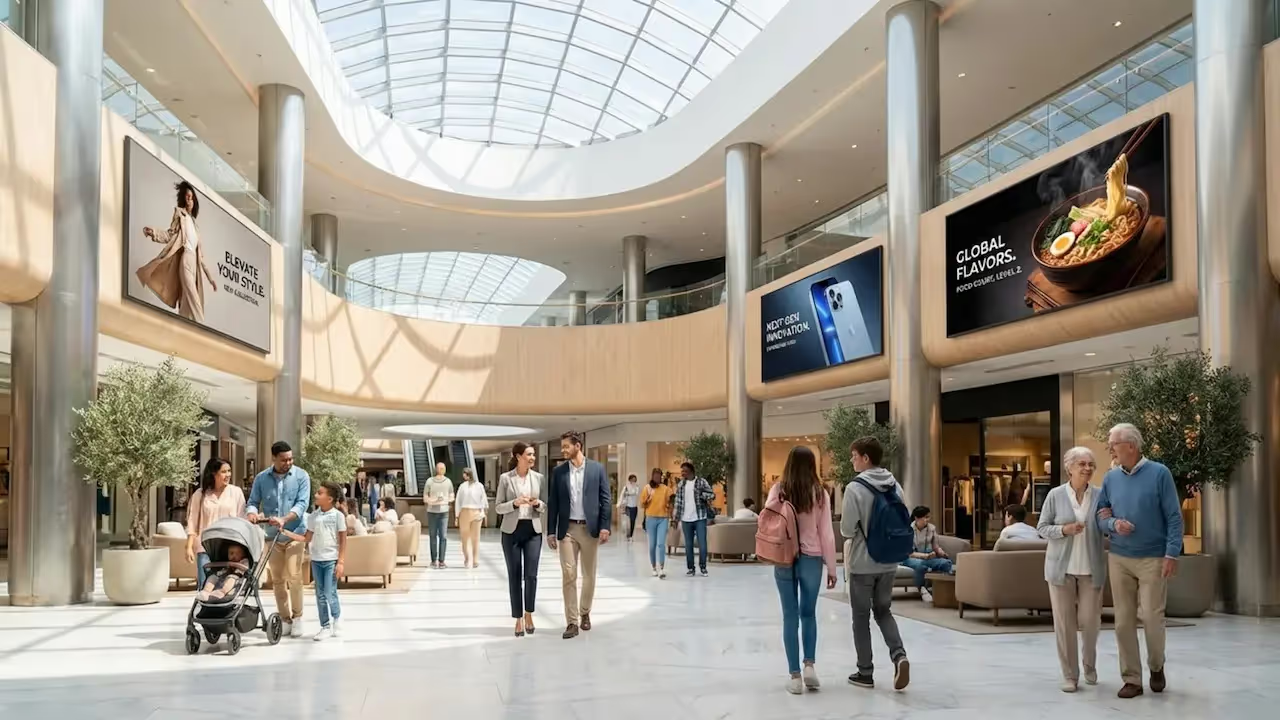
Different locations require specific hardware to ensure visibility. Outdoor LED signs and pylons capture the attention of drivers and passersby, requiring high brightness and weather-resistant enclosures. Inside, video walls in central atriums create high-impact brand moments that define the mall's atmosphere.
For high-traffic corridors, digital posters and vertical totems are effective for directional cues and tenant ads. Interactive kiosks placed near entrances allow visitors to browse directories or view interactive maps. Additionally, digital window displays help tenants attract foot traffic directly into their stores using motion graphics that stand out far more than printed decals.

What Content Can Tenants Promote on Mall Screens?
Digital signage allows tenants to move beyond static "Open Now" signs. Retailers can run high-definition video ads, product demonstrations, and influencer content to build brand trust. Electronic retailers, for example, can use animations to showcase new device features, while fashion brands can display seasonal lookbooks.
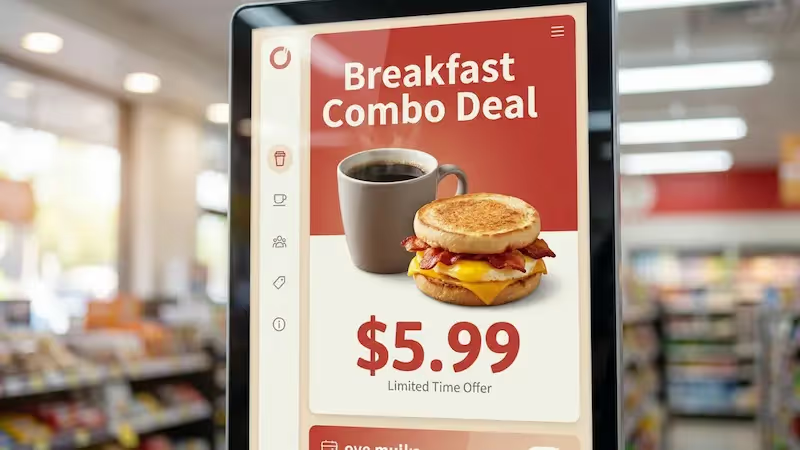
Time-sensitive content is particularly effective. Tenants can use countdowns for flash sales to create urgency. In food courts, digital menu boards allow restaurants to switch automatically between breakfast, lunch, and dinner menus using Smart Scheduling. Integrating social media feeds or QR codes also helps bridge the gap between physical shopping and digital engagement.
Benefits of Tenant Advertising on Mall Digital Signage
Increases Store Visibility and Foot Traffic
Standing out in a crowded retail environment is a constant challenge. Digital signage captures attention more effectively than static print, with bright, moving visuals that draw the eye. By placing screens in high-dwell areas like elevators, escalators, and seating zones, you ensure tenant messages reach shoppers when they are pausing or moving slowly. This increased visibility often translates directly into higher store visits.

Drives Real-Time Promotions and Special Offers
Speed is a major advantage of digital networks. If a tenant wants to push a surplus inventory sale or a "happy hour" special, they can publish the update immediately. There is no need to wait for design, printing, and manual installation. This agility is ideal for malls with percentage-lease agreements, where the property owner benefits directly from the tenant's sales success.
Improves Customer Engagement and Shopping Experience
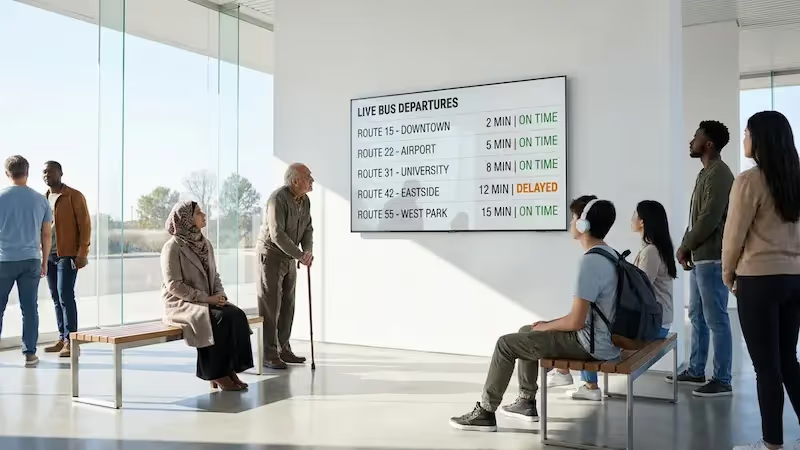
Screens do more than sell; they improve the visitor experience. Interactive kiosks allow shoppers to search for specific stores, check loyalty points, or find amenities like restrooms and management offices. By mixing advertising with useful information-such as news, weather, or transit updates-you create a helpful environment that encourages visitors to stay longer.
Supports Brand Awareness for Retailers
For new tenants or those located away from main walkways, digital signage is essential for awareness. A well-placed ad in a central hub ensures visitors know a store exists, even if they haven't walked past it yet. "Coming Soon" teasers can also build anticipation before a store opens, supporting a strong launch and reducing vacancy perception.
Popular Applications and Content Strategies
Showcasing Store Promotions, Sales, and New Arrivals
Retailers frequently use signage to highlight seasonal campaigns. With digital tools, a store can promote new arrivals early in the week and switch to clearance offers for the weekend without additional costs. This flexibility keeps messaging aligned with inventory levels and shopper traffic patterns.
Event and Activity Announcements
Malls are increasingly becoming entertainment hubs. Digital screens are the most efficient way to promote fashion shows, holiday events, or pop-up markets. You can feature participating tenants on screen or use QR codes that allow visitors to scan and save event schedules directly to their phones.
Interactive Wayfinding and Store Directories
Navigating large complexes can be frustrating. Interactive wayfinding screens solve this by providing searchable directories and turn-by-turn directions. While a visitor searches for a store, the system can display ads for nearby dining options or sales, turning a functional interaction into a promotional opportunity.
Food Court and Restaurant Menu Boards
Digital menu boards streamline food court operations. They allow for instant price updates and automated dayparting (switching menus based on time of day). Clear, high-resolution food imagery helps drive appetite appeal and can increase average ticket size by highlighting combos and add-ons.

Seasonal and Community-Focused Content
To maintain a community feel, balance promotional content with seasonal themes and local information. A mix of roughly 70% value-driven content (entertainment, community news, aesthetics) and 30% advertising prevents "ad blindness" and keeps shoppers engaged with the screens.
Choosing and Placing Digital Signage for Tenant Ads
Screen Location Strategies for Maximum Impact
Strategic placement is vital for ROI. Focus on transition zones where traffic naturally slows down. Entrances set the tone for the visit, while dwell zones like food courts and waiting areas offer longer viewing times, allowing for more detailed messaging. Escalators are also prime real estate, as riders are a captive audience for several seconds.
Selecting the Right Display Hardware
Hardware choice depends on the environment. Indoor LED screens offer high resolution for close viewing distances. Outdoor displays require high-brightness ratings (measured in nits) to compete with direct sunlight and robust waterproofing. Modular LED panels offer flexibility, allowing you to create custom screen shapes that fit specific architectural features.
Technical Features and Customization Options
When selecting screens, consider pixel pitch-the distance between pixels. A lower pixel pitch (e.g., 2mm-4mm) delivers sharper images for indoor viewers standing close by. For large outdoor screens viewed from a distance, a higher pixel pitch (e.g., 8mm-10mm) is cost-effective and sufficient. Ensure your hardware supports wide viewing angles so ads remain clear to shoppers approaching from the sides.
Managing and Scheduling Tenant Content on Digital Screens
Content Management Systems for Digital Signage
The efficiency of your network depends on the software you use. This is where Look Digital Signage serves as a strong fit for mall operators. Look CMS is a cloud-based platform designed to help you manage screens remotely without complex IT involvement. It allows you to organize assets, build playlists, and monitor screen health from a single dashboard.
Remote and Instant Content Updates
With a cloud-based solution like Look DS, you can update content across one or one thousand screens in minutes. This is critical for operational efficiency. If a tenant needs to pull an ad or mall management needs to broadcast an emergency notification, it can be done instantly from anywhere. Offline Playback ensures that even if the internet connection drops, your screens keep running cached content, preventing blank displays.
Scheduling Strategies for Multiple Tenants
Managing airtime for dozens of tenants requires precise tools. Smart Scheduling within Look CMS allows you to automate complex schedules. You can set loops to ensure fair rotation among tenants or target specific times of day-promoting coffee shops in the morning and dinner venues in the evening. This ensures the right message reaches the right audience at the optimal time.
Performance Measurement and ROI for Tenant Digital Signage Ads
Key Metrics for Tenant Advertising Success
Digital signage provides data that printed posters cannot. By using Playback Analytics and Proof-of-Play reports, you can verify exactly how many times an ad ran and demonstrate value to your tenants. Some advanced setups integrate sensors to track dwell time and audience demographics, helping you understand who is seeing the content.
Evaluating Shopper Engagement and Sales Impact
Ultimately, success is measured by revenue. Malls can work with tenants to track sales uplift during specific digital campaigns. By comparing sales data against playback logs, you can calculate ROI and refine content strategies. Data-informed decisions help tenants optimize their visuals and encourage them to continue investing in digital ad slots.
Trends and Innovations in Mall Digital Signage for Tenants
Integration with Mobile Devices
Modern signage bridges the gap between digital and physical. Integrating QR codes into your Screen Layouts allows shoppers to scan an ad and continue the journey on their mobile device-whether to redeem a coupon, view a product catalog, or join a loyalty program.
AI and Content Creation
Creating fresh content can be a bottleneck for smaller tenants. Tools like the Look AI Wizard help teams generate professional visuals and headlines quickly inside the CMS. This lowers the barrier to entry, allowing more tenants to participate in digital advertising without needing a dedicated design team.
Energy Efficiency
Sustainability is increasingly important for facility management. Modern LED technology is more energy-efficient, and smart scheduling can automatically dim or turn off screens during closed hours to reduce power consumption and operating costs.
Common Questions about Tenant Ads on Mall Digital Signage
Can Digital Signage Content Be Customized for Each Tenant?
Yes. Using Screen Layouts and playlists, you can tailor content for every tenant. You can dedicate specific zones of a screen to different brands or rotate full-screen ads in a loop. This allows you to accommodate various tenant needs, from simple logo displays to complex video promotions.
What Are the Maintenance and Ongoing Costs?
Beyond initial hardware purchase, costs include software subscriptions, electricity, and occasional maintenance. Using reliable software like Look Digital Signage helps minimize downtime and reduces the need for physical troubleshooting. Regular updates and a stable internet connection are usually sufficient to keep the system running smoothly.
Are There Content Restrictions or Best Practices?
Content should be suitable for a general audience and aligned with the mall's branding. It is best to avoid overcrowding screens with too much text. Use high-contrast visuals and clear calls to action. Look CMS includes Ready-made Templates that help ensure content looks professional and adheres to design best practices.
Malls are evolving into experience-driven destinations. By adopting a robust digital signage strategy, you provide tenants with a powerful tool to drive sales while creating a modern, engaging environment for visitors.