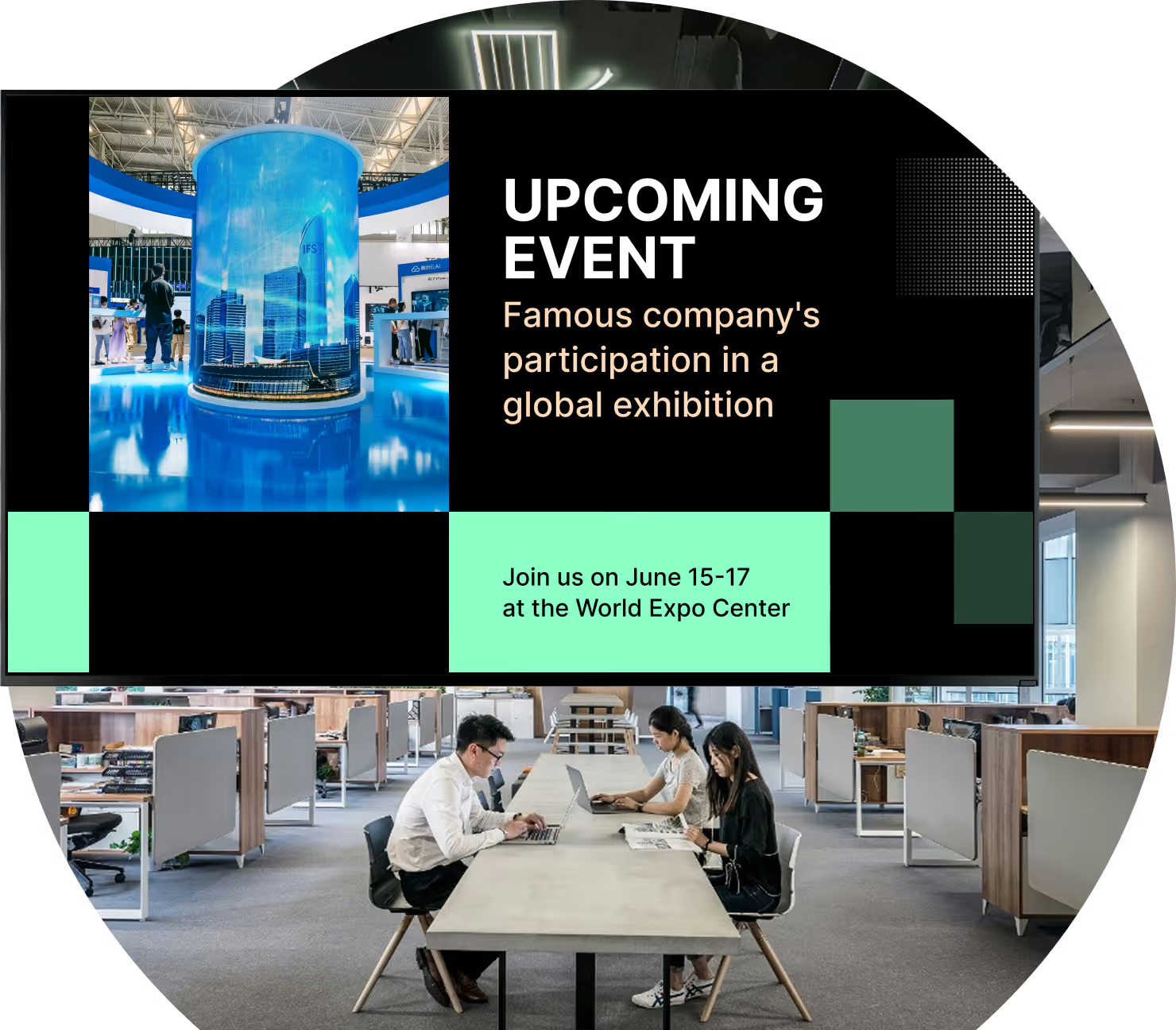
Digital signage for every part of the workplace
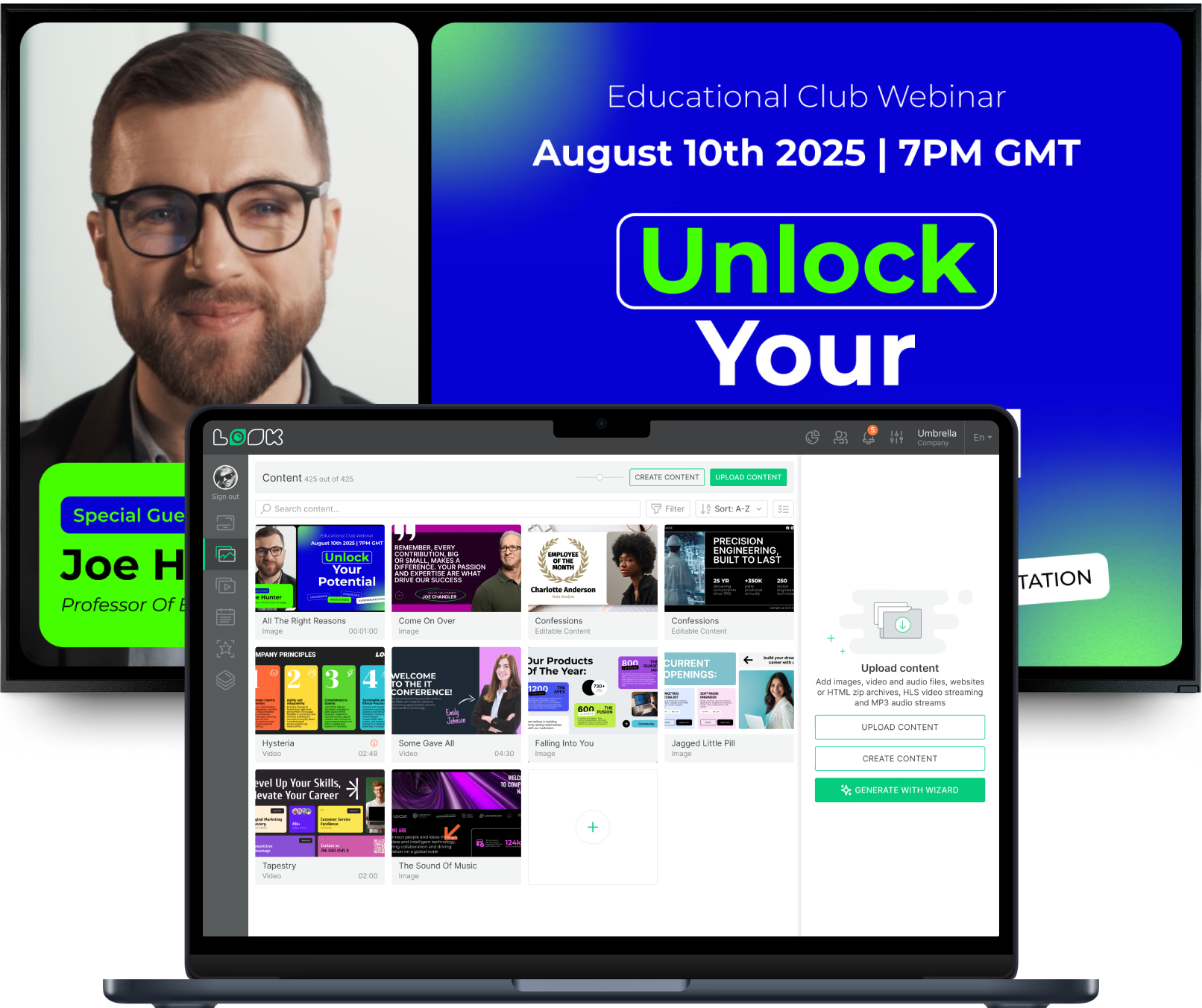
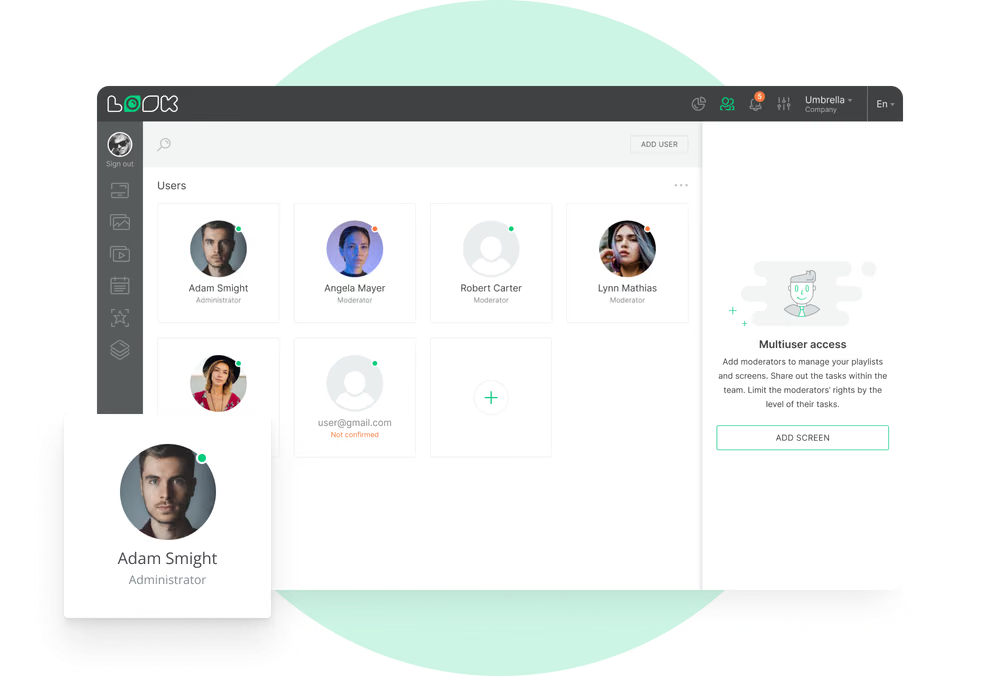
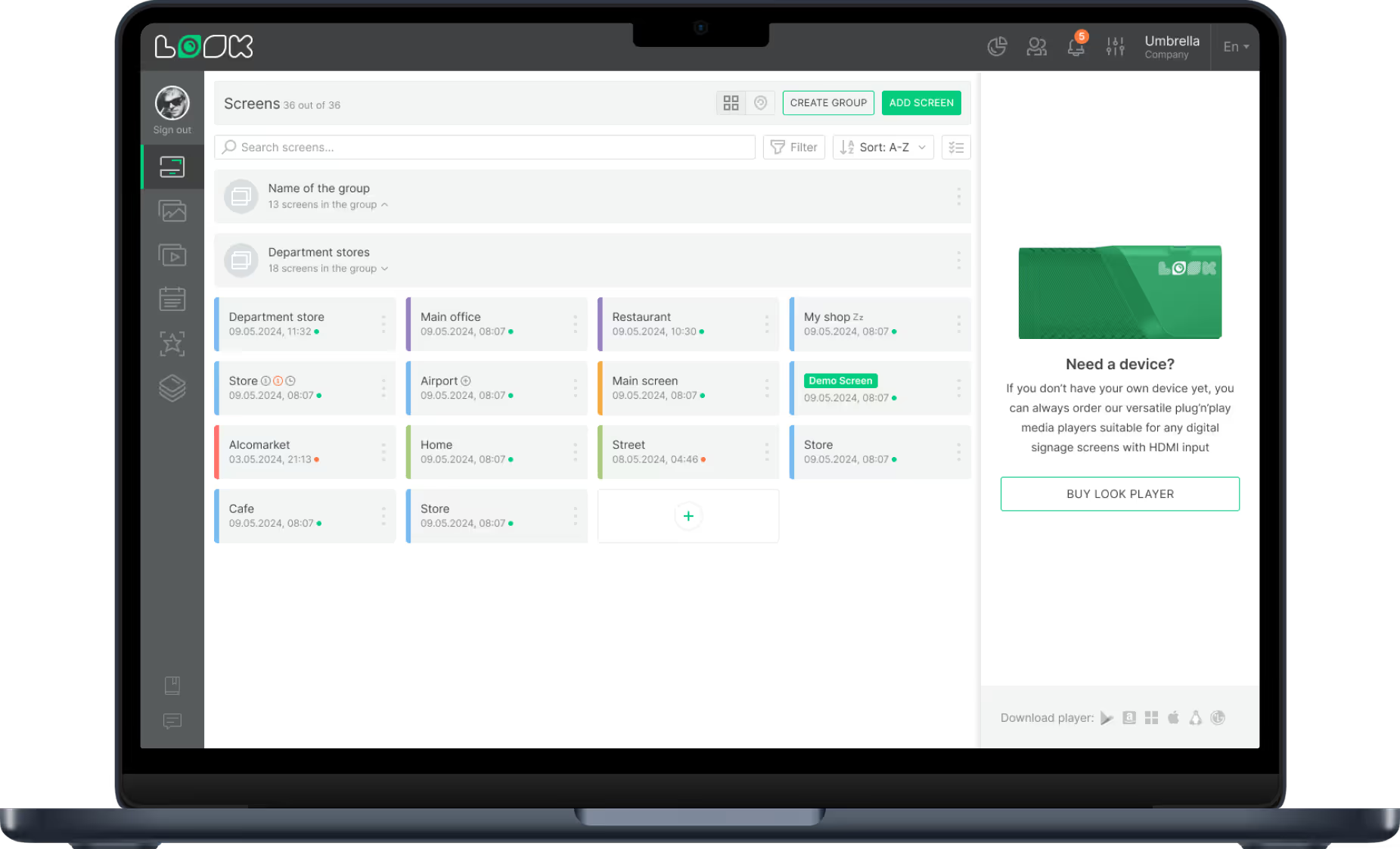
A reception screen, a break room TV and a display on the production floor speak to different people. Look runs them all from one account, each with its own content, schedule and publishing permissions.
Lobby and reception
Show candidates and visitors who you are.
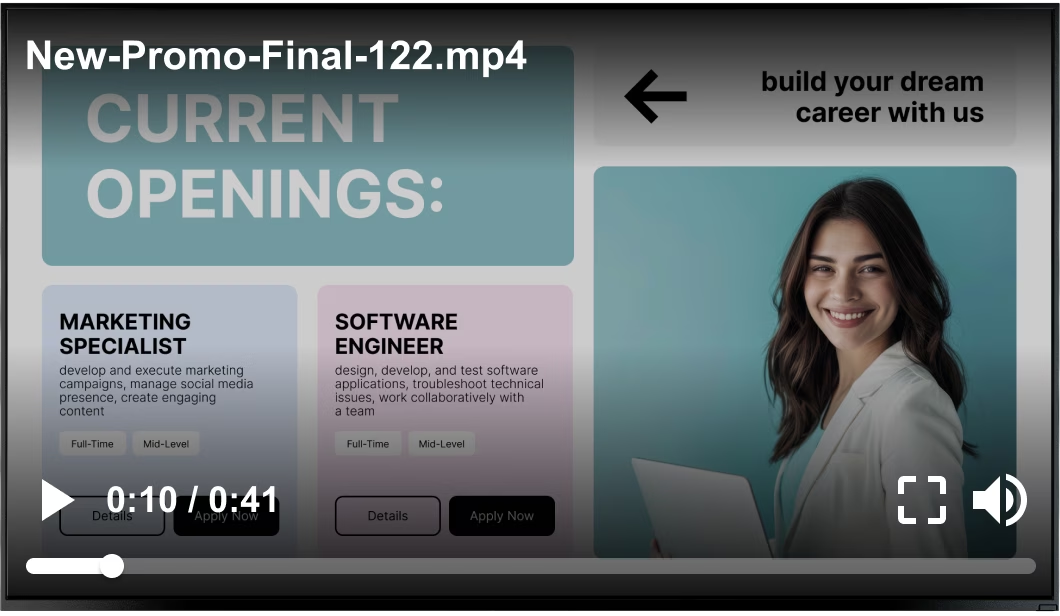
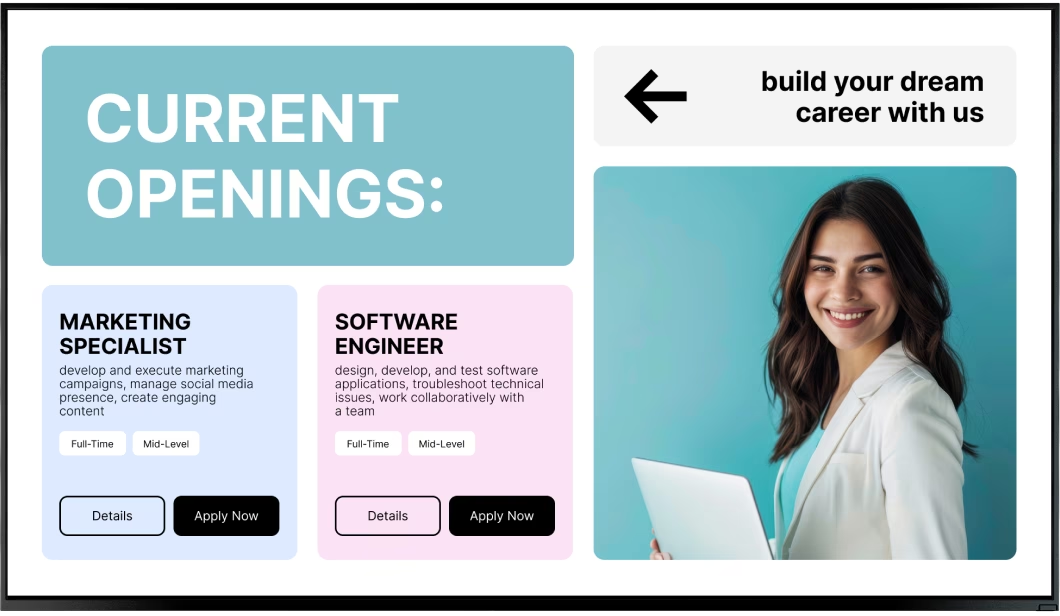
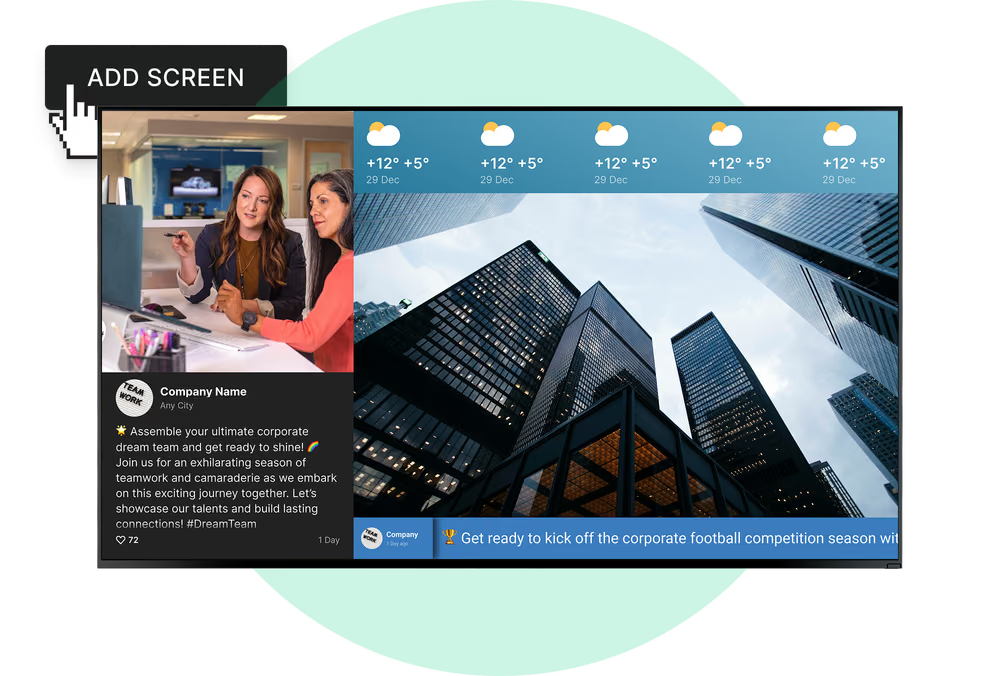
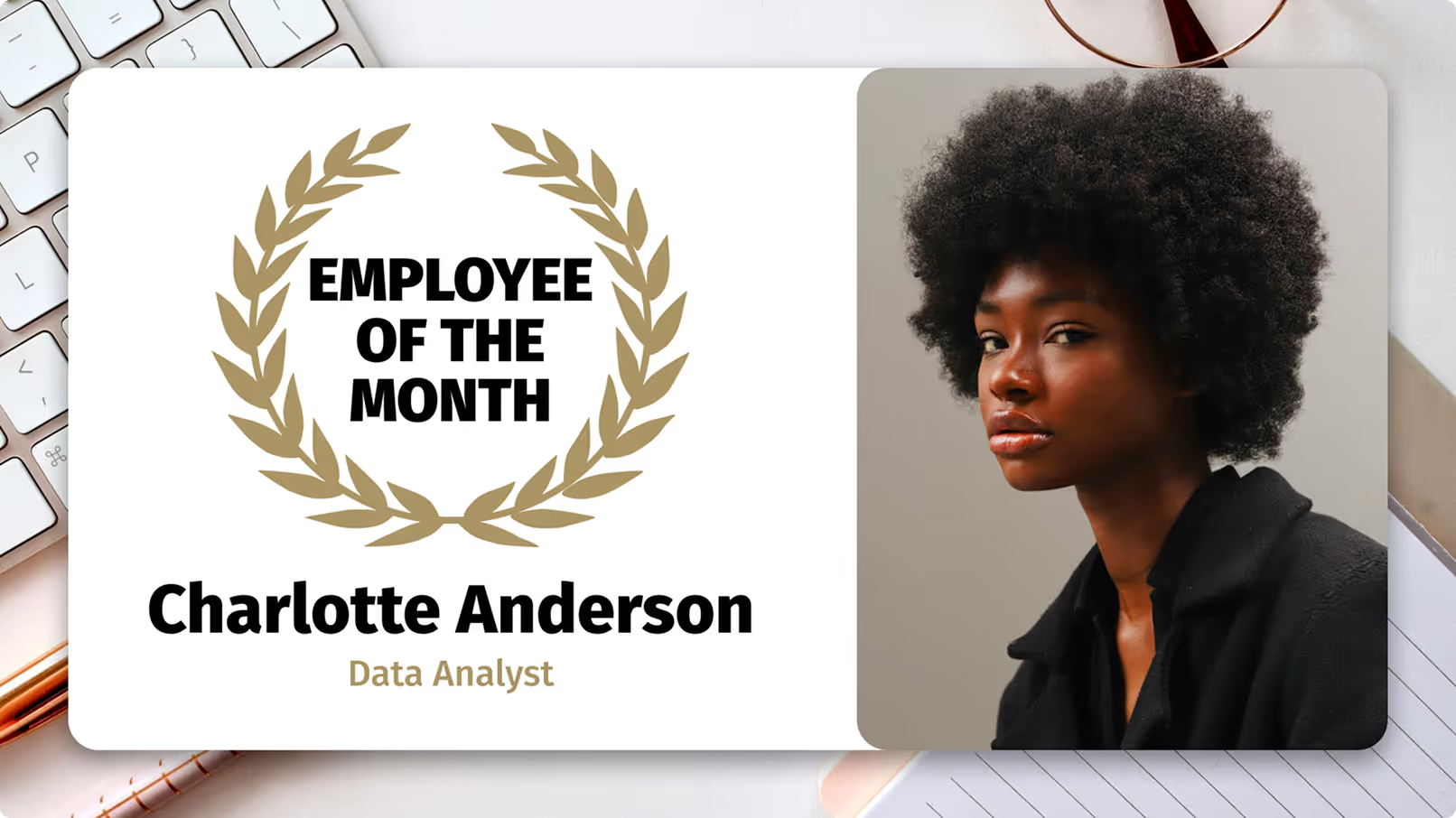
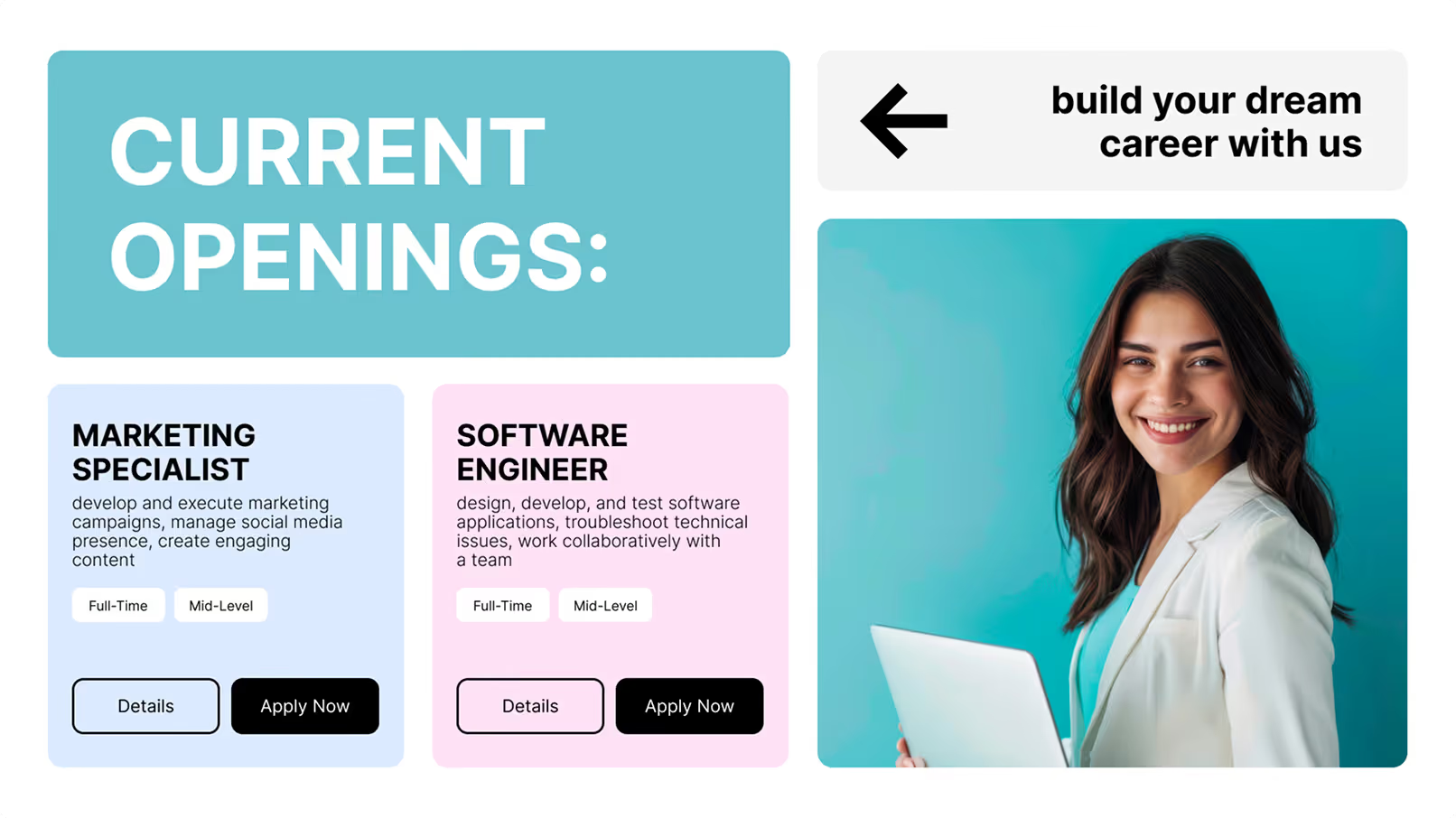
The entrance screen is the first thing a candidate sees on interview day. A multi-zone layout can run open roles next to employee stories, a welcome for today's interviews and a rolling RSS feed of company news.
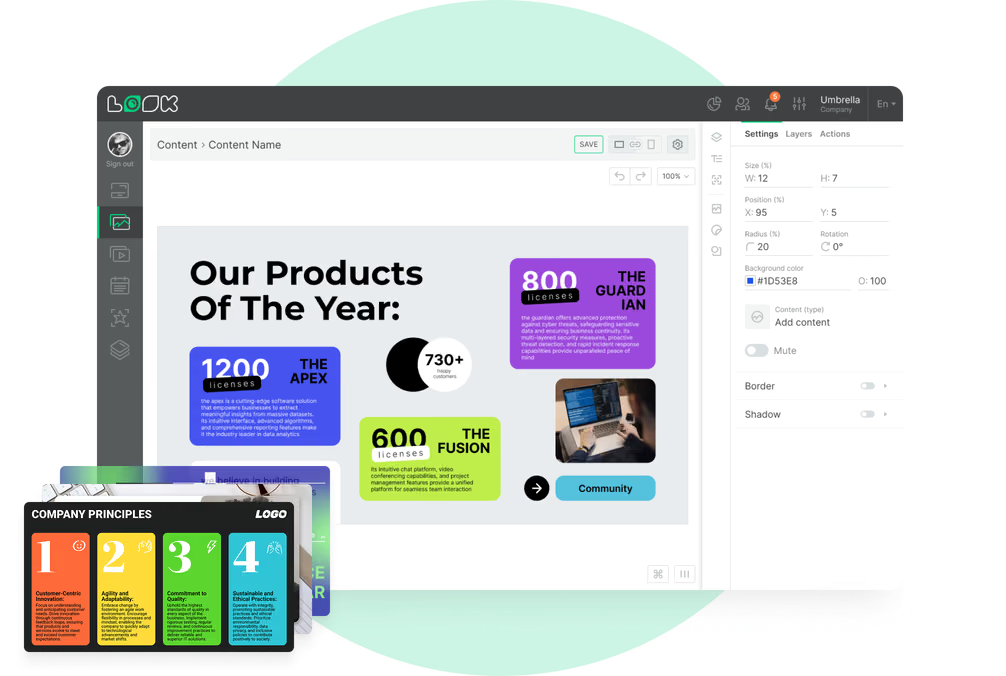
Sizing in Content Creator is percentage-based. One card therefore reads on the wide screen behind the desk and on the narrow panel by the door alike.
Best for: Open roles, employee stories, interview welcomes, company news, awards and milestones
Break room and canteen
Reach people when they stop moving.
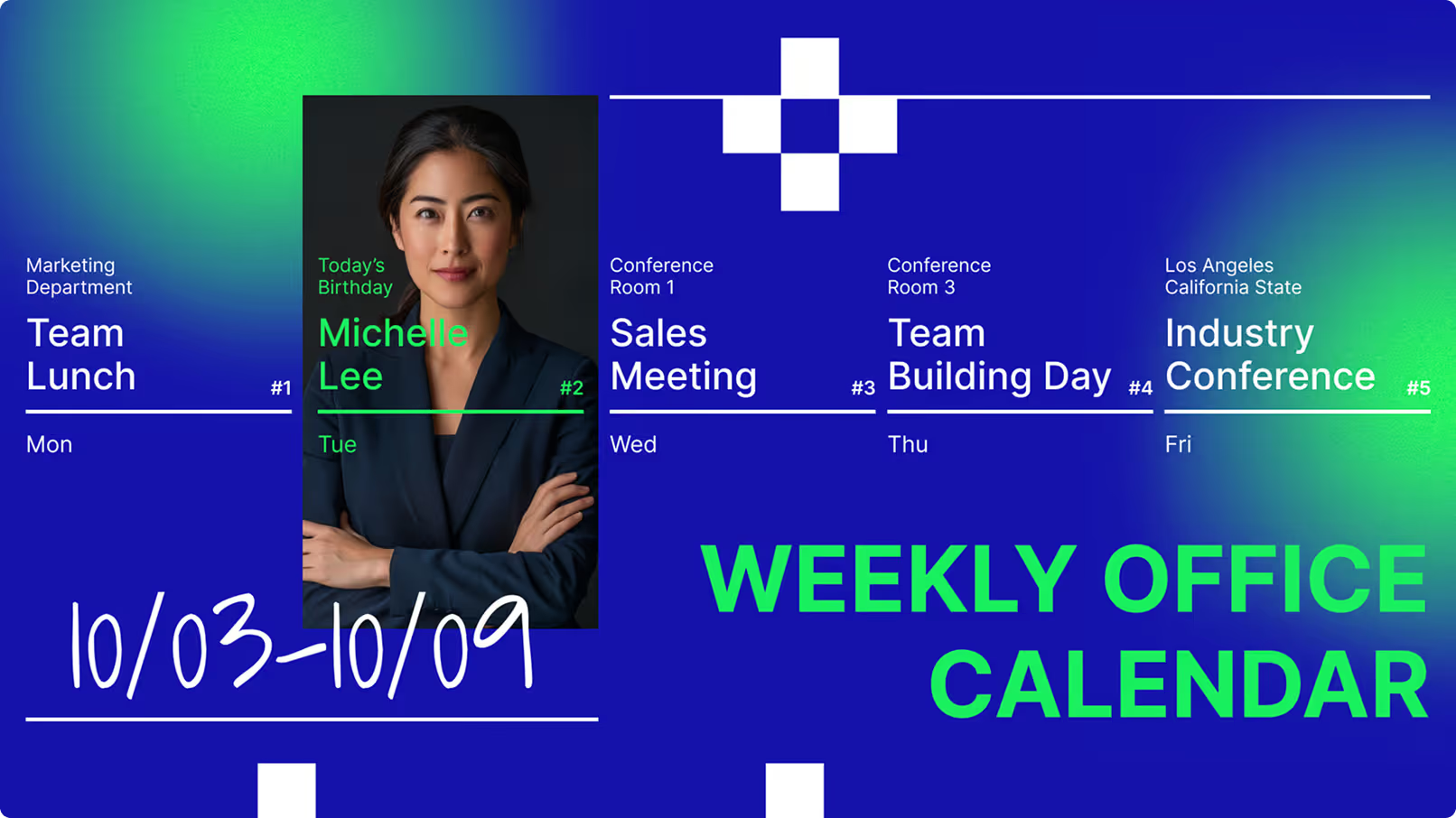
Break rooms carry the people-focused content: new hires, work anniversaries, benefits deadlines, the weekly canteen menu, team photos, and wellbeing material such as stretch reminders, mental-health resources and work-life-balance messages.
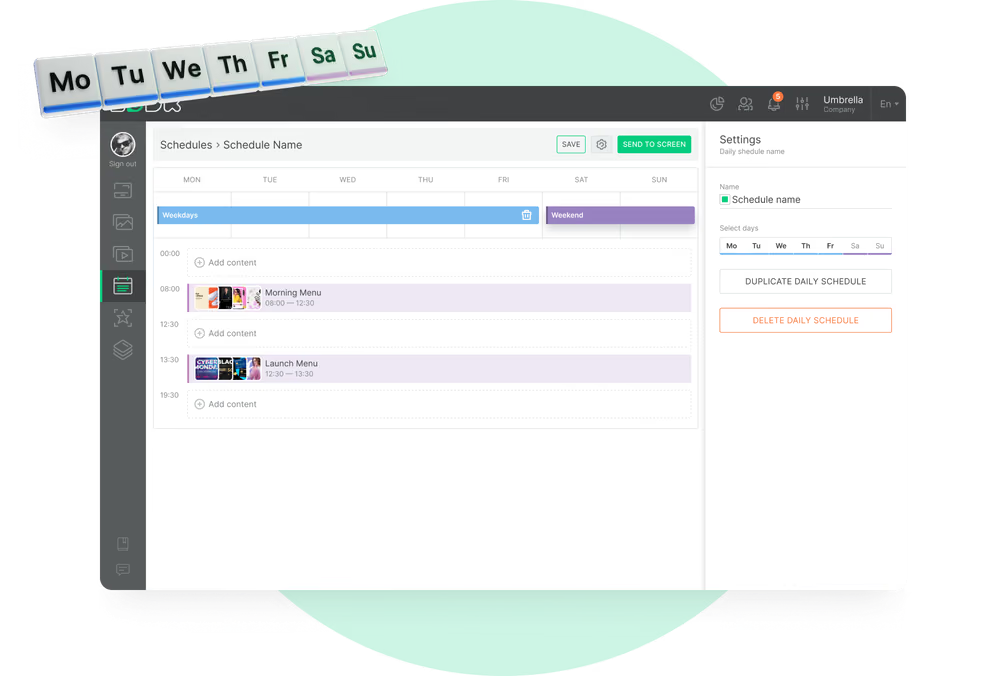
More text will not make a closing enrollment window land; a Countdown timer will. And before lunch the canteen menu can borrow the screen, then hand it back.
Best for: New hires, anniversaries, benefits deadlines, canteen menu, wellbeing resources, team photos
Production floors and warehouses
The one channel deskless teams actually see.
Front-line teams rarely open email mid-shift. The screen by the line, in the locker area or at the staff entrance is often the only HR channel that gets to them, and that is where shift schedules, safety reminders and training deadlines belong.
Signal drops in a plant or a basement. Cached images and video ride through it, and live apps and web content return with the connection.
Best for: Shift schedules, safety reminders, training deadlines, production goals, site announcements
Open-plan floors and department areas
Put the numbers a team owns up on the wall.
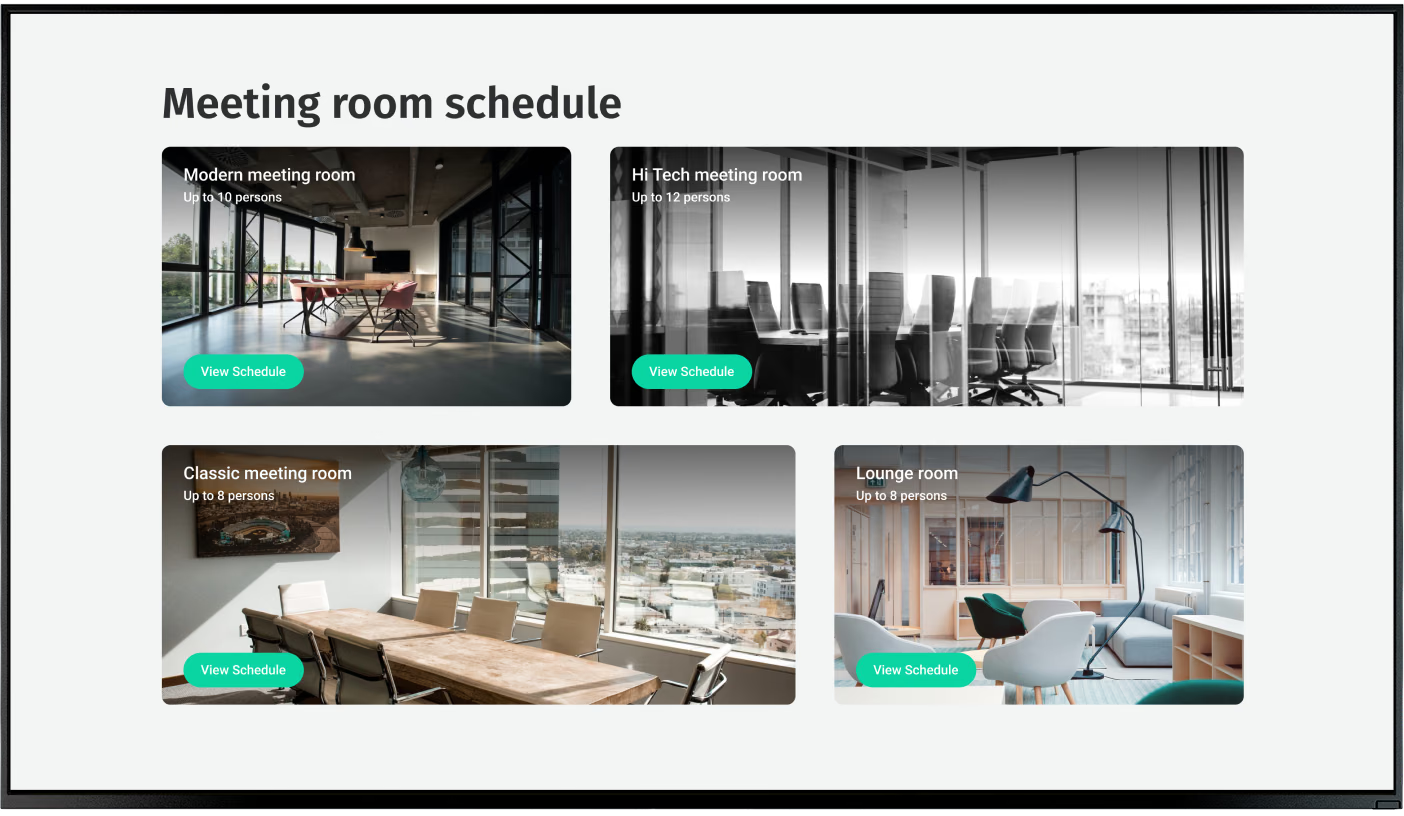
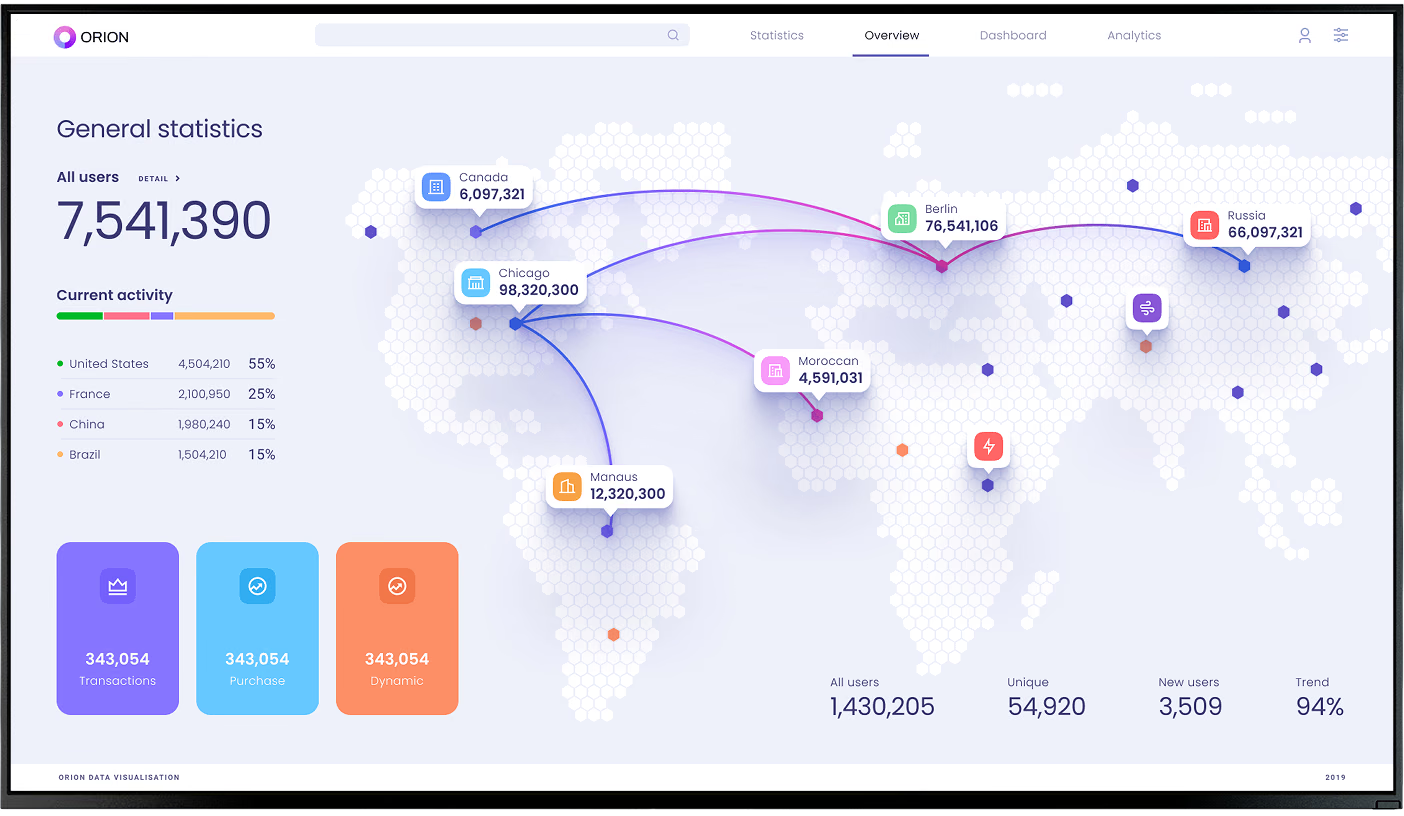
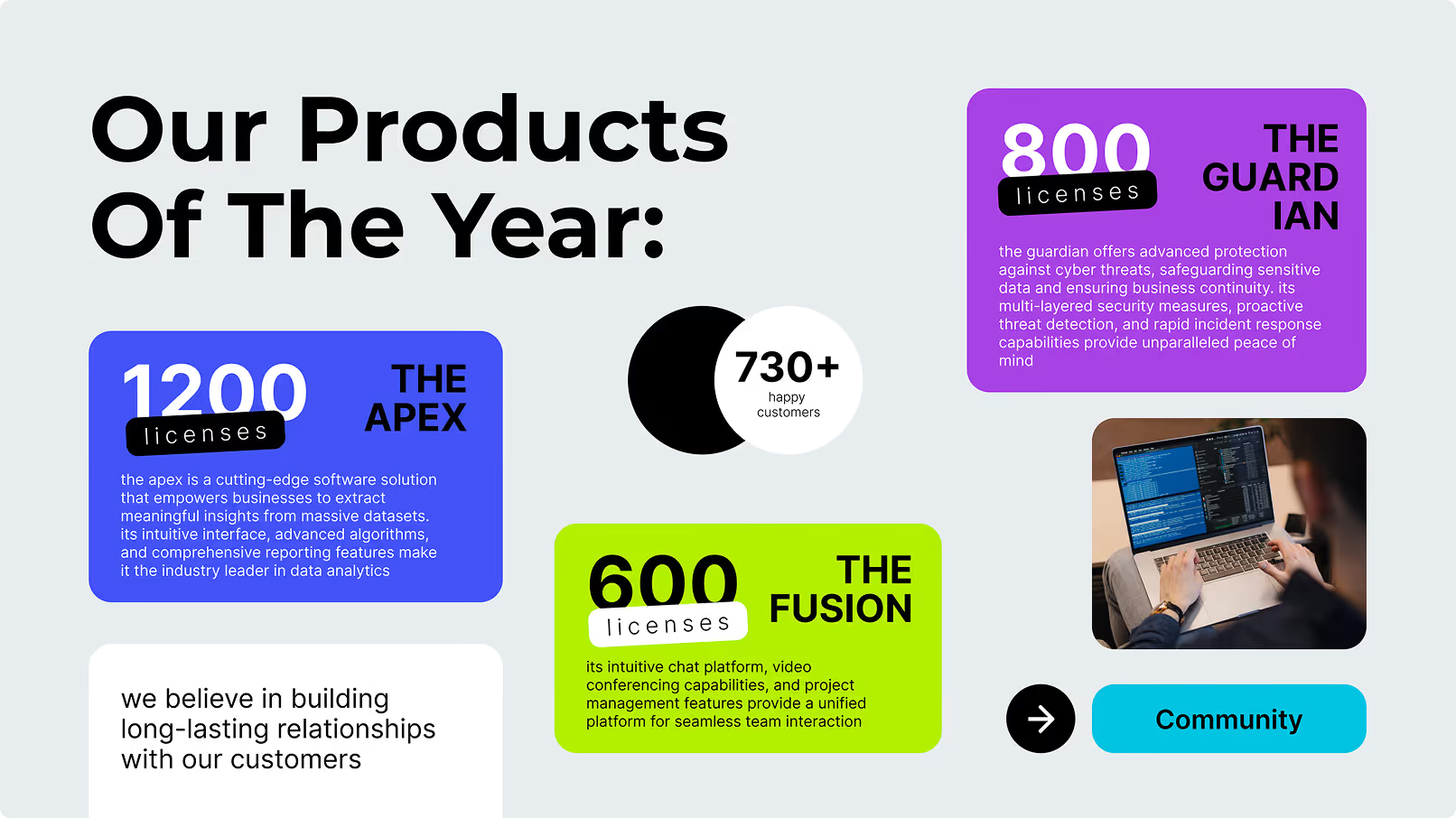
Sales, support and operations all watch figures that move through the day. Power BI and Geckoboard run as apps; anything internal that renders in a browser goes up through Embeddable Code. The dashboard refreshes and nobody exports a slide.
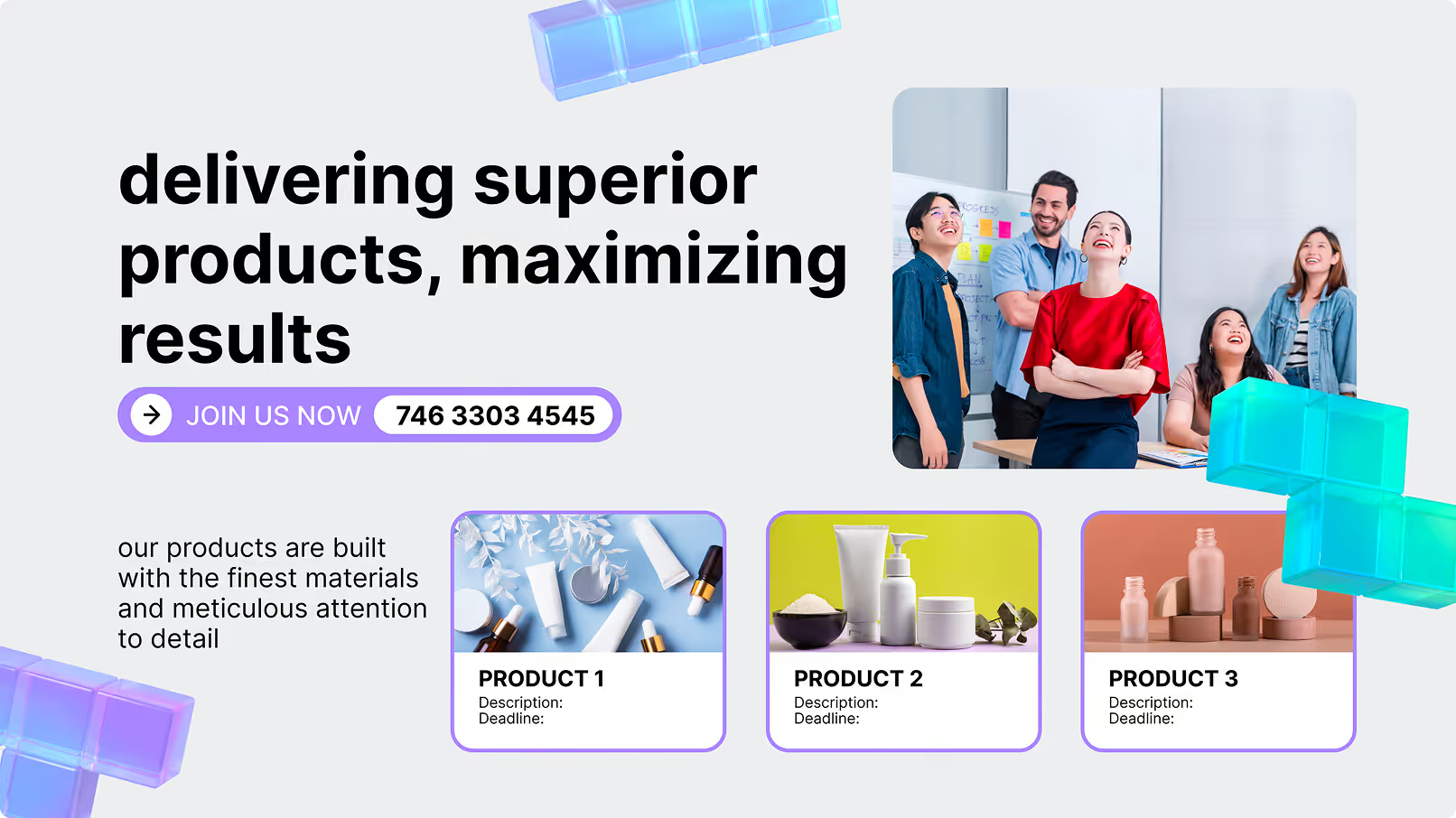
Zones in a Screen Layout let the target chart, the recognition banner and the ticker run side by side. Keep individual performance data off shared screens.
Best for: Department KPIs, team goals, project status, shift handovers, recognition banners
Corridors, elevator lobbies and stairwells
One idea per slide, for people in motion.
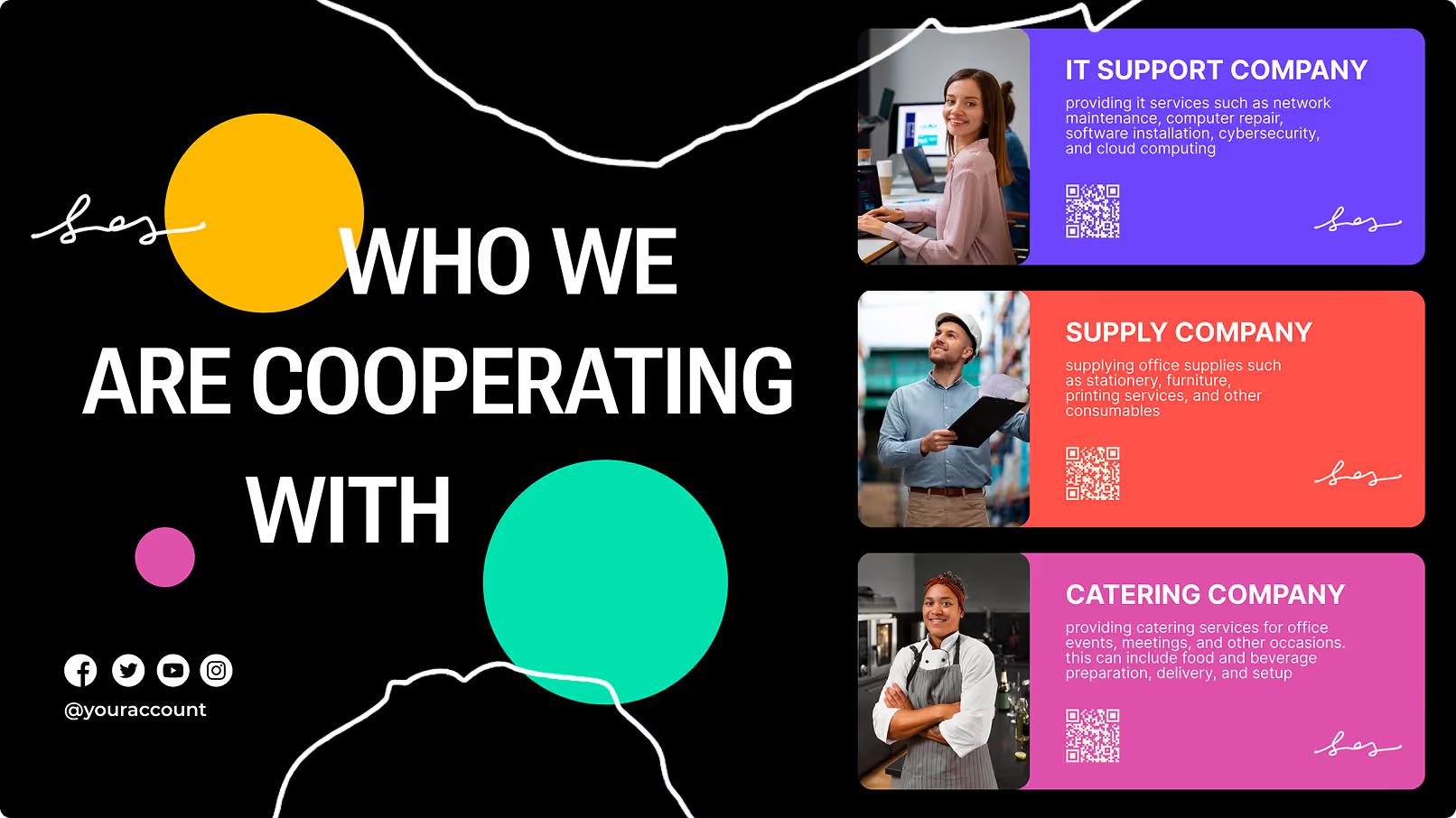
People pass these screens in seconds, which makes one message per card the rule: a policy reminder, a training deadline, a line from the leadership team. Ready-made templates make the cards quick, and a QR code hands the full policy or the enrollment form to a phone.
A theme per day, compliance Monday and recognition Friday, stops the same slide sitting there for a month.
Best for: Policy reminders, training deadlines, leadership updates, QR links to intranet pages, event notices
Onboarding and training areas
Give new hires their first day on screen.
A welcome card with the new hire's name, the team they are joining and where to go next makes the screen part of the induction. Google Slides runs the induction deck straight from Drive, so the source file stays the only version anyone maintains.
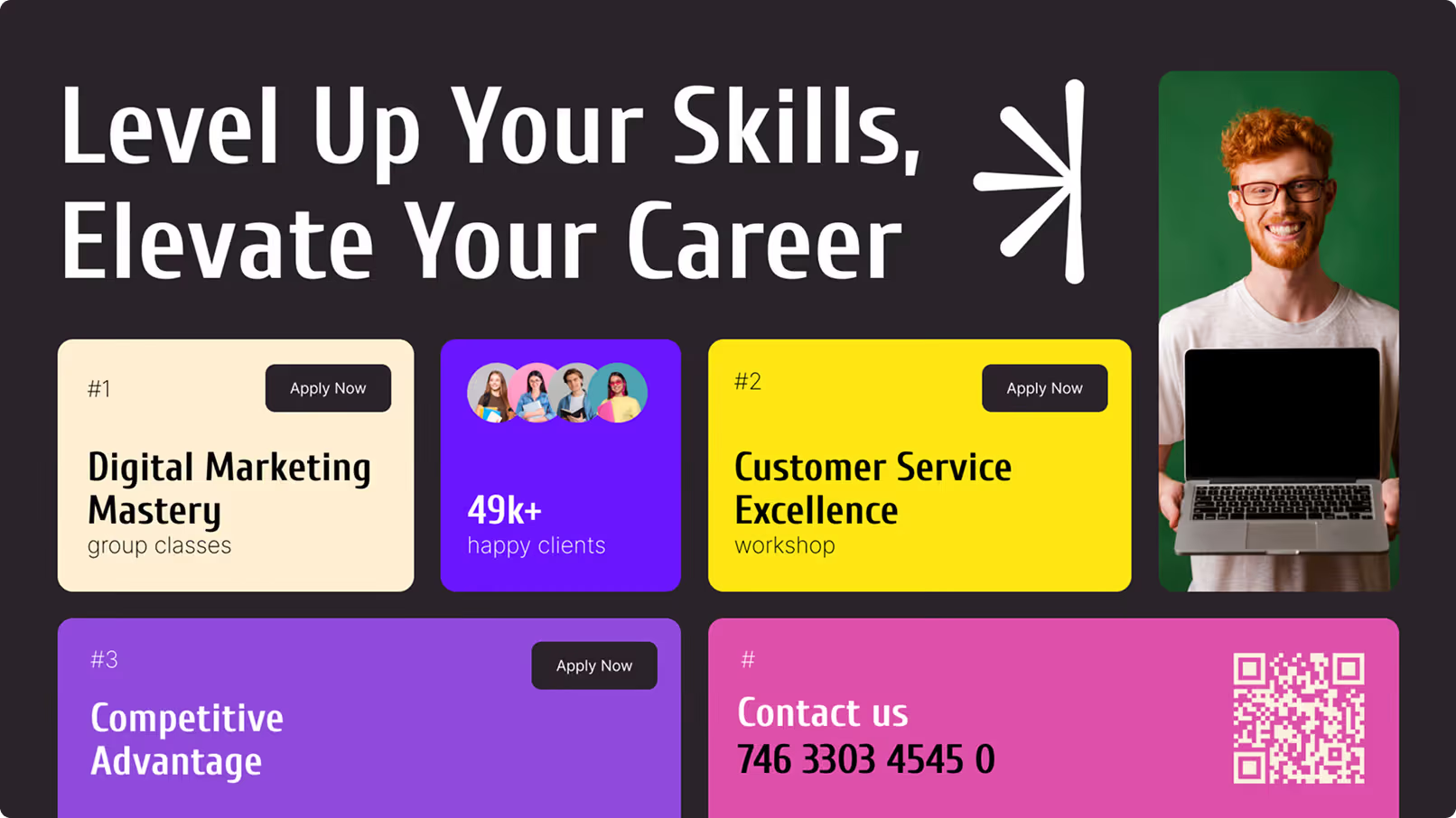
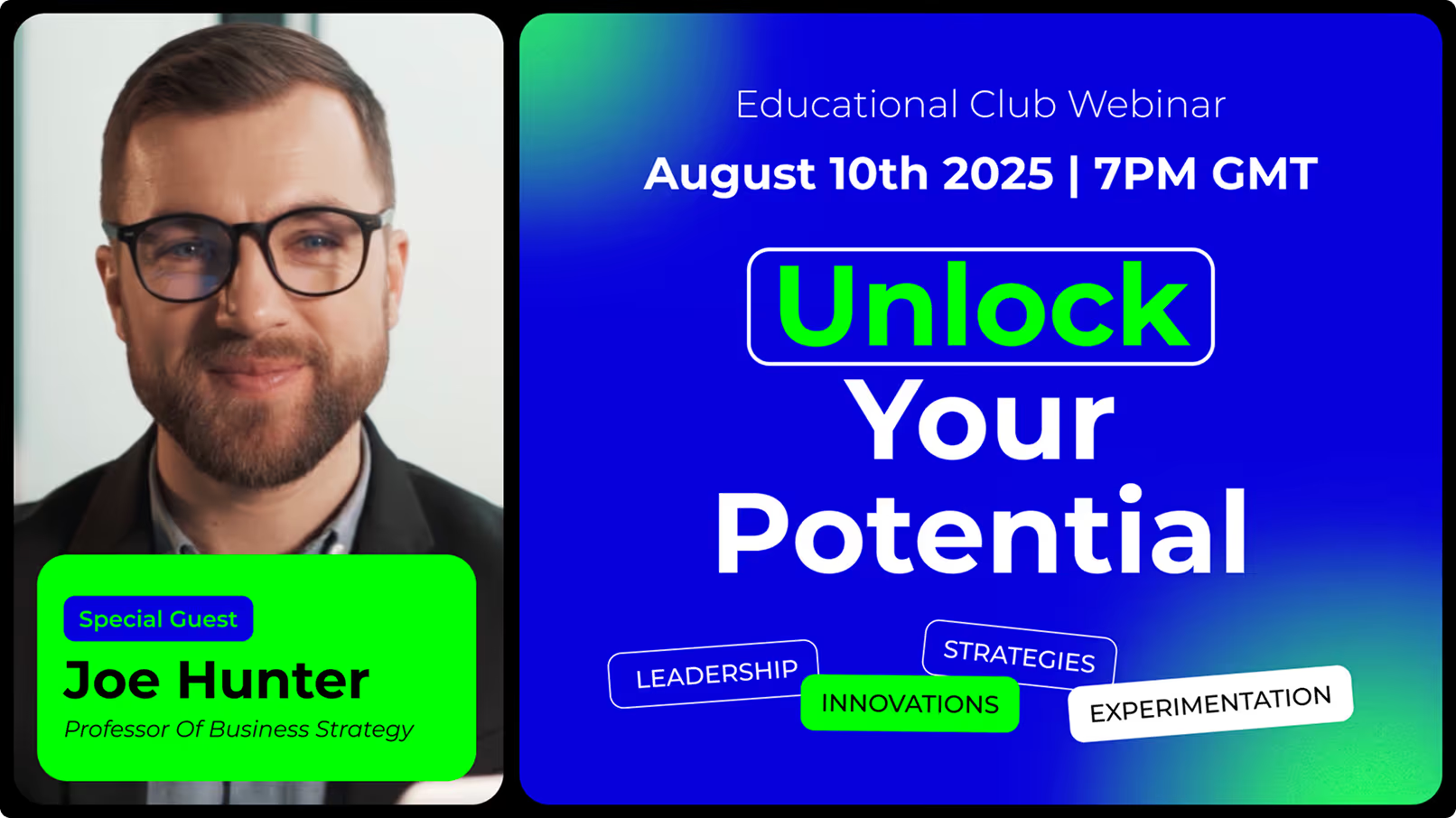
The same screens go on to carry course dates, mentoring programs, internal openings, and stories from employees who moved into new roles.
Best for: New-hire welcomes, induction decks, course dates, mentoring programs, internal openings