🎓 UNIVERSITY DIGITAL SIGNAGE

Digital Signage for Universities

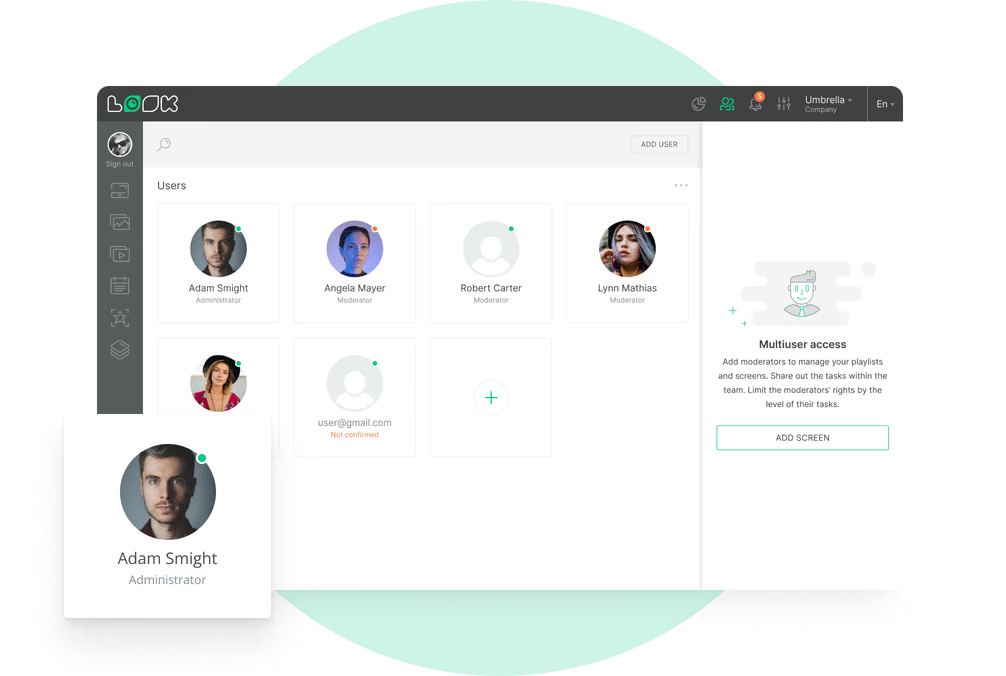
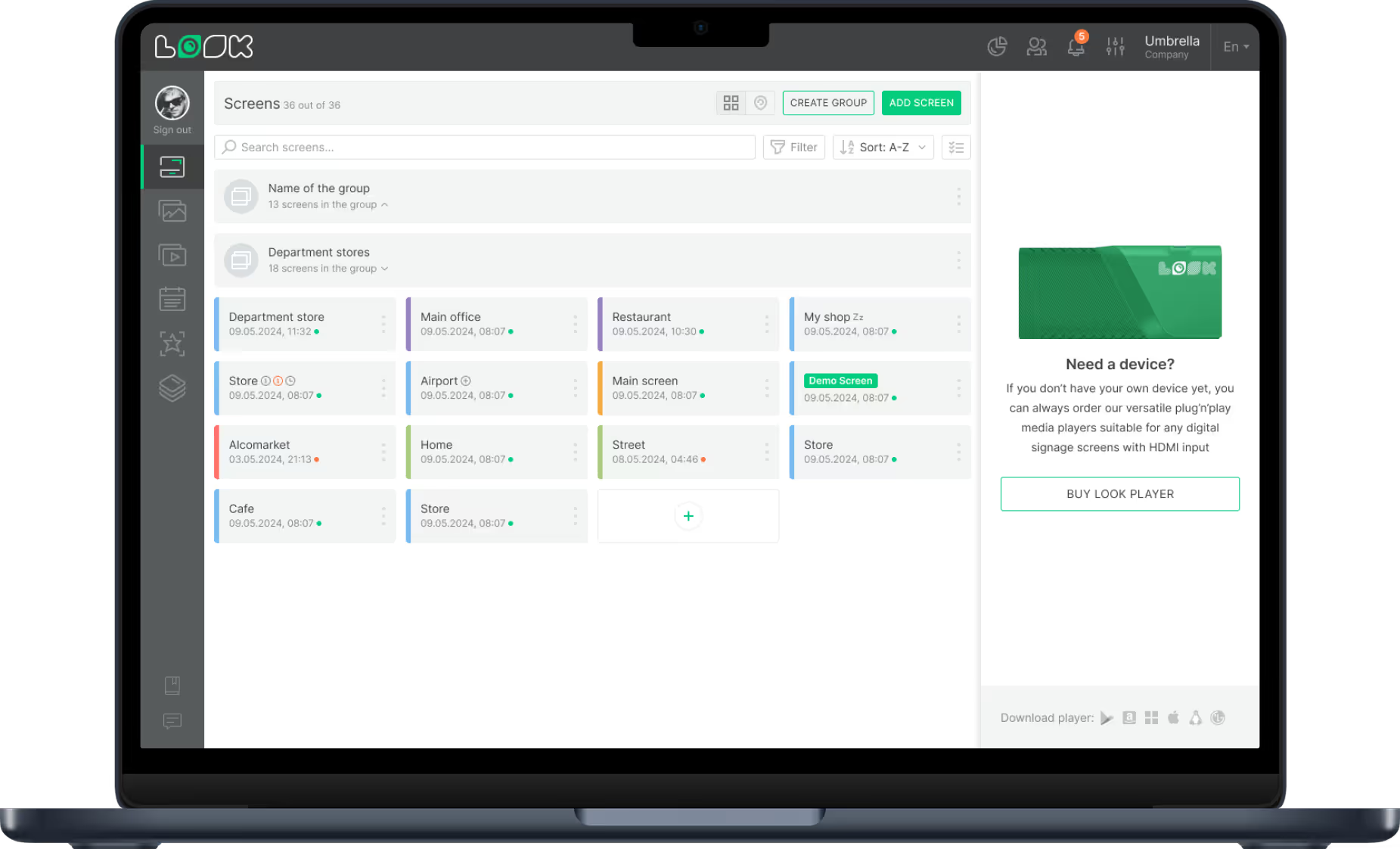
Keep every campus screen current, even as student teams and staff members change. With Look DS, authorized users can manage every building from one browser, while each faculty, library or students' union publishes to its own screens within centrally managed access rights.

One account for every campus building

Publish to one lecture hall, one faculty or every site the university runs.

Interactive guidance for every visitor

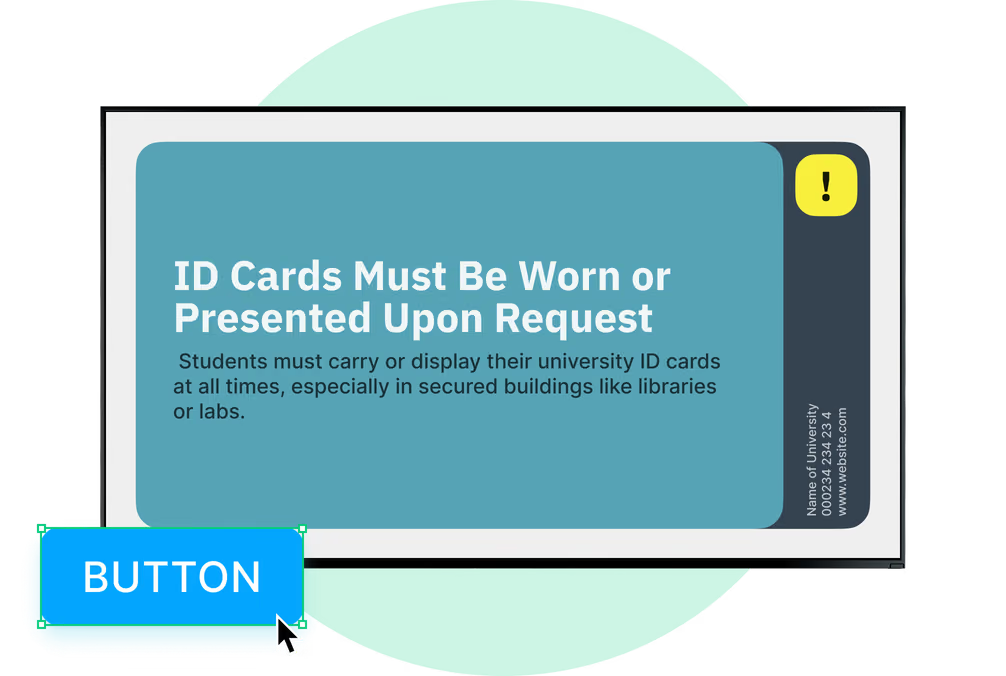
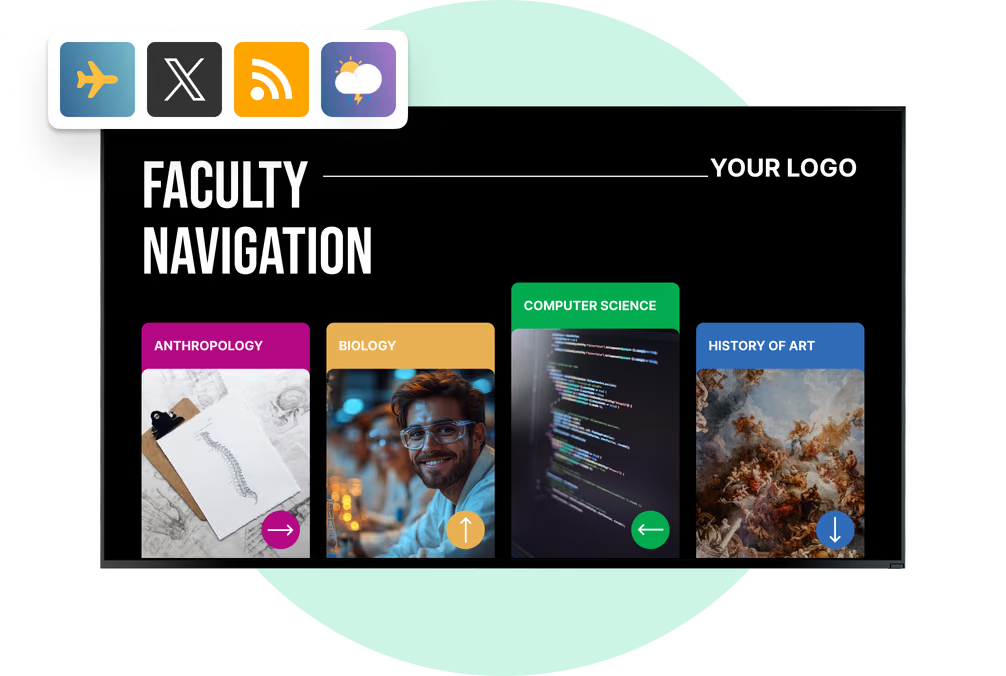
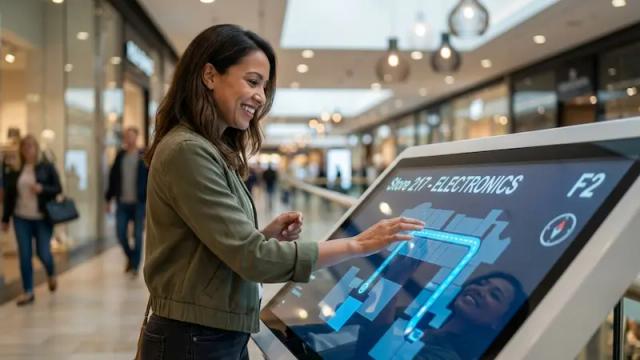
Touch displays let visitors tap through buildings, faculties and floors.

Remote visibility across the campus

Remote screenshots and eight alert types keep every display visible to your team.
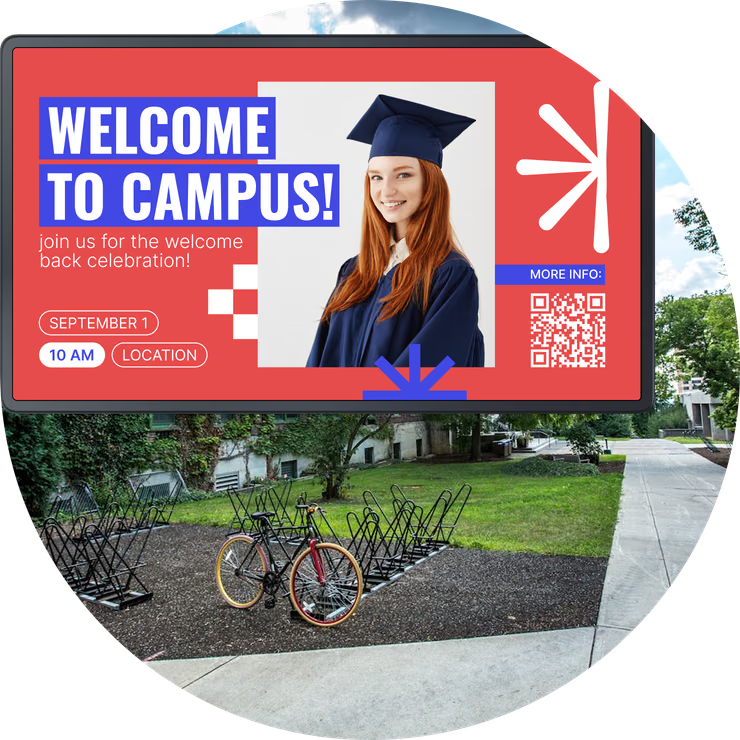
Welcome to Campus screen with a graduate in cap and gown above a bike rack on a university path
  • No credit card required. From $6 per screen/month with volume pricing.

  • Runs on Android, Windows, Linux, Tizen, webOS, Raspberry Pi and more.

  • 24/7 in-app support from real people.

Captera Rating
4.9
G2 Rating
5.0
60 000+
Screens
11 000+
Users
120+
Countries
Capterra Best Value · G2 High Performer
Software Advice · Customer Support 2026

Run every screen on campus from one browser

University digital signage lets institutions manage announcements, lecture and event schedules, wayfinding, student news and dining information across campus screens from one cloud-based CMS, with each building publishing its own content.
Everything happens in a browser. Schedule a message ahead of time and send it exactly where it belongs, whether that is one corridor, one faculty or every campus the university runs. Nothing has to be walked round the buildings on paper.

Sound familiar?

    • A red cross inside a black circle

      Event notices that need updating again and again

    • A red cross inside a black circle

      No easy way to check a screen in another building

    • A red cross inside a black circle

      Every faculty publishing its own way

    • A red cross inside a black circle

      Every small request landing on the central team

Generic stock promo video overlay playing over a university campus promotion screen Black USB flash drive with 4 GB storage capacity

What you get with Look

    • One account for the whole university

    • Screenshots show current screen status

    • Faculties publish their own content

    • Touchscreens answer visitor questions

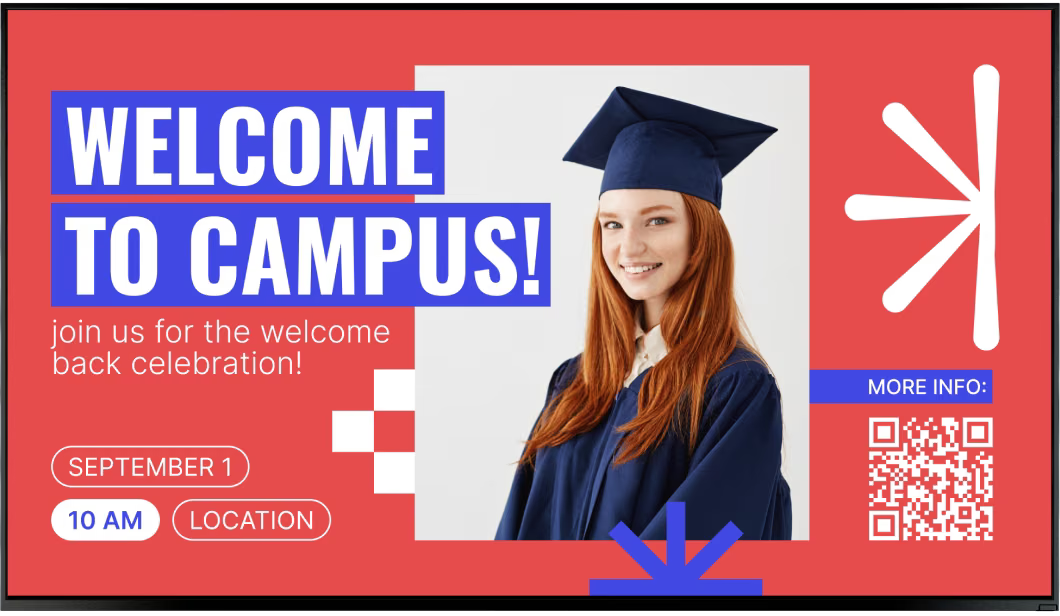
Clean university campus promotion screen without the video overlay Green shield icon with a white check mark
Try with demo screen now
Run demo screen right in your browser

From one lecture hall screen to the whole campus

Connect a player. Build a playlist. Publish. Those steps do not change between a single departmental noticeboard and several hundred screens spread across a campus.
  • Connect your screens

    Install the Look App on a compatible display or plug in a Look HDMI Player, then pair the screen with the 6-digit device code it shows.
  • Build and schedule the content

    Upload posters and video or start from a template, group them into playlists, and set the hours, weekdays and term dates each one runs, in the campus time zone.
  • Publish by building or by tag

    Targeting runs on tags. An exam notice reaches the whole campus; a seminar change never leaves the department that called it.
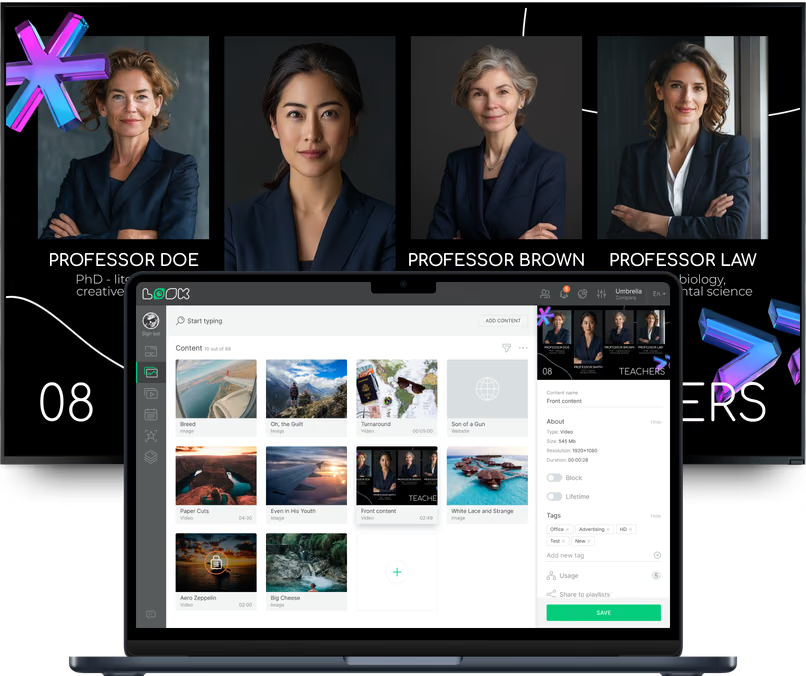
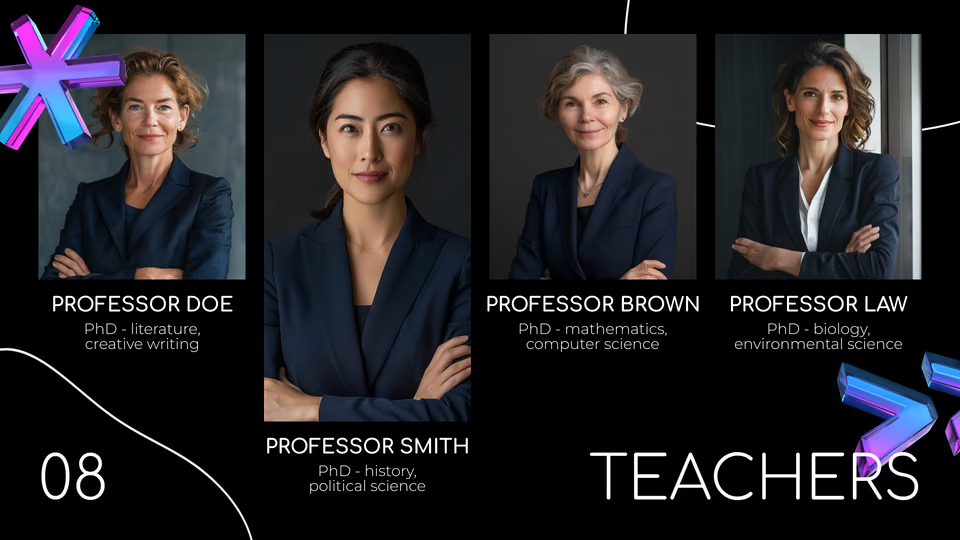
Power of Words literature lecture promotion screen with students reading Steve Jobs quote screen about the people who are crazy enough to think they can change the world Laptop with the Look content editor showing a media library and an 08 Teachers faculty directory preview

Where digital signage goes on a university campus

A visitor at the main entrance, a student between lectures and a resident in a hall of residence need three different screens. All of them run from one account, each with its own layout, schedule and publishing rights.

Main entrance and visitor center

Answer what visitors ask at the desk.
Applicants, parents and conference guests meet a screen before they meet anyone. It carries today's events, open-day sessions, the welcome for a visiting delegation and directions to the building they are looking for.
Hang a touchscreen instead and they tap through a campus map, a faculty directory and the day's program, and the display drops back to its loop once nobody is using it.
Best for: Open days, campus maps, faculty directories, visitor welcome, event programs

Faculty and teaching buildings

Put the timetable where the lecture is.
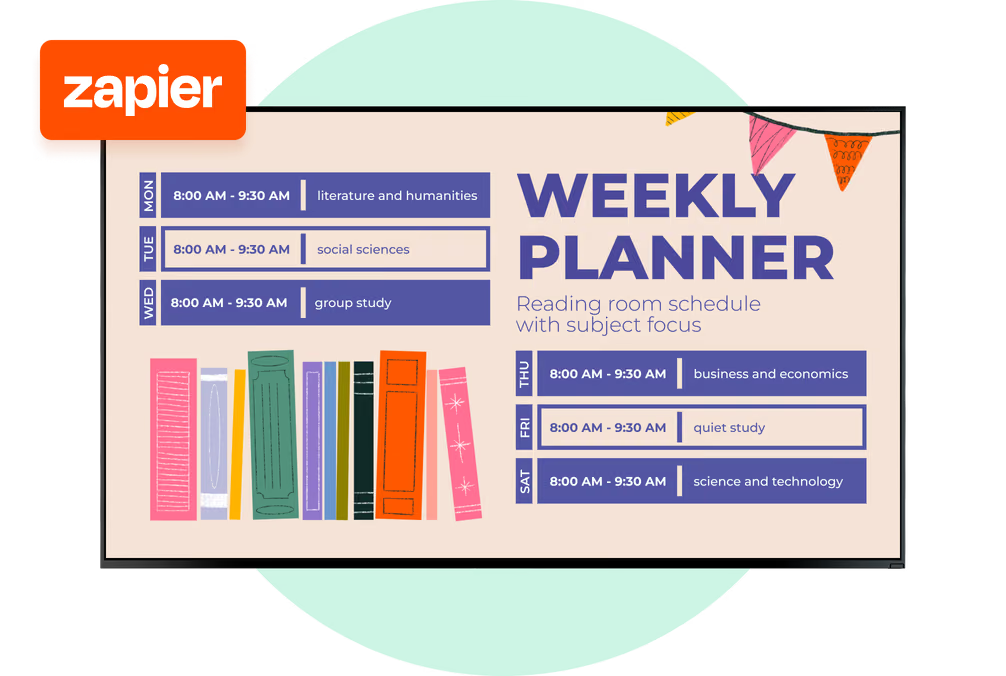
Screens outside lecture theaters and seminar rooms show what is booked, what moved and what was canceled, with the Calendar app reading the schedule straight from Google Calendar or Outlook.
Corridor displays take the rest: coursework deadlines, guest lectures, research news, and notices from a department that would otherwise go out as another all-staff email.
Best for: Room bookings, class changes, deadlines, guest lectures, department news

Library and study commons

Study spaces that stay calm and still say what matters.
Opening hours and the longer ones during exams. Which group study rooms are free. Reading lists, skills workshops, new arrivals. Library screens cover all of that.
Keep the loop quiet in a reading room: text and stills, nothing that jumps about. Closing times and access updates work well in a discreet ticker along the bottom, easy to see and easy to ignore.
Best for: Opening hours, exam-period changes, workshops, reading lists, study rooms

Students' union, cafes and social spaces

Screens students actually stop to read.
Society events, club sign-ups, elections, gig nights, fixtures and results, cafe hours and menus. This content changes every week, and the people who actually know it do not sit in the communications office.
A Moderator account and a set of playlists of its own is usually all the union needs. Central communications still owns the brand and the campus-wide messages. The union keeps its screens current.
Best for: Society events, elections, fixtures, cafe menus, club sign-ups

Halls of residence

Reach students where they live.
Residence screens carry maintenance and laundry notices, housing and fee deadlines, safety reminders, wellbeing services and what is happening on campus this week.
Halls often sit away from the teaching estate and on a separate network. If that link wobbles, cached images and video carry on playing to schedule.
Best for: Maintenance notices, housing deadlines, safety, wellbeing services, events

Sports venues, auditoriums and event spaces

Take the room over for the day.
Arenas, halls and auditoriums run fixtures, results, ceremony running orders, conference programs and recognition for sponsors, alumni and donors.
For a graduation, an open day or a conference, a dedicated playlist takes over those screens for the day and restores the regular schedule when it ends. Lifetime dates retire every program automatically after its event.
Best for: Fixtures and results, graduations, conferences, donor walls, event takeovers

To use Look digital signage software

Look service works seamlessly on any hardware, whether you're planning to purchase or already use it
Or

Install FREE Look App

Transform any TV or compatible device into digital signage by installing the free Look app.
WindowsAmazon Signage
Androidgoogle-tvLinuxOS Fire Amazon
macOSWebOSOS Tizen OS Raspberry Pi
Supported Operating Systems

Plug Look HDMI Player

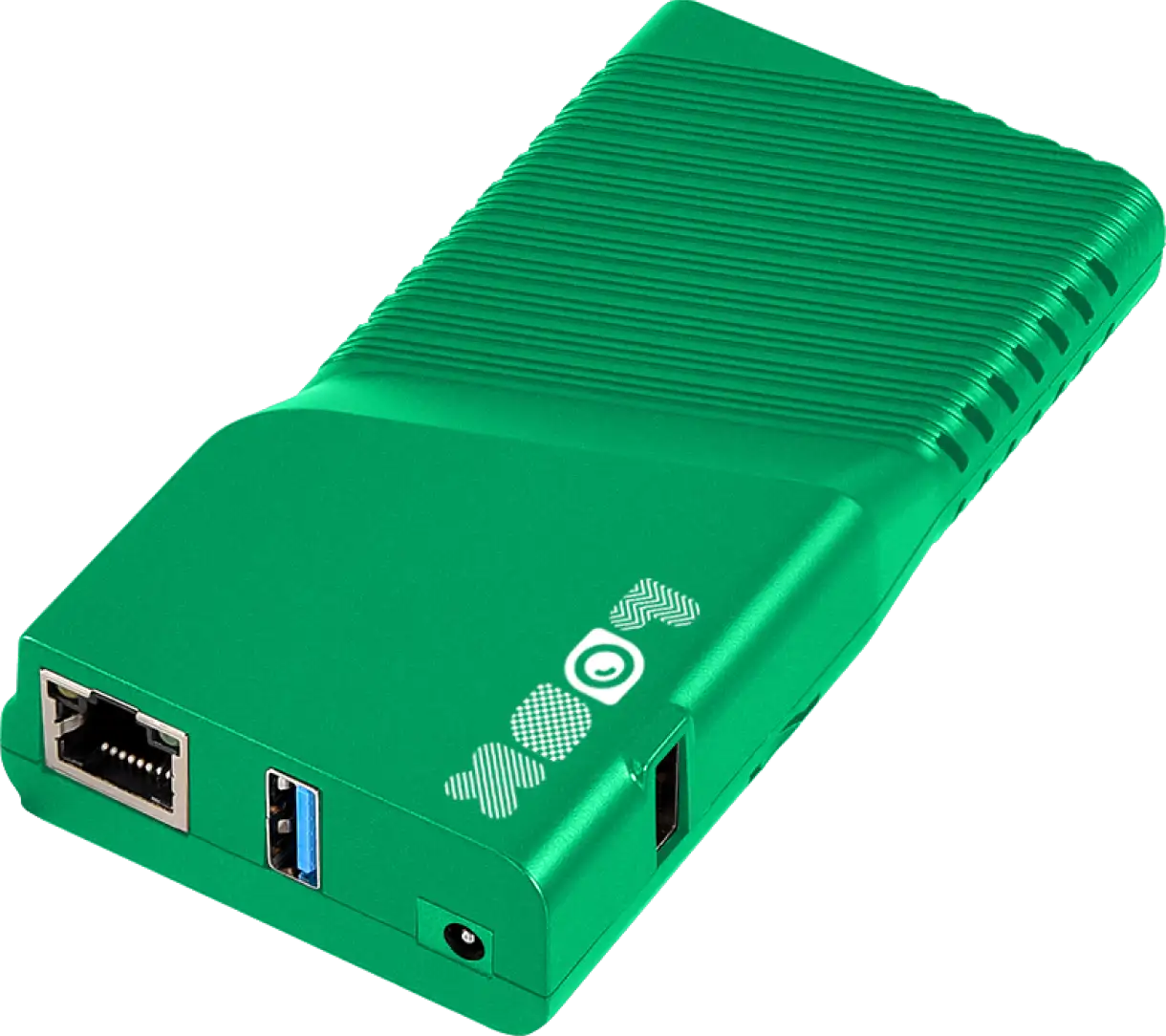
Connect the Plug & Play Look Player to your display’s HDMI input for instant setup. Worldwide shipping.
Buy nowLook HDMI Player

What our customers say
Real businesses, real results.
Captera Rating
4.9
G2 Rating
5
We tried many different solutions for our platform. After many trials and errors, we found Look Digital Signage to be an amazing tool for our purposes.
Pyry Salminen
We have 22 locations and zero issues with Look software. It’s so easy to use and has a lot of useful tools that we utilize in our day-to-day business. All-in-all, our experience was top-notch.
Ervin Piotrowski
I’m grateful for the opportunity to work with Look and it's been a really big game changer for us, because it has helped us to come across as an older business in a much more fresh way.
Michael Guzman
60 000+
Screens
11 000+
Users
120+
Countries
Free templates

Free templates for campus announcements and events

Set the university colors, fonts and logo once. After that it is a matter of dropping in the open-day date, Saturday's result or this week's workshop, scheduling it and publishing. The source designs are editable, so authorized teams make their own content and the campus still looks like one institution.
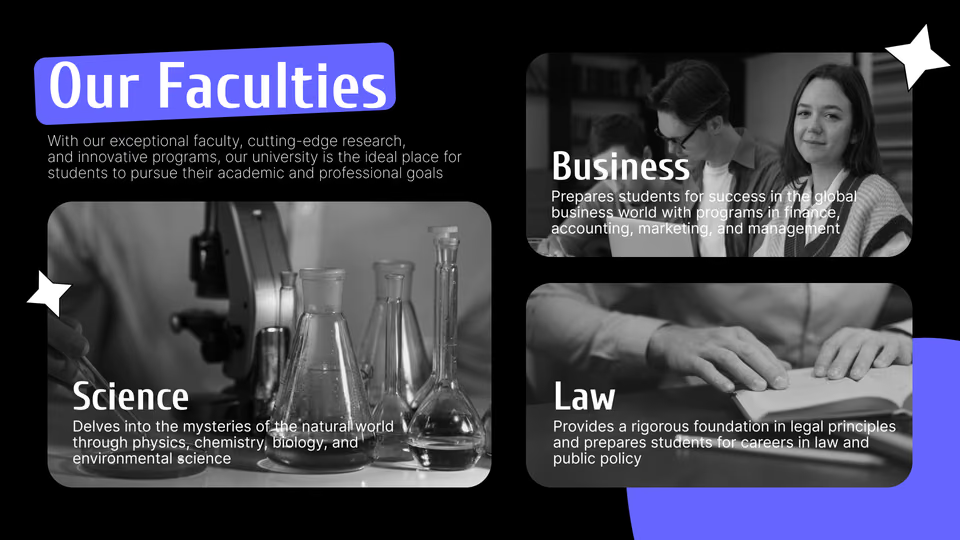
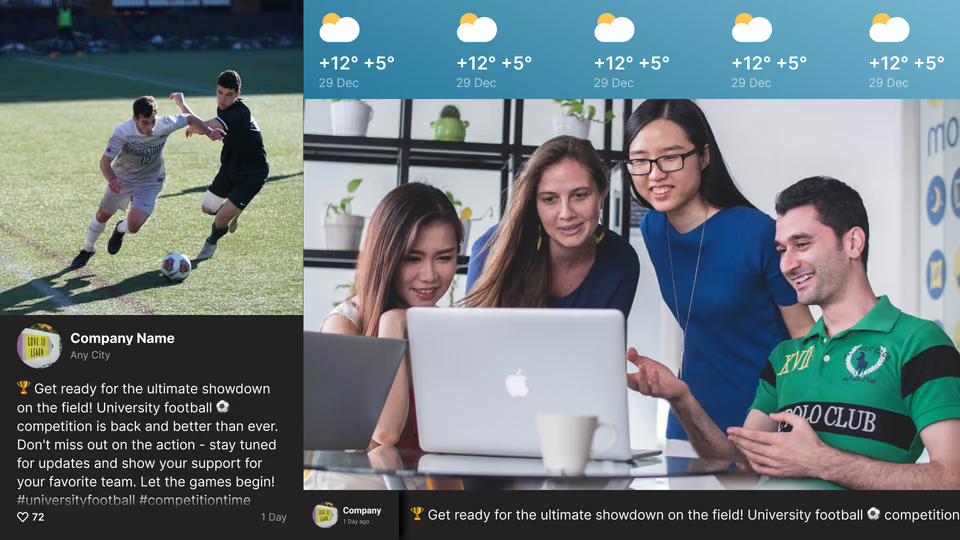
Welcome to Campus template with a graduate in cap and gownOur Faculties template with Science, Business and Law department cardsUniversity football competition social post template with weather strip
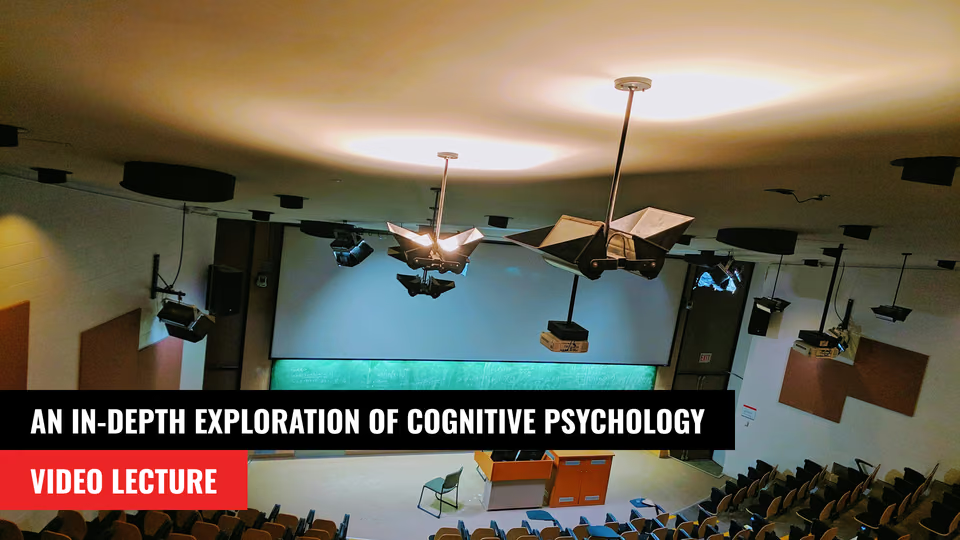
Our Faculties template with Science, Business and Law department cardsUniversity football competition social post template with weather stripAn In-Depth Exploration of Cognitive Psychology video lecture template in a lecture hall
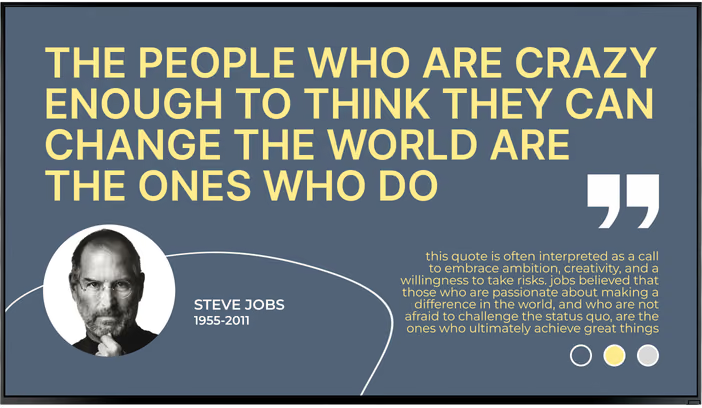
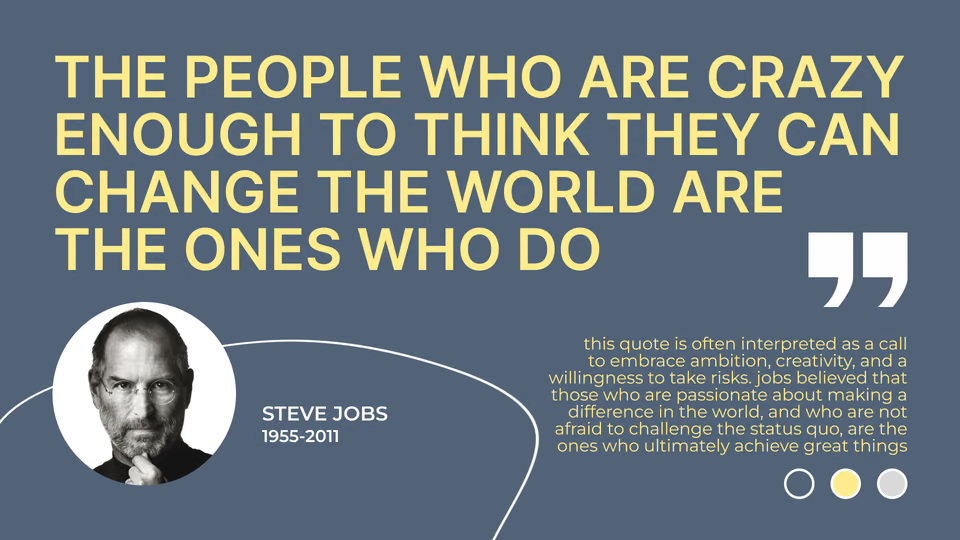
University football competition social post template with weather stripAn In-Depth Exploration of Cognitive Psychology video lecture template in a lecture hallSteve Jobs quote template about the people who are crazy enough to think they can change the world
An In-Depth Exploration of Cognitive Psychology video lecture template in a lecture hallSteve Jobs quote template about the people who are crazy enough to think they can change the world08 Teachers faculty directory template with four professor profiles
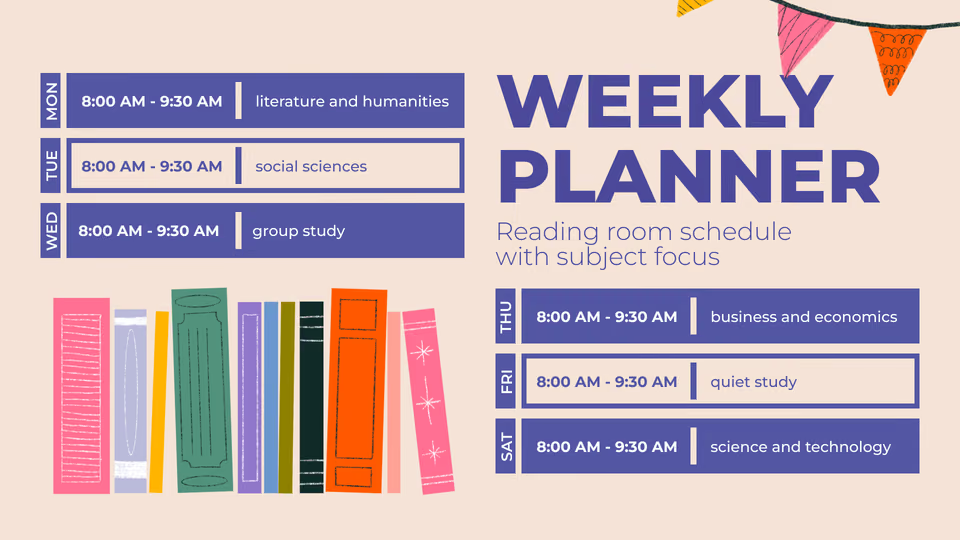
Steve Jobs quote template about the people who are crazy enough to think they can change the world08 Teachers faculty directory template with four professor profilesWeekly Planner reading room schedule template with subject focus
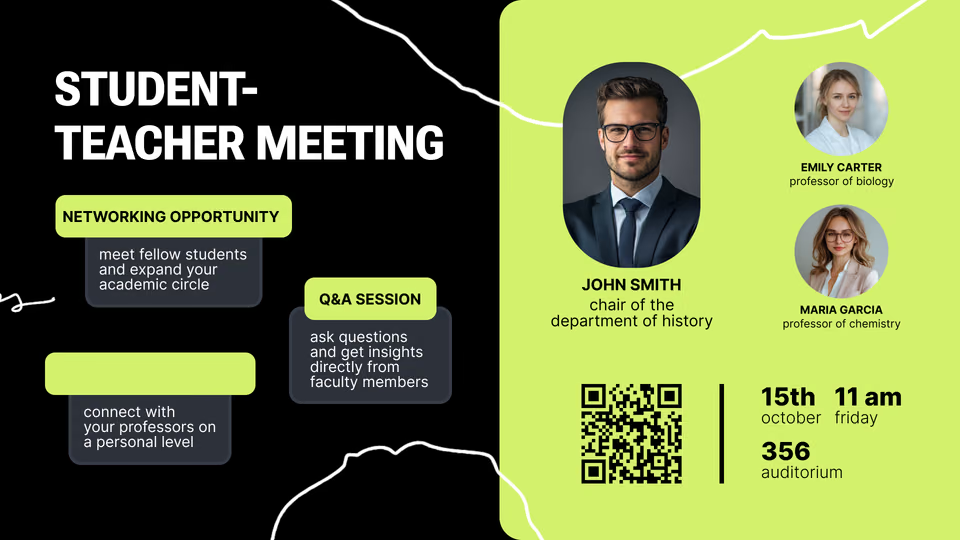
08 Teachers faculty directory template with four professor profilesWeekly Planner reading room schedule template with subject focusStudent-Teacher Meeting networking event template with a QR code
Weekly Planner reading room schedule template with subject focusStudent-Teacher Meeting networking event template with a QR codeWelcome to Campus template with a graduate in cap and gown
Student-Teacher Meeting networking event template with a QR codeWelcome to Campus template with a graduate in cap and gownOur Faculties template with Science, Business and Law department cards

Built-in apps

Built-in apps for campus screens

Most campus screen content already has a source: a shared calendar, a deck in Drive, the university news feed or the guest Wi-Fi details. Built-in apps bring it directly to the display and keep it current automatically whenever the screen is online.

Frequently asked questions about education digital signage

What hardware do schools and universities need for digital signage?

A display, digital signage software and, where the screen is not smart, a media player. Look runs on Android, Google TV, Windows, Linux, Raspberry Pi, LG webOS, Samsung Tizen, Amazon Signage, Fire OS and macOS, and any display with an HDMI input can be driven by the Look HDMI Player. On webOS and Tizen commercial displays the player runs on the panel itself, so there is no extra box to buy or mount behind the screen.

Can teachers and office staff update the screens without involving IT?

Yes. Content is created and published from a browser, so a teacher or an office administrator can post a notice without a technical background. Ready-made templates cover the usual cases – announcements, events, achievements, menus – and Administrator, Moderator and Guest roles with per-section permissions decide who can publish and who can only prepare content for someone else to approve.

Can digital signage show class schedules and event calendars?

Yes. The Calendar app displays a Google Calendar or Outlook calendar on screen, so schedules, room bookings and term dates appear exactly as they are kept in the system staff already use. Its read-only display keeps the source calendar authoritative, while schedules built as regular content can also switch automatically by period, day or term.

Can digital signage be used for emergency alerts?

Planned safety content, yes. Drill schedules, assembly points, closures for bad weather, reminders about procedure: all of it publishes centrally like any other content. There is no alert override, though, and no link to a mass-notification platform. Screens are a supporting channel here, not emergency notification and not life safety. For life-critical alerts you want a system built for the job.

Can we manage screens across several buildings, sites or campuses from one account?

Yes. Screens are organized into groups, so a district office or a campus communications team can publish to every site at once while an individual school, building or department gets content meant only for it. Each screen carries its own time zone, which matters for institutions running sites in more than one region, and permissions control who is allowed to publish where.

What happens to the screens if the internet connection drops?

Nothing goes dark. Images and video already cached on the player keep running to schedule, and the player syncs itself back up when the line returns. What cannot ride out an outage is anything that refreshes: built-in apps, web content, live streams. On a site with old wiring, or one shared connection for the whole building, keep cached media in the loop next to them.

Can students help run the screens?

Yes, and it usually works well. Students on a media team keep corridor screens fresher than staff with a timetable can. Guest and Moderator roles let them into the parts of the CMS they need and no further; devices, users and account settings stay with an administrator. Permissions are set per CMS section, so you can match publishing duties to what each team has been cleared for.

Can the screens be switched off outside school hours?

Look schedules what plays and when, including empty periods, holidays and out-of-term weeks, so nothing is showing yesterday's notice over the break. Powering the panel itself down is a display-side setting: many commercial screens include their own on/off timer, and installers often put corridor displays on a switched circuit. Scheduling content and scheduling power are two separate things, and both are worth settling before installation.

How much does digital signage for education cost?

Look Digital Signage offers flexible per-screen plans with volume pricing for larger estates. Beyond the software, budget for displays, mounting and, where a screen is not smart, a media player. Institutions that need the CMS inside their own network can choose a one-time lifetime license for an on-premises deployment instead of a subscription.

Can we use the displays we already own?

Often, yes. Smart displays running Android, Google TV, LG webOS, Samsung Tizen or Fire OS can run the Look App directly, and anything with an HDMI input can be driven by the Look HDMI Player or a small PC. Reusing screens that are already mounted is usually the fastest way to get a first building live, and it is a common way to run a pilot before committing to a wider rollout.

Does digital signage collect any student data?

Look plays content on screens. It uses no cameras, it does not measure audiences, and it collects no information about the people who walk past a display. Playback statistics record what played, on which screen and for how long – a report about content, not about people. Anything about a student that you choose to put on a screen is content you publish, so treat corridor displays as public space.

Can we show cafeteria menus on the screens?

Yes. Menus, prices, allergen and ingredient details, the weekly rotation. The kitchen changes a dish, someone edits it in the browser, and the screen is right by lunchtime. Smart Scheduling rolls breakfast over to lunch on its own. And with a Screen Layout you can keep the menu, a price column and a ticker up together, which gives the queue something to look at.

Can we display Google Slides, calendars and news feeds on the screens?

Yes. Built-in apps cover a read-only Google or Outlook calendar, a Google Slides deck straight from Drive, RSS feeds, YouTube video, the local forecast, clocks, countdowns and a Facebook page feed. Each app refreshes from its source, so the deck is edited in Slides and the calendar in the calendar, not in the CMS. All apps need an internet connection to update.

Can digital signage be used for wayfinding on campus?

Yes. Campus maps, department directories and event-day directions run on entrance and junction screens as ordinary scheduled content. On a touchscreen you can go further with interactive scenarios: Button widgets and scenes let a visitor work through buildings, floors or departments, and the screen falls back to its regular loop once it sits idle. It is all tapping, with no forms and no personal data collected.

Can the system run on our own servers?

Yes. Alongside the cloud CMS, Look offers an on-premises deployment: the platform runs inside your own network on a one-time lifetime license. Universities and districts with policies that keep systems behind the firewall, or sites where outbound access is restricted, can choose this option. Cloud accounts are hosted on AWS with a 99.9% monthly uptime SLA.

What is digital signage for education?

Digital signage for education means showing announcements, class and event schedules, menus, achievements, wayfinding and campus news on connected screens across a school, college or university. With Look Digital Signage, staff manage that content from a cloud-based CMS, schedule it in advance and publish it remotely to one screen, one building or every site in the institution.