🏥 HOSPITAL DIGITAL SIGNAGE

Digital Signage for Hospitals

Keep directions, visiting hours and staff notices accurate across hundreds of screens on a hospital campus. Look DS gives communications one CMS for publishing and gives IT the controls it needs: single sign-on, separate roles, screen monitoring and self-hosting options.

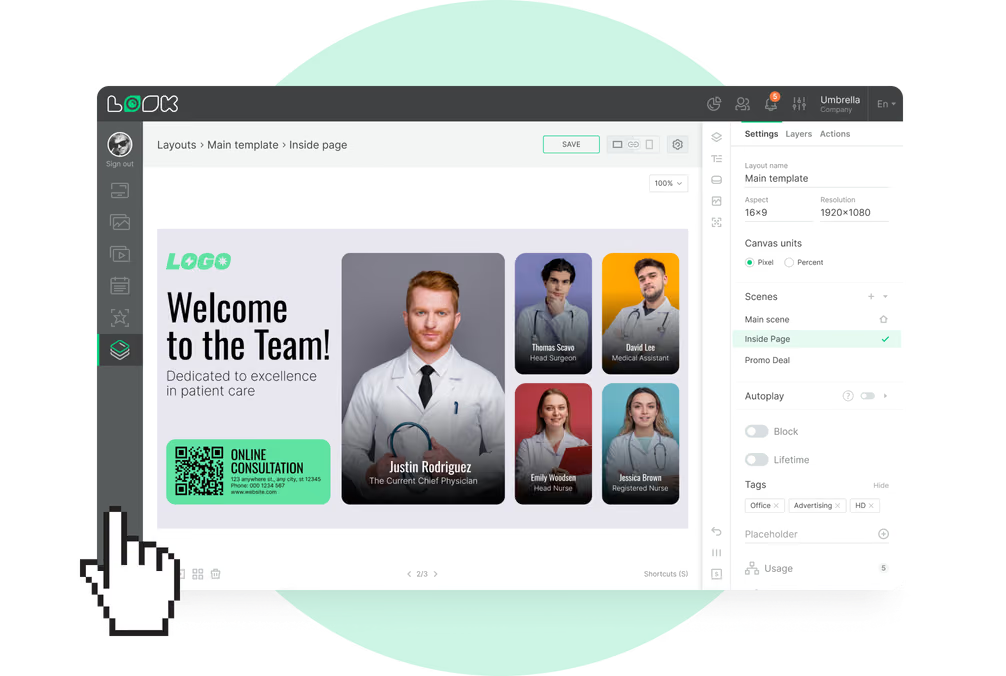
Every building on one dashboard

Lobby, clinic, corridor and ward screens update from the same account.

Hosting your security team can approve

Run the CMS on AWS, or on-premise behind the hospital firewall.

Remote visibility for every screen

Screenshots and alerts show what every screen in every wing is playing.
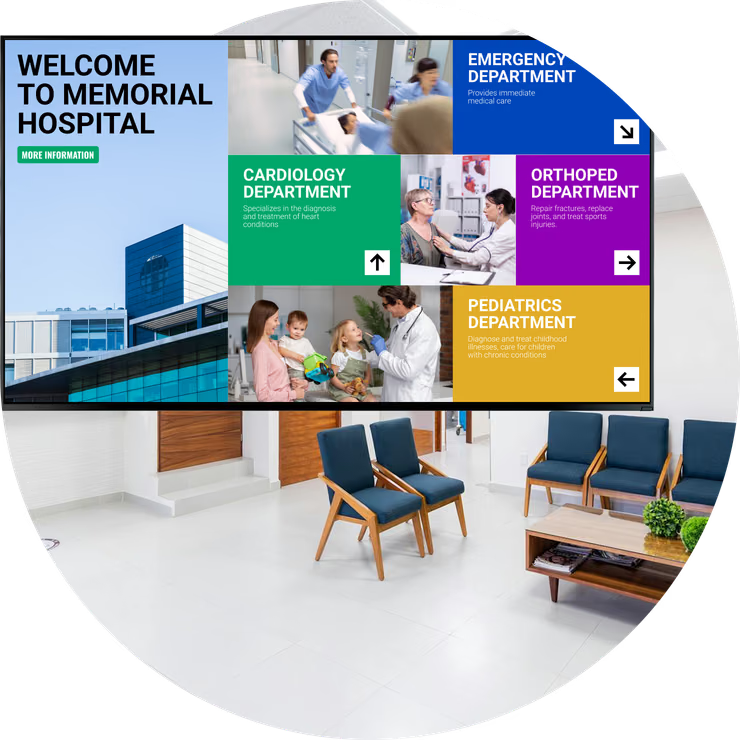
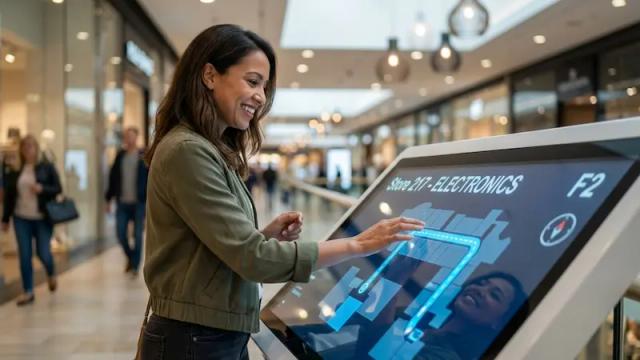
Hospital lobby wayfinding board showing emergency, cardiology, orthopedics and pediatrics departments
  • No credit card required. From $6 per screen/month with volume pricing.

  • Runs on Android, Windows, Linux, Tizen, webOS, Raspberry Pi and more.

  • 24/7 in-app support from real people.

Captera Rating
4.9
G2 Rating
5.0
60 000+
Screens
11 000+
Users
120+
Countries
Capterra Best Value · G2 High Performer
Software Advice · Customer Support 2026

Keep every screen in the hospital accurate from one place

Hospital digital signage lets hospitals manage wayfinding, visiting hours, patient information, waiting-room content and staff communication across screens in every building, wing and department from one centralized platform.
On a hospital campus something changes every day: a clinic moves, a notice runs out, a new shift starts. With Look, the communications team publishes by building or screen group, and IT decides who gets access and where the CMS runs.
Central communications runs hospital-wide campaigns, and departments update their own local information in the same workflow. Screen groups and tags send each update to the right building, floor or audience. Start and end dates mean a temporary notice goes up and comes down when things actually change. Playlists for staff areas are kept apart from what patients see, and IT keeps hold of accounts, devices and hosting. What you end up with is one screen network that works the same way for visitors, clinical teams and facilities staff across the whole campus.

Sound familiar?

    • A red cross inside a black circle

      Clinic moves leave directories out of date

    • A red cross inside a black circle

      Visitors get lost between buildings

    • A red cross inside a black circle

      Staff notices miss the night shift

    • A red cross inside a black circle

      No one knows if a far-off screen is on

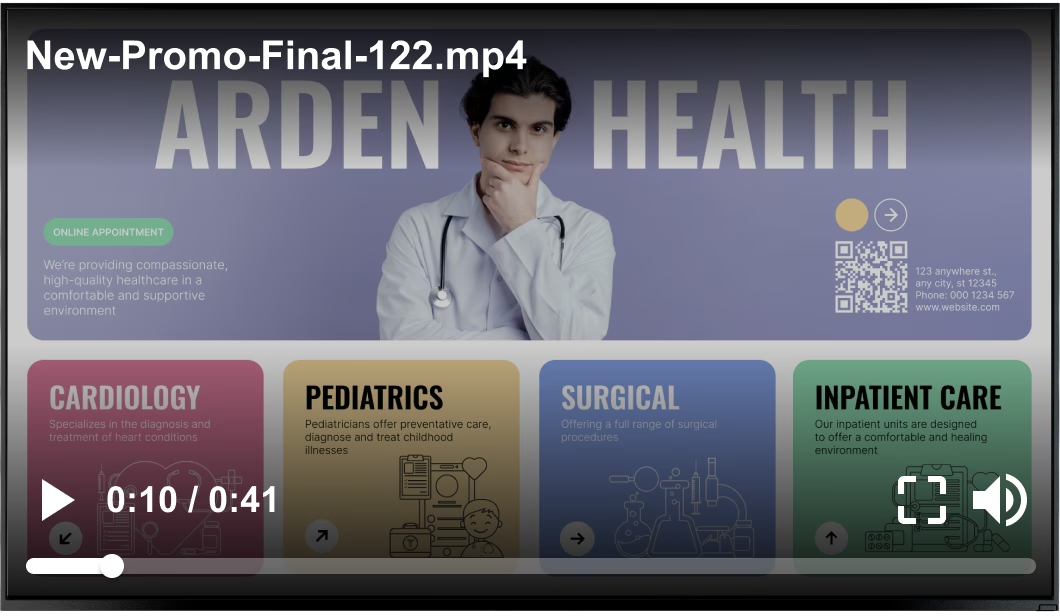
Hospital screen with an unlabeled leftover filename shown on the player Black USB flash drive with 4 GB storage capacity

What you get with Look

    • One CMS for every building and wing

    • Single sign-on with hospital accounts

    • The CMS on your own servers, if needed

    • Alerts for important screen status changes

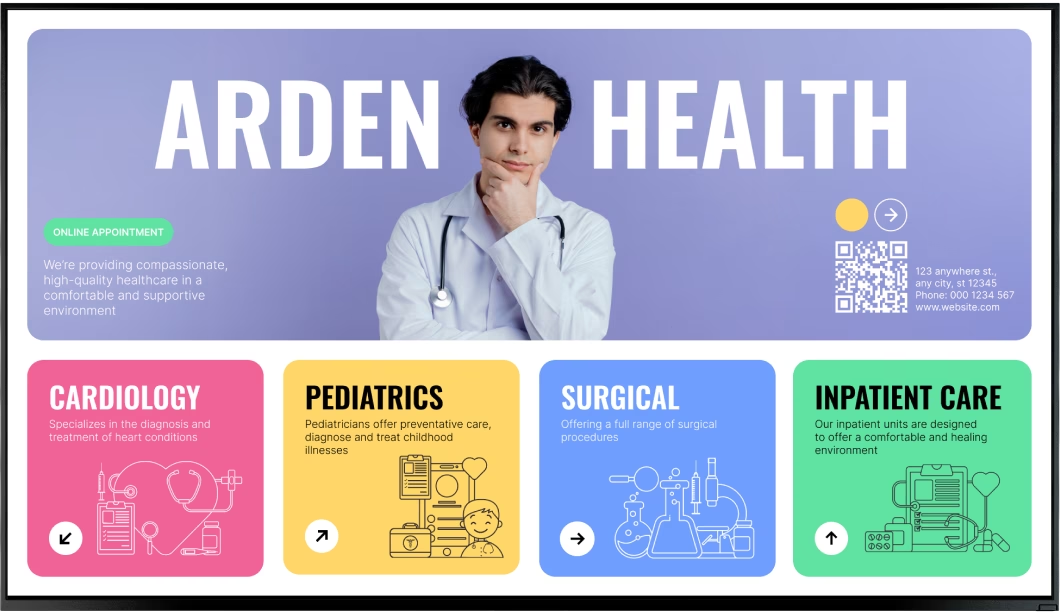
Hospital screen playing cleanly with no stray overlay Green shield icon with a white check mark
Try with demo screen now
Run demo screen right in your browser

From one lobby screen to every building on campus

Connect a player, build a playlist and publish. Add the next wing, clinic or building with the same three steps, and run all of it from the same account.
  • Connect your screens

    Install the Look App on a compatible display or plug in the Look HDMI Player. The screen shows a 6-digit code; use it to pair the device.
  • Group screens, build playlists

    Tag screens by building, floor or area, then build playlists for directions, patient information and staff notices, each aimed at the screens that need it.
  • Publish and check remotely

    Publish from any browser to one screen or the whole campus. Screenshots and alerts confirm what is playing across every wing remotely.
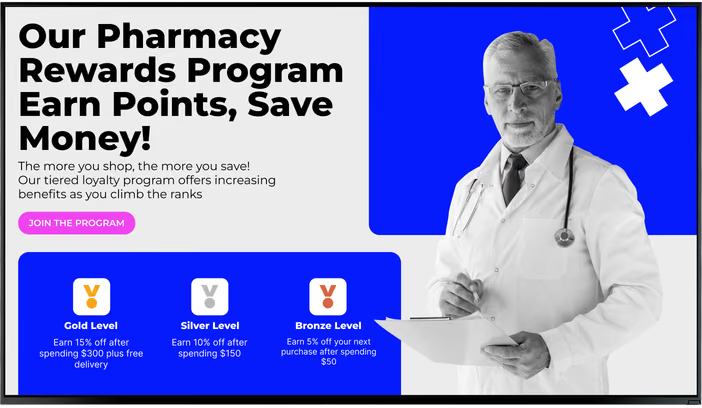
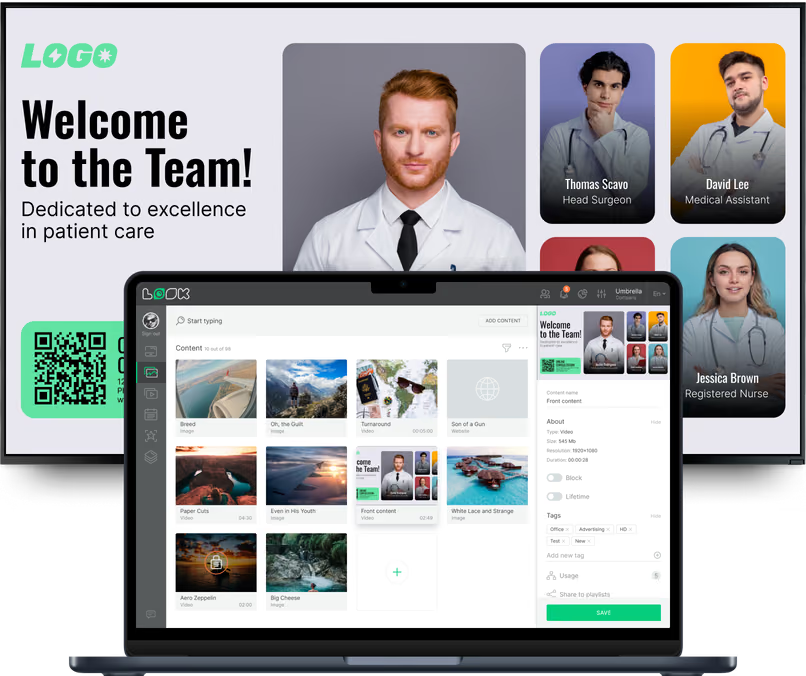
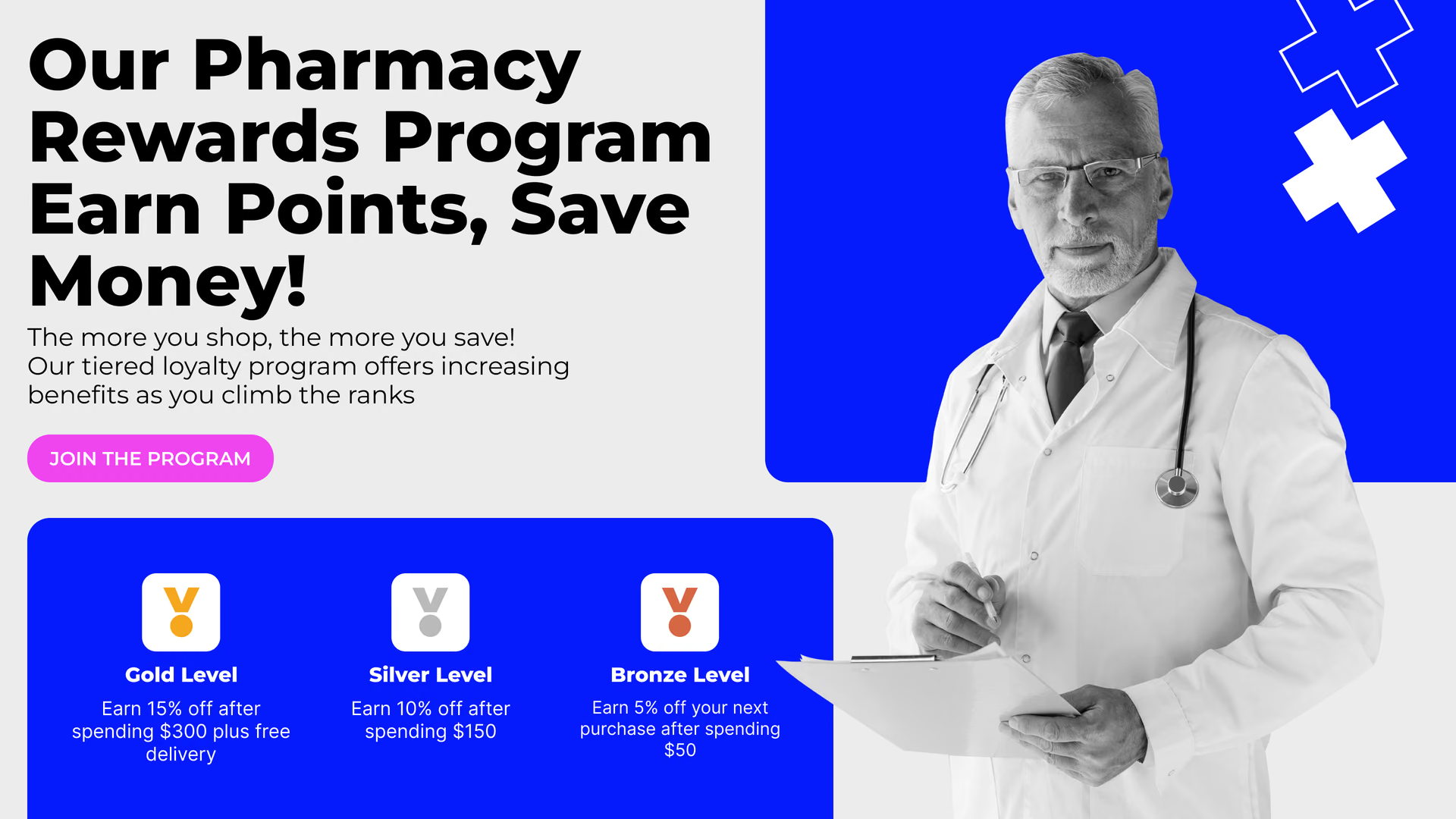
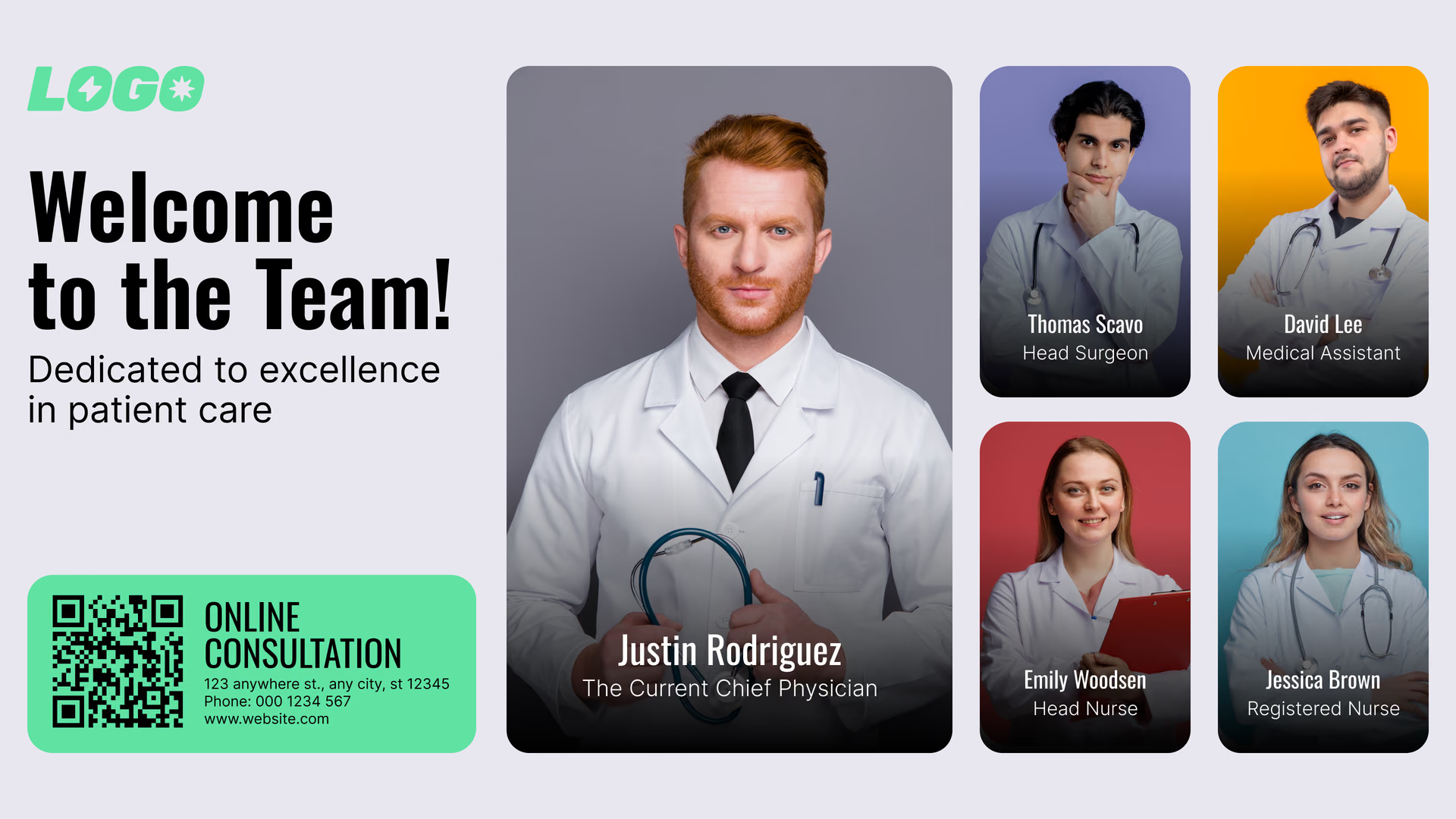
Seasonal allergy and cold remedy promo with 40% off nasal sprays Pharmacy rewards program board with gold, silver and bronze loyalty tiers Look CMS content library open over a Welcome to the Team staff introduction board

Digital signage for every area of a hospital

A visitor at the main entrance, a family in the surgical waiting room and a nurse at the station each need different information. Look runs all of it from one account, with patient-facing and staff content in separate playlists.

Main entrance and lobby

Give every visitor clear guidance on arrival.
The lobby screen carries what the information desk is asked all day: which building a department is in, visiting hours, where to register, which entrance is closed this week.
With a multi-zone layout, one display can show the directory, a notice, the time and a news ticker at once. Visitors scan a QR code to open the campus map on their phone.
Best for: Building directory, visiting hours, registration steps, entrance notices, QR to campus map

Emergency and surgical waiting areas

Useful information throughout longer waits.
Families in the ED or surgical waiting room sit for hours, watching the doors. Screens there explain what happens next, where to find food, how to join the Wi-Fi and what the visiting rules are.
If the hospital publishes a de-identified status page, it can run in one zone as an embedded web page using case codes rather than personal names.
Best for: What to expect, Wi-Fi QR code, food and parking, visiting rules, de-identified status board

Outpatient clinics and registration

Show people how check-in works before they ask.
Screens in the clinic tell patients which desk to go to, what to bring and how check-in works. Registration staff hear the same few questions a lot less often.
Each clinic runs its own playlist and schedule: cardiology shows its own patient education, orthopedics its own, and both switch to next-day notices once the clinic closes.
Best for: Check-in steps, what to bring, clinic hours, patient education, next-day notices

Elevator banks and corridors

One line, readable at walking pace.
Corridor content needs to be readable at walking pace. Screens at elevator banks and junctions can focus on one clear message: a floor directory, direction, hand-hygiene reminder or service change.
Portrait screens by the elevators make good floor directories. Tag them by building, and when a clinic moves you edit it once and every floor that lists it updates.
Best for: Floor directories, directional signs, hand-hygiene reminders, service changes

Wards, nurse stations and staff rooms

Get updates to every shift, day or night.
Nurse-station and break-room screens show handover reminders, staffing changes, safety notices, training dates and shout-outs for the team.
This content has its own playlist and only plays on screens in staff areas. Access is set by CMS section: whoever posts updates looks after content and schedules, and IT keeps devices and accounts.
Best for: Handover reminders, staffing changes, safety notices, training dates, recognition, quality dashboards

Cafeteria and visitor amenities

Menus and hours where visitors take a break.
The cafeteria, coffee point and gift shop are where visitors and staff spend their breaks. Screens there show the day's menu, opening hours, parking information and hospital news.
Set an end date on temporary content, and a flu-shot notice or this week's menu special comes down by itself when it should.
Best for: Daily menu, opening hours, parking information, hospital news, seasonal notices

To use Look digital signage software

Look service works seamlessly on any hardware, whether you're planning to purchase or already use it
Or

Install FREE Look App

Transform any TV or compatible device into digital signage by installing the free Look app.
WindowsAmazon Signage
Androidgoogle-tvLinuxOS Fire Amazon
macOSWebOSOS Tizen OS Raspberry Pi
Supported Operating Systems

Plug Look HDMI Player

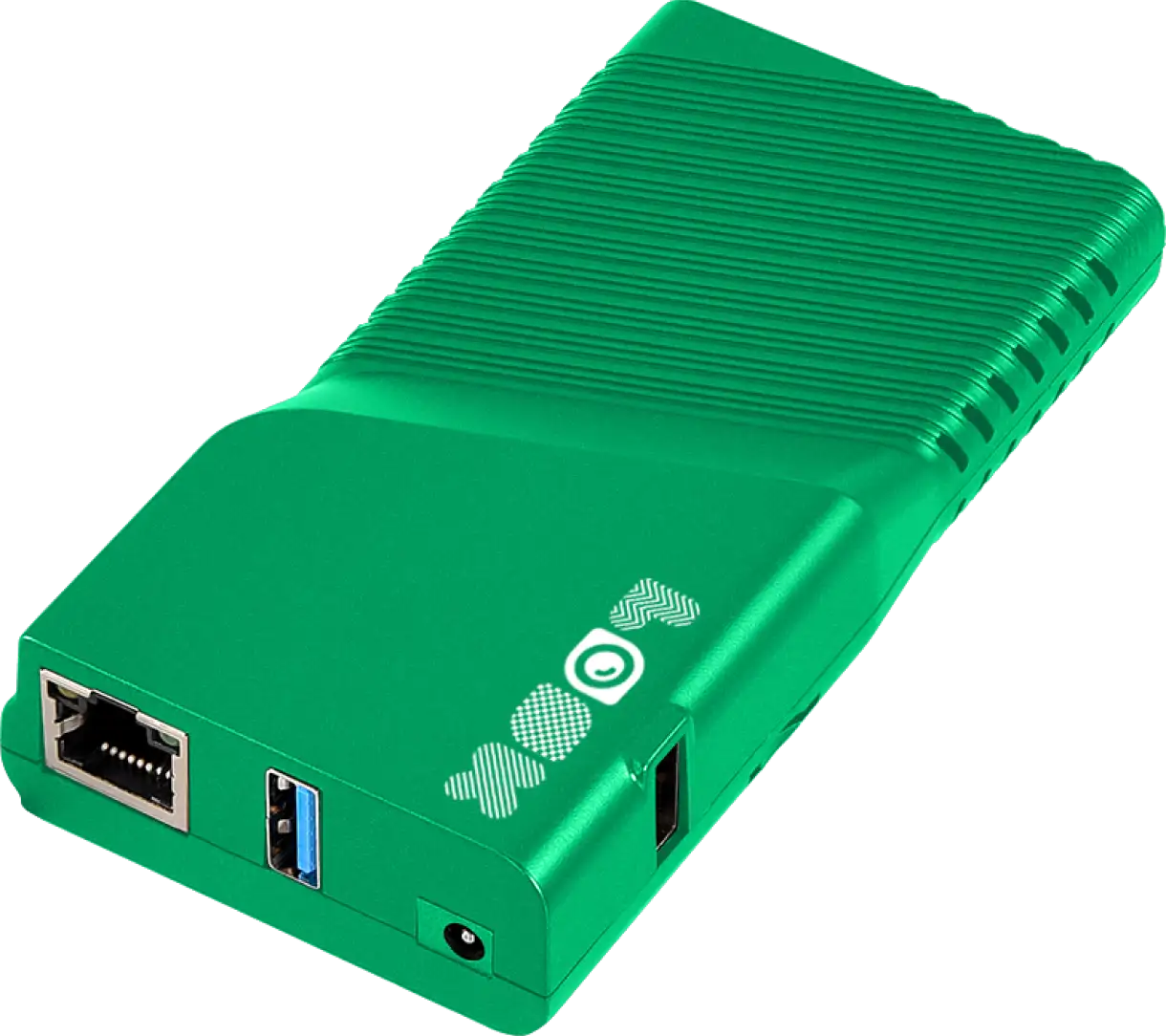
Connect the Plug & Play Look Player to your display’s HDMI input for instant setup. Worldwide shipping.
Buy nowLook HDMI Player

What our customers say

Real businesses, real results.
Captera Rating
4.9
G2 Rating
5
I’m grateful for the opportunity to work with Look and it's been a really big game changer for us, because it has helped us to come across as an older business in a much more fresh way.
Michael Guzman
We have 22 locations and zero issues with Look software. It’s so easy to use and has a lot of useful tools that we utilize in our day-to-day business. All-in-all, our experience was top-notch.
Ervin Piotrowski
We tried many different solutions for our platform. After many trials and errors, we found Look Digital Signage to be an amazing tool for our purposes.
Pyry Salminen
60 000+
Screens
11 000+
Users
120+
Countries

Free templates

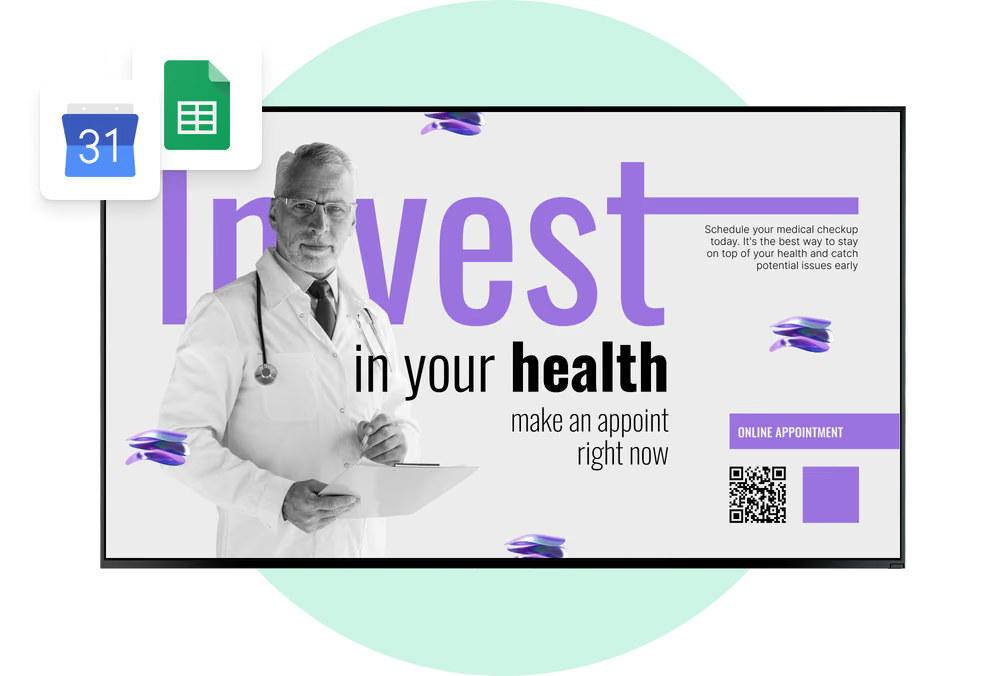
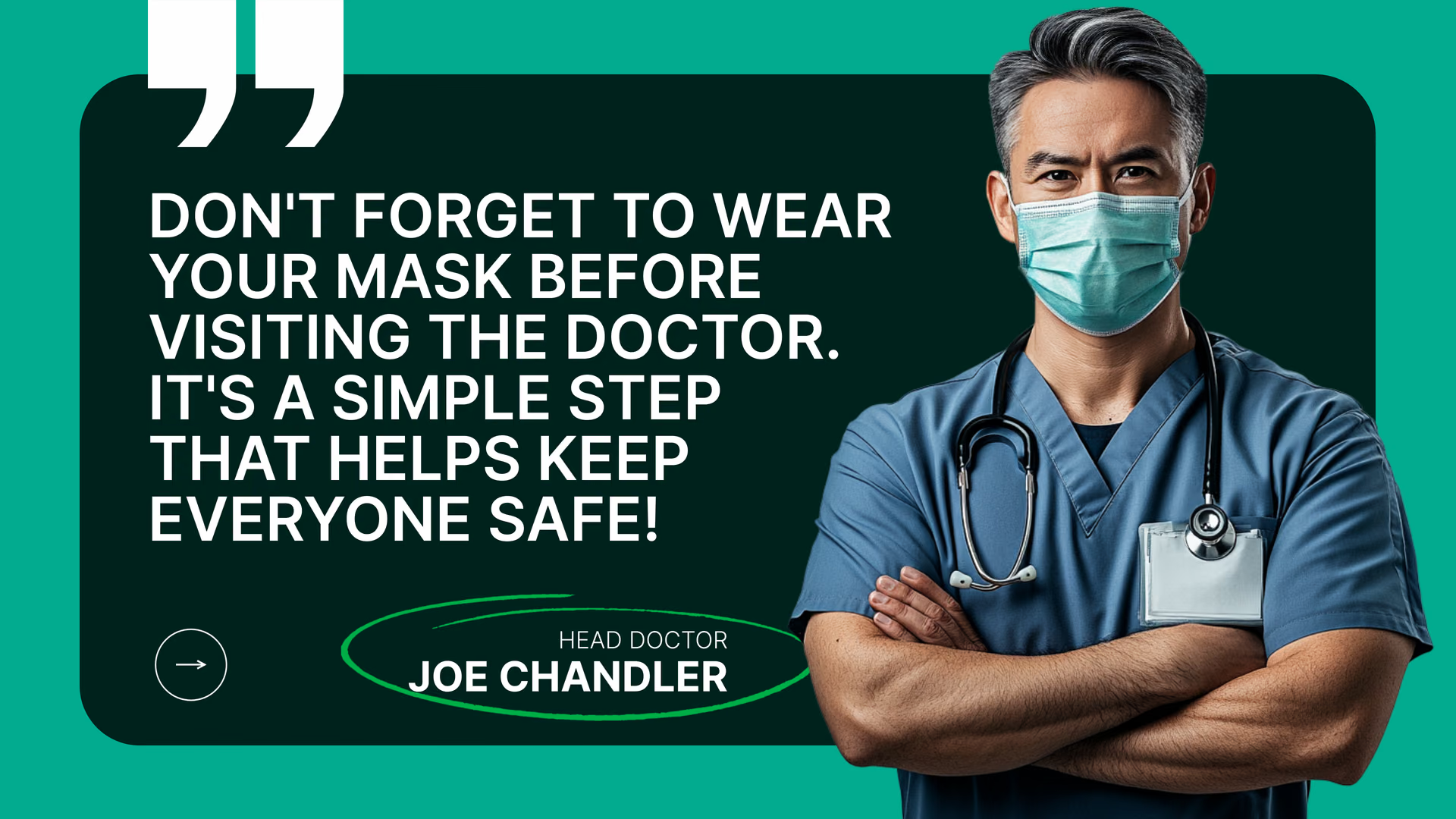
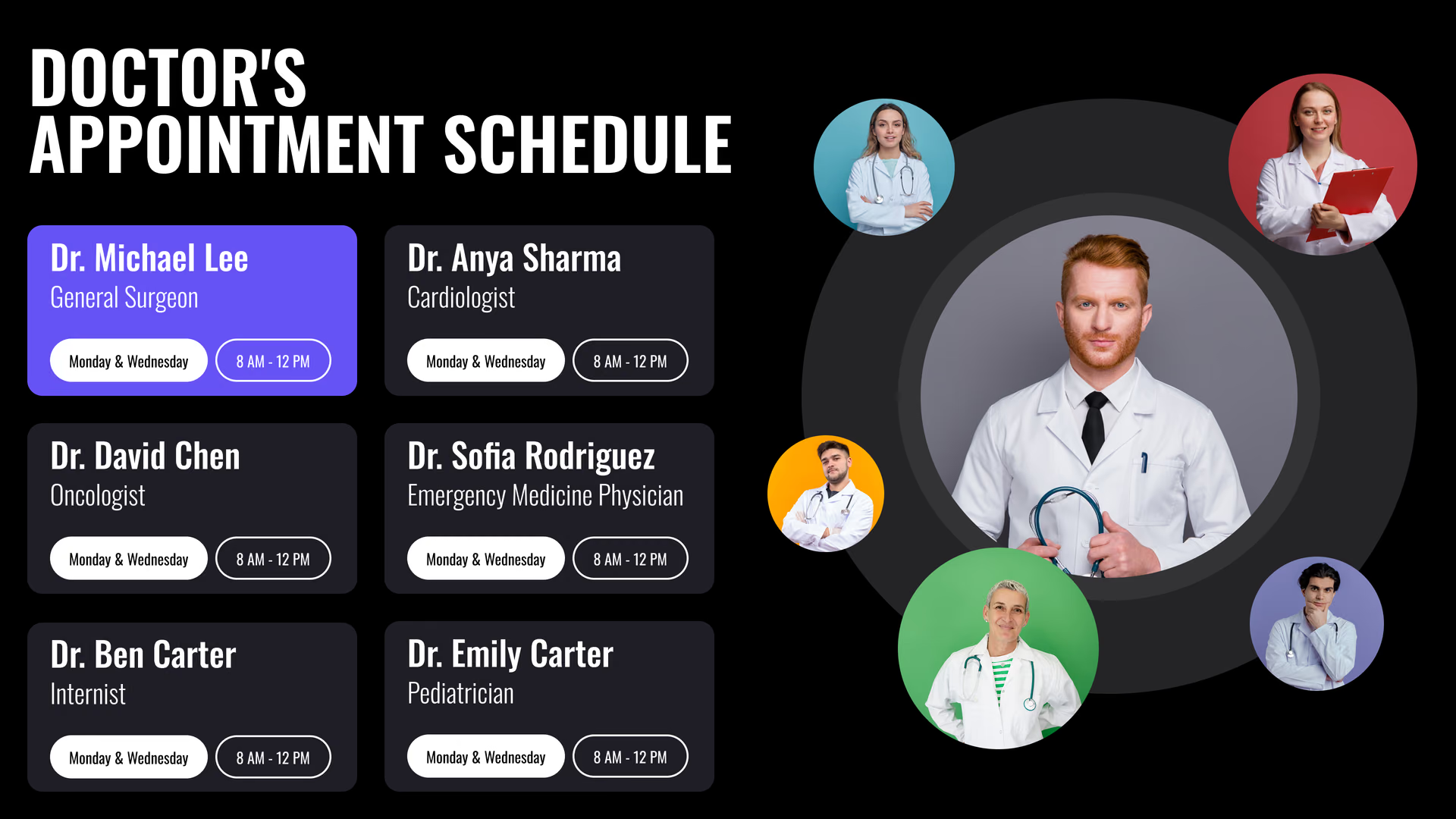
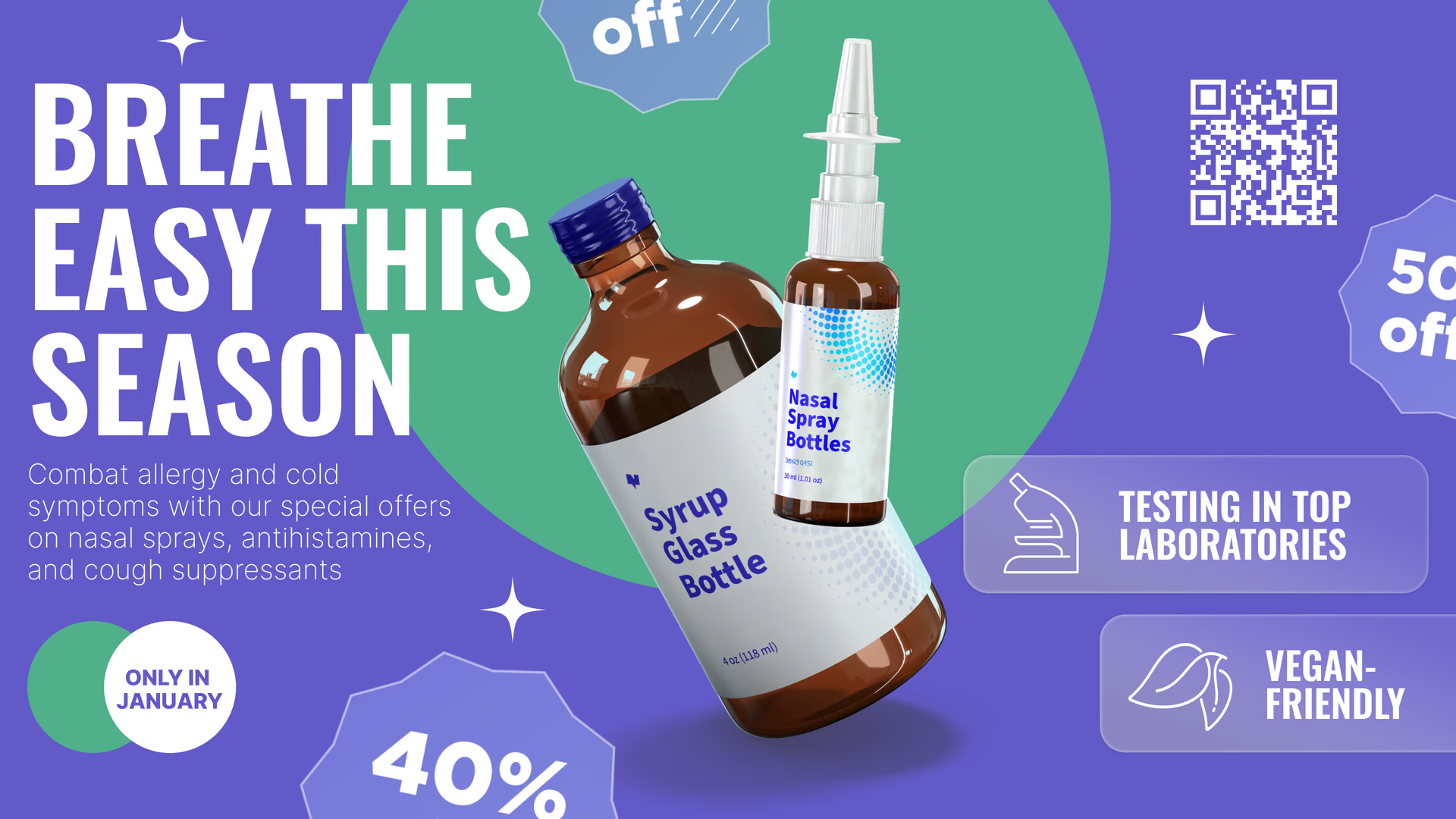
Hospital templates for directories, notices and staff screens

Add your brand colors, fonts and logo once, and every template uses them. The healthcare collection has the screens a hospital usually needs first, like building and floor directories, visiting hours, hand-hygiene and wellness notices, vaccination campaigns and staff announcements. Put in your own departments and times, step back to check the text is readable from across the room, and publish.
Mask-reminder notice from the head doctorDoctor's appointment schedule board with clinician photosSeasonal allergy and cold remedy promo with 40% off
Doctor's appointment schedule board with clinician photosSeasonal allergy and cold remedy promo with 40% offPharmacy rewards program with gold, silver and bronze loyalty tiers
Seasonal allergy and cold remedy promo with 40% offPharmacy rewards program with gold, silver and bronze loyalty tiersWelcome to the Team staff introduction board with clinician photos
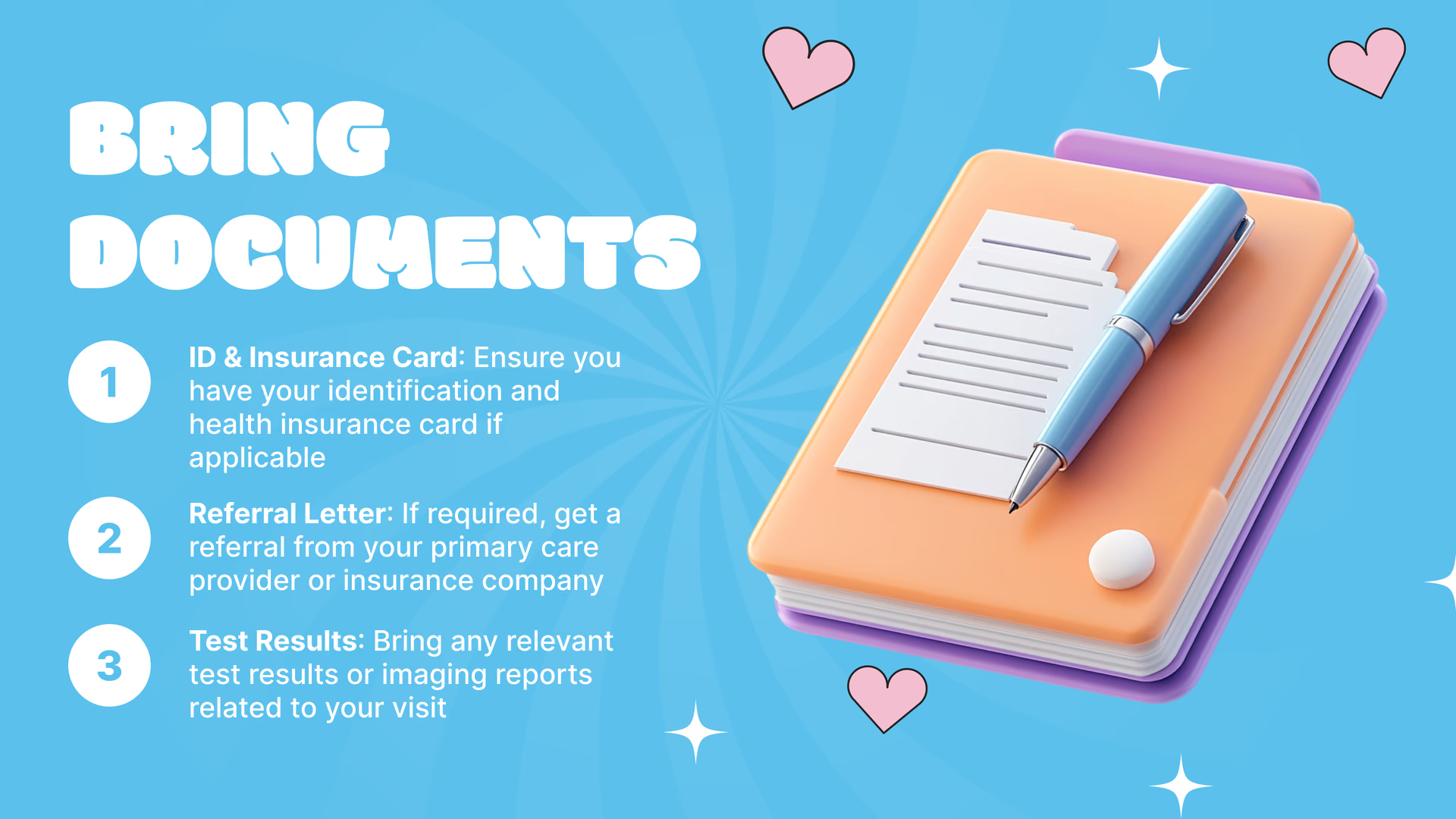
Pharmacy rewards program with gold, silver and bronze loyalty tiersWelcome to the Team staff introduction board with clinician photosBring documents checklist for ID, referral letter and test results
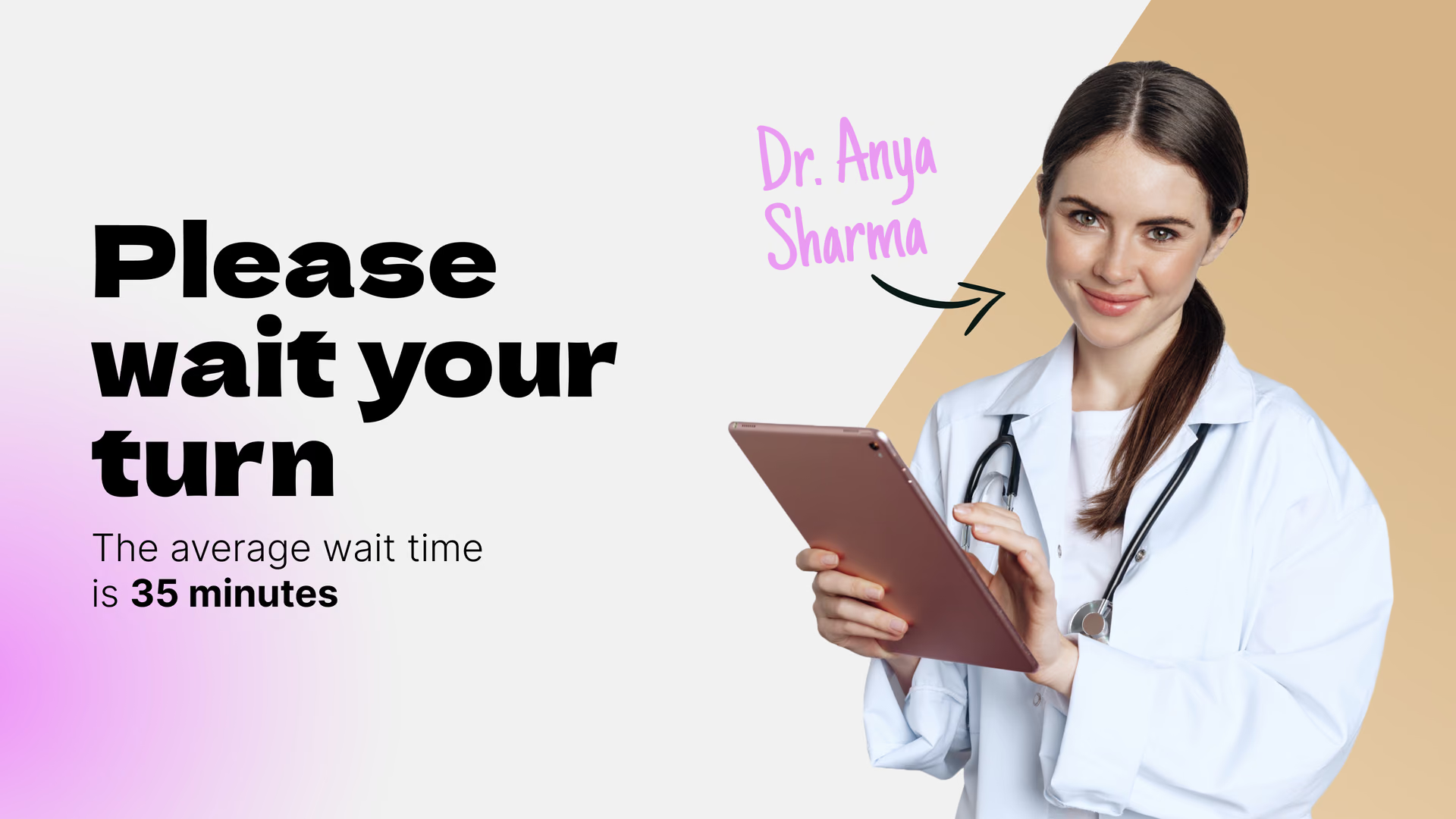
Welcome to the Team staff introduction board with clinician photosBring documents checklist for ID, referral letter and test resultsPlease wait your turn notice with average wait time
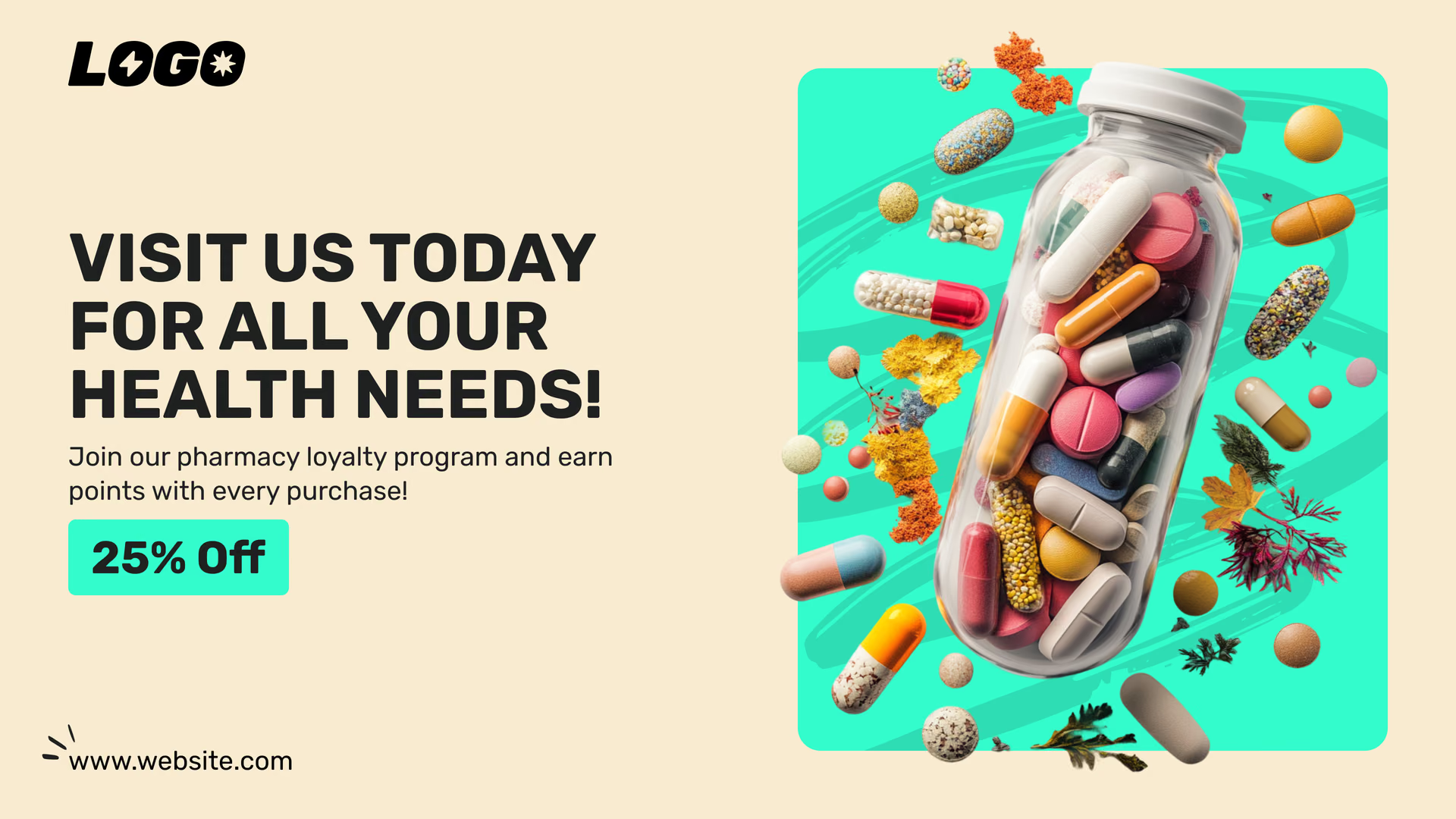
Bring documents checklist for ID, referral letter and test resultsPlease wait your turn notice with average wait timeVisit us today pharmacy promo with 25% off
Please wait your turn notice with average wait timeVisit us today pharmacy promo with 25% offMask-reminder notice from the head doctor
Visit us today pharmacy promo with 25% offMask-reminder notice from the head doctorDoctor's appointment schedule board with clinician photos

Built-in apps

Apps that keep hospital screens current on their own

Add an app to a playlist like any other content item, and it keeps news, forecasts and time displays current automatically while connected. Combine apps with cached media to maintain a balanced information loop across hospital screens.

Frequently asked questions about hospital digital signage

How does digital signage help people find their way around a hospital?

It shows up-to-date directions right where visitors have to choose which way to go: at entrances, elevator lobbies and corridor junctions. Every building or floor has its own playlist, so the east entrance lists east-wing departments and the parking garage points people to admissions. If a clinic moves or an entrance closes, you edit one content item and all the screens that show it update. Visitors can also scan a QR code to get the full campus map on their phone, on top of the directories on screen.

Can each hospital department manage its own screens?

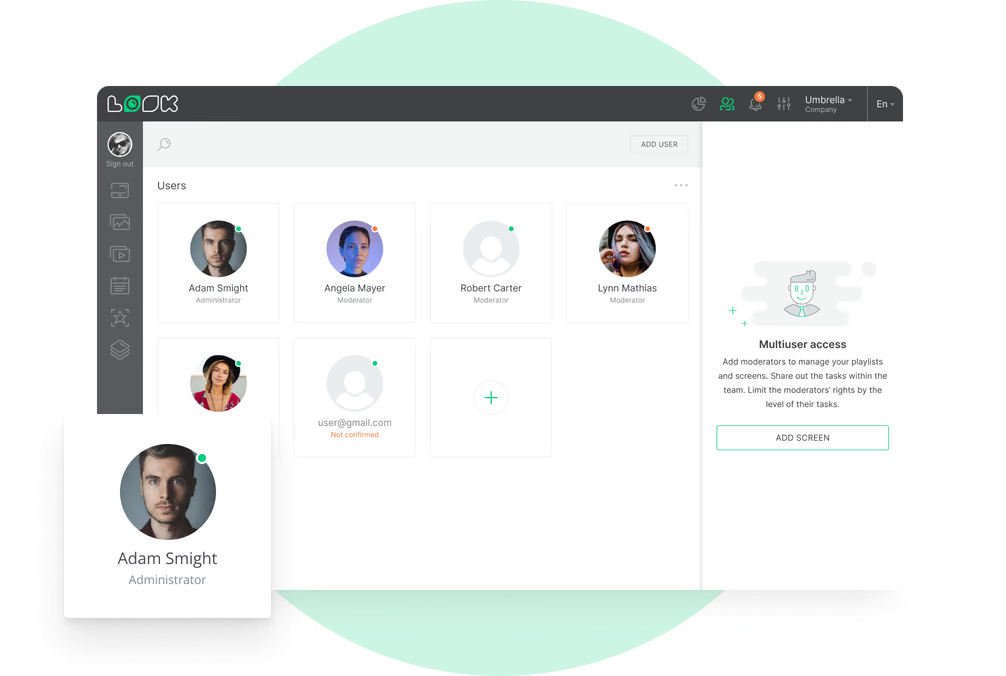
Yes, as long as there's central control over the process. Look has three roles (Administrator, Moderator and Guest), and permissions are set by CMS section. That way publishing content is kept apart from managing devices and accounts. A hospital can send department requests through central communications, or decide up front which teams can publish, and use screen groups and playlists to sort content by department.

Does Look support single sign-on for hospital staff?

Yes. Look supports SAML 2.0 single sign-on, so staff log in with their usual hospital credentials. There's setup documentation for Okta; if you use a different identity provider, check with Look before rollout that it works. Administrators invite people by email, give them a role and manage their access in the CMS for as long as the account exists.

What security controls does Look offer hospital IT teams?

The cloud CMS is hosted on AWS under a 99.9% monthly uptime SLA. Screens pair through a device code, sign-ins trigger login alerts and three user roles separate content publishing from device and account administration. SAML 2.0 single sign-on and on-premise deployment support stricter policies. Look can provide current documentation for reviews requiring specific certifications or contract terms.

Can a hospital host the digital signage CMS on its own servers?

Yes. With on-premise deployment, the CMS runs on hospital servers behind the firewall under a one-time lifetime license. It suits hospitals whose information security policies require local hosting. Content, schedules and screens are managed in the same way as in the cloud version. The on-premise digital signage page explains the deployment and what the IT team provides.

Can we show patient status in a surgical or emergency waiting room?

Yes, as long as the information is de-identified. If your patient-tracking system has a status page for families, Embeddable Code can put it in one zone next to the rest of the waiting-room content. Show case numbers or codes, following your hospital's privacy rules. Embedded web content refreshes while the connection is live, and cached media in the rest of the layout keeps playing either way.

Does Look integrate with EHR, EMR or other hospital systems?

Look supports connected workflows through the Zapier app, a GET action trigger, outbound webhooks and Embeddable Code for web pages and dashboards. These options can push updates from compatible tools and display browser-based boards produced by existing systems, such as a quality dashboard on a staff screen. EHR, EMR and HR workflows are configured through these methods rather than dedicated native connectors.

How does IT know when a screen in a remote wing stops working?

When a display changes status, IT gets one of eight alert types by email or through the notification bell in the CMS. Each player can also take up to 12 screenshots a day, and the latest 24 are kept for every screen. So one team can check a basement corridor or a clinic that's closed at night without going there. An alert tells you something needs a look, and screens that are online keep sending fresh snapshots.

Can digital signage replace our emergency alert or overhead paging system?

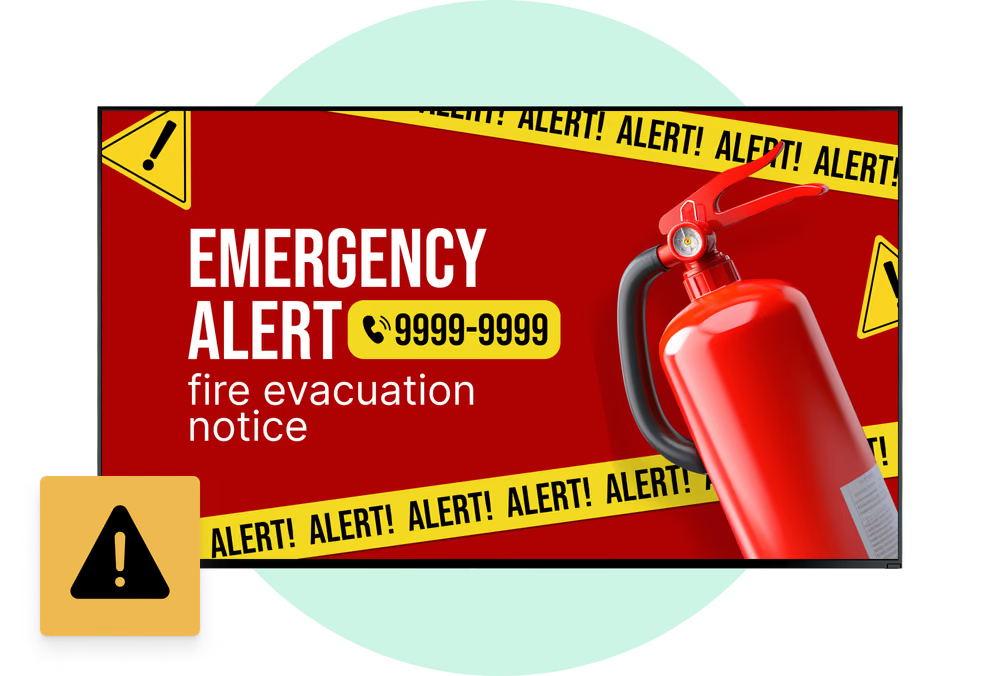
Hospital screens can support the emergency plan as an additional communication channel, publishing an urgent message remotely to one screen or every building. Dedicated overhead paging, mass-notification and life-safety systems remain the primary tools for codes, lockdowns and evacuations, while digital signage reinforces approved information within its scheduled playback workflow.

How do we keep visiting hours and department notices up to date?
Put them on a schedule. Each screen or group gets a weekly schedule with time slots that change content for you, for example visiting-hour reminders in the afternoon and next-day clinic info in the evening. For temporary notices like a closed entrance or a flu-shot week, set an end date on the content item and they disappear by themselves. If your hospitals are spread across several regions, every screen runs on its own time zone.

What should nurse-station and staff-area screens show?

Whatever staff need during a shift: handover reminders, staffing changes, safety and hygiene notices, training dates and recognition. Put it in a playlist separate from patient content and assign it only to staff-area screens, so it never shows up in a lobby. The Clocks app and a read-only Calendar app with training sessions work well here. People only glance at these screens as they walk by, so one message per slide beats a crowded bulletin.


How do we split one hospital lobby screen into several zones?

Use a multi-zone layout. A lobby display can carry a department directory in the main zone, Live news or BBC News in a corner, the local weather, a clock and an RSS ticker along the bottom, all at once instead of in rotating slides. Wi-Fi share adds the guest network as a QR code. Apps refresh themselves over the internet, so nobody retypes them. On LG webOS displays, layouts are limited to 50 Mb and one video per scene.

Can we use the TVs already installed in patient areas?

Usually, yes. The free Look App runs on Android, Google TV, Windows, Linux (including Raspberry Pi), LG webOS, Samsung Tizen, Amazon Signage, Fire OS and macOS. LG webOS and Samsung Tizen commercial displays run it without an external player. For a TV with no usable operating system, the Look HDMI Player plugs into its HDMI input. Most hospitals can start with the hardware they already own and add players only where needed.

How much does hospital digital signage software cost?

Look's cloud plans start from $6 per screen per month, with volume pricing for larger deployments, which matters when a hospital runs screens across several buildings. Hospitals that need the CMS on their own servers can buy the on-premise version on a one-time lifetime license instead. Hardware is separate, and many facilities start with the displays and media players they already have.

What is hospital digital signage?

Hospital digital signage is a network of screens across a hospital's entrances, waiting areas, corridors, wards and staff rooms, managed from one central system instead of display by display. It carries wayfinding, visiting hours, patient education, health news and staff updates, each scheduled for the area where it runs. One team can keep hundreds of screens accurate, while IT controls who can publish and where the CMS is hosted.