
Tips
API for Digital Signage: Main Use Cases, Integration Methods, and Look DS Action Triggers
July 6, 2026
May 16, 2024
by
Daniil Lebedinsky


🌍 120+ countries


Seconds
for a calendar change to appear on the room screen outside the door — no manual update needed
Look DS calendar sync capability
$0
cost per schedule update — no printing paper room schedules, no ink, no daily admin distribution
vs. traditional printed room schedules
0
double bookings — screens stay perfectly in sync with your central booking system at all times
single source of truth for all rooms
1 → ∞
rooms managed from a single cloud dashboard — scale from a pilot room to an entire global campus
Look DS platform capability
What is meeting room digital signage?
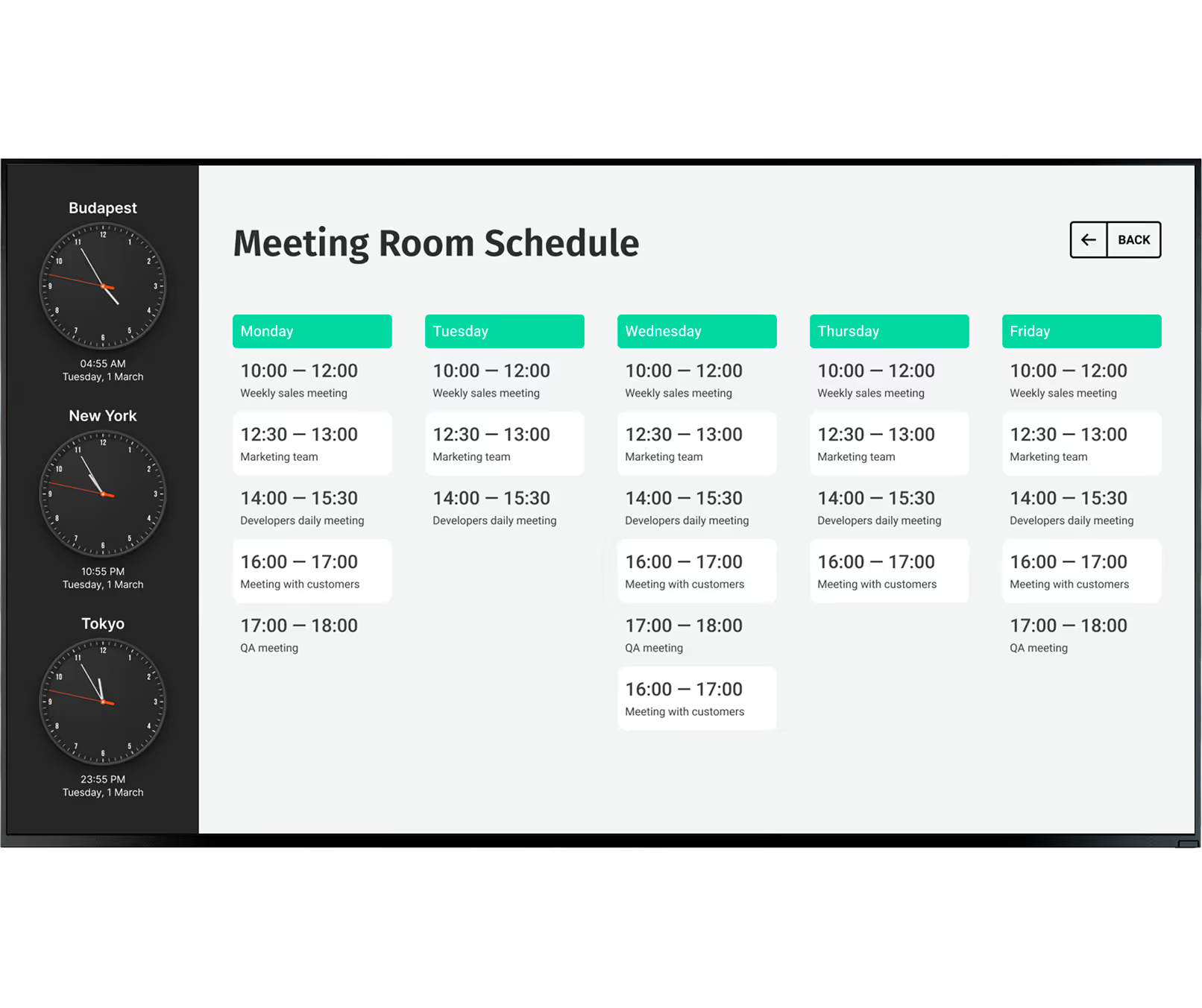
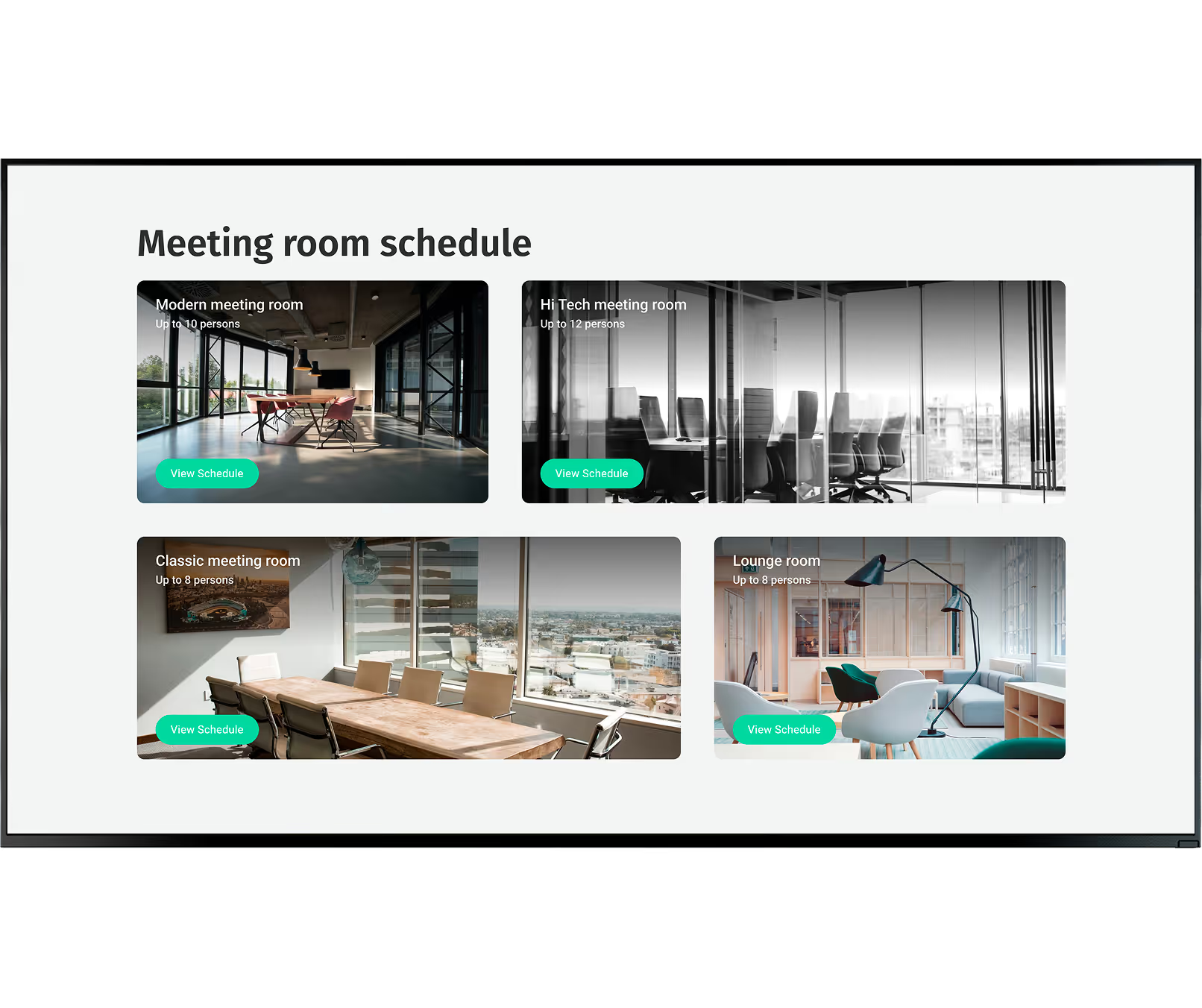
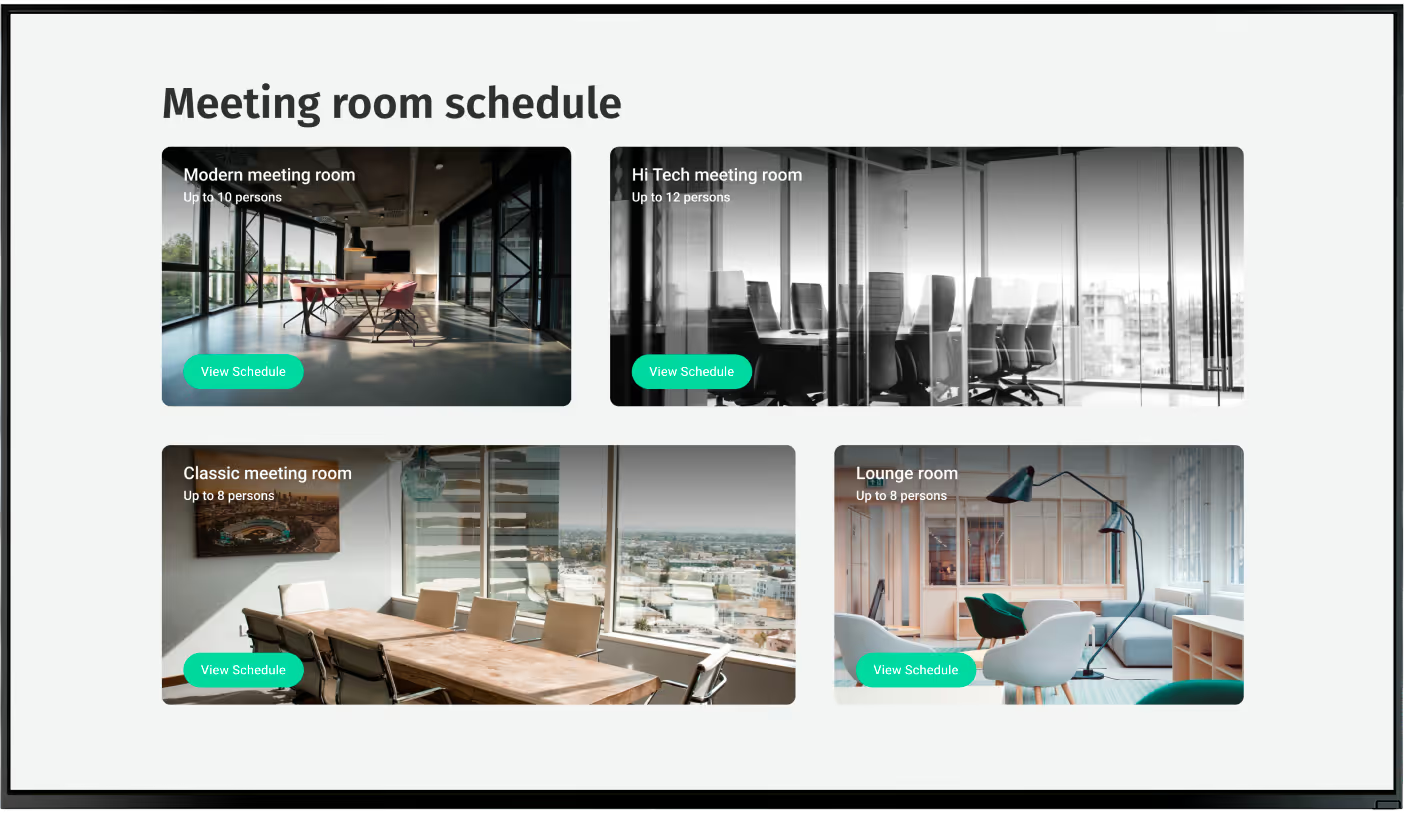
Digital signage for meeting rooms usually consists of small screens mounted outside each room, often paired with larger displays inside. A platform like Look CMS acts as your central hub, pulling schedule data from digital calendars like Microsoft Outlook or Google Workspace. Any change made in a digital calendar updates on the screen outside the room in seconds.
This setup is a strong fit for corporate offices, growing businesses, and shared workspaces
where meeting areas are in high demand. It moves your team away from slow, manual updates to an automated system. Whether you use touchscreens or basic displays, the goal is simple: provide clear information at a glance so your team can navigate the office easily.

Paper schedules outdated instantly
Walking around checking empty rooms
Double bookings and clashes
Ghost meetings block real availability
IT staff waste time on manual updates
No data on actual room usage

Calendar sync updates screens in seconds
Color status visible from down the hall
Single source of truth stops conflicts
Auto-release frees unconfirmed rooms
Non-technical staff run it automatically
Analytics prove real estate ROI
3 core components
1
Small screens mounted outside each room (touchscreen or e-ink) plus larger in-room panels. Touchscreen signs are usually tablet-sized and powered by Power over Ethernet (PoE) for a clean, single-cable install.
2
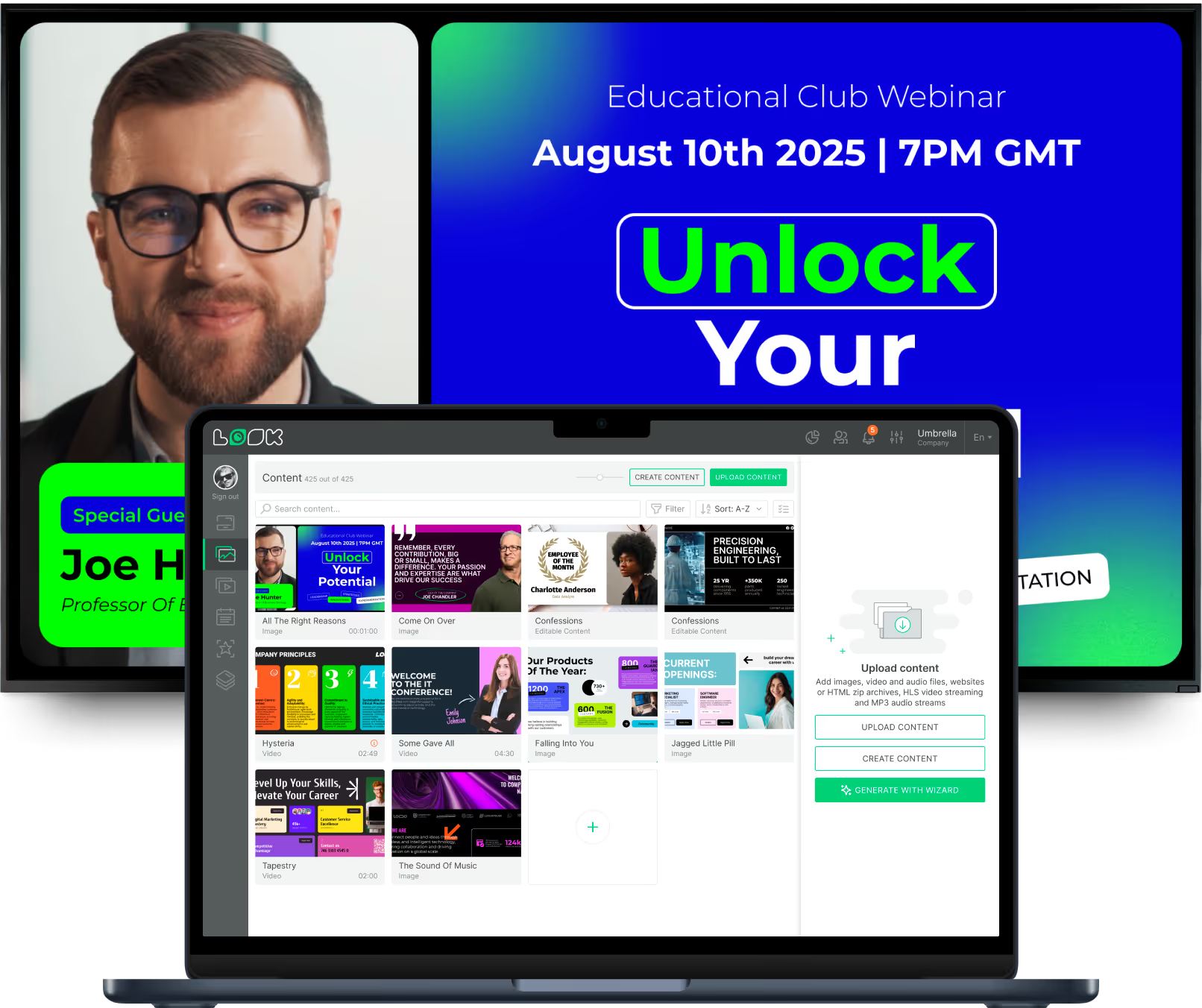
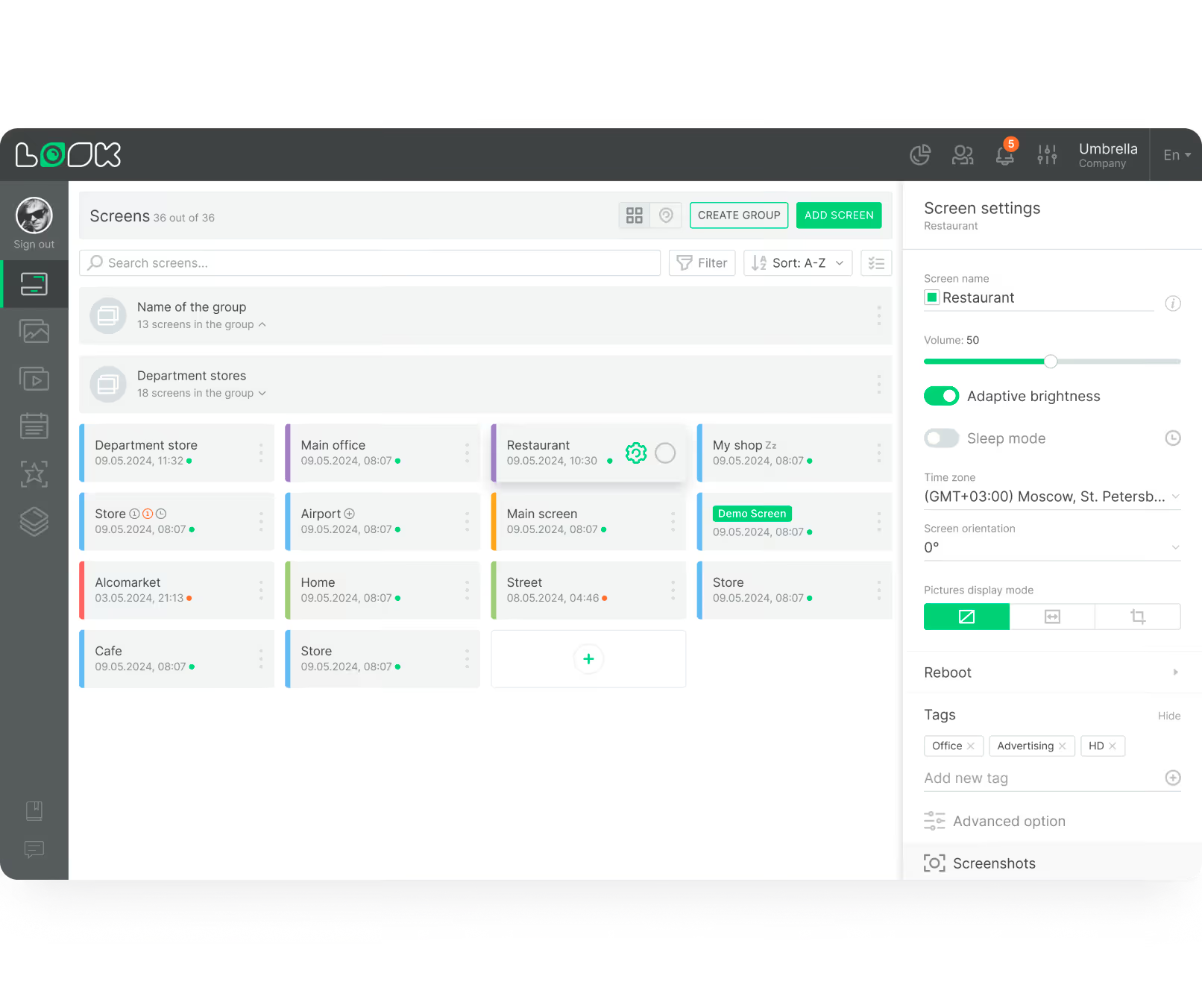
The Look CMS connects to your Microsoft 365 or Google Workspace calendar. Two-way sync means any booking change — made at a desk or on the screen — updates everywhere instantly. Manage every display from one cloud dashboard.
3
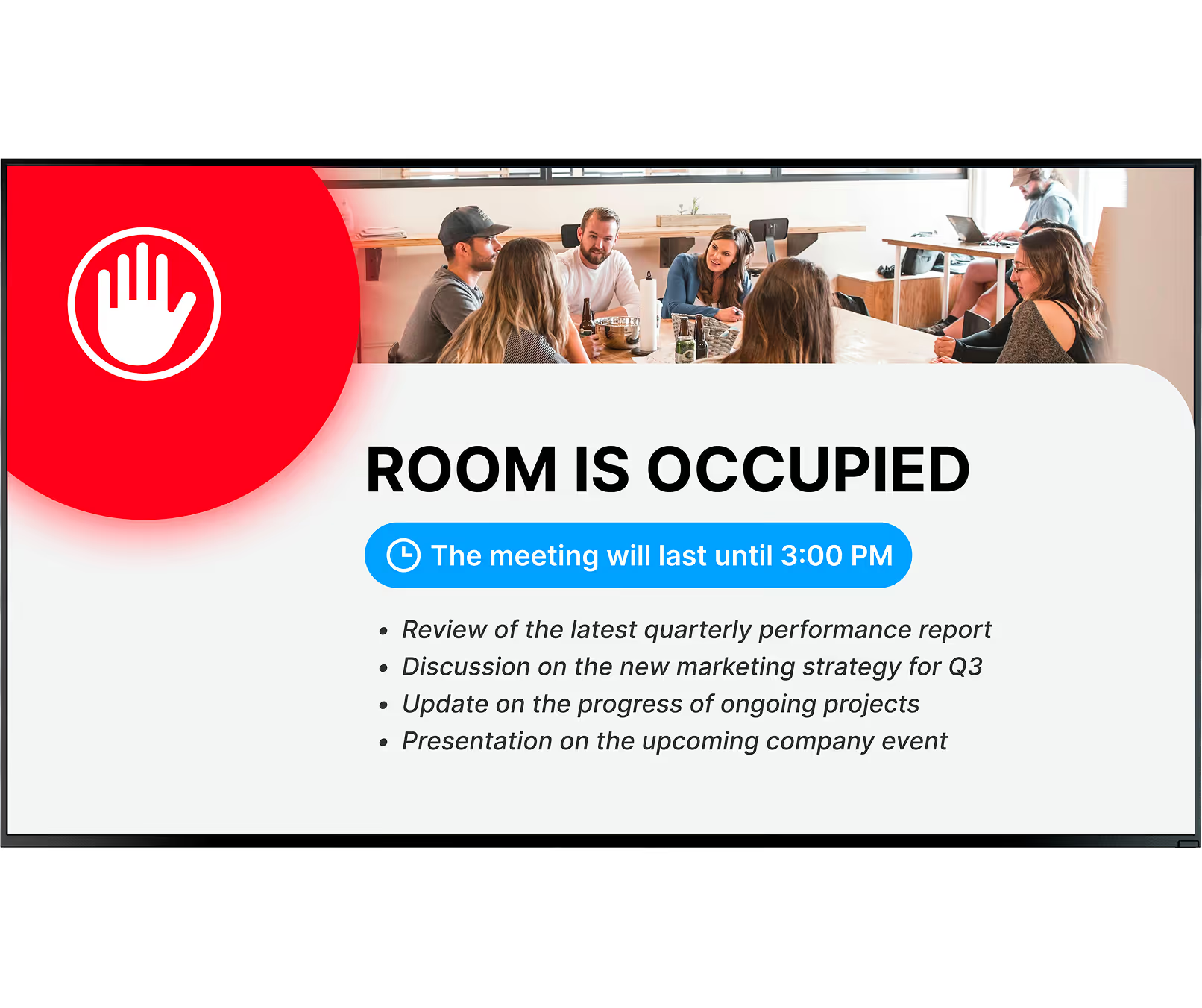
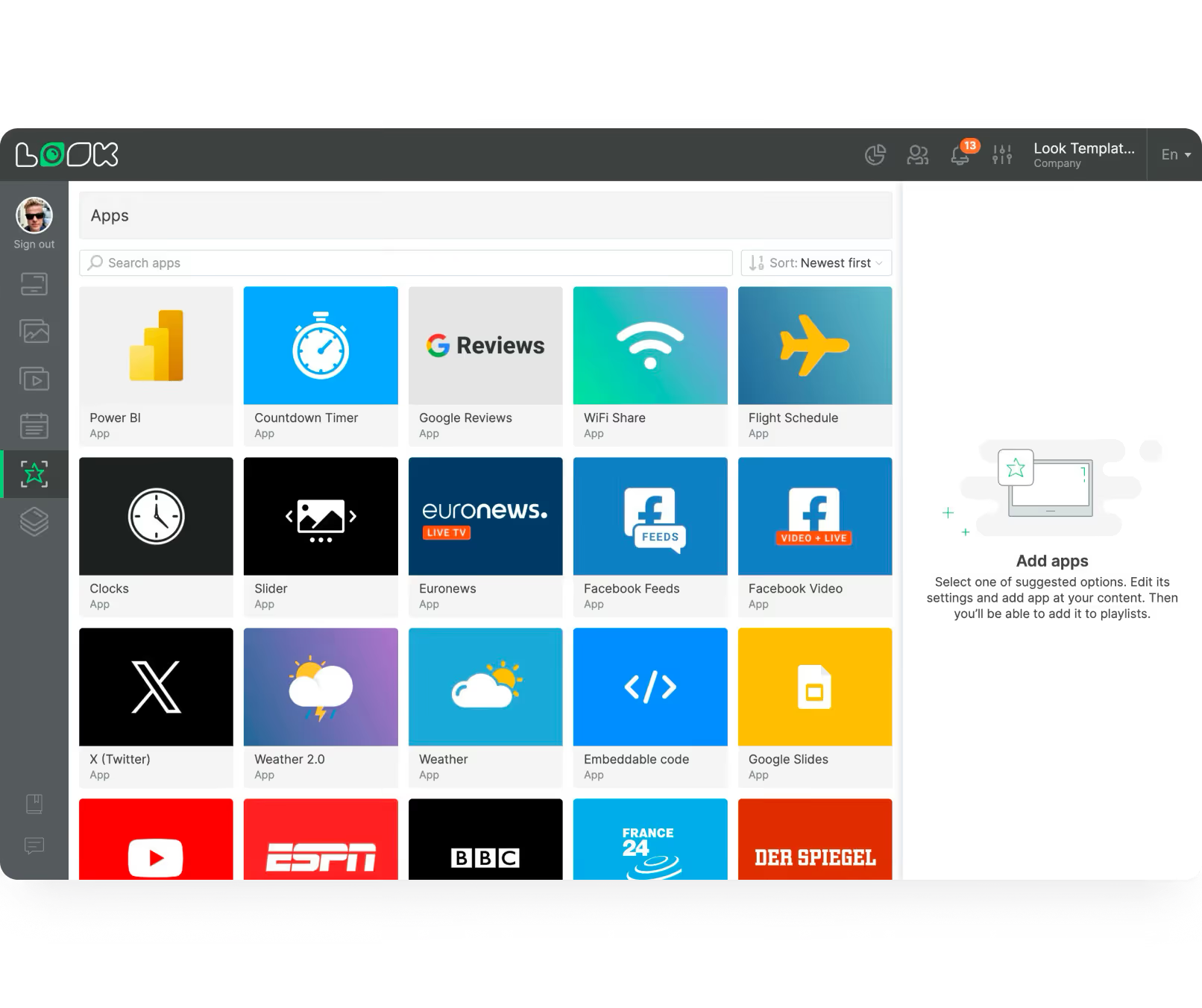
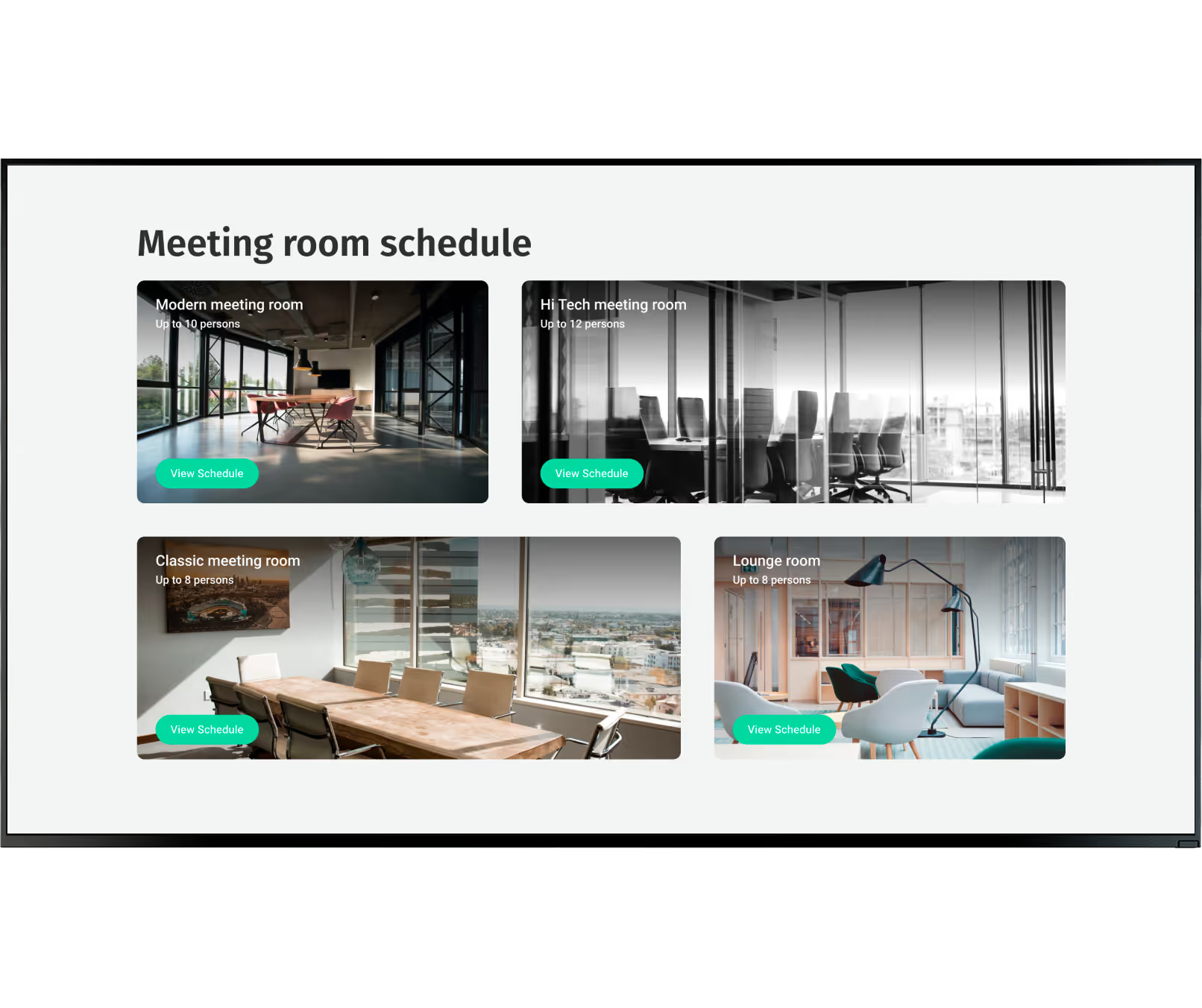
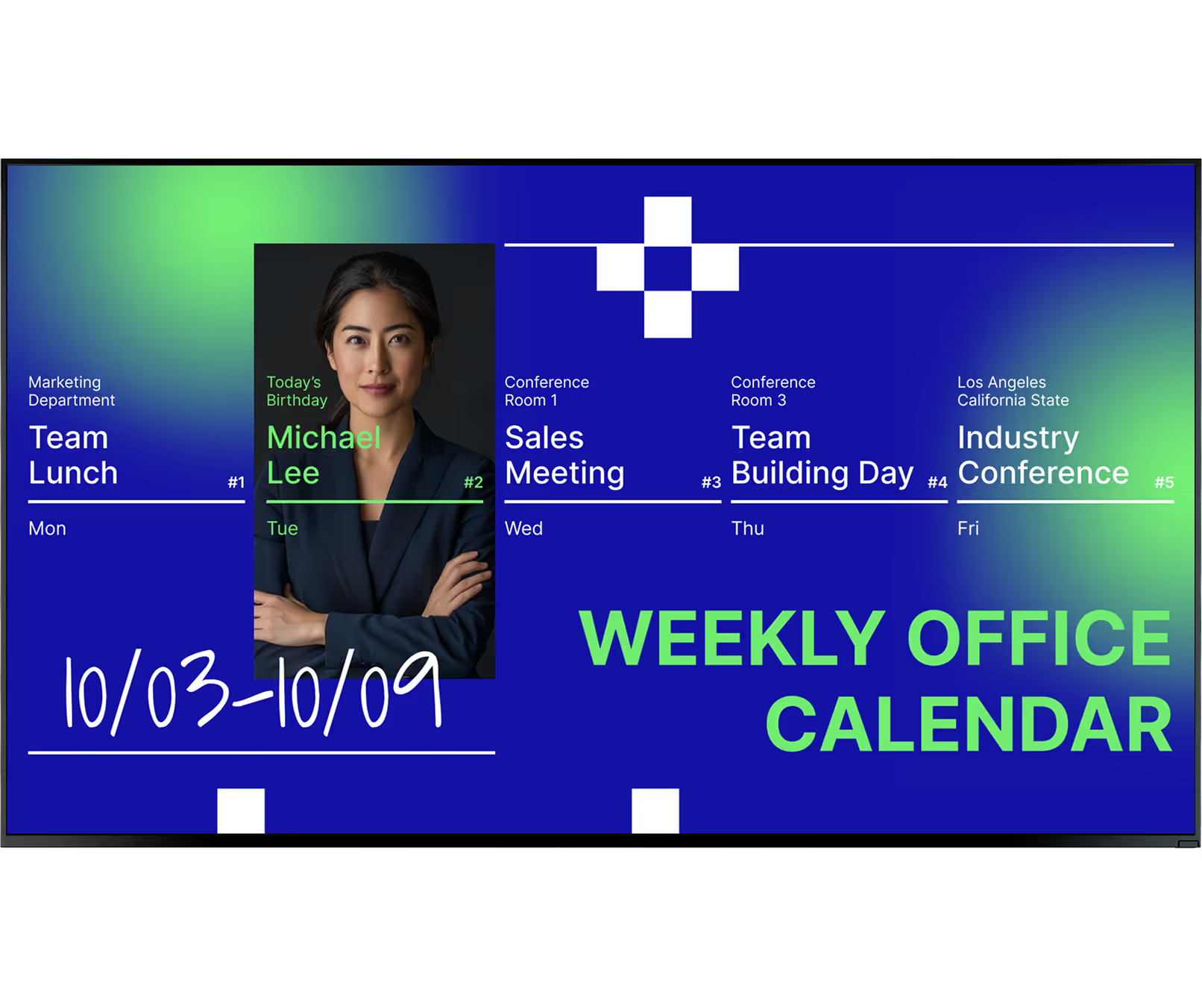
Live room schedules, booking status indicators, company announcements when rooms are empty, wayfinding maps, and emergency alerts — all scheduled automatically and updated in real time as your office changes.
Benefits










Who it's for
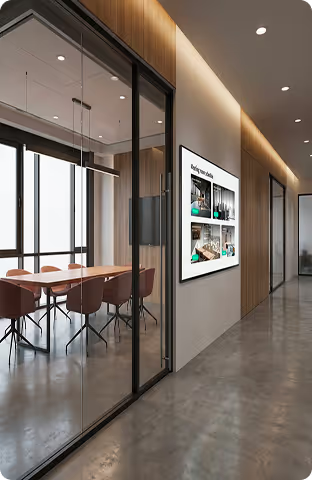
High-demand meeting areas with constant calendar activity. Full calendar sync with Microsoft 365 or Google Workspace keeps every door sign accurate. Corridor summary screens near elevators guide employees and visitors across multiple floors without needing to ask for directions.
Small, high-turnover spaces need fast, ad-hoc booking. Touchscreen signs allow instant reservations on the spot. QR codes link to mobile booking so teams can grab a huddle room in seconds, and auto-release prevents ghost bookings from blocking real availability.
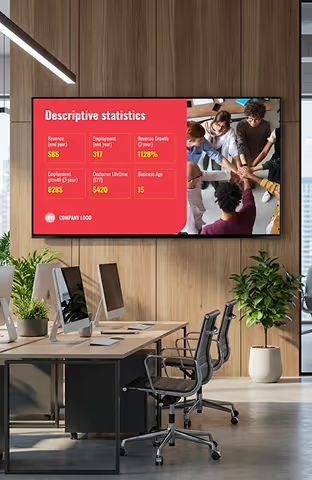
Impress clients and candidates with branded welcome screens displaying the visitor's company name and event details. PIN-protected booking controls restrict who can modify reservations, and in-room large-format displays serve as signage when meetings are not taking place.
Coworking environments manage bookings across many different tenants. Digital signage with role-based access lets each company manage their own rooms while the venue operator controls the overall network. E-ink displays on glass walls offer wireless, battery-powered installation with no cabling required.
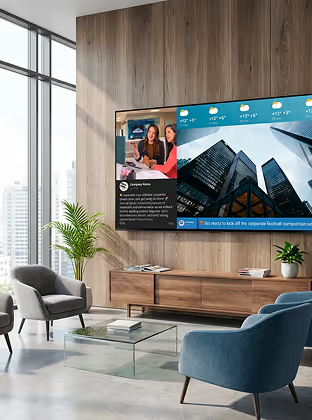
Large buildings need more than door signs. Multi-zone corridor screens near main entrances and elevators list nearby rooms with live availability, while interactive floor maps guide visitors from reception to their destination. Manage every screen across every floor from one central dashboard.
Organizations with strict IT policies can choose between a cloud-based or on-premise deployment of Look DS. Both options deliver full calendar sync and remote management. The flexible deployment model ensures you meet internal hosting and security requirements without compromising on features.
Use cases
Hardware & setup

Install the free Look App on any supported smart TV or existing in-room display to start serving content without additional hardware. Ideal for in-room large-format screens that already have smart OS support and for repurposing hardware you already own.




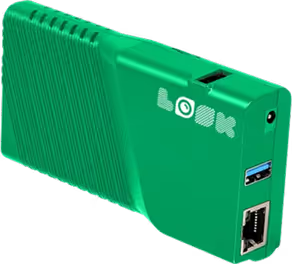
Plug the Look HDMI Player into any HDMI-equipped display for instant deployment. Designed for always-on environments with local content caching, remote management, and guaranteed uptime — ideal for corridor summary screens and door signs that need to stay live around the clock.
Meeting room environments vary by install.
Touchscreen signs powered via Power over Ethernet (PoE) deliver interactive booking with a single cable and are ideal for door signs requiring check-in and extension controls. E-ink displays run on batteries for months and mount wirelessly on glass walls or drywall with no cabling, making them perfect for hot-desking areas or rooms where running cables is impractical. Reuse existing in-room TVs with the Look App to increase hardware value without any additional capital spend.
How it works


Key features









Content best practices
01
Where you put the screens has a massive impact on success. Mount displays outside each room at roughly 60 inches from the floor so anyone walking by can read room status and meeting details quickly. In busy areas, add larger summary screens near main corridors to guide people faster without interrupting staff.
02
Any system only helps if people actually use it. Promote a clear check-in culture so employees know that unconfirmed rooms will be automatically released back to the booking pool. When staff understand this rule, they interact with the screens naturally — leading to better space usage for everyone and fewer ghost meetings.
03
Starting with a small pilot in just two or three rooms is the best way to gather feedback. It lets your IT and facilities teams learn the system — testing calendar sync, customizing templates, and checking device health — before rolling out to the entire building. A pilot reduces risk and speeds up the full deployment.
04
Organizing your screens into logical groups by building or department makes managing content much faster. You can send a global safety notice to every screen at once, or update just the screens on a single floor. This structure scales cleanly from a one-floor office to a global campus without creating management overhead.
05
When rooms are not in use, displays should not sit blank. Build a playlist to share company news, messages from leaders, or team shout-outs. Screens near the sales team can show performance rankings; engineering corridors can show project milestones. Relevant, targeted content turns every screen into an active communication tool.
06
Before you roll out, define what you want to achieve. Are you mostly trying to stop double bookings, or do you also want to improve visitor wayfinding and internal communications? Clear goals make it easier to choose the right features, prioritize which screens to deploy first, and measure success after launch.
Common mistakes
Fix: Enable auto-release for unconfirmed bookings and promote the check-in habit company-wide. When staff know unchecked rooms are freed, they interact with screens naturally.
Fix: Add multi-zone summary screens near elevators and main corridors. Build interactive floor maps on larger lobby displays to guide guests from reception to their destination without staff assistance.
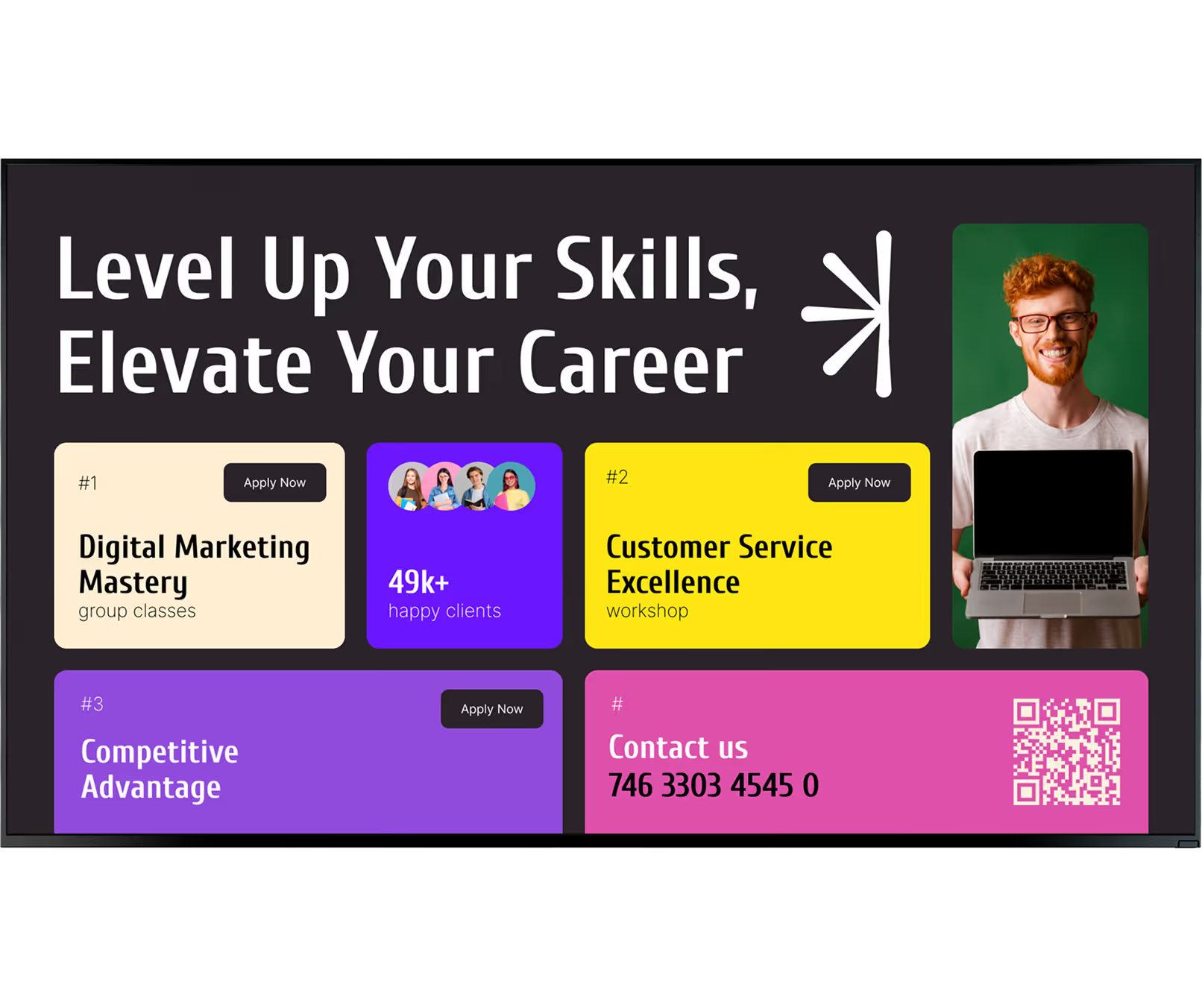
Fix: Use CMS targeting and Smart Scheduling to personalize content by department and floor. Sales corridors show KPIs; engineering areas show project updates; reception shows visitor welcomes.
Fix: Start with a 2–3 room pilot. Use it to test calendar sync, gather feedback from IT and facilities, and fine-tune templates before scaling to the full building.
Testimonials
In terms of using the system, the other options that I found were a little clunky and Look was not only affordable but really easy for us to deploy and get up and running.


Look is well-priced, it’s a very user-friendly software cloud-based service, where you can update your screens from wherever you are. We can definitely recommend to others!
Our experience with Look was simply excellent. We were able to offer our clients a new feature-rich solution that can meet their various requirements in terms of digital signage, with a relatively affordable monthly cost.




Our team has helped IT managers and facilities teams at companies of all sizes get their first room sign live — from a 3-room pilot to a 500-screen global campus rollout.
Templates

No credit card required

100% of features, no trial limitations

Fast human support 24/7