How digital signage works

Setting up Look Digital Signage for parking facilities is a simple and straightforward process. Improve navigation and visitor satisfaction with following steps.
  • Content

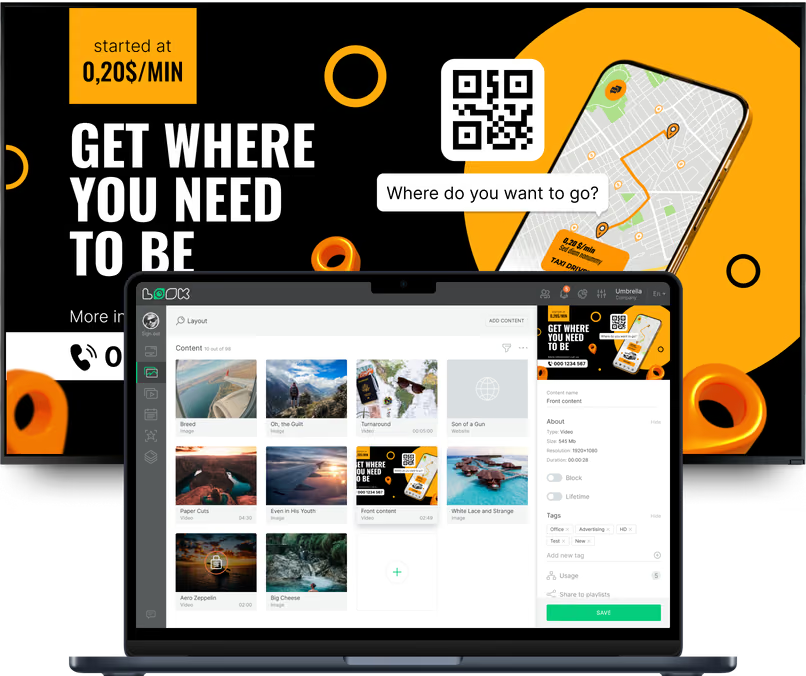
    Create content

    Upload parking maps, updates, advertisements, or choose from editable templates tailored for parking.
  • Schedule

    Playlist and schedule

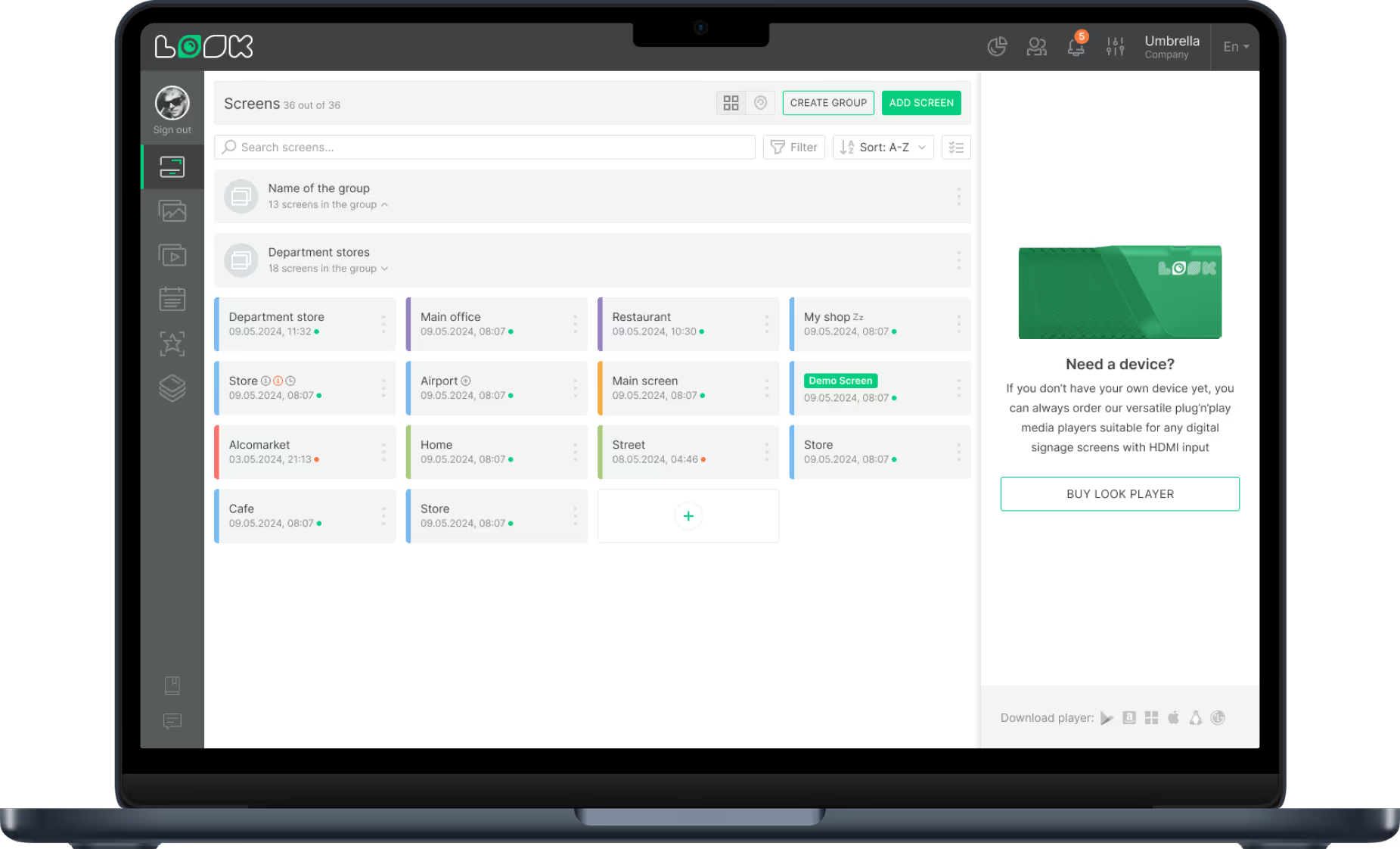
    Organize your content into playlists and set specific schedules for peak hours or facility maintenance updates.
  • Playlists

    Start playing

    Deploy your content instantly across all parking screens, ensuring visitors have access to clear and timely information.

Parking-Left-TVParking-Right-TVParking-How-It-Works

Free digital signage templates
for parking

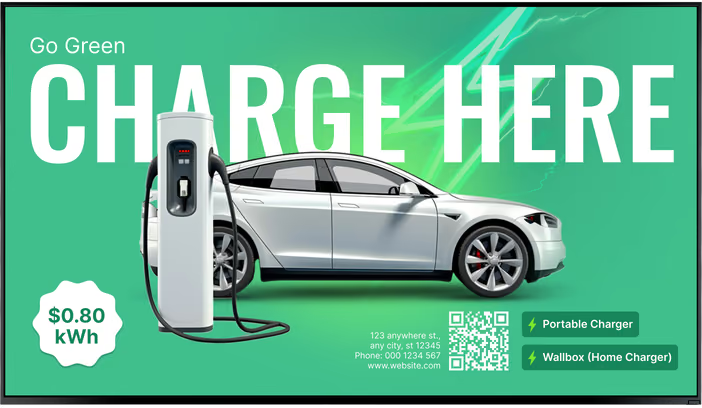
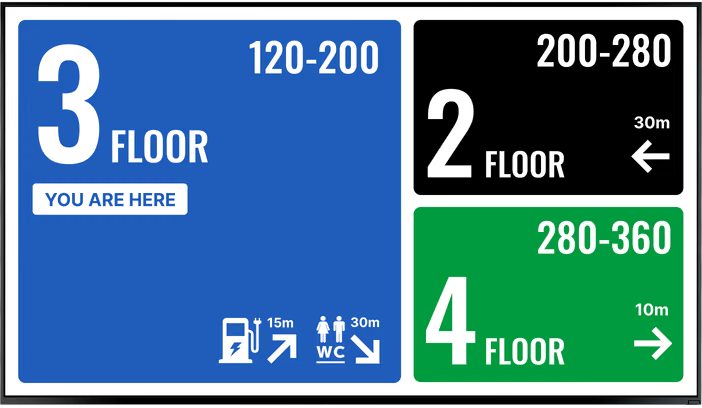
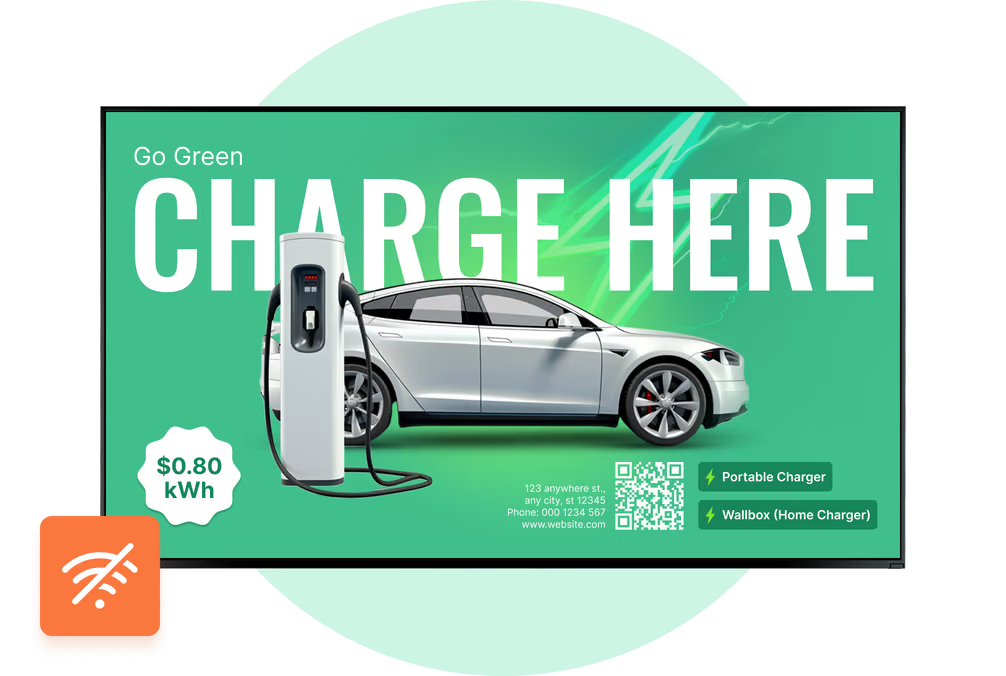
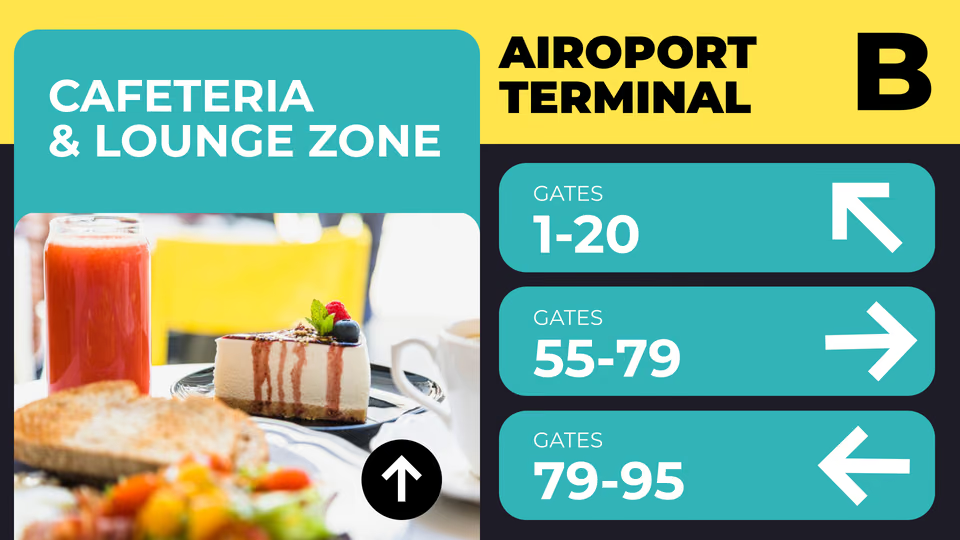
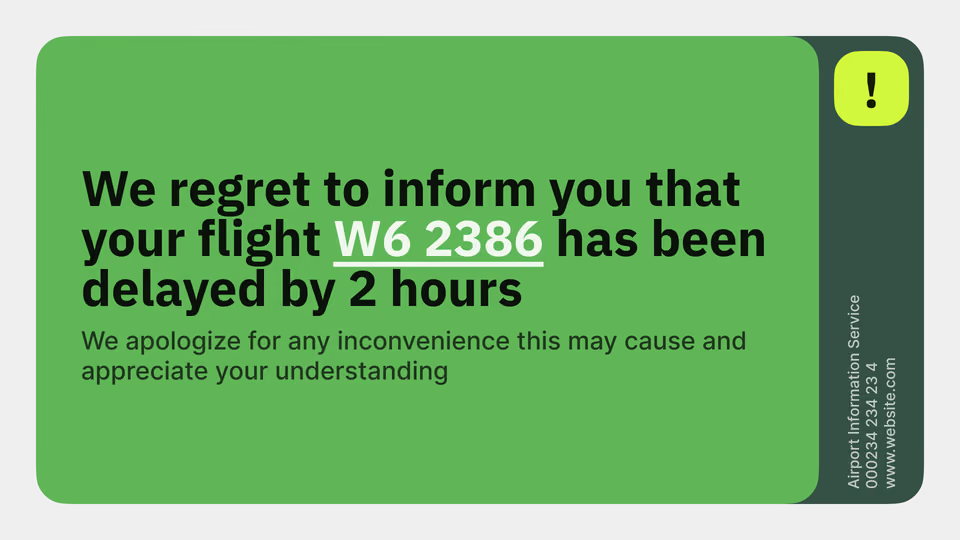
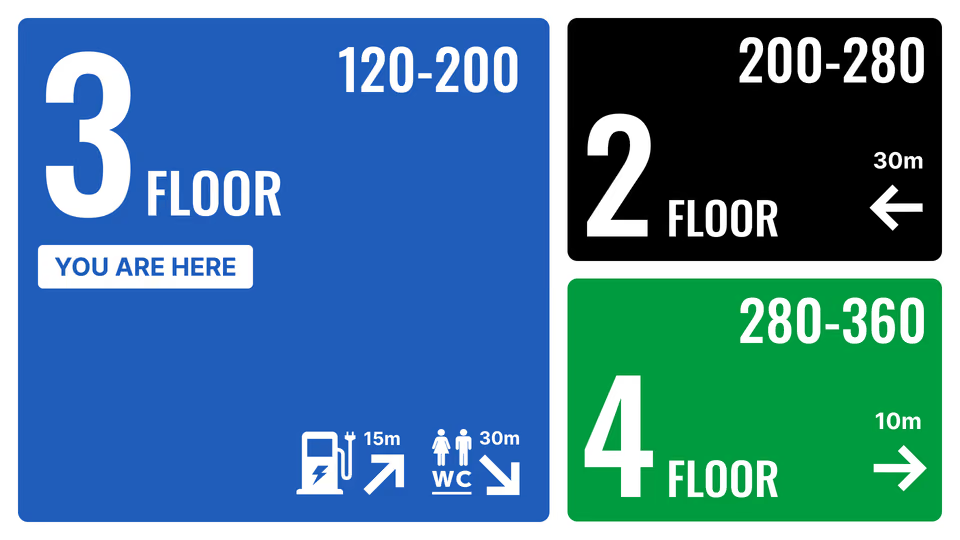
Explore a variety of ready-to-use digital signage templates designed for parking facilities. Showcase navigation guides, safety tips, and promotional content with ease.
Templates-Back_ParkingTemplates-Front_ParkingParking-Left-TV

How to turn your TV into a parking digital signage screen

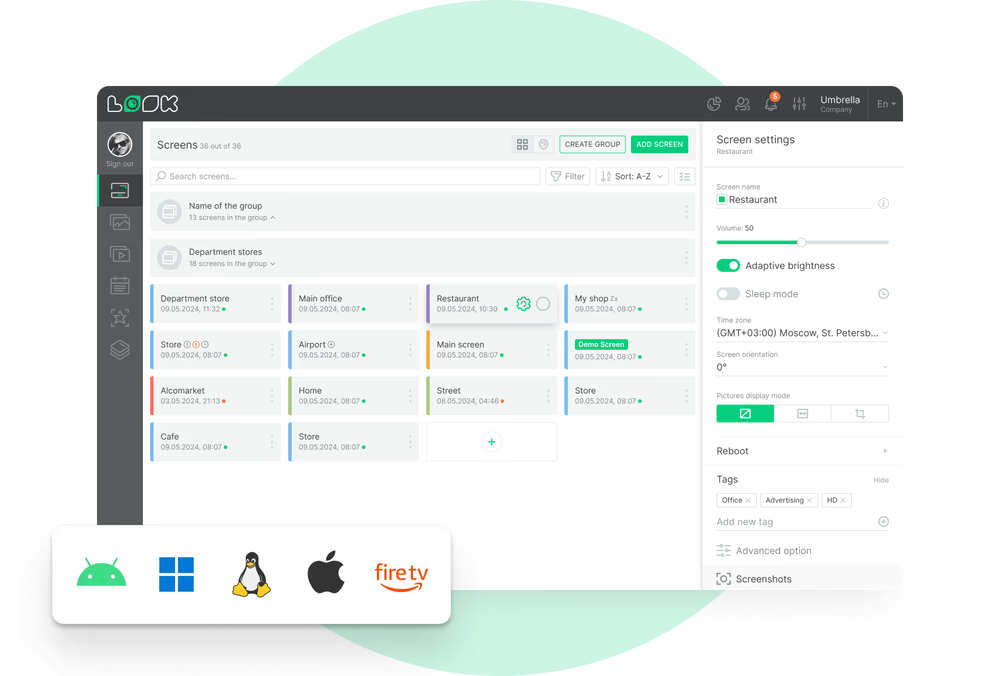
Look service works seamlessly on any hardware, whether you're planning to purchase or already own it
Or

Install FREE Look App

Transform any TV or compatible device into digital signage by installing the free Look app.
WindowsAmazon Signage
Androidgoogle-tvLinuxOS Fire Amazon
macOSWebOSOS Tizen OS Raspberry Pi
Supported Operating Systems

Plug Look HDMI Player

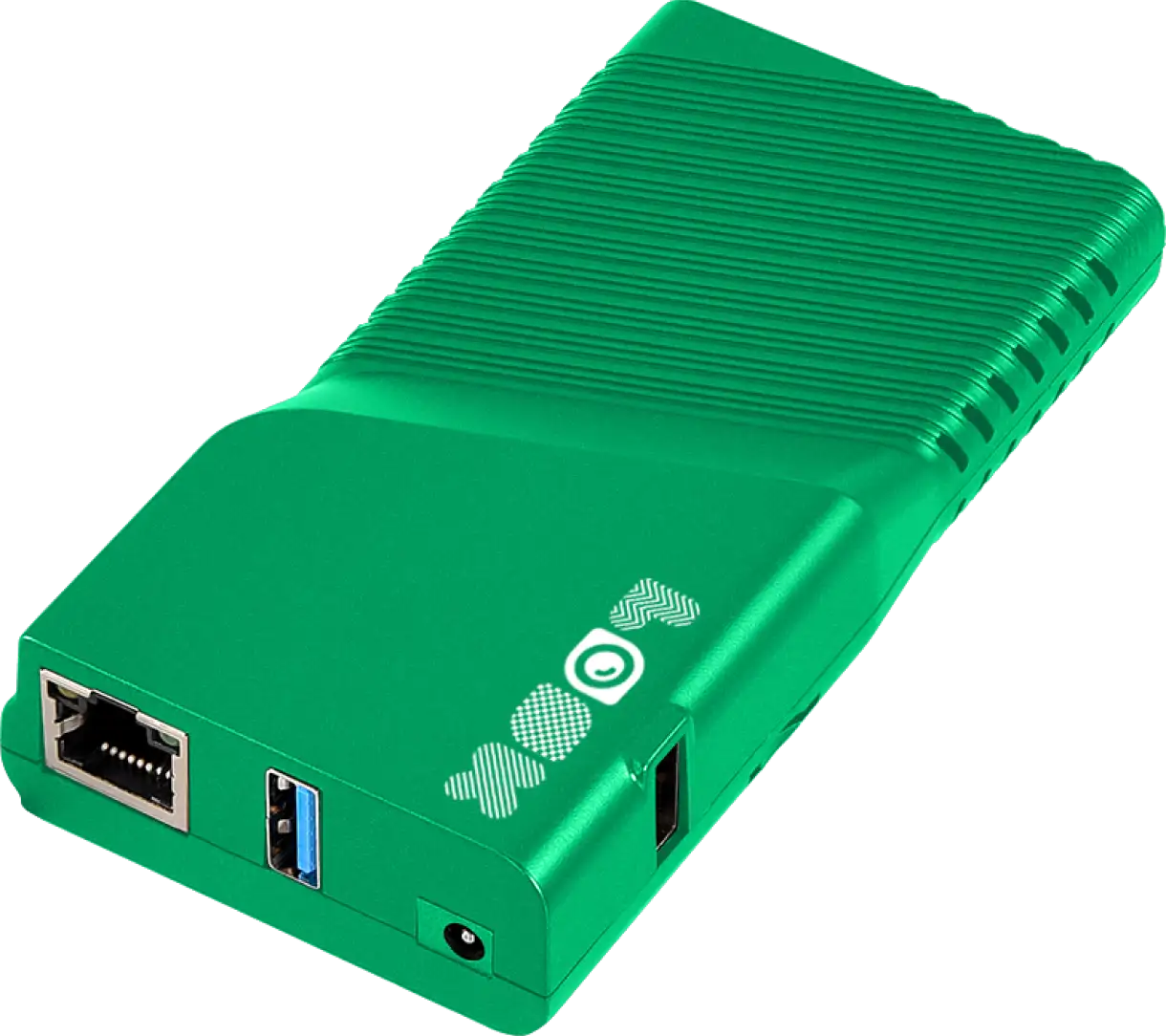
Connect the Plug & Play Look Player to your display’s HDMI input for instant setup. Worldwide shipping.
Buy nowLook HDMI Player

Success stories

Hear from our delighted customers! Check out their inspiring quotes about how our service has transformed their digital signage implementations.
Captera Rating
4.9
G2 Rating
5
60 000+
Screens
11 000+
Users
120+
Countries

Look’s built-in digital signage apps

  • Deliver engaging content

    Integrate real-time traffic updates, weather forecasts, and RSS feeds to keep your parking displays relevant and engaging.
InstagramTwitterFly ScheduleFacebookApps-Parking

Frequently asked questions

What is parking digital signage?

Parking digital signage is a screen network that guides drivers and informs visitors across a parking facility—from the moment they spot the entrance to the moment they pay and leave. Screens carry availability counts, directions, tariffs, payment instructions, safety notices, and promotions. Most facilities split the journey into 5 zones: street approach, entrance, parking levels, pedestrian areas, and payment or exit points.

How do parking digital signs show available spaces in real time?

Live counts are produced by the parking management system and simply relayed to the screen. Occupancy itself may be measured by ultrasonic bay sensors, cameras, lane counters, or license plate recognition, depending on what the facility has installed. 

Can parking screens display FULL, OPEN and available-space counts?

Yes. FULL or OPEN status sits alongside a live count for the whole facility, a single level or an individual zone. In larger garages, that same data is worth breaking down by floor or aisle, so a driver decides before reaching a congested area rather than after. Update frequency can be tight — some smart parking deployments refresh remote availability displays every 16 seconds.

What happens if the live parking data feed stops working?

Every occupancy feed eventually drops, so the fallback behavior must be defined in advance. The signage can hold the last confirmed count, replace the number with a neutral message such as “Availability unavailable,” or revert to standard wayfinding until data resumes. Any of these is preferable to an inaccurate figure: a sign advertising 22 free spaces on a level with 2 remaining costs the operator credibility across the whole facility.

Can digital signage show parking rates and dynamic pricing?

Yes. Whatever the current tariff is, that is what the screen shows, and it changes as soon as somebody changes it in the CMS. Hourly rates, daily maximums, event pricing, early-bird or peak windows, separate rates for vans or EVs, all of it can sit on the same layout. The case gets stronger with dynamic pricing. If your rate is tied to occupancy or demand on the day, a printed board is out of date before it is mounted, whereas the screen simply shows whatever the pricing engine says at that minute.

Where should digital screens be installed in a parking facility?

Position screens at decision points — the places where a driver or a pedestrian has to choose — rather than spacing them evenly through the building. A typical deployment covers 5 areas: the road approach, the entry lane, levels and aisles, lifts or pedestrian exits, and payment or exit lanes. Roles differ by position. Approach screens handle availability and price; internal displays cover directions, safety information, and payment instructions.

Can parking screens be used for emergency and safety messages?

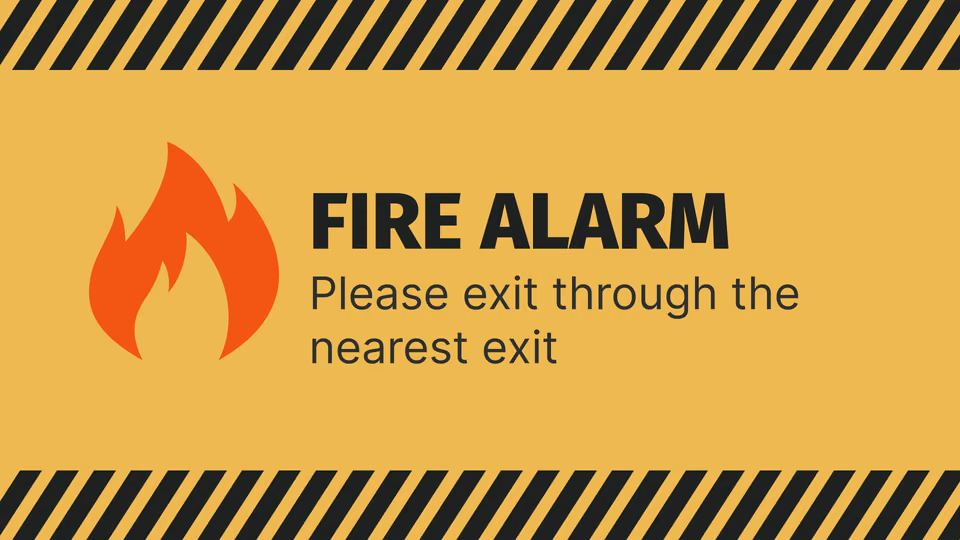
Safety and operational messages can take over the screen immediately, replacing whatever is scheduled. Closed levels, blocked exits, temporary traffic routes, speed reminders and evacuation instructions are the common cases. Because a parking structure mixes vehicles with pedestrians, often in poor light, these layouts need minimal text, a symbol that reads instantly and strong contrast.

Can parking content change automatically during the day?

Yes, parking signage can be scheduled to show different content by time, day or operational period. A facility might display commuter rates in the morning, visitor guidance during business hours and event pricing in the evening. Automated scheduling also reduces manual work when the same changes happen repeatedly across multiple screens or parking locations.

How many screens does a multi-level parking garage need?

The number of screens depends on decision points rather than simply the number of parking spaces. At minimum, operators should consider the entrance, every major ramp or level choice, important aisle intersections, pedestrian exits and payment areas. A complex facility may therefore require several screens per level, while a small single-level lot may need only an entrance display and one or two internal screens.

Can parking signage identify accessible and reserved spaces?

Yes. Accessible, reserved, staff, visitor and EV bays can each be called out and signposted separately. Guidance systems already use color coding for this, and blue usually means accessible parking. A screen adds what a colored indicator can't: where to turn, who is allowed to park there, and how many of those bays are free right now.

What type of digital signage works outdoors?

Outdoor parking signage should use weather-resistant hardware designed for sunlight, rain, dust, and temperature changes. Commercial outdoor installations commonly use enclosures around IP65 or IP66 protection levels and high-brightness displays that remain readable during daylight. Automatic brightness adjustment is also useful because an entrance screen that works in direct sun can otherwise become unnecessarily bright after dark.

How can parking operators measure whether digital signage is working?

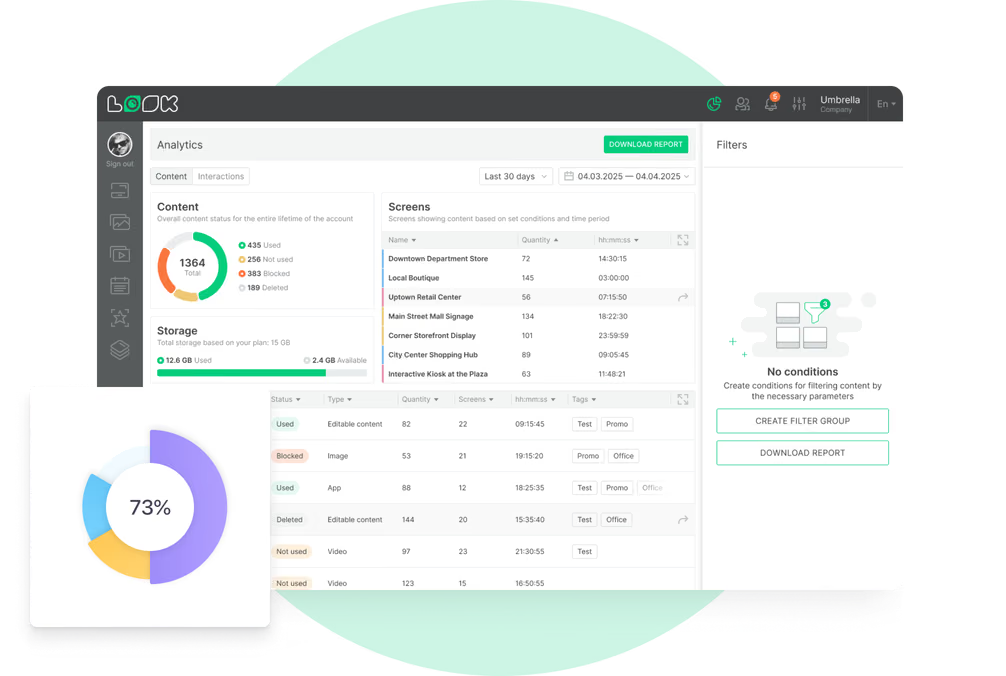
Measurement usually begins with search time, followed by traffic flow, the distribution of occupancy across levels, and screen uptime. Most of this data is already collected by the parking system, so additional instrumentation is rarely necessary. Improvements tend to concentrate at the points where drivers previously hesitated, queued behind other hesitating drivers, or entered a level that was already full. This kind of reporting also tends to expose an underused level or a recurring congestion pattern that had not previously been quantified.

Can several parking facilities be managed from one system?

Yes, a centralized digital signage platform can manage screens across several garages, surface lots or properties from one interface. Operators can update common content across the network while keeping location-specific prices, directions and safety information separate. This becomes particularly valuable for airports, universities, hospitals, shopping centers or parking operators managing dozens or hundreds of displays.

Can Look DS work alongside existing LED parking count signs?

Yes, and there's no reason to rip out signs that already work. Numeric LED boards do one job well: pull a figure from the parking hardware and show it big. Look-powered screens take everything else, from maps and payment instructions to promotions, safety messages and facility information. In a garage where the occupancy infrastructure is already in the ground, 

What type of screen is best for an indoor parking garage?

Commercial-grade LCD or LED panels are the usual choice indoors, chosen for legibility under uneven artificial lighting and for reading from a moving vehicle. An outdoor brightness rating adds cost underground without improving readability. Screen size relative to viewing distance, mounting height, and the lighting on that particular level are the specifications that matter. Existing directional or count displays can stay in service, with content screens added around them.


Can parking digital signage display advertising?

It can, but placement decides whether it is a good idea. Around the entrance, along pedestrian routes, and near the pay stations, there is room for nearby retail, restaurants, services, and on-site offers without any of it competing with wayfinding. A screen that a driver has to read while turning into a ramp is a different matter, and operational content should own that one outright. As a rule of thumb, advertising works where feet are stationary or walking, not where wheels are moving.