
Table of Content
How do outdoor digital kiosks connect cities and businesses with people on the move? By delivering real-time transit updates, interactive wayfinding, and instant self-service options, these durable units turn high-traffic areas into hubs of useful information. From simple touchscreens to robust smart city terminals, outdoor kiosks bridge the gap between physical locations and digital services, offering reliable support regardless of the weather.
As technology evolves, these devices have shifted from static information points to active tools for daily life. Whether a visitor needs directions to a landmark or a commuter checks bus times during a storm, outdoor kiosks provide round-the-clock service. Their ability to withstand heat, cold, and rain makes them ideal for any environment where teams need to publish content and keep audiences informed.
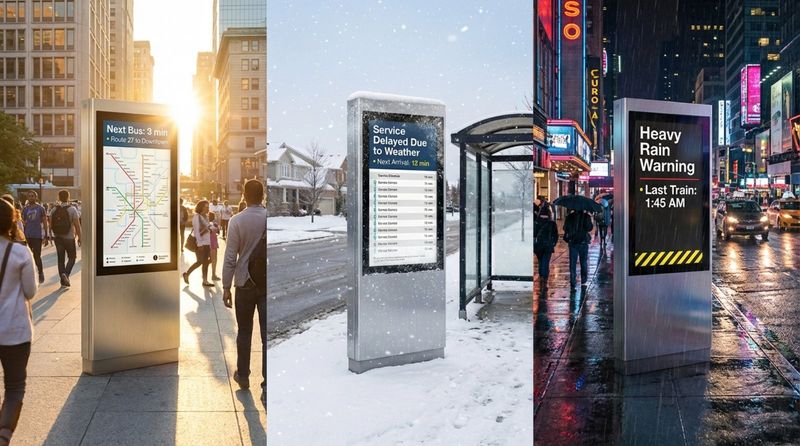
Where Are Outdoor Digital Kiosks Used Around the World?
City Centers and Public Spaces
Busy downtown areas and main squares are primary locations for outdoor digital kiosks. These high-traffic zones require quick access to government services, event listings, and public notices. By placing kiosks in plazas and town squares, city leaders can publish updates to residents and tourists in minutes, replacing paper notices that often become outdated or damaged.
These kiosks also serve as connectivity hubs. In many cities, they offer free Wi-Fi and device charging, creating a practical stop for pedestrians. This approach helps connect people to online services even when they are away from home or the office.
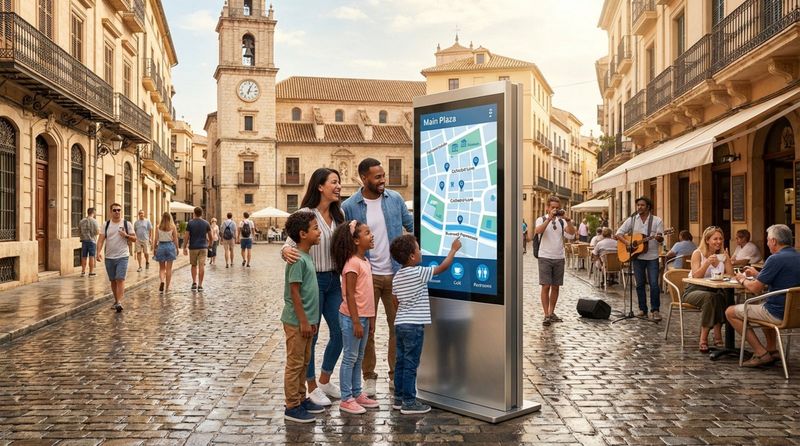
Transportation Hubs and Smart Mobility
Transport hubs rely on digital signage to keep operations running smoothly. Bus stops, train stations, and ferry terminals use kiosks to guide passengers efficiently. Here, kiosks act as the central interface for "Smart Mobility," allowing travelers to view routes that combine trains, buses, and other transit options.
Reliable playback is critical in these environments. Kiosks must withstand vibration and dust while keeping screens legible in direct sunlight. Unlike printed timetables, which are difficult to maintain, digital kiosks allow operators to update schedules and delay notifications remotely from a central dashboard.
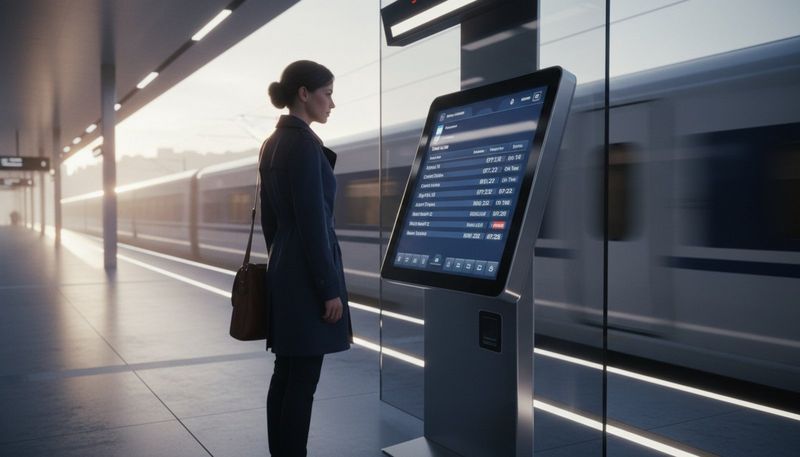
Tourist Attractions and Visitor Information
For travelers, an outdoor digital kiosk functions as a 24/7 guide. Placed at entrances to national parks, historic sites, and landmarks, these units provide multilingual information to assist international visitors. They can display videos, image galleries, and maps that offer context to the site.
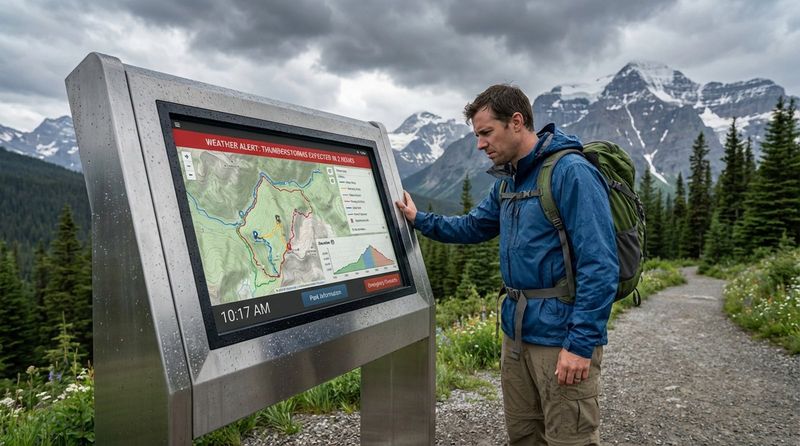
These kiosks also support crowd management and safety. In large outdoor venues, they can display real-time alerts regarding trail closures or weather risks. Visitors can also purchase tickets or book tours directly at the kiosk, reducing wait times and improving the overall experience.
Retail Centers and Shopping Districts
Outdoor malls and shopping districts use digital kiosks to blend online convenience with physical shopping. Interactive maps allow visitors to search for specific brands or products and view clear routes to their destination. This helps shoppers navigate complex areas efficiently.
Retail kiosks also serve as effective marketing channels. They can run high-definition video promotions for sales or new arrivals, catching the eye more effectively than static posters. By integrating QR codes, businesses can allow shoppers to save coupons or product details to their phones, driving foot traffic to stores.

Healthcare and Public Health Campaigns
Large medical campuses can be difficult to navigate. Outdoor digital kiosks improve the visitor experience by displaying clear, interactive maps that guide patients to specific buildings or departments. This reduces confusion and helps operations run on time.
These units are also valuable for public health communication. During health initiatives, they can display live updates, safety guidelines, and locations for medical services. Their visibility ensures important information reaches a broad audience quickly.
Educational Campuses and Institutions
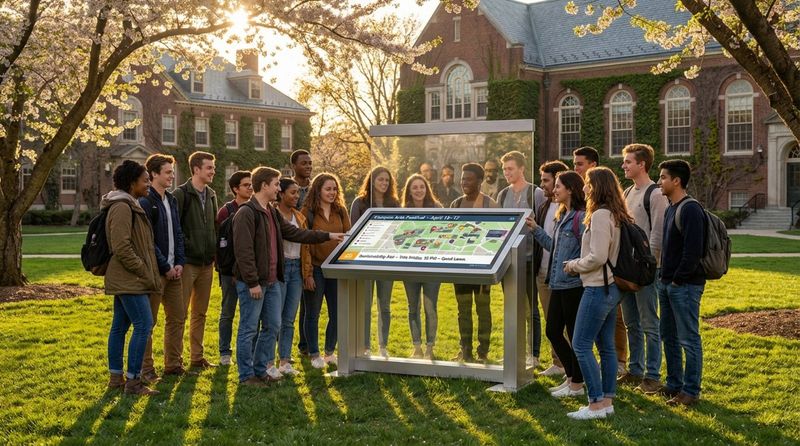
University campuses operate like small cities. Outdoor kiosks help students and staff stay informed about room changes, campus events, and deadlines. They also enhance safety by serving as visible points for emergency alerts.
On campus, kiosks can showcase student achievements and research, fostering a sense of community. When connected to the institution's network, they can display live news, transport schedules, and social media feeds, keeping the campus population connected.
Entertainment and Sports Venues
Stadiums and arenas must manage large crowds efficiently. Outdoor kiosks assist fans in finding entrances, parking, and seating areas based on their ticket information. This helps reduce congestion and keeps lines moving.
During events, kiosks can display live scores, stats, or sponsor advertisements. This provides a focused channel for partners to reach audiences, helping venues maximize engagement and revenue.
Commercial and Industrial Environments
In business parks and industrial sites, outdoor kiosks streamline logistics and visitor management. At facility gates, kiosks can handle driver check-ins, play safety videos, and provide loading instructions. This replaces manual paperwork with a digital, trackable process.
Within business parks, kiosks guide employees and visitors between buildings. They can also display company news, local transport options, or cafeteria menus. This helps modernize facilities and supports efficient internal communication.
What Are the Best Use Cases for Outdoor Digital Kiosks Globally?
Wayfinding and Interactive Maps
Interactive wayfinding is a core function of outdoor kiosks. Users can search by category-such as restrooms, dining, or parking-and receive immediate directions. This is far more effective than static maps, which cannot account for temporary closures or changes.
The primary advantage is the ability to update maps remotely. If a route changes or a new tenant moves in, the layout can be adjusted across all kiosks in minutes, ensuring data is always accurate.
Real-Time Public Transit and Travel Information
Connecting outdoor kiosks to live data sources transforms how people travel. Kiosks linked to GPS data can show accurate arrival times, helping riders plan their journeys with confidence. This reduces uncertainty and improves the perceived reliability of public transport.
Beyond schedules, kiosks can display service alerts and capacity information. This allows passengers to make informed decisions, such as waiting for a less crowded vehicle.
Self-Service Ticketing and Payments
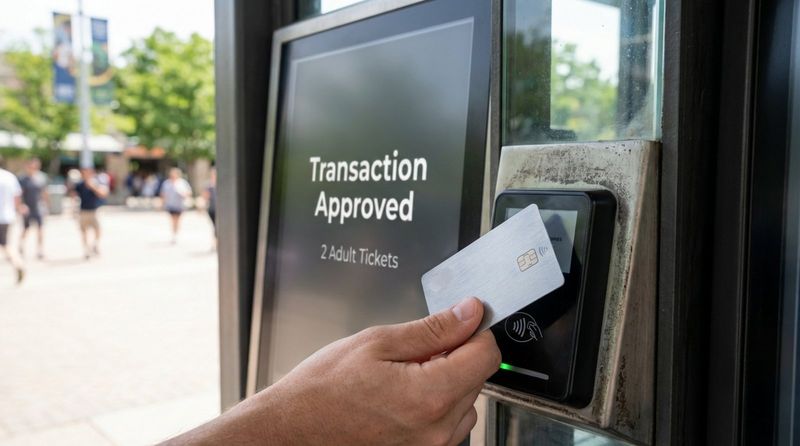
Outdoor kiosks simplify transactions for transit, parking, and attractions. Secure card readers enable users to purchase passes or tickets without queuing at a staffed window. This self-service model improves efficiency and allows services to remain available outside of standard business hours.
Outdoor Digital Menu Boards and Food Ordering
Quick Service Restaurants (QSRs) rely heavily on outdoor digital menu boards, particularly in drive-thru lanes. These screens allow operators to change items, pricing, and promotions instantly. For example, a morning menu can automatically switch to a lunch menu at a set time.
In pedestrian areas, self-ordering kiosks allow customers to place orders before entering the venue. This reduces congestion at the counter and speeds up service.
Emergency Alerts and Public Safety Communication
In emergencies, outdoor kiosks serve as critical communication tools. Centralized management software allows operators to override regular content instantly to display severe weather warnings or evacuation instructions. The high visibility of these screens ensures urgent messages are seen.
Many units also include direct communication features, such as help buttons, providing a lifeline in situations where mobile phones may not be available.

Digital Signage and Outdoor Advertising
Outdoor kiosks are powerful platforms for out-of-home advertising. Placed in high-footfall areas, they deliver dynamic content that captures attention. Advertisers can schedule campaigns to run at specific times, maximizing relevance.
Advanced setups use anonymous sensors to measure audience engagement. This data helps businesses understand which content performs best, allowing for data-driven decisions on future campaigns.
Event Scheduling and Local News Updates
Kiosks often function as digital community boards. They can display local news, weather forecasts, and schedules for community events. This keeps residents informed without the visual clutter of printed flyers.
During festivals or city-wide events, kiosks can provide live schedules and stage locations, helping attendees navigate the event space effortlessly.
EV Charging Station Integration
As electric vehicle adoption grows, kiosks are increasingly integrated into charging stations. These units provide drivers with entertainment or information while they wait. They can also display charging status, costs, and time remaining, improving the user experience at the station.

How Do Real-World Examples Show Success?
North America: Smart City Deployments
In North America, smart city projects have replaced aging infrastructure with modern digital kiosks. These units typically offer Wi-Fi, device charging, and access to city services. The success of these deployments is often measured by high usage rates and the ability to generate revenue through digital advertising.
Europe: Enhancing Tourism and Mobility
European cities often use outdoor kiosks to support tourism and public transport. Near historic sites, kiosks provide context and ticketing options. For transport, integrated systems allow users to compare various travel modes-such as rail, bus, and bike-share-on a single screen, promoting efficient travel choices.
Asia-Pacific: Urban Innovation Stories
Cities in Asia have integrated outdoor kiosks with advanced sensors and interactive features. Some deployments focus on environmental monitoring, tracking data like air quality and crowd density. This information helps city planners optimize urban flows and improve public safety.
Middle East and Africa: Kiosk Adoption in Challenging Climates
In regions with extreme heat, outdoor kiosks are built with specialized cooling systems to ensure uptime. These units are essential for navigating outdoor retail spaces and transport hubs. In areas with limited infrastructure, solar-powered kiosks provide vital access to government and health information.
Selecting the Right Software for Outdoor Kiosks
Deploying hardware is only the first step; to keep a network of outdoor kiosks running smoothly, you need reliable software. Look Digital Signage is a strong fit for managing outdoor digital networks, offering a cloud-based platform that simplifies content updates across multiple locations.
For outdoor environments where internet connectivity can fluctuate, the Offline Playback feature in Look DS ensures your screens keep running content locally without interruption. If you are managing menu boards or transit schedules, Smart Scheduling allows you to automate changes based on time or day, reducing the need for manual updates. Additionally, for easy deployment, the Look HDMI Player provides a plug-and-play solution that connects to your outdoor screens, getting your content live in minutes.