Table of Content
How do you keep your messaging visible and engaging when the sun is blazing, the rain is pouring, or the street is noisy? Outdoor displays are the answer, combining rugged hardware with bright, dynamic visuals to ensure your content connects with your audience, no matter the weather. Whether you need to guide visitors, share real-time schedules, or promote a flash sale, these displays bridge the gap between your digital presence and the physical world.

What Are Outdoor Displays and Why Do They Engage Audiences?
How Outdoor Displays Differ From Indoor Signage
An indoor screen might look great in a conference room, but it won't last long on a city street. The primary difference lies in brightness and build quality. Outdoor displays use high-brightness panels, measured in "nits." While a standard indoor TV operates at around 300-500 nits, an outdoor screen often exceeds 2,500 nits. This intensity ensures your content remains readable and vibrant, even in direct sunlight. Without it, your screen would look like a black square to anyone walking by.
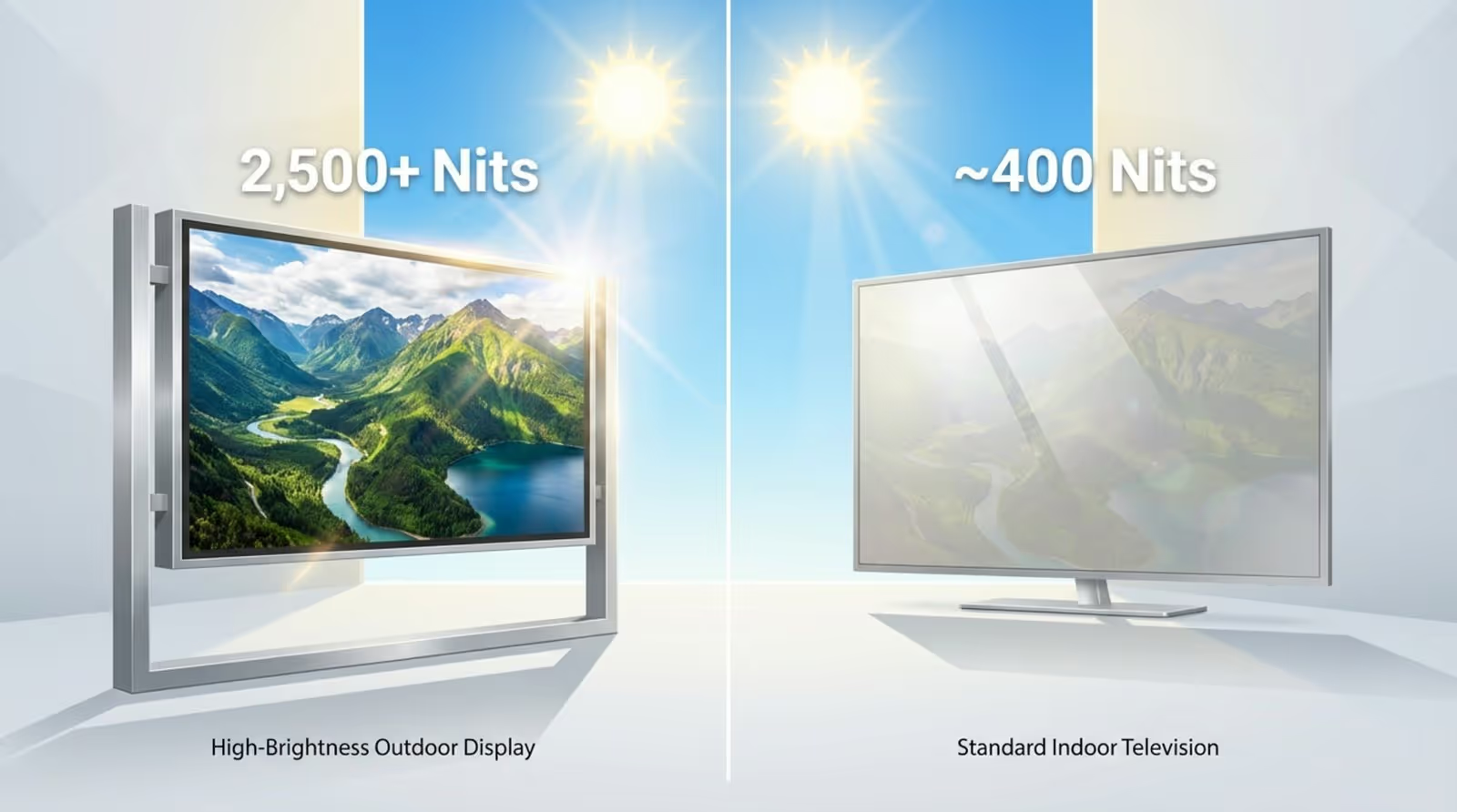
Beyond brightness, the internal engineering is completely different. Indoor screens rely on room temperature to stay cool. Outdoor units, however, feature advanced thermal management systems-like fans or heat exchangers-to prevent electronics from overheating in the summer or freezing in winter. This allows you to keep your screens running 24/7, maintaining reliable playback in conditions that would destroy consumer electronics.
Core Features of Outdoor Displays
The most important spec to look for is the Ingress Protection (IP) rating. This two-digit number tells you how well the unit resists dust and water. A professional outdoor display typically carries an IP65 or IP66 rating, meaning it is dust-tight and can withstand powerful water jets. This level of protection allows you to install screens in dusty industrial zones or humid coastal areas without worrying about internal damage.
Another essential feature is tempered, anti-reflective glass. This glass is impact-resistant and treated to minimize glare from the sun or streetlights. By maintaining high contrast and color accuracy, it ensures that your playlists-whether they contain HD video or simple text-look sharp and professional from every angle.
What Makes a Display Suitable for Any Environment?
To truly function "in all weather," a display must be adaptable. Many modern units include ambient light sensors that adjust brightness automatically. This prevents the screen from being blindingly bright at night or too dim at noon, while also reducing energy consumption. It’s a balance of visibility and efficiency.
Flexibility in mounting is also key. Whether you need a slim totem for a sidewalk or a wall-mounted unit for a building facade, the hardware must fit your specific environment. The ability to operate in extreme temperatures-often ranging from -22°F to 122°F-is what separates true outdoor-grade equipment from a standard TV in a protective box.
Key Benefits of Outdoor Displays for Businesses and Public Spaces
Increases Visibility in Daylight and Night
The clear advantage of digital outdoor signage is 24/7 visibility. Printed posters fade in the sun and disappear in the dark, but a high-brightness screen stays vivid. This constant presence acts as a beacon for your brand. After sunset, these screens become even more effective, serving as illuminated landmarks that guide pedestrians and drivers to your location.
This round-the-clock operation improves your ROI. You can tailor messages to the time of day-promoting coffee in the morning and dinner specials in the evening-without changing a physical sign. High visibility in fog, rain, or snow ensures your critical messages are seen when other media gets ignored.
Boosts Audience Engagement With Dynamic Content
Static signs blend into the background; movement catches the eye. Outdoor displays allow you to use motion, video, and transitions to grab attention. Instead of a single static image, you can tell a story, demonstrate a product, or explain a service, creating a much stronger connection with your audience.
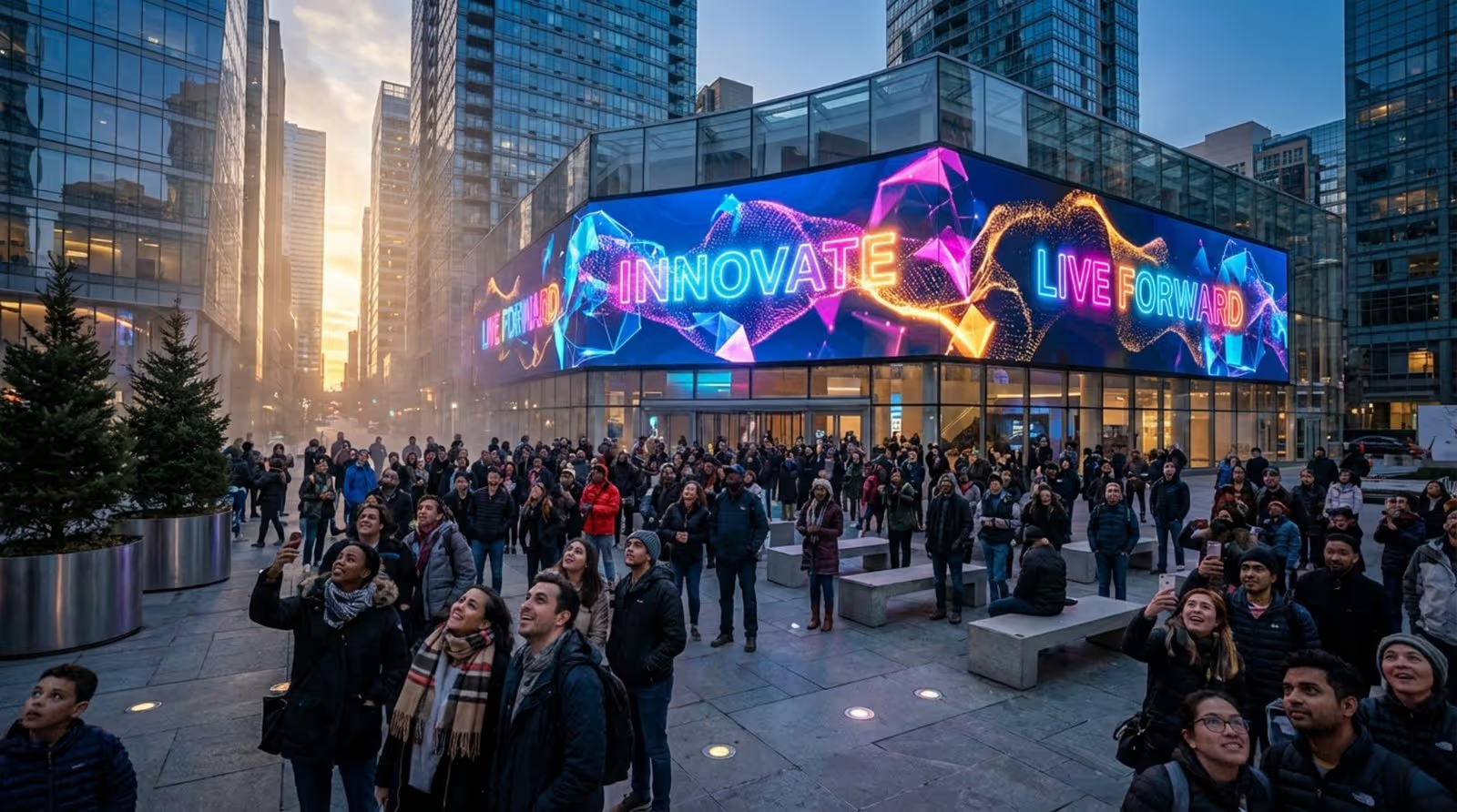
Rotating content also keeps your messaging fresh. A single screen can cycle through community news, weather updates, and upcoming events. By providing useful information alongside your promotions, you turn the display into a helpful resource, encouraging people to look at it repeatedly.
Improves Communication and Real-Time Updates
In many industries, information changes by the minute. Outdoor displays allow you to update content in real time-something print simply cannot do. Whether it is a gate change at a transit hub or a flash sale at a retail store, you can publish updates to one screen or thousands in minutes.
For operations managers, this agility is crucial. If you have surplus inventory, you can launch a promotion immediately. This closes the gap between making a decision and executing it, ensuring your messaging is always relevant to what is happening right now.
Supports Cost-Effective Advertising and Messaging
While the initial hardware investment is higher than printed signage, digital screens reduce costs over time. You eliminate the recurring expenses of printing, shipping, and manually hanging new posters. Over the lifespan of the device, the cost per impression drops significantly because you can change content as often as you like without material waste.
Digital displays also enable "dayparting," where content changes based on the time of day. This allows you to maximize the value of your screen time, targeting specific audiences when they are most likely to be passing by. It turns a static billboard into a flexible communication platform.
Delivers Durable, Weatherproof Performance
Durability is a silent money-saver. Outdoor displays are designed to be "set and forget" assets. With vandal-resistant glass and heavy-duty metal enclosures, they resist weather damage and physical impact. This ruggedness protects your professional image; nothing looks worse to a customer than a broken or peeling sign.
These units are often rated for 50,000 to 100,000 hours of use. Unlike printed banners that tear or fade, a purpose-built outdoor display provides a stable, long-term channel for your communications.
Types of Outdoor Displays: Digital, Static, and Interactive
High-Brightness LED and LCD Screens
LED technology is the standard for large-scale outdoor displays. Modular LED panels can be combined to create screens of any size, from store signs to stadium scoreboards. They are incredibly bright and energy-efficient. Modern LED technology offers tighter pixel pitches, meaning images look clear even when viewers are standing relatively close.
LCD screens are typically used for smaller, detailed applications like digital menu boards or wayfinding kiosks. While they require backlighting, high-brightness LCDs provide sharp resolution and rich color, making them ideal for viewing at arm's length. Both options now come with the cooling and protection needed to survive the elements.
Static Billboards and Poster Displays
Static displays still have their place. Vinyl billboards and lightboxes are effective for long-term brand awareness campaigns where the message doesn't need to change often. They are cost-effective in locations where running power and data cables for digital screens is difficult or too expensive.
Lightboxes offer a middle ground, using LED backlighting to make printed posters visible at night. While they lack the flexibility of digital signage, they provide a clean, high-quality look that works well for bus shelters and street advertising.
Interactive and Touch-Enabled Solutions
Interactive displays turn passive viewers into active users. Rugged touchscreens allow people to browse catalogs, find directions, or check schedules. For example, a city kiosk might let visitors search for nearby restaurants and scan a QR code to take the directions with them.
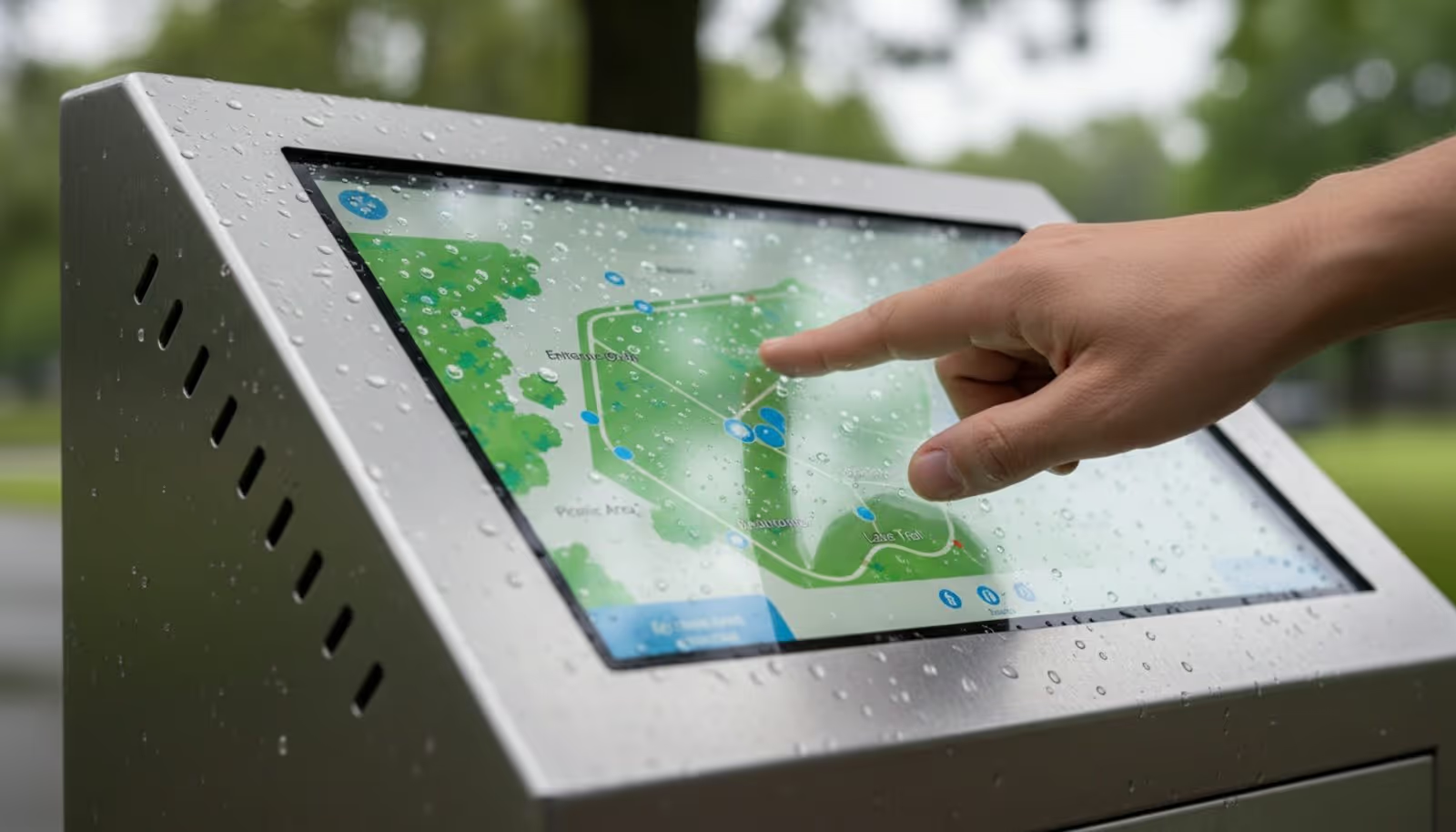
The challenge outdoors is maintaining touch accuracy through thick glass and in wet conditions. However, modern Projected Capacitive (PCAP) touch technology has largely solved this, allowing for accurate responses even with gloves or wet screens. This interactivity creates a deeper level of engagement and utility.
Top Uses and Applications of Outdoor Displays Across Industries
Retail: Promotions and Customer Attraction
Outdoor displays act as magnets for retail locations. Whether placed in a window facing the street or as a standalone pylon, they stop passersby and draw them in. High-definition video of a new product or a limited-time offer creates a sense of urgency that static signs struggle to match.
These screens also modernize your brand image. A bright, dynamic display signals that a business is current and active. In shopping centers, digital directories improve the customer experience by helping shoppers find stores easily, supporting foot traffic across the entire property.
Transportation: Real-Time Information and Wayfinding
For airports, train stations, and bus stops, outdoor displays are essential infrastructure. They provide real-time arrival and departure data, reducing traveler anxiety. Travelers expect accurate updates, and digital screens deliver this clearly and instantly.

Wayfinding is equally important. Large digital maps help manage flow in busy terminals, while overhead signs on highways provide safety alerts. In these scenarios, screen reliability is a matter of safety, not just marketing.
Events and Entertainment Venues
Stadiums use outdoor displays to amplify the fan experience. Large screens broadcast the action to distant seats, while smaller concourse screens show live feeds, social media highlights, and concession menus. This ensures fans stay connected to the event, even when they step away from their seats.
Outside the venue, screens manage crowds by displaying gate information, safety rules, and wayfinding. Post-event, they can guide traffic or promote upcoming shows, keeping the venue's calendar visible to the public.
Hospitality: Menus and Guest Information
Restaurants, particularly QSRs, rely on outdoor digital menu boards to streamline operations. You can update prices, remove sold-out items, and highlight high-margin combos instantly. This reduces friction in the drive-thru and often increases the average ticket size by prompting upsells.
Hotels use outdoor screens as digital concierges. Placed near entrances or pools, they share weather updates, local event info, and hotel amenities. This provides guests with immediate answers and reduces the load on front-desk staff.
Campus and Corporate Communications
Universities and corporate campuses use outdoor displays to connect their communities. These screens serve as modern noticeboards for achievements, event schedules, and campus news. Because campuses are often sprawling, strategic placement ensures messages reach everyone.
Crucially, these displays integrate with emergency systems. In the event of severe weather or a security issue, screens can instantly display clear warnings and instructions, cutting through the noise better than audio alarms alone.
Innovative Technologies Powering Modern Outdoor Displays
Energy-Efficient High-Brightness Technology
Sustainability is a priority for many organizations, and display technology is adapting. Modern power supplies and efficient LEDs produce more light with less energy, reducing operating costs and environmental impact.
Smart power controls allow screens to sleep when no one is around or dim automatically on cloudy days. This ensures you aren't wasting energy fighting the sun when it isn't shining, balancing high performance with responsible power usage.
Weatherproof and Vandal-Resistant Designs
Hardware is tougher than ever. Beyond IP ratings for water, many screens carry IK ratings for impact resistance. An IK10 rating, for instance, means the screen can withstand significant physical force, making it safe for unattended public spaces.
For coastal areas, anti-corrosion coatings are vital. Salt air can destroy standard electronics, but specialized treatments protect the housing and internal components, extending the life of your investment even in harsh environments.
Remote Content Management and Cloud Integration
Managing outdoor screens shouldn't require a site visit. This is where cloud-based software becomes essential. Look Digital Signage is designed to help you manage your entire network-whether it is one screen or thousands-from a single web-based dashboard. You can upload content, build playlists, and publish updates in minutes without leaving your desk.
Look DS specifically supports Smart Scheduling, allowing you to automate content based on time of day or day of the week. Furthermore, features like Offline Playback ensure that your outdoor screens keep running smoothly even if the internet connection is unstable-a common challenge in outdoor deployments.
AI-Driven Content Scheduling and Personalization
Artificial Intelligence is beginning to optimize how screens are used. AI tools can analyze traffic patterns to suggest the most effective times for specific ads. If data shows high foot traffic from families on weekends, the schedule can adjust automatically to show relevant content.
In advanced setups, sensors can adjust content in real time based on anonymous audience data. This ensures the message fits the moment without compromising individual privacy.
Audience Measurement and Analytics
Stop guessing about performance. Modern displays can utilize sensors to estimate how many people passed by or looked at the screen. This data helps you understand the true reach of your content.
These systems are designed with privacy in mind, converting visual data into anonymous metrics rather than storing personal images. This allows you to make data-driven decisions to optimize your playlists and improve ROI.
What to Consider When Selecting an Outdoor Display Solution
Screen Size, Resolution, and Brightness
Your choice of hardware depends on viewing distance. A screen mounted high on a building can utilize a lower resolution, while a street-level kiosk requires high definition for close-up readability. Brightness is non-negotiable; assess the sun exposure of your site carefully to ensure you choose a panel that can compete with daylight.
Durability and Environmental Ratings
Always verify the IP rating and ruggedness of the housing. If you are in an area prone to storms or high winds, the mounting structure must be engineered to handle the load. Additionally, look for protection against "solar loading," which prevents the sun's UV rays from damaging the panel over time.
Ease of Content Management
Great hardware needs great software. You need a Content Management System (CMS) that is intuitive and reliable. Look CMS offers a simple, drag-and-drop interface that makes it easy to organize screens, create layouts, and manage media. It also provides a hardware catalog to help you identify compatible players and screens that are tested for reliability.

Security is also critical. Your CMS should offer encrypted connections and tools like two-factor authentication to keep your network safe from unauthorized access.
Integration With Other Marketing Channels
Your outdoor screens should not exist in a silo. Use QR codes to link physical viewers to your mobile site or app. This creates a seamless journey from the sidewalk to your digital ecosystem.
Consider how your display can pull in content from other sources. Can it display live social media feeds or automated news tickers? Integrating these elements keeps your content dynamic and engaging with minimal manual effort.
Warranty, Support, and Future-Proofing
Outdoor deployments are an investment, so support matters. Look for hardware with solid warranties and accessible service options. Future-proofing is also wise-choose media players with enough processing power to handle the higher-resolution content and apps of tomorrow.
Installation, Maintenance, and Best Practices for Outdoor Displays
Choosing the Right Location and Placement
Location is about more than just foot traffic. Consider "dwell time"-how long people are in view of the screen. A screen at a bus stop or a waiting area often delivers better engagement than one on a fast-moving highway. Ensure your placement complies with local zoning laws regarding brightness and motion.
Power, Connectivity, and Security Considerations
Reliable infrastructure is the backbone of your display. Ensure you have dedicated power and a stable internet connection. While Wi-Fi can work, a hardwired Ethernet connection is often more stable for outdoor use. Physical security is also paramount; use tamper-resistant mounts and ensure ground-level units are anchored securely.
Weatherproofing and Ongoing Maintenance
Regular maintenance extends the life of your screen. Clean the glass periodically to remove dust and grime that can block light and cause overheating. Check filters every six months to ensure cooling systems are breathing freely.
It is also helpful to run diagnostic checks. Look Digital Signage includes monitoring tools that let you check device status remotely, helping you spot potential issues before they become black screens.
Optimizing Visual Content for Outdoor Environments
Design for the environment. High-contrast colors work best in bright light. Use bold, sans-serif fonts and keep text minimal-viewers should understand the message in seconds. Avoid rapid flashing visuals that can be distracting or annoying; smooth motion is more effective and often more compliant with local regulations.

Future Trends in Outdoor Displays: Smarter Engagement for Every Environment
Sustainable and Low-Power Solutions
We are seeing a shift toward greener technology, including "e-paper" displays for static info like timetables, which consume almost no power. Solar-integrated displays are also emerging, helping to offset energy usage.
Interactive, Touchless, and Personalized Experiences
Touchless interaction is gaining ground. Technologies that allow users to control screens via mobile phones or gestures are becoming more common, offering engagement without physical contact.
Integration With IoT and Data-Driven Marketing
Outdoor screens are becoming part of the "smart city" ecosystem. They can react to real-world data-like weather or traffic-to provide useful, context-aware information. For businesses, this means hyper-local marketing that is always relevant to the current moment.
Key Takeaways for Successful Outdoor Display Implementation
Matching Solutions to Location-Specific Needs
Success starts with choosing the right tool for the job. Don't just buy the brightest screen; buy the one that fits your viewing distance, environment, and content goals. A proper site survey will save you headaches down the road.
Maintaining Ongoing Engagement and Performance
An outdoor display is a living channel. Keep your content fresh, relevant, and timely to maintain audience interest. equally important is the reliability of your system. By using professional hardware and a robust platform like Look Digital Signage, you ensure your screens remain a powerful asset for your business, rain or shine. If you are ready to see how easy it is to manage your outdoor screens, start a free trial today and get your first playlist running in minutes.