Table of Content
Is digital signage integration a smart move for modern advertising agencies? The answer is yes. In a time when people see more ads than ever before, digital signage combines the big, eye-catching power of traditional out-of-home (OOH) advertising with the flexibility and real-time tracking usually found in online campaigns. By linking these systems, agencies can increase reach, engagement, and ROI with dynamic content that changes in real time and grabs attention in the physical spaces where people spend most of their day.
This shift helps agencies move from simple content production to building full brand experiences. As we move further into 2026, the line between online and offline keeps fading, and digital signage is becoming a key part of any strong marketing plan. It’s no longer just about hanging a screen on a wall; it’s about creating a live communication point that reacts instantly to the surroundings and the audience.
What Is Digital Signage Integration for Advertising Agencies?
Digital signage integration is the process of linking digital displays-such as LED walls, LCD screens, and interactive kiosks-to an agency’s wider marketing systems. Instead of acting as stand-alone “dumb” screens, these displays connect to central content management systems (CMS), data feeds, and even customer relationship management (CRM) tools. This connection allows messages to stay in sync across many channels, so the ad on a city-center billboard matches the promotion on a customer’s phone.
For agencies, this means extending current workflows-like those used for social media or web ads-into real-world spaces. Modern tools treat each screen as a “digital endpoint” inside a bigger information system. Whether it’s a 55-inch touch screen in a store or a huge roadside digital billboard, integration makes these screens easy to manage, track, and use in meaningful ways.

How Does Digital Signage Integration Work?
Digital signage integration is built on three parts: hardware, software, and network connection. The hardware includes commercial displays (often 500-2,500 nits for visibility in different lighting conditions) and media players such as Android sticks, Firesticks, or small dedicated PCs. These players run the digital signage software, which acts as the “brain” of the setup.
The main work happens through a cloud-based CMS, like Look Digital Signage. These platforms let agency teams design, schedule, and send content to thousands of screens at once over Ethernet or Wi-Fi. Integration goes further by using APIs and webhooks to bring in live data-such as weather, social feeds, or stock levels-so content can change automatically when certain events happen, with no one needing to update it by hand.
How Do Advertising Agencies Use Digital Signage?
Agencies use digital signage in many settings to meet different client targets. In retail, screens power window displays that promote limited-time offers or help test different product banners. In offices, agencies set up internal branding dashboards that share company news and strengthen culture. At events, interaction is key; agencies use touchscreen games, interactive photo booths, and live social walls to turn viewers into participants.
Digital signage is also highly effective in transit and outdoor media. By placing screens in busy areas like highways, train stations, and airports, agencies reach people who often have little else to do. In the UK, for example, over 98% of people see outdoor ads every week. Agencies use this reach to build brand familiarity through steady exposure, often adjusting messages to fit the typical commuters at each location.
Why Digital Signage Integration Is a Smart Move for Advertising Agencies
Digital signage integration solves the long-standing problem of static advertising. Traditional billboards are costly to print and can’t be changed quickly. Digital signage keeps the big impact of a billboard but adds the quick-change ability of a Google Ad. This makes it easier for agencies to react to market shifts, cultural moments, or local weather, so every part of a client’s budget works harder.
This move also links closely to how people remember ads. Studies show OOH ads often stick in people’s minds better than TV or print. A Nielsen study found digital billboards can hit recall rates up to 71% higher than static ones. For agencies, delivering this level of impact is a strong selling point and supports a clear shift to digital integration.
Increases Campaign Reach and Visibility
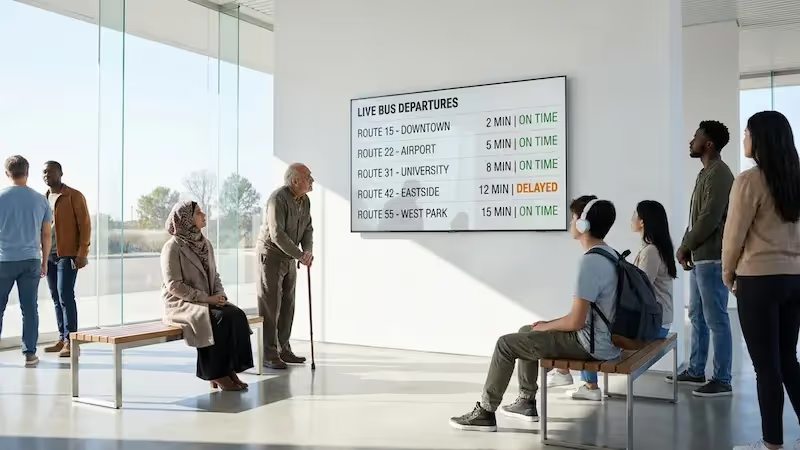
Digital signage works best in places where people are stuck waiting. Whether someone is waiting for a train, in a checkout line, or in traffic, a bright moving screen naturally catches the eye. In the U.S., 71% of drivers notice roadside digital signs during daily commutes. This high visibility helps keep a client’s brand front and center in everyday life.
Digital screens also support ad rotation, where several brands share a single location. This lets agencies offer prime spots to clients who might not afford a permanent static billboard. It grows the number of clients who can appear in top locations and gets more value out of every screen in the network.
Enables Real-Time Content Updates
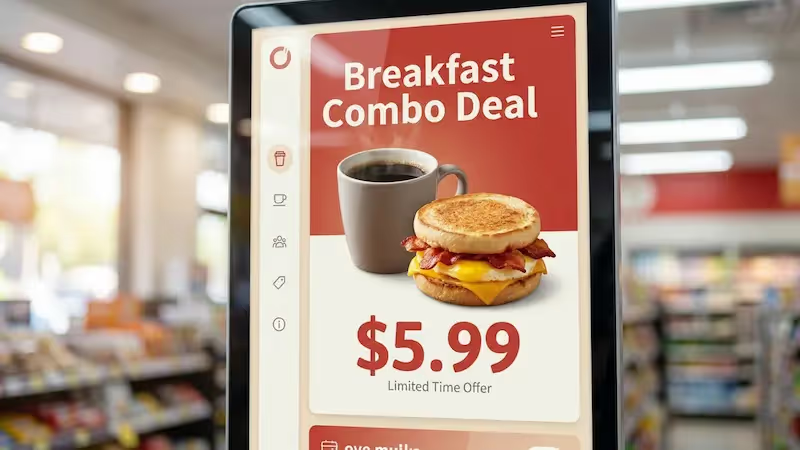
One of the biggest benefits for agencies is the ability to adjust campaigns in real time. If a certain design doesn’t perform well, it can be replaced across hundreds of sites in a few clicks. No reprinting, no shipping, no delays. This speed supports flash sales or time-of-day promotions, like breakfast deals in the morning and dinner offers at night.
Real-time updates also support fast storytelling. If a client’s content goes viral online, the agency can push that success to street-level screens within minutes. This kind of fast response creates a “surround sound” feel, where the brand seems present and current across digital and physical channels at the same time.
Drives Higher Engagement with Dynamic Content
Digital signage stands out through motion, light, and strong colors-things static media can’t match. Digital OOH content works like a visual movie trailer without sound: bold, simple, and clear. This motion and brightness help stop people in their tracks.
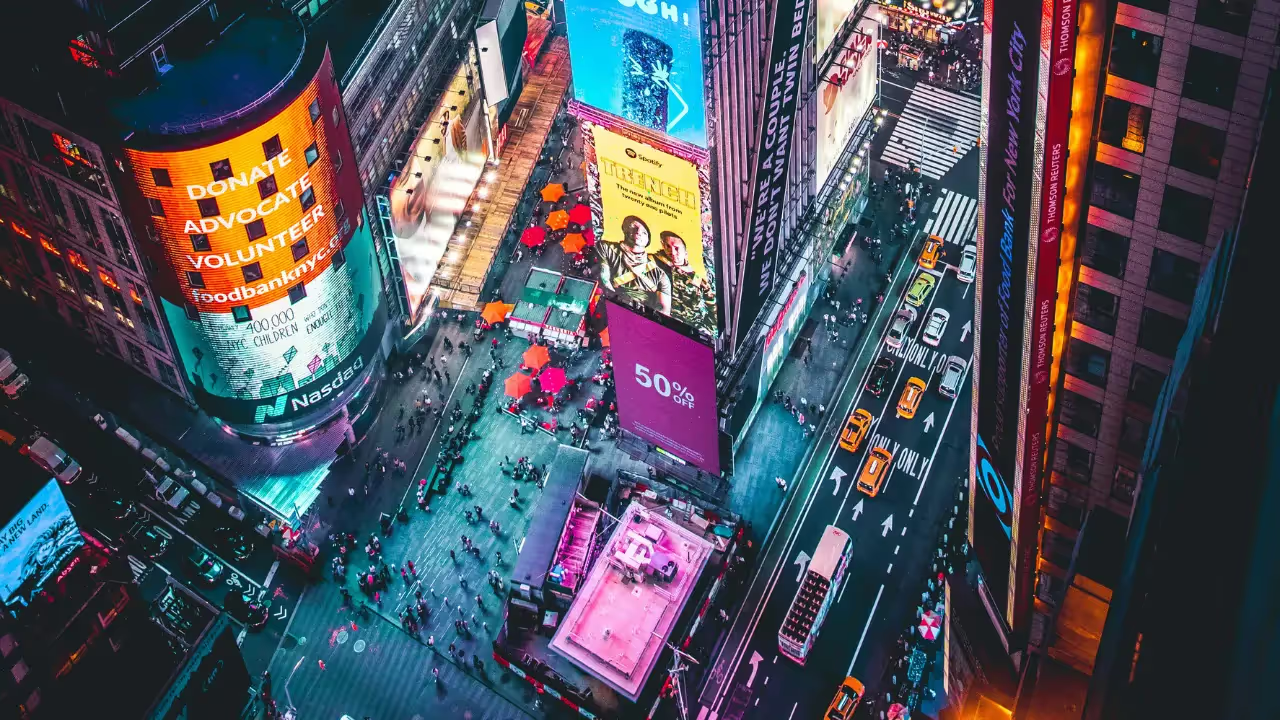
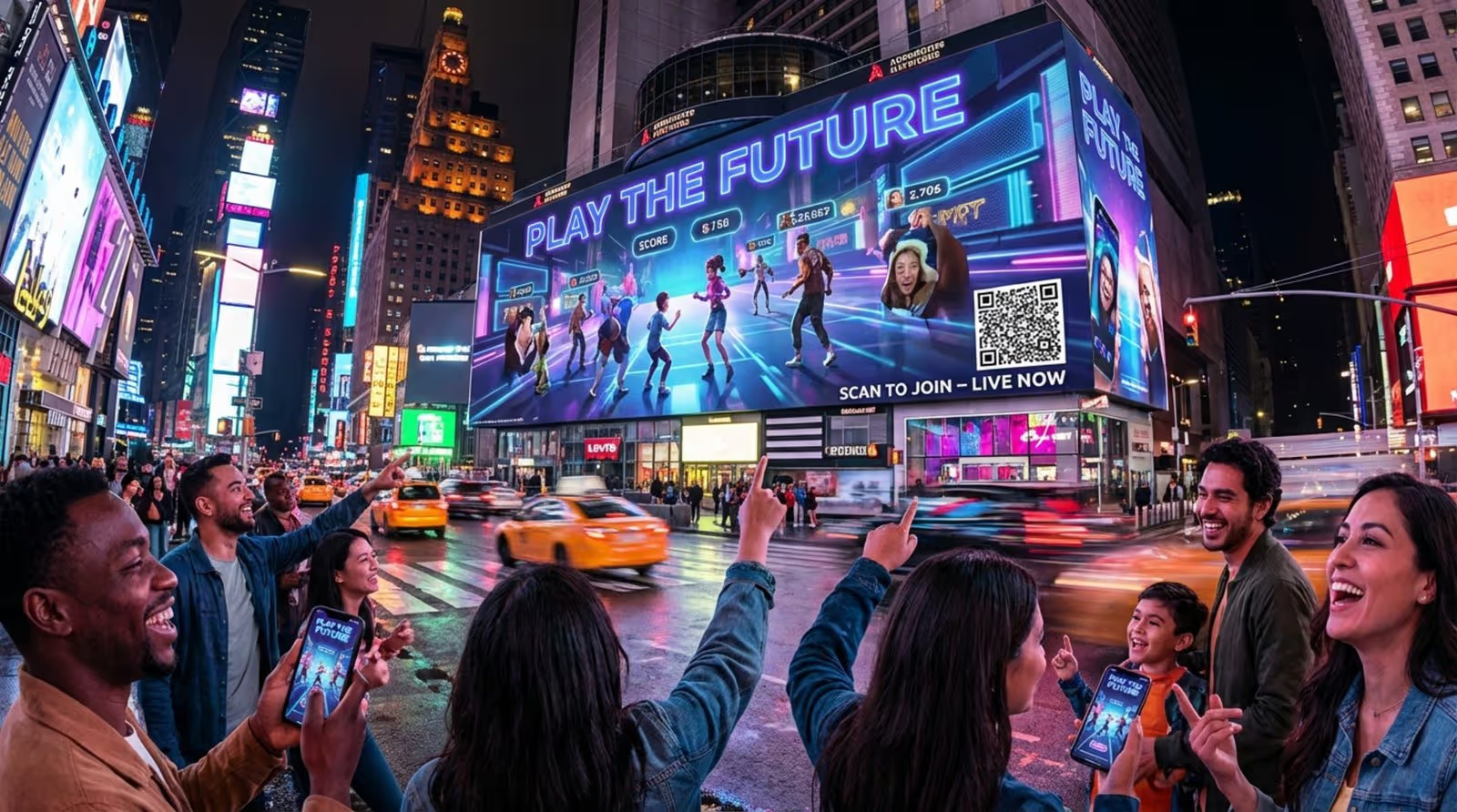
Interaction boosts engagement even further. For example, Coca-Cola’s “Playable Billboard” in Times Square let people play a retro Pong-style game. The campaign had over 6.8 million impressions and created hundreds of real-world interactions between strangers. For agencies, creating this kind of participation leads to better recall and stronger emotional links with the brand.
Supports Data-Driven Advertising Strategies
Digital signage integration turns OOH into something that can be measured and tracked. Most modern CMS tools provide “proof-of-play” data, showing exactly when and where each ad ran. Combined with sensors or AI-based audience tools, agencies can estimate how many people looked at a screen, how long they watched, and whether they interacted, such as by scanning a QR code.
This data helps fine-tune campaigns. If reports show that one location gets more views on Tuesday afternoons, the agency can change the schedule to use that window better. This numbers-based approach is similar to online ad tracking, giving clients clear insight into how their money is used.
Offers Cost-Effectiveness and Operational Efficiency
While digital signage setup requires upfront spending, over time it often costs less than paper-based OOH. Printing, shipping, and manual poster changes all disappear, saving thousands over the long run. For agencies with many clients, this smoother process is important for growth.
Because the system is software-driven, it can be controlled remotely. One person can oversee a countrywide network from a central office. This cuts down site visits and downtime. Some platforms, like PosterBooking, even provide free plans for a few screens, letting agencies try digital signage without heavy costs at the start.
How to Integrate Digital Signage into Your Agency's Client Campaigns
Good integration calls for a change in mindset. Agencies should stop treating signage as an afterthought and instead make it a core part of the creative plan. The main idea is to build a smooth path for the customer, where digital signs are physical touchpoints that support the online journey.
To do this well, agencies need to set clear goals before launch. Are you trying to bring people into a store, grow brand awareness, or push a specific online contest? Once the goal is clear, the steps follow naturally: choose locations, design content, and connect the campaign with other channels.
Selecting the Right Network and Display Locations
Location is critical in physical advertising. Agencies must study where the target audience walks, waits, and buys. A screen by a checkout line is perfect for last-minute purchases, while a huge screen in a busy square is better for broad awareness.
Agencies often choose between third-party DOOH networks (for quick large-scale reach) and client-owned networks (for total control and exclusivity). In many cases, the best option is a mix: broad networks for mass exposure, and in-store screens for ongoing, focused brand experiences.
Crafting Compelling and Adaptive Ad Content
Digital signage content must work within an “eight-second window”-the typical time someone looks at a digital billboard. The message must be short and bold: strong headlines, clear visuals, and minimal text. For video, the key elements-the logo and call to action-should appear within the first few seconds.
Adaptive content also plays a key role. With cloud tools, agencies can build templates that update details like prices or product names from a spreadsheet. This keeps content current and accurate without sending every small change back to a designer.
Blending Digital Signage with Multichannel Campaigns
Digital signage is strongest when part of a larger plan, not when it runs alone. It should connect with social media, email, and mobile apps. For example, an agency could run a social contest and show live entries on in-store screens at a flagship location. This encourages store visitors to join the online activity, linking both spaces.
This “surround sound” method helps keep messages aligned. People might see the same core idea on Instagram and again on a mall screen. Repeating the message across channels makes it easier to remember and supports more conversions over time.
Combining Digital Signage with Programmatic DOOH Advertising
Programmatic Digital Out-of-Home (pDOOH) works much like Google Ads, but for physical screens. It lets agencies bid in real time for space based on time, place, and audience details. This removes slow, manual bookings and lets campaigns react quickly.
With pDOOH, agencies can show ads only when they matter most. A sunscreen brand, for example, could bid only when a weather API reports sunny conditions. This kind of precision focuses spending on the best slots and improves return on ad spend.
Key Technology and Software for Seamless Digital Signage Integration
The main pillar of any signage strategy is the software. Without a strong CMS, an agency just manages a set of disconnected screens. The right platform should support remote control, many media formats, and easy links to tools like CRMs and smart devices.
Agencies should choose software that can be updated and secured quickly with minimal effort. As interactive experiences get more advanced, flexible software becomes the main factor that separates smooth projects from those held back by tech issues.
Choosing Digital Signage Software for Agencies
When picking a platform, agencies should look for simple, friendly interfaces that feel closer to tools like Canva or Notion than heavy IT systems. This allows non-technical users-such as account managers and creatives-to manage content without constant help from tech teams.
Key features include:
- Multi-user roles so teams can manage different clients safely
- White-label options so agencies can brand the dashboard for their clients
- Support for many types of hardware and operating systems
Flexible CMS tools like Look DS let an agency run everything-from a single local store to a nationwide network-under one account.
Managing Content Remotely and in Real-Time
Remote control is now standard. Cloud dashboards allow admins to update content, change schedules, and check device status from any location. This replaces the old “USB-stick process,” where someone had to travel to each screen to update ads.
Real-time systems also need a good “offline mode.” Smart CMS tools save playlists locally on the media player so that, if the internet drops, the screen keeps playing stored content instead of going blank. This reliability helps maintain a professional look and meet client expectations.
Integrating with IoT and Smart Devices
The Internet of Things (IoT) is turning screens into responsive tools that react to their surroundings. With sensors, agencies can create context-aware ads. A screen might adjust brightness based on light levels or change content when it detects a certain number of people in a room.
IoT also powers smart retail experiences. RFID tags can trigger a nearby display to show videos, specs, or reviews when a shopper picks up a product. This kind of instant response makes the screen feel “alive” and directly connected to what the shopper is doing.
Leveraging Analytics for Campaign Optimization
Data drives better decisions. Modern signage software logs every time an ad appears and generates proof-of-play reports, which support client billing and transparency. Extra tracking-like QR scans, short URL visits, or touch interactions-adds more detail.
By reviewing these numbers, agencies can see which creatives and locations work best and which need changes. This supports steady improvements each week, turning digital signage from guesswork into precise marketing.
Best Practices for Advertising Agencies Implementing Digital Signage
To get strong results from digital signage, agencies should follow best practices focused on the viewer. People are often moving when they see these signs, so “less is more” is a good rule. The message needs to catch the eye quickly and stay in people’s minds after just a few seconds.
Agencies should also think about where each screen is placed. A bright window display needs higher brightness than a hallway screen. A screen at eye level can handle more detail than a billboard mounted far away. Matching content to location is key to high engagement.
Ensuring Consistent Brand Messaging Across Screens
Consistency builds trust. Agencies must keep colors, fonts, and tone aligned across digital signs, websites, and social media. Pre-built templates in the CMS help keep this look steady across thousands of screens and sites.
Messages should also match across channels. If a client runs a “Summer Sale” campaign online, digital signs should show the same offer. Connected systems can sync these updates automatically so customers see the same main idea wherever they interact with the brand.
Using Visual Storytelling to Capture Attention
People respond more to stories than to lists of features. Instead of just showing product specs, agencies can use screens to tell short visual stories. High-quality photos and video are key here. Even a quick animation of a product in use can be more convincing than a still product shot.
Treat each screen like a storytelling space. In flagship locations, this might mean immersive videos about a brand’s history, values, or community work. By tapping into different emotions, agencies create connections that last beyond the moment someone walks past the screen.
Scheduling and Refreshing Content for Maximum Impact
Old content leads to viewer fatigue. If locals see the same creative over and over, they stop noticing it. Agencies should build a content calendar that blends promos with social posts, reviews, short tips, or fun facts to keep screens feeling fresh.
Advanced scheduling supports “day-parting,” where content changes throughout the day. A coffee shop can show breakfast items in the morning and calm, cozy drinks later. This keeps the message relevant to what viewers want at that moment.
Testing and Measuring Performance of Ads
Assuming the first version is the best is risky. Agencies should use digital signage’s flexibility to run A/B tests-trying different images, messages, or calls to action in similar locations. They can then compare results like QR scans or web visits.
Once a clear winner appears, that version can roll out across more screens. Building this test-and-learn cycle into everyday work helps agencies get better results and stay ahead of more traditional competitors.
Common Misconceptions and Questions about Digital Signage Integration
Even with all its benefits, some agencies still hesitate to use digital signage due to old views on cost or complexity. Many still see it as a hardware-heavy setup that needs deep IT skills. The move to SaaS (Software as a Service) tools has changed this and made signage far easier to run.
By clearing up these myths, agencies can see digital signage as a tool that simplifies, not complicates, their work. From quick content changes to smooth integrations with other platforms, modern signage is much more user-friendly than many expect.
Is Digital Signage Expensive for Agencies to Deploy?
A common belief is that digital signage is too costly. While commercial screens are an investment, the software is often very affordable. Many providers use pay-as-you-go pricing, and using low-cost media players like Firesticks can reduce entry costs for small clients.
When you compare this with the ongoing cost of printing and shipping posters for every change, digital signage often comes out cheaper over the long run. Agencies also save time by managing multiple clients from one dashboard, which reduces labor costs.
What Kind of Content Performs Best on Digital Signage?
The best content is short, bold, and easy to understand. People are usually on the move, so you have only a few seconds. High-contrast visuals, big fonts, and clear calls to action-like QR codes or short URLs-perform best.
Interactive content also tends to do well. Smart mirrors in fitting rooms or interactive maps in malls turn screens into helpful tools rather than just ad boards. This added value keeps people engaged longer and supports better business results.
Can Digital Signage Be Synchronized with Other Digital Platforms?
Yes. This is a core strength of modern digital signage. Most CMS tools can pull in URLs, social feeds, and live data from CRMs and other systems. A screen can show live stock levels, countdowns to a launch, or real-time social mentions.
This sync helps create one joined-up brand experience. When customers see the same core message on their phone and then again on an in-store screen, it reinforces the message and improves the chance they will act on it.
How Easy Is It to Update Signage Content?
Updating content is simple-very similar to posting on a social platform. Once the player is online, users can upload images or videos, change text, or adjust schedules through a web browser. No special tech skills or site visits are needed.
This lets agencies react fast to news and trends. If a competitor runs a surprise sale, an agency can quickly respond by pushing a new offer to all screens in minutes. That speed can make a big difference in a fast-moving market.
The Future of Digital Signage for Advertising Agencies
The future of digital signage is “smart” and highly personalized. We are moving from broad, one-message-fits-all broadcasting to narrowcasting, where content can change based on who is nearby. We may not yet be at the level shown in movies like Minority Report, but the gap is closing quickly.
As AI and machine learning become core parts of CMS platforms, the role of agencies will shift. They will act more as data guides, using AI to suggest or select the best content for each moment, place, and type of viewer, building more relevant experiences at scale.
Trends in Personalization and Interactivity
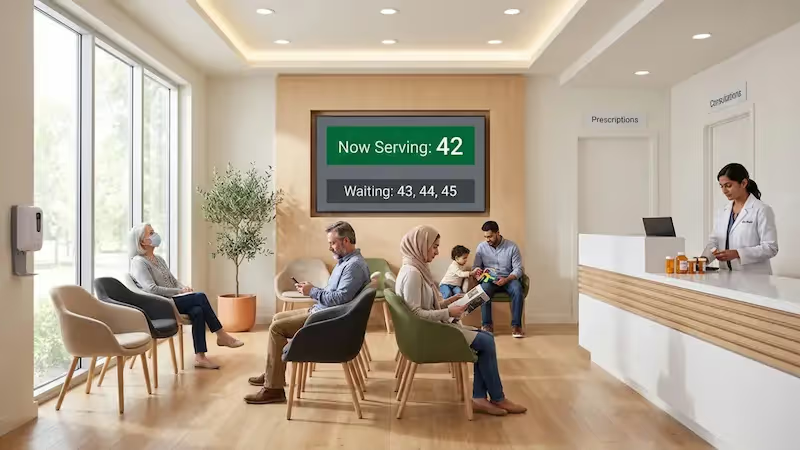
Personalization is becoming a key driver. Using anonymized sensors, digital signs can now estimate a viewer’s age range, gender, or mood and show ads that better fit that profile. A pharmacy display, for example, might greet visitors in their preferred language, or a restaurant kiosk might adjust a menu based on known allergies.
Interactivity is also growing past simple touchscreens. Gesture and voice control are becoming more common, especially since many people now prefer contactless interactions. These touch-free methods let people engage with screens in a way that feels both modern and safe.
The Rise of AI and Programmatic in Digital Signage
AI is set to play a major supporting role in digital signage. It can process large data sets-such as weather, traffic, or trending topics-and recommend the best content to show at any given time. AI can also help refine designs by adjusting layouts so key elements remain clear and readable.
Programmatic buying is also likely to become the standard for OOH. This makes OOH more accessible to smaller brands and agencies, since they can buy short time slots instead of committing to long contracts. That flexibility will lead to more varied and creative campaigns in public spaces.
Sustainable and Eco-Friendly Digital Displays
As sustainability becomes more important to brands, digital signage is shifting in that direction too. This includes lower-power screens, solar-powered outdoor units, and smart schedules that dim or switch off screens during quiet hours to save energy.
Moving away from printed OOH also reduces paper and ink waste. By removing the need for large printed posters and chemical inks, digital signage helps brands move closer to their ESG (Environmental, Social, and Governance) goals while still running high-impact campaigns.
The integration of digital signage is no longer just a “nice-to-have” for advertising agencies-it marks a real change in how physical spaces are used for communication. Agencies that adopt these tools can offer clients fast, measurable, and engaging campaigns that older formats can’t match. Agencies that learn how to use connected screens well will shape the next wave of brand storytelling. Adopting digital signage today is not just a smart move; it is a necessary step for any agency that wants to stay relevant in a digital-first market.