
Table of Content
How can businesses reach customers in the physical world with the same speed and data they use online? Digital Out-of-Home (DOOH) advertising answers this by replacing static posters with networked digital screens. From highway billboards to elevator displays, DOOH allows brands to update content in minutes, schedule messages based on real-time data, and engage audiences in public spaces where they cannot skip or block the ad.
By 2026, DOOH is projected to dominate out-of-home revenue. It captures attention during "offline moments"-commuting, shopping, or waiting-turning passive downtime into active engagement. Because these systems are cloud-based, they allow for flexible scheduling and immediate updates, making them one of the most efficient ways to keep messaging consistent and relevant across multiple locations.
What Is Digital Out-of-Home (DOOH) Advertising?
How Does DOOH Differ from Traditional Out-of-Home (OOH) Advertising?
The main difference lies in speed and flexibility. Traditional OOH relies on printed materials-vinyl billboards, paper posters, and painted signs. These require manual installation, meaning a campaign stays up for weeks or months. While effective for long-term brand awareness, print cannot react to market changes or rotate messages throughout the day.
DOOH uses digital screens controlled by software. This allows you to display video, animations, and dynamic content that catches the eye. Because the system is managed remotely, you can update a playlist instantly from a central dashboard. You can rotate multiple creatives on a single screen or change campaigns without sending a technician to the site. Traditional OOH offers broad reach; DOOH adds precision, letting you display specific messages based on time, location, and audience context.

Key Features and Terminology Explained
To navigate the DOOH landscape, it helps to understand the core tools. A Content Management System (CMS) is the software platform used to upload media, build playlists, and schedule content across your network. Programmatic DOOH (pDOOH) refers to the automated buying and selling of ad space, similar to online advertising, often handled through DSPs (Demand-Side Platforms).
Other common terms include Dynamic Creative, which adjusts content automatically based on data feeds (like weather or stock prices), and Dayparting, the practice of scheduling different content for specific times of day (e.g., coffee ads in the morning, dinner specials in the evening). Impressions track the estimated number of people who see the screen, often calculated using mobility data and traffic sensors.
How DOOH Advertising Works
Core Hardware and Display Technologies
DOOH hardware must be durable and visible in various lighting conditions. LED screens are the industry standard for outdoor use due to their high brightness and weather resistance. Indoors, you will often find LCD screens, tablets, or interactive kiosks. Regardless of the screen type, the system requires a media player-a device that connects the screen to the internet and renders the content.
For businesses looking for simple setup, the Look HDMI Player offers a plug-and-play solution that turns any HDMI-equipped display into a digital signage endpoint. Alternatively, if you already have compatible hardware (like Android TVs or Fire TV Sticks), you can often install a player app, such as the Look App, to handle playback without buying new equipment. These players cache content locally, ensuring reliable playback even if the internet connection drops.
Software Platforms and Content Management
The software is the engine of any DOOH network. Cloud-based platforms like Look Digital Signage allow media owners and marketing teams to manage every screen from one simple dashboard. You can upload assets, use Content Creator tools to design layouts, and organize media into playlists.
For teams managing multiple locations, the CMS is essential for consistency. You can set Smart Scheduling rules to ensure specific ads play only during high-traffic hours or in specific geographic regions. This "set and forget" capability saves staff hours by automating updates, ensuring the right message appears on the right screen without manual intervention.
Connectivity and Data Integration
Modern DOOH relies on constant connectivity-usually via Wi-Fi, Ethernet, or 4G/5G-to receive updates and report status. This connectivity supports Data Integration, where live feeds trigger content changes. For example, a screen can be programmed to switch from promoting cold beverages to hot coffee if the local temperature drops below a certain point.
This reactivity is what makes digital signage a "smart" channel. By integrating with external data sources or internal tools via API, screens become responsive communication points rather than just static displays.
Ad Delivery and Scheduling Mechanisms
Content runs based on a defined schedule or loop. A typical loop might last 60 seconds, broken into several slots. Look CMS allows you to manage these schedules precisely, setting start and end dates for campaigns or defining recurring rules (e.g., play only on weekends).
In programmatic setups, delivery is even more fluid. Instead of buying a fixed slot, advertisers bid on impressions. When the conditions match the advertiser's criteria-such as a specific audience demographic being present-the system instantly inserts their ad into the playlist.
DOOH Ad Formats and Placement Types
Large-Format Digital Billboards
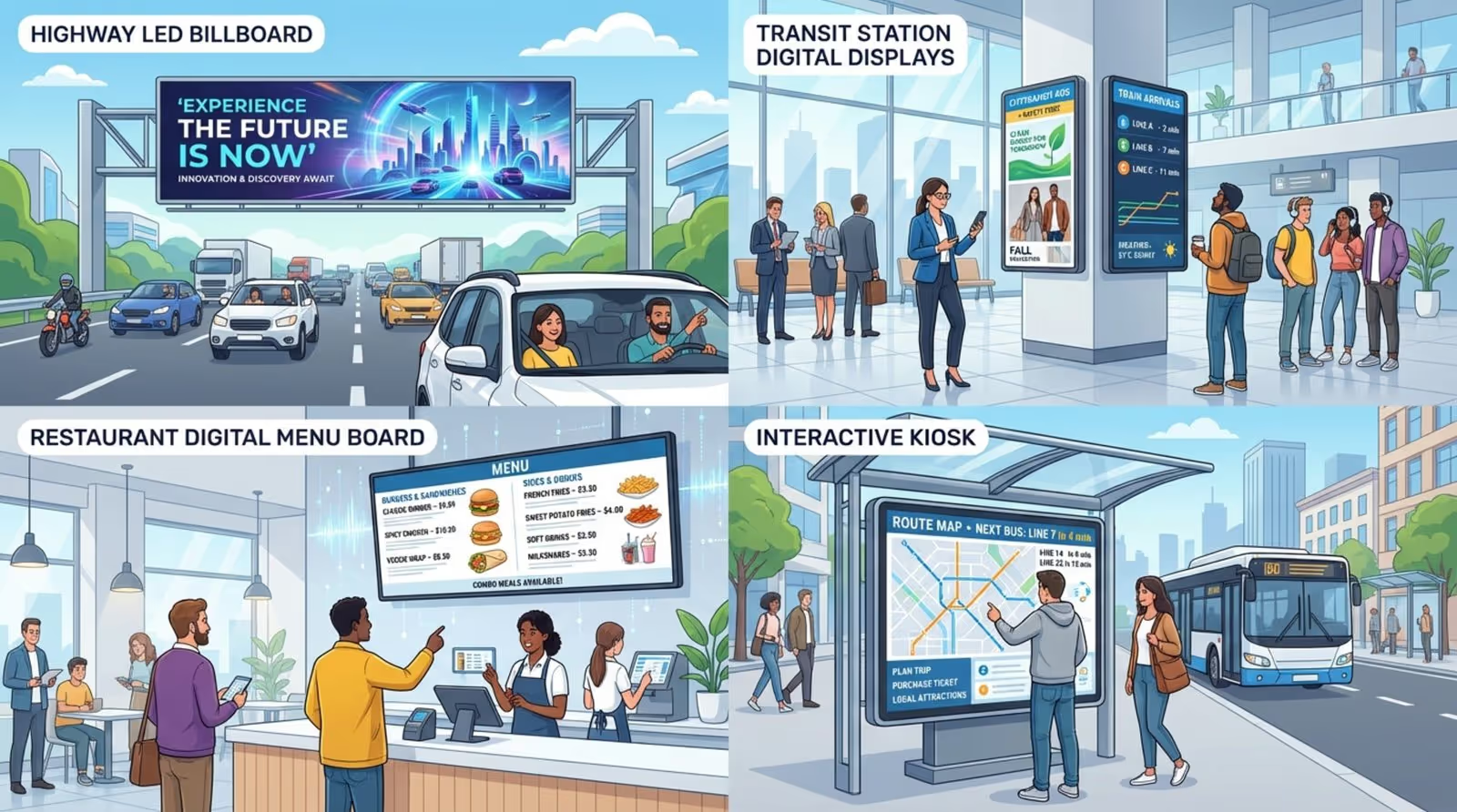
These are the heavy hitters of outdoor advertising, found on highways and in major city centers. Their massive size and high brightness make them unmissable. They are ideal for broad brand awareness campaigns and high-impact visuals. Because they viewable from a distance, content here must be simple, bold, and readable in seconds.
Transit and Transportation Screens
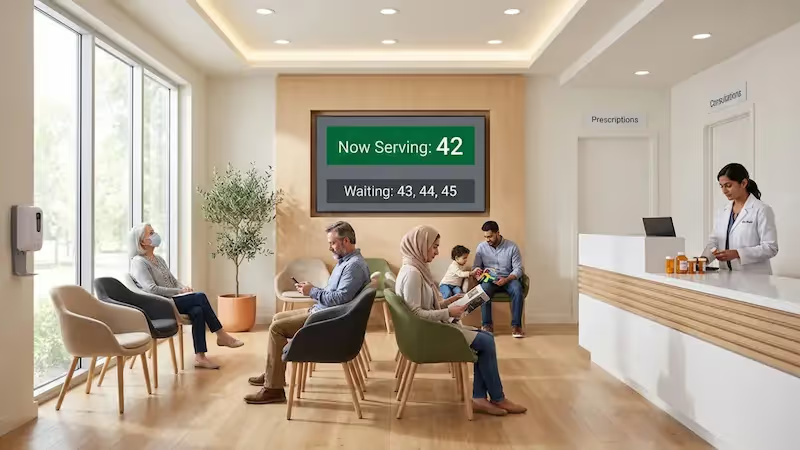
Located in airports, train stations, bus shelters, and rideshare vehicles, these screens benefit from high dwell time. Viewers are often waiting, meaning they have more time to consume information. This allows for longer messages, more detailed video content, or infotainment loops that mix ads with news and weather updates.
Retail and Place-Based Displays
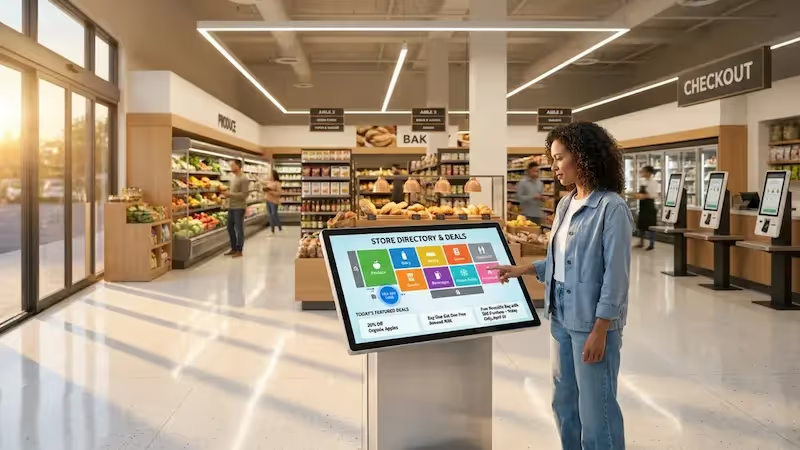
These screens appear in context-rich environments like gyms, offices, malls, and hotels. The audience here is segmented by location. For example, an ad for athletic gear is naturally relevant on a gym screen. Look Digital Signage is frequently used in these settings to manage screen layouts that split the display between promotional content and useful local information.
Street Furniture and Urban Panels
Street furniture includes bus stops, kiosks, and newsstands at eye level. These offer a more intimate viewing experience for pedestrians. They are excellent for hyper-local targeting, such as directing foot traffic to a nearby store or announcing local events.
Point-of-Purchase and In-Store Screens
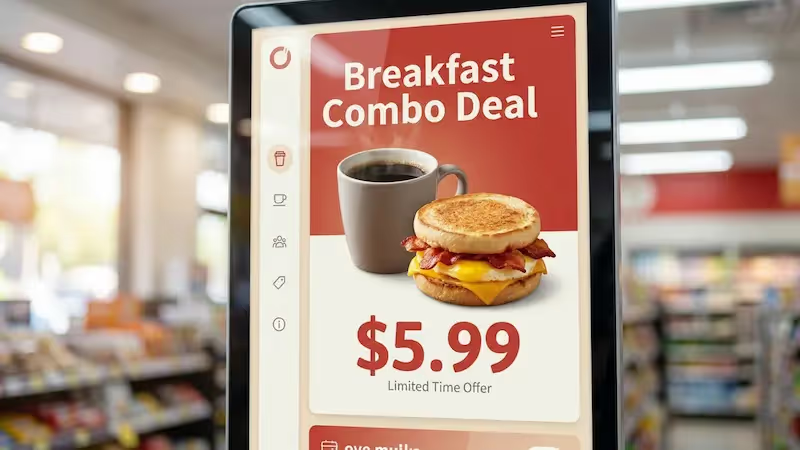
These screens sit where decisions are made: checkout counters, endcaps, and drive-thrus. In QSR (Quick Service Restaurants) and retail, digital menu boards and promo screens drive impulse purchases. Using Look CMS, store managers can update prices or hide out-of-stock items in minutes, ensuring customers never order something that isn't available.
Event, Stadium, and Entertainment Venues
Venues use large screens for live feeds, replays, and sponsor loops. These displays heighten the atmosphere and offer brands a way to associate with the excitement of live sports or concerts. Content here is often fast-paced and may include social media integrations to encourage fan participation.
Top Benefits of DOOH Advertising
Dynamic Content and Real-Time Updates
The ability to change messaging instantly is a primary advantage. If a sale ends or a product sells out, you can pull the ad immediately from your dashboard. This agility prevents customer frustration and keeps campaigns fresh. Real-time updates also allow brands to react to current events, making the advertising feel live and relevant.
High Impact Visibility and Reach
DOOH screens are designed to command attention. Unlike mobile ads that can be scrolled past, a bright 4K display in a physical space is part of the environment. This high visibility builds brand familiarity quickly. Scaling from one screen to thousands is straightforward with the right software, allowing you to reach mass audiences without managing physical prints.
Contextual and Data-Driven Targeting
You can target audiences based on real-world context rather than just cookies. By using scheduling tools, you ensure ads run when they are most effective. A restaurant can schedule lunch specials from 11 AM to 2 PM and switch to Happy Hour promos at 4 PM. This reduces wasted ad spend and increases relevance.
Flexible Creative and Campaign Management
Testing creative is cheaper and faster with DOOH. You can run two versions of an ad, measure the response (via QR scans or foot traffic), and switch to the winner globally in minutes. Look Digital Signage supports this by offering ready-made templates and an AI Wizard to help teams generate and iterate on visuals quickly without needing a dedicated design team.
Integration with Omnichannel Strategies
DOOH reinforces your online presence. A consumer who sees a bold digital billboard is more likely to click a related ad on their phone later. This "priming" effect makes DOOH a powerful amplifier for social and mobile campaigns.
Brand Safety and Fraud Resistance
Because DOOH screens are physical assets in controlled environments, there is no risk of ads appearing next to toxic user-generated content. Bot fraud is also non-existent; impressions are based on real people in real locations.
Programmatic DOOH: Automation and Innovation
What Is Programmatic DOOH Buying?
Programmatic DOOH (pDOOH) automates the purchase of screen time. Instead of negotiating contracts for specific boards, advertisers use software to bid on available slots based on audience criteria. If you want to reach "business travelers in Chicago on Monday mornings," the system finds the screens that match those parameters and serves your ad automatically.
Benefits of Automated and Real-Time Bidding
Automation brings efficiency. Campaigns can be launched, paused, or optimized in near real-time. It opens the market to smaller budgets, as advertisers can buy specific impressions rather than committing to month-long takeovers.
Targeting Capabilities: Location, Time, and Context
With programmatic tools, you can use geofencing to trigger ads when devices enter a specific zone. You can also set triggers based on environmental data. For example, an allergy medicine brand can bid higher on screens in areas where pollen counts are currently high.
Cross-Channel and Omnichannel Integrations
Marketers can now manage DOOH alongside mobile and CTV (Connected TV) campaigns in a single platform. This unified approach helps control frequency (how often someone sees an ad) and ensures a consistent brand story across devices and locations.
Measurement and Analytics in DOOH
How Is DOOH Performance Measured?
Measurement has moved beyond simple traffic counts. Modern platforms like Look Digital Signage provide Proof-of-Play reports, which verify exactly when and where content ran. This creates transparency for billing and compliance.
For audience measurement, Playback Analytics can be paired with sensor data to estimate impressions, dwell time, and demographics. This helps advertisers understand not just who passed by, but who actually engaged with the screen.
Attribution and Tracking Methods
To measure ROI, brands use attribution tactics like tracking footfall (did people exposed to the ad visit the store?) or direct response mechanisms. QR codes are particularly effective here; by displaying a unique code, you can track exactly how many leads or sales originated from a specific screen.
Privacy Considerations and Compliance
DOOH analytics are generally privacy-safe because they rely on aggregated, anonymized data. Sensors count "people," not specific individuals. Look Digital Signage is designed to support these privacy-first practices, focusing on operational data and anonymous metrics rather than personal surveillance.
DOOH Advertising Costs and Budget Planning
Factors Influencing Pricing
DOOH is typically priced by CPM (Cost Per Mille, or thousand impressions). Prime locations like Times Square command high CPMs, while local networks are much more affordable. Factors like screen size, location traffic, and time of day all influence the final rate.
Comparing DOOH Costs to Other Channels
While the initial CPM might seem higher than some online display ads, the value lies in 100% viewability. There are no "below the fold" ads in DOOH. When balanced against the high impact and lack of ad-blocking, it often provides a competitive effective cost per engagement.
Media Buying Models
You can buy via Direct deals (guaranteed spots, usually for branding), Programmatic Guaranteed (automated but reserved inventory), or Open Exchange (bidding on available spots in real-time). The open exchange model offers the most flexibility for budget-conscious advertisers.
Integrating DOOH into Your Marketing Strategy
Choosing the Right Software Partner
For businesses ready to deploy their own DOOH network or manage content across screens, Look Digital Signage is a strong fit. It is built for non-technical teams who need to manage screens remotely without complex IT setups. Key capabilities that support DOOH success include:
- Look CMS: A cloud-based dashboard to manage playlists and screens from anywhere.
- Smart Scheduling: Automate content delivery based on time, date, or recurring loops to target audiences precisely.
- Proof-of-Play and Monitoring: Get reliable data on what played and when, ensuring accountability for your campaigns.
- Screen Layouts: Create multi-zone designs to display ads alongside useful info like news or weather, increasing viewer attention.
Tips for Effective DOOH Campaigns
Keep your content concise. Viewers are on the move, so your message must land in seconds. Use high-contrast visuals and large text. Always include a clear next step-whether it's a website URL, a directional cue ("Turn left for coffee"), or a QR code to bridge the gap to mobile.
Common Questions about DOOH Advertising
Can DOOH Reach Specific Audiences?
Yes. By combining location data with dayparting, you can target specific profiles (e.g., commuters, shoppers, gym-goers) with high accuracy.
Is DOOH Suitable for Local or Small Businesses?
Absolutely. Programmatic buying allows small businesses to purchase ads on a local billboard or in a nearby mall for short periods, making it accessible even with modest budgets.
What Are Typical Campaign Objectives for DOOH?
It works across the funnel: building broad awareness (high-traffic billboards), driving consideration (contextual ads in malls), and triggering action (POP screens at checkout).
How Can Advertisers Optimize DOOH Campaigns?
Review your Playback Analytics and impression data regularly. If a specific location or time slot isn't performing, shift the budget to better-performing screens. Test different creative variations to see which visuals grab the most attention.
Emerging Trends and the Future of DOOH
AI and Personalization in DOOH
Artificial Intelligence is streamlining content creation and targeting. Tools like the Look AI Wizard already help teams generate content faster. In the future, AI will likely drive even more dynamic creative optimization, automatically selecting the best ad version based on live audience density and environmental factors.
3D, Holographic, and Interactive Displays
Expect to see more "anamorphic" 3D billboards that create depth illusions without special glasses. Interactivity will also grow, with screens responding to gestures or mobile integrations to create two-way experiences.

Sustainability and Energy-Efficient Technologies
The industry is moving toward greener operations. New displays consume less power, and smart scheduling allows screens to dim or turn off during quiet hours to save energy.
5G, IoT, and Next-Generation Connectivity
Faster 5G networks will enable richer media formats and smoother real-time data integration. As IoT sensors become more common, DOOH screens will act as smart hubs, delivering hyper-relevant content that serves both the advertiser and the community.