Table of Content
The power of video in digital signage marketing comes from its unmatched ability to grab attention, keep people watching, and increase return on investment (ROI). In a world full of visuals, moving video stands out and gives brands a strong, memorable way to speak to their audience. By using motion, bold visuals, and simple stories, marketers can turn passive onlookers into active viewers, making digital signage a key part of any marketing plan.
What is the Impact of Video in Digital Signage Marketing?
Today’s media environment is highly visual, and video has become one of the strongest tools for communication and engagement. When used with digital signage, its effect grows even more, helping brands share messages in a lively and memorable way. Our brains are wired to notice movement, which makes video more eye-catching than still images. Because of this, even a short, well-made video can work far better than a traditional static ad, cutting through distractions in busy places.
Why Are Videos More Effective Than Static Images?
Video outperforms static images in digital signage for several main reasons. Moving pictures, bright colors, and changing visuals naturally pull in the eye. Since our brains are tuned to pick up motion, a video on a screen is hard to ignore. This natural reaction means digital signs that use video usually hold attention longer than those that only show still images. This extra viewing time is key for getting a marketing message across.
Video also offers a fuller sensory experience. While still images rely only on what you see, video can add motion and sometimes sound, creating a more immersive experience. This mix can spark curiosity and make people pay closer attention to the message, leading to stronger interest and better understanding.
How Video Content Influences Audience Attention and Engagement
Video has a strong effect on both attention and engagement. Research often shows that video ads get higher engagement rates than static ones. People are more likely to watch a short video, especially if it tells a quick story, shows how a product works, or triggers an emotional reaction. This storytelling ability helps businesses share their brand message in a way that truly connects with viewers.
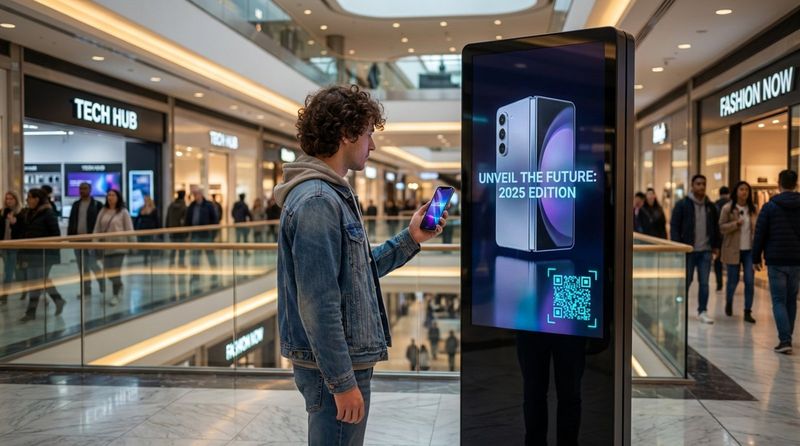
Video also encourages people to get involved, not just watch. Interactive features like touchscreens or QR codes within the video can turn viewers into active participants. For example, a QR code that appears during a video can send viewers to a website, promotion, or extra content, turning brief interest into measurable actions. This mix of clear calls to action and engaging visuals boosts customer interaction and strengthens the bond with the brand.
Information Retention and Brand Recall with Video
One major benefit of video in digital signage is its ability to help people remember information and brands. The moving nature of video, combined with visuals and sound, helps viewers process and recall information better than plain text or static images. When people see motion, they are more likely to remember what they saw, which makes video a strong way to share key messages, product details, or short educational tips.
For marketers, this means that brand stories, product demos, and unique selling points presented in video form are more likely to stay in people’s minds. Emotional connections created by strong video storytelling further improve recall, leading to higher brand recognition and a greater chance of future interaction or purchase. Brands like Sheetz use in-store video messages to stir emotions and connect with their “Sheetz Fanatics,” showing how video can build long-lasting brand impressions.
How Does Video in Digital Signage Support Marketing Objectives?
Video in digital signage is more than something nice to look at; it is a strategic tool that supports many marketing goals. From boosting brand presence in busy locations to turning interest into action, video gives businesses a flexible and powerful way to reach targets. Its dynamic style allows for clear messaging and easy adjustments that fit different audiences.
Increasing Brand Visibility in High-Traffic Areas
Digital signage with engaging video content changes how businesses grow brand visibility. In crowded spaces like store entrances, waiting rooms, or public areas, screens with motion and bright visuals attract attention quickly. Unlike static ads that people may ignore over time, video stands out and helps make sure the brand’s message is noticed. This greater visibility leads to increased brand awareness. Studies show that digital signage can raise brand awareness by up to 47.7% and get 400% more views than static displays.
Where you place these screens matters a lot. By putting video displays where many people pass by, brands can reach more viewers and spread their message widely. For example, McDonald’s rolled out digital menu boards to better show promotions and menu items, improving the customer experience and strengthening brand identity across stores. This shows how video in digital signage can lift a brand’s presence in competitive spaces.
Driving Customer Action Through Storytelling
Video is especially strong for storytelling, which is a powerful way to drive customer action. With visuals and a clear narrative, videos can create emotion, build empathy, and form stronger bonds with viewers. Whether it’s a touching story, an exciting demo, or a strong testimonial, video can trigger emotional reactions that lead people to act. A simple, sincere video can sometimes bring more conversions than long, detailed written copy.
For instance, a video showing a product in everyday use or a customer talking about a good experience can be highly convincing. People are more likely to respond to messages that touch their emotions or show clear benefits. Adding interactive features like QR codes makes it easy for viewers to get more information, sign up for deals, or buy on the spot. This direct path from engaging content to clear next steps makes video digital signage a strong driver of results.
Enhancing Personalization Using Dynamic Video Displays
Today’s customers expect personal experiences. Digital signage helps businesses show content that speaks directly to specific needs and habits, and video is central to this. Dynamic video displays can be adjusted to show targeted messages, promotions, and interactive content that influence customer decisions in real time.
By using data tools, companies can study how people interact and adapt their videos to match interests and past purchases. This could look like custom product suggestions in a store or special offers in entertainment venues. Showing time-limited deals based on customer behavior can lift sales. This level of personalization, delivered through changing video content, creates an environment where customers feel noticed and appreciated, which strengthens relationships and drives more conversions.
What Types of Video Content Work Best for Digital Signage?
Not every type of video works well on digital signage. These screens often sit in busy places where people only look for a few seconds, and audiences can be very mixed. This means videos must be short, clear, and engaging. Marketers should match the type of content to where the screens are and what the campaign is trying to achieve.
Brand Storytelling and Corporate Identity Videos
Brand storytelling videos are very effective for digital signage, especially for showing who the company is. A short, honest brand video can explain what the company stands for, who it serves, and what makes it different. These videos are about more than products; they focus on values, mission, and the people behind the brand. They can leave a strong impression, build trust, and help form deeper connections with viewers.
For example, a clinic might use video to raise awareness about a health issue and present how they can help, featuring relatable patient stories. These videos make the brand feel more human, which makes it easier to remember and approach. When played in waiting rooms or busy areas, they can quickly share the brand’s character and set it apart from others, even if people only watch for a short time.
Promotional Clips and Seasonal Campaigns
Promotional clips and seasonal campaigns fit digital signage very well. Video is ideal for showing new products, limited-time deals, or holiday offers. Short, focused clips can highlight main features, show benefits, and build urgency or excitement. A coffee shop might run a lively video of its morning specials, while a clothing store could show energetic visuals for a seasonal sale.
Digital signage also makes it easy to update content quickly. Marketers can change or replace videos to match current events, trends, or shifting customer interests, so campaigns stay fresh and on-target. This quick update ability is a big advantage over static ads and helps brands respond in real time to market changes.
Interactive Experiences and Touch-Enabled Content
Going beyond simple playback, interactive and touch-enabled video content can greatly increase engagement. Some digital displays let people interact with what they see through gestures or touchscreens. This turns viewing into an active experience, lengthens viewing time, and makes the brand more memorable.
For example, in a retail store, shoppers could tap a screen to watch a product demo, choose colors or sizes, or even play a short branded game. This type of interaction holds attention and also gives useful data on customer interests. Where touchscreens are not practical, QR codes within the video can play a similar role, guiding people to mobile experiences and linking the screen to online content.
Live Streams and Real-Time Event Coverage
Live streams and real-time event coverage on digital signage attract attention because they offer current, happening-now content. This creates a sense of “being there” that pre-recorded videos cannot fully match. Whether it’s a live product launch, a Q&A with an influencer, or breaking updates, live video draws viewers in by blending physical and online experiences.
Platforms like Look DS support direct streaming from social apps such as Facebook and Instagram, letting businesses send live content to any screen on their network. This is especially useful during special events, openings, or when sharing timely industry news. The freshness and timing of live video help keep the brand visible and relevant.

How Can Marketers Optimize Video Content for Digital Signage?
To get the best results from video on digital signage, marketers must plan how the content will work on these screens. Creating a good video is only part of the job; it also needs to fit the location and technical setup. Key factors include length, format, quality, and when and where the video plays.
Choosing Effective Video Length and Formats
The best video length depends heavily on the viewing situation. In fast-moving areas where people are just passing by, short clips of about 5-15 seconds work best to catch attention and deliver a quick message. People rarely stop for long in these spots. In waiting areas where viewers have more time, videos can run 30-60 seconds or longer, allowing more detailed explanations or entertainment.
Format is just as important. Videos must fit the screen’s size and orientation. Digital signage can be horizontal (16:9), vertical (9:16), or other shapes. Formatting the video to match the screen prevents black bars, cropping, or stretched images and helps the display look clean and professional. Marketers should always check screen specifications and prepare videos to match them.
Optimizing for Soundless Playback Environments
Many digital signage locations keep screens muted. Because of this, videos must still make sense without sound. Subtitles and short, clear text overlays are very helpful, letting people understand the message even in silent or noisy areas. This also improves accessibility for those with hearing loss.
Where sound is allowed, background music or gentle sound effects can add impact, but the visuals should still carry the main message on their own. It is safest to assume that some viewers will not hear the audio and to design videos so that images and on-screen text clearly tell the story.
Ensuring High Resolution and Clear Quality
For digital signage, especially on large screens, high resolution and sharp quality are key. Many displays can show 4K content, but they need high-quality source files. Low-resolution or overly compressed files can look blurry or blocky, which weakens the brand’s professional image.
Testing videos on the actual screens before rollout is a smart step. If the test video looks soft or pixelated, the file may need less compression or a higher resolution. While compression helps reduce file sizes, too much compression harms image quality. Finding a good balance keeps the visuals sharp while still being practical to store and play.
Smart Scheduling and Playlist Management
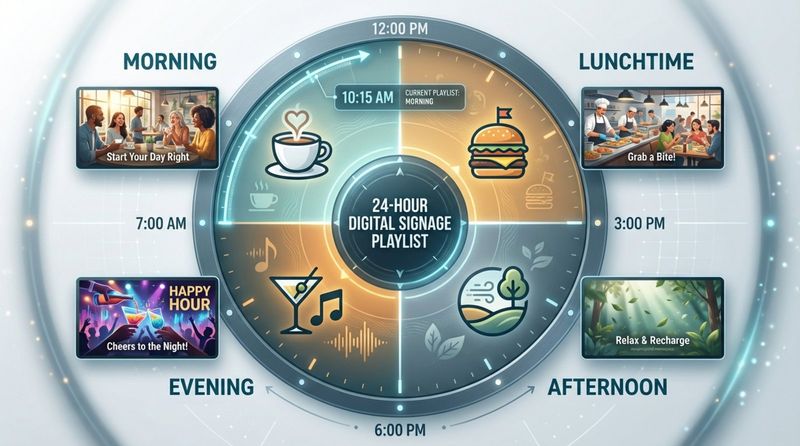
Smart scheduling and good playlist control greatly improve results from video digital signage. Timing matters: a morning coffee promo works best before noon, while dinner offers make more sense later in the day. Aligning content with typical customer behavior or specific time slots increases relevance and engagement. Digital signage tools such as Look DS provide advanced scheduling features so marketers can set multiple playlists, time windows, and start/end dates for each piece of content.
This smart timing helps get the right message to the right people at the best time. For example, a store might run brand storytelling videos during slower hours and switch to fast-moving promo clips during peak times. This flexible approach keeps content effective, avoids boredom, and keeps viewers interested.
How Can Marketers Use Data to Improve Video Signage Campaigns?
Modern digital signage is powerful not only because of its visuals but also because it can be measured. Marketers can use data and analytics to keep improving their video campaigns instead of relying on guesswork. This data-first mindset helps each video contribute better to marketing goals.
Measuring Audience Engagement and ROI
Tracking engagement and ROI is key to improving digital signage campaigns. Helpful metrics include:
- Foot traffic - how many people pass by the screen
- Dwell time - how long people stay near or watch the screen
- Interaction rates - taps on touchscreens, QR code scans, etc.
These numbers show how well each video draws and keeps attention. For advertisers and agencies, the logic is simple: more views plus stronger engagement usually means more value and higher ROI.
Many digital signage platforms track when and where each piece of content plays. This helps marketers see which videos perform best. When combined with web analytics, they can follow QR scans, website visits, and actions like sign-ups or purchases. This gives a fuller picture of campaign performance and helps prove return on investment.
Leveraging Real-Time Analytics to Adjust Content
The real strength of data in digital signage comes from using live analytics to change content quickly. If data shows that people are walking away from a screen too soon, the problem may be the opening frames or first message in the video. On the other hand, if some videos consistently keep people watching and interacting, those insights can guide future creative choices and schedules.
Retailers can, for instance, use real-time data to trigger limited-time offers that impact buying decisions right away. Content can also be updated based on current events or outside factors like weather-such as showing umbrellas and raincoats when it starts to rain. This constant adjustment, based on fresh feedback, makes digital signage a marketing channel that keeps improving over time.
What Are the Best Practices for Integrating Video Signage into Marketing Strategies?
To use video digital signage well, marketers must fit it into their larger marketing strategy. It should not stand alone but work closely with other channels. Success depends on consistent branding, strong coordination, and a steady flow of relevant content.
Aligning Video Content with Overall Brand Strategy
Video shown on digital signage should match the brand’s overall strategy. Visuals, tone, and messages need to reflect the same personality, values, and identity that appear in other channels. This consistency builds trust and supports recognition. For example, a luxury brand might choose calm, minimal visuals and slow pacing, while a fun, youthful brand might use bright colors and quick edits. Using the same logos, color schemes, and fonts across all screens keeps the brand look unified.
The aim is to create one smooth brand story, with digital signage acting as another stage for that story. When content is tested across different screens and locations, marketers can confirm that the message is clear and the look remains consistent everywhere.
Coordinating Digital Signage with Other Marketing Channels
Digital signage works best as part of a larger mix of channels. It should connect with social media, websites, email, and even print or TV. Matching visuals and key messages across these platforms gives customers a seamless experience.
For example, a quick teaser on a digital out-of-home (DOOH) screen might invite viewers to watch a full video on social media or visit a landing page. By tracking views on both DOOH and online channels, marketers can see how the combination affects website visits, store visits, or sales. Adidas, for instance, has used digital signage along with interactive mirrors and social media links to highlight products and deals, creating a rich, connected brand experience.
Maintaining Fresh and Diverse Content to Sustain Engagement
Old or repetitive content quickly reduces engagement. To keep people paying attention, marketers should regularly refresh and vary their video content. If viewers see the same thing every time, they will soon stop noticing the screens.
Updating content does not always mean starting from scratch. Marketers can:
- Reuse and re-edit existing footage
- Adapt social media videos for signage
- Add user-generated content like reviews or unboxing clips
- Include live feeds such as social media posts, weather, or news
By mixing these sources and updating playlists often, brands can keep displays lively and show that they are active and current in the market.
Key Considerations for Marketers Implementing Video Digital Signage
Starting a video digital signage program involves more than creating good videos. It requires careful planning around budget, hardware, software, and legal and accessibility standards. Thinking through these points early helps campaigns run smoothly.
Cost Factors and Budget Planning
Video digital signage includes several cost elements, which marketers should factor into their budget plans. While digital signs can cost more upfront than static signs, their ability to lift brand awareness by up to 47.7% and sales by 29.5% makes them a strong long-term investment.
Main cost categories include:
| Category | Examples |
|---|---|
| Initial hardware | Screens, media players, mounts, cabling |
| Software | Digital signage platform licenses, apps, integrations |
| Content | Video production, graphic design, editing |
| Ongoing costs | Content updates, support, connectivity, repairs |
Scalable and flexible solutions can help control long-term costs. Cloud-based signage platforms, for example, simplify content management and reduce the need for complex local IT setups. Marketers should look for solutions with strong tools like scheduling, analytics, and remote control to get more value and better ROI over time. A solid budget plan should cover both upfront and ongoing costs to keep the network effective in the long run.
Regulatory Compliance and Accessibility
Regulations and accessibility are important but sometimes overlooked parts of digital signage planning. Depending on location and content type, there can be rules about advertising standards, brightness levels, volume, or message types. Marketers must follow local, national, and industry guidelines to avoid fines and protect brand reputation.
Accessibility also plays a key role. As discussed earlier, creating videos that work without sound by using subtitles or text overlays helps people in noisy areas and those with hearing loss. Visual accessibility matters too: clear fonts, proper text size, and high contrast between text and background all help more people read the information easily. By focusing on both compliance and accessibility, marketers can build campaigns that are inclusive, responsible, and able to reach a wider audience.
Future Trends in Video Digital Signage for Marketers
Digital signage is changing quickly as new technology appears and customer habits shift. Looking ahead, video digital signage will become smarter, more connected, and more personal, giving marketers new ways to catch and keep attention.
Integrating AI and Personalization Technology
Artificial Intelligence (AI) and advanced personalization will strongly shape the next wave of video digital signage. AI can change content in real time based on who is watching. For example, a screen using AI might estimate a viewer’s age group or gender and then show an ad that fits that profile.
This goes beyond simple time-based scheduling to create a truly responsive experience. AI can study how people react, learn what they prefer, and adjust video playlists automatically to improve engagement. This means viewers see content more relevant to them, and marketers see better results. Tools like augmented reality (AR) and virtual reality (VR) will also add new layers, letting brands create interactive experiences that stand out from standard ads.
Adapting to Changing Consumer Behaviors
Customer expectations keep changing, with more focus on interaction, speed, and personalization. Future video digital signage strategies will need to respond quickly to these shifts. This will mean going beyond basic ads to create meaningful experiences for connected, tech-comfortable audiences.
The rise of “phygital” retail-where physical and digital experiences blend-will make digital signage a key link between screens and real-world spaces. Interactive video, responsive displays, and smooth connections to mobile phones will become standard features. Marketers will aim to build environments where customers feel seen and valued as individuals. By using new tools and data-led planning, brands can keep their video digital signage approaches strong and relevant over time, staying ahead of competitors and maintaining audience attention.