Table of Content
How does digital signage drive resort upsells? It works like a quiet, high-performing salesperson that puts valuable offers in front of guests at the exact moment they are most likely to say yes. By swapping out static, easily ignored posters for moving, real-time visuals, resorts can catch guest attention during natural "pause points"-like waiting for an elevator or relaxing by the pool-to promote room upgrades, spa services, and special dining experiences. This technology turns basic information screens into strong profit generators that improve the guest experience while clearly lifting revenue.
In hospitality in 2026, the guest journey is no longer a straight line but a series of planned touchpoints. Digital signage lets resort teams influence these moments with very precise timing. Whether it is a vivid video of a sizzling steak at the grill when the lunch crowd starts, or a welcome message that suggests a late checkout, these digital interactions turn casual viewing into real income.
What Is Digital Signage in Resorts?
Resort digital signage is a connected system of electronic displays, ranging from slim lobby kiosks to huge outdoor LED walls, controlled through a central Content Management System (CMS). Unlike home TVs, these are commercial displays built for 24/7 use, with higher brightness and anti-glare coatings so screens stay clear in bright lobbies or pool areas. The system brings together hardware, software, and fast internet to deliver a mix of information, entertainment, and promotion.
More than just "showing pictures," modern digital signage acts as a communication hub. It links with the resort’s internal systems so information flows smoothly. For guests, it becomes a reliable source for daily events, weather, and directions. For management, it is a flexible tool that removes the repeated cost and waste of printed signs, allowing instant property-wide updates with a few clicks.

Key Digital Signage Technologies Used in Resorts
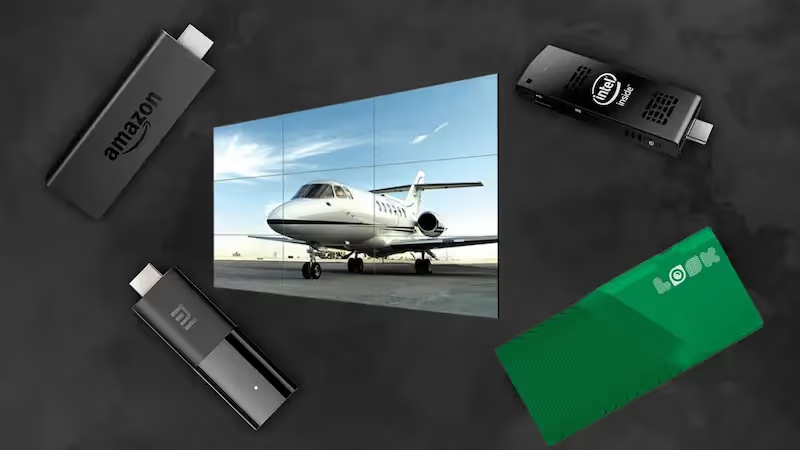
The core control tool is the Content Management System (CMS), such as platforms from Look Digital Signage or NoviSign. These cloud systems let staff schedule and send content wirelessly to media players – small, fast devices (often using SSDs) mounted behind each screen. High-resolution commercial displays from brands like Samsung, LG, and NEC provide the viewing surface, making every spa treatment or sunset cruise image look polished and appealing.
Connection with other systems is what really sets modern setups apart. When tied to a Property Management System (PMS), signage can become "data-aware." A lobby screen can auto-update meeting room names in real time or show a custom greeting for a wedding party. Touchscreens and QR codes extend this, letting guests save information to their phones for later.
Typical Resort Environments Improved by Digital Displays
Digital signage works best where guests gather or move between activities. In large resorts, busy junctions and "decision points" like elevator banks and hallway crossings are key spots. These areas benefit from maps and short, simple promotional slides that guests can absorb in the few seconds they are waiting or passing by.
Outdoor-focused properties, like those run by Kampgrounds of America (KOA), use weatherproof, bright displays at entrances and shared recreation spaces. These screens provide key safety notes and activity schedules, showing that digital signage can work just as well in a rustic camp-style setting as in a luxury tower. From a calm spa reception to a lively pool bar, digital displays can match the mood of each area within the resort.

How Digital Signage Drives Resort Upsells
Upselling depends on timing and relevance. Digital signage is strong here because it can change based on time of day, weather, or even the profile of guests on-site. It goes past the "same for everyone" idea of printed brochures and offers a changing story that follows the guest’s needs throughout their stay.
By using motion graphics and HD video, resorts can spark emotional reactions. A guest might not have planned a spa visit, but after watching a 15-second clip of a peaceful massage room while waiting to check in, the idea starts to appeal. This kind of subtle visual suggestion works better and feels gentler than a pushy verbal pitch, often leading to more sales of high-margin services.
Creating Upsell Moments Across the Guest Journey
The guest journey starts before arrival and continues after checkout, and digital signage can influence almost every stage. At check-in, kiosks can suggest instant room upgrades or breakfast bundles. During the stay, elevator screens can promote evening shows or happy hour offers. At checkout, screens can invite guests to join a loyalty program or book their next visit at a special rate.
These touchpoints aim to reduce "friction." When a guest sees a sunset cruise offer with a QR code for instant booking, it becomes easy to act. Showing the right offer at the right time-like advertising indoor activities on a rainy day-helps the resort grow revenue while also improving the stay.

Personalizing Offers Based on Guest Profiles
Personalization is the standard goal in today’s hospitality. When digital signage connects with a CRM or PMS, it can adjust its messages to fit the current audience. If a resort is hosting a big corporate event, screens can show branded welcomes and networking schedules. During a family-heavy holiday weekend, those same screens can switch to kids’ club events and family meal deals.
More advanced AI systems can even predict what a guest may like based on past choices. If records show a guest often books golf, interactive displays can feature pro-shop offers or coaching sessions. This level of relevance makes guests feel recognized and appreciated, which research indicates can boost satisfaction by around 20%.
Enabling Real-Time Promotions for Dynamic Opportunities
One of digital signage’s biggest strengths is how fast it can react. If the spa gets a last-minute opening at 2:00 PM, the resort can instantly push a "Flash Sale" to lobby and gym screens. This helps recover revenue that would be lost with static signs. If the bar is slow on a Tuesday afternoon, a "2-for-1" cocktail deal can be launched in seconds to draw more guests.
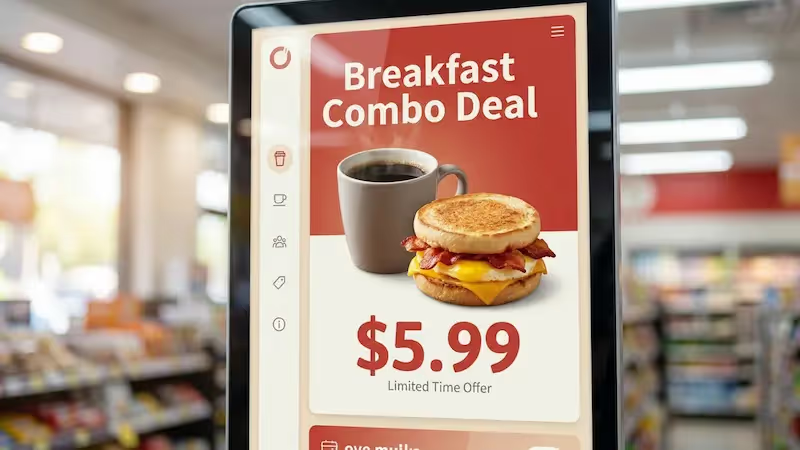
This quick response also helps with stock and menu management. Digital menu boards in cafés can instantly hide sold-out items, avoiding guest frustration and speeding up orders. This flexibility keeps the focus on what is available and most profitable at any given moment.
Resort Locations Where Digital Signage Maximizes Upsells
Good placement separates screens that earn money from those that just sit on the wall. To drive upsells, displays must sit where guests have "dwell time"-moments when they are still and looking around. Each spot in the resort offers a different mindset that can support specific offers.
Lobby and Reception Areas
The lobby shapes the first impression. Screens here should be large and welcoming, matching the brand while giving quick key information like weather and flight details. This is the best place to highlight major amenities, such as the signature restaurant or big upcoming events. Large displays can create a strong visual impact that signals a high-end stay.

Self-service kiosks in the lobby are also a strong upselling tool. As guests check in themselves, the screen can present limited-time offers for room upgrades or packages. Because guests can explore options without feeling pressure from staff, they are often more open to adding extras that improve their stay.
Restaurants, Bars, and Cafes
In dining spaces, digital menu boards do more than show dishes; they help sell experiences. High-quality photos of signature drinks or chef specials can raise sales of high-profit items by up to 25%. Screens can also promote other venues on-site, such as featuring rooftop bar "nightcap" deals to guests finishing dinner elsewhere.
Wait times are another opening. A display near the host stand can feature the resort’s wine cellar or promote upcoming tastings, turning a wait into a marketing moment. Automating this information lets staff focus more on service instead of repeating details about specials or ingredients.
Poolside and Recreation Spaces
Pool and outdoor spaces need bright, weather-resistant displays to compete with sunlight. These are ideal for pushing simple, impulse buys like frozen cocktails, snack buckets, or cabana rentals. In the morning, screens can show the day’s yoga or water aerobics schedule; in the afternoon, they can switch to promoting the evening’s pool movie or BBQ.

Safety and helpful info also matter here. Screens can show pool rules, UV levels, and water temperature, which builds trust. When a resort shares useful, practical information, guests are more open to the marketing content mixed in.
In-Room Displays and Smart TVs
The guest room is the most private and steady touchpoint for communication. Many modern resorts are replacing printed room guides with Smart TVs that have apps and branded menus. These work like a digital concierge, letting guests order room service, request items, or book spa spots from the bed.
Personalization is strongest in this space. A welcome message that shows the guest’s name on the TV creates an instant positive reaction. In-room screens can also show virtual tours of high-end suites or exclusive experiences, planting ideas for future upgrades.
Elevator and High-Traffic Corridors
Elevators offer a short, focused window with a captive audience. Small screens at eye level are perfect for quick "bite-sized" content, highlights of tonight’s music, loyalty program reminders, or a late-night dessert promo. Since guests only have a few seconds, messages must be short and visually clear.
In hallways and corridors, larger screens can guide guests while softly advertising nearby amenities. For example, a screen near conference rooms might feature the business center or a nearby coffee bar’s grab-and-go breakfast for busy attendees.
Spa, Fitness Centers, and Event Spaces
Spa receptions are great for promoting high-margin extras like aromatherapy add-ons or retail items. Calm visuals of treatments can nudge guests to book another session or try something new. In fitness centers, screens can show class schedules, trainer profiles, and health tips, while promoting the spa’s recovery massages for sore muscles.
In meeting and event venues, digital signage supports smooth organization. Beyond showing session times and speaker names, these screens open an extra income stream through sponsorships. Resorts can sell ad space to event hosts or outside brands, displaying logos and messages to a focused business crowd.
Upsell Content Ideas for Resort Digital Signage
What content should go on these screens? The best results come from mixing "the dream" (inspiring imagery) with "the deal" (clear value). Content should stir interest and give guests an easy way to act.
Using a blend of video, photos, and live data helps keep screens fresh. If a guest sees the same still image for days, they stop paying attention. Replacing that with a live social media wall of guests enjoying a sunset cruise can create a strong "I want that too" feeling that drives upsells.
Premium Room Upgrades and Late Checkouts
Don’t just list upgrade prices; show the experience. Use HD video of the ocean-view balcony or the large soaking tub in the top suite. Highlight what a late checkout offers-"Sleep in and enjoy one last poolside breakfast"-especially on in-room or front-desk screens. This is a simple way to add revenue on the last day.

Spa Packages and Wellness Experiences
Group services together to raise the total sales. Instead of pushing only a massage, promote a "Wellness Journey" with a facial, massage, and healthy lunch. Use animated scenes of steam rooms or gardens to create instant appeal. Live availability notes-"Only 2 spots left today!"-can push guests to book right away.
Event Tickets and Exclusive Activities
Resorts often host live music, theme dinners, or local tours. Use signage to build excitement with countdown timers and clips from earlier events. Whether it’s a "Chef’s Table" or a boat trip, adding a QR code for instant booking can quickly turn interest into a sale.
Restaurant Specials and Private Dining
Digital menus should spotlight "Chef’s Specials" with rich photography. If the resort offers private dining or "dinner under the stars," feature these high-value options on lobby and elevator screens. A short video of a beach table being set up will usually convince more guests than a line of printed text.
Local Partnerships and Excursion Add-ons
Your screens are valuable ad space. Work with local tour companies, shops, or museums to show their offers in exchange for a commission on bookings made through the resort. This adds another income line and positions the resort as a helpful guide to the area.
Retail Offers and In-Resort Shopping
If your resort has a gift shop or boutique, use signage to promote new stock or limited-time deals. Featuring "Resort-Only" items or luxury brands can pull guests into stores they might ignore otherwise. Time-based promos, like a "Morning Coffee & Shopping" discount, can help fill slow periods.
Loyalty Program Enrollment and Benefits
Digital signage is a strong tool for growing your contact list. Use screens to clearly show loyalty program perks-free nights, upgrades, or lounge access. Add a QR code that links straight to a mobile sign-up form so guests can join while they are already enjoying the property.
Best Practices for Designing Digital Signage Content That Upsells
Good content design follows clear rules. Because guests are often moving, your message must be clear in three seconds or less. If the screen looks crowded or the text is too small, guests will look away. The aim is to grab attention visually and lead straight to a simple call to action.
Consistency also matters. Every screen, wherever it is, should feel like part of the same brand. This builds trust and makes the promotional content feel like a natural part of the stay instead of an outside ad.
Align Visuals and Messaging with Resort Branding
Your digital signage should use the same colors, fonts, and tone as your website and printed items. If your resort is a lively family spot, content should be bright, playful, and fast-paced. If it is a quiet luxury retreat, visuals should be slow, refined, and clean. Use real photos of your own property rather than generic stock images to keep it authentic.
Optimize Readability and Accessibility
Use large, simple sans-serif fonts for headings and keep a strong contrast between text and background (for example, white on dark blue). Avoid thin or fancy fonts that are hard to see from a distance. Keep wording short; one main idea per slide works well. Mount screens at eye level and avoid glare from lights or windows.
Schedule Timely and Relevant Content Updates
Content should follow the daily flow. Morning screens can focus on breakfast and the day’s schedule. By afternoon, shift to happy hour and dinner. A CMS like Look Digital Signage can automate these changes so screens stay relevant without constant manual edits.
Balance Informational and Promotional Messaging
Guests don’t want to feel like they are constantly being sold to. A helpful guideline is the "80/20 rule": about 80% of content should be useful or entertaining (weather, news, schedules, art) and 20% should promote offers. When you give real value first, guests pay more attention when spa or upgrade offers appear.

Use Multilingual Content for International Guests
For resorts with many international visitors, offering multiple languages is important. You can set slides to cycle through languages or split the screen to show key details in two or three languages at once. This makes global guests feel welcome and helps your upsell messages reach more people.
Mistakes Resorts Should Avoid with Digital Signage Upselling
Even expensive hardware can fail to perform if the plan behind it is weak. Many resorts treat digital signage as a "set and forget" tool, which leads to old content and lost chances. Common mistakes often involve bad placement or a poor understanding of guest behavior.
Another big error is ignoring the system’s health. A screen that shows "No Signal" or is frozen hurts the brand more than having no screen at all. It looks careless and gives guests the sense that other parts of the resort might also lack attention.
Placing Displays in Low-Visibility Areas
A screen hidden behind a plant or stuck in a dark corner will not produce upsells. Displays must sit where guests naturally look. Walk through your property and note where guests pause by elevator buttons, at the host stand, or near the pool towel desk, and place screens in those lines of sight.
Overloading Screens with Too Much Information
Too much information causes "screen fatigue." If a guest must squint to read 20 activities or several menus on one slide, they will ignore it. Follow a "one message, one slide" rule. If you have a lot to say, use multiple rotating slides instead of crowding a single screen.
Neglecting Routine Content Refreshes
Nothing stops an upsell faster than a promo for something that already happened. Guests notice if they see "Morning Yoga" still playing late in the day and will stop trusting the screen. Use your CMS to set end dates for content so outdated slides disappear automatically.
Using Generic or Off-Brand Designs
Relying on default software templates can make a luxury property feel cheap. Your digital look should be a custom reflection of your resort. Invest in design support or use a platform that lets you customize templates in depth so your screens match the level of your physical spaces.
How to Measure the Impact of Digital Signage Upsells in Resorts
To treat digital signage as an investment, you need to measure results. Modern systems provide detailed data to show which content is working with guests. By studying this data, you can keep improving your strategy and grow ROI over time.
Measurement should also include operational gains. For example, if signage reduces the number of guests asking for directions at the front desk, staff have more time to handle more complex requests.
Key Metrics to Track Guest Engagement and Conversions
Use unique QR codes or "mention this screen" promo codes to track which display leads to each sale. Key metrics include conversion rate (how many people buy after seeing a slide), QR scans, and "dwell time" (how long guests stay near a screen). Compare sales of a featured item before and after adding it to a digital menu board to clearly see impact.
Leveraging Feedback and Behavioral Data
Interactive kiosks can offer quick, one-question surveys, such as "Was this map helpful?", to collect instant feedback. Also, watch behavior patterns. If many guests tap "Spa Menu" on a screen but few complete a booking, it may point to high prices or a confusing process, showing you where to adjust.
Refining Upsell Strategies Using Analytics
Data needs to lead to change. Review analytics each month to spot "dead zones" where guests ignore screens or where content gets weak results. If a steakhouse video lifts bookings by 30% while a still image only boosts 5%, it becomes clear you should focus more on video. Regular review keeps your upsell approach sharp.
Emerging Trends in Resort Upselling with Digital Signage
As 2026 progresses, digital signage is becoming more connected and "smart." The line between a guest’s phone and the resort’s screens is getting thinner. New trends focus on making stays smoother, more personal, and more eco-friendly.
Sustainability has moved from a bonus to a core expectation. Many travelers now prefer properties that cut waste, and digital signage plays a key role in moving away from paper.
Integration with Guest Mobile Devices and IoT
The Internet of Things (IoT) allows signage to react to what’s happening around it. For example, sensors can detect a crowded lobby and trigger wayfinding screens to suggest quieter lounges. Guests can also scan a QR code to move content from a public screen to their phone, taking a custom activity list or discount coupon with them.
Personalization with AI and Data Insights
Artificial Intelligence can now adjust content in real time. By reading booking and on-site data, AI can pick which upsell to show a given guest. If a guest often orders premium wine, the bar’s digital board can highlight the "Cellar List" when that guest approaches. This type of "predictive hospitality" makes interactions feel individually shaped.
Contactless Interactions and Touchless Displays
Post-pandemic habits have driven demand for touch-free tech. Gesture and voice-controlled screens let guests explore maps or menus without touching surfaces. This supports hygiene and adds a modern, high-tech feel that appeals to many travelers.
Sustainable and Energy-Efficient Signage Solutions
New commercial displays use less power than older models. Features like auto-dimming in low light and scheduled shutoff during late-night hours can cut energy use a lot. By working with providers like Elevate B2B, resorts can use ENERGY STAR® certified hardware to hit green targets and save thousands in power costs each year.
Frequently Asked Questions About Resort Digital Signage for Upselling
Can digital signage integrate with property management systems?
Yes. Integration is one of the strongest features of modern systems. Tools from companies like Scala and Elevate B2B are built to connect with your PMS. This allows automatic updates of guest names on welcome screens, real-time meeting schedules, and live restaurant or spa availability to appear on public displays so guests always see current information.
Is digital signage maintenance costly for resorts?
There is an upfront cost for screens and installation, but long-term ROI usually far exceeds it. Resorts save money by avoiding constant reprinting of menus, posters, and flyers. Commercial displays are also built to last (often rated for over 50,000 hours). Many vendors offer support contracts that include software updates and hardware service, making ongoing costs steady and manageable.
How can resorts tailor upsell content to different guest segments?
The CMS handles segmentation. You can group screens by area or "zone" and assign unique content to each. For example, displays in the "Family Wing" can focus on kids’ events, while those in the "Executive Lounge" feature business services and premium drinks. More advanced systems can also use time-based rules to change content by hour, sending the right messages to the right guests at the right time.
Conclusion: The Future of Resort Ambiance
Beyond clear gains in revenue and conversion, digital signage shapes the overall "digital ambiance" of a resort. It creates a modern, polished feel that reassures guests they are staying in a high-quality property. As expectations continue to rise, the ability to give instant, visually rich, and personalized information will become a basic requirement for any resort wanting to compete. By investing in a strong digital signage system now, resorts are not just growing upsells; they are protecting their brand for the future and staying ready to adapt to the changing needs of global travelers.