Table of Content
In hospitality, giving guests a memorable stay is key. Resort digital signage helps you do this by improving communication, increasing engagement, and making day-to-day operations smoother. But what is resort digital signage, and how can it change how your property runs?
Resort digital signage is a network of electronic screens placed in key spots across your property. Instead of old posters or notice boards, these displays show rich multimedia content-bright images, engaging videos, live information, and even interactive features. This modern setup keeps guests informed, entertained, and connected, helping their stay feel smooth and enjoyable from start to finish.
What is Resort Digital Signage?
Resort digital signage uses electronic displays to show information, promotions, and other content to guests and visitors. Think of colorful screens showing daily activities, interactive kiosks helping guests find amenities, or digital menu boards showing today’s specials. This updated approach replaces paper signs with digital content that is attractive and easy to change.
It’s more than just hanging a screen on a wall; it’s building a smart communication system that adjusts to the changing needs of a busy resort. From greeting guests by name to giving live updates on events, digital signage is a flexible tool that supports every step of the guest journey.
How does digital signage work in a resort environment?
A resort digital signage system works by combining hardware and software into one connected platform. High-resolution screens placed around the property act as the visual surface that guests see. Each screen is powered by a small media player, which is often called the “brain” of the system. These media players receive their content and instructions from a central Content Management System (CMS).

The CMS is the control center. From one dashboard, staff can create, schedule, and manage content for all screens, even if they are in different properties. Cloud-based control lets you push updates instantly-promote a last-minute spa offer, change an event time because of rain, or display emergency alerts. Content travels over the resort’s network so that the right message appears on the right screen at the right moment, creating a flexible communication channel that static signs cannot match.
Hardware and software required for resort digital signage
To set up a strong resort digital signage system, you need several key components. On the hardware side, commercial-grade displays are a must. These are different from regular home TVs: they are built for 24/7 use, offer higher brightness, and often have anti-glare coatings so they remain visible in places like bright lobbies or pool areas. Sizes range from small 32-inch screens for elevators to large 75-inch displays for main entrances. Some resorts also use touchscreens so guests can interact directly with the content.
Media players come next. These compact devices connect to each screen via HDMI and send the chosen content to the display. Modern players often use solid-state drives (SSDs) for fast performance and offer remote access so IT teams can manage and fix issues without going to each screen. A stable network-usually a mix of wired Ethernet for reliability and Wi-Fi for flexibility-is also important for smooth updates and playback.
On the software side, the Content Management System (CMS) sits at the center. A strong CMS lets you create, schedule, and publish content to all screens from one place. Useful features include:
- Scheduling and automation, so content runs at set times
- Real-time data integration, pulling info from systems like your PMS
- Content segmentation, so different screens show different messages
Some advanced CMS platforms, like Look Digital Signage, also provide analytics and reporting so you can see how guests interact with the content and adjust your strategy for better results.
Benefits of Digital Signage for Resorts
Digital signage brings many benefits for resorts, far beyond simply showing information. It is a strategic investment that changes how guests interact with your property, simplifies internal communication, and supports revenue growth. Using dynamic content and live updates, resorts can build a more engaging, efficient, and memorable stay for every guest.
Digital signage improves communication, lowers printing and labor costs, and opens up new ways to increase revenue. It offers flexibility and speed that paper signs cannot match, helping resorts react quickly and stay relevant in a fast-paced industry.
Enhances guest experience with personalized communication
Digital signage improves the guest experience by making communication more personal and engaging. For example, a guest might walk into the lobby and see a welcome message with their name on the main screen. This instantly creates a warm and special first impression. When signage connects with booking or CRM systems, it can use basic guest data to adjust messages.
Personalization also works for promotions. If a guest has booked a couples’ massage, screens near their room might show offers for romantic dinners or sunset cruises. Interactive displays can recommend activities, dining, and spa options based on interests, so guests feel like the resort knows what they like. Studies suggest this kind of personalization can lift satisfaction by around 20%, helping guests feel recognized and cared for.
Improves operational efficiency and staff productivity
Digital signage quietly supports smoother operations. By automating many routine communication tasks, it frees staff to spend more time with guests. For example, self-service kiosks can speed up check-in and check-out, cutting down lines at reception.
Live updates about schedules, event changes, or facility status reduce the number of basic questions staff must handle. Instead of updating boards by hand or repeating the same answers, staff can update the CMS once and send the correct information everywhere at the same time. This saves time, reduces errors, and gives guests consistent, accurate information.
Reduces printing costs and environmental impact
Digital signage clearly cuts printing costs and supports greener operations. Traditional signs need constant reprints-posters, flyers, menus, and banners all require paper, ink, and delivery. Every change in an event, offer, or menu means new printing, which is expensive and wasteful.
With digital signage, content changes are instant and done online, with no extra printing costs. While there is an initial cost for screens and players, long-term savings on paper, ink, and staff time can be large. Modern displays also use less energy and often include automatic brightness and power-saving modes, supporting your sustainability goals and improving your eco-friendly image.
Generates upselling and cross-promotion opportunities
Digital signage is also a strong sales tool, opening many chances to upsell and cross-promote. Well-placed screens can promote different services and invite guests to try more of what the resort offers. A display near the spa can show massage discounts, while one in the lobby might promote a wine-tasting event or chef’s table.
Time-based offers-like “Happy Hour 5-7 PM” or “Morning Spa Discount”-can create urgency and increase traffic. You can also promote bundles, such as a spa treatment plus dinner package, to increase total guest spending. Adding short videos or slideshows of experiences helps guests imagine themselves enjoying these services, which often leads to more bookings.
Enables real-time updates and emergency alerts
Being able to share real-time updates is one of the biggest strengths of digital signage, especially in busy resorts. If weather changes, an event is moved, or an unexpected situation arises, you can change messages across the property within seconds.
During emergencies, the system can switch to alert mode and show clear, bold instructions everywhere at once. Messages might include evacuation routes, safety steps, or status updates. Fast, clear communication helps keep guests and staff safer and reduces confusion and panic.
Boosts brand image and modernizes resort aesthetics
Digital signage also improves how your resort looks and feels. Replacing paper signs with sleek digital displays makes the property appear modern and forward-thinking. It signals that the resort is current and pays attention to detail.
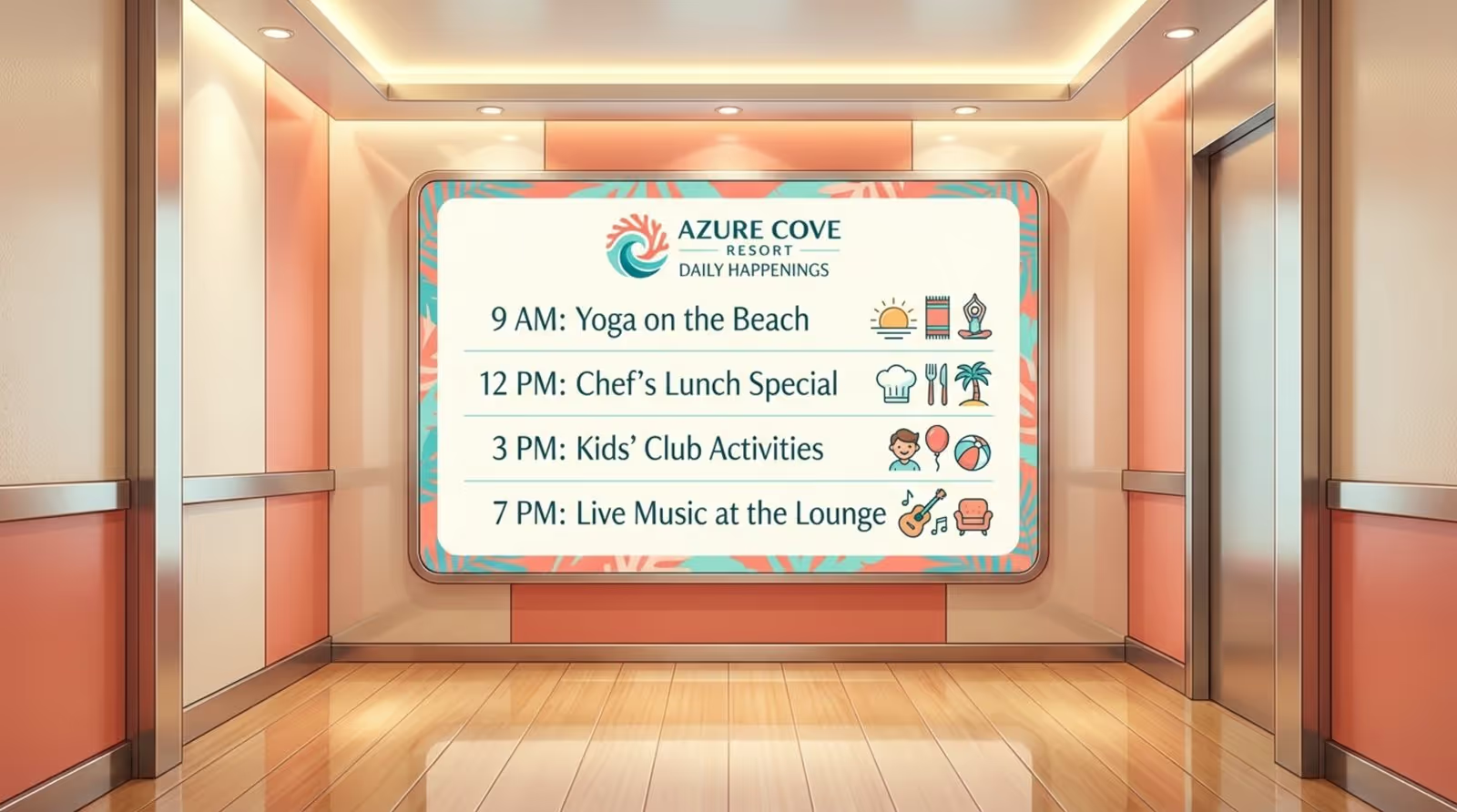
High-quality visuals-such as beautiful photos and videos of your property-help create a more immersive, upscale atmosphere. By using your brand colors, fonts, and style across all screens, you reinforce your visual identity. This consistent look makes the resort feel polished and well-run, and helps you stand out from competitors that still rely on static signs.
Most Effective Resort Locations for Digital Signage
Placement is key to getting the most from digital signage. Screens should be installed in busy areas where guests often pause, wait, or look for information. You want to share relevant content at the exact spots and moments guests need it or are open to it.
From arrival to departure, digital displays can guide, inform, entertain, and promote. Choosing the right locations makes your investment more valuable in terms of both guest satisfaction and operational gains.
Lobby and reception areas
Lobbies and reception zones are among the most important spots for digital signage. They form the first impression of your resort. Digital screens here can replace static welcome boards and show greetings, resort highlights, and attractive visuals.
Interactive kiosks in the lobby can support self-check-in, answer common questions, and provide maps. Lobby content can include local attractions, upcoming activities, live news, and weather updates. This reduces pressure on the front desk, sets clear expectations, and creates a modern arrival experience.
Elevators and corridor intersections
Elevators and hallway junctions are perfect for short, focused messages because guests often wait or walk slowly through these spaces. Small screens inside elevators can show daily schedules, dining offers, or loyalty program messages.
Bigger displays at corridor intersections can help with wayfinding, pointing guests to restaurants, pools, or meeting rooms. These locations are also useful for light cross-promotion, such as highlighting a nearby bar or kids’ area. Content should be quick to read and visually simple so guests can absorb it in a few seconds.
Restaurants, bars, and cafes
Digital signage is especially effective in dining areas. Digital menu boards make it easy to show dishes, prices, and specials in a clean, attractive way. You can update them at any time to reflect daily changes or sold-out items.
Screens can also promote happy hours, tasting menus, or special events like chef nights. Mouth-watering images and short clips of food preparation can boost appetite and prompt impulse orders. You can also add nutritional details for guests who care about health and diet, improving their experience.
Poolside and outdoor recreational zones
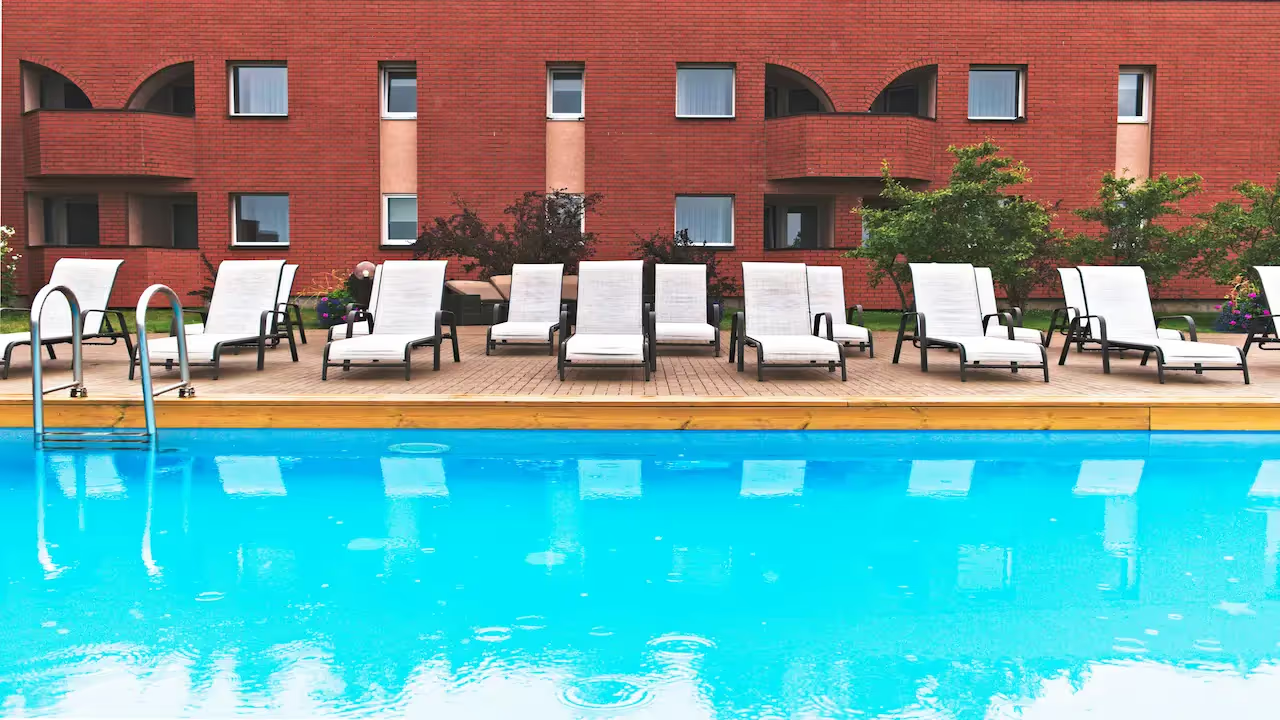
Pool and outdoor areas are also great locations, as long as you use weatherproof and high-brightness displays. Screens here can show pool hours, safety rules, and schedules for outdoor games, classes, or shows.
They can promote drink and snack specials, show live sports scores, or play relaxing visuals. Outdoor signage can also point guests to nearby facilities like beach bars, courts, or trails. Content should fit the relaxed mood and be relevant to guests lounging, swimming, or playing outside.
Event and meeting spaces
In event and meeting areas, digital signage is very helpful for keeping things organized. Screens outside rooms can show event names, times, and schedules for the day or week, plus speaker bios or session details.
Inside, displays can support presentations or show branding, sponsor logos, or live social feeds. For weddings or private events, you can show personalized messages or slide shows. Real-time updates are especially helpful here when rooms or times change, so attendees always know where to go.
In-room digital displays
Placing digital signage in guest rooms gives a new level of personalization and convenience. Interactive in-room screens can work like a digital concierge, letting guests order room service, request housekeeping, or book spa or activity slots.
These displays can show schedules, event reminders, in-room dining options, spa menus, and more. They can even offer virtual tours of the property. This gives guests easy access to information and services without calling the front desk.
Fitness centers and spa reception areas
In gyms and spa receptions, digital signage can inform and motivate. Fitness center screens can show class timetables, trainer availability, or short workout tips. They can also promote healthy food and drink options available elsewhere on the property.
In spa areas, screens can show calming visuals, treatment menus, packages, and staff introductions. They can explain the benefits of specific treatments so guests can choose what suits them best. This helps sell services and supports a more complete wellness experience.
Popular Uses of Resort Digital Signage
Digital signage can serve many roles across a resort. It supports practical needs like wayfinding and check-in, and also entertainment and marketing. These varied uses show how resorts can use screens to create a more efficient, informative, and enjoyable environment.
Each use case helps meet different goals, but they all support the main aim of improving the guest experience and simplifying management. Knowing these options helps you plan a system that supports both guest needs and business targets.
Wayfinding and interactive maps
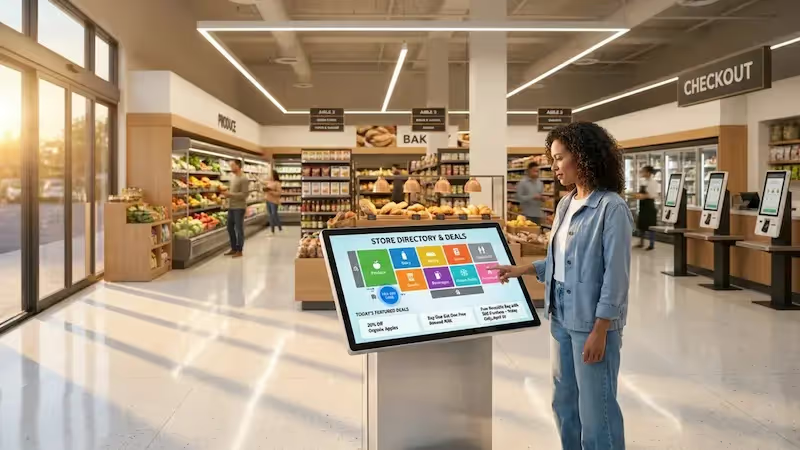
Finding your way around a large resort can be confusing, especially for new arrivals. Digital wayfinding and interactive maps make this easier. Touchscreen maps can show clear routes to rooms, outlets, pools, and event spaces.
These maps can highlight popular spots, provide step-by-step directions, and include QR codes that guests can scan to take the map on their phones. This reduces the need for printed maps, helps guests move around on their own, and lowers frustration at the front desk.
Promoting amenities, events, and special offers
Digital signage is very effective for promoting resort amenities and activities. Instead of static brochures that quickly go out of date, screens can show up-to-date photos and videos of spa services, dining, tours, and on-site activities.

You can push limited-time deals such as early-bird discounts or last-minute openings. Screens can highlight daily events, live music, kids’ activities, or excursions. This constant, eye-catching promotion keeps guests aware of what is available and encourages them to join in.
Menu boards for dining areas
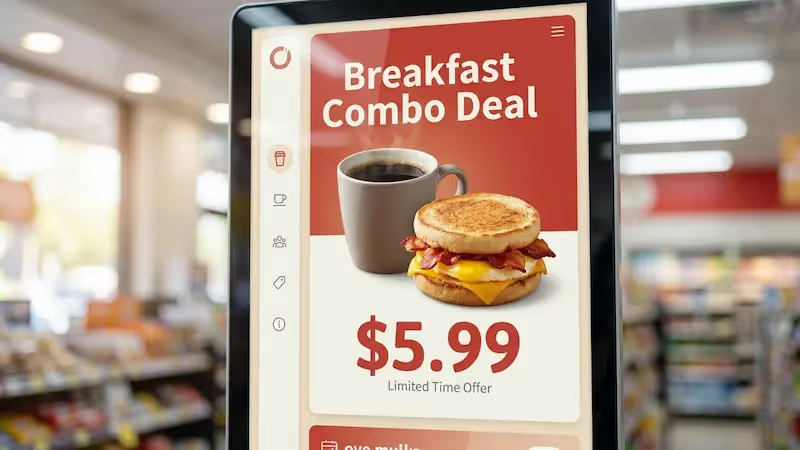
Digital menu boards are now common in resort restaurants and cafes. They present menus in a clear, modern format and can be changed instantly as needed. You can switch from breakfast to lunch menus, add daily specials, and remove items that are sold out in real time.
This flexibility lets you highlight higher-margin dishes, promote combos during slower periods, and show dietary details. Simple animations or subtle motion can draw attention without overwhelming guests, helping increase orders.
Live weather, news, and travel updates
Sharing live external information adds real value to the guest stay. Digital signage can show up-to-date weather forecasts, helping guests plan their day, especially in outdoor-focused resorts. News headlines keep guests connected to what is happening back home.
Near airports or transport links, screens can show real-time flight or train information, including delays and gate changes. Shuttle schedules and pick-up points can also be displayed. This reduces stress for travelers and cuts down on questions at the front desk.
Safety information and emergency instructions
Guest safety is always a top priority, and digital signage is an important tool in emergencies. Screens can clearly show pool rules, safety tips, and resort policies on a daily basis.
In an emergency, the system can instantly show alerts and instructions, such as evacuation routes or stay-in-place messages. You can split the screen to show both alert text and a map. Fast, clear, and visible safety messages can protect guests and keep things under control.
Check-in and check-out assistance
Check-in and check-out are key moments in the guest journey. Digital signage can help make these processes faster and smoother. Self-service kiosks can handle registration, payments, and key issue or return, reducing queues at the front desk.
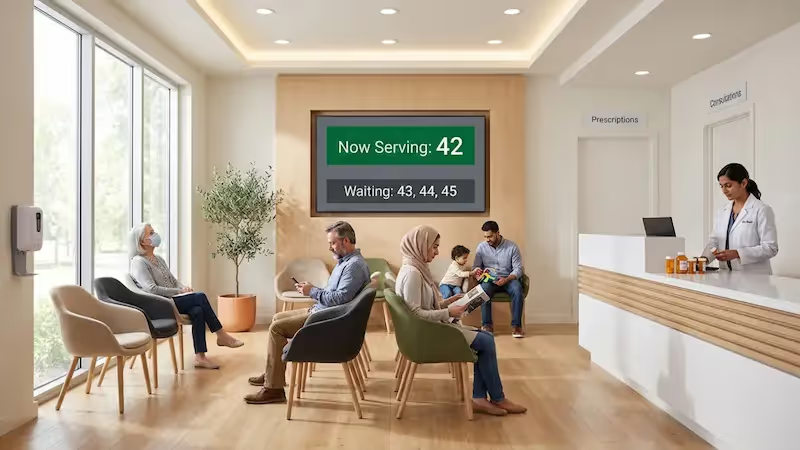
Screens near reception can show wait times, give simple step-by-step instructions, and point guests to self-service options. This improves efficiency, frees staff for more complex requests, and leaves guests with a better first and last impression.
Guest entertainment and local attractions
Digital signage also supports entertainment. Screens can show inspiring videos of the resort-pools, rooms, restaurants, and activities. They can highlight local experiences like tours, museums, or shopping areas, motivating guests to explore.
In lounges and lobbies, displays can show light entertainment such as quizzes, scenic videos, or interactive digital art. This adds interest to shared spaces and encourages guests to spend more time in them.
High-Impact Content Ideas for Resort Digital Signage
The success of digital signage depends heavily on what you show. Plain or boring content will be ignored. To capture attention and drive action, resorts need content that is visually strong, relevant, and engaging.
With thoughtful content choices and clear messages, screens can become powerful communication tools that guests actually enjoy using and watching.
Daily schedules and activity calendars
Busy resorts often run many activities every day. Digital signage can show clear, updated daily schedules and calendars in central areas so guests can see what’s happening at a glance.
You can list times, locations, and short descriptions for each event-yoga, kids’ clubs, tours, shows, and more. Because updates are instant, guests always see the latest version, which helps them plan and join in more activities.
Social media feeds and guest testimonials
Social proof adds trust and creates community. Digital signage can show live social feeds from platforms like Instagram or X, featuring guest photos, comments, and resort hashtags.
You can also display guest testimonials with names and photos (with consent). These messages feel authentic and encourage others to try the featured services. At the same time, they invite guests to share their own experiences, boosting online visibility.
Virtual concierge and self-service info points
Interactive digital signage can act as a virtual concierge for guests who prefer self-service. Touchscreens placed in key spots can offer complete information about:
- On-site amenities and hours
- Activity and event details
- Restaurant menus and recommendations
- Local attractions and tours
Guests can browse at their own pace, check availability, and sometimes even make bookings directly from the screen. This reduces pressure on staff and gives guests instant access to what they need.
Seasonal event countdowns and special greetings
Digital signage is great for building excitement around special dates and events. Countdown timers for New Year’s Eve, holiday celebrations, or festival weekends can draw attention and build anticipation.
During holidays, you can add themed visuals and greetings. For groups-such as weddings, conferences, or tour groups-personalized welcome messages on lobby screens can make attendees feel special and informed right away.
Travel advisories and flight status
For many guests, travel is stressful. Showing updated travel advisories and flight information can be a major help. Resorts near airports, cruise ports, or stations can add live arrivals and departures, delays, and gate data to their screens.
You can also show local traffic, public transport schedules, and resort shuttle timetables. Guests who feel informed about their travel plans are more relaxed and likely to view the resort positively.
Loyalty program highlights and enrollment prompts
Digital signage is an excellent way to promote your loyalty program. Screens can explain member benefits, such as discounts, free nights, late check-out, or exclusive experiences.
Simple visuals and charts can show how points work. Use QR codes or simple URLs so guests can sign up instantly from their phones. Placing this content in high-traffic areas helps grow membership and strengthens guest loyalty.
Local artwork and digital decor displays
Digital signage can also work as part of your interior design. You can use screens to display local art, turning public spaces into digital galleries and supporting local creators.
Beyond static images, you can show moving visuals or patterns that match your property’s look and feel. Large multi-screen walls can show nature scenes or city-inspired art. This approach adds character and interest to your spaces without physical art installation limits.
Best Practices for Designing Resort Digital Signage Content
Good hardware alone is not enough; how you design and present content matters just as much. Clear, attractive, and consistent design helps messages stand out and encourages guests to act on them.
By following a few simple design rules, you can turn your screens into reliable tools that support your brand and improve guest communication.
Align visuals with resort branding
Brand consistency builds recognition and trust. All digital signage should follow your resort’s visual guidelines, including colors, fonts, logo use, and imagery.
Use brand colors in backgrounds and accents, stick to approved fonts, and choose high-quality photos and videos that reflect your property. When every screen-from menus to maps-looks like part of the same brand family, guests experience a smooth, professional visual journey.
Check for inspiration 20 Best Digital Signage Content Ideas
Optimize readability and accessibility
Content must be easy to read and understand at a glance. Keep messages short and focused on one main point per slide. Use simple language and avoid long paragraphs.
Key tips:
- Use large fonts for headlines and important details
- Maintain strong contrast between text and background
- Avoid overly decorative or thin fonts
- Limit the amount of text on each screen
Consider how long people will stand in front of each display and set your content loop so they have enough time to read everything comfortably.
Schedule content updates for relevance
Digital signage is powerful because it is easy to change. Leaving old content on screens for too long is one of the biggest mistakes. Plan regular updates so messages always match current offers, events, seasons, and times of day.
Create a simple content calendar that lists:
- Daily changes (e.g., menus, activities)
- Weekly or monthly promotions
- Holiday or seasonal campaigns
Morning screens might promote breakfast and family activities, while evening content focuses on dinner and entertainment. Frequent updates keep guests interested and coming back to check what’s new.
Balance information and promotional messaging
The best digital signage mixes helpful information with gentle promotion. If all guests see is sales content, they may start ignoring screens. If they only see neutral information, you miss chances to grow revenue.
Blend the two by adding relevant offers to useful content. For example, an activity schedule might highlight a special spa offer after yoga or show a discount for a bar near an event venue. Helpful suggestions feel more natural than constant ads, and they still guide guests to spend more time and money on property.
Incorporate multilingual support for international guests
Many resorts serve guests from multiple countries. Supporting several languages makes visitors feel welcome and reduces confusion. You can:
- Cycle messages through different languages on the same screen
- Let users pick a language on interactive displays
- Show key safety and wayfinding info in multiple languages at once
This approach is especially important for instructions, emergency messages, and key amenity details. It shows respect for international guests and makes their stay easier and more comfortable.
Mistakes to Avoid with Resort Digital Signage
While digital signage offers many benefits, certain common errors can reduce its impact. Avoiding these mistakes helps you get the most from your system and prevent wasted budget or guest frustration.
By paying attention to placement, content quality, maintenance, and branding, you can keep your signage network effective and reliable.
Placing screens in low-traffic or obstructed areas
Screen placement is one of the most basic, yet most important, decisions. Displays that sit in low-traffic spots or behind obstacles like plants, pillars, or furniture will get little to no attention.
Conduct a walk-through to identify busy areas and natural sightlines. Place screens at eye level where guests naturally look, making sure lighting and reflections do not block visibility. Focus on locations like entrances, elevator lobbies, major corridors, and dining areas.
Overloading displays with excessive information
Another common issue is putting too much information on one screen. Crowded layouts with small text and too many images are hard to read and easy to ignore.
Use a simple structure:
- One main message per slide
- Short headlines and bullet points
- Plenty of empty space for clarity
If you have a lot to say, split content into multiple slides in a loop. Clear, simple screens lead to better understanding and higher engagement.
Neglecting regularly scheduled content refreshes
Old content quickly reduces the value of digital signage. Guests will stop looking if they see the same promotions and expired events over and over.
Set up a process and schedule for content updates. Use your CMS to automate start and end dates for campaigns so they change without manual work. Fresh, relevant content keeps screens useful and interesting to guests.
Ignoring hardware maintenance and security
Digital signage hardware and networks need regular care. Ignoring maintenance can lead to dead screens, glitches, or security problems.
Build a simple maintenance plan that covers:
- Cleaning screens and checking for damage
- Updating media player software and firmware
- Inspecting cables and mounts
- Reviewing network security, firewalls, and access rules
Having backup players or spare screens ready can reduce downtime if something fails.
Using generic templates instead of custom branding
Basic off-the-shelf templates may be quick to use but often look generic and fail to show what makes your resort special. If all your content looks like a default design, you miss a big chance to strengthen your brand.
Customize templates with your colors, logo, fonts, and photography. Use images of your actual spaces and services. This makes your screens feel like a natural extension of the property and supports your overall guest experience.
Maximizing Guest Satisfaction with Resort Digital Signage
The main reason to invest in digital signage is to improve how guests feel about their stay. When screens help guests find their way, discover experiences, and give feedback easily, satisfaction, reviews, and repeat bookings tend to improve.
By planning content and features around guest needs, digital signage becomes a direct contributor to positive experiences.
Making navigation intuitive and enjoyable
Good navigation reduces stress and saves time. Large interactive maps and directional screens can guide guests to rooms, restaurants, pools, and activity areas quickly and clearly.
Add QR codes so guests can send a route to their phones and follow it on the move. Clear icons, simple labels, and obvious pathways let guests explore with confidence and independence, making their stay feel easier and more enjoyable.
Delivering timely promotions that match visitor profiles
Guests feel valued when offers match their interests. When digital signage connects with your PMS or CRM, you can adjust content based on guest type and behavior.
Golfers might see tee-time specials, families might see kids’ club events, and couples might see romantic packages. This tailored approach helps guests see offers as helpful suggestions rather than random ads and increases both engagement and spending.
Encouraging guest interaction and feedback
Interactive digital signage invites guests to take part instead of just watch. They can browse menus, view spa services, or explore local tips. You can also add quick surveys or rating buttons so guests can share feedback on the spot.
Social feeds and review prompts on screens can encourage guests to post, tag the resort, or leave ratings. This two-way interaction helps you collect insights while also making guests feel their opinions matter.
How to Measure the Impact of Digital Signage in Resorts
To treat digital signage as an investment instead of just a cost, you need to measure its impact. Tracking the right metrics shows what is working, what needs improvement, and where to focus future changes.
Clear data helps you fine-tune content, placement, and features so the system keeps improving over time.
Key performance indicators to track guest engagement
Start by defining key performance indicators (KPIs) tied to guest engagement. Useful KPIs include:
- Foot traffic: how many people pass certain screens
- Dwell time: how long they stay and look
- Interaction counts: number of touches or selections on interactive screens
- Conversion rates: how often a displayed offer leads to a booking or purchase
You can also watch social media mentions or hashtags promoted on screens. These numbers help you see which messages and locations are most effective.
Collecting feedback and behavioral data
Beyond raw numbers, guest opinions and behavior patterns give deeper insight. Add short surveys to interactive screens, or link QR codes to feedback forms about clarity, usefulness, and design.
Most CMS platforms can also show data like:
- Which menus or pages guests view most
- Which routes people follow on wayfinding maps
- Which promotions drive the most clicks
These details reveal what guests care about and where there may be gaps in communication.
Adjusting strategy based on analytics
Collecting data is only helpful if you act on it. Regularly review analytics and feedback, then adjust your content and setup. If a certain promotion rarely converts, test different images, copy, or placement.
If many guests use the virtual concierge to look up local attractions, expand that section with more details, photos, and booking options. Treat the system as something you constantly refine, so it continues to match guest needs and business goals.
Future Trends in Resort Digital Signage
Digital signage technology continues to move forward, and guest expectations rise with it. Resorts that follow these trends can offer more personal, convenient, and impressive experiences.
Future systems will be more connected, smarter, and more interactive, turning screens into a key part of how guests interact with your property.
Integration with mobile devices and IoT
Digital signage will increasingly connect with guests’ phones and with Internet of Things (IoT) sensors around the property. Guests might scan a QR code on a lobby screen to send a personalized schedule to their phone or receive notifications about offers and events near their current location.
IoT data-such as crowd levels in certain areas or live weather-can trigger automatic changes in screen content. For example, on a hot day, poolside screens might start promoting cold drinks or shaded cabanas. This creates a more fluid and responsive environment.
Personalization through AI and guest data
Artificial intelligence (AI) will make it possible to offer highly customized content. By looking at data from bookings, past stays, and on-site behavior, AI can predict what guests are likely to want.
Screens could automatically suggest spa services, activities, or restaurants that match a guest’s past choices or interests. Content will adapt in real time, making experiences feel more personal and relevant and building stronger guest loyalty.
Touchless and gesture-based interfaces
Hygiene and convenience are pushing resorts toward touchless interactions. Digital signage will increasingly support gesture control, voice commands, and mobile-based control instead of direct touch.
Guests might wave a hand to move through map screens or speak to select a menu item. These interfaces are more sanitary and can also be easier for some guests to use, adding a modern, engaging twist to basic information tasks.
Sustainability features and energy-efficient displays
Environmental responsibility is becoming more important for both resorts and guests. Newer displays use less power and include smart brightness adjustment and energy-saving modes.
On the software side, better scheduling and remote power control reduce unnecessary energy use. Resorts will prioritize solutions that support green policies, lower operational costs, and appeal to eco-conscious travelers who care about a property’s environmental footprint.