Table of Content
Social wall digital signage is more than a passing fad; it’s a new way to communicate that changes how businesses, organizations, and event planners connect with people. It combines the fast, lively nature of social media with the visual impact of digital screens to build an engaging, interactive experience for everyone. Instead of people just watching content, they are invited to take part, helping build a real relationship between a brand and its audience.
As attention spans get shorter and old-style marketing loses impact, dynamic and personal experiences are becoming a basic requirement. Social Wall Digital Signage meets this need by turning static screens into busy centers of conversation and shared moments. It can show user-generated content, run live polls, and host interactive widgets, giving brands a strong way to interact with people in real time. This article looks closely at social wall digital signage-its features, benefits, use cases, and upcoming trends-to show why it’s now a key tool for dynamic interaction in today’s digital world.
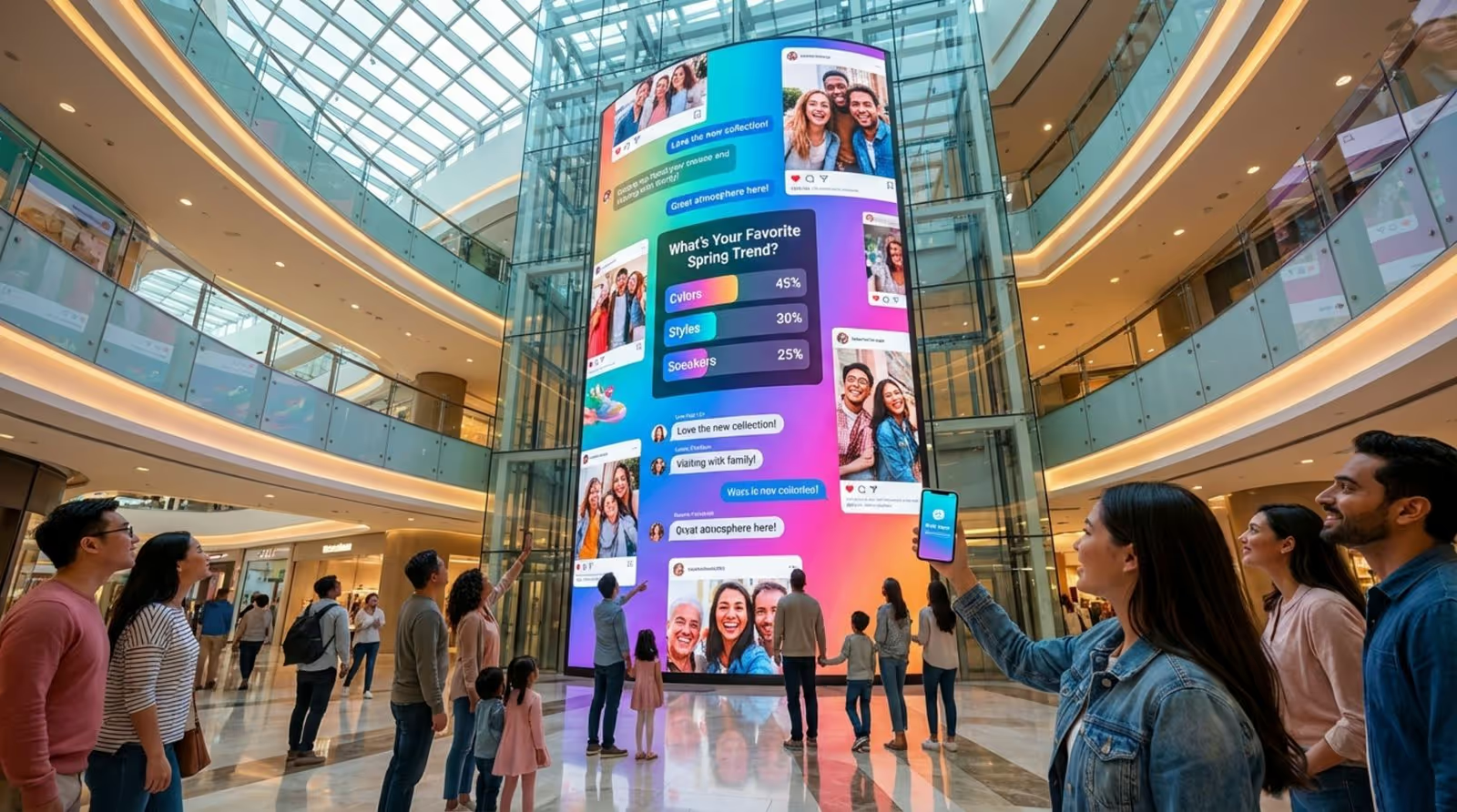
Social Wall Digital Signage vs. Traditional Digital Signage
Digital signage has existed for years, starting with simple electronic boards that showed things like store specials or the time and temperature. Airport flight boards are a classic example, sharing arrival and departure information for decades. Over time, better screens and projectors made these displays more advanced and eye-catching. Still, traditional digital signage usually works in one direction only: it shows content to people but doesn’t let them influence what appears.
Social wall digital signage builds on this idea and adds real interaction and live social engagement. While traditional digital signage may run pre-set ads or information loops, a social wall pulls in live posts from social media, user submissions, and other interactive elements. This key difference turns a screen from a digital poster into a shared conversation space. The display reacts to what people share, making viewers feel like active contributors instead of passive onlookers and helping create a sense of community.
How Real-Time Content Display Drives Audience Engagement
The real strength of social wall digital signage comes from its ability to show content in real time. In a time when people expect instant updates, they want information and interaction right now, not later. When social media posts, live polls, or user content appear immediately on a large screen, it creates a strong feeling of excitement and “being in the moment.” This live element is a major driver of engagement and makes people feel closer to both the event and the brand.
Think about how it feels to see your own post with an event hashtag pop up on a big screen seconds after you share it. That quick recognition motivates others to join in, starting a chain reaction of participation. This steady flow of real content, which requires little effort from the brand, strengthens the brand’s presence on social networks and makes customer posts feel more real and trustworthy. Audience activity feeds the wall, and the wall encourages more activity in return. This ongoing exchange is what makes social wall digital signage so effective at capturing and holding attention.
Key Features of Social Wall Digital Signage Systems
Social wall digital signage systems are advanced tools that connect online conversation with physical screens. They include features for collecting content, checking it, and presenting it in a lively way while protecting brand reputation and user privacy. These features are carefully put together to increase engagement and build a truly interactive experience.
Integration with Multiple Social Media Platforms
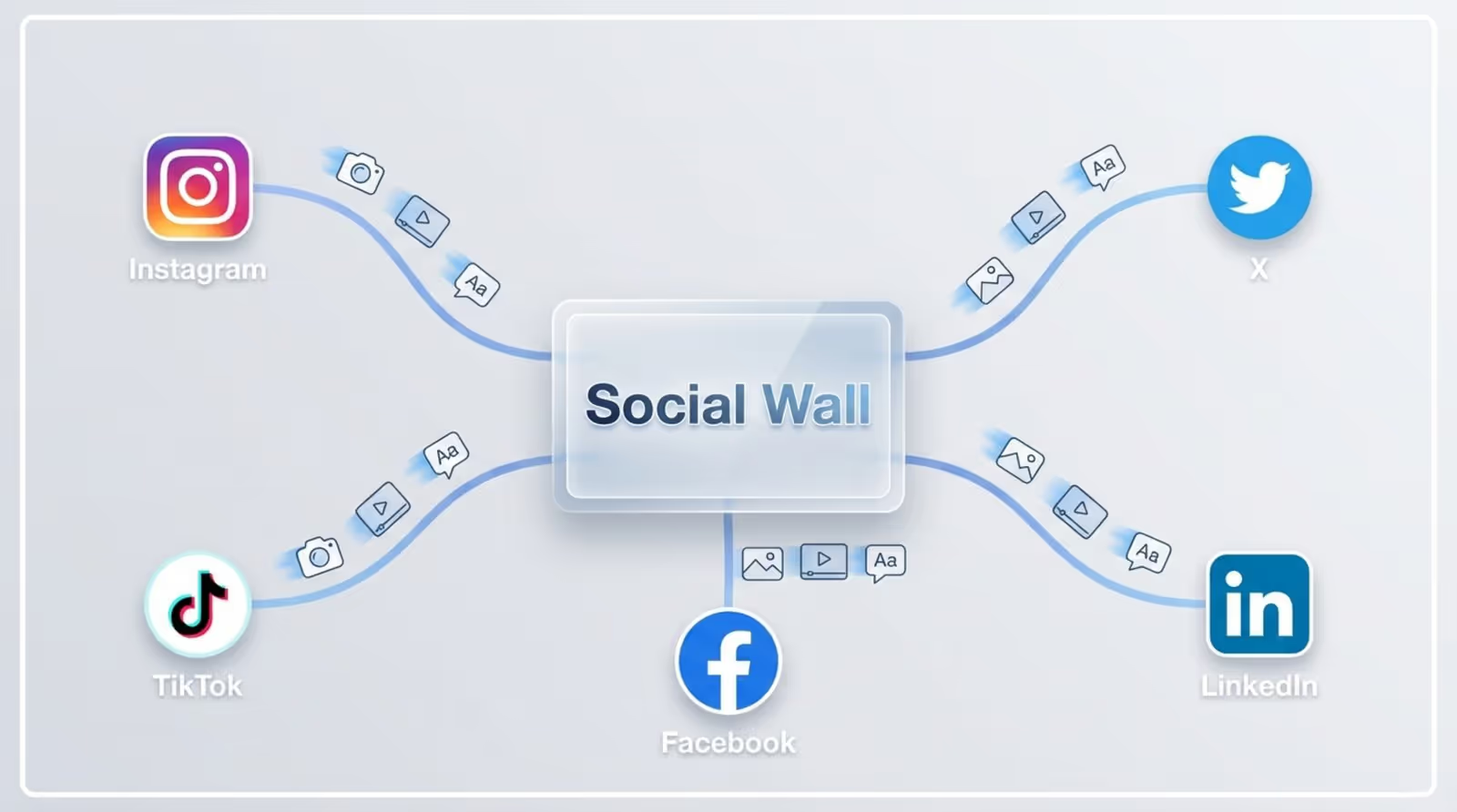
The main strength of a social wall system is its ability to connect to many social media platforms at once. Tools like Look Digital Signage, for example, can pull content from X (formerly Twitter), Instagram, and Facebook. Brands can collect posts based on hashtags, keywords, user profiles, or pages, gathering a wide range of relevant content.
This broad integration helps reach different types of people, since various age groups and interests lean toward different networks. By covering many platforms, social wall digital signage can include as many voices as possible and show a more complete picture of audience opinion and activity. It also gives marketers a better view of how far their campaigns spread across social media.
User-Generated Content Aggregation and Moderation
One of the strongest features of social wall digital signage is its ability to gather user-generated content (UGC). This includes photos, videos, comments, and testimonials that customers or participants share. Showing UGC is a genuine way to build trust and community, because it highlights real people and their true experiences. Platforms like Walls.io make it simple to collect such content via hashtags, direct posts, and branded photo booths.
However, with UGC comes the need for strong content control. To keep screens friendly and on-brand, social wall tools use AI-based filters to block harmful, offensive, or off-topic content. This keeps the display in line with brand values and helps avoid legal or image problems. At the same time, manual moderation options let admins approve, pin, or remove specific posts. This mix of automatic and manual control lets brands enjoy the benefits of authentic content while still protecting their reputation.
Live Polls, Surveys, and Interactive Widgets
Beyond simple social feeds, many social wall systems offer live polls, surveys, Q&A modules, and other widgets. These elements turn screens into touchpoints where people can interact instead of just watch. For example, you might run a poll on X or Instagram Posts and show the live results on a big display, or collect audience questions during a panel and show them as they come in.
These tools make content more engaging and help people feel directly involved. They can start conversations, gather instant feedback, and even create game-like experiences. Walls.io’s Live Polls feature, for instance, encourages people to respond in real time. This type of interaction increases the amount of time people spend watching the display and leaves a stronger memory of the brand or event.
Custom Design and Branding Options
To fit smoothly into different spaces, social wall digital signage platforms offer many layout and branding options. Users can adjust colors, fonts, and layouts in simple design editors to match company branding. This way, the social wall supports both communication and visual identity.
Custom design helps create a unified look across all touchpoints. Whether it’s a trade show, a retail shop, or a hotel lobby, a branded social wall acts like a natural part of the brand environment. It strengthens professional appearance and makes the display feel intentional instead of generic.
Accessibility and Privacy Controls
Today, accessibility and privacy are key concerns for any digital solution. Good social wall providers focus heavily on both. For example, Walls.io offers high-contrast modes, support for screen readers, and keyboard navigation so that people with visual or motor impairments can use and enjoy the content.
Privacy and data protection also play a major role. Admins can control who can see or post on the wall, including setting passwords for private events or internal use. Compliance with rules like GDPR and CCPA is taken seriously so that personal data is handled correctly and stored safely. This focus on inclusion and data protection helps build trust and makes interaction feel safe and respectful.
How Social Wall Digital Signage Improves Dynamic Interaction
The main value of social wall digital signage is its ability to make interaction more active and lively. It turns simple screen viewing into a two-way exchange between brands and audiences. Instead of just broadcasting messages, it creates a shared space where contributions are welcomed and highlighted.
Boosting Real-Time Engagement Using Hashtags and Campaigns
Hashtags are a key driver of social media activity, and social walls can multiply their impact. Showing a campaign hashtag clearly on screens encourages people to use it in their posts. This connects what happens online with what people see in a physical space, enabling real-time participation.
During events or promotions, displaying a campaign hashtag can build urgency and excitement. Brands might offer rewards for posts using the hashtag or highlight the best ones on the big screen. This ongoing loop-post, display, respond-makes people feel noticed and appreciated.
Leveraging User-Generated Content for Authenticity
User-generated content is one of the strongest ways to show authenticity. When people see their own photos, videos, or reviews on a social wall, it confirms that their voices matter and that the brand values them. This kind of social proof often works better than standard ads, because it comes from real customers instead of the brand itself.
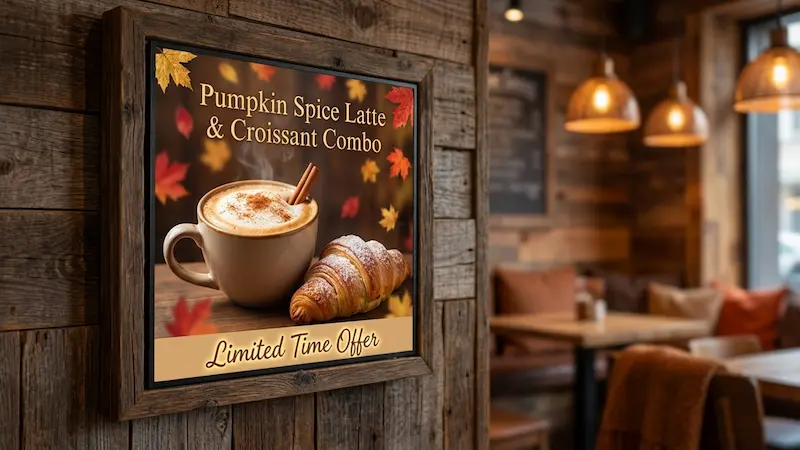
Displaying UGC builds trust and a sense of belonging. It pushes more people to share their experiences, knowing they might be featured. A café might show customer Instagram shots of favorite drinks, or a salon could display before-and-after photos and online reviews. These examples build credibility and keep the screen full of fresh, real content without constant manual updates.

Creating Gamified and Interactive Experiences
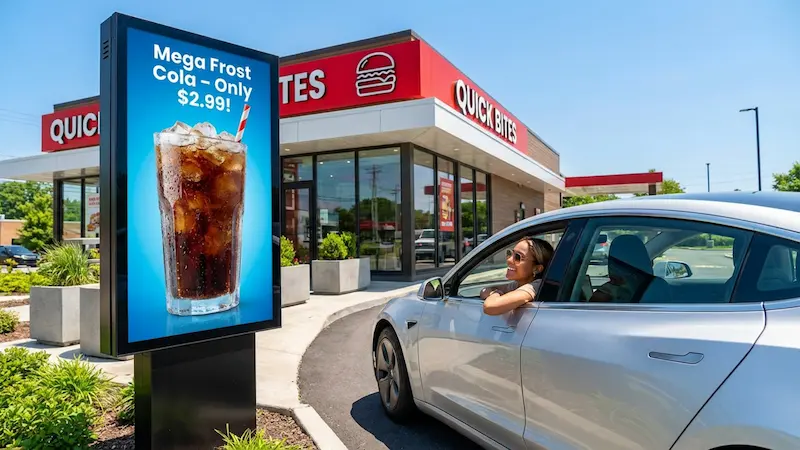
Social wall digital signage can also support game-like experiences that keep people interested. Touchscreens, mini-games, polls, and quizzes give people a reason to interact directly with the display. A fashion store, for example, might run style quizzes on an in-store screen, while a quick-service restaurant might offer a short game to entertain people while they wait.
These activities can be tied to rewards such as coupons, loyalty points, or special offers, linking fun interaction to clear benefits. At events, live polls or Q&A sessions, where attendee questions are shown and answered on stage, encourage deeper involvement. This shift from simply watching to doing is a key part of what makes social wall digital signage so engaging.
Top Use Cases for Social Wall Digital Signage
Social wall digital signage works well in many different industries and spaces. Its power lies in blending online activity with physical locations, making communication more engaging and visible. From busy stores to office buildings, it helps create stronger connections and more meaningful interaction.
Retail Environments
In retail, social walls are changing how people shop. They bring the brand’s online presence into the store, making visits feel connected to what customers see on their phones. Displays can show live social feeds promoting sales, new releases, or customer photos using the products. A shoe brand, for instance, might feature customer-designed shoes posted on Instagram or X, giving others ideas and boosting custom orders.
Live customer posts and reviews provide instant social proof and can increase trust. Stores can invite people to share posts with a specific hashtag, turning shoppers into promoters. Interactive tools like virtual try-ons, product finders, or in-store QR codes give customers more ways to explore items and make decisions-similar to IKEA’s use of AR to preview furniture in a home.
Corporate Offices and Internal Communications
Social wall digital signage also works well inside companies for internal communication. It can display company news, project updates, performance dashboards, and shout-outs to teams and individuals. Walls.io, for example, can feed directly into office displays to keep employees informed and involved.
This sort of internal social wall supports a healthy company culture by making information open and highlighting achievements. It can announce milestones, celebrate new hires, and run internal surveys. As a result, communication becomes more visible and engaging, and teams spend less time on repeated emails and manual updates.
Events, Conferences, and Trade Shows
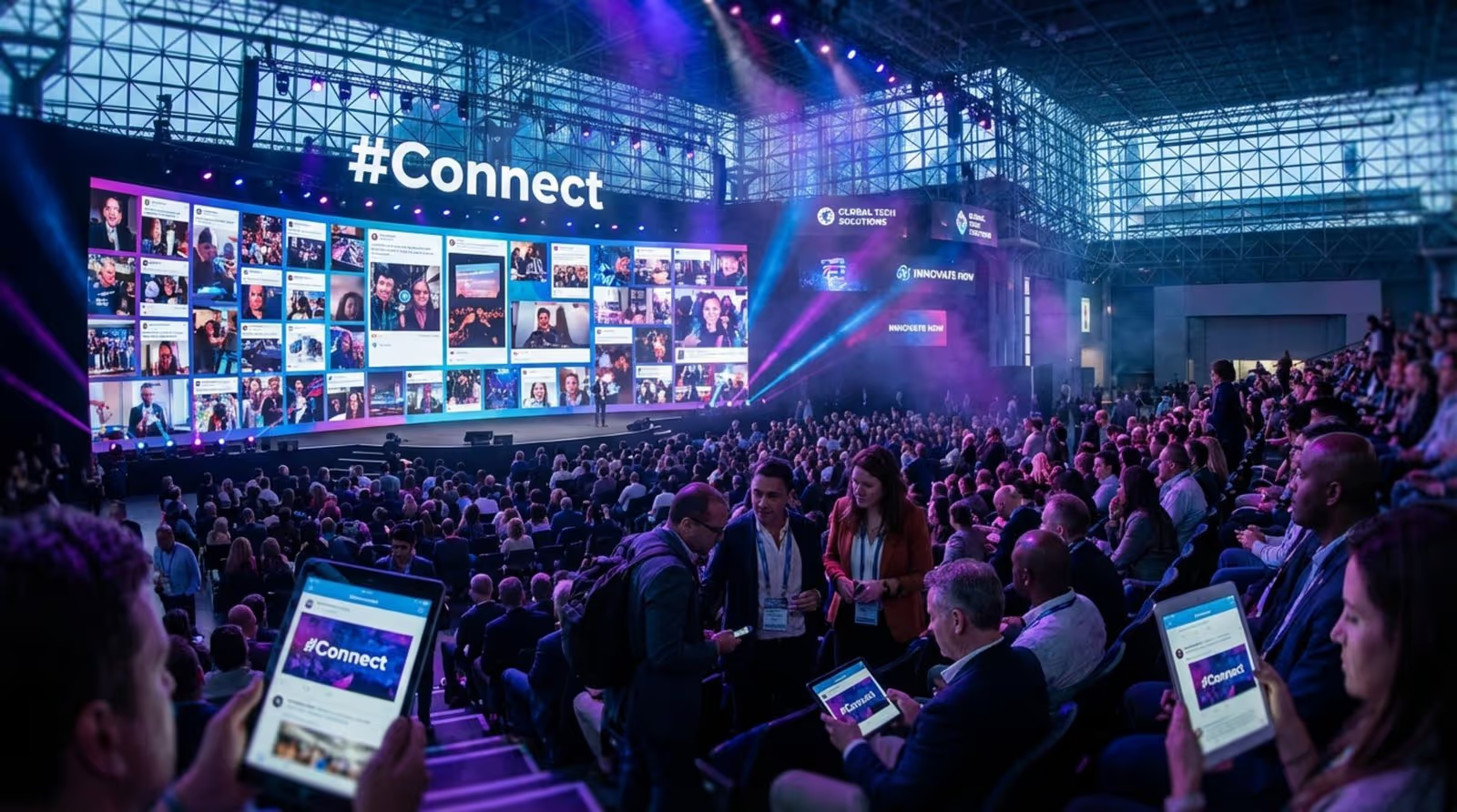
At events, conferences, and trade shows, social walls are powerful tools to raise participation. Organizers can show posts from attendees in real time, building buzz and increasing the event’s visibility online. Solutions like 6Connex and Walls.io help create engaging event experiences that encourage posting and sharing.
Social walls at events can power live polls, Q&A sessions, or photo contests where people submit pictures tied to the event theme. This encourages more posting and interaction and adds an element of fun. After the event, content from the social wall can be turned into highlight videos or public thank-you posts, extending the life of the event. Because social walls show text, photos, and videos, they hold interest for many types of users.
Education, Hospitality, and Healthcare Settings
Social wall digital signage also fits well in education, hospitality, and healthcare. In schools and universities, it can display campus news, class updates, and event highlights. During graduation, a social wall can show messages and photos from students, families, and faculty, helping create a shared celebration.
In hotels and resorts, social walls can inform and entertain guests by promoting on-site facilities, activities, and special offers, as well as featuring guest posts. L'Occitane’s experiential store in New York, for example, shows a live Instagram feed, blending online and in-store experiences.
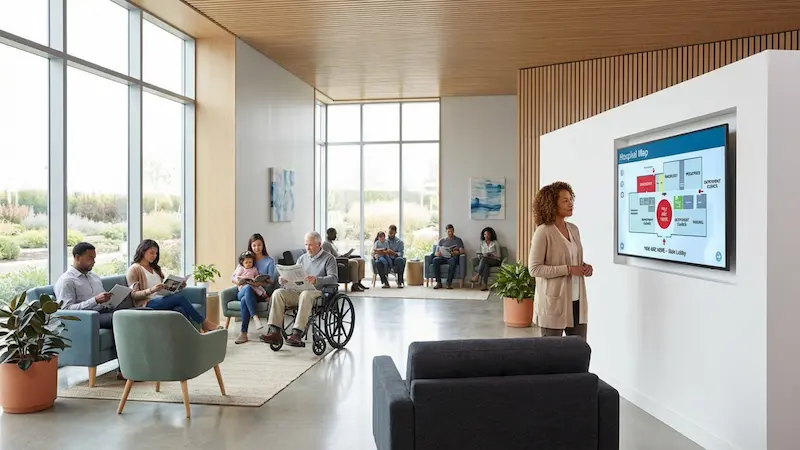
In hospitals and clinics, interactive displays can support self check-in, show wait times, and share health advice or wellness reminders. This can reduce stress, improve communication, and support smoother operations. Because social walls are flexible, they can be adapted to almost any setting that wants better engagement and clearer communication.
Measuring Success: Metrics and ROI for Social Wall Digital Signage
Social wall digital signage is an investment, so it’s important to track how well it works and what return it brings. Clear metrics help you improve your approach and make the case for continued use or expansion.
Engagement Rates and Content Reach
Engagement is one of the main signs of success. You can track the number of posts using your hashtag, interactions with polls and surveys, and overall mentions tied to your display. Social media analytics tools help measure likes, comments, shares, and new followers that are related to your campaign or event.
Reach is another key metric. It reflects how many people see or interact with the content from your social wall, both in person and on social platforms. Tracking how far your content spreads and how often it is shared gives insight into brand exposure and audience interest. The wider the spread, the more effective the social wall is at building awareness and community.
Impact on Brand Awareness and Sales
Many organizations want engagement to turn into business results like better brand recognition and higher sales. Social walls help by linking online content with physical locations, making the brand more visible and easy to remember. A gym, for instance, could display member success stories and workout tips from social media, drawing attention from both current and potential members.
To connect social wall activity to sales, you can track product performance during and after campaigns that use digital signage. Retailers might compare sales of items shown on the social wall against those that aren’t, or measure changes in store traffic and customer questions. While it can be hard to prove a direct one-to-one link, noticeable jumps in interest or revenue during campaigns-like Nike’s displays of customer-designed shoes driving custom orders-can show that the social wall is having a real business effect.
Real-Time Analytics and Feedback Collection
Many modern social wall systems provide live analytics. A cloud-based digital signage CMS, for example, can track what people interact with and then switch to showing more popular products or posts. This kind of live adjustment helps keep content relevant and effective.
Direct feedback from customers and attendees supports these numbers. Brand teams can ask for opinions through quick surveys, informal chats, or by encouraging people to share feedback posts that the wall then displays. This mix of data and real comments helps teams better understand what their audiences like and what should change in future campaigns.
Challenges and Best Practices for Implementing Social Wall Digital Signage
While social wall digital signage brings many benefits, there are also challenges to handle. Planning ahead and following best practices can help you get the most value while reducing risks.
Content Moderation and Security Risks
A major challenge, especially when including UGC, is content control. Inappropriate, offensive, or unrelated posts showing up on public screens can hurt brand image, create legal issues, and upset viewers. Strong moderation systems are needed so that only suitable content appears.
Good practice includes using AI filters to catch obvious problem content and have staff ready to review posts for live events or busy times. Tools like Walls.io offer both options to keep displays clean and aligned with brand rules. On top of that, interactive screens that collect user data must protect that data carefully. Following privacy laws such as GDPR and CCPA and using secure systems helps avoid breaches and protects user trust.
Ensuring Accessibility for All Audiences
To reach everyone, social wall content must be accessible. That means making sure that text is clear, large enough to read, and shown with enough contrast. Support for screen readers, keyboard control, and other assistive tools allows people with different abilities to interact with the content.
Physical setup matters too. Interactive displays should be placed at heights that work for wheelchair users and others, and information should be available in more than one form (visual, audio, etc.) where possible. Meeting accessibility standards supports legal compliance and shows that the brand respects and includes all members of its community.
Keeping Content Fresh and Relevant
Any digital display can quickly lose impact if it shows old or repetitive content. While social walls naturally bring in fresh posts, they still need active management. Without it, interest can drop, and screens can feel like background noise.
Best practice is to keep campaigns active, promote specific hashtags, and encourage people to keep sharing. Mix different types of content-text, images, stories, videos, live feeds-to avoid repetition. Align your social wall plan with your current marketing calendar so that what appears on the screen matches ongoing promotions, seasons, and events.
Selecting Compatible Hardware and Software
Technical setup is another important area. You need screens, media players, and software that work well together and fit your budget and technical skills. Poor connections, outdated devices, or unstable software can break the flow of interaction and cancel out the benefits of a social wall.
It helps to choose solutions that can grow with you. Scalable hardware and flexible software let you add more screens or features later. Reliable media players, such as CrownTV’s offline player, keep content running smoothly even if the network goes down. Platforms that connect easily to common digital signage systems-like Walls.io working with ScreenCloud, Yodeck, or BrightSign-simplify rollout and long-term use. Careful testing before going live is important to catch and fix issues early.
Actionable Recommendations for Maximizing Dynamic Interaction with Social Wall Digital Signage
To get real value from social wall digital signage, you need a clear plan. Simply showing social posts is not enough. The goal is to build an ongoing cycle of interaction that keeps drawing people in and supports your wider communication goals.
Best Practices for Content Strategy
A strong content strategy is the base of an effective social wall. Start by matching your content to the platforms your audience uses most. For fashion, travel, or food brands, Instagram and TikTok are great for visuals. For real-time updates and trends, X works well. For community updates and longer posts, Facebook may be better, while LinkedIn suits professional and B2B messages.
Focus on high-quality, engaging content: clear images, bright colors, short headlines, and simple calls to action. Try to tell short stories rather than just show single posts. Keep your wall active with regular updates and live elements like real-time event coverage or live Stories. Mix formats-posts, photos, videos, and interactive modules-to hold attention and meet different preferences.
Encouraging Ongoing Audience Participation
For a social wall to stay lively, people need to keep contributing. Make it obvious and easy for them. Show clear on-screen instructions or QR codes explaining which hashtag to use or where to upload content. Offer options for both social media users and those who prefer direct uploads.
Use contests, challenges, and giveaways to motivate participation. You might reward the best fan photo, the funniest caption, or random participants who use a campaign hashtag. Highlight user posts prominently on the wall and interact with them from your official accounts. When people see their content featured and acknowledged, they are more likely to return and invite others to join.
Integrating Social Walls into Broader Marketing Initiatives
Social walls work best when they are part of your full marketing mix. Align visuals, messages, and offers across your website, social channels, email campaigns, and physical screens. If you are running a big launch or seasonal sale, the social wall should reflect that same theme.
Promote your social wall online and offline. Use digital screens to push social campaigns, and use social posts to remind people to look for the displays in-store or at events. Use the same hashtags across channels to connect everything. Track metrics from both social media and your signage system to learn what content and timing perform best. Share this insight with marketing, sales, and event teams so they can plan campaigns that make full use of both digital signage and social media.
Future Trends in Social Wall Digital Signage and Audience Interaction
Digital signage and audience interaction are moving quickly with new technology. Social wall digital signage is already advanced, but new tools and methods will make experiences even more personal, responsive, and immersive in the coming years.
AI-Driven Personalization and Curation
Artificial intelligence will have a strong influence on how social walls work. LED displays could move from showing the same content to everyone to offering content that matches who is nearby. AI might use anonymous data patterns to guess what types of posts or offers people are likely to care about, adjusting the display on the fly.
AI will also help pick the best content to show at any moment. Beyond blocking bad content, it can learn which posts get the most reactions and adjust the mix of content automatically. Over time, this leads to social walls that “learn” what works and constantly refine the experience without a lot of manual effort.
Advanced Interactivity: AR, QR Codes, and Beyond
Interactivity will keep expanding with technologies like augmented reality and better QR code use. AR can overlay digital content on the real world, letting people see extra product information, animations, or 3D objects when they point their phones at a screen or sign. In stores, this could mean trying on clothes virtually or seeing a 3D model of a product in front of you.
QR codes will remain a simple but powerful link from physical displays to mobile devices, giving quick access to landing pages, surveys, games, or upload forms. Gesture control and contactless interaction will also grow, allowing people to wave or move to control elements on a screen. Museums, for example, already use gesture-based displays to let visitors “flip” pages of virtual books or zoom into images without touching anything.
Expanding Beyond Social Media: Direct Uploads and Diverse Content Sources
While social networks will remain key content sources, social walls will increasingly pull in content from many other places. Direct upload features will become smoother, so people can share photos, videos, and messages even if they don’t use social media. Platforms like Walls.io already support such uploads, and this will continue to improve.
Future social walls may combine social posts with news feeds, internal company content, live data dashboards, weather, traffic, and more. The aim is to build a rich, single view that brings together the most useful, timely information for a given place or audience. Combined with technologies like AI, AR, and face- or pattern-based recognition (used in a privacy-respecting way), interactive LED displays can act as intelligent hubs that deliver focused, engaging, and memorable experiences for everyone who passes by.