How digital signage works

Take a few steps to get your content onto the screens in your museum with digital signage software for the entertainment industry to enhance the visitor experience at your exhibitions.
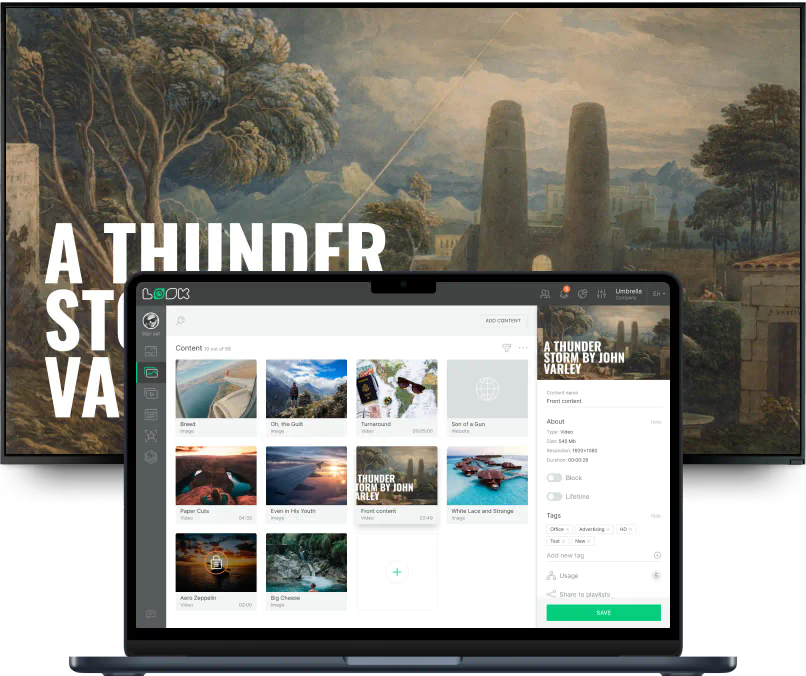
  • Content

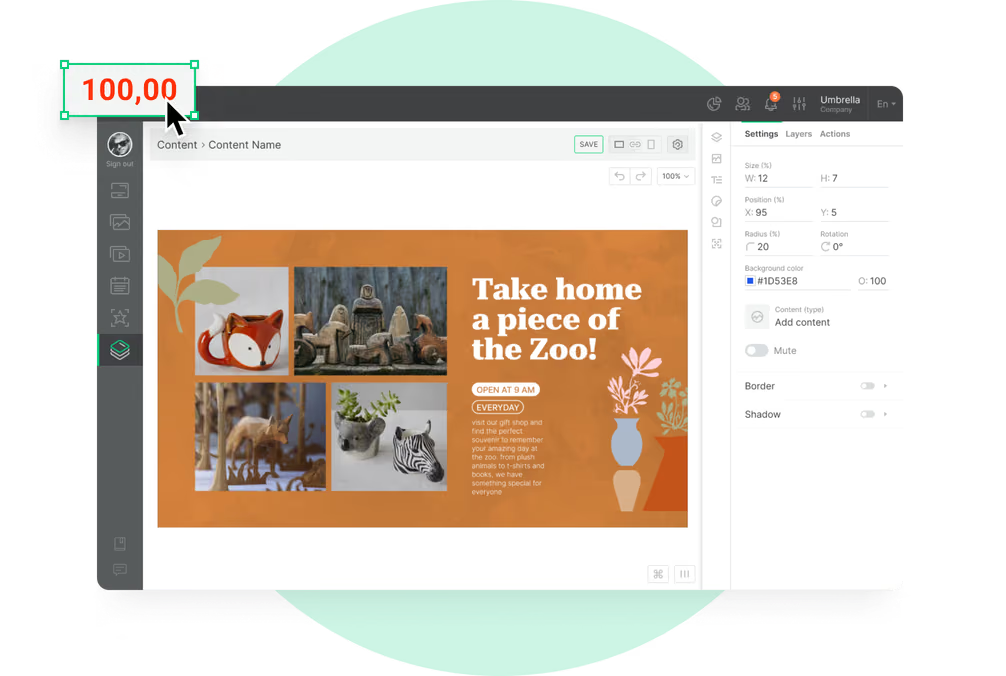
    Create content

    Log in to Look CMS, select the appropriate layout templates, or upload your own content items
  • Schedule

    Playlist and schedule

    Create a playlist and schedule it according to events’ schedule and screen locations
  • Playlists

    Start playing

    Send your content to screens for instant playback throughout your museum
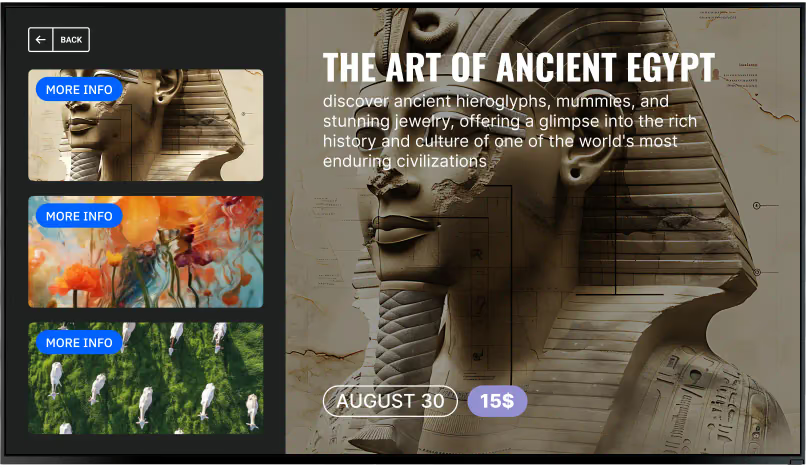
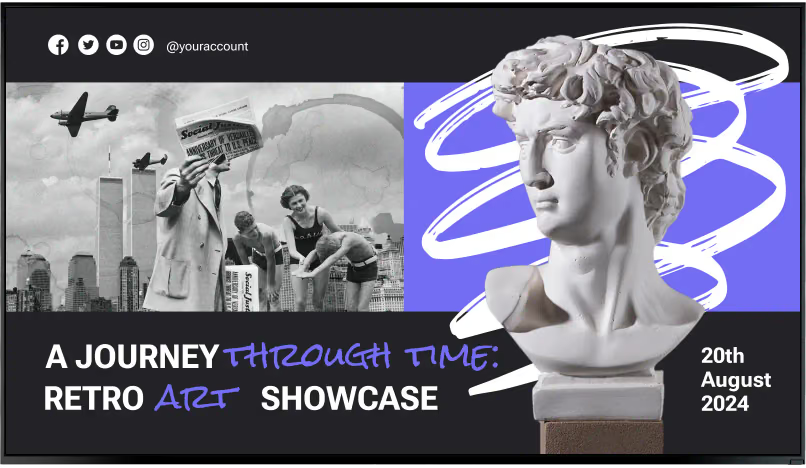
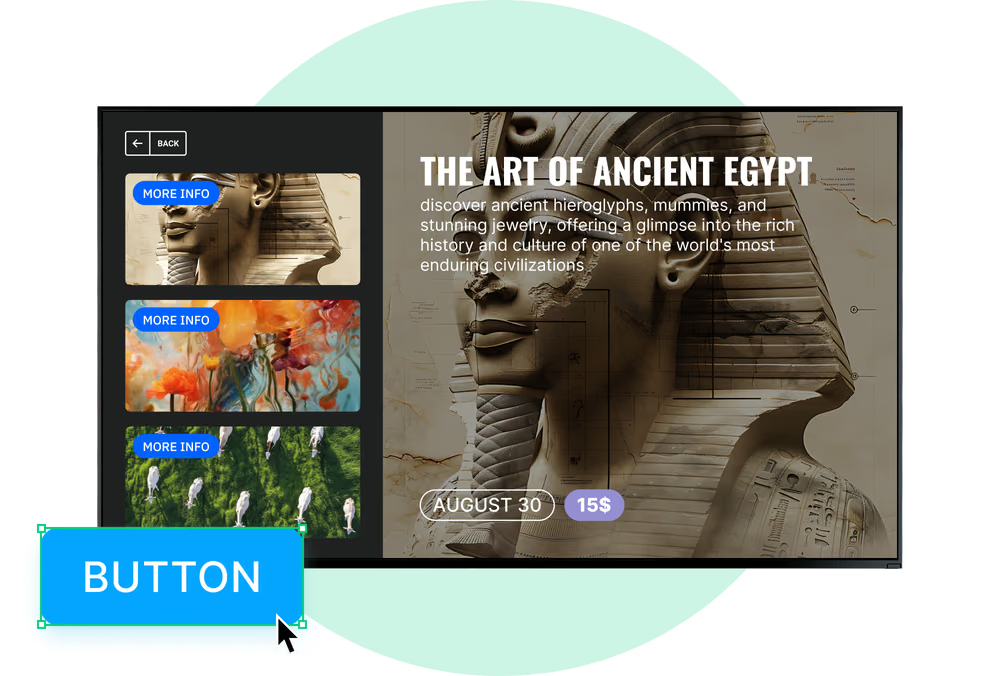
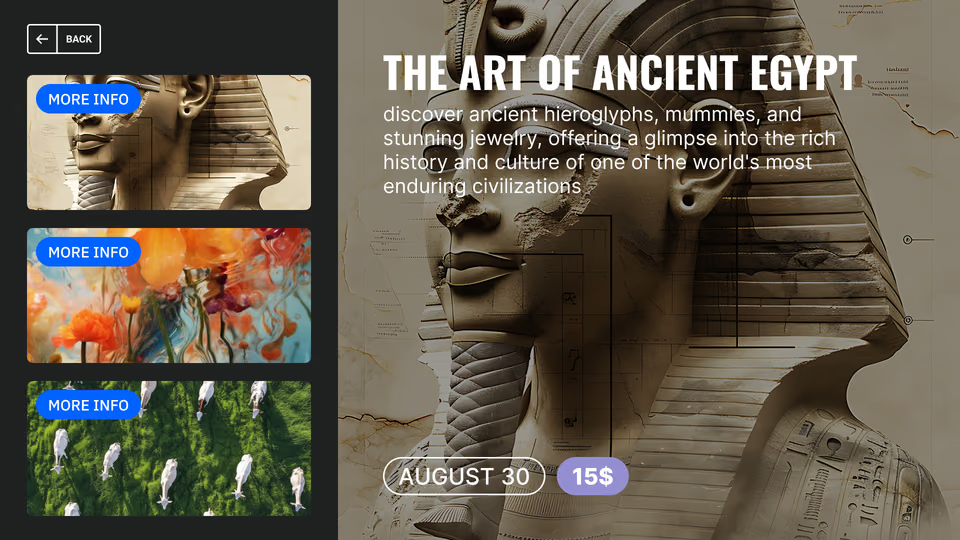
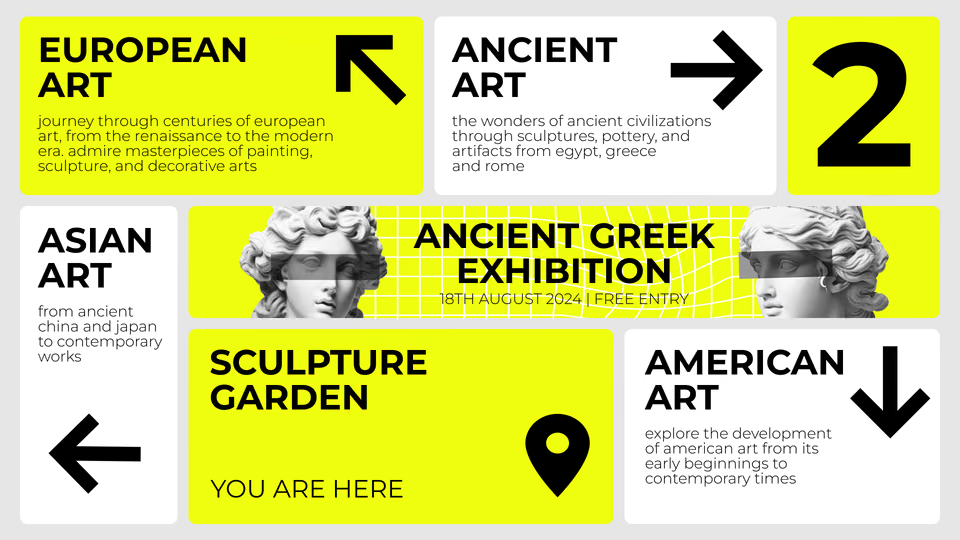
Digital Signage for Museums, interactive caseDigital Signage for Museums, exhibition announceDigital Signage for Museums

Free digital signage templates
for museums

Looking to get started? Utilize pre-designed custom digital signage templates tailored for museums and exhibitions. Customize them to suit your venue's identity and elevate the visitor experience with engaging displays.
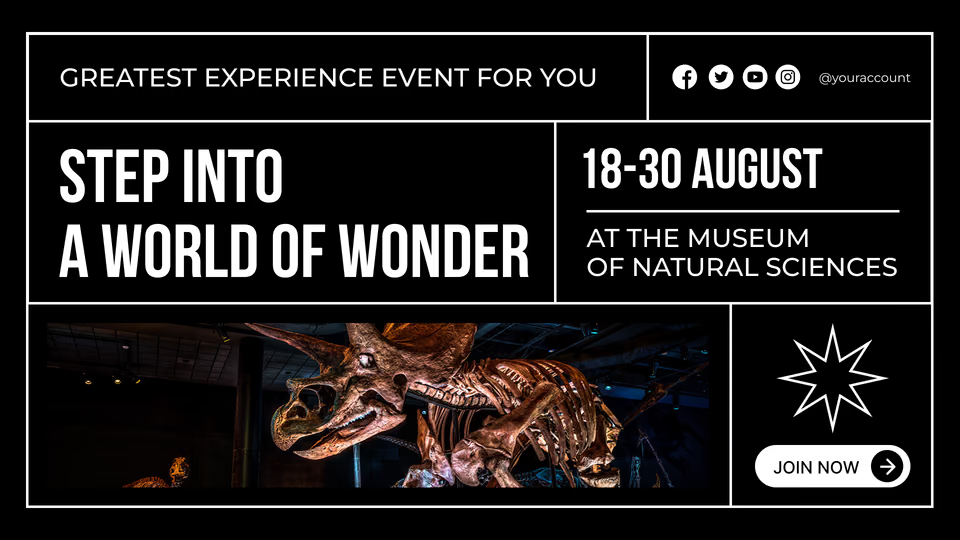
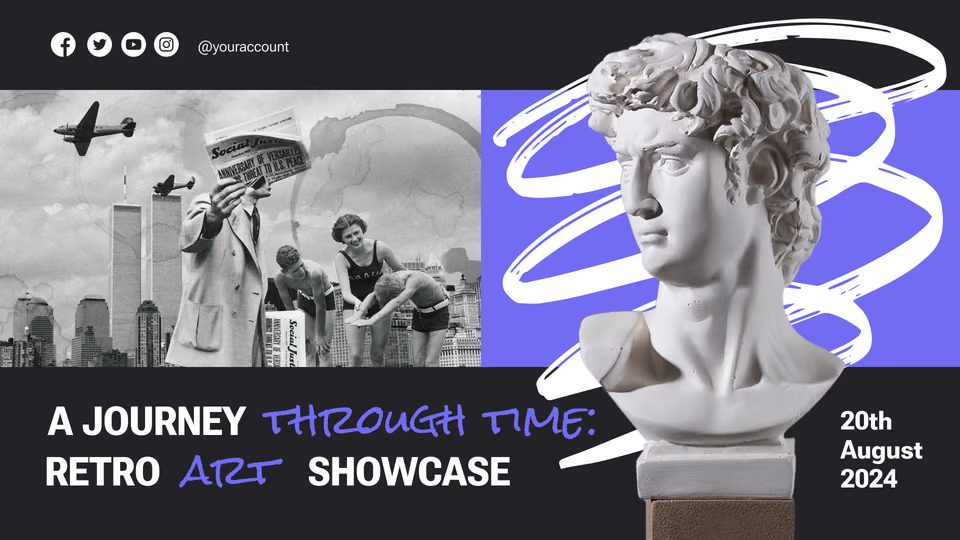
Digital Signage for Entertainment, templatesDigital Signage for Entertainment, templatesDigital Signage for Museums, tickets

How to turn your TV into a digital signage screen

Look service works seamlessly on any hardware, whether you're planning to purchase or already use it
Or

Install FREE Look App

Transform any TV or compatible device into digital signage by installing the free Look app.
WindowsAmazon Signage
Androidgoogle-tvLinuxOS Fire Amazon
macOSWebOSOS Tizen OS Raspberry Pi
Supported Operating Systems

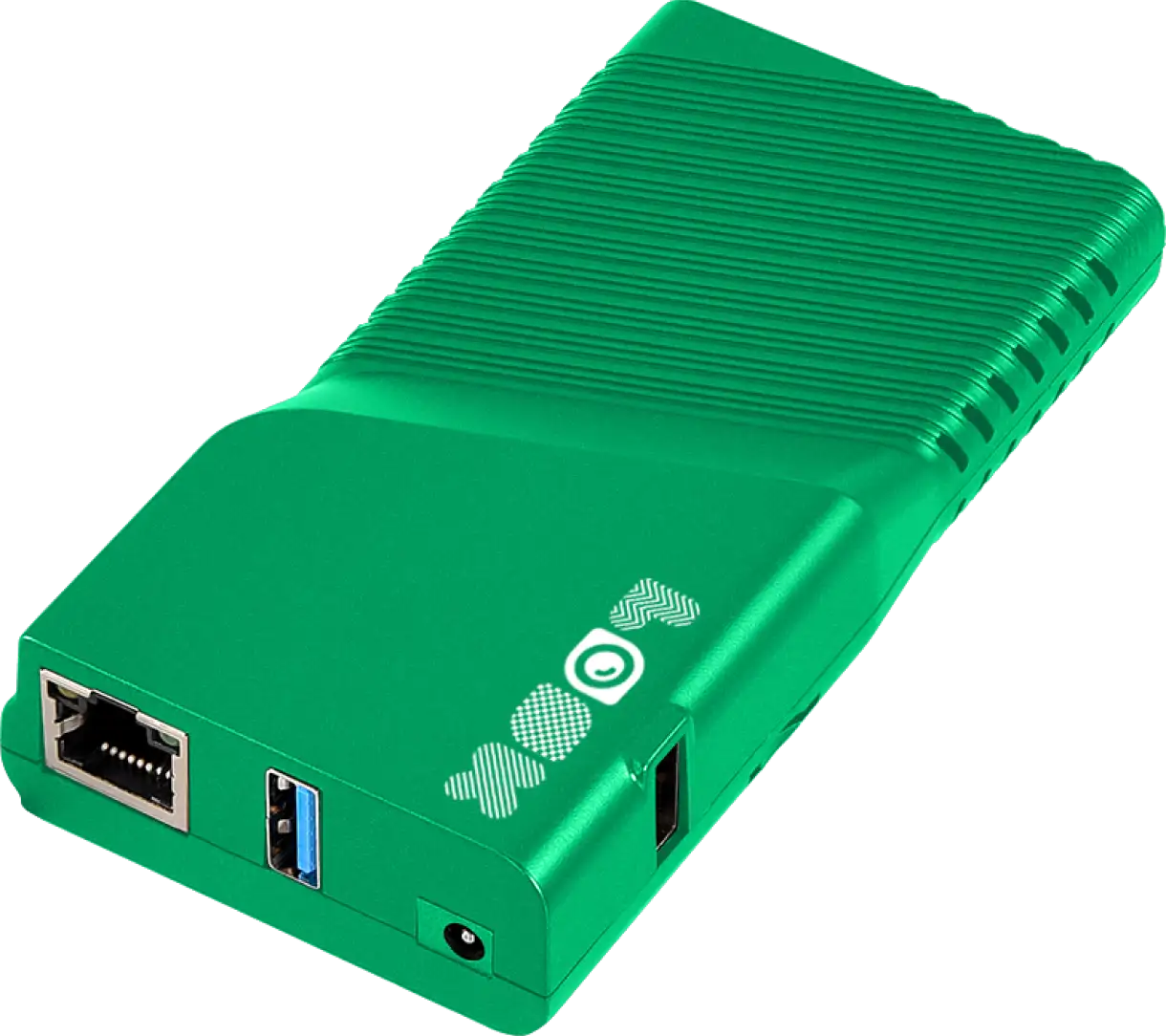
Plug Look HDMI Player

Connect the Plug & Play Look Player to your display’s HDMI input for instant setup. Worldwide shipping.
Buy nowLook HDMI Player

Success stories

Hear from our delighted customers! Check out their inspiring quotes about how our service has transformed their digital signage implementations.
Captera Rating
4.9
G2 Rating
5
60 000+
Screens
11 000+
Users
120+
Countries

Look’s built-in digital signage apps

InstagramTwitterFly ScheduleFacebookDigital Signage for Museums, applications

Frequently asked questions

What can museums use digital signage for?

The list is long: exhibit labels, welcome screens, wayfinding, event promotion, interactive kiosks, video walls, shop messaging and general visitor information. London's Science Museum, for example, runs 42 touchscreen kiosks covering galleries, exhibits and facilities. What matters at the planning stage is that a single screen network handles both the practical questions visitors ask at the door and the interpretation they came for.

Can digital signage replace printed exhibit labels?

It can do both: replace them outright, or sit alongside them and carry what print cannot. Video, audio, longer text, a second reading of the same object. At the Victoria and Albert Museum, the British Galleries have used 20 video kiosks and 40 interactive kiosks to explain objects and the techniques behind them. There is a practical argument too. A digital label is corrected in minutes when a description, a translation or an exhibition detail turns out to be wrong.

How quickly can museums update exhibit information?

Museums can update digital exhibit information without reprinting or physically replacing a sign. Look’s existing workflow is built around 3 steps: create content, add it to a playlist and schedule, then publish it to the selected screens. That makes last-minute corrections, new object information, changed opening hours, or temporary gallery notices much easier to handle.

How does digital signage improve museum wayfinding?

Digital signage improves museum wayfinding with floor maps, “you are here” markers, gallery directories, suggested routes, and up-to-date information about closures. The Asian Art Museum in San Francisco connected touchscreen wayfinding with its mobile experience so visitors could continue directions on their phones. Digital maps are particularly useful when temporary exhibitions or gallery access change frequently.

Can museum digital signage support multiple languages?

One screen can carry the same visitor information in several languages, which removes the need for a separate printed panel per version. Louvre Abu Dhabi and the National Museum of Qatar have both built multilingual digital interpretation around their international audiences. In practice, you create language-specific content for exhibit screens, entrances and wayfinding points, then update every version from one place when the underlying information changes.

Does museum digital signage work with existing TVs and displays?

Usually you can. Compatible displays only need a signage app or a small media player, which costs a fraction of new hardware and helps a lot on phased projects, where two or three galleries go digital before the rest of the building follows. Look runs across mixed hardware, so an older screen and a new commercial panel can share one network. Buy the new panel for the spots that genuinely need it, such as a bright entrance hall or a screen that has to run twelve hours a day.

Can digital signage promote temporary exhibitions, tours, and events?

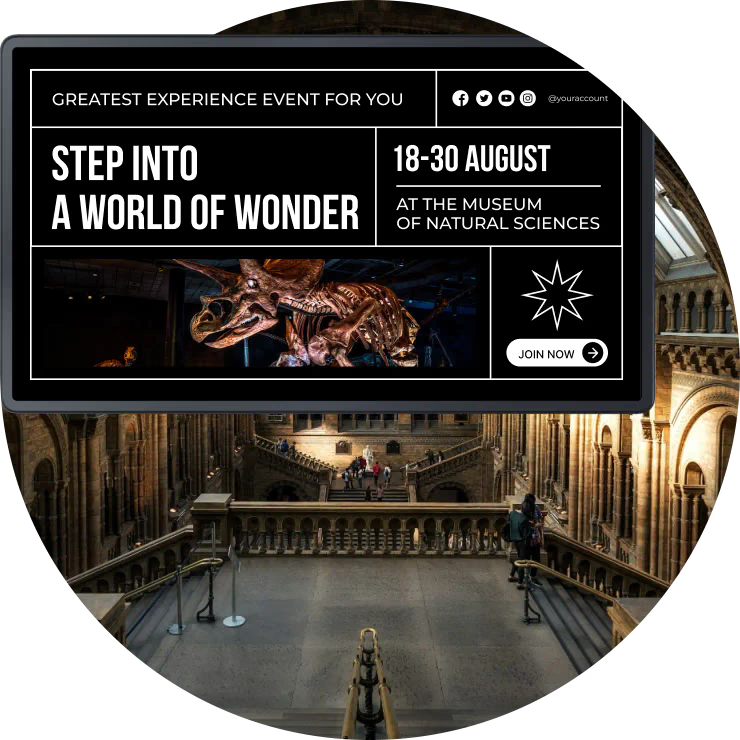
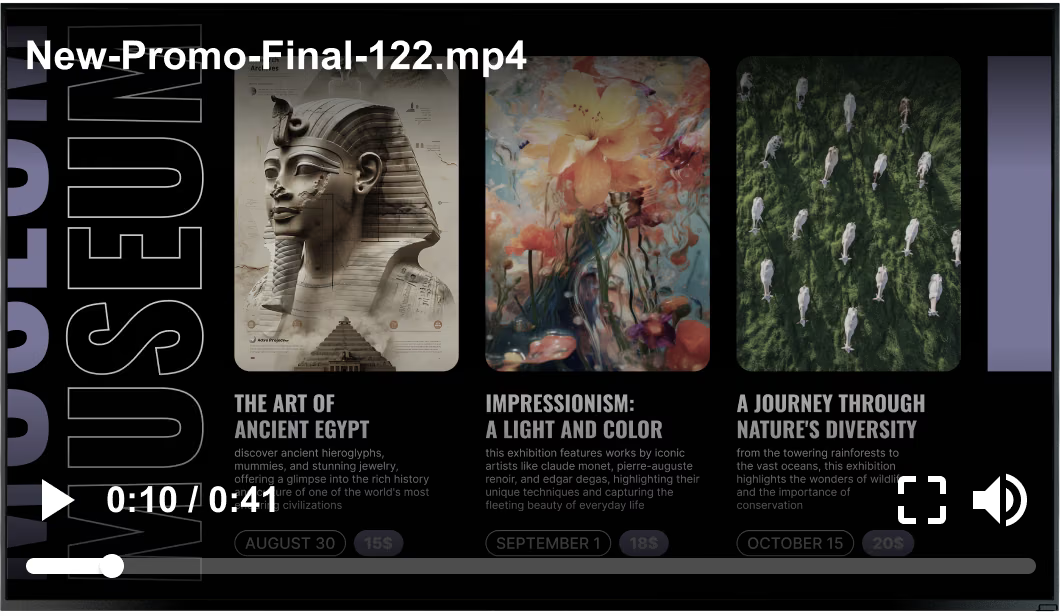
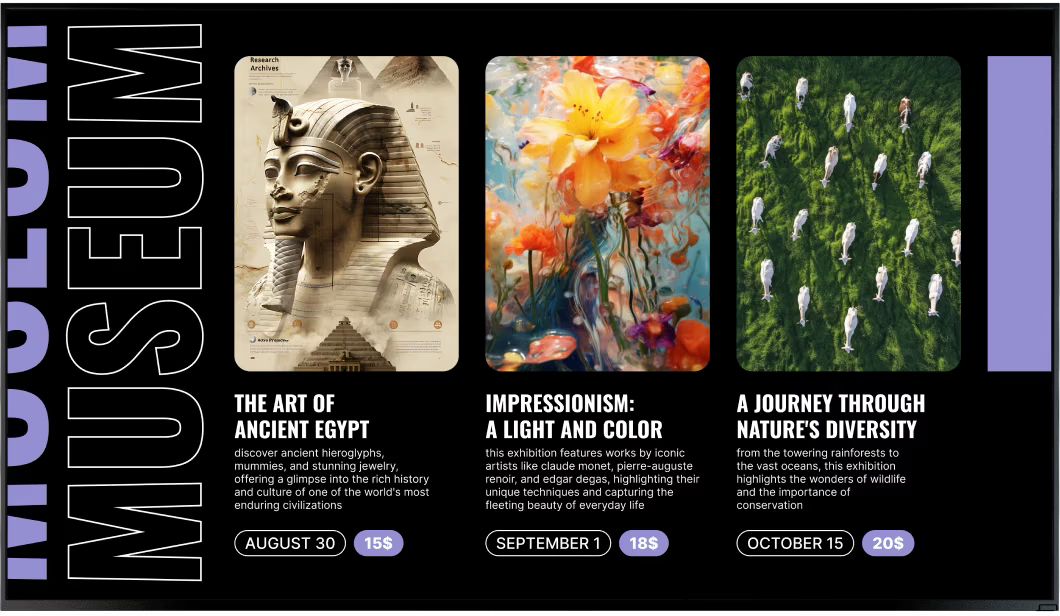
Yes, museums can schedule screens around temporary exhibitions, curator talks, workshops, guided tours, and daily programs. Content can appear only during a selected date or time window and then be replaced automatically when the event ends. Instead of changing posters throughout the building, teams can manage a changing program from the same system they already use for permanent screen content.

How can digital signage make a museum more accessible?

Digital signage can support more accessible museum experiences through captions, larger text, high contrast, audio description, and alternative ways to access information. WCAG 2.1 AA specifies a minimum contrast ratio of 4.5:1 for normal text and 3:1 for large text. Accessibility still depends on the content, interface, screen height, and installation, so it should be considered from the design stage.

Can digital signage reduce printing and signage costs?

It cuts repeated print runs, rush reprints and the staff hours spent swapping temporary signage. Anything that moves is where you feel it most, such as exhibition dates, ticket details, opening hours and visitor instructions. The second effect is easier to overlook. A screen bought once keeps working through exhibition after exhibition, while print means a new physical sign for every event, update and notice.

Can digital signage help manage visitor flow?

Yes, digital signage can help distribute visitors by showing routes, gallery status, capacity information, and alternative destinations. This is especially useful around popular temporary exhibitions and busy entrance areas where conditions can change during the day.

Can visitors interact with museum digital signage?

Yes, museum displays can become interactive through touchscreens, QR codes, maps, searchable collections, quizzes, surveys, and other visitor-controlled content. The Statue of Liberty Museum, opened in 2019, combines large-format screens with interactive displays for different levels of storytelling. For touchscreen projects, the exact setup depends on the display, media player, and interactive application being used.

Can museums use digital signage for video walls and immersive exhibits?

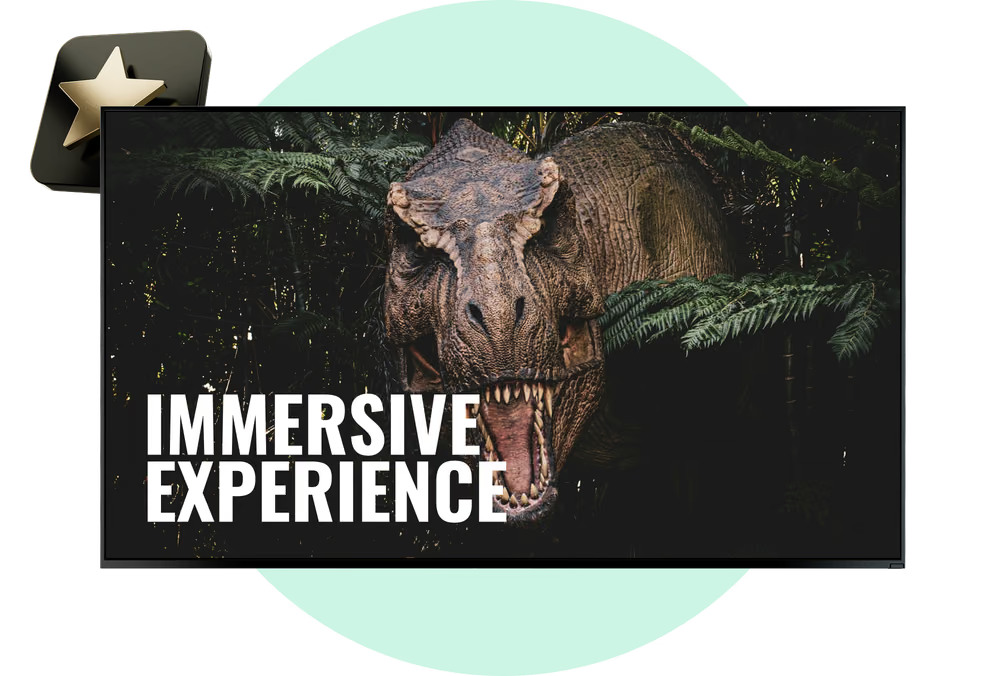
Video walls, large-format displays and fully immersive rooms run on the same platform as ordinary information screens. The Dallas World Aquarium, for instance, built a 25-by-52-foot LED wall for its rainforest environment. Museums use these formats for exhibition introductions, digital storytelling, artwork, atmospheric backdrops and donor recognition, with the media behind all of it managed through one signage system.

What type of display is best for a museum?

It comes down to viewing distance, lighting, screen size, placement and how many hours a day the display has to run. Commercial LCD panels handle gallery information and smaller digital labels well. LED takes over once you need one large seamless surface; the Dallas World Aquarium's 25-by-52-foot wall uses a 4 mm pixel pitch. And a bright atrium will ask for far more brightness than a gallery with controlled light.

Can museum screens be managed from one place?

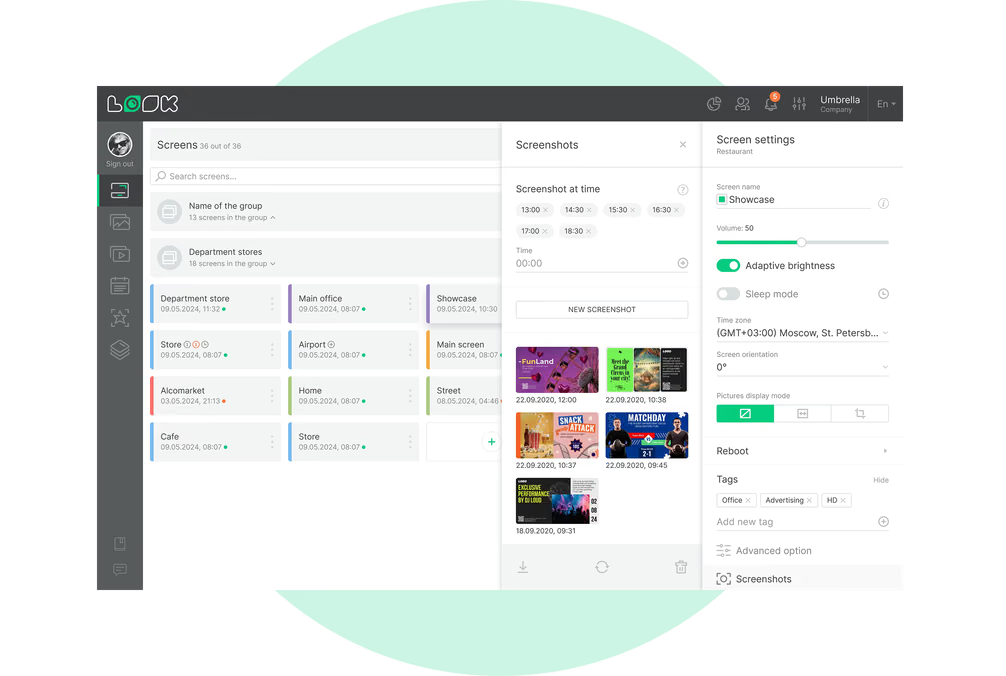
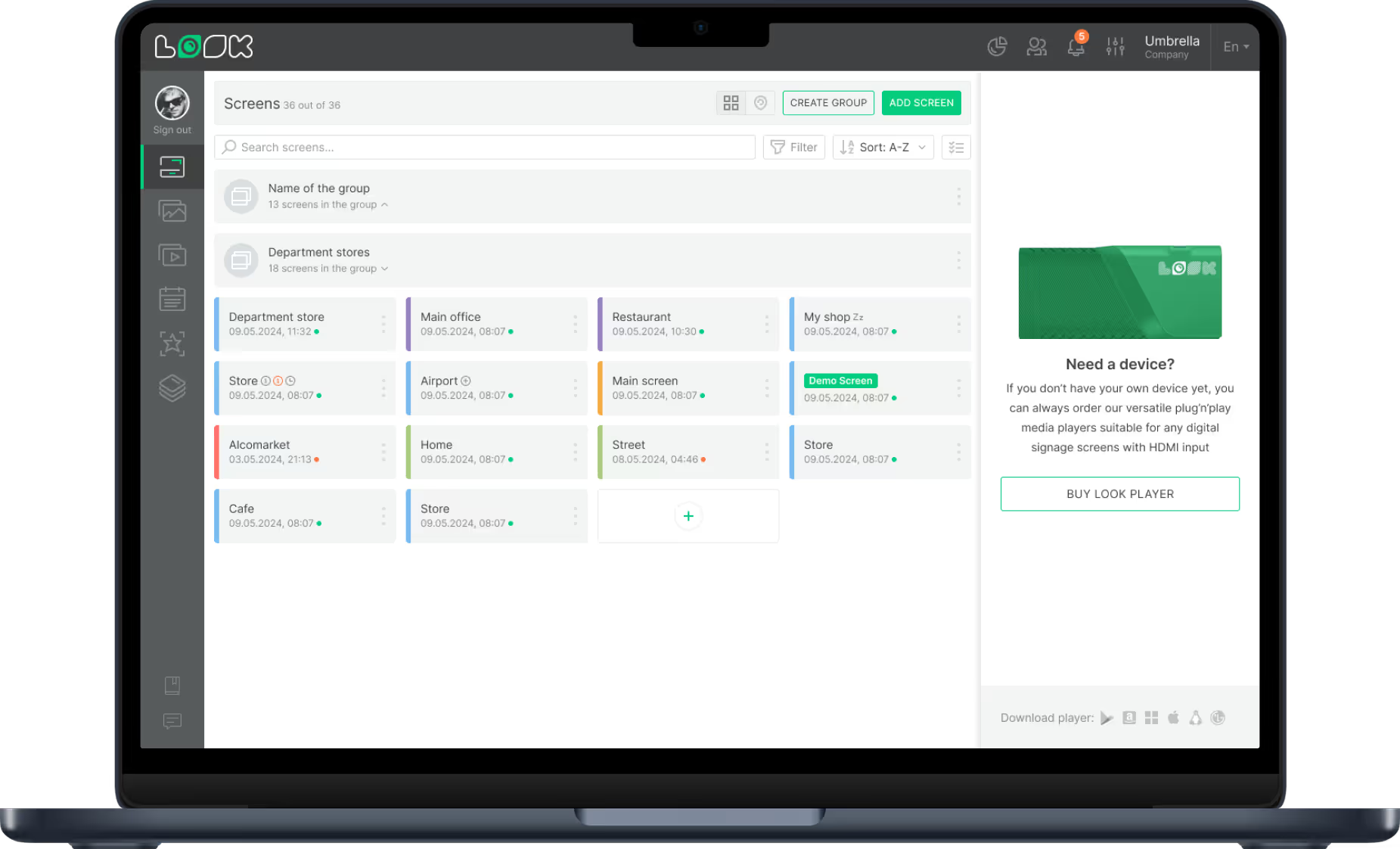
Yes, a cloud-based CMS allows museum teams to manage screens across different galleries and public areas from one dashboard. Staff can group displays by location, schedule different content for each zone, or publish one change across multiple screens. This becomes increasingly useful as the network grows from a few entrance displays to dozens of exhibit, wayfinding, retail, and event screens.

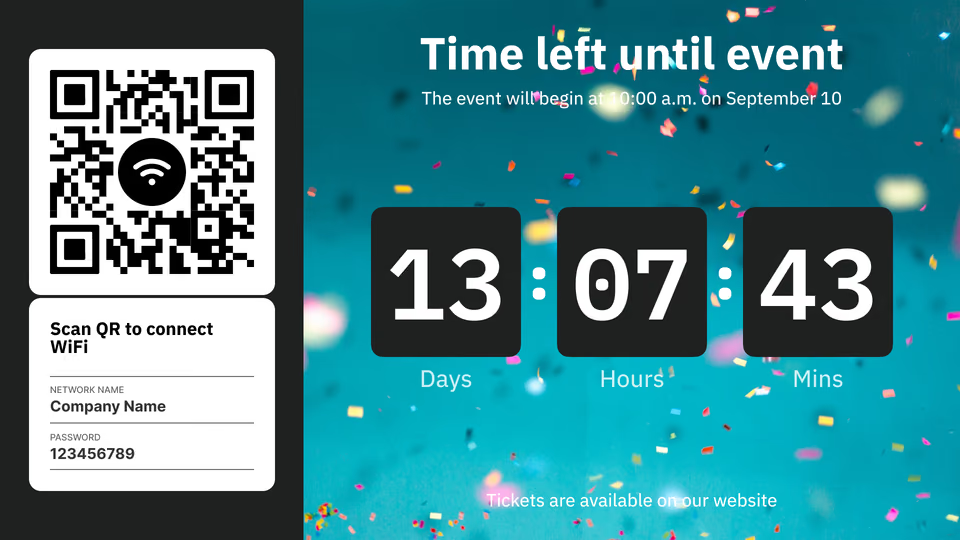
A QR code on screen carries a visitor from an on-site message to whatever comes next: a membership page, a donation form, a newsletter signup, a feedback survey, a mobile guide. Museums leaned on this heavily after 2020, when contactless options expanded, and visitors have stayed comfortable with it since. The screen still does its main job of supporting the exhibition, while offering a relevant next step to anyone who wants to stay connected.