Table of Content
How can resorts improve the guest experience from check-in to checkout while reducing staff workload? A strategic digital signage network supports every stage of the guest journey by delivering real-time information, simplifying navigation, and highlighting amenities exactly when visitors need them.
In today’s travel market, hospitality isn't just about providing a room; it is about curating a seamless experience. Modern travelers expect instant answers and smooth service. Digital signage shifts communication from static posters to dynamic, helpful visuals, allowing you to guide guests effortlessly-whether they are looking for the conference center or booking a spa treatment.
What Is the Resort Guest Journey?
The guest journey covers every interaction a visitor has with your property, from the moment they step into the lobby until they head home. It includes checking in, discovering dining options, attending events, and using amenities. Managing this journey effectively means identifying friction points-like long lines or confusing signage-and removing them to create a stress-free environment.
Travelers today value independence and speed. When you understand the flow of their stay, you can anticipate needs before they ask. By providing the right information at the right time, you turn a standard visit into a high-touch experience that encourages repeat bookings and positive reviews.
Key Stages from Arrival to Departure
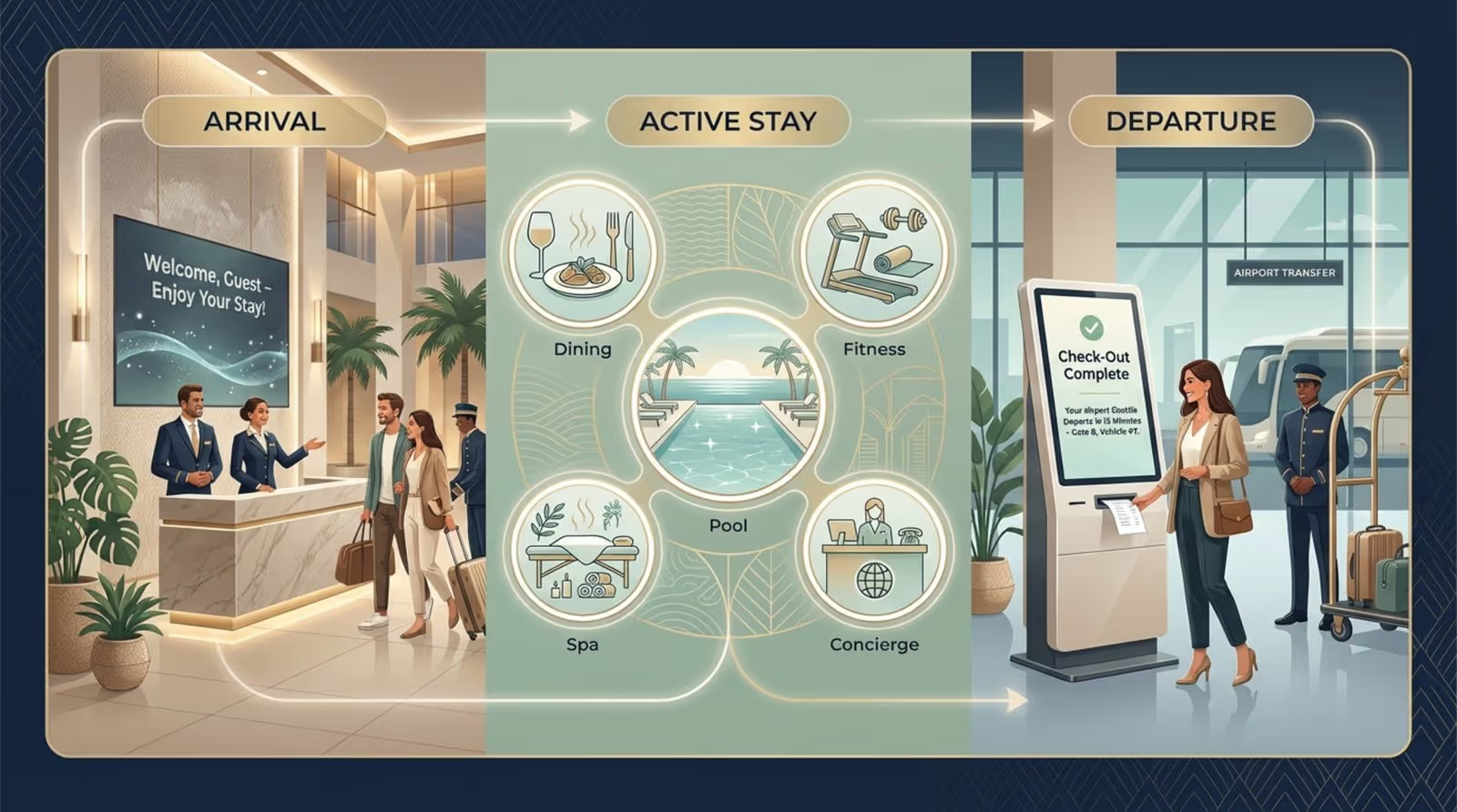
The journey begins with Arrival and First Impression. Guests often arrive tired and sensitive to their surroundings. Digital screens here set the tone, offering clear directions and warm welcomes that lower stress immediately. A well-placed screen with your branding can significantly improve the perceived quality of the check-in process.
Next is the Active Stay. This is when guests explore your grounds, find their rooms, and visit facilities like pools or fitness centers. Finally, there is Departure and Beyond. Speed matters here. Displaying live flight updates and simple checkout instructions helps guests leave feeling relaxed rather than rushed, ensuring their final memory of your brand is a positive one.
How Digital Signage Changes the Resort Guest Experience
Digital signage transforms the guest experience by turning static notices into a responsive communication channel. Unlike printed signs that are outdated the moment they are hung up, digital displays allow you to update messaging in minutes. If a pool closes for maintenance or a meeting room changes, you can inform guests instantly without printing a single sheet of paper.
Visual content is also far more effective than text-heavy flyers. Guests are more likely to notice-and act on-a vibrant image of a dinner special or a spa promotion displayed on a bright screen. This approach adds a polished, modern feel to your property and shows guests that you invest in their convenience.
Impact on Guest Satisfaction and Convenience
Satisfaction often comes down to reducing uncertainty. Clear, current information delivered through automated schedules helps guests feel in control. By answering common questions-like "Where is the gym?" or "What time does the bar open?"-on screens, you reduce the need for guests to wait in line to ask front desk staff.
Signage also adds value during downtime. When guests are waiting for an elevator, they are a captive audience. Screens can display local weather, news, or relaxing imagery, turning a wait into a moment of engagement. This consistent communication helps guests feel supported throughout their stay.
Integration with Resort Operations
Behind the scenes, digital signage acts as a bridge between departments. Screens in staff areas can display housekeeping updates, VIP arrival alerts, or internal announcements. This keeps your team aligned and responsive, which translates directly to better service for guests.
Modern platforms like Look Digital Signage can often integrate with other data sources. If you connect your screens to a calendar or event system, meeting room displays can update automatically. This automation reduces manual work and frees your staff to focus on face-to-face hospitality.

Digital Signage Touchpoints in the Resort Guest Journey
To be effective, screens should be placed at "decision points" where guests naturally pause or look for information. A mix of screen types-from video walls in the lobby to smaller tablets outside meeting rooms-creates a connected network that guides visitors seamlessly.
This layered approach ensures you deliver the right message to the right person without overwhelming them.
Welcome Screens and First Impressions
The lobby is your property's hub. Large displays here serve as a visual anchor. You might use a video wall to showcase breathtaking local scenery or highlight resort amenities. These displays do more than decorate; they establish a modern, upscale atmosphere the moment a guest walks in.
Welcome screens are also ideal for personalization. You can display greetings for specific conference groups or wedding parties. This level of recognition helps guests feel valued and creates an immediate emotional connection with your brand.
Check-In and Self-Service Kiosks
Many travelers now prefer self-service options over traditional check-in counters. Digital kiosks allow guests to check in, upgrade rooms, or access information on their own terms. This reduces congestion in the lobby and gives guests control over their arrival experience.
Even for guests who prefer speaking to a human, kiosks act as a pressure release valve during peak hours. While one guest speaks to the concierge, another can quickly check out or print a boarding pass at a kiosk, keeping traffic flowing smoothly.
Wayfinding and Navigation Assistance
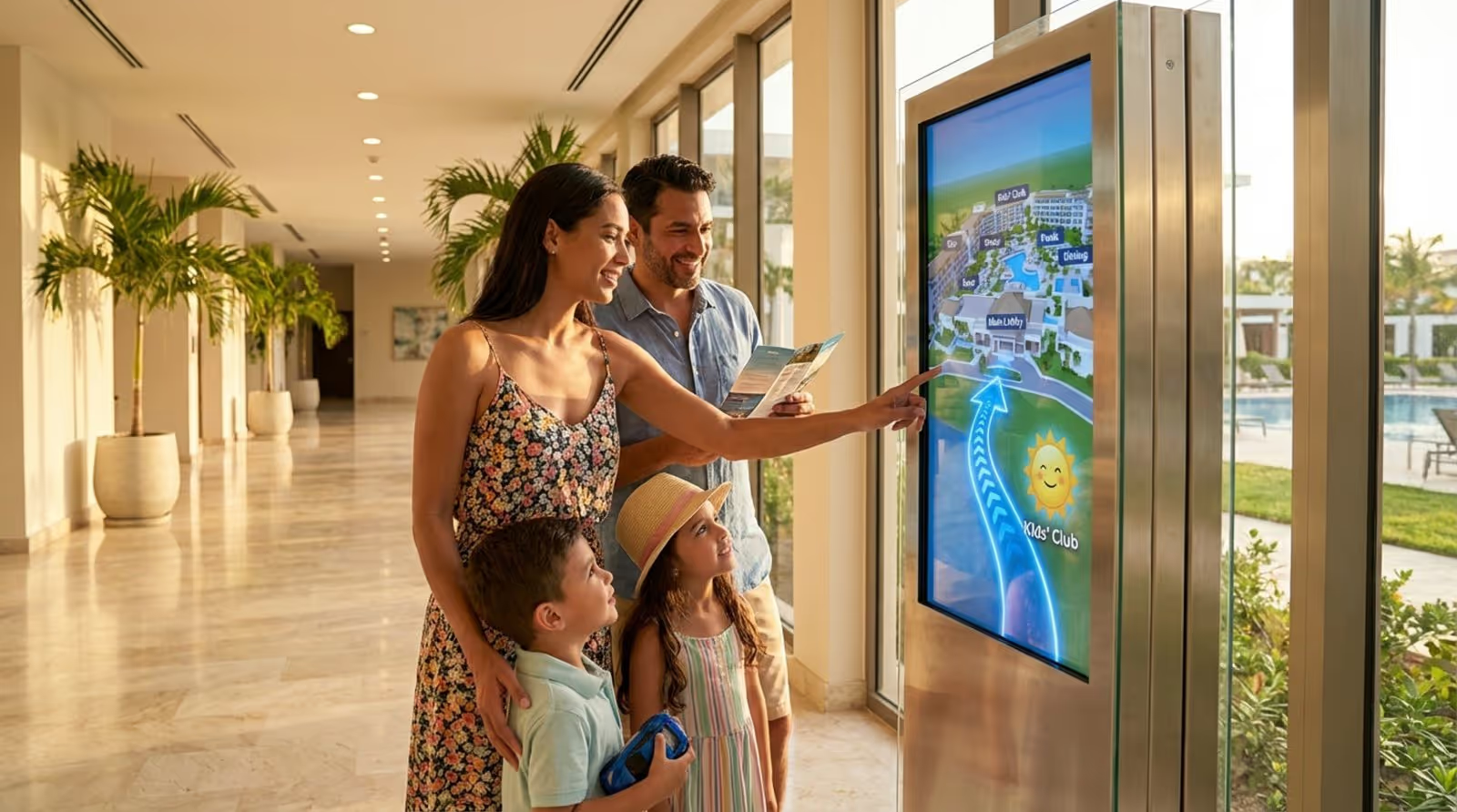
Large resorts can be difficult to navigate, leading to frustration. Interactive wayfinding screens solve this by providing digital maps and clear directions. Guests can search for specific locations-like a restaurant or a specific wing of the hotel-and see the best route instantly.
Unlike printed maps, digital directories can be updated immediately if a route changes or a new amenity opens. This empowers guests to find their way without stopping a busy staff member for directions.
Event Schedules and Conference Information
For resorts hosting events, digital signage is essential for crowd management. Large screens in corridors can display full agendas, while smaller screens outside meeting rooms show current session details. With Smart Scheduling features in your CMS, these displays can update automatically based on the time of day.
This clarity helps attendees find their sessions quickly. You can also brand these screens with specific corporate logos, adding a professional touch that event planners and business guests appreciate.
Dining, Spa, and Activity Promotions
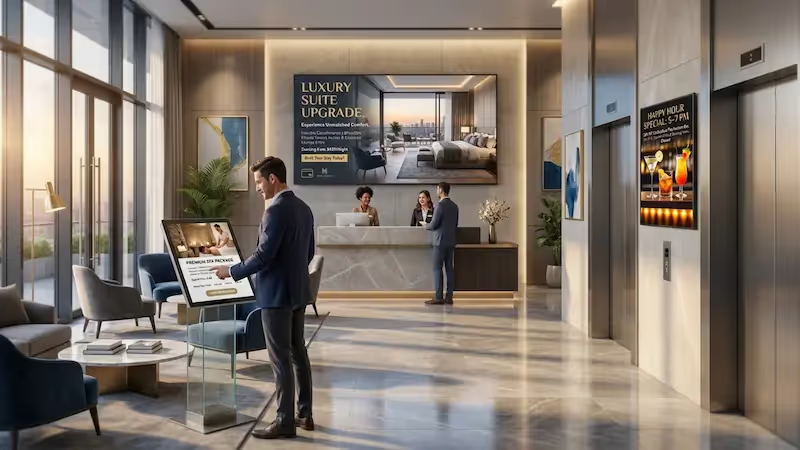
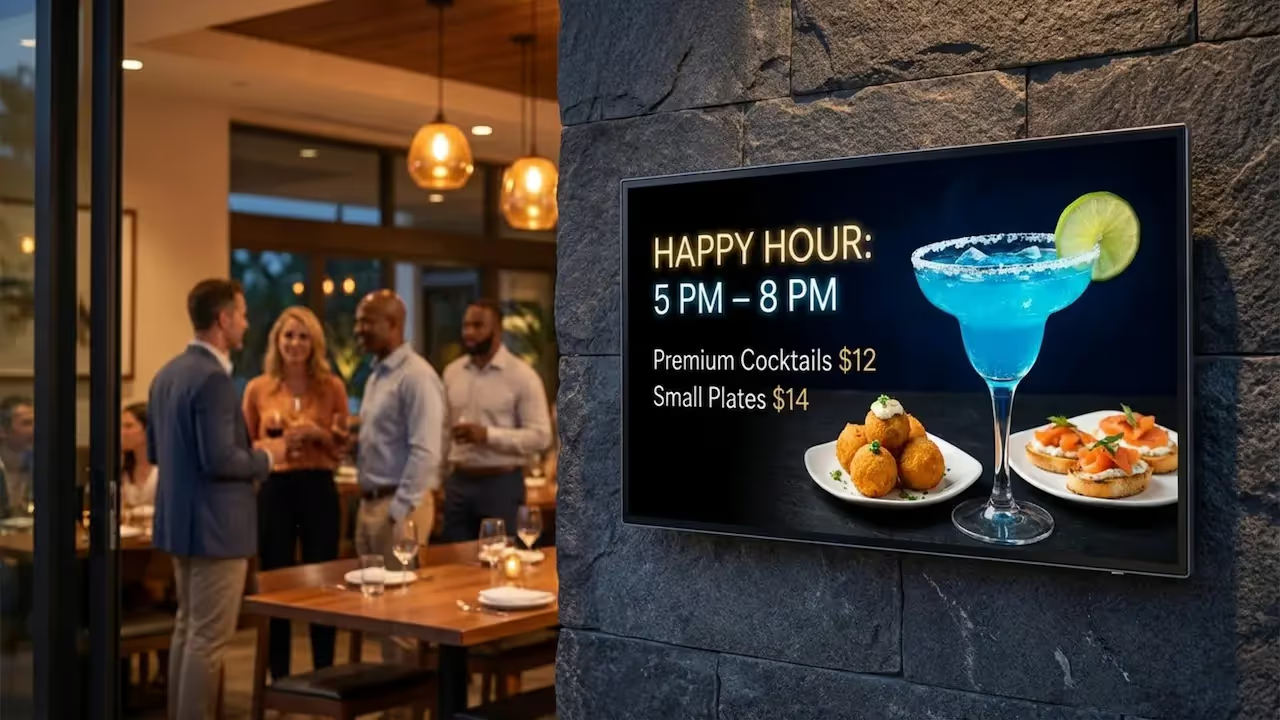
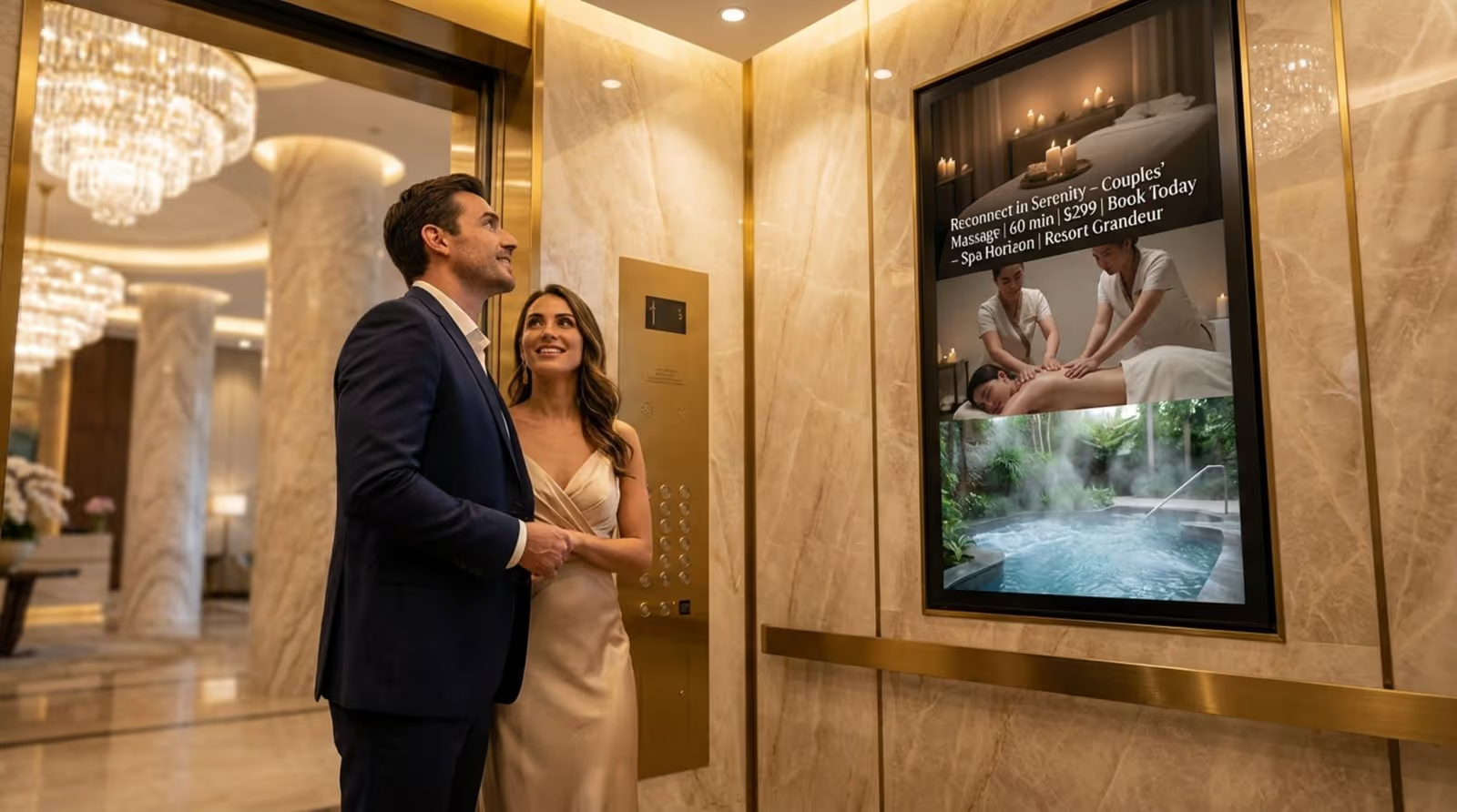
Digital signage acts as an always-on marketing channel. Screens in elevators or hallways can promote spa packages or happy hour specials using high-quality visuals. Using ready-made templates, your team can quickly create professional-looking promotions to fill open slots in the spa or drive traffic to the restaurant.
Digital menu boards allow for instant price adjustments or "sold out" labels. You can also schedule menus to switch automatically from breakfast to lunch, ensuring the content is always relevant to the time of day.
In-Room Information and Entertainment
The digital journey extends into the guest room via smart TVs. These screens can serve as a digital concierge, promoting room service, late checkout options, or on-site activities. Suggestions made here feel helpful rather than intrusive because they are viewed in the privacy of the guest's space.
In-room screens can also provide QR codes that link to digital guides or booking pages, making it easy for guests to access services without picking up the phone.
Lobby, Hallway, and Elevator Displays
High-traffic areas like elevators are perfect for short, digestible content. Guests are often standing still, making them receptive to quick messages about evening entertainment, weather forecasts, or tomorrow's breakfast hours.
Rotating content keeps these screens fresh. By mixing informational updates with promotional slides, you avoid "sign blindness" and ensure guests remain aware of everything your resort has to offer.
Benefits of Supporting the Guest Journey with Digital Signage
Implementing a digital signage network often delivers a return on investment by improving operational efficiency and increasing on-site spending. It allows you to communicate with guests in a way that is modern, timely, and eco-friendly.
Beyond the numbers, it helps your resort stay competitive. Guests associate high-resolution screens and seamless information with a premium experience, reinforcing your brand's reputation for quality.
Improves Communication and Reduces Wait Times
Screens near service areas manage expectations. By displaying wait times or queue status, you can reduce perceived waiting time. Offering QR codes for mobile check-in gives guests an immediate alternative to standing in line.
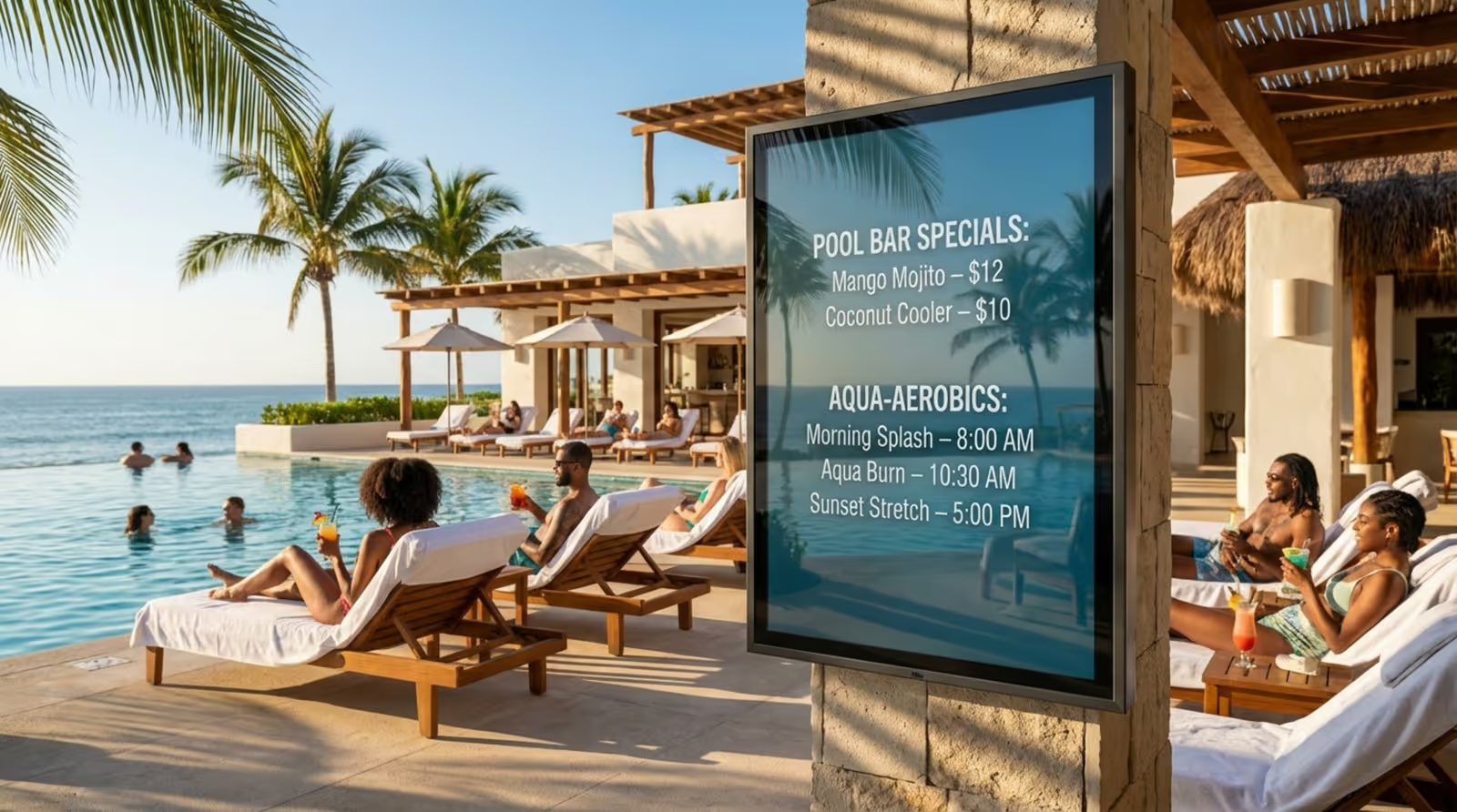
Clear communication reduces the volume of repetitive questions at the front desk. When guests can easily see shuttle schedules or pool hours on a screen, your staff spends less time answering basic queries and more time on complex guest needs.
Promotes Resort Amenities and Local Attractions
Digital signage effectively guides traffic to underutilized areas. Promoting a quiet rooftop bar or a morning yoga class on lobby screens can significantly increase attendance. You can also use screens to highlight trusted local partners, adding value to the guest's vacation experience.
Interactive screens allow guests to browse local recommendations at their own pace, serving as a self-service concierge that is available 24/7.
Increases Revenue through Upselling and Advertising
Visual suggestions drive impulse purchases. A well-timed ad for a signature cocktail or a couple's massage can prompt a guest to book immediately. This targeted approach turns your screens into revenue generators.
You can also monetize your network by hosting ads for local businesses or luxury brands. This creates a new revenue stream while offering guests relevant recommendations for shopping or experiences outside the resort.
Makes Operations More Efficient and Frees Staff Time
By automating information sharing, you relieve pressure on your team. When digital directories handle wayfinding and digital menus handle pricing, staff workload decreases. This is especially valuable during peak seasons or staffing shortages.
Managing content remotely means you can update screens across the entire property-or multiple properties-from a single dashboard. This eliminates the time and cost associated with printing and manually replacing paper signs.
Strengthens the Resort Brand Identity
Consistent branding across all screens creates a cohesive, professional environment. Digital signage allows you to tell your brand story visually, whether through high-definition video loops or curated images of your property.
Social media walls can display guest-generated content in real-time. Encouraging guests to share their photos with a specific hashtag boosts engagement and provides social proof to other visitors.
Personalizes Guest Experiences with Dynamic Content
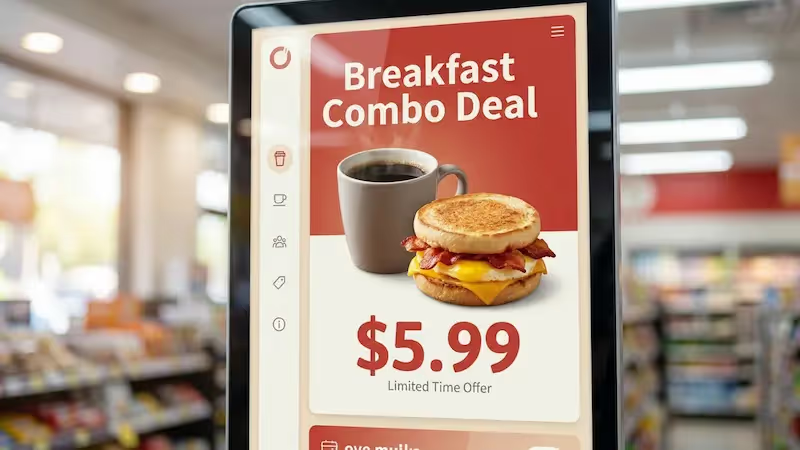
Relevance is key to engagement. Digital signage software allows you to schedule content based on context. You might show coffee and breakfast options in the morning, then switch to dining and entertainment in the evening.
With the right setup, you can even greet VIP guests by name on specific screens. This level of attention to detail makes guests feel recognized and valued.
What to Keep in Mind When Implementing Digital Signage in Resorts
A successful deployment requires more than just hanging TVs. You need a strategy that includes reliable hardware, intuitive software, and a plan for keeping content fresh. The technology should support your hospitality goals, not complicate them.
For a solution that balances ease of use with professional features, Look Digital Signage is a strong fit for resort environments. It combines a cloud-based CMS with reliable playback, making it easy to manage screens across large properties without complex IT hurdles.
Choosing the Right Hardware for Resort Environments
Resorts require hardware that can withstand constant use. Consumer-grade TVs often struggle with 24/7 operation and glare in bright lobbies. Commercial displays offer higher brightness and durability. For ease of setup, you might consider the Look HDMI Player, which plugs directly into screens to provide reliable, plug-and-play connectivity.
Outdoor areas require weather-rated screens that can handle heat, moisture, and direct sunlight while remaining visible to guests by the pool or at the entrance.
Selecting Intuitive and Scalable Content Management Platforms
Your software-the Content Management System (CMS)-should be easy for your marketing or operations team to use. Look CMS is designed for this purpose, offering a user-friendly dashboard that lets you manage one screen or a thousand from anywhere.
Key capabilities to look for include:
- Smart Scheduling: Automate content changes based on time of day or day of the week.
- Offline Playback: Ensure screens keep running smoothly even if the internet connection drops-critical for resort reliability.
- Screen Layouts: Split your screen to show a promotional video alongside a scrolling news ticker or weather widget.
Smooth Integration with Existing Systems
To maximize value, your signage should play nice with other tools. Integrating with your event calendar ensures meeting room screens are always accurate. Connecting to social media feeds keeps content dynamic without manual updates.
These integrations turn your signage into a live, breathing part of your resort’s ecosystem rather than a standalone display.
Content Strategy: What Works for Resort Guests?
Content must be useful to be effective. A good strategy follows the daily rhythm of the resort. Morning content should be energetic and informative, while evening content can be more atmospheric and leisure-focused.
Balance promotional messages with helpful information. If screens only show ads, guests will tune them out. Mixing in weather updates, local trivia, or beautiful imagery keeps eyes on the screen.
Reliable Support and Ongoing Maintenance
Digital signage is a long-term investment. Ensure you have a plan for support and maintenance. Using a platform like Look DS provides you with stable software and helpful support channels if you ever get stuck.
Regularly reviewing your hardware and updating your content strategy ensures the system continues to add value as guest expectations evolve.
Success Factors for a Resort Digital Signage Strategy
Define clear goals for your signage network. Are you trying to increase spa bookings, reduce check-in times, or improve wayfinding? Having specific targets helps you design content that delivers results.
Success also depends on using data. Playback Analytics can help you understand which content runs most frequently and how the system is performing, allowing you to fine-tune your approach over time.
Maximizing Guest Engagement at Every Touchpoint
Keep content fresh to maintain engagement. Motion graphics and video generally capture more attention than static images. Strategic placement is also vital; screens in waiting areas or near elevators naturally get more views.
Interactive elements, such as QR codes, invite guests to take action-whether that is viewing a menu or booking a service on their phone.
Measuring Impact with Guest Feedback and Analytics
Combine system analytics with direct guest feedback. Ask guests if the digital signage helped them find their way or discover new amenities. Correlating this feedback with sales data gives you a clear picture of your ROI.
For example, if you run a promotion for the lobby bar exclusively on digital screens and see a spike in sales, you have clear proof of effectiveness.
Future-Proofing for Changing Guest Expectations
Guest expectations for technology continue to rise. Future-proofing your resort means choosing a flexible software platform that updates regularly and scales with you. As new features become available, a cloud-based system ensures you can deploy them without replacing hardware.
By treating digital signage as an evolving communication tool, you ensure your resort remains modern, efficient, and welcoming for years to come.
Finally, moving to digital significantly reduces paper waste, aligning your operations with the sustainability values held by many modern travelers. It’s a practical step that benefits your guests, your team, and the environment.