
Table of Content
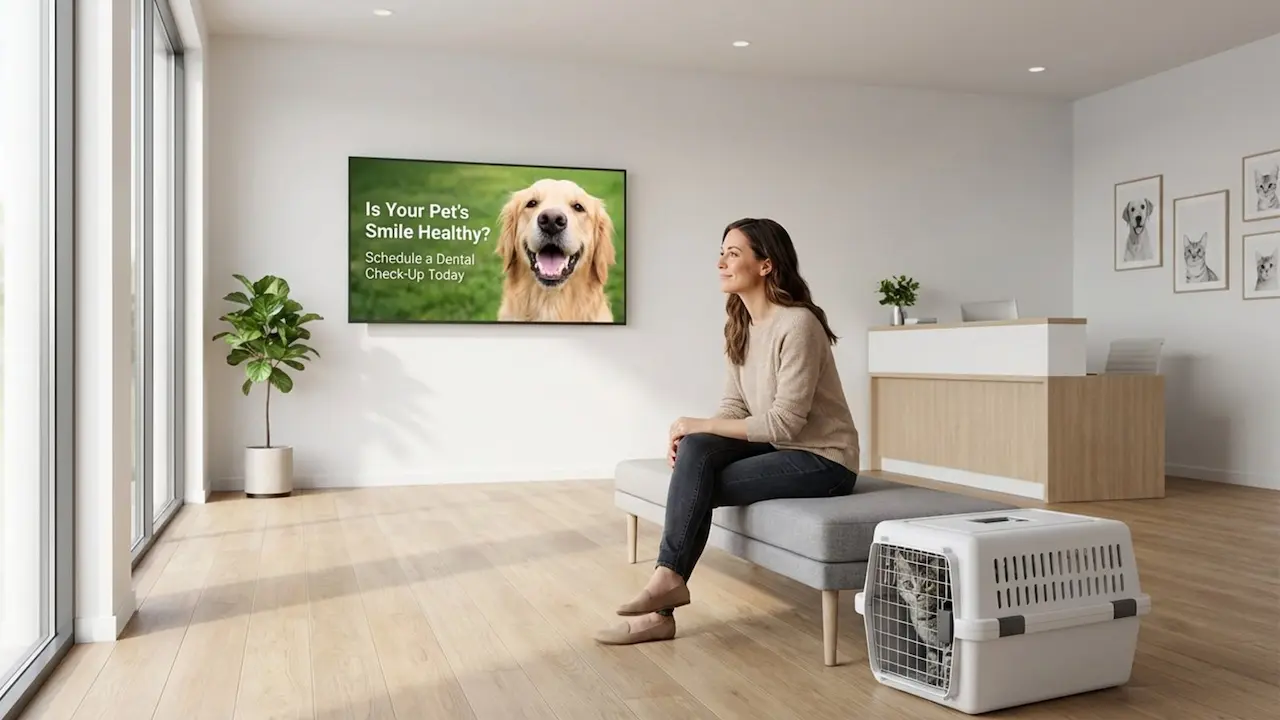
How can pet care providers share complex medical advice clearly without overwhelming pet owners? The answer lies in digital signage – screens that transform static waiting rooms into active learning environments. By using high-definition displays, veterinary clinics and pet stores can publish timely, engaging, and practical pet care tips exactly when and where clients need to see them.
Pet owners today are deeply invested in the health of their animals, and the demand for clear information is high. Digital signage replaces outdated, static posters with flexible, real-time content. Whether it is a grooming tutorial in a store aisle or a dental health reminder in a vet lobby, these screens act as a silent partner, helping every visitor leave better prepared to care for their pets.
What Is Digital Signage for Pet Care?
How Does Digital Signage Differ from Traditional Displays?
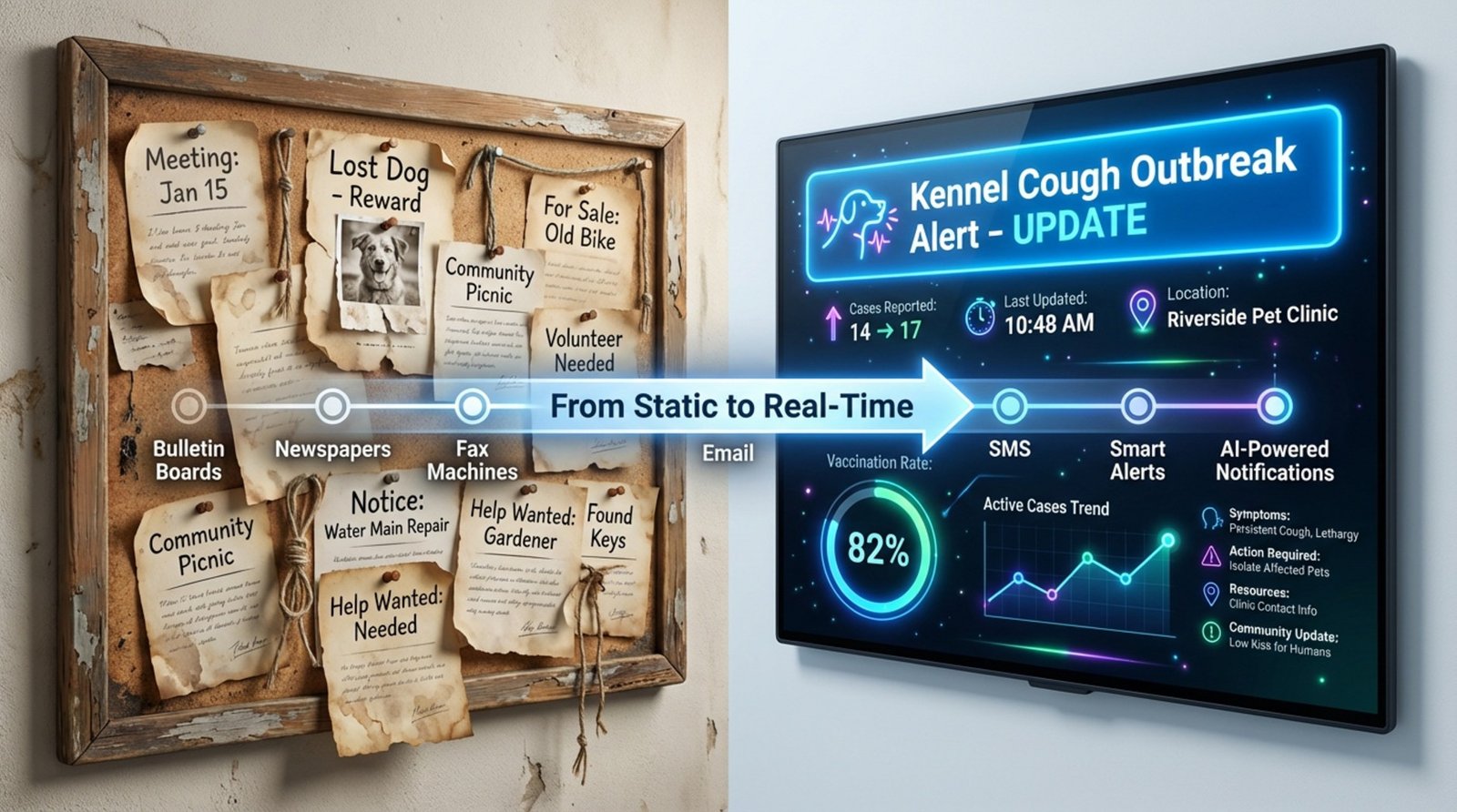
In many pet care settings, communication relies on printed brochures or crowded notice boards. These are often ignored, quickly become outdated, and require time and money to reprint. Digital signage software like Look Digital Signage solves this by allowing you to manage content from a central cloud-based dashboard. You can update every screen in your network in minutes to show new health alerts, such as a local kennel cough outbreak or updated clinic hours, without any complex setup.
Digital signage also captures attention through movement. While a paper poster about heartworm prevention fades into the background, an animated graphic naturally draws the eye. This dynamic capability makes it simple to schedule specific messages for specific times. With tools like Smart Scheduling in the Look CMS, you can automatically display puppy training tips in the morning and senior pet care advice in the afternoon, ensuring relevance for different visitors.
Who Can Use Digital Signage for Pet Care?
This technology fits a wide range of pet-related businesses. Veterinary clinics use screens in waiting areas to reduce anxiety and educate clients on preventive care. Pet retail stores use them to highlight new products, explain the nutritional value of premium food brands, and promote loyalty programs.
Grooming salons can use displays to showcase "before and after" photos, while animal shelters can display adoptable pets with personality details. Boarding centers and doggie daycares often share daily activity schedules and safety tips. This creates a modern, transparent environment that builds trust with pet owners.

Key Benefits of Sharing Pet Care Tips with Digital Signage
Improves Pet Owner Education
Digital signage supports pet owners by breaking down complex medical information into short, digestible tips. Instead of handing a client a dense booklet on feline nutrition, a screen can rotate through three simple weight management tips. This approach increases the likelihood that clients will remember the advice and feel confident asking questions during their appointment.
Screens also highlight preventive care that might otherwise be missed. Reminders about annual dental cleanings or early signs of arthritis can prompt owners to book necessary services. This turns the waiting room into an educational space, showing that your practice is dedicated to long-term wellness, not just treating illness.

Increases Engagement and Reduces Perceived Wait Time
Waiting can be stressful for both pets and their owners. Digital signage provides a helpful distraction. By mixing educational content with lighter material, such as fun animal clips or staff introductions, you keep visitors occupied and relaxed. A calmer owner often leads to a calmer pet, making exams and interactions smoother.
In retail settings, engagement drives sales. If a screen clearly explains why a specific harness prevents pulling, it acts as a passive salesperson. Shoppers who understand the "why" behind a product are more likely to buy, especially when the information is presented with high-quality visuals.

Streamlines Communication for Staff
Busy clinics and stores often struggle with repetitive questions. Digital signage improves workflow by displaying live information like current wait times or store policies. For example, you can use Screen Layouts to show a designated zone for announcements while a video plays in the main window. This allows staff to focus on animal care rather than answering the same questions about return policies or opening hours.
Because updates are instant, you can remove promotions for out-of-stock items immediately, preventing customer frustration. This keeps your messaging consistent and accurate across all locations.
How to Effectively Display Pet Care Information
What Content Performs Best?
The most effective strategy mixes "must-know" health info with "nice-to-know" engagement content. Strong categories include:
- Preventive health tips (flea/tick control, vaccines)
- Nutrition advice (portion control, label reading)
- Service highlights (laser therapy, grooming packages)
You can also use Look Digital Signage to integrate RSS feeds from trusted pet health sources, keeping your screens fresh with the latest industry news. "About Us" slides featuring vet bios or staff favorites also build a personal connection with your clients.

Using Visuals and Video Demonstrations
Video is a powerful tool for demonstration. Short clips showing how to trim nails, administer ear drops, or brush a dog's teeth provide practical value that static images cannot match. Simple animations can also clarify internal health issues, such as how heartworm medication works.
Keep videos brief; under 90 seconds is ideal for waiting areas. Look Digital Signage supports reliable playback of these media formats, ensuring your videos run smoothly without buffering or technical hiccups.
Scheduling Content for the Right Time
Relevance is key to engagement. Use Smart Scheduling to align your content with the seasons:
- Spring: Parasite prevention and allergy awareness
- Summer: Heat safety and hydration
- Fall: Shedding management and outdoor safety
- Winter: Cold weather care and holiday toxicity warnings
Emergency information, such as the location of the nearest 24-hour hospital or pet poison helpline numbers, should remain in regular rotation. Providing this safety data reinforces your role as a trusted community resource.

Design and Content Best Practices
Legible Fonts and Clear Layouts
Design must be readable from a distance. Use large, simple fonts and high contrast. Avoid cluttering the screen; instead, use Screen Layouts to organize information logically. For example:
If you don't have a designer on staff, the Look CMS offers a library of ready-made templates. You can choose a template, customize it with your branding, and publish it in minutes.
Real Pets vs. Stock Photos
While stock images are convenient, photos of real local pets, patients, staff pets, or successful adoptions resonate more with viewers. Seeing familiar faces creates a sense of community. Ensure photos are high-resolution and well-lit to maintain a professional appearance.

Optimizing for Short Attention Spans
Viewers may only glance at the screen for a few seconds. Keep text short and bold. Instead of a paragraph, use a headline-driven approach:
"80% OF DOGS HAVE DENTAL DISEASE."
"Ask us about a dental check-up today."
For video content, ensure the main takeaway appears in the first 10 seconds.
Examples of Pet Care Tips for Your Screens
Daily and Seasonal Maintenance
Digital screens are perfect for quick, actionable reminders. Consider a "Tip of the Day" rotation:
- Daily: "Fresh water is key. Wash your pet’s bowl daily to prevent bacteria buildup."
- Weekly: "Nail check! If you hear clicking on the floor, it is time for a trim."
- Seasonal: "Winter paws: Wipe paws after walks to remove salt and ice."
Nutrition and Enrichment
Help owners focus on overall well-being with tips on diet and mental health:
- "Use puzzle feeders to engage your cat’s natural hunting instincts."
- "10 minutes of scent work can be as tiring as a long walk for dogs."
- "Rotate toys weekly to keep your pet interested."
Spotting Preventable Illnesses
Education aids early detection. Screens can list early signs of common issues like ear infections or obesity. Displaying a "body condition score" chart helps owners visually assess if their pet is at a healthy weight, often sparking a conversation with the vet during the exam.
Integrating Social Media and Community Content
Testimonials and Success Stories
Social proof builds trust. Displaying a quote and photo from a client whose pet recovered from a complex surgery, or a customer who found the perfect diet for a sensitive stomach, validates your expertise. These stories make your business feel personal and proven.
User-Generated Content
Involve your community by bringing social media into your signage. Look Apps allow you to integrate social feeds directly into your playlists. Encourage clients to use a specific hashtag like #MyLocalVetPets, and display selected posts on your screens. Clients love seeing their pets featured, and they are likely to share a photo of the screen on their own social media, extending your reach.
Measuring Success and Adapting Strategy
Tracking Engagement
To verify if your screens are driving action, use clear calls to action (CTAs). Display a QR code, easily created within the Look CMS, linking to a survey, a discount, or an appointment booking page. If you notice an increase in dental bookings after running a dental health campaign, you can attribute that success to your signage.

Data-Driven Updates
Use local trends to guide your content. If your clinic sees a spike in tick cases, update your playlist immediately to focus on tick prevention. If a product is selling poorly, move its promo to a high-traffic screen zone. Staying responsive keeps your screens useful and relevant.
Final Thoughts: Better Communication for Better Health
Digital signage has evolved from a luxury to a practical necessity for modern pet care facilities. It streamlines operations, educates pet owners, and supports a professional atmosphere. By using a platform like Look Digital Signage, you can manage this communication easily, ensuring that your messages are always timely, consistent, and effective.
Whether you run a single clinic or a chain of pet stores, the ability to control your messaging remotely and rely on stable offline playback ensures your screens are always working for you. The result is a better-informed community and a smoother, more efficient business.