Table of Content
Interactive retail smart shelves are changing how people shop by putting digital technology right into store fixtures. But what are they, and why should retailers pay attention? In simple terms, smart shelves are tech-enabled retail displays that automate inventory work, show product information in real time, and create engaging, personalized shopping experiences. They are a big step up from standard shelving, offering a flexible, efficient way to run stores that helps retailers, brands, and shoppers. This kind of solution is key for retailers who want to update their operations and keep up with the changing demands of today’s customers.
Retail is always shifting because of new customer habits, supply chain challenges, and constant technological progress. In this tough market, where big-box chains, supermarkets, and e-commerce platforms fight for share, physical stores must bring in new ideas to stay relevant and grow. Smart shelves are a powerful part of that effort, turning the physical store into a data-rich, interactive space that can rival the convenience and personalization of online shopping.
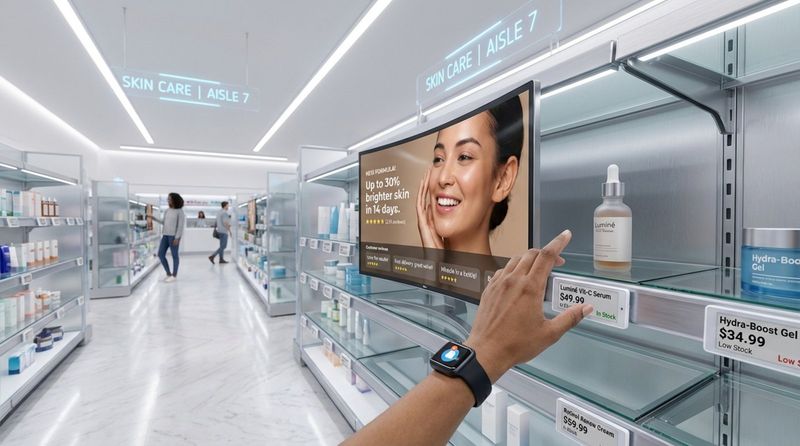
What Are Interactive Retail Smart Shelves?
At a basic level, interactive retail smart shelves combine physical displays with digital intelligence. They are not just static racks for products; they are active systems in the store, always gathering data, sharing information, and reacting to what shoppers do. You can see them as the next stage of store infrastructure, bringing the speed and insight of online retail into brick-and-mortar locations.
Adding technology to shelving creates new levels of operational efficiency and customer engagement. By going beyond simple product placement, smart shelves make the store more dynamic and responsive, helping retailers keep up with changing customer expectations and even shape those expectations.
Key Features and Technologies Used in Smart Shelves
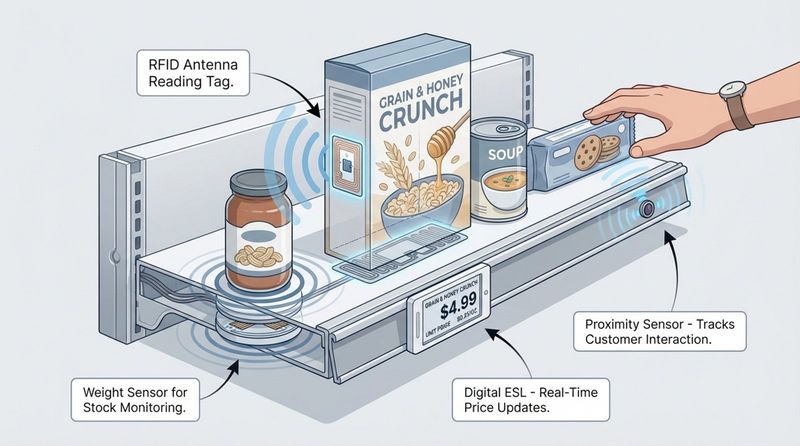
The strength of smart shelves comes from the different technologies working together. These are not just shelves with a new name; they are systems with many parts acting as one. At the center are sensors, which serve as the eyes and ears of the shelf, always checking product presence and movement. These include weight sensors that notice when an item is picked up or sold, and other IoT sensors that detect where shoppers are and how they move.
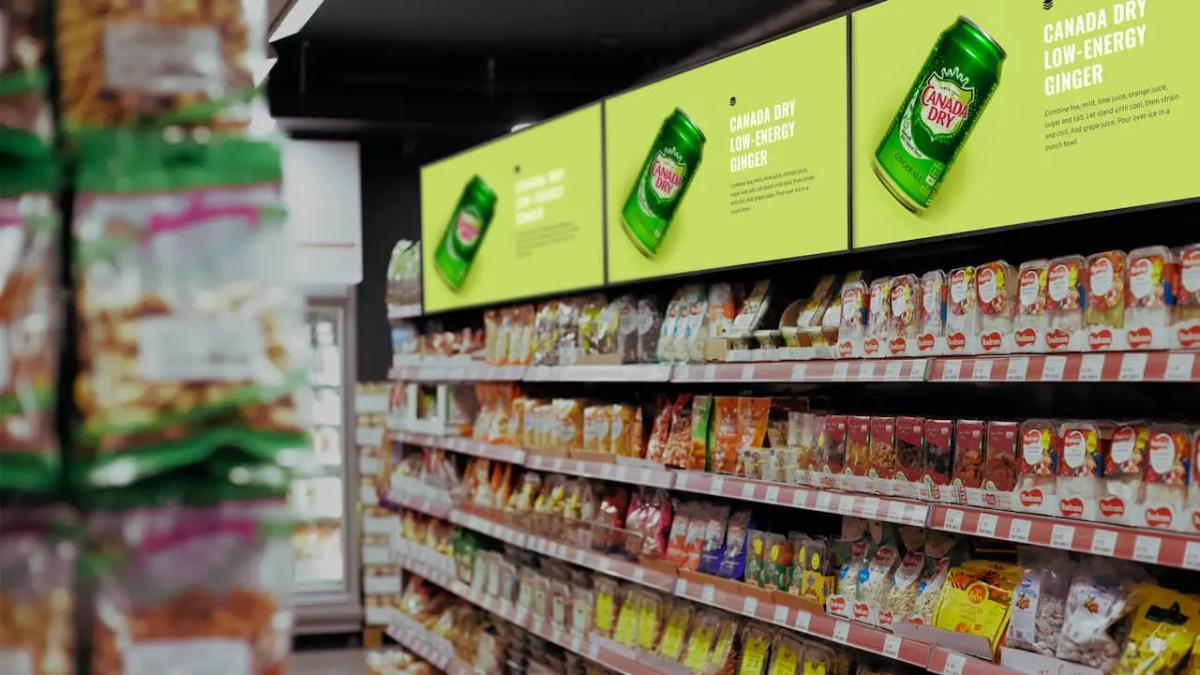
Digital displays are another key piece, turning simple paper tags into live information points. Electronic Shelf Labels (ESLs) replace paper with digital screens that can update prices instantly, show promotions, and list detailed product information across several pages. Larger digital signs can play media content, ads, and even interactive product demos. Radio-frequency identification (RFID) technology is also important: RFID tags and readers track individual items in real time, help manage stock, and support loss prevention.
What Makes Shelves Interactive versus Traditional?
The difference between interactive smart shelves and traditional shelves is clear, like the difference between a simple poster and a changing, personalized ad. Traditional shelves are passive; they store products and might show a paper price tag. Their job is mainly storage and display. Interactive smart shelves are active. They connect with products, staff, and shoppers.
This interaction shows up in several ways. Shoppers can get detailed product information, compare items, and see personalized suggestions on the shelf’s digital surface. For retailers, it means real-time inventory tracking, automatic restock alerts, and dynamic pricing. The store moves from a one-way “here are the goods” setup to a two-way exchange between the product, the store, and the customer, making shopping more engaging and informative.
How Do Smart Shelves Work in Retail Environments?
Smart shelves work as a network of connected devices that all support the store experience. When a shopper picks up a product, sensors detect the change and trigger a series of actions. This can update inventory counts, alert staff that stock is running low, or display related product suggestions on a nearby screen.
The system then sends all this interaction data-such as which products get picked up but not bought, or how long people stand in front of certain shelves-to a central platform, often in the cloud. The software analyzes the data and gives retailers insights about customer behavior, product performance, and how well the layout works. This ongoing loop of data collection, analysis, and response helps smart shelves improve inventory control, personalize the shopping journey, and streamline store operations.
What Are the Core Components and Technologies in Smart Shelves?
Inside a smart shelf is a set of advanced technologies, each with a key role. These parts are built to work smoothly together, forming a single system that improves efficiency and supports better customer experiences. Knowing these building blocks helps you see why smart shelving can be so powerful.
The strength of smart shelves comes from layering different tools together. It is not about one single invention, but about combining existing and new technologies to solve real store problems. This complete setup means smart shelves are more than a short-term gadget; they are a solid solution for modern retail.
IoT and Sensor Integration
The Internet of Things (IoT) is the base that turns regular shelves into connected, smart units. IoT sensors gather data by detecting many types of actions. Weight sensors, for example, are very good at watching stock levels. They record when a product is removed and how the weight changes. This real-time view helps prevent empty shelves and improves restocking plans.
Other IoT sensors can track shopper proximity, movement, and even environmental conditions. This creates a more detailed view of what people do in the aisle. For instance, if a sensor notices a shopper standing near a product for a while, a nearby display might show a targeted promotion. This kind of detailed data and instant reaction is a core part of how IoT supports smart shelves, making the store more responsive and aware.
RFID, Electronic Shelf Labels, and Digital Displays
RFID, ESLs, and digital displays work together to manage inventory in real time and engage customers at the shelf. RFID uses radio waves to identify and track tags on items. In smart shelves, RFID tags on each product, along with readers in the shelving, provide very accurate tracking. This automates stock counts and can alert staff if items are removed without being paid for.
Electronic Shelf Labels are the digital version of paper price tags. These small, low-power screens can update prices, promotions, and details instantly, so staff no longer have to swap labels by hand. For example, SOLUM Newton labels can show up to seven pages of information, help with restocking tasks, and grab attention with vivid displays and LED lights. Larger digital screens then link with ESLs and RFID to show multimedia content, product comparisons, and personalized ads that can influence shoppers’ choices using images and video.
Data Analytics and Software Platforms
On their own, the data from sensors, RFID, and screens would be hard to work with. Data analytics tools and store software platforms make sense of it all. These systems act as the brain, turning raw numbers into clear actions. They spot customer behavior patterns, highlight best-selling items, forecast demand, and suggest better shelf layouts.
For example, an Advanced Information Management System (AIMS) can control all digital shelf labels so retailers can design, assign, and manage labels and inventory from one dashboard. This simplifies workflows and gives a clear view of how the store is performing. The insights from this data support better decisions, help build more effective marketing campaigns, improve customer flow through the store, and boost profit.
Why Use Interactive Retail Smart Shelves?
The key question is, “Why invest in them?” The answer lies in the wide range of benefits they bring to the whole retail chain. They cut costs and smooth operations for retailers, give brands more visibility and data, and delight shoppers with easier, more personal experiences. Smart shelves are a strategic choice for the future of physical retail.
Shoppers now expect smooth, personal, and quick shopping trips. Smart shelves provide the technology needed to make that happen. They link physical and digital channels, creating a “phygital” experience that matches modern habits and strengthens a retailer’s position against competitors.
Benefits for Retailers: Efficiency, Insights, and Revenue
For retailers, interactive smart shelves bring strong, measurable gains. The first big benefit is better inventory control. Real-time stock tracking with RFID and weight sensors greatly reduces empty shelves and overstocking, which cuts waste and raises sales. Automating manual tasks like stock checks also frees staff to focus on customer-facing work.
Smart shelves also provide rich data about shopper behavior. By tracking which products are picked up, put back, and how long people interact with displays, retailers can see clear shopping patterns. This information improves product placement, helps shape store layout, and supports targeted marketing, which increases revenue and lowers operating costs. The ability to change prices or promotions instantly makes retailers more flexible and quicker to react to market shifts.
Benefits for Brands: Visibility and Engagement
Brands often lack clear sight into what happens in the store. Even though many purchases still happen offline, brands usually have limited data about in-store customer behavior. Smart shelves change that by providing detailed performance data at the shelf.
Brands can run targeted promotions right where the purchase decision happens, lifting brand visibility and influencing buying choices. Interactive displays can show product stories, videos, and demos, which drives engagement. Brands also gain real-time data on sales trends, shopper preferences, and interaction levels. This feedback can guide product design and sharpen marketing campaigns so products connect better with shoppers.
Benefits for Shoppers: Personalization and Convenience
Smart shelves work only if shoppers get clear benefits, and they do. Customers gain easy access to accurate product information-prices, ingredients, usage details, and even reviews-straight from digital labels or screens. This helps them make better choices without hunting for staff or scanning items one by one.
Because inventory is tracked constantly, shoppers are less likely to find empty shelves. Personalization is another major advantage. Smart shelves can show offers and suggestions based on loyalty data, purchase history, or where the shopper is standing. You might walk past a shelf and see a special deal on something you often buy, or a suggested product that goes well with what is in your basket. This kind of interaction turns routine shopping into a smoother, more engaging trip.

Where to Use Interactive Retail Smart Shelves
Interactive retail smart shelves are flexible and useful across many retail formats. Their ability to improve operations, increase engagement, and deliver valuable data makes them a strong option in different types of stores. From high-traffic supermarkets to focused specialty shops, smart shelves can be set up to match specific goals and challenges.
More and more businesses are adopting smart shelf technology because of these varied uses and clear benefits. Retailers in different sectors are seeing that this is a practical way to modernize their stores and keep up with changing customer expectations.
Grocery and Supermarket Applications
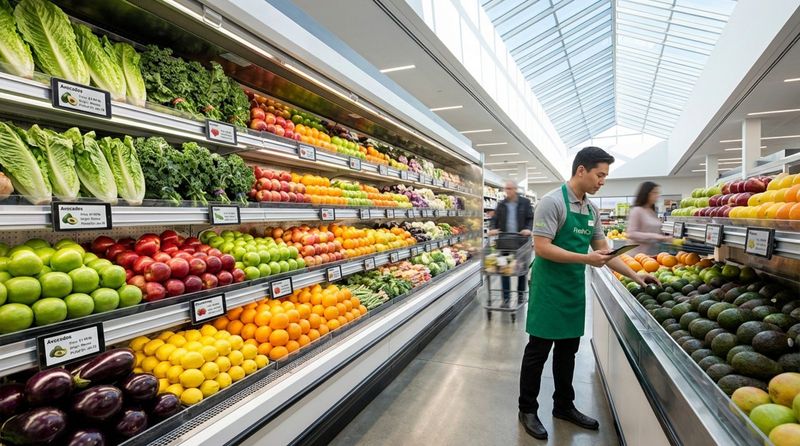
Grocery stores and supermarkets are ideal for smart shelves because they carry many items and restock often. In these spaces, smart shelves can change how stock is managed by automatically spotting low inventory and alerting staff, so popular products stay available. This helps a lot with fresh goods, where good tracking can reduce spoilage and waste.
Digital shelf labels support instant price changes, which is important for promotions, seasonal offers, and dynamic pricing. Shoppers benefit from clear, current prices and easy-to-read nutritional details. Smart shelves can also offer recipe ideas based on what a shopper picks up or highlight matching products, which can improve the shopping trip and grow basket size.
Department Stores and Specialty Retail
In department stores and specialty shops, smart shelves raise the experience beyond simple buying and selling. Here, the focus is more on discovery, detail, and brand story. Interactive screens can show large images and videos, offer virtual try-ons, or explain materials, origin, and quality.
Fashion retailers can use smart shelves to suggest outfits or accessories that go with a piece of clothing a shopper is viewing. Electronics stores can display specs, reviews, and comparisons. This type of rich, guided experience helps shoppers feel confident in their choices and gives brands a strong, engaging stage to share their message.
Pharmacies and Health Stores
Pharmacies and health-focused stores can use smart shelves to share clear, accurate information and build trust. Digital displays can show benefits, dosage, interactions, and allergy warnings for over-the-counter drugs and supplements. That level of detail is especially important where health and safety are involved.
Smart shelves can also help manage regulated or high-value products by tracking them more closely, supporting compliance and reducing theft. They can alert staff when items are nearing expiry or when prescriptions need refills. Quick updates for new products or health notices make these systems very useful for this type of retailer.
Convenience Stores and Small-Format Retail
Even small stores such as convenience shops gain clear value from smart shelves. For these businesses, every inch of space and every item counts. Smart shelves can send real-time alerts for fast-selling products like drinks, snacks, and daily essentials, helping avoid missed sales.
Digital screens can promote daily specials, bundles, and loyalty rewards, which encourages impulse buys and increases the amount each customer spends. With small teams, the automation of stock checks and price updates saves time and lets staff focus on customers and store upkeep.
How to Implement Interactive Retail Smart Shelves
Rolling out interactive smart shelves is not just about installing new hardware; it is a planned project that needs thought, system links, and ongoing support. It marks a major step in digital change for any retailer and can pay off well when done with care.
Moving from standard shelves to smart ones affects more than the fixtures. It touches existing systems, staff routines, and the overall customer experience. Careful planning leads to a smoother changeover and helps you get the most value from the technology.
Step-by-Step Deployment Process
Deployment usually starts with a clear review of current operations and a list of problems smart shelves can solve. In this first stage, retailers choose the right mix of technology-such as sensor types, display options, and integration needs. A pilot rollout is often a smart starting point, perhaps in one aisle or department, to test results and gather feedback before wider use.
Once the pilot works well, the team installs shelves, sensors, and screens across the chosen areas. After that comes a key step: linking the new hardware with existing systems like POS, inventory software, and CRM tools. Finally, data capture begins and the analytics platform is set up to provide insights, marking the move into a smarter, data-driven store setup.
Integration with Existing Retail Systems
Connecting smart shelves with current store systems is one of the most important parts of the rollout. Smart shelves are meant to share data with other core tools, not to sit on their own. They must talk to POS systems that handle transactions and sales data, and to inventory systems that track stock across the supply chain.
Links to CRM systems allow for personalized offers and suggestions based on loyalty and purchase history. Connection with digital signage networks lets smart shelves trigger content based on live shelf activity. When these systems are connected well, data can move easily across the store tech stack, giving a full view of store performance and customer behavior and supporting a true omnichannel experience.
Common Challenges and How to Overcome Them
Alongside the benefits, retailers should expect some challenges. One frequent issue is the upfront cost, which can be high. A phased rollout, or focusing first on departments with the biggest impact, can help control spending. Another concern is data security and privacy, since these systems gather and store large amounts of information. Strong security measures and compliance with data rules are key.
Older legacy systems can make integration harder, sometimes calling for special development work. Choosing flexible, cloud-based platforms with open APIs can reduce this problem. Staff adoption is another key point: if team members do not use the tools, the investment will not deliver its full value. Clear training plans and communication about benefits are important here.
Staff Training and Change Management
Technology helps only when people know how to use it and feel comfortable with it. Strong training and good change management are central to a successful smart shelf project. Staff should learn how the systems work and how they will make daily tasks easier and customer service better.
Training topics should include basic fixes for screens and ESLs, how to read and act on alerts, and how to use the data insights. It is also helpful to talk openly about fears of job loss and show that smart shelves support staff by taking over repetitive work, freeing them to spend more time helping customers. Encouraging curiosity and ongoing learning helps teams accept and use the new tools fully.
What Are the Costs and ROI of Smart Shelves?
Any major tech upgrade raises questions about cost and payback. Smart shelves do require an initial spend, but knowing what drives those costs and how to measure returns helps retailers make solid decisions and justify the project.
Smart shelves should be seen as an investment in future competitiveness. Over time, the gains in efficiency, customer satisfaction, and sales can outweigh the initial spend, as long as the rollout is well planned and results are measured carefully.
Factors Affecting Investment and Maintenance Costs
Upfront costs depend on several factors:
- Scope: A few aisles cost far less than a full-store deployment.
- Tech mix: Advanced sensors, high-end screens, and full RFID systems cost more than a setup that uses only ESLs.
- Software and integration: Data platforms, licenses, and integration work add to the total.
Ongoing costs include software subscriptions, hardware repairs or replacement, and upgrades. Power use is usually low for ESLs but can increase with many large screens. Training staff and making physical changes to fixtures or wiring during installation can also add to the overall budget.
How to Measure ROI and Store Performance Improvements
To measure ROI, retailers look at both hard numbers and softer gains.
| Type of Benefit | Examples of Metrics |
|---|---|
| Tangible | Less shrinkage Fewer stockouts Higher sales Lower labor costs Better pricing accuracy |
| Intangible | Customer satisfaction Brand perception Staff productivity Engagement with displays |
Hard benefits can be tracked by comparing key metrics before and after rollout. Softer benefits can be monitored using indicators like time spent in key aisles, interaction with content, or conversion on personalized offers. Looking at both sides gives the clearest view of how smart shelves affect the business.
Are Interactive Retail Smart Shelves the Future of Shopping?
Looking ahead, interactive smart shelves are more than a passing fad; they are becoming a core part of modern store design. As technology advances and shoppers expect more personal and seamless experiences, smart shelves are likely to play a bigger role in how people shop in physical stores.
Retail is always changing as new tools and customer demands appear. Smart shelves reflect this movement, pointing toward a future where physical stores are as informed and responsive as websites, creating one smooth journey across channels.
Trends Driving Adoption in Retail
Several market trends are pushing retailers to adopt smart shelves:
- Impact of e-commerce: Online shopping has set expectations for convenience, personalization, and instant information.
- Omnichannel habits: Customers want the same level of service and information online and in-store.
- Tech progress: IoT devices, sensors, and AI tools are more available and affordable.
- Pressure on margins: Retailers must optimize operations, reduce waste, and understand shoppers better.
The market for intelligent shelving is forecast to grow from $3.0 billion in 2022 to about $8.3 billion in 2027, showing strong momentum.
Potential for Personalized Shopping Experiences
One of the biggest opportunities lies in personalization. By combining live in-store data with loyalty profiles and purchase history, smart shelves can present offers, suggestions, and information that match each shopper’s needs at that moment.
For example, a shelf might recognize a loyalty app user and show a discount on their preferred brand, or suggest a new product similar to what they have bought before. This kind of precise, on-the-spot personalization not only makes shopping more pleasant but also supports cross-selling and upselling, helping each visit feel more relevant and efficient.
Challenges for Widespread Implementation
Despite the clear promise, there are still barriers to large-scale use. Initial cost is still a major concern, especially for smaller retailers who may not have large tech budgets or dedicated IT teams. Without a clear plan for ROI, these businesses can be cautious about starting.
Another obstacle is linking smart shelves to older store systems that were not built with modern connectivity in mind. Privacy concerns are also real; customers and regulators watch closely how behavior data is collected and used. Retailers must be open about their practices and provide strong data protection. Finally, ongoing IT support and regular maintenance are needed to keep systems running smoothly. Planning for these needs early on helps retailers gain the full benefits.
Frequently Asked Questions about Smart Shelves
New technologies always bring questions. Here are answers to some common ones about smart shelves.
Do Smart Shelves Replace Store Associates?
Many people worry that smart shelves will remove the need for staff. In practice, these systems do not replace associates; they support them. By taking over repetitive tasks such as manual inventory checks and price changes, smart shelves give staff more time for direct customer service.
Associates can spend more time helping shoppers, sharing product knowledge, and building relationships-things that technology cannot do well on its own. Smart shelves can even alert staff about shopper needs or stock issues, making their work more informed and effective. This shifts the role of store staff from routine task work to more customer-focused roles.
Can Small Retailers Afford Smart Shelf Technology?
While a full, storewide rollout can be costly, smart shelf solutions are becoming more flexible and scalable. Many vendors offer modular systems, so small retailers can start with core features-for example, ESLs in high-traffic categories-and grow over time.
Cloud-based platforms reduce the need for on-site servers and IT teams, which lowers running costs. Over the longer term, savings from lower waste, better efficiency, and higher sales can help recover the investment, making smart shelves a realistic option even for smaller businesses that want to stay current.
Are There Privacy Risks for Shoppers?
Data collection through smart shelves does raise privacy questions. Retailers using this tech need to be transparent and follow data protection laws closely. Most setups track general behavior, such as how long people stand in front of a shelf or which items they pick up, without tying it to a named individual unless the shopper opts in.
When personalization is involved, it usually relies on loyalty programs where customers give consent in exchange for benefits. Retailers should clearly explain what data they collect, how they use it, and keep data anonymized and aggregated where possible. The focus should stay on improving the store experience, not on intrusive tracking. Responsible data use is key to building and keeping shopper trust.