Table of Content
How can small retailers guide customers to the right products and increase basket size without adding more staff? Effective in-store signage acts as a "silent salesperson," turning a confusing space into an organized, revenue-generating environment.
For small business owners, a clear signage strategy transforms the shopping experience. By mixing wayfinding, promotional, and brand-focused messaging, you can shape how people move through your store and encourage impulse buys. This guide breaks down the essential types of retail signage and offers practical steps to help you modernize your communication.

Why In-Store Signage Matters for Small Retailers
How signage increases sales and customer engagement
Signage influences behavior the moment a shopper walks in. Customers look for visual cues on where to go and what to buy. Well-placed promotional signs draw attention to high-margin items or new arrivals that might otherwise be missed. With clear language and simple calls to action, signage can turn a "just browsing" visitor into a buyer.
Engagement builds connection. Informational signs sharing product details-like "Handmade locally" or "Fair Trade certified"-help shoppers trust the product. This transparency encourages customers to spend more time exploring, which often leads to higher sales volume.
The role of signage in driving store traffic
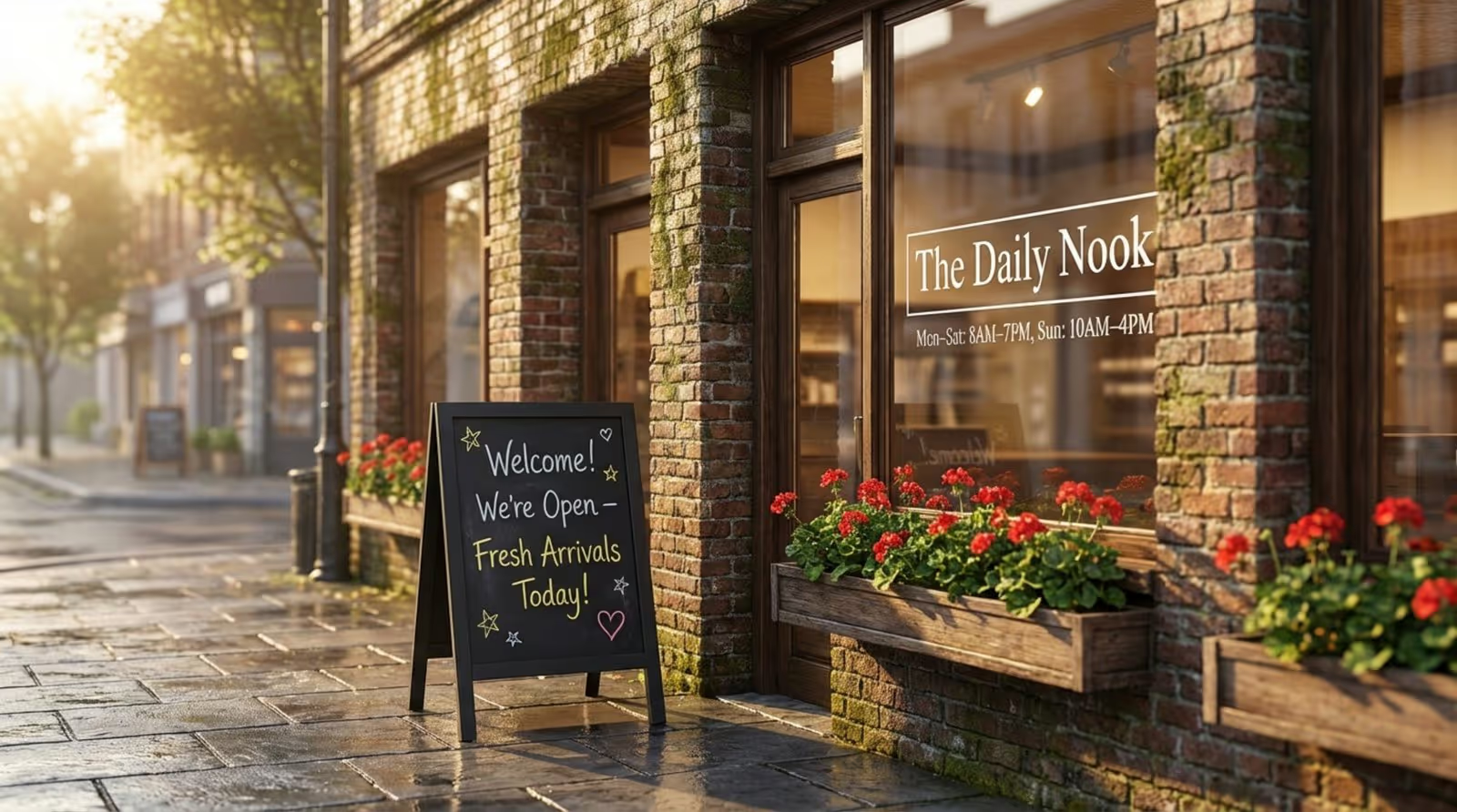
Your exterior signs work before anyone enters. Sidewalk A-frames and window decals act as a greeting, sparking curiosity on busy streets. These signs differentiate your store from competitors and signal that you are open and ready for business.
Inside, "hero" signs near the entrance pull people deeper into the space. Highlighting a specific deal or a new collection creates a visual path, encouraging movement through the store. This exposes customers to more inventory and prevents crowding near the door.
Common mistakes to avoid
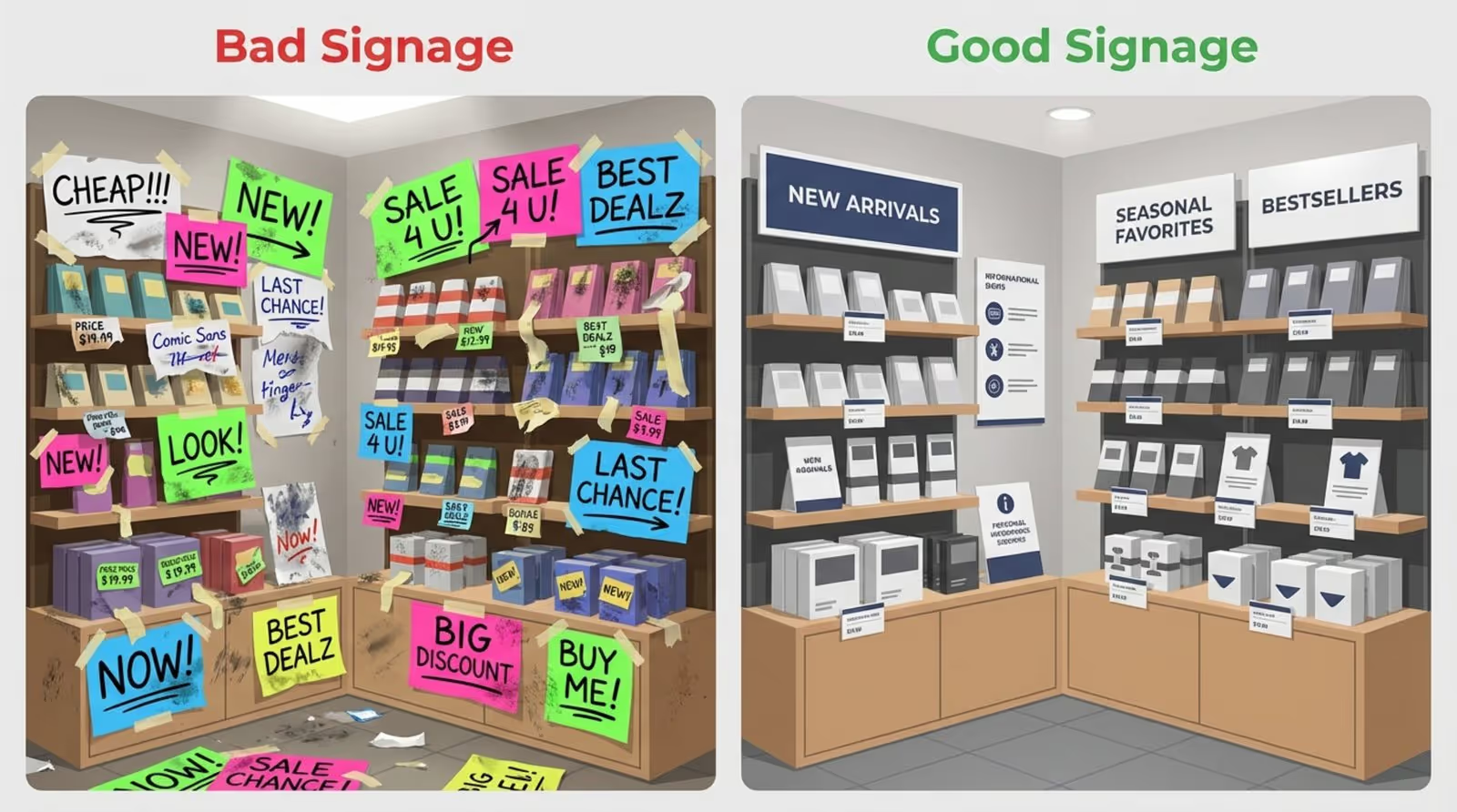
A frequent mistake is "signage clutter." When every surface is covered with conflicting stickers or handwritten notes, shoppers feel overwhelmed and tune out the message. Aim for balance; give each sign a single, clear purpose.
Poor maintenance is another issue. Faded prints, curling edges, or outdated messages (like holiday hours displayed in February) signal neglect. Hard-to-read fonts or low contrast make signs useless. If a customer cannot read your sign in seconds, it fails to do its job.
Categories of In-Store Signage Solutions
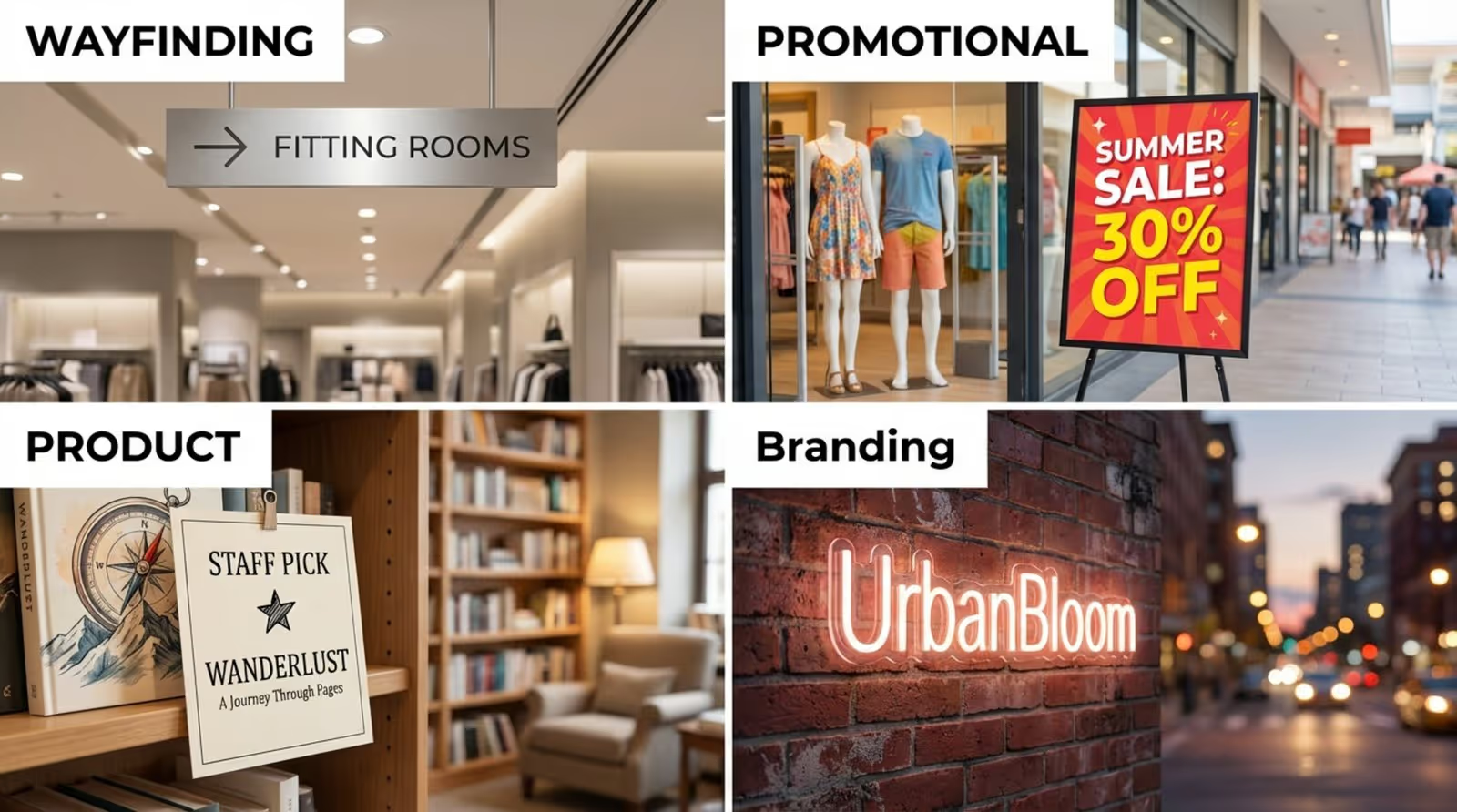
Wayfinding and directional signage
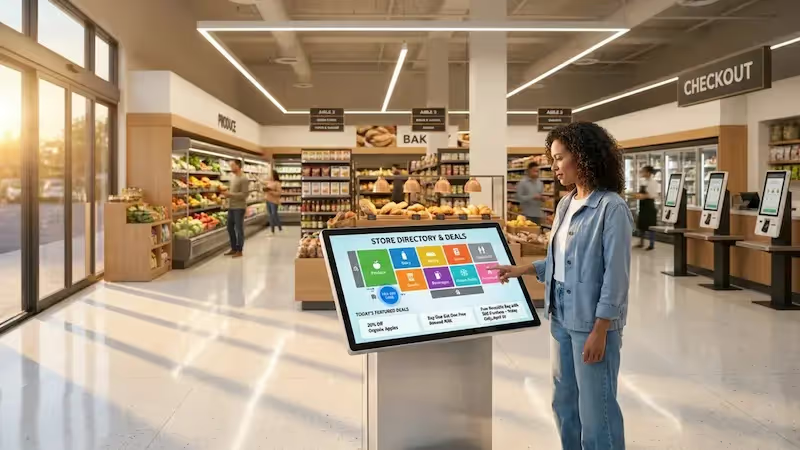
Wayfinding is the practical backbone of your store. It helps customers find aisles, fitting rooms, restrooms, and checkouts without frustration. When shoppers can navigate easily, they feel more comfortable and stay longer.
In small boutiques, wayfinding can be subtle. Small hanging signs or wall plaques marking "New Arrivals" or "Clearance" help orient the customer. Consistency in style ensures the layout is easy to understand at a glance.
Product and pricing signage
Product signage closes the sale. Shelf talkers highlight key benefits, while pricing signs must be instantly readable. Uncertainty about price often stops a purchase cold.
Context adds value. A wine shop using cards with tasting notes, or a bookstore with "Staff Picks," makes the experience helpful. It empowers customers to make decisions even when staff are busy assisting others.
Promotional and seasonal signs
Promotional signs drive urgency. These are often temporary, using bold graphics to highlight sales or limited-time offers. They typically use brighter colors to stand out from standard informational signs.
Seasonal signage keeps the store feeling current. A "Back to School" theme or summer refresh updates the store’s look without a renovation. Relevant signage makes your inventory feel timely.
Branding and ambiance signage
Branding signage supports your identity rather than pushing a specific product. This includes your main logo, lifestyle imagery, or wall graphics. These visuals help customers understand your store's vibe-whether it is sleek and modern or rustic and cozy.
Choosing Between Traditional and Digital Signage
Printed vs digital signage: key differences
The choice between print and digital depends on your goals. Printed signs are cost-effective for permanent needs, like "Restroom" markers or regulatory notices. However, they are static; once printed, they cannot change. This makes them less effective for fast-moving inventory or daily specials.
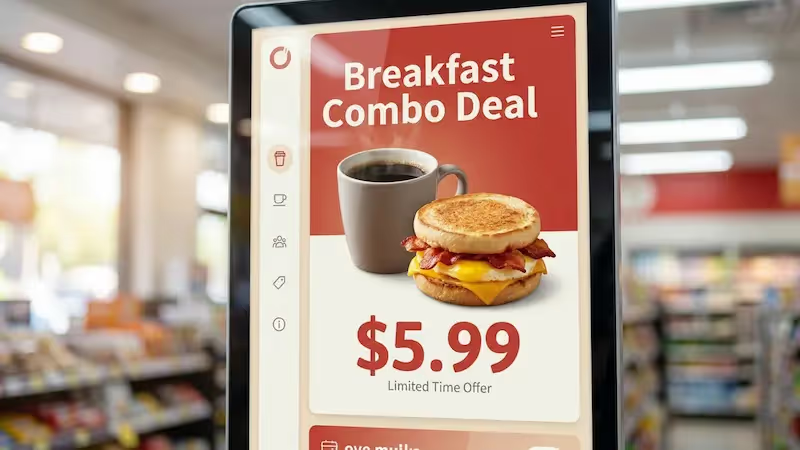
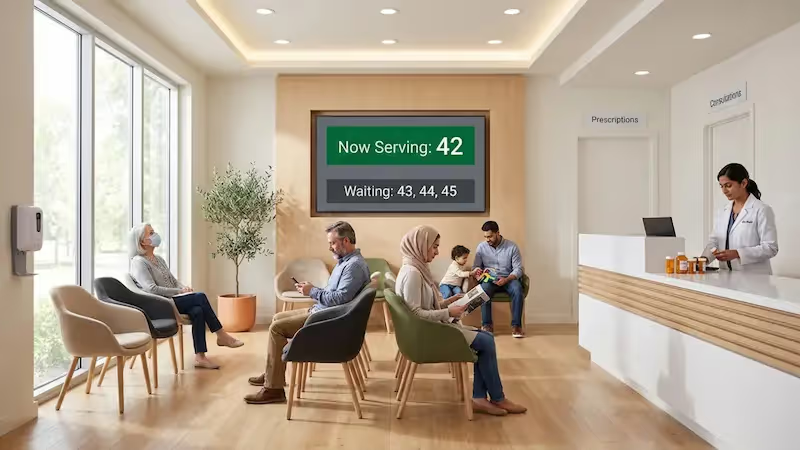
Digital signage uses screens to display dynamic content. While the initial setup involves hardware, it offers unmatched flexibility. You can update messaging in minutes, schedule content to change by time of day, and eliminate the recurring cost of printing paper signs.
Benefits of digital signage for small retailers
Digital signage allows small shops to scale their messaging without clutter. A single screen can rotate through five different promotions, saving wall space. Motion and video also catch the eye far better than static paper.
For retailers who need to manage content easily, Look Digital Signage is a strong solution. Look DS is a cloud-based digital signage platform that lets you manage any screen from anywhere. It is designed to be approachable for non-technical teams, allowing you to create playlists and publish content without complex IT setups.
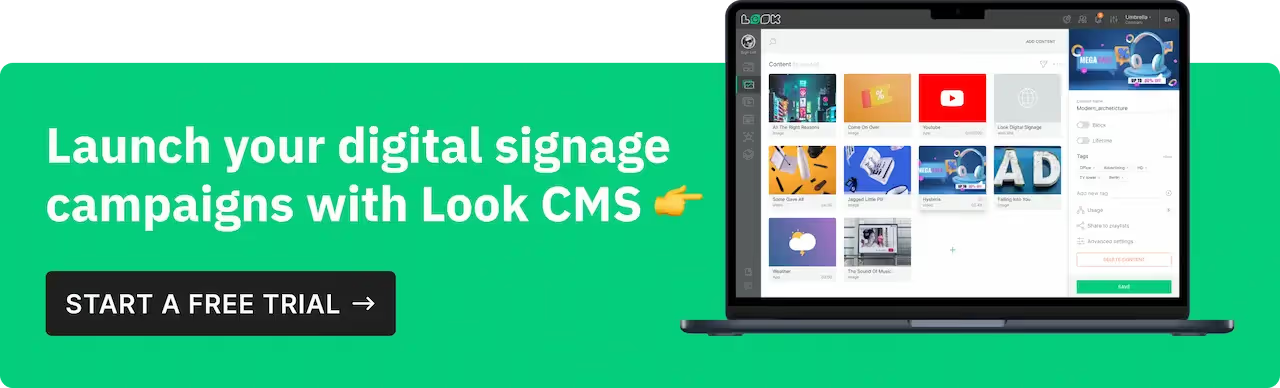
Using Smart Scheduling in the Look CMS, you can automate your day. For example, a cafe can automatically switch from a breakfast menu to a lunch menu at 11:00 AM, ensuring screens are always relevant. This "set and forget" capability saves staff time on manual updates.

When to use printed signage for maximum impact
Print remains useful for permanent fixtures. A high-quality material like wood or metal conveys stability and fits specific aesthetics. Shelf talkers are often best as small printed cards right next to the product. Use print for things that never change, and digital for everything that does.
Best Signage Materials and Display Options
Popular materials for durability and style
Foam core is light and affordable for short-term indoor use. For durability, PVC (Sintra) or Acrylic provides a professional finish that lasts longer. Aluminum (Dibond) is the standard for outdoor signs, resisting weather and rust.
A-frame signs, window decals, and banners
A-frame signs are portable and excellent for capturing sidewalk traffic. Window decals maximize your storefront glass, while vinyl banners are practical for temporary announcements like "Grand Opening."
Digital display hardware for small spaces
You do not need massive video walls to succeed. Commercial-grade tablets or smaller screens work well at checkout counters to promote loyalty programs or upsells.
For a simple setup, Look DS works with the hardware you may already have. You can install the Look App on compatible Android TVs, Amazon Fire TV Sticks, Windows, Linux, etc. to turn consumer screens into digital signage. For a more robust, business-grade solution, the Look HDMI Player is a plug-and-play device that ensures reliable playback and easy connection to any HDMI display.
Principles of Effective Retail Signage Design
Visual hierarchy and layout essentials
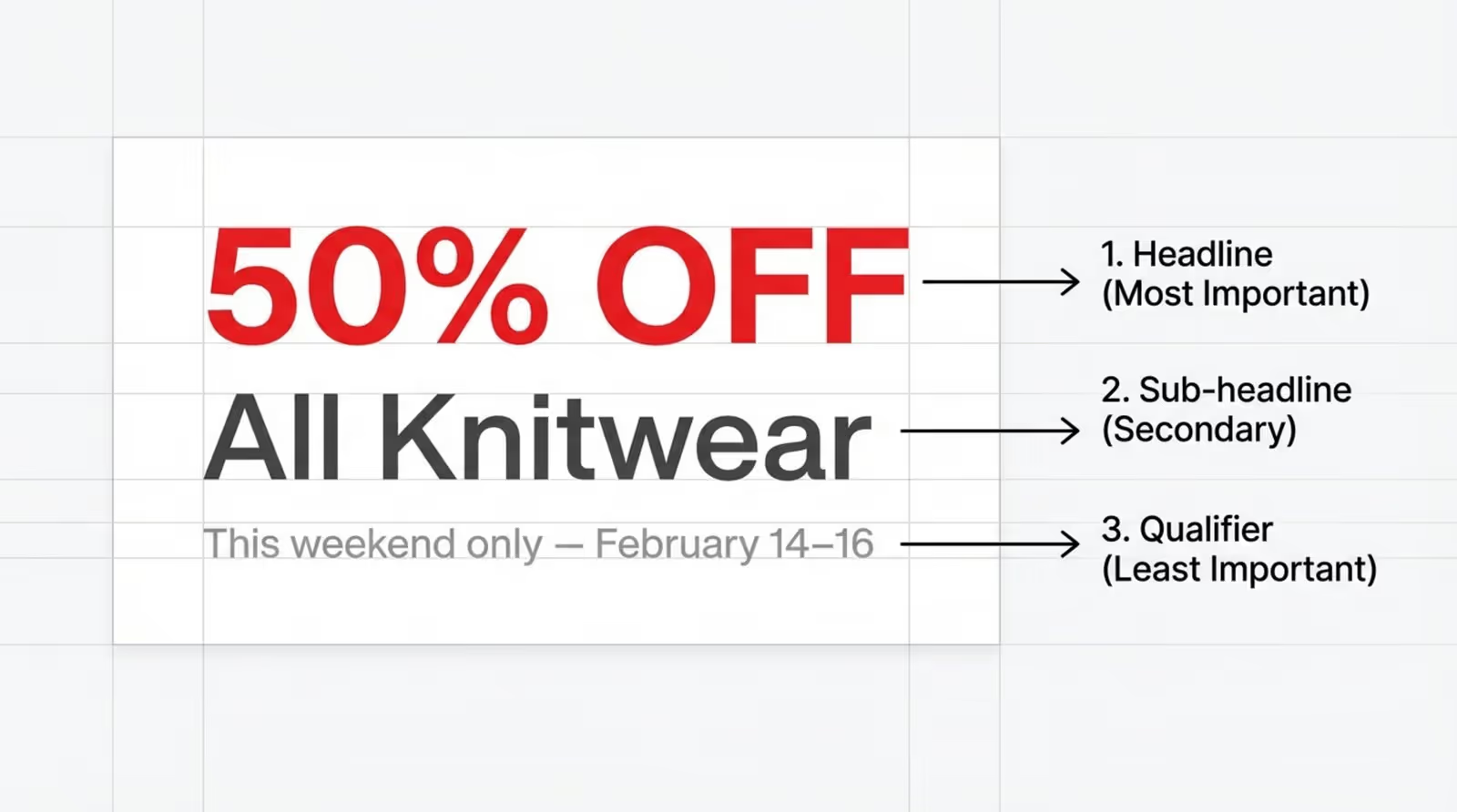
Effective signs follow a hierarchy: the headline (e.g., "50% OFF") is biggest, followed by details, and then the call to action. Keep it simple-shoppers should understand the message within five seconds.
If you lack design skills, the Look CMS offers Ready-made Templates designed for retail. You can choose a layout, customize the text, and publish professional-looking content quickly without starting from scratch.
Typography and contrast
Use clean, legible fonts. Sans-serif fonts are generally easier to read from a distance. Ensure high contrast, such as dark text on a light background, to maximize visibility. Avoid color combinations that vibrate or blur, like red on green.
Aligning signage with your brand
Consistency builds trust. Use the same colors, fonts, and logos across print and digital signs. Your digital screens should feel like an extension of your physical store, not a separate TV channel.
Practical Tips for Placement and Installation
Strategic placement to maximize attention
Avoid placing critical signs in the "decompression zone"-the first few feet of the entrance where customers are still adjusting to the environment. Place key messages just past this point. Use natural sightlines and high-traffic areas like end-caps or the wall behind the register.
With digital screens, you can maximize value in small areas using Screen Layouts. This Look CMS feature lets you split one screen into zones-displaying a promotional video on one side and a pricing list on the other.
Best display heights and viewing distances
Place signs at eye level (approx. 5-5.5 feet) for general reading. Wayfinding signs should be higher to clear shelves and crowds. Pricing should be close to the product.
Complying with regulations
Check local zoning laws for outdoor signage. Indoors, ensure compliance with accessibility standards (like the ADA), which may dictate font sizes, mounting heights, and contrast for permanent room signage.
Budgeting for Signage: Costs and ROI
Typical costs and scalable options
Print costs are static but recurring. Digital signage requires an upfront investment in hardware but offers long-term flexibility. A Look DS subscription is cost-effective, allowing you to start with one screen and scale to many locations as your business grows.
How to calculate return on investment
Measure impact by tracking sales of featured items. If a digital screen promotes a specific combo meal, track the sales uplift during that period. You can also use Playback Analytics in Look DS to verify exactly how often your content played, helping you correlate screen time with sales data.
Action Steps: Planning and Implementing Your Strategy
Setting objectives
Define the job for each sign. Is it to drive traffic, sell a specific item, or provide direction? If a sign lacks a clear goal, remove it.
Auditing your current signage
Walk your store as a customer. Note where you feel confused or where signs look worn. Replace outdated paper signs with digital options where information changes frequently.
Building a plan for growth
Map out your store. Identify "permanent" zones for print and "dynamic" zones for digital. Implement a schedule to keep content fresh. With Look DS, you can manage this remotely, ensuring your screens are always up to date without visiting each location.
Keeping Your In-Store Signage Fresh
How often to update
Update promotions monthly or with every new campaign. Digital screens allow you to react instantly-if it starts raining, you can switch your content to promote umbrellas or hot coffee in minutes.
Measuring impact
Observe customer behavior. Do they stop and look? Do they follow directions? Use data from your sales system and tools like Look’s analytics to refine your strategy over time.
Frequently Asked Questions about In-Store Signage
Which types of signage work best for small retailers?
A mix is best. Use A-frames for street traffic, clear print for wayfinding, and digital signage for menus. Solutions like Look Digital Signage act as a strong fit for retailers who want to modernize their promotional displays without complex IT requirements.
Are there legal requirements for signs?
Yes. Permanent room signs often require Braille and specific mounting heights under accessibility laws (ADA). Outdoor signs are subject to local zoning rules regarding size and illumination.
What are common pitfalls?
Clutter, poor legibility, and outdated content are the biggest issues. Keep signs clean, simple, and current to maintain a professional image.
Conclusion
As retail evolves, the in-store experience must be efficient and engaging. Signage is no longer just about labeling prices; it is about guiding the customer journey. By combining reliable printed wayfinding with dynamic digital displays, small retailers can create a responsive environment that drives sales.
Modern tools make this accessible. Whether you are using a printed QR code to link to a catalog or a digital screen to schedule daily specials, the goal remains the same: clear communication. By adopting a platform like Look Digital Signage, you can keep your messaging consistent, update content from anywhere, and prove ROI with clear data.