Table of Content
In today's busy marketplace, where businesses fight for attention, simply giving customers information is no longer enough. To truly stand out and build lasting relationships, companies must offer more than products or services; they must deliver memorable experiences. This is where experiential signage plays a key role, turning passive looking into active participation and leading customers through a journey that feels personal, lively, and unforgettable.
Experiential signage is not just about showing information; it is about creating an experience that pulls people in and connects with them emotionally. By combining modern technology with smart design, businesses can build spaces that excite the senses, tell strong stories, and build real connections. The road to an unforgettable customer experience is now closely linked to creative and interactive signage.
What is experiential signage?
Experiential signage is a dynamic, interactive way of communicating that gives viewers a memorable and engaging experience. Unlike static signs that simply share information, experiential signage aims to draw people in, stir their emotions, and invite them to interact directly. It uses advanced technology and carefully chosen content to go beyond education or advertising and leave a strong impression that brings customers back and encourages them to share what they experienced.
At its core, experiential signage focuses on meaningful interaction. It turns passive viewers into active users, inviting them to engage with content in ways that traditional signs cannot. This approach accepts that user experience touches nearly every part of life and that keeping people truly engaged requires an experience-based method.
How does experiential signage differ from traditional signage?
The main difference between experiential signage and traditional signage lies in their purpose and how they involve people. Traditional signage mainly has a practical job: to inform, direct, or show a brand. Think of a basic “Exit” sign, a store logo, or a billboard with a product. These do their job well, but they rarely invite interaction or try to create an emotional bond.
Experiential signage goes beyond these basic functions. It can still guide and inform, but its main goal is to capture attention and pull people into the experience. It focuses on creating a sense of surprise, discovery, and story around a brand or product. Traditional signage informs; experiential signage involves. It turns onlookers into participants, making every interaction feel meaningful and memorable and carrying the brand story far beyond a single image.
Key elements of experiential signage
The strength of experiential signage comes from its mix of interactive and immersive elements. Together, these parts engage and attract audiences, turning normal spaces into lively and memorable experiences. A key element is interactivity, which may appear as touchscreen kiosks, motion-activated displays, or sensor-based responses. These tools give viewers control, letting them explore content at their own speed and shape their own experience.
Another important element is advanced visual technology. This includes large DVLED displays, projection mapping, and LED walls that create eye-catching, often large-scale environments. The use of augmented reality (AR) and virtual reality (VR) can place users inside digital spaces, where they can interact with virtual objects and scenes. Holographic displays also play a big role, quickly attracting attention with floating mid-air images. Beyond visuals, multi-sensory setups that mix sound, lighting, and even scent can deepen brand stories and make the experience richer. Finally, personalized messaging, driven by data and adjusted to user preferences, makes content more relevant and impactful, so each person’s experience feels unique.

Why experiential signage improves customer experience
Experiential signage is more than a flashy idea; it is a smart strategy for businesses that want to raise their customer experience. In a time when people face constant digital content and “digital fatigue,” human-centered, engaging experiences become especially important. Experiential signage does this well, turning simple moments into memorable journeys that stick with people.
By placing visitors in dynamic, interactive environments, this type of signage creates personal and memorable touchpoints. It guides and informs customers while also stirring their emotions, leading to stronger bonds with the brand. These richer journeys build loyalty and lead to positive word-of-mouth, as people are more likely to talk about and return to places that made them feel something special.
Building emotional connection with customers
In a world filled with information, creating an emotional link may be the strongest way to stand out. Experiential signage is well-suited for this because it moves beyond basic transactional contact to create real feelings. When customers interact with a touch display, watch a powerful visual story, or take part in an AR experience, they are not just taking in facts; they are feeling, exploring, and joining the story.
This emotional impact matters because people remember how a brand made them feel. By offering dynamic and personal interactions, businesses can create deeper emotional ties with their audience. This is about building trust and positive feelings, turning customers from buyers into fans who feel connected to the brand’s values and purpose. Whether through striking visuals, immersive sound, or even a clever scent, experiential signage uses multiple senses to build these strong emotional bonds.
Boosting brand recall and loyalty
A memorable experience tends to stick. When customers are active and emotionally involved through experiential signage, the brand settles more firmly in their memory. Research shows that immersive and interactive brand experiences lead to longer visit times and higher intent to buy. With this higher level of engagement, customers are more likely to remember the brand when making future choices.
Beyond memory, experiential signage helps build loyalty. By regularly offering engaging and personal experiences, businesses foster a sense of appreciation and closeness. When customers feel noticed and entertained, they are more likely to come back and recommend the brand to others. This loyalty grows even more when the experiences are easy to share online, encouraging customers to post and spread the word to new audiences.
Driving engagement and dwell time
One of the clearest benefits of experiential signage is how it increases customer engagement and the time people spend in a space. Unlike static signs, which people quickly glance at, interactive displays, AR setups, and immersive spaces invite ongoing interaction. Customers are encouraged to touch, explore, and participate, which naturally keeps them around longer.
This extra time is not just about keeping people busy; it creates more chances for deeper contact with products, services, and messages. For example, interactive digital displays that let viewers control what they see deliver a more personal experience and hold attention for longer. The more time customers spend interacting with a brand’s offerings in a pleasant way, the higher the chance they buy and the stronger the bond they build. This active role turns idle waiting or basic browsing into an enjoyable and useful part of the journey.
Types of experiential signage for unforgettable customer experiences
Experiential signage includes many different tools and technologies that help create truly memorable customer experiences. These tools go beyond simple visuals and invite people to take part and use their senses. From screens that respond to touch to spaces that mix physical and digital elements, the options are wide and growing.
The key is choosing the right type of technology for your goals and message. Each option has its own strengths, allowing businesses to create custom experiences that fit their audience and make a lasting impact.
Interactive digital displays
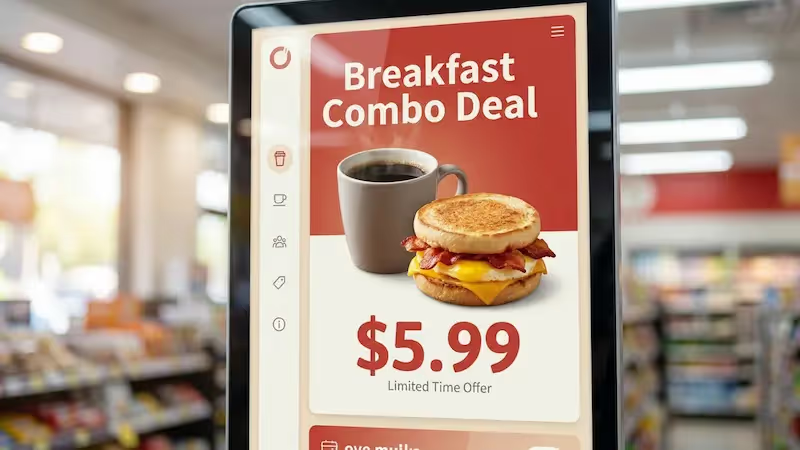
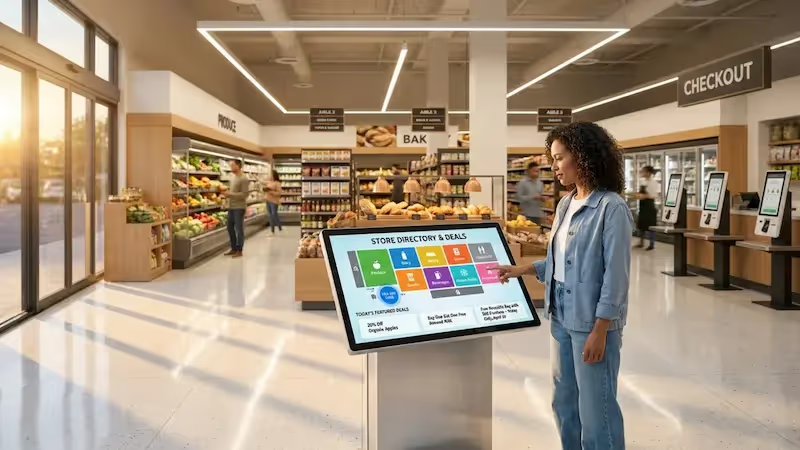
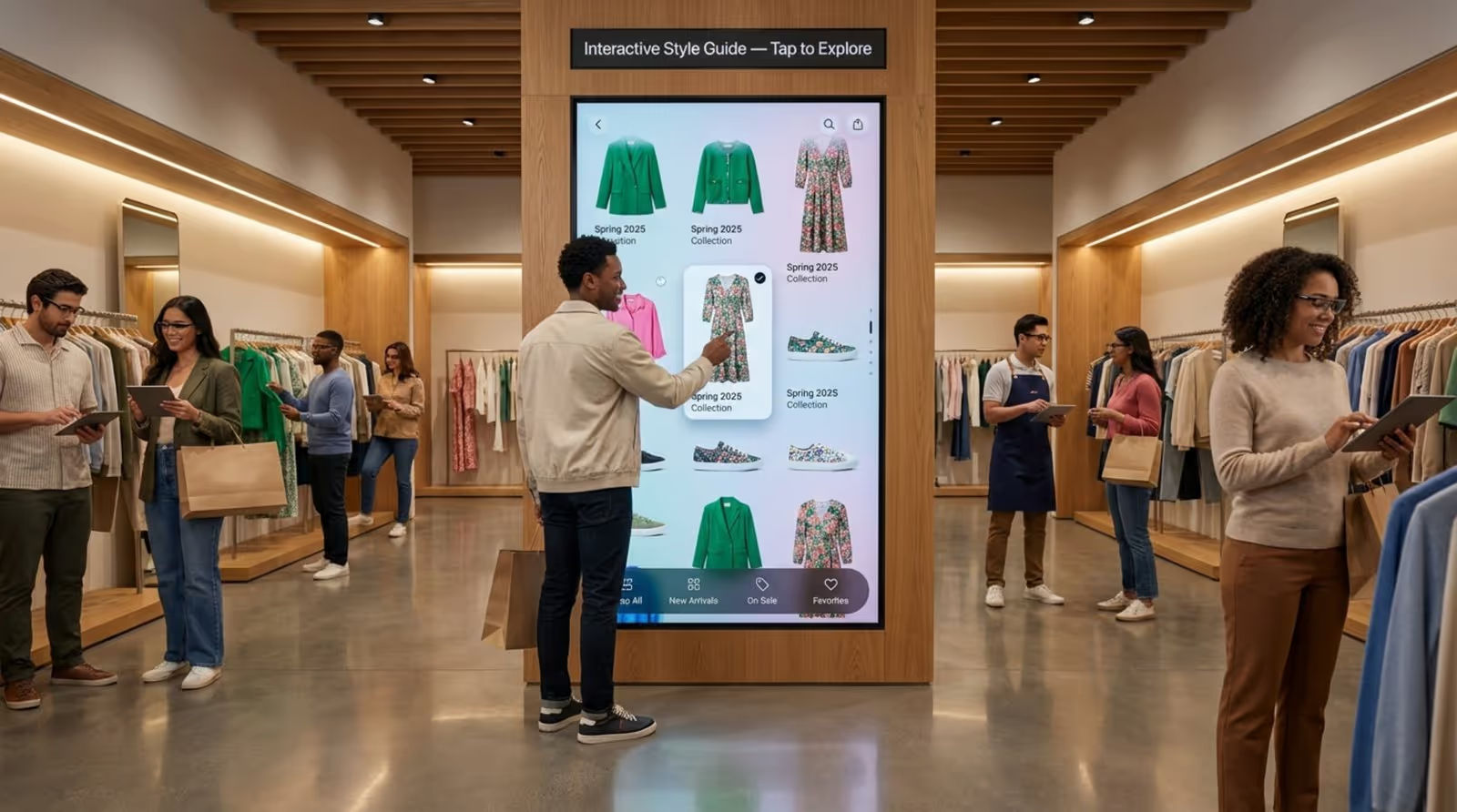
Interactive digital displays are a leading tool in experiential signage, turning simple viewing into active use. These displays, often with touchscreens, let customers control what content they see, creating a more personal experience. For example, in a retail store, customers can browse product catalogs, compare features, or virtually “try on” items with a tap or swipe.
Beyond touch, interactive displays can use motion sensors and games to grab attention and encourage engagement. This type of interaction is a strong marketing tool because it centers on the user, letting them explore at their own pace and find what matters most to them. These displays are not just about giving information; they spark curiosity and help customers make informed choices in a fun way.
Augmented reality and virtual reality integrations
Augmented Reality (AR) and Virtual Reality (VR) take experiential signage to another level by creating rich, interactive experiences. AR adds digital content on top of the real world, giving a more vivid view of the environment. For instance, holding up a phone in a store to see a life-sized avatar showing outfits, sharing tips, and telling the product story, like Nike did with its “For Every Body” campaign.
VR places users inside a fully digital space, where they can interact with moving content, virtual objects, and realistic simulations. These tools change how businesses share messages, creating strong, personal experiences. They mix visual and emotional elements, sending clear visual and audio cues that feel so real they can increase sales by giving customers a sense of truly “being there.”
Holographic and projection-based signage
Holographic and projection-based signage are striking ways to communicate that catch attention right away. Holograms that seem to float in the air work well in busy places like stores, trade shows, or public squares, attracting people with their futuristic look. These displays offer a special way to show products or messages and create a sense of wonder.
Projection mapping goes further by turning whole surfaces, such as building fronts or interior walls, into moving visual displays. This technology can bring a brand story to life on a large scale, producing dramatic and engaging environments. Both holographic and projection-based signage are great for creating a strong “wow” effect, leaving a clear memory and helping a brand stand out by literally painting its story onto the surrounding space.
Sensor-based and immersive environmental signage
Sensor-based and immersive environmental signage make interaction more subtle but very powerful, blending technology into the space so that it responds to people. This type of signage reacts to where customers are and what they do, turning environments into moving, responsive stories. For example, “Lift & Learn” technology in retail activates nearby screens to show videos, product details, or brand messages when a shopper picks up an item, turning a simple pick-up into a two-way exchange.
Beyond direct product contact, sensor-based setups can change lighting, sound, or visuals as people move through a space, creating a changing sensory path. Immersive environmental signage can also include large video walls or LED displays that wrap around areas, surrounding visitors with images and motion. These solutions help build an atmosphere that is both informative and engaging, making the full environment part of the brand story and experience.
Experiential signage applications across industries
Because experiential signage is flexible, it can be used in many different industries and settings. While it shares some features with standard digital signage, its context-based use makes it especially powerful for raising engagement and reaching specific business goals. From helping shoppers find what they need to delighting hotel guests, experiential signage is changing how organizations connect with people.
Its ability to create immersive, interactive, and memorable experiences makes it a strong asset for any group that wants to stand out in a crowded market and build deeper relationships with customers or visitors.
Retail: Shaping shopper journeys
In today’s highly competitive retail space, experiential signage has become almost a requirement for shaping strong shopper journeys. Traditional signage and still displays no longer capture the full attention of modern consumers, who expect a mix of digital and in-store experiences that feel lively and current. Experiential signage helps stores stand out, move products more quickly, and encourage impulse purchases.
There are many examples: transparent mesh LED screens can turn windows into digital billboards, drawing up to 80% more shoppers inside. Interactive OLED screens let customers compare features and watch demos right at the shelf, raising sales by up to 33% compared to basic signs. “Lift & Learn” technology shows product details on nearby screens when an item is picked up, starting a live, informative moment that supports the buying decision. Digital mirrors offer virtual try-ons, and touchscreen directories give personal suggestions, improving the shopping trip and turning stores into active brand spaces.
Hospitality: Personalizing guest experiences
The hospitality industry depends on creating great guest experiences, and experiential signage is now a key tool for doing this. Many hotels, restaurants, pubs, and nightclubs use experiential signage to give guests a more engaging and memorable stay, going beyond basic information to personalize each contact point. It helps promote events, specials, and offers, creating an instant sense of energy and possibility.
Beyond promotion, it supports practical needs such as smart wayfinding to guide visitors or dynamic menus that can be updated in real time. By placing guests in interactive environments and offering messaging based on their preferences, experiential signage builds a closer connection with the brand. This leads to higher guest satisfaction, stronger loyalty, and more positive word-of-mouth, turning a simple visit into a standout experience.
Entertainment and events: Creating memorable moments
In entertainment and events, experiential signage is a powerful tool for creating moments that stick in people’s minds. From cinemas and theaters to festivals and sports venues, this technology turns spaces into live shows. It is key for sharing up-to-date information about upcoming movies, performances, and events, building excitement ahead of time.
Using experiential signage for entertainment also supports new product launches, audience engagement, and brand awareness. Think of a huge digital videowall at a performing arts center, like the one at Pioneer Central School District, used as a virtual stage backdrop that can be quickly changed between shows. Or picture a sports venue with large displays that create immersive fan experiences, making visitors stay longer and share their time online. Even a bar and grill, such as Route 66 Motorheads, can use a videowall to show multiple games, promote specials, and serve as a live backdrop for concerts, building a fun, engaging setting that keeps people returning.
Corporate and public spaces: Guiding and delighting visitors
Experiential signage also plays a big role in corporate lobbies and public spaces, where it guides and delights visitors while reinforcing brand identity. In offices and headquarters, it presents branding and key messages in a moving, engaging way, going beyond fixed logos to tell a broader company story.
In public places such as transit hubs and city squares, experiential signage welcomes visitors, promotes attractions with vivid imagery, and makes wayfinding smoother and more enjoyable. Louisville Tourism, for instance, installed a videowall at Louisville Muhammad Ali International Airport to greet travelers and highlight local sights. These displays create striking visual areas and often encourage social media posts, turning visitors into unpaid brand promoters. By making these areas more interactive, clear, and visually appealing, experiential signage lifts the overall visitor experience and leaves a positive lasting mark.
How to design effective experiential signage
Designing effective experiential signage requires careful planning and a clear grasp of both technology and human behavior. Hanging a large screen is not enough; success depends on shaping an experience that speaks to the audience, supports business goals, and leaves a positive memory. This calls for a planned approach, from early ideas to installation and ongoing management.
Thoughtful, well-executed experiential signage can deliver strong results, but only when the design process is thorough and coordinated, so every part contributes to a memorable customer journey.
Identifying your audience and experience goals
A strong experiential signage plan starts with knowing your target audience and clearly stating your experience goals. Before choosing technology or creating content, businesses should ask: “Who are we trying to reach?” and “What do we want them to feel, do, or remember?” Learning about potential customers-their interests, problems, needs, and values-is key. Messages and experiences should be adjusted to speak directly to them and create an emotional link.
Because large-format experiential signage is a major expense, starting with clear goals matters. Strong goals might include raising awareness in a crowded space, shaping how people see the business, and encouraging interaction that may lead to viral social moments. By matching the experience to audience insights and defined goals, businesses can create signage that grabs attention and also drives real outcomes and stronger relationships.
Choosing the right technology and materials
Once you know your audience and goals, the next step is picking the right technology and materials. There are many options, from interactive digital displays and multi-touch AR to holograms and large DVLED screens. The best choice depends on the type of experience you want, the location, and the available budget.
For example, if your aim is hands-on product discovery, interactive OLED screens or “Lift & Learn” setups may be best. If you want a large-scale visual experience, big LED displays or projection mapping might suit you more. Quality also matters: experiential signage needs to run smoothly without frequent failures, so working with trusted manufacturers that provide durable hardware and strong support is key. Also, think creatively about shapes-using curves, angles, and non-standard forms instead of only rectangles can increase immersion and visual impact.
Integrating interactivity and ease of use
Interactivity is at the center of experiential signage; it turns viewers into users. To design good solutions, businesses must add features that invite engagement while keeping the experience simple and clear. Touchscreens, sensors, and games can greatly raise the chance of a positive, memorable experience by giving viewers control over what they see.
However, if the interaction feels confusing or too complex, people will avoid it. The message should stay simple, even if the technology behind it is advanced. Designers should avoid too much information or steps that are hard to follow. Engagement should feel natural, smooth, and rewarding, creating a feeling of discovery instead of annoyance. With a balance of creative interaction and easy use, experiential signage can hold attention and help build stronger ties to the brand.
Using social media and data for personalization
In a connected digital world, using social media and data is key to getting the most from experiential signage and reaching a high level of personalization. A big benefit of experiential signage is its ability to create buzz through shareable moments. Designers should think about how a display can inspire people to talk about it and post it online-through photo-friendly setups, interactive scenes, or collaborations with influencers on TikTok, YouTube, and Instagram.
Data is also important for personalization. By adding AI and customer data to digital systems, experiential signage can show content based on time, place, or shopper profile. For example, “Lift & Learn” can track which items attract interest and how this affects sales, offering useful data to improve merchandising. These insights make experiences more relevant and help brands make better choices about inventory, marketing, and even selling ad space on screens, proving return on investment through engagement metrics.
Supporting accessibility and inclusivity
While high-end technology and strong visuals matter, accessibility and inclusivity are just as important for creating memorable experiences. An experience is only truly memorable if everyone can take part. This means designing for people with different needs, including physical access to touchpoints, readable text for people with limited vision, and audio cues for users who are blind or have low vision.
For example, if an AR experience is central, it should work on a variety of devices and be easy to use for people of different ages and backgrounds. Nike’s “For Every Body” campaign, using AR to show diverse women, is a good example of blending tech and human insight to support inclusivity. By giving priority to accessibility, businesses reach more people and show social responsibility, building a more positive and welcoming brand image.
Challenges and considerations in experiential signage
While experiential signage is attractive and powerful, putting it into practice involves certain challenges and trade-offs. It is a major investment and, like any advanced system, needs careful planning to work well over time. Handling these issues successfully is key to turning creative ideas into strong, real-world experiences.
Businesses must balance creative vision with real-world limits, prove financial results, and address privacy issues. A thoughtful, planned approach helps deal with these factors and keeps projects effective.
Balancing creativity with practicality
One major challenge in experiential signage is finding the right balance between creative ideas and practical limits. The goal might be to build unique, immersive, even fantastic experiences, but these ideas must work in real spaces. That means thinking about the location, durability of hardware, and ongoing upkeep. A beautiful hologram may attract attention, but if it often breaks or needs constant tuning, its effect quickly fades.
Content is part of this balance too. Even when experiences are interactive and complex, the core message should be clear. Overloading viewers with too much data or too many steps can hurt the experience. The best experiential signage finds a middle ground where fresh design meets reliable operation and clear communication, so the “magic” lasts beyond the first moment.
Measuring ROI and engagement
Tracking Return on Investment (ROI) and engagement for experiential signage can be challenging but is necessary. Unlike classic ads with simple metrics, the effect of a rich experience is harder to measure. Still, businesses must show results to support the investment. That starts with clear goals, such as more foot traffic, higher sales, improved brand image, or more social media activity.
To measure results, businesses can use KPIs and analytics tools. For interactive screens, this may include counting touches, measuring dwell time, or tracking which content people choose. For sensor-based systems, data on product lifts or movement paths can be useful. Social media mentions, hashtags, and user posts show how far the experience spreads. By carefully collecting and analyzing this data, brands can see what works, adjust their approach, and show the value of their experiential signage.
Privacy and data sensitivity concerns
As experiential signage grows more advanced and uses AI, IoT, and data-based messaging, privacy and data protection become major concerns. Collecting user data, even without names, raises questions about storage, use, and security. For example, systems that track shopper behavior or show content based on demographics must follow data laws and ethical standards.
Businesses should be open with customers about what data they collect and put strong security in place to prevent leaks. Trust is central; if people feel their privacy is at risk, even the best experience can backfire. When planning experiential signage, brands must think about both excitement and responsibility, handling data carefully and explaining clearly how it is used.
What are the future trends in experiential signage?
The future of experiential signage is active and fast-moving, as technology keeps changing to meet growing demand for bigger, more immersive, and more personal experiences. Looking ahead to 2025 and beyond, several trends are starting to reshape how businesses talk to their audiences, pushing the limits of what signage can do. These trends focus on smarter, more responsive, and more sustainable setups that fit smoothly into both physical and digital spaces.
From AI-driven content to highly personal interactions and greener designs, experiential signage is set to keep changing the customer journey in meaningful ways.
Artificial intelligence for adaptive experiences
Artificial intelligence (AI) is set to play a major role in experiential signage by enabling displays that adjust in real time. With AI, signage can move beyond fixed playlists and change based on many factors. For example, displays could recognize returning customers (with proper privacy steps), understand their preferences, and adjust messages, visuals, and interactive elements on the spot.
AI can also support predictive tools that guess customer needs or interests based on behavior and surroundings. This allows displays to show content that is always timely and engaging. Powered by data, AI will make experiential signage more responsive and effective, offering smoother and more personal interactions that leave a stronger impression on each user.
Hyper-personalization and dynamic content
Experiential signage is moving quickly toward hyper-personalization and dynamic content, where every contact can be adjusted for the individual. This approach uses data from AI and IoT to deliver messages, images, and interactions that match each user. Instead of one message for everyone, signage can change based on time, place, audience type, or past behavior.
This level of personalization greatly increases engagement, making experiences more relevant and memorable. A retail display, for example, could show product suggestions based on a shopper’s browsing history, or a public display might offer routes and tips based on a visitor’s language and interests. By reacting in real time, dynamic content feels direct and meaningful, building stronger links and higher conversion rates than generic signs.
Sustainability and eco-friendly solutions
As awareness of environmental issues grows, sustainable and eco-friendly experiential signage is gaining importance. Future projects will focus more on reducing environmental impact, from material choices to power use. This includes using recycled or responsibly sourced materials and energy-saving technologies like advanced LED panels that use less electricity.
Content can also promote green messages and behaviors, aligning brands with environmental values. Many companies will seek partners who use low-impact manufacturing and offer long-lasting solutions that create less waste. This focus on sustainability appeals to eco-conscious customers and builds a positive brand image, showing that the business cares about its impact on the planet.
Should your business invest in experiential signage?
Whether your business should invest in experiential signage depends on your goals, audience, and industry. Still, in a competitive, digital-heavy world where customers look for connection and real experiences, this kind of investment makes sense for many organizations. Experiential signage has moved from a niche tactic to a powerful way to teach, engage, and convert audiences, helping brands stand apart.
It is about a smart choice to change everyday interactions into strong memories, leading to deeper relationships and loyalty. The potential benefits-from greater engagement and brand recall to higher sales-are strong, but careful planning is needed to get the returns you want.
Key factors to evaluate before investing
Before investing in experiential signage, it helps to carefully review a few key points. Start by defining clear goals. Do you want to raise brand awareness, increase sales, improve loyalty, or spark social media buzz? Large-scale experiential signage requires investment, so clear, measurable goals are important.
Next, understand your audience. What do they expect? Many consumers now enjoy 4K screens and immersive games at home, so they look for equal or better quality in public displays. If your audience is used to high-quality technology, experiential signage can be a strong fit. Also think about where the signage will be placed-will it stand out and be useful? Finally, look closely at your budget, both for setup and for ongoing content and maintenance. Working with a content partner who knows how to create strong content, manage update frequency, and support interactive features is key to keeping the experience fresh and engaging.
Choosing a signage partner or provider
Picking the right signage partner or provider is a key step that can decide the success of your project. This is more than hiring someone to hang screens; it is about teaming up with experts who understand design, technology, storytelling, and your industry’s needs. A skilled content partner can help build engaging stories and keep messages clear and strong, even when interactions are complex.
Look for providers that work with high-quality manufacturers, since experiential signage must run smoothly with minimal downtime. They should offer durable materials and strong support services. A good partner will also help you think creatively, suggesting unusual layouts, shapes, and placements for more immersive results. They should know how to integrate social media and analytics into your plan, helping you track ROI and fine-tune engagement. A partner who can guide you from idea to launch and promotion will help your experiential signage deliver truly memorable customer experiences.
Lessons from experiential signage success stories
Looking at real-world successes in experiential signage gives helpful lessons about its strength and potential. These stories show how companies in different fields use creative displays and interactive tools to improve customer journeys, strengthen brand relationships, and achieve strong results. They highlight the value of aligning technology with brand values, actively involving the audience, and building experiences that people remember and want to share.
These examples act as both inspiration and a practical guide, showing how careful planning and smart execution can turn experiential signage into a driver of engagement, loyalty, and growth.
Retail case: Transforming store environments
The retail industry offers clear proof of how experiential signage can change store environments and shopper journeys. Nike’s “For Every Body” campaign is a standout case. Instead of using standard mannequins, Nike used 3D photogrammetry and a Snapchat AR lens to show life-sized, moving avatars of diverse women wearing Nike gear. Shoppers could lift their phones and see real athletes modeling outfits, offering tips and sharing stories.
This approach created a personal link, letting shoppers see themselves-or someone like them-in the product. It made shopping more fun, interactive, and easy to share on social media. It also showed how mixing technology with human insight around body positivity and representation can lift the brand experience, driving both engagement and goodwill. This example shows that experiential retail signage is about more than pushing products; it is about offering relatable, interactive moments that build community and personal connection inside the store.
Sports and event venue: Immersive fan experiences
Sports and event venues are ideal places for experiential signage, and the Australian Open is a strong example of turning a standard sporting event into a broader entertainment brand. Wanting to move beyond a simple tennis tournament, the Australian Open, working with Landor & Fitch, refreshed its identity with a new “AO” logo and on-site experiences that extended the excitement beyond the matches.
Through music, food festivals, and interactive installations, the event created a full fan experience. Results were impressive: during the first year of the “Game Changer” campaign, attendance reached a record 750,000 and social engagement grew 6%, reaching 4.5 million fans. This case shows that focusing on the fan experience-both online and on-site-can turn visitors into active participants in a larger event. The right experiential elements can help shift a single tournament into a year-round entertainment brand.
Hospitality brand activation: Personalized guest journeys
Casper, the direct-to-consumer mattress brand, offers a clever example of hospitality-style brand activation using experiential thinking, even without huge screens. Facing the challenge of helping people try mattresses without a traditional store, Casper created “The Dreamery” in New York, a nap lounge where tired city dwellers could book 45-minute naps on Casper mattresses.
The Dreamery was more than a stunt; it was a smart experience that let customers feel the product in a real-life setting. It matched Casper’s brand story of better sleep and wellness. By giving busy people a quiet place to rest, Casper showed it cared about their sleep before asking for a purchase. This example shows that effective experiential branding does not always require large-scale displays. Sometimes, a human-focused, simple experience-like a well-designed nap-can create a powerful and personal journey that builds loyalty and positive buzz.
Next steps for creating unforgettable customer experiences with experiential signage
The path to building unforgettable customer experiences with experiential signage is full of opportunity. As shown, this is far more than putting up screens; it is about combining technology, creativity, and human insight to build rich, engaging environments. New tools-AI-based content, hyper-personalized experiences, and greener systems-will keep expanding what is possible.
For businesses ready to move forward, the next steps involve a clear vision and careful execution. It means treating signage as a storytelling tool that builds emotional ties, not just an information board. By staying true to the brand, actively involving the audience, and creating experiences that people want to talk about and share, businesses can turn casual visitors into loyal supporters. The goal is to make people feel something real, because feelings are what stay with them long after the screen goes dark. The space is open; now it is time to create an experience they will never forget.