
Table of Content
How can grocery stores keep fresh food pricing accurate and appealing without the waste of constant printing? Digital signage provides the answer by replacing static paper with dynamic screens that let you update prices, promote expiring items, and share nutritional facts in minutes. This technology connects your online data with the in-store experience, helping you cut waste, save staff time, and guide shoppers toward high-margin fresh products.
What Is Digital Signage for Grocery Fresh Departments?
How Does Digital Signage Work in Grocery Store Fresh Areas?
Digital signage in fresh departments relies on a cloud-based Content Management System (CMS), such as Look Digital Signage. Instead of manually replacing paper tags or hanging posters, store managers can log into a single dashboard to manage content across one or many locations. You can upload images, build playlists, and schedule updates to occur automatically.
The hardware setup typically involves commercial-grade displays and media players. With a solution like Look DS, you can use the Look HDMI Player for a simple plug-and-play connection, or install the free Look App on compatible smart TVs. These systems can often integrate with your POS or inventory tools, ensuring the price on the screen matches the register, reducing errors and streamlining operations.

Which Fresh Departments Benefit Most from Digital Displays?
While digital signage works throughout the store, fresh departments-produce, deli, bakery, meat, and seafood-see significant benefits due to the perishable nature of the stock. In produce sections, screens can highlight local sourcing or offer storage tips to keep greens crisp. Because inventory levels change rapidly, the ability to update promotions instantly is vital for managing shrink.
Deli and bakery counters are ideal for digital menu boards. You can switch between breakfast and lunch offerings automatically using Smart Scheduling. High-definition visuals of fresh bread or prepared meals can trigger appetite and drive impulse buys, helping you guide customers toward your most profitable items.
Key Advantages of Using Digital Signage in Fresh Food Sections
Improves Product Visibility and Appeal
Shoppers are naturally drawn to light and motion. In a department filled with static shelves, a bright screen showing high-quality footage of fresh produce or sizzling proteins stands out. This is essential for capturing attention quickly. By presenting fresh items in their best light, digital signage helps create a perception of quality and freshness.

Digital displays also function as an extended shelf. If a seafood counter has limited physical space, a nearby screen can showcase the full range of available items, including special orders or upcoming deliveries. This informs customers of their options without requiring additional floor space.
Increases Sales and Drives Impulse Purchases
Digital signage can be a powerful tool for lifting sales. When a shopper sees a suggestion like "Pair these strawberries with fresh cream from Aisle 5," they are more likely to add both to their cart. These strategic pairings turn routine shopping trips into basket-building opportunities.
Impulse buys are critical in grocery retail, and digital screens act as a silent salesperson. By featuring limited-time offers or "manager's specials" on endcaps, you can influence shoppers who are open to trying new products. A countdown timer on a screen can create a sense of urgency that static signs simply cannot match.
Reduces Printing and Marketing Costs
Traditional signage involves design, printing, shipping, and manual installation-a slow and expensive cycle. Digital signage significantly reduces these recurring costs. Once your system is installed, deploying new content costs nothing extra. This allows you to test different messages and visuals without worrying about print budgets.
There is also a clear efficiency gain. Staff members who previously spent hours changing price tags can focus on customer service and restocking. This reallocation of labor improves overall store operations and ensures your marketing remains current and professional.
Simplifies Real-Time Pricing and Promotions
Fresh food prices fluctuate based on market conditions and supply. Digital signage supports real-time updates, allowing you to adjust pricing instantly. This is particularly useful for inventory management; if you have an overstock of a specific item, you can lower the price and promote it immediately to reduce spoilage.
This flexibility also supports time-based strategies like "happy hour" deals. You might discount deli items in the evening to clear stock. Digital screens make these timed offers clear to customers, ensuring they always see the most accurate deal.
Improves the In-Store Shopping Experience
Modern shoppers value convenience and information. Digital signage supports this by providing useful content such as recipes, origin details, and nutritional facts. When you make the shopping trip easier and more informative, you build trust. A customer who finds a great dinner idea on your screen is more likely to return.
Screens can also reduce perceived wait times at service counters. Displaying entertaining content, food trivia, or queue status helps keep customers engaged while they wait, leading to higher satisfaction levels.
Digital Signage Applications in Grocery Fresh Departments
Shelf-Edge Displays for Real-Time Updates
Shelf-edge screens are a modern alternative to paper price labels. They display clear pricing and can rotate to show allergen information, organic certifications, or QR codes that link to product details. Because they are located right where the purchasing decision happens, they are highly effective at influencing choices.
These displays can also suggest bundles. A screen near specialty cheeses might recommend a cracker pairing, nudging shoppers to explore other aisles. This type of detailed, location-specific marketing is difficult to achieve with print.
Digital Menu Boards for Deli and Prepared Foods
Digital menu boards are standard for modern delis. They are easy to read and allow for instant updates. If a daily soup sells out, your team can remove it from the playlist in seconds, preventing customer disappointment. Look Digital Signage offers Ready-made Templates that make designing these menus simple, even without a graphic designer.

These boards are also excellent for displaying dietary information. Clear labels for vegan or gluten-free options help serve health-conscious shoppers and reduce questions for your staff.
Recipe and Nutrition Information Screens Near Produce
Placing screens in the produce section allows you to act as a cooking resource. Shoppers often skip unfamiliar items because they don't know how to prepare them. A quick recipe video or "usage tip" graphic can lower this barrier and encourage sales of high-margin specialty produce.
Highlighting health benefits, such as "High in Vitamin C", supports wellness goals and positions your fresh department as a partner in healthy living.
Video Walls for Brand Storytelling
Video walls create an immersive atmosphere in key areas like meat or seafood departments. You can use these large displays to show footage of local farms or fishing docks, reinforcing the quality and origin of your products. This visual storytelling builds trust in your sourcing practices.

Video walls can also reflect seasonal themes, changing the mood of the department from autumn harvest to summer grilling without the need for physical decor.
Interactive Kiosks for Self-Service
Interactive kiosks allow shoppers to find information quickly. In fresh departments, a kiosk might help a customer locate a specific ingredient or place a custom order for a cake or deli platter. This supports a self-service preference and frees up staff for other tasks.
With Interactive Scenarios available in platforms like Look DS, you can build simple touch-based experiences without coding, allowing customers to browse catalogs or scan loyalty cards for personalized deals.
In-Store Announcements and Wayfinding
Large supermarkets can be difficult to navigate. Digital wayfinding screens placed at entrances can guide shoppers directly to fresh sections or specific promotions. If you are hosting a pop-up tasting event, signage can direct traffic straight to the location.
These screens also serve as a communication channel for events, such as cooking demos or seasonal tastings, encouraging customers to spend more time in the store.
Content Ideas for Fresh Department Digital Signage
Highlight Daily Specials and Limited-Time Offers
Creating urgency is a strength of digital signage. Use bold visuals to highlight "Today Only" deals or flash sales on perishable items. High-contrast colors ensure these messages are visible from a distance.
Countdown timers can add a dynamic element to these offers, rewarding customers who are in-store at the right time and helping move stock quickly.
Promote Local Vendors and Seasonal Produce
Support for local products is a strong selling point. Use your screens to introduce the farmers and makers behind your inventory. A photo of a local grower and a brief quote about their. methods can be more persuasive than a price discount alone.
Align your content with the seasons. In cooler months, feature root vegetables and stew recipes; in summer, focus on grilling and salads. This keeps your messaging relevant to current shopper needs.
Showcase Recipes and Cooking Demonstrations
Short, silent recipe videos are highly effective in grocery environments. A 15-second clip showing a meal being prepared can inspire dinner ideas. You can use the Content Creator in Look CMS to add a QR code to the slide, allowing shoppers to scan and save the recipe to their phones.
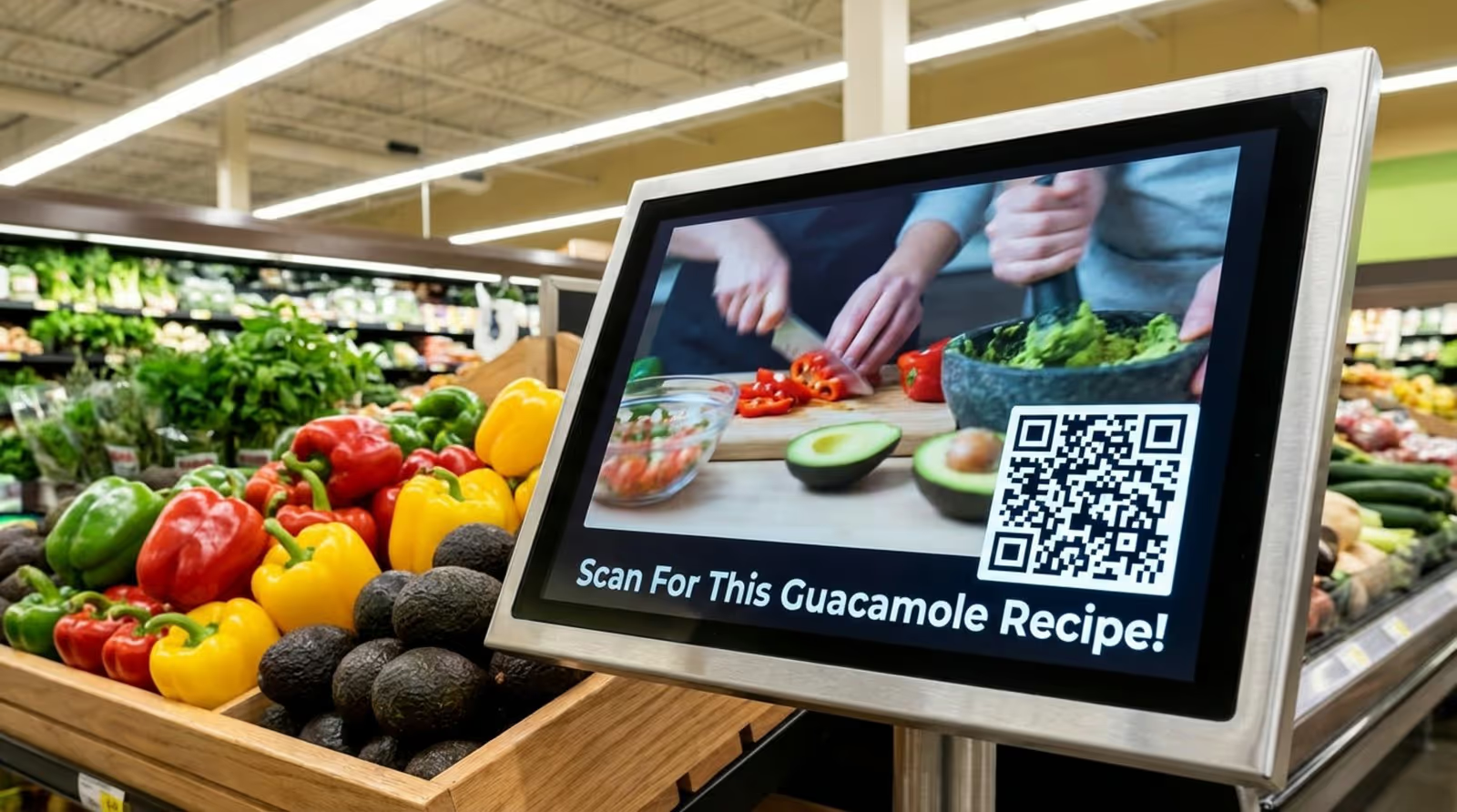
This approach drives cross-merchandising by prompting visits to multiple departments for ingredients.
Provide Food Safety and Freshness Tips
Building trust is essential. Use screens to share practical tips, such as how to select a ripe avocado or store fresh herbs. This positions your store as a helpful resource.
You can also publicize your own safety protocols, such as cleaning schedules or delivery times. Transparency about hygiene and freshness helps reassure customers about the quality of your products.
Display Nutritional Benefits
For health-focused shoppers, call out nutritional highlights like "superfoods" or antioxidant-rich items. This information helps customers make quick decisions and adds educational value to the shopping trip.
Success Strategies for Placement and Implementation
Smart Location Choices
Placement is critical for visibility. High-traffic areas like entrances, the "power aisle" in produce, and service counters are prime spots. Screens should be positioned at eye level or slightly above, ensuring they are not blocked by merchandise.
"Dwell zones"-areas where customers naturally wait, like the deli counter or checkout line-are ideal for longer content such as brand stories or detailed recipes.
Aligning Signage with Store Layout
Your digital signage should support the natural flow of the store. Wayfinding screens are best placed at decision points, while promotional screens should appear just before the product location to influence the purchase.
Consider the pace of traffic. In fast-moving main aisles, keep messages short and punchy. In slower specialty sections, you can afford to display more detailed information.
Scheduling Content for Peak Hours
Smart Scheduling allows you to tailor content to the time of day. You might promote coffee and breakfast items in the morning, quick lunches at midday, and family meal solutions in the evening. This ensures your messaging is always relevant to the current shopper demographic.
Choosing the Right Digital Signage Solutions for Fresh Departments
For a solution that balances powerful features with ease of use, Look Digital Signage is a strong fit for grocery environments. It is designed to help teams manage networks of any size without complex IT setups.
Important Features to Look For
- Cloud-Based Management: You need to manage content from anywhere. Look CMS allows you to update prices and playlists remotely, so you don't need to be on-site to make changes.
- Reliability: Internet connections can be unstable. Look DS offers Offline Playback, which caches content locally. This ensures your screens keep running smoothly even if the network goes down.
- Easy Content Creation: If you don't have a design team, look for tools with built-in resources. Look provides Ready-made Templates and a Look AI Wizard to help you generate professional visuals in minutes.
- Scalable Hardware: Whether you need a dedicated Look HDMI Player for a reliable plug-and-play experience or want to use existing screens with the Look App, the system should adapt to your budget and infrastructure.
Durability in Food Environments
Fresh departments can be humid or prone to temperature shifts. Ensure your displays are commercial-grade and rated for the environment. Media players should be tucked away securely to protect them from moisture and dust, ensuring reliable playback over the long term.
Frequently Asked Questions about Grocery Fresh Department Digital Signage
How Often Should Digital Content Be Updated?
Updates should match your promotional cycle. At a minimum, align updates with your weekly specials. For best results, use dayparting to change menus or offers throughout the day. Frequent updates keep the store feeling fresh and engaging for repeat customers.
Does Digital Signage Replace Traditional Pricing Labels?
In many modern stores, yes. Shelf-edge screens are increasingly replacing paper tags to ensure 100% accuracy with the POS system. However, stores often use a hybrid approach, using digital screens for promotions and high-level info while retaining paper for some bulk items during the transition.
How Does Digital Signage Support Health Regulations?
Digital signage helps you stay compliant by allowing instant updates to allergen information or calorie counts across all locations. If regulations change, you can update every screen immediately from your dashboard, avoiding the delay of re-printing signs.
Future Trends in Digital Signage for Fresh Food Retail
Personalized Messaging
The future of retail lies in personalization. Systems are evolving to use data to tailor content on screens based on general demographics or loyalty program integration, offering relevant suggestions to the shopper standing nearby.

Integration with Mobile Apps
Expect tighter integration between screens and mobile devices. QR codes are already bridging this gap, allowing customers to take recipes or coupons from the screen to their phone. This connects the in-store experience with your digital ecosystem.
Sustainability Benefits
Moving to digital signage reduces the significant waste generated by paper signage. By eliminating the need for ink, paper, and shipping, stores can lower their environmental footprint. Energy-efficient display technologies further support this move toward greener operations.
By adopting a data-driven approach with tools like Look Digital Signage, grocery retailers can modernize their fresh departments, reduce operational waste, and create an engaging environment that drives sales. Start a free trial today to see how quickly you can transform your store communication.