Table of Content
How can multi-location vet clinics keep pet owners informed and staff focused without relying on messy printed posters? The answer is a centrally managed digital signage network. By controlling screens across all your locations from a single cloud-based dashboard, you can instantly share wait times, check-in steps, and preventive care reminders. This helps lower stress for pets and their owners while saving your team hours on manual updates.
What Is Digital Signage for Multi-Location Vet Clinics?
Digital signage software for multi-location veterinary clinics replaces outdated brochures and paper signs with dynamic digital displays. Placed in waiting rooms, exam rooms, and staff breakrooms, these screens are controlled from a single platform. This allows operations or marketing managers to push the latest announcements and educational content to every clinic in minutes, from anywhere.
A major advantage is speed. With smart scheduling, you can set playlists to change based on the time of day, seasonal risks, or urgent clinic needs. This keeps messaging consistent across your network and turns waiting areas into helpful, informative spaces without any complex setup.
How Does Digital Signage Differ from Traditional Clinic Communication?
Traditional communication relies on printed posters and flyers. These dates quickly, require staff to physically swap them out, and often lead to inconsistent messaging across different branches. For worried pet owners, unclear or outdated signage only adds to the confusion.
Digital signage eliminates this friction. You can update every screen instantly from one dashboard, reducing printing costs and saving staff time. Rotating playlists captures attention better than static paper, delivering clear guidance without adding extra questions for your reception team.
Key Features for Veterinary Networks
For multi-location operations, you need a digital signage platform built to scale. Centralized remote management is the core feature, allowing your team to control one screen or thousands from anywhere. Screens typically display:
- Wait time updates
- Check-in instructions
- General pricing info
- Preventive care reminders
- Seasonal promos

Other critical tools include screen layouts for mixing wait times with educational videos, and ready-made templates to build on-brand content quickly. Grouping screens by location allows local teams to display specific operating hours while maintaining the overall brand standard.
Why Use Digital Signage in Veterinary Clinics with Multiple Locations?
Vet teams are incredibly busy, and miscommunication leads to tense waiting rooms. When front desk staff and technicians share conflicting updates about emergency protocols or wait times, clients lose confidence. Answering the same questions repeatedly also pulls staff away from patient care. Digital signage helps organize this chaos, replacing fragmented communication with a reliable, clear, and consistent message that sets a calm tone for the visit.
Improves Consistency of Patient and Client Communication
Consistency builds trust. Whether a pet owner visits your downtown clinic or a suburban branch, they should see the same professional standards. Using ready-made templates ensures every location shares the same brand voice.
From updated safety notices to payment policies, you can publish updates across all sites in minutes. Clients get a single, reliable source of truth, reducing confusion and frustration.
Streamlines Updates Across All Sites
Updating paper signs across dozens of clinics is slow and expensive. With cloud-based digital signage, you can update screens in seconds from a web browser. This replaces the cycle of printing, shipping, and swapping posters at every site.
Smart scheduling takes this a step further: you can automate what plays and when. Campaigns for tick season, holiday hours, or emergency notices can be scheduled in advance to run and expire automatically. This simple setup saves hours, letting your staff focus entirely on the animals.
Reduces Costs Compared to Printed Materials
While setting up screens has an upfront cost, it provides measurable ROI by eliminating recurring print expenses. You immediately cut the costs of designing, shipping, and installing paper brochures at every site.
Because real-time updates are instant, you also avoid the wasted print runs caused by last-minute policy or pricing changes, lowering your total cost of ownership over time.
Top Benefits of Digital Signage for Veterinary Groups
Digital signage actively supports your business goals. It improves the client experience while making your clinics run more efficiently. From making waits feel shorter to promoting preventive care, data-driven screen management helps pet owners feel confident in your care and supports stronger clinic revenue.
Reduces Perceived Wait Times for Pet Owners
Waiting rooms are stressful when clients feel left in the dark. Engaging screens can significantly reduce perceived wait times by keeping people occupied. Screens can explain the visit flow (history, exam, checkout) alongside queue updates and pet care trivia.
Even when actual dwell time doesn't change, keeping people informed drastically lowers waiting room anxiety and improves the check-in experience.
Promotes Services, Specials, and Preventive Care
Your screens act as an always-on communication channel right at the point of decision. You can seamlessly promote seasonal services like heartworm prevention in spring or dental care month in February.

Highlighting new wellness plans or specialized grooming through short videos helps pet owners discover services they didn't know you offered, naturally encouraging proactive care.
Increases Revenue with Targeted Messaging
Targeted messaging on your digital displays directly supports ROI. By utilizing scheduling, you can show different services based on the time of day, like promoting senior pet panels during quiet mid-morning hours.
Clear, educational content about diagnostics and wellness plans helps clients understand the value of recommended treatments, often leading to increased service bookings and retail sales.
Boosts Staff Efficiency and Workplace Satisfaction
Clear signage acts like an extra team member. When screens proactively answer common check-in questions, receptionists face fewer interruptions and can process arrivals faster.
In staff-only areas, digital signage can share daily priorities, protocol updates, and safety reminders across shifts and locations. This keeps your teams aligned and reduces workplace friction.
Builds Trust and Improves Client Education
Trust is the foundation of veterinary care. Educational content about nutrition, safe handling, and routine procedures positions your clinic as a reliable expert.
Proactive education shows you care about a pet's long-term health, making treatment recommendations feel like a collaborative health choice rather than a sales pitch. Better understanding naturally leads to better follow-through from owners.
Digital Signage Use Cases in Multi-Location Vet Clinics
Every zone in a clinic serves a different purpose, and your screens should reflect that. From the lobby to the exam room, placing the right playlist in the right space improves the flow of the entire visit.
Waiting Rooms: Entertaining and Informing Clients
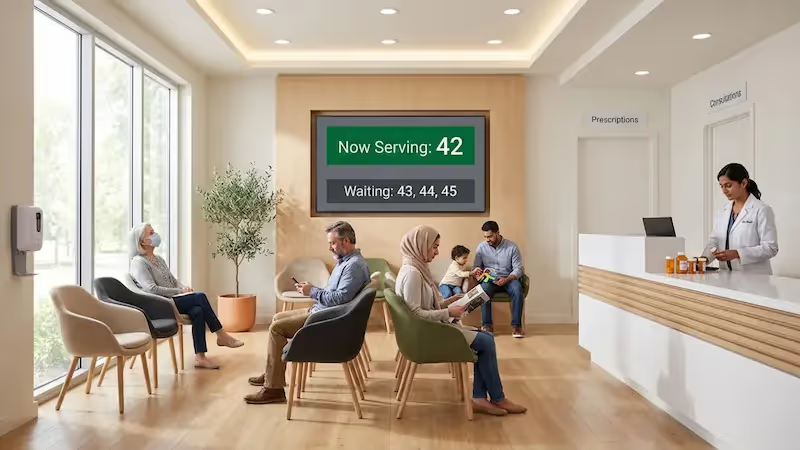
The waiting room is where clients spend their dwell time. Use these screens for appointment reminders, queue statuses, and simple wellness tips to answer questions before clients even reach the desk.
Mixing in light entertainment-like local rescue spotlights or animal facts-keeps the environment calm and engaging.
Exam Rooms: Patient-Specific Education
Exam rooms are ideal for focused education. Screens here can support the vet's consultations by displaying visual guides for vaccine schedules, post-surgery care, or weight management.
Visuals reinforce verbal advice much better than easily lost paper handouts, giving owners a clear picture of their pet's health roadmap.

Lobby and Reception: Appointment Flow and Queue Status
The reception desk is the clinic's operational bottleneck. Screens here should focus on clear check-in steps, basic payment policies, and general status updates without sharing private details.
Displaying staff credentials or a simple "We are experiencing a slight delay due to an urgent care case" manages expectations. Clear directions reduce basic questions and keep the schedule moving.
Emergency Alerts and Policy Updates
When a local pet food recall happens or emergency intake protocols shift, you need to communicate immediately. Digital signage provides real-time updates across all locations at once.
Instantly publishing policy reminders or safety notices reduces disputes and keeps the environment orderly, even during stressful situations.
Highlighting Community Events and Pet Adoption Drives
Clinics are community hubs. Use your screens to promote local adoption days, partnerships with nearby groomers, or charity events.
Showcasing community involvement builds goodwill and reminds clients that your team's dedication to animals extends far beyond the exam room.
Centralized Content Management and Local Flexibility
The true power of digital signage for multi-location clinics is balancing central control with local relevance. You can maintain a strict corporate brand while giving individual clinics the flexibility to display community-specific messaging.
Cloud-Based Dashboard for Multi-Site Control
A multi-location network requires a cloud-based dashboard to serve as your central command center. Administrators can upload media, build playlists, and publish to specific screens across the country without ever leaving their desks.
This eliminates manual USB updates, saves staff time, and ensures every clinic is fully synced with your latest campaigns.
Role-Based Permissions and Approval Workflows
To maintain medical accuracy and brand standards, your software should support role-based permissions. You can define exactly who creates content, who approves it, and who publishes it.
This simple workflow prevents off-brand formatting or incorrect policy details from reaching your public displays.
Personalizing Content by Clinic, Service, and Audience
While brand consistency is critical, personalization drives engagement. A centralized system lets you group devices so a rural branch can promote large-animal services, while an urban branch focuses on indoor-cat enrichment.
You can tailor playlists by location or screen type so the content always feels relevant to the people in the room.
Hardware, Software, and Integration Considerations
Deploying digital signage across multiple locations requires reliable hardware, intuitive software, and secure operations. If you want a system designed to scale from 1 screen to thousands without complicated IT requirements, Look Digital Signage is a strong fit for veterinary networks.
Compatible Devices and Screen Types
Hardware reliability is critical for clinics running screens 10 to 12 hours a day. Commercial-grade displays are recommended over consumer TVs. To power the screens, you can use the free Look App on supported smart TVs, or connect the plug-and-play Look HDMI Player to any existing display for instant, reliable playback.
This flexibility lets you utilize the hardware you already have or deploy dedicated players for maximum stability.
Security and Data Privacy in Multi-Clinic Environments
Privacy is non-negotiable in healthcare environments. Your digital signage system should be designed to support privacy-first data management, featuring secure logins and encrypted content delivery.
Never display patient names, specific medical records, or invoices on public screens. Utilize staff-only screens for internal data, and keep public-facing displays focused strictly on general education and announcements.
Integration with Practice Management Software and Third-Party Apps
Digital signage is most efficient when it works alongside your other tools. Through API integrations, your screens can display automated data like queue updates directly from your practice management software.
Additionally, utilizing built-in Look Apps allows you to easily display live weather, news tickers, or social media feeds without requiring any manual redesigns.
Remote Monitoring and Playback Reliability
You need to know your screens are working without calling the front desk. With Playback Analytics and remote monitoring inside Look CMS, operations managers can verify device health and track exactly what content is running across every clinic.
Furthermore, Offline Playback ensures that even if a clinic's internet connection drops, your scheduled playlists will keep your screens running seamlessly from the local cache.
Content Strategies for Engaging Pet Owners
Great software needs great content. Your goal is to mix clear guidance with helpful education. Busy, worried pet owners need short, scannable messages. Stick to one idea per layout, use large fonts, and rely on visuals to do the heavy lifting.
Seasonal Health Alerts and Preventive Education
Rotate your educational content to match the calendar. Use your screens to highlight tick prevention in the spring or the dangers of holiday toxins in December.
Proactively addressing these seasonal hazards protects pets and reinforces your clinic's role as a trusted advisor.
Promoting New Services and Offers
Use your displays to promote high-value services like dental cleanings, laser therapy, or wellness subscriptions.
Adding simple QR codes to your layouts allows clients to scan and learn more about eligibility or pricing right from their phones while they wait.
Testimonials and Success Stories
Nothing eases a worried pet owner's mind like hearing from other happy clients. Displaying online reviews or brief success stories builds immediate social proof.
Highlighting your staff's expertise in a friendly, approachable way creates a stronger emotional connection with your community.
Emergency Contact and Important Information
Make the essentials impossible to miss. Prominently display your after-hours emergency contact info, holiday closures, and standard safety rules (like keeping dogs on leashes and cats in carriers).
Setting these basic expectations upfront makes the facility safer and more organized.
Best Practices for Implementing Digital Signage across Multiple Locations
Rolling out a multi-location network requires a clear strategy. By planning your deployment and establishing content guidelines early, you ensure your screens become a permanent operational asset rather than a temporary novelty.
Planning Deployment and Staff Training
Start by mapping out your goals. Decide if your priority is waiting room education or check-in directions. Build a starter pack of templates, deploy your first few screens as a pilot, and gather feedback from local staff.
Once the process is smooth, scale it across the rest of your network. Because the system is built for non-technical teams, training clinic managers to update local hours or staff profiles takes just minutes.
Scheduling and Updating Content for Maximum Impact
Stale content gets ignored. Use scheduling tools to plan a reliable refresh cycle:
- Featured services and education rotation
- Suggested update pace: Weekly or every two weeks
- Urgent notices (closures, staffing limits)
- Suggested update pace: Same day
- Seasonal campaigns and community events
- Suggested update pace: Monthly
- Evergreen medical guidance and clinic standards
- Suggested update pace: Quarterly review
A content calendar helps marketing teams stay ahead of updates and ensures screens always feel current.
Avoiding Common Mistakes in Veterinary Digital Signage Rollouts
The biggest mistake clinics make is treating screens like a textbook. Avoid cramming paragraphs of text onto a single slide. Keep your layouts clean, avoid frantic animations that might agitate pets or owners, and never leave the exact same playlist running for six months.
Every message should have a clear next step, like "Ask the front desk" or "Scan this code to learn more."
Frequently Asked Questions about Digital Signage in Vet Clinic Networks
When veterinary groups plan a network-wide digital signage rollout, common questions arise around costs, security, and scalability. Here is what you need to know.
How Much Does Digital Signage Cost for Veterinary Groups?
Hardware costs typically run between $500 to $2,000 per commercial display and media player. Software subscriptions generally range from $20 to $75 per screen, per month. However, multi-location groups can easily scale from 1 screen to thousands, often unlocking volume pricing.
In many cases, the reduction in weekly printing costs and the uptick in preventive service bookings quickly offset the initial software and hardware investment.
What Are the Main Security Features to Look For?
Medical environments require strict access control. Essential security features include:
- Secure admin logins and SSO
- Role-based permissions for drafting and publishing
- Encrypted data transfer
- Remote device monitoring and management
- Audit logs to track system changes
- Device grouping to isolate specific clinic networks
These protocols keep unauthorized users out and protect your network integrity.
How Often Should Content Be Updated?
Aim to refresh about 20% to 30% of your playlist every month. Evergreen educational content can stay in rotation longer, but seasonal promos and community news should rotate frequently.
Using smart scheduling allows you to plan these updates weeks in advance, requiring zero daily effort from front desk staff.
Can Digital Signage Be Managed Remotely?
Yes. Modern platforms like Look Digital Signage are entirely cloud-based. Whether you are managing five clinics in one city or fifty clinics across the country, you can control layouts, schedules, and device settings from a single web browser anywhere in the world.
Does Digital Signage Work for Small and Large Vet Organizations?
Absolutely. A single, independent clinic benefits from reducing perceived wait times in the lobby. For large, multi-location networks, the platform scales seamlessly.
Centralized control allows regional managers to maintain corporate branding, push bulk updates, and track analytics across the entire organization without complicated IT overhead.
Final Thoughts and Next Steps for Multi-Location Vet Clinics
Upgrading to a digital signage platform is a highly practical way to modernize your veterinary network. It cuts down on printed clutter, keeps your messaging unified, and gives your staff one less manual task to worry about. By delivering clear, educational content right when pet owners need it most, you build a calmer, more trustworthy environment for both your clients and your patients.
Steps to Start a Digital Signage Project
To get started, list the top five questions your reception team answers every day. Turn those answers into your first digital playlist. Decide which zones (lobby, exam room, breakroom) will benefit most from screens.
Assign someone to manage the templates and schedule, run a pilot at your busiest location, and expand once the process is dialed in.
Choosing the Right Solution for Your Veterinary Network
Choosing the best digital signage software means finding a platform that balances powerful multi-screen management with simple setup. Look DS is an ideal solution for veterinary groups that want reliable playback, easy-to-use templates, and full remote control without needing an IT degree.
With the right system in place, you can keep your clinics communicating clearly and efficiently. Start a free trial or try it on a demo screen first to see how quickly you can get your first clinic live.