

Table of Content
How can veterinary clinics share critical pet safety tips without relying on cluttered, easily ignored notice boards? The answer is digital signage. Moving everyday care tips, seasonal warnings, and clinic updates to screens turns a quiet waiting room into an engaging space that educates pet owners and saves your staff valuable time.
Why Share Pet Safety Tips on Vet Digital Signage?
Swapping paper posters for digital screens is more than a cosmetic upgrade. It is a practical way to manage messaging across your clinic in minutes, from anywhere, without complicated setup.
Benefits for Pet Owners and Clinic Staff
For pet owners, digital signage acts as a quiet, reassuring educator. Waiting can be stressful for both pets and people, but screens help fill that time with helpful, calming content. Because digital tips are short and highly visual, owners are more likely to digest the information and bring proactive questions to the exam room, such as asking about dental cleanings or early arthritis screenings.
Your staff benefits directly, too. Screens can display live updates, current wait times, and common FAQs, which immediately reduces repetitive questions at the front desk. Furthermore, remote management means you can update a health warning or announce a temporary schedule change across every screen in the clinic instantly, ensuring consistent messaging without running around to swap out printed flyers.
How Vet Digital Signage Increases Awareness and Engagement
Digital signage changes the waiting room from a place where people sit and scroll on their phones into a space where they learn something useful. Printed brochures go out of date quickly and cost money to reprint, while screens offer real-time updates with bright visuals that naturally command attention.
For example, a short, animated graphic explaining heartworm prevention sticks in a client's memory much better than a dense block of text. When owners understand the "why" behind preventive care, they are more likely to take a clear next step. Clear, data-informed visual communication often leads to increased bookings for add-on services like microchipping or nutritional consults.
What Types of Pet Safety Tips Should Be Featured?
One of the biggest strengths of digital signage is its flexibility. You can shift from sharing everyday health routines to posting urgent emergency information in seconds.
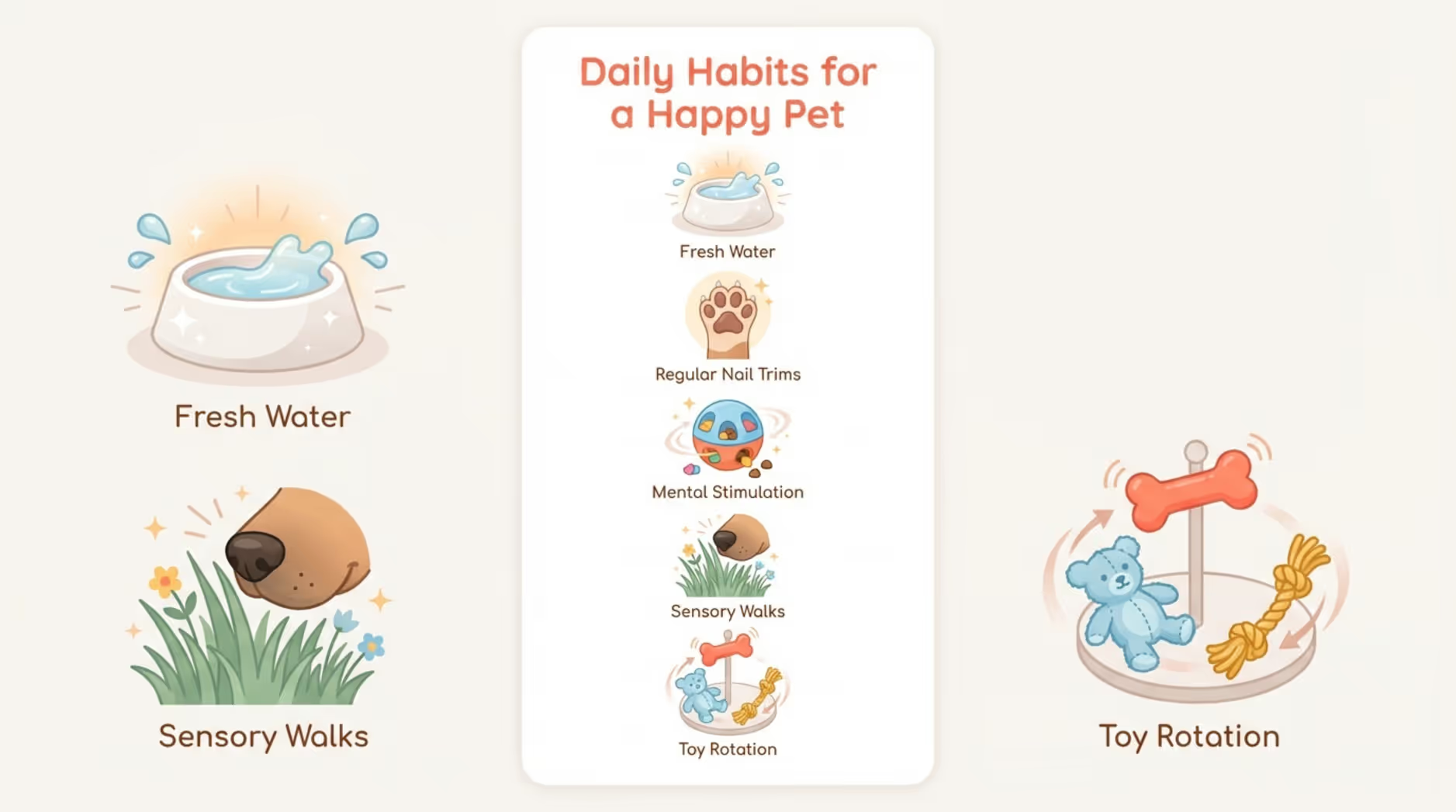
Common Everyday Safety Reminders
Digital screens are ideal for quick, bite-sized tips that encourage healthy daily habits at home. Consider rotating these short reminders:
- "Fresh water matters. Wash your pet’s bowl daily to cut down on bacteria."
- "Nail check! If you hear clicking on the floor, it’s time for a trim."
- "Try puzzle feeders to tap into your cat’s natural hunting skills."
- "For dogs, 10 minutes of scent work can be as tiring as a long walk."
- "Switch toys each week to keep your pet interested."
Seasonal and Weather-Related Hazards
Digital signage is highly effective for seasonal messaging. In spring, your screens can focus on fleas, ticks, and allergies. When summer arrives, you can seamlessly transition to heat safety and hydration protocols to help prevent overheating.
As the weather cools, highlight outdoor safety, cold-weather care, and holiday hazards. Examples include:
- "Winter paws: Wipe paws after walks to remove salt and ice."
- "Holiday warning: Chocolate, Easter lilies, and table scraps can be highly toxic to your pets."

Emergency Prevention and First Aid Advice
During a crisis, pet owners need clear information immediately. You can designate a section of your screens to consistently display the nearest 24-hour emergency vet hospital location and national pet poison helpline numbers.
Clinics can also use screens to broadcast rapid alerts about local illness spikes (like kennel cough) or recent pet food recalls. Providing this real-time safety information reinforces your clinic's role as a reliable community resource.
Recognizing Early Signs of Illness or Distress
Catching health issues early makes treatment more manageable. Screens can educate owners by displaying short lists of early warning signs for common issues like ear infections or dental disease.
A visual "body condition score" chart is an excellent addition. It prompts owners to compare their pet’s shape to a healthy standard while they wait, frequently sparking valuable, preventive conversations once they get into the exam room.
How to Create Effective Safety Content for Digital Displays
Effective digital signage content balances clean design with Spartan wording. For busy teams without dedicated graphic designers, Look Digital Signage provides tools like ready-to-use templates directly in the Look CMS, allowing you to build professional, on-brand visuals quickly.
Visual Best Practices: Fonts, Colors, and Imagery
Screen design must prioritize readability. Use large fonts and strong contrast so the text is legible from across the room. Using Screen Layouts, you can divide your display into organized, clutter-free zones:
- Main area: key tip or short video
- Bottom bar: short reminders or a scrolling ticker
- Side area: clinic logo, phone number, and social links

Keep your text punchy. Instead of writing paragraphs explaining dental health, a screen should read: "80% OF DOGS HAVE DENTAL DISEASE." Follow that immediately with a clear next step: "Ask us about a dental check-up today."
Using Videos and Infographics for Clarity
Video is a powerful tool for "how-to" demonstrations. Short clips (under 90 seconds) are perfect for showing techniques like trimming nails, administering ear drops, or brushing a dog's teeth.
Infographics are equally useful for breaking down complex topics, such as seasonal danger lists or body condition score charts, into digestible visuals. To ensure these rich media files play smoothly, choose a platform that supports reliable offline playback, keeping your screens running flawlessly even if the clinic's internet connection drops.
Tailoring Content to Audience Demographics
Your content performs best when it matches the audience currently in your building. You can tailor your playlists by time of day: feature puppy training tips during busy morning hours, and switch to senior pet care reminders in the afternoon.
A balanced content mix often follows a "60-25-15 rule":
- Educational/informational
- Suggested share: 60%
- Examples: Parasite prevention, seasonal alerts, safety tips
- Promotional
- Suggested share: 25%
- Examples: Dental specials, vaccine clinics, product spotlights
- Community/engagement
- Suggested share: 15%
- Examples: Staff highlights, patient stories, rescue partnerships
When and Where to Display Pet Safety Messages
Strategic placement and smart timing dictate whether your messages are actually seen.
Optimal Timing and Scheduling Strategies
Using Smart Scheduling, clinics can automate their communication to align with specific health campaigns. Set up your spring flea and tick promotions once, and let the system automatically manage what plays and when. While core information should remain in heavy rotation, aim to refresh 20% to 30% of your educational content monthly to maintain audience interest.
Targeting Waiting Areas, Exam Rooms, and Entrances
Where you place your screens determines their impact:
- Waiting room: The highest-traffic area. Mix vital education with light entertainment to lower client stress.
- Exam room hallways: Best suited for focused education on specific conditions or post-visit care.
- Checkout and pharmacy areas: The ideal location to remind clients about prescription diets, flea/tick prevention, or upcoming vaccine clinics.
- Entrance/front windows: Great for catching the attention of foot traffic and promoting seasonal campaigns.

How to Measure the Impact of Pet Safety Tips on Vet Digital Signage
Without data, your screens are just decoration; with data, they become a tool to prove ROI and improve operations. Measuring engagement helps you refine your messaging.
Tracking Engagement and Feedback
To evaluate if your content is working, always include a clear call to action. QR codes are incredibly effective here. A quick scan from a smartphone can link directly to:
- A quick pet safety quiz or survey
- A discount for a relevant service
- Online booking for a dental check, vaccine visit, or microchipping
By tracking how many people scan the code or redeem the discount, you can directly attribute clinic engagement to your digital signage.
Adapting Messages Based on Audience Response
Use your data to make fast adjustments. If a playlist promoting a dental campaign leads to a spike in bookings, give it more screen time. If a particular safety tip goes ignored, simplify the language or swap the image. Adapting your content to local trends, such as immediately updating your screens if local tick-borne illness cases rise, keeps your clinic's communication data-driven and highly relevant.
Key Takeaways for Improving Pet Safety Communication in Clinics
Digital signage has evolved into a practical necessity for veterinary clinics. It streamlines client education, fosters a calm waiting environment, and removes the burden of repetitive questions from your front desk staff.
For clinics looking to upgrade their communication, Look Digital Signage is a strong fit. Using the cloud-based Look CMS, your team can manage screens across your entire practice from one straightforward dashboard. You can leverage digital signage templates to design professional content without hiring a designer, utilize Smart Scheduling to automate seasonal campaigns, and rely on Offline Playback to keep your screens running no matter what happens to your Wi-Fi. The result is better-informed pet owners, a more efficient staff, and a modern, reliable clinic experience.