
Table of Content
Why choose a digital signage video wall over a standard screen setup? The answer lies in sheer impact: video walls create a massive, unified visual surface that captures attention instantly, making them the preferred choice for high-traffic environments like retail flagships, corporate lobbies, and control rooms where clear, large-scale communication is essential.
What is a Digital Signage Video Wall?
A digital signage video wall is a network of displays-monitors, projectors, or LED panels-arranged together to function as a single logical screen. Unlike a standalone TV, a video wall is a complete system requiring professional displays, a media player or controller, and digital signage software. This combination allows you to splash one massive image across all screens or split the canvas into different zones to show multiple content sources simultaneously.
Modern video walls offer immense creative freedom. Beyond standard grid layouts, you can arrange screens in "mosaic" patterns with different orientations. Because these systems are designed for 24/7 operation, they serve as reliable, dynamic architectural elements rather than just temporary advertising displays.

How Does a Video Wall Differ from Single Large Displays?
The most visible difference is the "bezel"-the border around the screen. Professional video wall displays feature ultra-thin bezels, creating a near-seamless image when placed side-by-side. Additionally, video walls offer superior total resolution. While a single large commercial display might top out at 4K, a 3x3 grid of 4K screens delivers a much higher pixel density, ensuring content looks sharp even when viewers are standing right next to it.
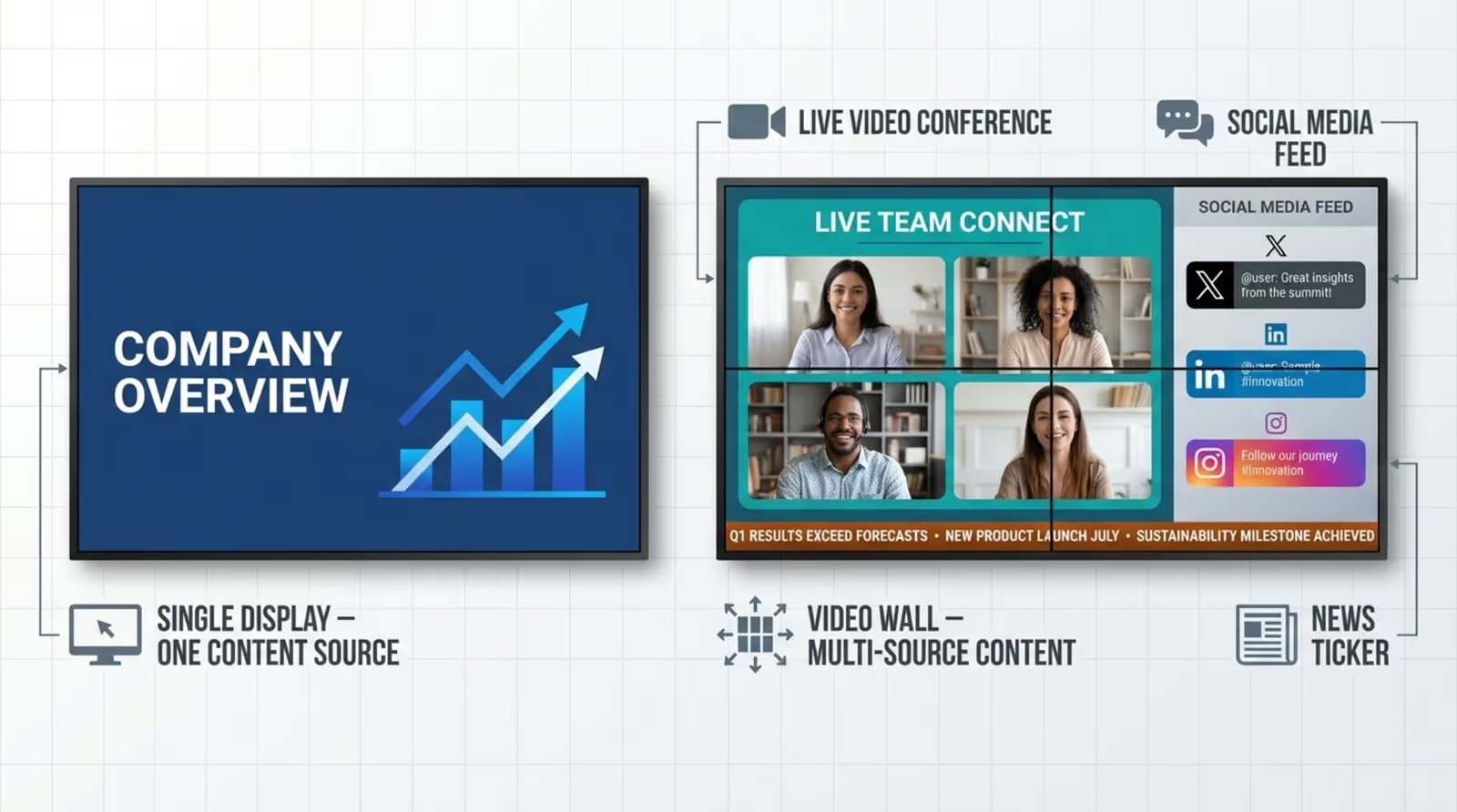
Processing power is the second key difference. A standard screen typically plays one input at a time. A video wall system, managed by robust software like Look Digital Signage, can handle complex screen layouts. This allows you to display a live video feed in the center, a scrolling news ticker at the bottom, and a social media feed on the side, all perfectly synchronized.
What Are the Main Benefits of Digital Signage Video Walls?
Captures Attention with Immersive Visual Impact
Humans are hardwired to notice large, moving visuals. Video walls leverage this by delivering bright, motion-rich content on a scale that is impossible to ignore. Because the brain processes visuals faster than text, a video wall can communicate your brand message instantly. In busy environments like shopping malls or trade shows, this immediate visual hook is often the difference between a customer walking past or stopping to look.
The sheer scale of a video wall creates an immersive experience. viewing a 20-foot digital surface leaves a lasting impression that small screens cannot match. This "wow factor" helps brands stand out in crowded spaces.
Flexible Display Configurations and Scalability
Video walls are modular by design. You are not limited to fixed sizes. You can install a 1x10 strip for a corridor or a 5x5 grid for a main atrium. The technology adapts to your physical space, rather than forcing you to design the room around the screen.
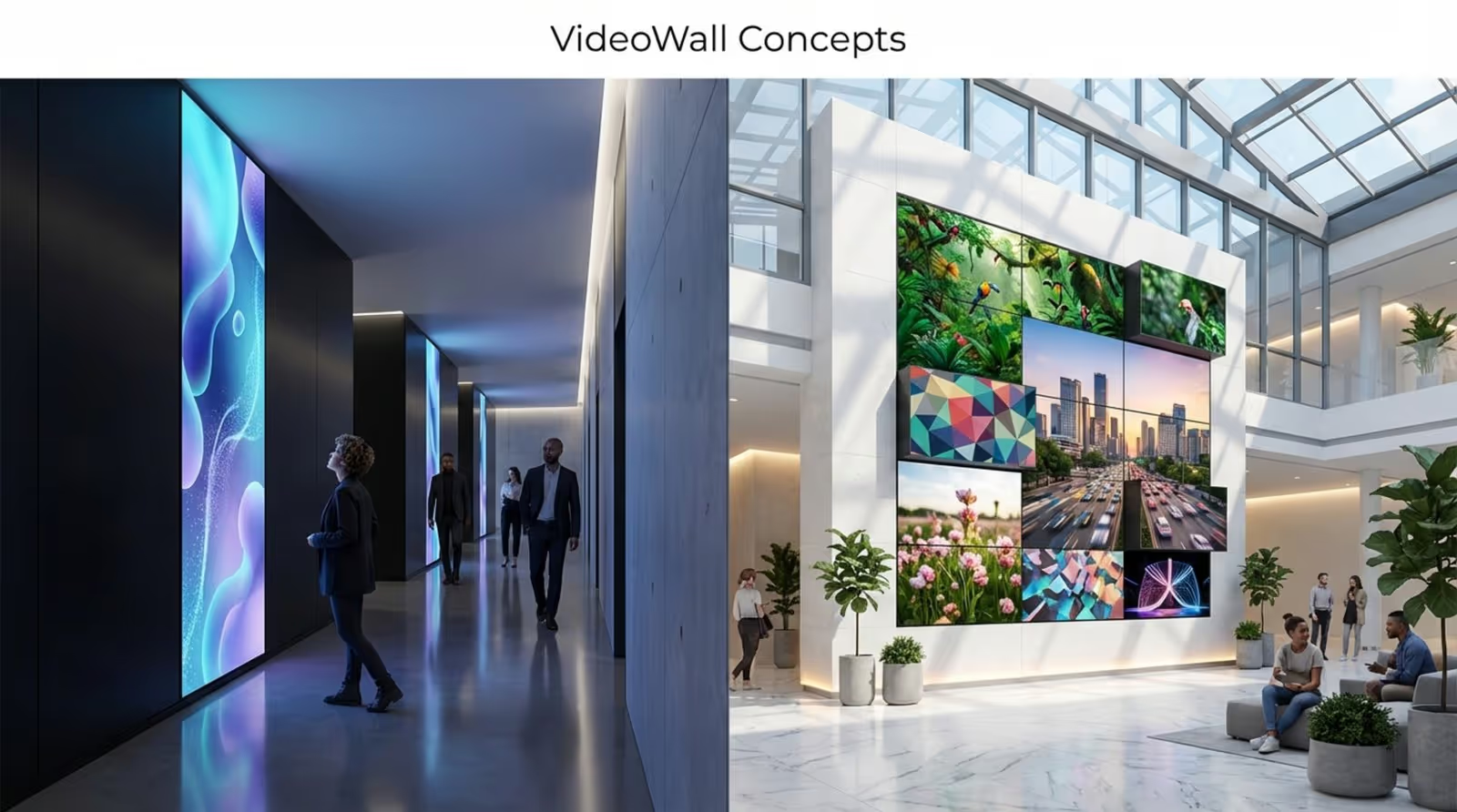
This modularity also supports growth. If you need a larger display in the future, you can often add more units to the existing setup. This scalability makes video walls a practical long-term investment for growing businesses.
Builds Brand Awareness and Delivers Clear Messaging
Digital signage provides a canvas for storytelling. A video wall allows you to run multiple campaigns or rotate through playlists throughout the day. Using cloud-based solutions like Look CMS, you can ensure branding remains consistent across every location. Whether you have one wall in New York or ten across the globe, you can manage them all from a single dashboard.
The large format is ideal for cinematic content that evokes emotion. When you combine high-quality visuals with the scale of a video wall, viewers are more likely to retain the message and associate that positive experience with your brand.
Supports Real-Time Content Updates
Updating printed signage is slow and costly. With digital video walls, you can publish changes in minutes. If a promotion isn't performing well, you can replace it instantly. This agility allows businesses to react to trends, inventory levels, or news without delay.
This is where Look Digital Signage excels. It allows you to update content remotely from anywhere. Whether you need to change flight schedules at an airport or update KPIs in a corporate office, the changes appear on screen immediately.
Improves Audience Engagement and Retention
Visual stories are easier to remember than static text. Video walls support mixed media-animation, video, and live data-which encourages people to watch longer. Increased "dwell time" is a critical metric for retail and advertising, as it often correlates with higher interest.
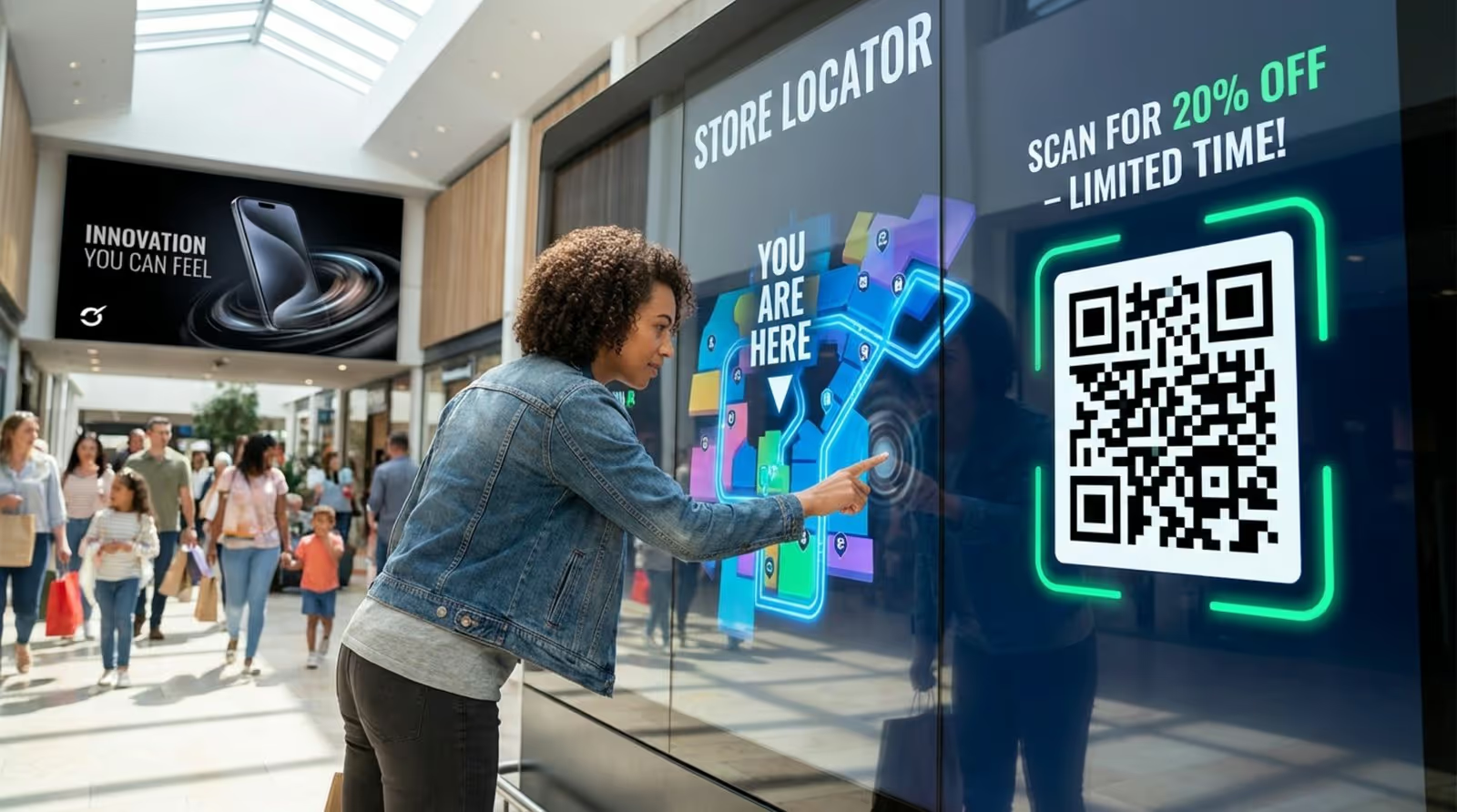
Adding interactivity, such as touch capabilities or QR codes, further boosts engagement. Viewers can interact with the wall to find wayfinding information or browse catalogs. Interactive Scenarios within the content management system allow you to build these experiences without complex coding.
Delivers High Resolution and Brightness
Professional video wall displays are designed to compete with ambient light. In bright areas like glass-walled lobbies, standard TVs often look washed out. High-brightness video wall panels ensure your content remains vivid and readable regardless of lighting conditions.
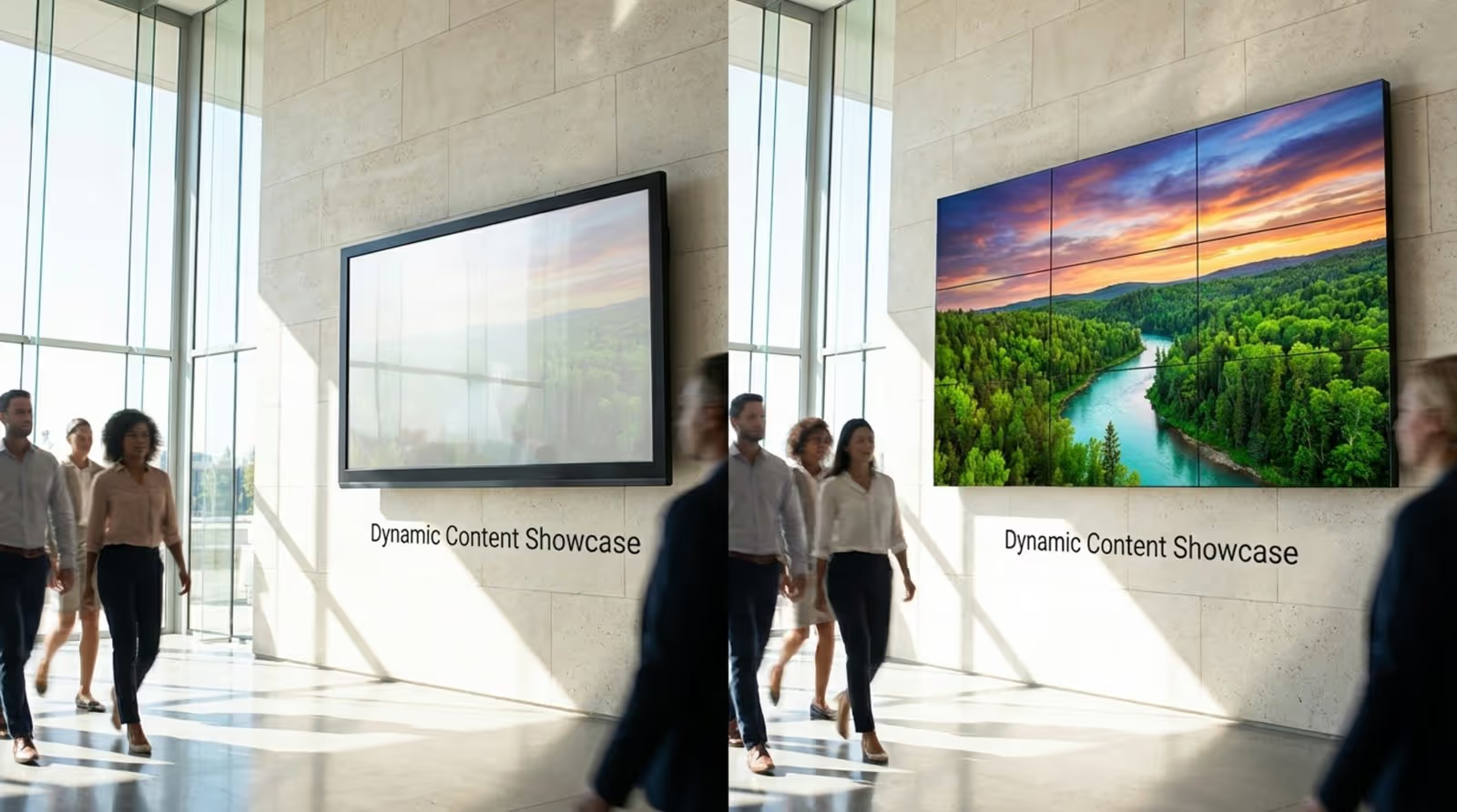
By combining multiple screens, you can achieve resolutions of 8K, 16K, or higher. This pixel density is essential for displaying detailed data, fine text, or premium product imagery where clarity is non-negotiable.
Enables Targeted Content by Location or Time
Relevance drives results. Digital signage allows for "day-parting," where content shifts based on the time of day. A restaurant video wall might display breakfast menus in the morning and switch to evening specials automatically. Features like Smart Scheduling in Look CMS make this "set and forget" automation easy to configure.
Content can also be targeted by specific location. A central marketing team can push winter apparel ads to screens in colder regions while promoting summer gear in warmer climates, all from one central account.
Boosts Collaboration and Information Sharing
In corporate and industrial settings, video walls act as central information hubs. They can display real-time dashboards, security feeds, and performance metrics simultaneously. This transparency breaks down information silos and helps teams make faster, data-informed decisions.
Video walls also modernize internal communication. Instead of missed emails, HR teams can broadcast safety protocols, company news, and employee recognition on large screens in breakrooms, ensuring the workforce stays connected and informed.
Where Should You Use Digital Signage Video Walls?
Retail Stores: Promoting Products and Deals
In retail, video walls are powerful tools for driving revenue. Placed in windows or behind checkout counters, they grab attention effectively. By using Look CMS to schedule high-definition product videos or flash sales, retailers can create an atmosphere that encourages purchase decisions.

Video walls also support upselling. A display near a specific department can show full outfits or accessory combinations, prompting shoppers to consider add-on items they might have otherwise missed.
Corporate Offices: Presentations and Collaboration
Corporate lobbies often use video walls to welcome visitors and showcase company culture. Inside the office, these walls replace traditional projectors in conference rooms, providing brighter, sharper images for video calls and presentations.
For company-wide meetings, a video wall ensures everyone in the room has a clear view of the speaker and the data. Features like Integrations allow you to pull in live data from tools like Power BI or Google Slides directly onto the screen.
Transportation Hubs: Wayfinding and Alerts
Airports and train stations rely on video walls for flight information and wayfinding. The high resolution allows for dense, readable text, making it easier for travelers to find their gate or platform status from a distance.

Reliability is critical here. Offline Playback ensures that even if the internet connection fails, the screens continue to display cached schedules and safety information, keeping operations running smoothly.
Hospitality: Improving Guest Experience
Hotels use video walls to modernize their lobbies and provide virtual concierge services. A well-placed wall can display local event guides, restaurant menus, or calming visual art. This not only informs guests but also elevates the perceived value of the property.
Education: Interactive Learning Environments
Universities are adopting video walls to visualize complex subjects. In labs and lecture halls, large displays help students examine detailed scientific models or historical maps collaboratively. In common areas, they serve as dynamic notice boards for campus events and alerts.
Healthcare: Information Displays and Donor Recognition
Hospitals utilize video walls to improve wayfinding and reduce perceived wait times in lobbies. They are also increasingly used for donor recognition walls. Digital displays allow hospitals to share compelling stories about donors and patient outcomes, creating a more engaging tribute than static plaques.
Command and Control Centers: Real-Time Data Visualization
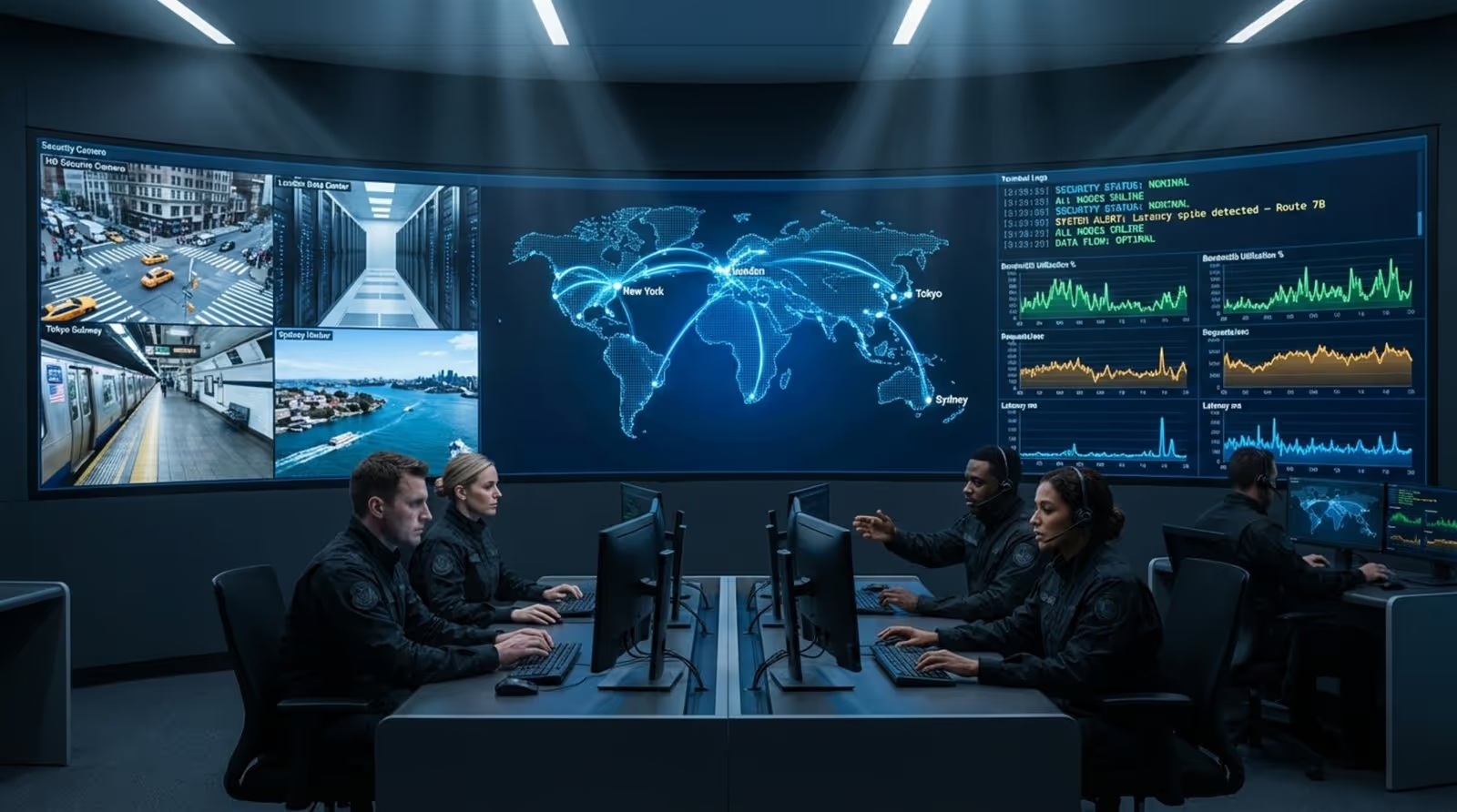
Security and network operations centers require video walls to monitor multiple data streams at once. Operators can view camera feeds alongside maps and system status reports. In emergencies, the video wall becomes the focal point for coordination, ensuring all decision-makers are looking at the same real-time data.
Events and Stadiums: Live Feeds and Crowd Engagement
Large LED walls are standard in stadiums for replays, live scores, and fan engagement. They keep the energy high during breaks in the action. For organizers, these screens are valuable assets for sponsor visibility, delivering advertisements to a captive audience at scale.
Is a Digital Signage Video Wall Right for Your Space?
Choosing a video wall involves balancing your goals with your infrastructure. Consider the viewing distance-screens viewed from up close require higher resolution. Equally important is your management plan. A powerful video wall is only as good as the content it displays.
To keep your video wall running smoothly, we recommend Look Digital Signage. It is designed to handle the complexity of multi-screen setups without requiring a degree in IT. With Look CMS, you can design custom screen layouts to fit your wall's configuration, use Smart Scheduling to automate content changes, and rely on Offline Playback to keep your screens live even during network outages. A video wall is a significant investment; using the right software ensures you get the maximum return on that investment.
The Future of Visual Landscapes
As technology evolves, video walls are becoming smarter and more sustainable. We are moving toward systems that integrate better with their environment, using sensors to adjust brightness automatically or trigger content based on audience presence. Coupled with more energy-efficient hardware, the modern video wall is no longer just a display-it is a dynamic communication asset that scales with your business.