Table of Content
SaaS digital signage is a cloud-hosted, subscription service that has changed how businesses control and show digital content. Instead of dealing with on-site servers, manual software updates, and constant IT issues that used to define digital signage networks, SaaS digital signage offers a flexible, scalable, and cost-effective model. It is a cloud platform that lets businesses manage digital screens from any place, at any time, which is why it’s becoming a preferred option for network operators, enterprises, and small businesses.
This model uses the internet to send content, updates, and changes smoothly to many locations, reshaping how visual messages are delivered. Whether you care most about ease of use, lower costs, or a rich feature set, there are strong reasons why SaaS digital signage is quickly becoming the standard choice for projects of all sizes.
What is SaaS Digital Signage?
SaaS digital signage is cloud-based software that allows easy and scalable content management for digital screens. It replaces local servers and complex hardware setups with live, remote updates from the cloud. This lets businesses manage all displays from a central dashboard, without local installs or manual patching, offering a big upgrade in day-to-day operations.
The strength of this model is its simplicity and the high level of control it gives communications teams. It is a centrally hosted service that companies subscribe to and can easily scale up or down as their needs change. This setup gives access to advanced features, automatic upgrades, and smooth screen management, without the technical burden that usually comes with running everything on-site.
How does SaaS digital signage work?
The way SaaS digital signage works is quite simple, which is a major part of its appeal. Your screens connect to the internet and receive content directly from the SaaS platform. There is no need for on-site servers or constant manual updates because everything is handled remotely.
Users create their messages, videos, dashboards, or announcements in a web-based content management system (CMS). After creating content, they schedule when and where it should appear-by location, individual screen, or time of day. Once published, the content is stored in the cloud and then sent to all connected displays. Each screen pulls the content over a secure internet connection and updates automatically in real time. This fast delivery, central control, and built-in scalability make SaaS ideal for managing communications across hundreds or thousands of screens, whether in offices, shops, campuses, or airports.

What makes SaaS digital signage different from on-premise solutions?
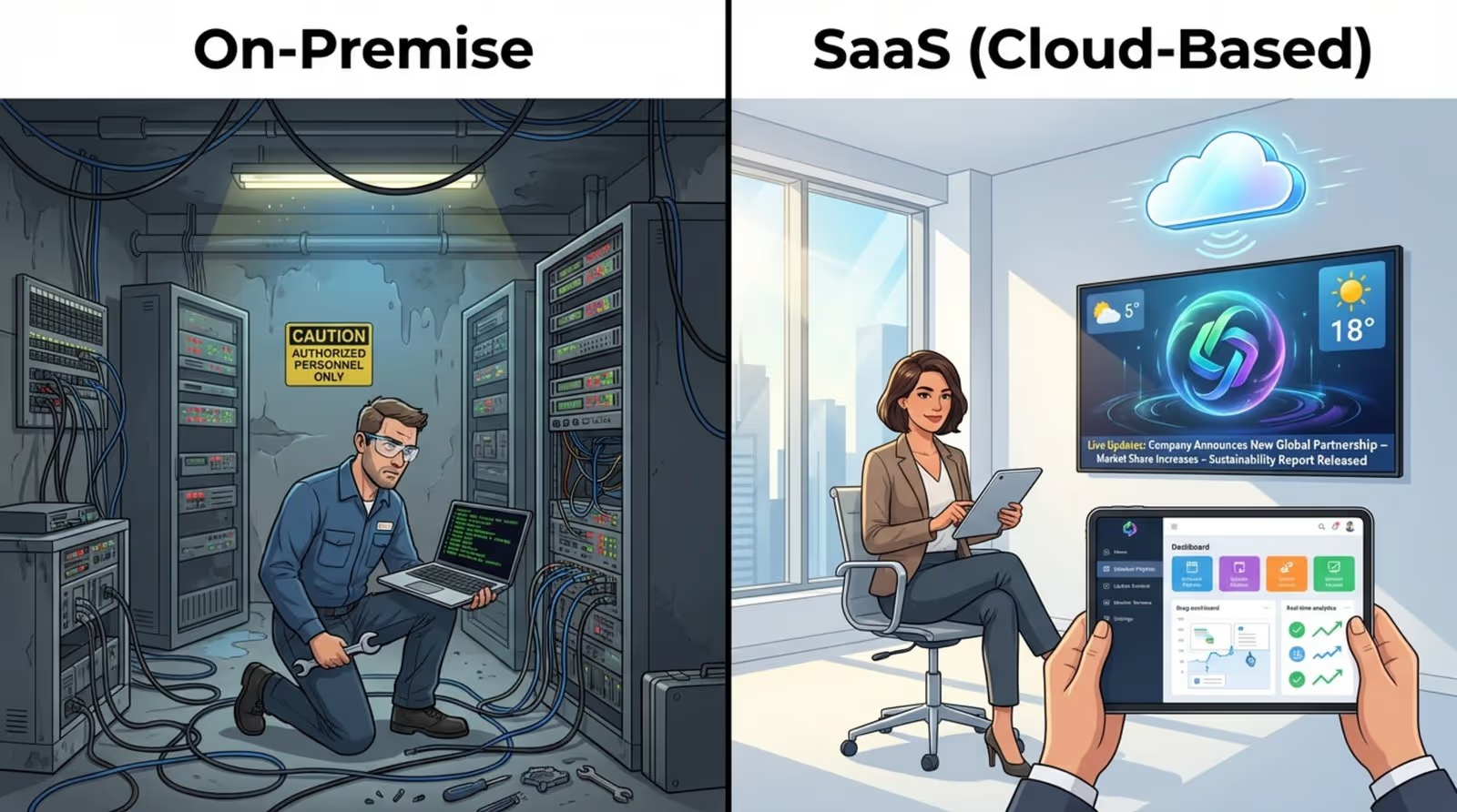
The main difference between SaaS digital signage and on-premise setups is where the system runs and who maintains it. On-premise systems need physical servers, local hardware, and IT staff to perform regular updates and maintenance. This often means high initial costs for equipment, installation, and software licenses, plus ongoing spending on IT labor, power, cooling, and physical security for the server room.
SaaS digital signage runs fully in the cloud. You don’t need expensive local servers or special hardware beyond the screens and a secure internet connection. The provider hosts the software and takes care of all maintenance, updates, and security. This cloud approach supports real-time updates from any internet-connected device, scales easily to any number of screens worldwide, and offers strong flexibility and ease of use. In short, SaaS lets businesses focus on their message instead of spending time and money managing IT infrastructure.
SaaS Digital Signage vs Traditional and On-Premise Systems
Ten years ago, managing a digital signage network was often seen as a challenging job, full of server issues and constant software updates. Today, SaaS digital signage has reshaped this picture, standing in clear contrast to older, on-premise systems. The move from hardware-heavy, labor-intensive setups to cloud-based, automated systems marks a big shift in how businesses handle visual communication.
Traditional digital signage can be compared to owning an old car that needs frequent repairs. On-premise solutions require you to buy and maintain servers, pay for software licenses, and employ IT staff. This leads to high upfront spending and ongoing running costs. SaaS, by comparison, is like leasing a modern, self-driving electric car-access to the latest technology, little maintenance, and predictable monthly fees, with the provider taking care of the technical side.
Key differences in installation and management
Installation and management are where SaaS digital signage clearly stands out. Building an in-house system can be a huge challenge, needing skills in hardware, software, and networking. It’s easy to feel unsure about which components to choose or how to connect everything without expert help. With an on-premise approach, rollout becomes a complex tech project that demands careful planning and resources.
SaaS digital signage makes this much simpler. You don’t buy server hardware or hire a dedicated IT team just for signage. Setup is fairly simple: you need displays and a secure internet connection. The provider hosts the software, and you access your dashboard through a web browser. From there, you can upload content, schedule playlists, and monitor screens anywhere in the world. This remote control is a major advantage, enabling instant changes without on-site visits-ideal for companies with many branches or remote locations.
Cost comparison: SaaS vs on-premise
Costs differ a lot between SaaS and on-premise solutions, especially at the start. On-premise systems require a large initial spend on servers, network gear, software licenses, and installation. For many organizations, this becomes a major capital expense.
SaaS uses a subscription model with monthly or yearly payments. This “pay-as-you-go” style keeps upfront spending low and opens digital signage to smaller businesses as well. While subscriptions are an ongoing cost, they usually include maintenance, updates, and support-items that are extra in an on-premise setup. Also, SaaS lets you adjust your plan based on the number of active screens, so you only pay for what you use. This stable and flexible pricing is very helpful for budgeting.
Security and scalability considerations
Security is often a main concern for cloud services. Some people still feel unsure about putting their signage in the cloud, but advances in cloud security have changed the picture a lot. Reliable SaaS providers use advanced hosting and security tools and often employ dedicated security teams who monitor and patch systems all the time. They use strong encryption, multi-factor authentication, and follow standards like SOC 2, ISO, and GDPR. The cost of this high-level security is shared across many customers, making it affordable even for smaller businesses that could not build the same protections on their own.
Scalability is another strong point of SaaS digital signage. These systems are built to grow with your needs without major changes to the setup. Their modular design lets you start with a few screens and quickly expand by adding more devices or locations, without replacing the whole system. The cloud platform can handle more users and more data without slowing down, giving a smooth experience even as your network grows larger or more complex. On-premise systems, by contrast, often hit limits in capacity and flexibility, making growth harder and more expensive.
Core Features of SaaS Digital Signage Platforms
SaaS digital signage platforms include many features that make managing a display network easier and more effective. These key functions set SaaS apart from older methods, giving you a full toolset for modern visual communication.
As soon as you log in to a SaaS signage platform, you’ll notice a focus on ease of use and strong features. These tools are built for everyday users, so they simplify complex tasks and give teams a single place to handle everything-from content design to device monitoring. This all-in-one approach cuts the learning curve and helps new users get up to speed quickly.
Cloud-based content management
The content management system (CMS) is the central part of any SaaS digital signage platform. This is a web dashboard you use to manage all your screens, no matter where they are. You can upload images, videos, live feeds, animations, or social media posts in one place. Many platforms offer drag-and-drop tools, making it easy to design and arrange layouts.
With a cloud CMS, you create your content once and publish it instantly across your network, keeping your message and branding consistent. You no longer need USB drives or manual updates on each screen, which were common with older systems. Content stays in the cloud, ready to push live whenever needed, giving you fast reactions to new events or communication needs.
Remote device control and monitoring
Remote control is one of the most useful benefits of SaaS digital signage. If a screen goes offline at a distant branch, you can often check the issue and reboot the device from your laptop or phone. This cloud link gives full visibility over your network without in-person visits.
Most dashboards include live monitoring tools that highlight problems like offline screens or playback failures. This early detection helps keep your screens running smoothly, reduces downtime, and cuts the need for on-site tech support. For businesses with many locations, this level of control is not just helpful-it’s a key part of keeping operations running smoothly.
User access permissions and multi-location support
SaaS digital signage platforms are built to fit different company structures. They offer strong multi-user access with permission settings so each team can manage its own content while IT or central admins keep full control. For example, marketing can run campaigns, HR can post internal news, and facilities can manage safety alerts-all in the same platform, but only in the areas they are allowed to manage.
This is especially useful for companies with many branches or international offices. One dashboard can control screens across all locations, keeping messages and branding consistent. It also makes it simple to send specific content to certain regions or single screens, helping you reach the right audience with the right message.
Real-time updates and scheduling
Fast content changes are a key strength of SaaS digital signage. Whether you need to show an emergency alert, update a live data dashboard, or publish a last-minute offer, you can push updates to your screens in just a few clicks. The cloud system syncs data across all devices so they update almost instantly, with no manual work on-site.
Advanced scheduling tools let you plan content well in advance. You can set messages to run at certain times of day, on certain days of the week, or when certain conditions happen, such as weather changes or social media activity. This automation cuts down manual work, keeps displays consistent, and lets your team spend more time creating good content instead of constantly managing playlists.
Analytics, reporting, and integrations
Modern SaaS signage platforms do more than just show content-they also help you understand how that content performs. Many systems include analytics that track things like how long people view screens, interaction levels, and in some cases, impact on sales or other key metrics. Some advanced setups can connect to sensors or people-counting tools to collect demographic or traffic data, which helps you target content more effectively.
SaaS platforms also tend to offer strong integration options. With APIs and webhooks, you can link your signage to other business tools such as CRM, HR systems, or business intelligence platforms. This can power live data dashboards, performance stats, or personal customer messages on your screens. Direct links to apps like Google Calendar, YouTube, and Twitter let you show live feeds and other online content without switching tools.
Data security and encryption
Data protection is a top priority for serious SaaS signage providers. These platforms use end-to-end encryption for data while it is moving and while it is stored, protecting your content and login details. Role-Based Access Control (RBAC) adds another layer of safety by limiting what each user can see and do.
Because the platform is centrally managed, it benefits from regular security updates and checks. This keeps the system up to date against new threats. Many providers also follow rules like GDPR, CCPA, or HIPAA, giving extra confidence to organizations in regulated industries. Detailed activity logs record who did what and when, adding transparency and helping detect and fix any issues quickly.
What Are the Benefits of SaaS Digital Signage?
The growing use of SaaS digital signage is driven by real, measurable benefits across many industries. This model has opened the door to advanced digital communication for organizations of all sizes, making it easier to manage and scale. The advantages range from cost savings to better operations and stronger engagement with audiences.
From better budgeting to smoother daily work, SaaS helps businesses communicate clearly, react faster, and reach their goals with less technical stress. It allows teams to focus on content and strategy instead of hardware and servers.
Lower upfront and operating costs
One of the biggest benefits of SaaS digital signage is the drop in both setup and ongoing costs. On-premise systems require high initial spending on servers, licenses, and installation. SaaS uses subscriptions instead, so you avoid those large capital costs and move to stable monthly or yearly payments.
Running costs are also lower because the provider manages the infrastructure, maintenance, and updates. You don’t need to buy server hardware, reserve space for server racks, or hire IT staff just to support signage. You also use less energy because you are not running power-hungry local servers, which can reduce utility bills and help cut your environmental impact.
Easy deployment and minimal maintenance
SaaS digital signage makes rollout much easier than building a full on-site system. Traditional setups often require skills in hardware, software, and networking. With SaaS, most of that is handled by the provider. You mainly need displays and an internet connection. The software is usually web-based and built for non-technical users, so new users can get started quickly.
Ongoing maintenance is also light from the customer side. The vendor looks after server health, software upgrades, and security patches. You don’t have to plan manual updates or worry about server failures. This frees your staff to focus on content planning and communication strategy instead of technical support.
Pay-as-you-go subscription model
The subscription model is one of the key financial strengths of SaaS. You pay only for the screens and features you use. This is helpful if your needs change over time or if you are just starting with digital signage and want to keep risk low.
You can increase or decrease your subscription as your network grows or shrinks. When you open new locations, you can add more screens; if you downsize, you can reduce your plan. You are not stuck with long contracts or expensive hardware that sits unused. This flexibility keeps costs aligned with real usage.
Scalable and flexible deployment options
SaaS digital signage platforms are built to scale. Whether you have a handful of screens or thousands spread across countries, the system can support your network. You can add or remove devices easily without major changes to the backend.
The cloud base and modular design allow the system to handle more traffic and data without slowing down. If you want to roll out new features or expand into new regions, you can do so without large extra investment or complicated reconfiguration. Many platforms also support different types of hardware-from large LED walls to small touchscreens-so you can choose the right device for each location.
Automatic updates and access to new features
Another big plus of SaaS is automatic access to the latest software version and features. Providers keep improving their platforms and push updates to all customers at once. You always run the current version without having to buy upgrades or install patches yourself.
This saves time and keeps your system modern and capable. New functions, better performance, and added integrations appear automatically, helping you stay ahead and keep your content fresh and engaging.
Remote management from anywhere
Because the system is cloud-based, you can manage your entire network from anywhere with an internet connection. You can update a menu board in another city or change a playlist in another country right from your laptop, tablet, or phone.
This is especially helpful for companies with many sites or distributed teams. Central control keeps messages consistent, reduces errors, and removes the need for local staff to handle technical tasks. It also lets you react quickly to news, trends, or emergencies.
Improved security and compliance
While some organizations worry about cloud security, SaaS signage often ends up being safer than self-managed systems. Reputable vendors invest heavily in strong security, including encryption, access controls, and detailed audit logs, and they have teams watching for threats around the clock.
They also usually follow legal and industry rules like GDPR, CCPA, and HIPAA, which can be time-consuming and expensive for individual companies to manage alone. Regular security checks and updates lower the risk of attacks or data leaks, giving many businesses a level of protection that would be hard to match with in-house systems.
Popular Use Cases for SaaS Digital Signage
SaaS digital signage works in almost any place where visual communication matters. Its flexibility and simple management make it suitable for many different industries and goals, changing how organizations share information with staff, customers, and the public.
From internal messages in offices to sales promotions in retail, SaaS digital signage offers a strong channel for timely and targeted communication. It helps streamline information flow, improve experiences, and even boost measurable outcomes like sales or satisfaction.
Corporate communications and office displays
In offices, SaaS digital signage is a powerful tool to keep employees informed and engaged. Companies use screens to show company news, leadership messages, KPIs, internal campaigns, and employee recognition. This helps keep staff aligned, whether they are in the main office or in remote branches.
Office screens can also show live news, weather, dashboards, or internal social feeds, helping build a stronger workplace culture. Instead of relying only on email, important updates are visible across shared areas, making it easier for everyone to stay up to date.
Retail signage and quick-service restaurants
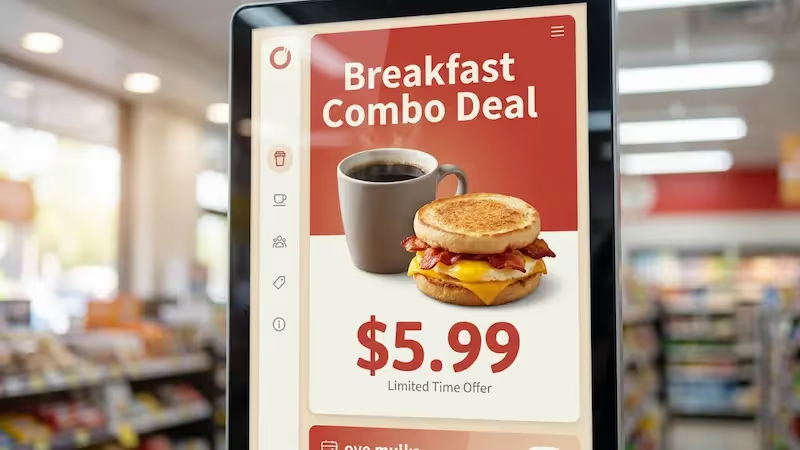
In retail stores and quick-service restaurants (QSRs), digital signage is a strong driver for sales and marketing. SaaS makes it easy to update menus, promotions, and seasonal offers instantly, without printing and shipping new signs. This speed lets businesses react quickly to demand, change prices, or promote new products.
Moving images, videos, and dynamic layouts can strongly affect buying behavior. Research has shown that stores using digital signage can see sales rise by up to 31.8%. Digital menu boards and promo screens give customers clear, current information and can gently guide them to higher-margin items or special offers.

Healthcare environments
In hospitals and clinics, SaaS digital signage supports both patient experience and operations. Screens can show wait times, health tips, safety messages, and urgent alerts. This helps set clear expectations, reduces perceived waiting time, and improves how information is delivered.
Signage can also support wayfinding, doctor schedules, and educational content in waiting rooms. Since healthcare information can change quickly, the ability to update screens instantly from a central system is especially valuable.
Education settings
Schools, colleges, and universities use SaaS digital signage to improve communication across campus. Screens can display event notices, safety messages, timetable updates, and emergency alerts in halls, cafeterias, libraries, and entrances.
Different departments can control their own content while central admins oversee the full system. Student groups can promote activities, the library can announce new services, and campus security can push urgent messages right away. This helps everyone stay informed and supports a safer campus environment.
Transportation hubs and public spaces
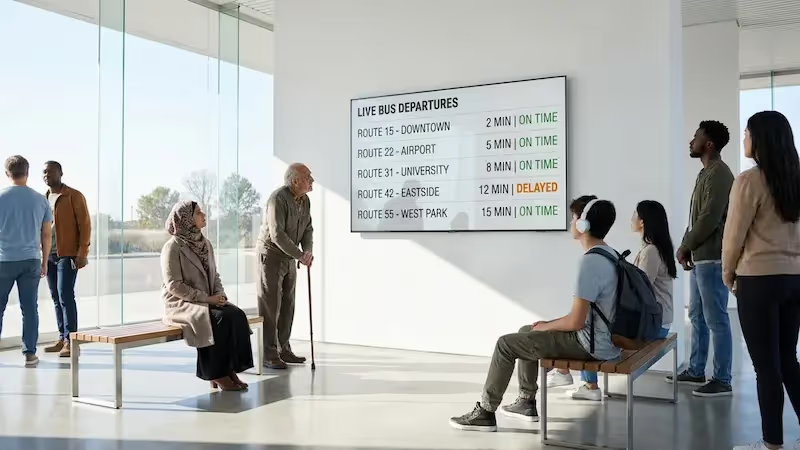
Airports, train stations, and bus depots rely heavily on digital signage. These locations need constant updates to keep travelers informed. SaaS digital signage can show live arrival and departure boards, gate or platform changes, and service alerts, all updated in real time from the cloud.
In public buildings, community centers, and large venues, screens can share directories, event calendars, public messages, and emergency instructions. Remote updates mean that information stays current without staff visiting each screen, improving both safety and convenience for visitors.
What to Consider When Choosing a SaaS Digital Signage Solution?
Picking the right SaaS digital signage platform is an important decision that can affect how well your project runs and how easy it is to manage. With many vendors and features available, you need a clear view of your goals and day-to-day needs before you choose. It is about finding a long-term partner that fits your plans, not just a tool with impressive marketing.
A good platform should support what you need today and also have the flexibility and strength to grow with your organization. You want to look past the surface and focus on how the solution handles rollout, daily use, support, and growth.
Features to prioritize for your project
Before you compare vendors, make a list of features your project must have. Think about the types of content you need: videos, images, live streams, data dashboards, interactive elements, or social media feeds. Check that the CMS is easy to use, supports all these formats, and ideally offers drag-and-drop design tools. If fast updates and detailed scheduling matter, confirm the platform can handle these needs reliably.
Consider the size and structure of your organization. Do you need different user roles and permissions? Do you need to manage screens across multiple buildings or countries? Focus on tools that directly support your core communication goals, such as built-in analytics, or integrations with HR, CRM, or BI tools if you rely on live data. A strong SaaS platform should be simple enough that most users can learn it with minimal training.
Evaluating vendor support and reliability
Vendor support and system reliability are key factors. Your signage network is a key communication channel, and downtime can cause real problems. Look for providers with strong uptime guarantees, such as 99.9% or higher, which indicate stable infrastructure.
Check what kind of customer support is offered. Is help available around the clock? Can you contact them by phone, email, or chat? Do they provide clear documentation, how-to guides, and training materials? A helpful and experienced support team can make a big difference when you face issues or want to use advanced features. Reviews, case studies, and references can help you judge how well they perform in practice.
Integration requirements and future scalability
Think about how the signage platform will fit in with your existing systems. Does it offer APIs or webhooks to link with your other tools? Connecting signage to apps like Google Calendar, YouTube, Twitter, or enterprise systems can expand what you can show on your screens and reduce manual work. A well-connected platform avoids separate data silos and supports a smoother digital strategy.
You should also think about how your needs might grow. Your signage network should be able to expand without needing a full rebuild. Look for a solution that lets you add or remove screens easily and connect new data sources as your use cases grow. A scalable cloud base can handle more traffic and content as your network expands, while still running smoothly.
Assessing security and data privacy
With rising cyber threats and strict data rules, you need to carefully check how each vendor handles security and privacy. Ask about encryption for data in transit and at rest, and whether they use Role-Based Access Control and multi-factor authentication. These features help protect both content and user accounts.
Confirm that the provider follows any regulations that apply to you, such as GDPR, CCPA, or HIPAA. Ask how often they run security checks and how they handle patches and updates. Ongoing monitoring and fast response to new threats are key for keeping your data safe. You want a vendor that is open about their security practices and sees data protection as a serious responsibility.
Why Consider SaaS Digital Signage for Your Project?
After looking at how SaaS digital signage works and what it offers, the question becomes, “Why should this be the approach for your project?” The answer is that it gives modern organizations a fast, cost-effective, and powerful way to manage communication that older methods struggle to match. It simplifies operations and lets teams focus on their main work instead of fighting technology.
In a fast-moving environment where information must be updated quickly and often, SaaS digital signage gives your project real advantages. It makes day-to-day work easier, supports better engagement, and helps you reach your communication goals with less friction.
Should you switch to SaaS digital signage?
If you are dealing with high costs, rigid systems, and low flexibility in an on-premise solution-or starting from scratch-moving to SaaS digital signage is often a smart choice. It eases many pain points: you move from large one-time purchases to more manageable regular payments; IT maintenance, manual updates, and server care move from your team to the provider; and your staff can focus on messaging and strategy.
SaaS also gives you the freedom to scale your network as your needs change, while always staying on the latest version of the software. For organizations looking to add advanced features quickly, such as data-driven content or complex scheduling, working with a reliable SaaS provider can speed up digital change and help roll out new ideas more smoothly.
Real-world outcomes and proven results
The impact of SaaS digital signage shows up clearly in real projects. Businesses using engaging, regularly updated screen content through SaaS platforms often see higher customer engagement, smoother internal communication, and stronger brand presence. In retail and QSRs, the ability to change menus and offers instantly has led to higher sales and better customer feedback.
Corporate offices report better employee awareness and alignment when key information is visible on screens instead of buried in emails. Healthcare providers use signage to guide patients, cut perceived wait times, and share important health information. Across all these cases, SaaS digital signage reduces IT workload, makes updates faster, and helps teams focus on creating messages that connect with their audiences and lead to the actions they want.