Table of Content
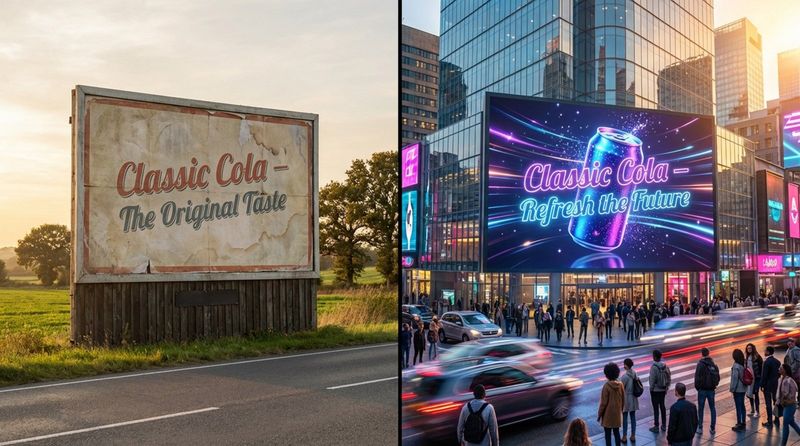
In today's busy, image-heavy environment, businesses and organizations are always looking for new ways to grab attention and share information clearly. This often leads to a key question: what really makes dynamic signage different from static signage, and which one is the better option? The main difference comes down to how flexible and engaging they are. Dynamic signage, often called digital signage, uses electronic screens to show content that can change, update in real time, and even respond to users. Static signage uses printed materials and shows one fixed message until someone physically replaces it. This gap in flexibility and speed of change has a big effect on how messages are shown, how people respond to them, and how well business goals are reached.
What Sets Dynamic Signage Apart from Static Signage?
Definition of Dynamic and Static Signage
To start, it helps to be clear on what each type means. Static signage is the traditional backbone of visual communication. Think of billboards, posters, banners, window decals, and printed signs that line roads and store fronts. These are physical items, usually made from strong materials, built to show one message that stays the same for a period of time. Their main strengths are stability and a simple, direct message.
Dynamic signage is the digital upgrade. It uses electronic screens to show many types of content: images, text, video, animations, social media feeds, and live data. The key feature is that the message can change quickly and from a distance. Content can be scheduled or updated on the fly, making it a flexible and often interactive way to communicate. It takes the idea of a sign and brings it into the digital age, made possible by big improvements in display and networking technology.
Comparative Table: Key Differences at a Glance
| Feature | Dynamic Signage | Static Signage |
|---|---|---|
| Content Flexibility | Very flexible; real-time updates; supports video, images, text, and live feeds | Fixed; message stays the same until replaced |
| Engagement | High; motion, sound, and interactive tools draw attention | Lower; relies on a single image or text layout |
| Cost (Initial) | Higher; requires screens, media players, and software | Lower; mostly printing and installation |
| Cost (Long-Term) | Often lower; no reprinting and less labor for updates | Often higher; repeated printing and replacement for changes |
| Maintenance | Requires technical support for hardware and software | Low; basic cleaning and repairs, but signs can fade or wear out |
| Adaptability | Very good; content changes by time, audience, or conditions | Limited; message stays static until a new sign is installed |
| Interactivity | High; supports touch, QR codes, and virtual catalogs | None; viewers can only look at it |
| Lifespan of Message | Ongoing; content can always be updated | Shorter; messages become outdated quickly |
| ROI Potential | Higher; better targeting, engagement, and process savings | Lower; harder to measure impact on sales or behavior |
How Dynamic Signage Works
Real-Time Content Updates
One of the biggest strengths of dynamic signage is that content can be updated instantly. Static signs start to age the moment they are printed, but digital displays can change at any time. This is very useful for businesses that need to share current information, offers, or alerts. For example, a restaurant menu screen can switch to show today’s specials, sold-out items, or time-based deals. A university can use screens to share last-minute schedule changes or emergency messages. Fast updates keep information accurate and useful and avoid the delay and cost of printing new signs.
This instant updating is managed through a strong content management system (CMS). A CMS lets users control many screens from one place, schedule content, and push changes in seconds. It saves time, reduces manual work, and keeps messages consistent across different sites. Whether it’s a flash sale, a weather closure, or breaking news, digital signage makes it easy to react quickly and keep people informed.
Engagement through Interactivity
Dynamic signage is about more than changing images. It can also invite people to interact. Many viewers today expect personalized and engaging experiences, and digital screens can provide that. Touchscreen displays, for example, allow users to explore product details, browse virtual catalogues, or join contests and quizzes. This changes the viewer role from just looking to actively taking part, which helps build a stronger link to the brand and message.
In addition to touchscreens, digital signage can show QR codes that lead to websites, apps, social channels, or special offers. This connects physical locations to online experiences. These tools help gather useful data about what people tap, scan, or watch. With this information, businesses can see which content works, adjust their messages, and improve their results over time.

Content Management and Flexibility
The software behind dynamic signage is what makes it so flexible. A CMS lets users create, schedule, and send content to one or many screens with ease. Businesses can build eye-catching layouts using videos, images, text, and animations. They can also plan playlists that change by time or event.
Content can be adjusted for different needs, such as time of day, location, age group, or even weather. For instance, a store might show coffee and breakfast items in the morning and shift to snacks in the afternoon. Screens can promote raincoats during a storm or sunscreen on a sunny day. By connecting to tools like APIs, social feeds, and weather services, digital signage can react to what is happening inside and outside the building, giving people content that feels timely and relevant.
How Static Signage Functions
Typical Use Cases for Static Signage
Even with the growth of digital displays, static signage still has an important place. Its main benefits are simplicity and staying power, which make it ideal for information that rarely changes. Examples include safety notices, opening hours, permanent menu boards, and building numbers. These messages need to be visible all the time and are easier to recognize when they do not change often.
Static signs also work well for long-term branding or campaigns that run for months or years. Highway billboards or banners for ongoing events fall into this category. Because static signs do not rely on technology, they are useful where electricity or internet access is limited, or where budgets are tight. In these cases, printed signs offer a reliable and straightforward solution.
Limitations of Static Displays
Static signage, while steady and simple, has clear limits in a fast-moving information environment. The biggest issue is that the message cannot change without manual effort. If prices shift, a date moves, or a promotion ends, a new sign must be designed, printed, shipped, and installed. This takes time and money and often leads to periods where old information is still on display.
Static signs can also struggle to catch the eye in places full of screens, motion, and sound. They offer only one view and cannot react to trends, events, or customer behavior. This can reduce their impact, especially compared to the moving images and interactive options on digital displays. It is also hard to track how many people notice a static sign or how it affects sales, which makes it difficult to judge its true financial value.
Benefits of Dynamic Signage over Static Signage
Increases Audience Attention and Retention
Dynamic signage is very effective at catching and keeping attention. Movement, color, and sound naturally draw the eye more than a still image. High-resolution screens can show videos, motion graphics, slideshows, and scrolling text, all of which create a richer viewing experience. This helps people notice the sign and spend more time looking at it, which gives more room for the full message to land.
Because the content can change, viewers do not become blind to it as easily. Static signs that stay the same for months often fade into the background. Digital content can rotate, update daily, or respond to current events, encouraging people to look again. Over time, this supports stronger brand recall and better understanding of key messages.
Adapts Messaging to Time and Audience Demographics
Dynamic signage can show the right content at the right moment. Messages can change by time of day, day of week, season, or event. A café might promote morning coffee early in the day, lunch deals at noon, and happy hour later on. This timing makes offers feel more relevant and more likely to influence choices.
Content can also be adjusted based on who is likely to be present. For example, a mall can show different promotions on weekdays when office workers visit compared to weekends with more families. Screens can respond to data from sensors, cameras, or POS systems to highlight products that fit certain shopper groups. They can also switch to weather-related or event-related content at short notice. This level of control turns signage into a more precise communication and marketing tool.
Improves Operational Efficiency for Businesses
While digital signage often costs more to set up, it can make day-to-day operations smoother and cheaper over time. Manual tasks like printing, shipping, and installing new posters go away. Changes to pricing, menus, or promotions can be done in minutes from a central dashboard. This reduces waste, avoids printing mistakes, and cuts down on staff time spent swapping signs.
For companies with many locations, a central CMS is especially helpful. Marketing teams can roll out new campaigns across all stores at once, keep branding consistent, and update or remove content quickly if needed. Modern screens and players are also more energy efficient than older technology, which can reduce power bills compared to some traditional lit signage.
Advantages of Static Signage
Lower Initial Investment and Maintenance
Static signage usually costs less to start with. The main expenses are design, materials, printing, and installation. For small businesses or organizations with limited funds, this lower entry cost makes static signs very appealing. Putting up a printed sign often requires no special wiring or network work, so installation is simpler and cheaper.
Ongoing care is also minimal. Static signs do not need software updates, network monitoring, or technical support. Aside from cleaning and occasional replacement due to damage or fading, they can stay in place for years. This low-maintenance nature is helpful for teams without IT staff or for locations where ongoing technical support would be difficult.
Durability and Reliability in All Environments
Static signs are generally tough and reliable, especially outdoors or in harsh conditions. A printed or metal sign will not have issues like dead pixels, software bugs, or power failures. Many are made to resist rain, sun, wind, and temperature changes and still be easy to read. This makes them suitable for locations where digital screens would need special housing or frequent servicing.
Since static signs do not depend on electricity or an internet connection to show their message, they work all the time, even during power cuts or network outages. This is important for fire exits, safety routes, and other critical information. In these use cases, a fixed, always-visible sign offers a reliable point of reference for staff and visitors.
Cost Comparison: Dynamic Signage vs. Static
Upfront Costs and Long-Term Expenses
When comparing cost, it helps to look at both setup and long-term spending. Static signage usually has a lower upfront price: you pay for design, materials, printing, and installation, once per sign. As long as the message does not change, there are no major extra costs aside from wear and tear.
Dynamic signage starts higher. You need screens, media players, mounting hardware, and CMS software. You may also pay for electrical work, network connections, and possibly content creation. Over time, though, you avoid repeat printing, shipping, and install fees every time a message changes. If you update content often, the total cost of many static sign changes can surpass the original digital investment.
Return on Investment (ROI) Factors
Static signage provides clear, stable messaging at a relatively low cost, but its effect is harder to measure. It helps with basic awareness and branding, yet it is not easy to link a specific static sign directly to sales numbers or engagement metrics.
Dynamic signage, by contrast, gives more ways to affect and track customer behavior. Motion and rich media can drive more people into a store or encourage add-on purchases. Interactive elements and time-based offers can help increase conversion rates. Data from sensors or integrated analytics can show how many people looked at a screen, how long they stayed, or what buttons they pressed. This data helps refine messages and improve results over time. In some setups, multiple advertisers can share the same screen in time slots, creating extra revenue without adding physical space.
Where to Deploy Dynamic or Static Signage
Retail and Shopping Centers
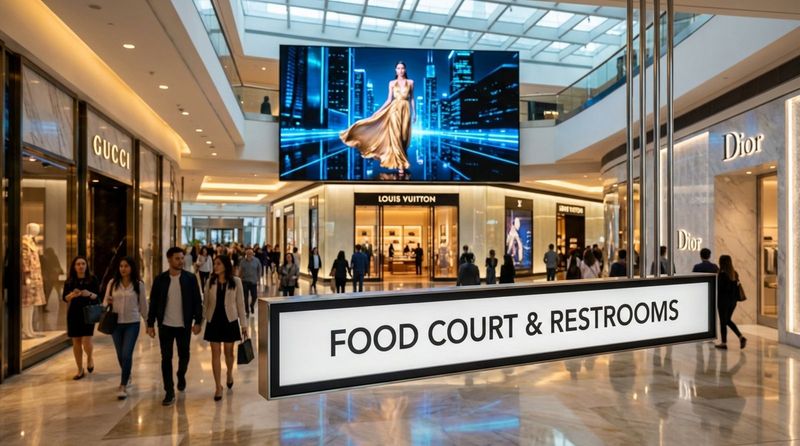
Retail spaces and malls are ideal places for dynamic signage. Screens near entrances, shelves, and checkout areas can display product highlights, reviews, cross-sell suggestions, and live offers. This can shape buying choices in real time and support upselling. Content can change by zone-beauty, electronics, fashion-and by time of day or event.
Static signs still play an important role in retail for permanent direction signs, store names, and long-term branding elements such as window graphics or wall murals. These elements provide consistency and identity, while digital signs handle fast-changing messages and promotions.
Corporate Offices and Meeting Spaces
Offices and corporate campuses use digital signage to keep staff and visitors informed. Screens in lobbies, hallways, and break rooms can show news, company updates, KPIs, social media posts, and event calendars. This helps everyone stay aligned and reduces reliance on printed notices or mass emails.
Interactive wayfinding kiosks help guests find meeting rooms or departments in large buildings. Static signs still work well for room numbers, nameplates, and legal or regulatory notices. But for messages that change regularly, digital displays are usually more effective and easier to manage.
Hospitality and Hotels
Hotels and resorts use digital signage to improve guest service and promote amenities. Lobby screens can highlight restaurant menus, spa offers, local events, and weather. Interactive displays can act as digital concierges, providing maps, attraction guides, and booking tools.
Conference and event spaces inside hotels can show schedules, room assignments, sponsor logos, and speaker details, all updated quickly if there are changes. Static signs generally handle emergency routes, permanent branding, and room names, while digital handles schedules and promotions that change frequently.
Smart Cities and Urban Applications
As cities add more connected systems, dynamic signage is becoming part of public infrastructure. Digital displays at bus stops and train stations can show live arrival times, service changes, and safety alerts. Large city screens can share traffic information, parking availability, public health messages, and community news.
These displays often connect to sensors and city data platforms, so they can update automatically. Static signs still mark street names, parking rules, and historical information, providing clear and stable guidance while digital signs handle changing information.
When Should You Use Static Signage?
Static signage is the best choice when the message is simple, fixed, and must always be visible. Good examples include:
- Safety and emergency exit signs
- Permanent wayfinding (like floor numbers and restroom signs)
- Building names and address plaques
- Stable policies, such as “No smoking” areas
It is also a smart option where power and network access are limited, or where buying and maintaining digital screens is not realistic. In outdoor areas with tough conditions, strong printed or metal signs often last longer and require less care.
Common Misconceptions about Digital and Static Signage
Is Dynamic Signage Always Expensive?
Many people assume digital signage is only for large companies with big budgets. While there is a higher setup cost than for a single printed sign, this view often ignores long-term savings and added value. Digital signage removes recurring printing and shipping costs, and updates can be made without paying a designer or installer each time.
The market now offers solutions across a wide price range-from small screens with basic players to advanced video walls. Businesses can start small and expand later. Increased sales, better customer experiences, and more efficient internal communication all help balance the initial spending.
Does Static Signage Still Have a Role?
Some believe that printed signs are outdated. That is not the case. Static signage is still very important for clear, permanent, and always-on messages that must be visible even during outages. Safety instructions, building directories, regulatory notices, and long-term brand signs fall into this category.
Static and dynamic signage often work best together. A strong permanent sign gives a place a clear identity, while nearby digital signs can share changing offers and news. By mixing both, organizations can build a visual system that feels stable but still flexible.
Selecting the Right Signage Solution for Your Needs
Defining Communication Objectives
The starting point for choosing signage is to be clear about what you are trying to do. Ask yourself:
- Is the message permanent or likely to change often?
- Do you need real-time or time-based updates?
- Do you want interaction, such as touch or mobile links?
If the goal is to show fixed information like a logo, opening hours, or a safety rule, static signage is usually enough. If you want to boost engagement, show live data, run frequent promotions, or build an immersive environment, digital signage is likely the better option.
Considering Budget and Space Constraints
Money and space have a strong influence on your choice. Static signs are cheaper to install but may cost more over time if content changes frequently. Digital signs cost more upfront but can reduce long-term spending where updates are common.
Think about:
- How often will messages change?
- Is there power and network access where you want to place screens?
- How large is the area, and how visible do you need the content to be?
For small, fixed notices, a simple printed sign makes sense. For main entrances, lobbies, and feature walls where you want to make a strong impression and change content regularly, a digital display is often a better fit.
Evaluating Audience Engagement Goals
Consider how you want people to respond to the signage. If you just need them to read a short, constant message, static signage works well. If you want to draw people in, spark curiosity, or support actions like scanning a code or exploring options, digital signage gives far more tools.
People are used to screens on their phones, at home, and in public spaces. They expect visual variety and, in many cases, the option to interact. By matching your signage type to the level of attention and interaction you want, you can make better use of your investment and meet audience expectations.
Key Takeaways: Making the Choice Between Dynamic and Static Signage
Choosing between dynamic and static signage is not about picking one winner. Each type has strong points and works best in different situations. Static signage offers low cost, durability, and a steady presence for messages that rarely change. Dynamic signage offers flexible content, strong visual impact, better engagement, and easier updates for messages that need to change often.
Many organizations get the best results by combining both: using static signs for stable, essential information and digital signs for promotions, news, and interactive experiences. The right mix depends on your goals, budget, locations, and how actively you want your audience to interact with the content. By matching your signage choices to these factors, you can build a clear, effective communication setup that supports your brand and serves your audience well.