Table of Content
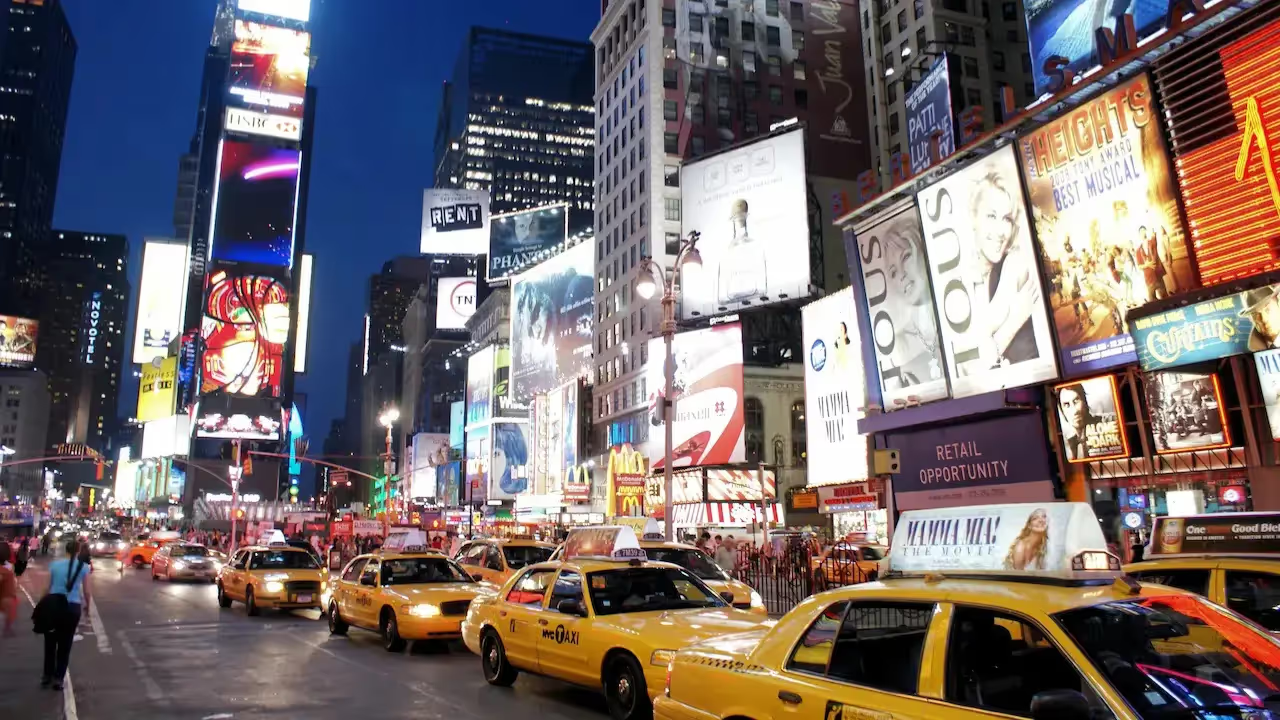
Deciding whether to invest in digital signage often comes down to a single question: will moving from static to digital displays really make a difference for your organization? The answer is yes. Digital signage helps you decide by giving you a lively, flexible, and highly engaging alternative to traditional media, with a clear return on investment through higher sales, better internal communication, and stronger customer experiences. By using real-time content and psychological triggers like motion and bright visuals, digital signage turns passive spaces into active communication hubs that attract up to 400% more views than static signs.
As of early 2026, digital signage has grown into a major industry worth nearly $30 billion worldwide. It is no longer a luxury for tech giants or huge stadiums; it is now a key tool for any business-from local cafes to global brands-trying to stay visible in a fast-moving world. Whether your goal is to reduce how long waits feel, lift employee morale, or influence last-minute buying decisions at the checkout, the advantages of this technology create a strong case for switching to digital.
What is digital signage and how does it work?
Digital signage uses electronic screens-such as LCD monitors, LED walls, or interactive kiosks-to show dynamic content like videos, announcements, promos, and live data. A printed poster stays the same until someone replaces it. A digital sign, on the other hand, uses hardware and software so you can change content instantly. A typical setup includes a display screen, a media player, and a Content Management System (CMS) that lets you upload and schedule content from one central place.
The real power comes from centralized, cloud-based control. Someone at head office can update screens across hundreds of locations with just a few clicks. Content can be as simple as a static image with moving text, or as advanced as live social media feeds, weather updates, or interactive maps. Because the system is online, it can display live dashboards or KPIs, so the information is always current and relevant to the people standing in front of the screen.

What makes digital signage effective compared to traditional signage?
Digital signage works well because of how our brains function. Humans are wired to notice movement-an instinct that helps us spot anything changing in our side vision. A static poster quickly becomes “visual wallpaper” that people ignore, but motion and bright colors on a screen draw attention again and again. Research shows we process visuals tens of thousands of times faster than text, and we remember stories far better than plain lists of facts.
Digital signage also offers a level of speed and flexibility that traditional media cannot match. In a time when news and trends shift by the hour, relying on print runs that take days is a big disadvantage. Digital displays let businesses react to “micro-moments”-changing messages based on weather, time of day, or stock levels. This ability to show the right message at the right time is what makes digital signage such a strong communication tool today.
How does digital signage compare to traditional and static signage?
When you compare digital signage to static signage, the biggest change is moving from a “set it and forget it” approach to active engagement. Traditional signs-like printed banners or posters-are cheap at the start and use no electricity, so they work fine for permanent, unchanging information. But they have clear limits. They show only one message at a time, and any mistake or update means redesigning, reprinting, and reinstalling, which costs both time and materials.
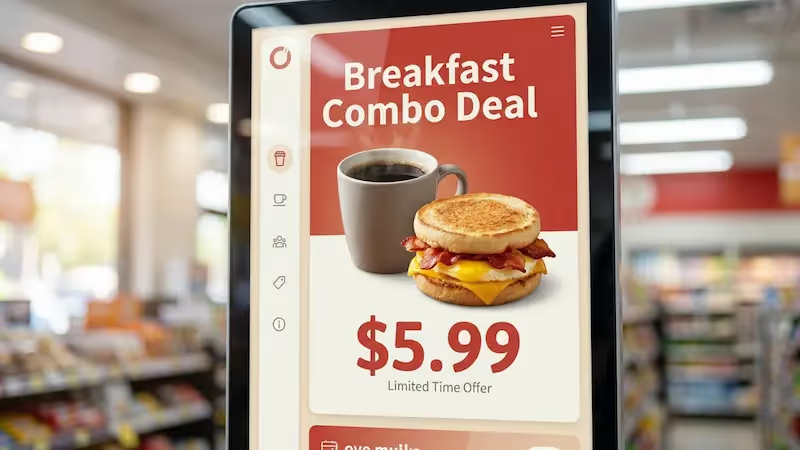
Digital signage, in contrast, gives you unlimited promotional space. A single screen can loop through dozens of ads, announcements, and videos every hour. A retail store, for instance, can use one screen to promote breakfast deals in the morning, flash sales later in the day, and loyalty programs at night. While the upfront cost is higher, long-term flexibility and the ability to react to the market in real time create a far stronger base for growth.

Key differences in cost, flexibility, and reach
Cost is often the main point in the digital vs. static debate. Static signs are cheap to start but bring ongoing costs for design, printing, shipping, and installation. When a price or offer changes, old signs go straight to the trash. Digital signage needs more money at the start for screens and software, but ongoing costs are much lower. Once the system is installed, content changes are almost free and can happen instantly.
For reach and recall, digital signage comes out ahead. Studies show digital billboards and screens have a recall rate around 83%, much higher than most traditional media. Because digital content is more engaging, people look at it longer and are more likely to respond. In one study, a digital ad for a free gift led 610 people to act, while the same ad in static form led only six people to act. This huge difference shows how much stronger digital engagement can be.
Potential trade-offs and challenges
Despite many advantages, digital signage does bring some trade-offs. The first is the upfront cost of good-quality screens and reliable media players. Also, digital signage is only as strong as its content. Organizations need to invest time and money in content creation-through internal teams or outside partners-so screens stay fresh and engaging. Blurry visuals or old, frozen screens can damage your brand image.
There is also a technical side. Systems need a stable internet connection for remote updates and someone responsible for managing the CMS. For very small businesses, running a digital network can feel like a lot of work if the platform is not simple to use. Many modern tools, however, offer templates and drag-and-drop interfaces that reduce these issues, making the technology usable even for people without IT or design skills.
Key benefits of digital signage to help you decide
If you are still unsure, looking at clear, data-backed benefits can help. Digital signage serves many teams at once-marketing, sales, HR, and operations. It is an investment that pays off in hard numbers like revenue, and in softer areas like how people see and trust your brand.
Boosts audience engagement and customer experience
Digital signage turns the customer journey from passive to interactive. In retail and hospitality, screens can show entertainment, news, or social media feeds that cut down how long waits feel. Studies show digital signage can lower perceived wait times in lines by up to 35%. When customers feel informed or entertained, they feel better about the brand, which leads to repeat visits and positive reviews.
Interactive tools, such as touchscreens and kiosks, push this further. They let customers find answers themselves, browse larger catalogs, or check into a hotel or clinic without staff. This self-service model gives customers more control while freeing staff to handle more complex or personal requests, creating a smoother and more pleasant experience for everyone.
Raises brand awareness and recall
Building a strong brand needs consistent, repeated exposure, and digital signage is a great way to do this. By using the same colors, logos, and taglines across many screens, brands keep themselves top-of-mind. Because the brain remembers visual stories well, videos and motion graphics on digital screens can reach recall rates of around 83%.
Also, 84% of retailers say digital signage creates more brand awareness than traditional ads. You can use screens to share your mission, show customer testimonials, and highlight local or community work in a modern, polished way. With this high visibility, when customers are ready to buy, your brand is more likely to be the one they think of first.
Delivers targeted advertising and messaging
Another major strength of digital signage is targeted content. You can schedule different messages based on audience and foot traffic. This “day-parting” lets you shape content to match who is likely to see it. For example, a restaurant can show quick lunch deals at noon for office workers, then switch to relaxed happy hour offers at 5 PM for an evening crowd.
You can also target content by screen location. A display near the entrance might show welcome messages and brand stories, while a screen at the checkout promotes high-margin add-ons or loyalty sign-ups. This level of focus means your marketing spend is not wasted on messages that do not fit the people in front of the screen.
Improves internal communication and employee motivation
Digital signage is also powerful inside your organization. In offices, warehouses, and plants, screens can show real-time KPIs, highlight employee wins, and mark birthdays or work anniversaries. This public recognition has a strong effect: 60% of employees say they feel more motivated when they see their efforts praised on company screens. One-third would even choose public recognition on a digital display instead of a $500 cash bonus.
Better internal communication through digital signage can lift employee productivity by up to 25%. By cutting down on overflowing inboxes and placing key updates in shared spaces like lobbies and break rooms, you help everyone stay aligned with company goals and culture. This openness helps build community and can lower staff turnover by as much as 65%.

Supports real-time content updates
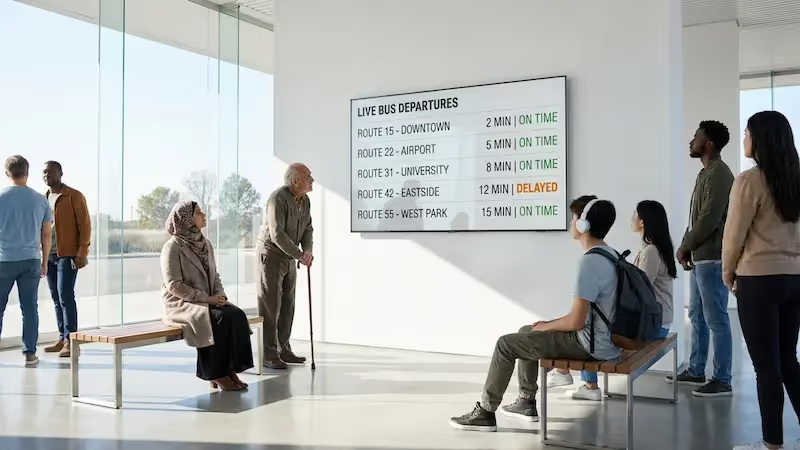
The ability to update content in seconds is one of digital signage’s biggest practical advantages. If a product sells out, you can pull its ad instantly across all locations. If a flight time changes or a room assignment shifts, you can correct the information right away. This speed helps avoid confusion and keeps your public information accurate.
Real-time updates also let businesses react to outside events. A hardware store can promote snow shovels and salt as soon as a storm is forecast. A café can switch to iced drink promos on a hot day. Static signs cannot react this quickly, giving digital users a real competitive edge.
Drives sales and shapes purchasing behavior
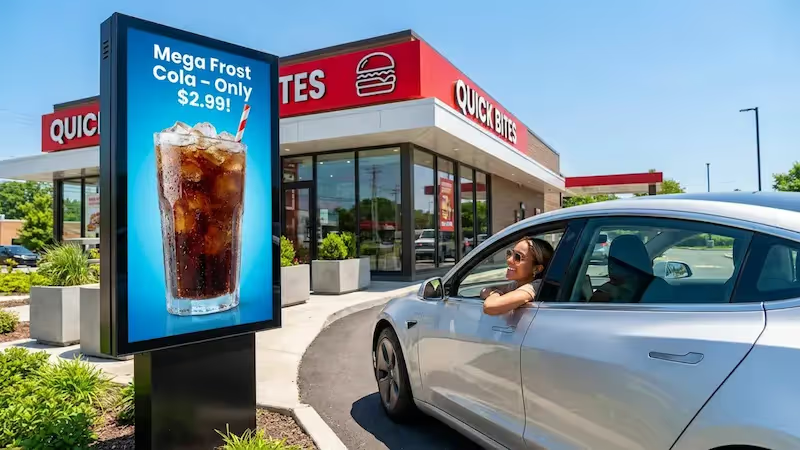
Digital signage has a clear impact on revenue. In retail, the right message at the right moment can lift sales by 5% to 25%. Since about 70% of buying decisions happen at the point of sale, digital displays are perfectly placed to guide customers toward higher-margin products or last-minute add-ons. In food service, unplanned purchases can rise by up to 80% when digital signs are used.
Digital menu boards are especially effective. They let restaurants spotlight certain dishes and use mouth-watering videos to influence choices. Research shows featured items on digital menus can see sales jump by up to 38%. Making the menu more visual and appealing not only raises average order value but also speeds up ordering and keeps lines moving.
Cuts operating and creative costs
While digital signage does require a higher initial spend, it saves a lot of money over time. By avoiding regular print runs, you cut costs on paper, ink, shipping, and installation. Many systems let you reuse assets like PowerPoint decks, product photos, or social videos, so you do not need new custom designs for every single campaign.
Templates and automated content feeds (such as weather or news) also make content creation easier. People across your team can build professional-looking messages without advanced design skills. This spreads the workload and reduces pressure on marketing staff so they can focus more on strategy and less on small daily updates.
Provides data insights and measurable analytics
Unlike a static poster, digital signage can supply detailed data to guide your decisions. With built-in tools or added sensors, you can track how many people pass a screen, how long they look, and which content gets the strongest reaction. This data-focused approach removes guesswork from your campaigns and shows clearly which messages perform best.
You can run A/B tests on different designs or formats, or use traffic data to choose the best places for new screens. By understanding customer behavior through real numbers, you can keep improving your content and placements so your signage delivers higher returns on both your goals (ROO) and your investment (ROI).
Improves safety and streamlines compliance communications
In factories, hospitals, and schools, digital signage plays a key role in safety. Workplaces that use screens for safety reminders report 48% fewer incidents and a 20% drop in injuries. Displays can show OSHA rules, safety stats, and updated procedures in ways people notice. Because content changes often, staff are less likely to tune it out compared to static posters.
During emergencies, digital signage can help protect lives. Systems can override regular content to show evacuation maps, alerts, and clear instructions right away. Fast, visible guidance helps avoid panic and makes it more likely that people know what to do, shortening response times compared to emails, printed notices, or PA announcements alone.
Supports environmental sustainability
With more pressure on businesses to act responsibly, digital signage offers a more eco-friendly option than constant printing. Going digital cuts paper usage and reduces the waste and chemicals linked to traditional print production. Modern LED displays are also increasingly energy-efficient, giving high brightness while using less power than older screens.
On top of cutting paper waste, digital signage lowers emissions from transporting printed materials to multiple locations. Choosing digital sends a clear signal that your brand cares about the environment. Many customers now prefer companies that act responsibly, so this “green” aspect can improve your public image while also saving resources.
Looking ahead, the use of Artificial Intelligence (AI) and Machine Learning (ML) will make digital signage even more personal and effective. Screens will be able to read general audience traits-such as age groups or crowd size-and adjust messages in real time to match viewer interests. With the global market expected to pass $54 billion by 2034, digital signage is set to remain the standard way organizations communicate in physical spaces. Keeping up with these changes will help your business stay strong on engagement and efficiency.