Table of Content
How are healthcare providers delivering better results in less time? The answer lies in cutting-edge tools like artificial intelligence (AI), 3D bioprinting, and robotic surgery. These technologies are helping teams break old trade-offs, delivering higher quality care with greater efficiency. By 2026, these innovations will shift from being "nice-to-have" extras to becoming the foundation of modern medicine.
This wave of tech turns healthcare from a reactive system into a proactive one. With smart data and automation, you can often predict issues before symptoms appear. The sections below break down the practical technologies that are expanding what is possible for patient health.
What defines cutting-edge technology in healthcare?
Which criteria make a healthcare technology cutting-edge?
In medicine, "cutting-edge" means more than just "new." True innovation solves real problems-giving you better outcomes with less confusion. It moves away from counting procedures and focuses on value-based care. These tools help keep the patient healthy rather than just treating them when they are sick.
To earn this label, technology must be simple to use and accessible. It should save time for both staff and patients. A good example is a sensor that replaces a week-long hospital stay, or software that organizes scans in seconds. It must also be able to scale smoothly from a single clinic to a whole network as needs change.
How does adoption of innovative technology improve patient outcomes?
The main goal is preventing disease instead of just treating symptoms. Catching illness early makes treatment easier and improves survival rates. For instance, monitoring patients remotely has been shown to reduce hospital readmissions for heart conditions by 20% to 50%.
These tools also help patients get involved in their own care. When people can see their health data in real time, they often make better choices about diet and medication. It turns a passive patient into an active partner in the process.
Benefits and risks of integrating advanced healthcare technology
What are the main benefits for patients and providers?
For patients, the benefits are convenience and personal attention. You can now visit a doctor via video from home, and wearable devices act as a safety net. This is vital for people in rural areas who used to travel far for care. Treatment is no longer "one-size-fits-all"; it fits your specific genes and lifestyle.
For providers, these tools reduce the burden of paperwork. AI can handle notes and organize records, saving hours of staff time. This lets nurses and doctors focus on what matters most: direct patient care. It gives them a data-driven "second opinion" to support fast, accurate decisions.
What challenges or risks accompany new healthcare technologies?
New tools bring risks, mostly regarding responsibility. If an AI makes a mistake, it is not always clear who is responsible. Many specialists worry about relying too much on digital tools without clear rules.
Security is also a major concern. As more devices connect to the internet, the risk of data breaches grows. Hackers target health data, and bad actors can use AI to create fake identities. Hospitals must avoid "innovation theater"-buying flashy tech that does not actually improve results.
Artificial intelligence and machine learning: Applications and impacts
AI-driven diagnostics and imaging advancements
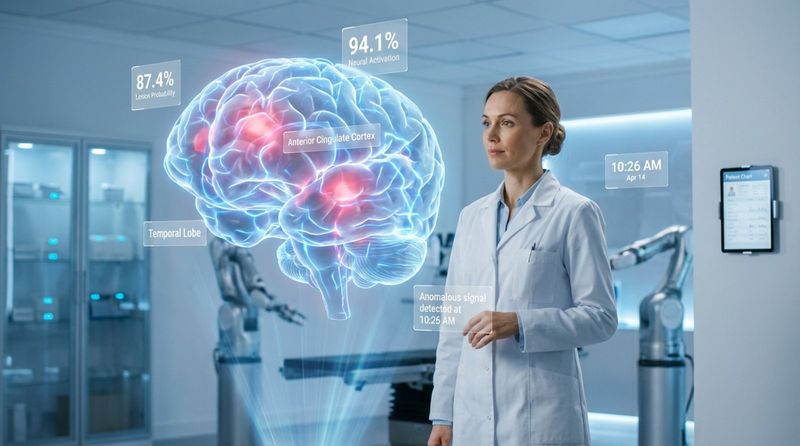
AI is now a core part of medical imaging. It processes X-rays and scans with speed and accuracy that rivals human experts. Deep learning tools can spot complex patterns, such as signs of pneumonia, in seconds. By sorting scans by urgency, AI ensures the most critical cases are seen first.
Beyond imaging, systems like IBM Watson combine research and patient data to suggest diagnoses. These act as a digital backup, helping to confirm decisions. By 2026, most hospitals will likely run predictive AI models to assess patient risk.
Machine learning for personalized treatment and drug discovery
Machine learning is changing how drugs are made. It simulates chemical reactions on computers, which is faster and cheaper than lab tests. This helps create new medicines for rare diseases more quickly.
In clinics, these models predict which patients will respond to specific treatments. This is useful in cancer care, where AI helps match therapies to patients for the best chance of survival. It ensures the right care gets to the right person at the right time.
Reducing administrative burden with AI in healthcare
AI tools like "ambient documentation" are reducing burnout. These tools listen to patient visits and draft clinical notes automatically. This cuts down on the hours doctors spend typing after shifts.
Virtual assistants also help by handling scheduling and billing questions 24/7. This frees up front-desk staff to handle more complex tasks.
Risks of bias and data privacy concerns in AI use
Some AI systems are "black boxes"-we do not know how they make decisions. If the data used to teach the AI is not diverse, the system might not work well for everyone. Builders and doctors must work together to test for fairness.
Data privacy is critical. As AI uses more personal data, the chance of misuse rises. Protecting this information requires strong security tools and strict adherence to privacy rules.
Telemedicine and remote patient care: Expanding access
Telehealth for rural and underserved communities
Telehealth is now a standard part of care. Video calls let patients in remote areas see specialists without traveling. This has been very helpful for mental health support since the pandemic.
Governments are supporting this shift to lower facility costs. High-speed 5G networks are making these video visits clearer and more reliable.
Remote patient monitoring devices
Remote Patient Monitoring (RPM) tracks health data when patients are at home. Devices send blood pressure or glucose readings directly to the clinic. This helps doctors adjust treatments quickly.
RPM is great for managing long-term conditions like diabetes. By spotting small changes early, doctors can act before an emergency happens. This "hospital-at-home" model is growing fast.
Limitations and security issues in telemedicine
Telehealth cannot fix everything. Many diagnoses still need a physical exam or lab test. Also, patients without good internet access can get left behind.
Security is vital here. Sending health data over the internet requires strong encryption. Teams must use secure platforms to ensure private data stays private.
Wearable devices and the Internet of Medical Things (IoMT)
Examples of leading wearable health technologies
Wearables are more than step counters. Medical-grade watches and patches now track heart rhythm, glucose levels, and sleep patterns. Some sensors are even built into clothing for all-day wear.
The Internet of Medical Things (IoMT) connects these devices to hospital systems. This provides a continuous stream of data, giving a much clearer picture of a patient's health than a single clinic visit.
Continuous health monitoring and preventive care
The value of wearables is in the data. Analytics can look at sleep and heart rate to flag early signs of illness. This moves care from reacting to problems to preventing them.
For older adults, sensors can detect falls instantly and alert help. This improves safety and helps people live independently for longer.
Data interoperability and privacy for connected devices
A big challenge is getting different devices to "talk" to each other. Without shared standards, data gets stuck in different apps. Open connections are needed to make this data useful for doctors.
Privacy is also a challenge. Wearables track location and habits. Protecting this data requires strong encryption and secure storage to keep user trust.
Robotics and automation in healthcare
Robotic-assisted surgery and precision medicine
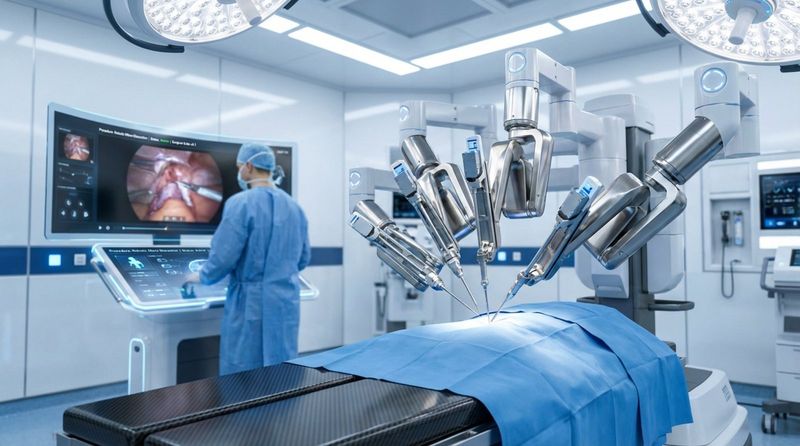
Robotic-Assisted Surgery (RAS) gives surgeons incredible control. Robots can make smaller movements than human hands, leading to smaller cuts and faster recovery for patients.
Robotics also supports precision medicine. By using 3D imaging, surgeons can plan operations that match a patient's exact anatomy. This improves accuracy in complex surgeries.
Automating hospital workflows and logistics
Robots are also helpful outside the operating room. They can disinfect rooms, deliver supplies, and handle laundry. This reduces the workload on staff and helps fill gaps in the workforce.
During the pandemic, robots helped check patient vitals without exposing staff to infection. They work alongside people to improve safety and speed.
Ethical and cost considerations for robotic solutions
Robots are expensive. High costs for machines and maintenance raise questions about value. Hospitals must ensure these investments improve care for many patients, not just a few.
There is also a worry that machines might make care feel impersonal. While robots improve accuracy, human empathy is still the core of healing. Balancing technology with the "human touch" is essential.
Blockchain for secure health data management
How blockchain ensures integrity of medical records
Blockchain is a secure digital ledger. Once a record is added, it cannot be changed without the network agreeing. This prevents fraud and protects medical records from being altered.
It allows for a patient-focused record system. You can give doctors access to your history as needed, ensuring everyone on your care team has the same up-to-date information.
Blockchain's potential in healthcare payments and supply chains
Blockchain can speed up insurance checks and payments. "Smart contracts" can automate approvals, reducing waiting times for patients and doctors.
It also secures the drug supply chain. By tracking every step from factory to pharmacy, blockchain helps stop counterfeit medicines from reaching patients.
Barriers to blockchain adoption in healthcare settings
Adoption is slow because blockchain is complex and costly to start. Many leaders do not fully understand how it works. Also, regulations for these tools are still being written.
The link between blockchain and cryptocurrency also makes some people hesitant. Education is needed to show how it can be used safely for health data.
3D printing and bioprinting: Transforming treatment and prosthetics
Customized implants, prosthetics, and surgical tools
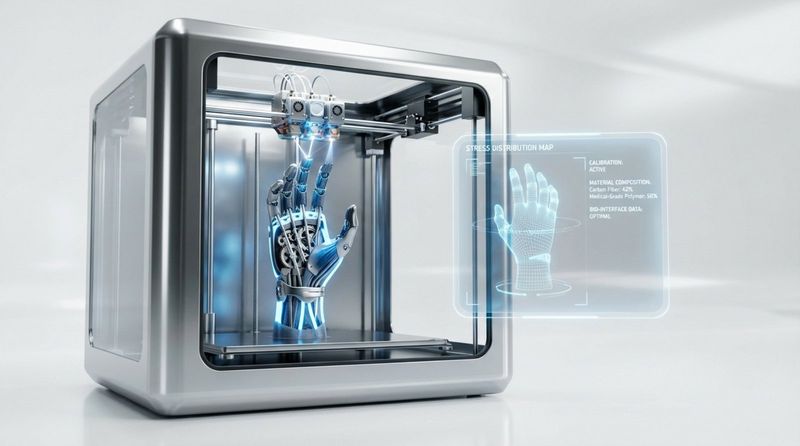
3D printing allows for custom medical parts at a lower cost. Surgeons can order implants that fit a patient's body perfectly. This improves comfort and results.
It is also used for prosthetics and tools. Hospitals can print patient-specific guides and limbs quickly, often cheaper than buying them from outside suppliers.
Bioprinting tissues and organs: State of the art
Bioprinting uses living cells to print tissues. While still in the lab phase, this could one day allow us to print organs for transplant. Researchers are currently working on printing skin and cartilage.
Emerging challenges in safety, regulation, and scalability
Safety is the main hurdle. Printed tissues must work safely inside the body. Regulators like the FDA are working on rules for these new products.
Scaling up is also hard. Printing complex organs like hearts is difficult. Progress is slow but steady.
Genomics, precision medicine, and gene editing
Genomics-driven personalized medical care
Genomics matches care to your DNA. By reading a patient's genome, doctors can choose treatments that are more likely to work. This is becoming standard in cancer care.
As costs drop, genetic data is becoming a normal part of medical records. This supports truly personal care.
CRISPR and gene therapy: Current examples and dilemmas
CRISPR allows scientists to edit genes to treat diseases at their root. It offers hope for curing rare genetic disorders. However, ethical concerns about changing human DNA remain high.
Impact on rare diseases and chronic condition management
For rare diseases, gene therapy may be the only cure. It targets the cause, not just the symptoms. This precision approach focuses resources where they help the most.
Augmented and virtual reality for healthcare training and patient care
VR and AR in medical education and simulation
Virtual Reality (VR) helps students practice dangerous procedures safely. Augmented Reality (AR) helps surgeons see digital data overlaid on the real world during operations.
Patient rehabilitation and pain management via VR
VR can distract patients from pain during treatments. In rehab, it makes exercises more engaging, helping patients recover faster.
Measuring effectiveness and access to AR/VR tools
Research is ongoing to measure the long-term benefits. Cost is still a barrier for some clinics, but as hardware gets cheaper, these tools will become more common.
Emerging trends: Smart implants, nanomedicine, and digital twins
Examples of smart implants improving patient outcomes
Smart implants send data from inside the body. Some help restore vision or movement for people with disabilities. Others track how well an implant is healing.
Breakthroughs in nanomedicine for diagnostics and therapy
Nanomedicine uses tiny particles to target disease. These can attack cancer cells without harming healthy tissue. This technology is slowly entering routine care.
Digital twin technology for personalized treatment planning
A "digital twin" is a virtual copy of a patient's organ. Doctors can test treatments on the digital twin first to see what works best. This makes procedures safer and more precise.
Addressing barriers to implementation: Data security, privacy, and interoperability
Cybersecurity threats and prevention in healthcare technology
Strong security is essential. Hospitals must test their systems regularly to stop hackers. Staff training is also key to preventing data leaks.
Ensuring interoperability between new and legacy systems
Old software often does not work with new tools. Updating these systems is necessary for security and efficiency. Open platforms help data move freely.
Ethical and regulatory issues of emerging healthcare technology
Regulations must keep up with innovation. Rules are needed to prevent bias in AI and protect patient privacy without stopping progress.
Future outlook: How cutting-edge technology will shape healthcare
Anticipated advancements over the next decade
In the coming years, data will drive every decision. AI will support most parts of care, and "Smart Hospitals" will use real-time data to manage operations.
As facilities become smarter, clear communication is vital to keep operations running smoothly. Look Digital Signage is a strong fit for hospitals that need to manage screens across departments, waiting rooms, and staff areas. It allows you to use Smart Scheduling to automate different messages for day and night shifts, while Offline Playback ensures critical safety info stays visible even if the network drops. This creates a reliable layer of visual communication alongside clinical tools.
How can organizations prepare for rapid technological change?
To succeed, organizations must be flexible. They should test new tools on a small scale before rolling them out. The focus must always remain on the patient.
Technology should improve access and safety, not just add complexity. By prioritizing privacy and practical results, healthcare systems can build a better future for everyone.