

Table of Content
Digital signage in hospitals is a system of screens and displays that show many types of content, from daily operational information to calming images and videos. Unlike printed posters that quickly go out of date, digital screens can show live updates and offer a flexible way to share messages in a busy, often stressful hospital setting. This technology is becoming a standard part of healthcare, helping hospitals work more efficiently, support patients better, and improve communication for everyone entering the building.
Digital signage uses networked screens that can be controlled from one central place and updated instantly. This allows hospitals to share urgent information, such as emergency alerts, last-minute schedule changes, or new visiting hours, across the entire site very quickly and accurately. Beyond sharing facts, these systems help create an environment where patients, visitors, and staff feel more informed, involved, and less anxious, supporting modern, connected models of healthcare like Healthcare 4.0.

How Do Hospitals Use Digital Signage?
Hospitals use digital signage in many ways to support daily work and patient care.
A key use is wayfinding: screens and interactive maps help people move through large, confusing buildings by giving clear directions and step-by-step routes. This can greatly cut down on stress and confusion and makes it easier to get from the parking area to the right department. These screens also act as information points, showing hospital services, health tips, and important notices.
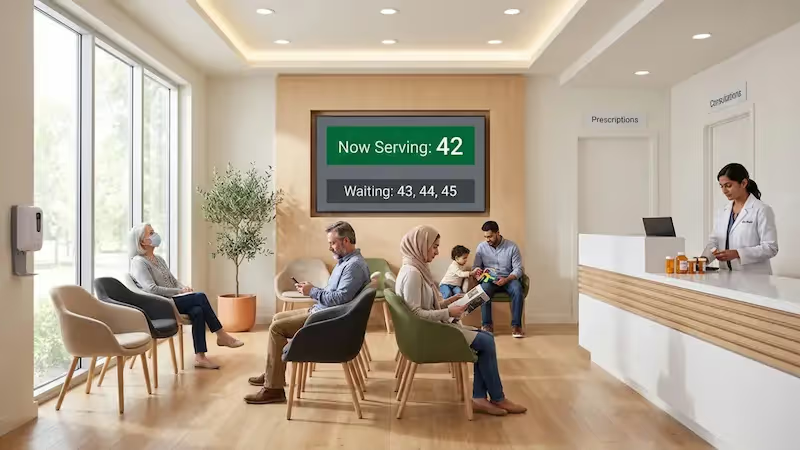
Digital signage also supports internal communication by keeping staff updated about shift changes, department news, and training sessions. In waiting areas, screens can show live queue information, appointment status, and entertainment or relaxation content to reduce anxiety. Because updates happen digitally, hospitals save on printing and distributing paper materials, which lowers running costs over time.
Which Hospital Areas Benefit from Digital Signage?
Almost every part of a hospital can benefit from well-placed digital signage, with each area using it for different goals. In lobbies and reception zones, large screens can welcome visitors, share basic information, and provide first steps for wayfinding. Waiting rooms, which often feel tense and uncertain, become calmer and more useful thanks to screens that show queue progress, health education, and soothing visuals.
Along corridors and at major intersections, interactive kiosks and digital directories help people find their way. In patient rooms, screens can be used for entertainment, condition-specific education, and even integration with remote monitoring systems. Staff lounges and offices can have internal dashboards showing schedules, operational updates, and training content. Cafeterias can use digital menu boards to show daily meals, nutritional details, and allergen warnings. Any space where better information and communication can improve the experience for patients and staff is a good place for digital signage.
Why Use Digital Signage in Hospitals?
Installing digital signage in hospitals is about improving the overall care experience, not just adding new gadgets. Hospital operations change quickly and depend on fast, accurate information. Static signs often cannot keep up. Digital displays handle this by sending live, centrally controlled updates that support current medical needs. These systems help hospitals work more smoothly, make patients happier, and can even support better financial performance.
Modern healthcare expects patients to take a more active role in their treatment. That means clear, engaging information is key. Digital signage connects patients, visitors, and staff with the details they need at the right time. This type of communication lowers confusion and stress and helps build trust and confidence in the hospital and its staff.
Improves Patient Experience and Engagement
Digital signage has a strong effect on how patients feel about their hospital visit. One report shows about 75% of caregivers and patients think digital signage improves their experience. By turning stressful spaces into more informative and comforting areas, screens help reduce anxiety and raise satisfaction. They do this by showing live updates about appointments or procedures, offering clear educational content, and creating a calming mood with gentle visuals.
These displays also support patient engagement by giving people easy-to-understand information about their health. Screens can share health tips, details on common conditions, and prevention advice, which can lead to better health results. Interactive tools such as health quizzes or virtual tours can draw patients into their own care journey and make waiting more useful and less stressful. Sharing patient success stories and testimonials on screens can also bring hope and build trust in the hospital and its staff.
Increases Communication Efficiency
Hospitals move quickly, so they need fast and clear communication. Digital signage is well suited to this. Unlike paper notices or email, digital screens can be changed right away so important messages reach people without delay. Updates about visiting hours, new safety rules, or emergency events can appear across many screens at once. This is key to keeping operations smooth and keeping everyone informed during fast-changing situations.
Digital signage also improves internal communication. Screens in staff-only areas can show shift rosters, department updates, and training content so teams stay aligned. This cuts down on email overload and reduces the need to hand out paper notices, giving staff more time to focus on patient care. When digital signage connects with other hospital systems, such as HR or EMR tools, it creates a responsive information network for the entire facility.
Reduces Perceived Wait Times
Waiting is unavoidable in hospitals, and long or uncertain waits are a major cause of stress. Digital signage helps by lowering how long the wait feels, even if the actual time stays the same. One study found that digital screens can reduce perceived wait times by more than 35% through better queue management and engaging content. When patients are occupied and informed, time appears to move faster.
Screens can show live wait times for different departments, link to queue systems to display current ticket numbers, and provide real-time appointment status. At the same time, waiting-area screens can show entertainment, gentle nature scenes, or health-related content, shifting attention away from the clock. For children, interactive games or kid-friendly videos keep them busy and ease stress for both them and their caregivers.

Promotes Health Education and Safety
Hospitals must teach patients and visitors about health and keep them safe, and digital signage is a strong tool for both goals. Rotating messages with health tips, explainer videos, and info slides can help people understand disease prevention, healthy habits, and safe medication use. This continuous education supports better outcomes because informed patients tend to take part more actively in their care. Video content is especially effective: research suggests viewers keep about 95% of information from video compared to about 10% from text alone.
On the safety side, digital signage is an important part of emergency planning. In urgent situations, screens can instantly show alerts, safety steps, and evacuation instructions across the building. Because the system is centrally controlled, all devices can sync messages within seconds and guide both visitors and staff. Screens can also display reminders about hygiene, such as handwashing and mask use, which helps reduce infection risk and maintain a safer environment.
What Content Works Best for Hospital Digital Signage?
The impact of digital signage in a hospital depends heavily on what appears on the screens. Having many displays is not enough; the content must be useful, easy to follow, and suited to the people and places where it appears. A clear content plan helps digital signage truly support patient experience, communication, and operations. The aim is to give helpful information without flooding people with too much at once, mixing education, comfort, and important updates.
The most effective content in hospitals takes into account that many visitors are stressed or worried. It should be simple, visually clear, and, where helpful, interactive. Done well, it turns passive waiting into a time for learning, reassurance, or quiet distraction.
Wayfinding and Interactive Maps
Finding your way through a large hospital can be stressful. Digital signage helps with advanced wayfinding and interactive maps. These screens can guide people from the car park to clinics or wards, using easy-to-read maps that highlight areas like the emergency department, outpatient clinics, restrooms, and cafeterias. Interactive kiosks placed at entrances and key crossroads let users search for locations and get step-by-step directions, often with visual landmarks to make following the route easier.
Because the maps are digital, they can offer features that static signs cannot, such as zooming, route options, and links to appointment data so patients can confirm where they need to go. Support for multiple languages helps people from different backgrounds move around the building with less stress. Some hospitals, such as St. Mary Regional Medical Center, have found that digital maps cut down front-desk questions, letting staff focus on more urgent work.
Patient Education Videos and Infographics
Helping patients understand their conditions and treatment is a key goal in care, and digital signage is an effective teaching channel. High-quality videos can break down complex medical ideas, show how procedures work, and explain prevention in simple steps. Because video is easier to remember than text, it is well suited to explain topics such as chronic disease management, vaccination, or post-surgery care.
Infographics are also very useful. They show information in short, visual formats: bullet lists, icons, simple diagrams, and charts. These can cover quick wellness tips, hygiene rules, screening reminders, or lifestyle advice. Because they are short and clear, they work well in waiting rooms and hallways where people only glance at screens for a few seconds. Mixing short videos with infographics and simple stories helps make medical information easier to understand and remember for different age groups and backgrounds.

Real-Time Announcements and Emergency Alerts
Hospitals need to spread urgent messages quickly, and digital signage is ideal for that. Screens can switch instantly to show important updates like new visiting rules, safety advisories, or hospital-wide alerts. This way, patients, visitors, and staff receive the same information at almost the same time, which supports both safety and daily operations.
In emergencies, a central audio-visual system linked to alarms can push out guidance, evacuation routes, and rules of behavior. All connected screens can show the same key information right away, while specific messages can go to certain areas if needed. This is very helpful during serious situations such as fire alarms, security incidents, or severe weather, when clear instructions can prevent confusion and panic.
Scheduling, Check-In, and Queue Information
Managing how patients move through the hospital is a major task, and digital signage plays a big role here. Screens can show current wait times for the emergency room, labs, radiology, or the pharmacy so people know what to expect. Check-in boards can list patients by time slot or clinician, which makes the process more transparent and reduces questions at the front desk.
Self-service kiosks help patients check in, update their details, sign forms, or even pay bills without waiting in line. This reduces congestion, cuts down on manual paperwork, and improves the flow in waiting areas. When these kiosks connect with queue management software, screens can show ticket numbers or call people forward, keeping everything organized and clear.
Entertainment and Calming Content
Because hospitals are naturally stressful places, content that relaxes and distracts people is very valuable. In waiting rooms, TV screens can show calming nature scenes, light entertainment, or neutral news to help people feel less tense and make the wait feel shorter. Many surveys show that entertainment options in patient rooms and waiting areas are linked to higher satisfaction scores.
For children, interactive games or child-friendly apps on touchscreens can provide a helpful distraction and reduce fear and boredom. Hospitals can also stream positive events, such as concerts or talks, to patient rooms and common areas to lift spirits. The key is choosing content that fits the audience and time of day, focusing on peaceful visuals and gentle sound levels where audio is used.
Multilingual Information
Many hospitals serve people who speak different languages. Sharing information in more than one language is necessary to make sure everyone understands what they need to know. Digital signage can easily switch between languages or show several languages on the same screen, so non-native speakers feel informed and welcome.
Wayfinding, safety messages, health tips, and even cafeteria menus can all appear in multiple languages. This reduces misunderstandings, helps patients follow instructions, and supports better outcomes, especially for those who might otherwise struggle to understand staff or paperwork. Most healthcare digital signage systems already include multilingual options, so adding this support is usually simple.
How Can You Maximize the Impact of Digital Signage in Hospitals?
Getting the most benefit from digital signage takes more than putting up screens. It requires a basic plan for where displays go, what appears on them, who manages the content, and how different users access the information. A smart approach can turn digital signage into a strong support tool for patient comfort, operations, and communication across the whole hospital.
The aim is to build a clear and easy-to-use information network that helps patients, visitors, and staff. This often means reviewing how the system is used, updating it over time, and adjusting as hospital needs change.
Choose Strategic Screen Placement
Where you put screens is just as important as what they show. To have the biggest effect, place them in areas with high foot traffic and at key decision points. Good spots include main entrances, reception desks, waiting rooms, main corridors, elevator lobbies, cafeterias, and staff rooms. Interactive wayfinding kiosks should be by entrances, near lifts, and at major junctions so people see them when they need directions most.
Match the screen’s content to its location. For example, waiting-room screens might focus on queue data, health education, and calming visuals. Screens near nursing stations might display care team information, internal alerts, and performance dashboards. Outdoor signs at the campus entry can guide visitors from the road or parking lot and show basic rules like mask or hygiene policies. Placing screens with a clear purpose helps the right people see the right messages at the right moment.
Read also on the Look blog: Tips to Select the Best Digital Signage Placement
Update Content Regularly for Relevance
The main strength of digital signage is that it can change quickly. If content is rarely updated, that advantage disappears. Old or wrong information quickly reduces trust in the system and can even cause errors. Queue displays must show live data, images and videos in waiting rooms should be refreshed now and then, and health education loops should reflect current best practice.
Hospitals should set up a simple content management plan that defines who creates, approves, and updates different types of content and how often. For example:
- Queue and scheduling data: updated in real time
- Announcements and news: checked weekly
- Health education content: reviewed monthly or quarterly
Cloud-based content management systems (CMS) with user-friendly dashboards, such as CrownTV and similar tools, make it easy to schedule and push updates across many screens from one place.
Use Clear and Legible Visuals
In hospitals, people may be stressed, tired, or have limited vision, so screens must be easy to read at a glance. Avoid packing too much text onto a single slide. Focus on one main message per screen and use short phrases. Strong, simple visuals and plenty of empty space make information easier to grasp.
Design guidelines for hospital screens usually include:
- Soft, calming colors like blues, greens, and earth tones
- High-contrast text and background (e.g., dark text on a light background)
- Large, sans-serif fonts (no smaller than 24 pt, larger for distant viewing)
- Gentle animations or transitions instead of fast, flashy effects
The goal is to support a calm and clear visual environment, not to grab attention with aggressive colors or motion.
Test for Accessibility, Including Audio and Multilingual Support
Digital signage should work well for people with different needs and abilities. This includes language, hearing, and vision. Multilingual options are especially helpful in hospitals that serve international or mixed communities, giving non-native speakers equal access to directions, safety messages, and health content.
Accessibility features should include:
- Subtitles or captions on all videos for people with hearing loss
- Large, high-contrast fonts and clear icons for those with low vision
- Low default audio volume or muted screens, with headphones or on-demand sound when needed
- Easy language switching or rotating language content for key messages
Regular user testing with patients, families, and staff from different backgrounds helps find and fix barriers so the system works for as many people as possible.
What Are Common Mistakes to Avoid with Hospital Digital Signage?
Digital signage has huge potential in hospitals, but poor planning can turn it into a source of confusion or annoyance. Some common problems include unclear content, outdated information, lack of accessibility, and screens placed where people do not notice them. Avoiding these issues helps make sure the investment actually improves patient care and daily routines.
The aim is to create a system that is simple to understand, helpful, and easy to use, rather than cluttered or ignored. By planning ahead and learning from common mistakes, hospitals can create digital signage that truly supports staff and patients.
Overloading Screens with Information
Trying to fit too many messages onto a single screen is one of the biggest mistakes. When viewers see crowded layouts with long paragraphs and many elements, they often give up rather than try to read everything, especially in stressful situations.
Keep each screen focused on a single idea. Use short headlines, brief bullet points, and strong images instead of dense blocks of text. Allow plenty of blank space so the eye can rest. Most patients and visitors will only glance at a screen for a few seconds, so content should be clear enough to understand almost instantly. If you have a lot to say, spread it across several slides or zones on the display, rotating them at a comfortable pace.
Neglecting Regular Content Review
Another frequent error is setting up screens and then barely touching the content afterward. Old promotions, incorrect timings, and expired safety messages damage trust and can make people ignore the signage altogether. In healthcare, this can even have safety implications.
Set up a simple, regular review cycle. Assign someone (or a small team) to check content on a schedule and remove, replace, or correct items as needed. For example, verify queue and appointment data daily, rotate visuals weekly, and update health information based on the latest guidelines. A cloud-based CMS can help centralize this task so changes appear everywhere at once.
Ignoring User Accessibility Needs
Hospitals serve people of all ages, abilities, and language backgrounds. If digital signage does not account for this, some groups will not get important information. Overly small text, low-contrast colors, lack of captions, or English-only messages can all block access for certain viewers.
Plan for accessibility from the start:
- Include multiple language options where possible.
- Use large, readable typefaces and avoid cluttered or patterned backgrounds.
- Provide captions for all video and audio content.
- Limit background noise and let people choose when to turn up audio through personal devices.
Testing with real users, including those with disabilities or limited language skills, helps refine the system so it serves everyone fairly and effectively.