

Table of Content
Almost 60% of people feel some level of dental anxiety, and many even delay or cancel appointments because of fear. So the real question isn’t “Can digital signage help a dental office?” but “How much can it change the patient experience?” The answer: a lot. Digital signage is quickly becoming a key tool for dental practices that want a more welcoming, informative, and engaging office. It’s more than a visual upgrade; it’s a practical tool that can ease patient nerves, improve daily workflow, and quietly promote the many services a modern dental clinic offers.
From the moment a patient walks in, digital screens can help calm them, share useful information, and offer entertainment, turning a stressful wait into something more pleasant. This isn’t just about nice images on a TV. It’s smart communication that builds trust, makes waits feel shorter, and strengthens the relationship between clinic and patient. By using changing, timely content, dental offices can move past old magazines and paper flyers and create a more interactive, engaging space that helps everyone.

What Is Digital Signage for Dental Offices?
Digital signage in a dental office means using electronic screens to show changing content, information, and entertainment for patients and staff. Unlike printed posters or paper notices, digital signs are flexible, eye-catching, and easy to update at any time, from any place. This helps turn the clinic into a lively, informative, and comforting space that directly addresses common issues like fear, boredom, and confusion.
It’s about more than putting up a TV. It’s about planning content that supports every step of the patient visit. From the waiting room to the operatory, screens can show the right message to the right people at the right time: reminders, instructions, education, and distractions. Because the content is so flexible, digital signage is a strong tool for modern dental practices that want better communication, smoother operations, and higher patient satisfaction.
How Does Digital Signage Work in a Clinical Setting?
Digital signage in a clinic runs on a network of screens connected to a content management system (CMS). The CMS lets staff create, schedule, and send different media-videos, images, text, and even live data-to one or many screens from one dashboard. You can change the waiting room display to show a new promotion or an urgent notice in just a few clicks, from a computer or even a phone.
The strength of this system is how flexible it is. Content can change by time of day so it stays relevant and doesn’t become boring. For example, mornings might show calm visuals and basic health tips, while afternoons highlight specific services or introduce team members. This flexibility means the screens are always supporting the patient experience and the practice’s goals instead of just hanging on a wall doing nothing.
What Devices and Platforms Are Commonly Used?
Setting up digital signage in a dental office is often easier than expected and doesn’t always require special hardware. At the simplest level, you need screens. These can be existing waiting room TVs, spare computer monitors, or commercial displays made for longer use. Many modern systems are hardware-flexible, so they can run on almost any screen with a modern web browser: smart TVs, small PCs, streaming sticks, or tablets. This helps lower startup costs and makes installation easy.
Besides the screens, you need a media player (either built into a smart TV or as a small external box) to connect to the internet and receive content. The main engine, though, is the cloud-based CMS. Platforms like Screenly, CrownTV, or Look Digital Signage provide online dashboards where staff can manage everything. Features often include templates, widgets (weather, clocks, news, social feeds), and remote control of all screens, so even non-technical staff can build playlists, schedule content, and push updates from anywhere with internet access.
What Are the Benefits of Digital Signage in a Dental Practice?
Adding digital signage to a dental practice brings many benefits that go far beyond appearance. It’s a smart investment that helps solve real problems, including patient anxiety, confusion, and staff overload. By using clear, visual communication, practices can create a space that feels more pleasant, runs more smoothly, and supports business growth.
The advantages reach across the whole practice: happier patients, more efficient staff, and a stronger brand image. Digital signage offers a level of communication and engagement that printed materials simply cannot match. Patients stay informed, feel more relaxed, and have more confidence in their choice of dentist.
Improves Patient Communication and Experience
One of the biggest benefits of digital signage in a dental office is better communication with patients, which leads straight to a better experience. About 84% of customers prefer businesses that share clear, timely information. Digital screens are an efficient way to meet this need so patients don’t feel left in the dark about key details or changes. Instead of paper flyers that people ignore or staff repeating the same answers all day, digital signs put important messages front and center.
You can use them for office hours, holiday closures, new safety steps, and emergency contact details. When this information is shown in a clear, visual way, misunderstandings drop and patients feel more informed and respected. You can also show different messages in different areas-waiting room, hallways, treatment rooms-so people see the most relevant information where and when they need it. This targeted approach improves the visit with very little extra work from staff.
Reduces Perceived Wait Times
Waiting is part of every visit, and in a dental office, waiting often makes anxiety worse. Digital signage can cut perceived wait times by more than 35%, according to some studies. This happens because engaged patients are less focused on the clock. Instead of watching time drag by or flipping through old magazines, patients watch curated content that holds their attention.
Calming visuals, short educational pieces, and light entertainment draw attention away from the wait and toward something more pleasant. You might show nature scenes, fun dental facts, or local news and weather. This turns a passive, tense wait into a more active and comfortable one. Patients leave feeling that the wait “wasn’t so bad,” which improves their overall view of your office.

Improves Practice Branding and Image
In a competitive healthcare market, a strong, professional image matters. Digital signage offers an effective way to raise your practice’s profile and show that your clinic is modern and well-run. Compared with paper posters, digital screens look clean and up to date, sending a quick signal that the practice uses current tools and cares about details. This helps set you apart from nearby offices and supports patient confidence from the start.
By using consistent visuals across all screens-logo, colors, tone of voice-you reinforce what your practice stands for and the level of care you offer. You can show your approach to treatment, highlight special services, and display before-and-after photos (with permission) of successful cases. This builds credibility and shows real results, which helps strengthen loyalty and encourages patients to refer friends and family.
Streamlines Staff Communication
Digital signage is not just for patients. It’s also a strong tool for internal communication. Screens in staff-only spaces-break rooms, office areas, or near workstations-can show schedules, daily priorities, policy updates, and reminders in real time. This keeps everyone, from dentists to front-desk staff, on the same page without endless meetings or scattered printed memos.
This clearer communication leads to smoother workflows and fewer bottlenecks. The same screens can show short training clips, clinical refreshers, or compliance reminders when staff have downtime. They can also be used to celebrate birthdays, work anniversaries, and team achievements. Regular positive messages help build a stronger team culture, raise morale, and reduce staff turnover, which benefits both the team and the patients they serve.
How Can Digital Signage Improve the Patient Journey?
A typical dental visit often begins with worry and ends with relief, but everything in the middle shapes how a patient feels about your practice. Digital signage can improve each step of that path. With well-placed screens showing calming, helpful, and engaging content, patients feel supported from the moment they think about booking to their follow-up after treatment.
The goal is not just to make the visit less stressful, but to build a long-term relationship based on trust. Digital signage becomes a steady, friendly guide that informs and reassures patients at every stage of their visit.
Welcoming and Guiding Patients on Arrival
For first-time visitors, finding their way around a dental office can be confusing and stressful. If signs are unclear and the layout is hard to follow, patients may feel lost or embarrassed to ask for help. Digital signage reduces this stress by offering clear, visual directions right when people walk in.
Interactive or static screens near the entrance and key junctions can show where to check in, where to sit, and how to find restrooms or specific treatment areas. These displays can also show welcome messages, introduce staff faces and names, and share brief patient quotes about positive experiences. This friendly touch helps new patients feel more at ease and lowers the number of “Where do I go?” questions, freeing staff to focus on care.
Keeping Patients Informed During Their Visit
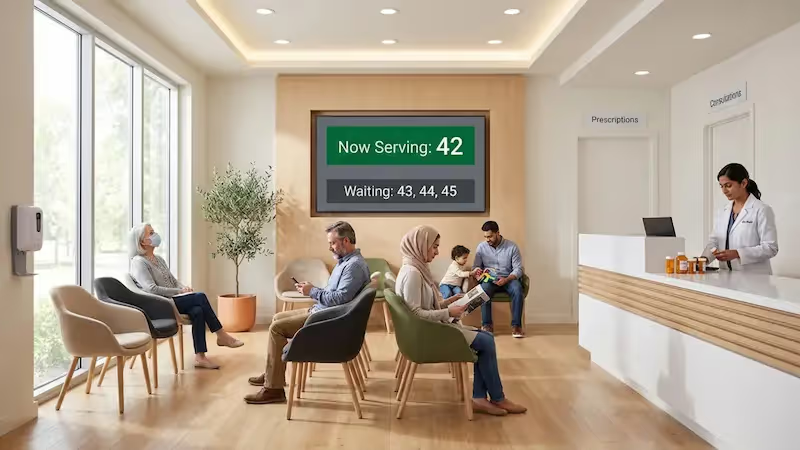
Not knowing how long the wait will be or what will happen during treatment can raise anxiety. Digital signage can act as a live information center that keeps patients in the loop. In the waiting room, screens can show queue updates or call the next patient, which makes the process feel more transparent and fair.
Screens can also show office hours, how to book online, reminders about follow-ups, and any recent changes in policies or safety rules. Educational content about brushing, flossing, gum health, and regular visits can run in easy-to-follow video or image formats. This steady stream of useful information helps patients feel prepared, in control, and less overwhelmed.
Supporting Patient Engagement During Treatment
Digital signage can help even when a patient is in the dental chair. Screens in treatment rooms can calm, inform, or distract, depending on the need. Calming nature videos or soft-motion visuals can take focus away from the procedure and reduce tension. Children often respond well to cartoons or age-appropriate shows on ceiling-mounted screens.
You can also use these screens to show simple animations that explain what the dentist is doing, from fillings to implants. This makes complex procedures easier to understand. After treatment, the same screen can remind patients of care steps and restrictions. With screen-sharing tools, dentists can pull up X-rays or photos and walk patients through their diagnosis and options, which builds understanding and trust.

Encouraging Patient Loyalty After the Appointment
The patient journey continues after they leave the building. Their memory of the visit affects whether they return or recommend your office. Digital signage supports long-term loyalty by reinforcing positive messages at key touchpoints near checkout and in exit areas.
Screens can show patient testimonials, online review scores, and short stories about successful treatments. They can also quietly advertise additional services or upcoming promotions as patients schedule their next visit. For example, you might highlight whitening specials or new cosmetic services at the front desk. By consistently showing value, expertise, and a caring approach, digital signage helps turn occasional visitors into loyal, returning patients who speak well of your practice.
What Types of Content Work Best in Different Areas of a Dental Clinic?
Digital signage works best when the content fits both the physical space and the patient’s mindset. Different areas of a clinic serve different purposes, and the screens should reflect that. A single content loop for the whole office is rarely effective. Instead, match the message to the moment.
By paying attention to what patients need and feel in each part of the clinic, you can turn your screens into useful tools for comfort, learning, and engagement, instead of background noise.
Waiting Room Content to Calm and Educate
The waiting room is often where anxiety peaks, and where patients spend the most idle time. Content here should first aim to relax and gently distract. Calming visuals-beaches, waterfalls, forests, or aquariums-help lower tension and give people something pleasant to focus on. Simple reassuring phrases like “You’re in good hands” can further ease nerves.
You can mix in light educational content: brief tips on brushing and flossing, why regular cleanings matter, or how diet affects teeth. Keep these short and easy to follow, using simple graphics or animations. Adding local news, weather, or community updates can bring variety and keep people engaged, which makes the wait feel shorter.
Treatment Room Displays to Inform and Distract
In the operatory, the content focus shifts slightly. Patients still benefit from calming visuals, but you can also use the screen to prepare and inform. Relaxing nature clips, slow-motion scenes, or quiet patterns can help keep anxiety down during treatment. For children, shows or simple games on a separate screen can be very helpful.
The same display can show short explainers about the procedure being done, using simple language and clear diagrams. Aftercare tips can play after the procedure, reminding patients how to brush around a new crown or what to avoid after an extraction. When needed, the dentist can take over the screen to show X-rays, photos, or diagrams to help explain conditions and treatment plans.
Reception and Hallway Updates for Navigation and Announcements
Reception and hallways are busy, “on-the-move” areas. Here, digital signage should focus on clear directions, quick updates, and brand presence. Screens near the front desk or main hall can point out check-in steps, direct people to different wings or floors, and mark locations like restrooms and exits. This is especially helpful in larger or multi-specialty clinics.
These screens are also ideal for quick announcements: new office hours, closing dates, new team members, insurance updates, or safety changes. Because everything is digital, updates can be made right away, so patients always see current information. Reception is also a strong place to feature your logo, tagline, core messages, and service highlights so people get a consistent impression of what your practice stands for.
Staff-Only Digital Signage for Internal Communication
In staff-only zones, content should focus on operations and team building. Screens in break rooms or back offices can show the daily schedule, room assignments, on-call details, and internal reminders. This keeps everyone updated without relying on printed sheets or constant verbal check-ins.
You can also use these displays for short training segments, policy refreshers, and compliance reminders. Adding staff birthdays, shout-outs for good work, results of team goals, and photos from events helps build a sense of community. Over time, this kind of internal signage can reduce miscommunication, support a smoother workflow, and improve job satisfaction.

Best Content Ideas for Dental Office Digital Signage
Digital signage really shines when the content is varied, relevant, and well-planned. A single static image or a short loop that never changes will quickly lose impact. Instead, use a mix of calming visuals, educational pieces, promos, and interactive elements so your screens feel alive and useful.
The aim is to create content that supports patients at each stage of their visit: easing nerves, answering common questions, and gently showcasing what your practice can offer.
Display Calming and Soothing Visuals
Reducing anxiety is one of the most effective uses of digital signage in a dental office. Many patients arrive nervous; gentle visuals can help. Show videos of beaches, forests, waterfalls, clouds, or underwater scenes. Aquarium footage works especially well because of the slow, predictable movement and bright colors.
You can also use soft abstract art, muted color patterns, or simple breathing guides that invite viewers to inhale and exhale slowly. The goal is to choose images and animations that are pleasant, not overstimulating, and that encourage relaxation rather than excitement.
Share Oral Health Tips and Educational Content
Digital signage is a strong education tool. Instead of stacks of brochures that often go unread, use screens to share short, clear lessons on oral health. Some useful topics include:
- Correct brushing and flossing techniques
- How diet and sugar affect teeth
- Why regular cleanings and exams matter
- Signs of gum disease to watch for
Use short videos, simple infographics, and large, easy-to-read text. Show this content in the waiting room and treatment rooms so patients can learn while they wait. This positions your clinic as a trusted source of advice and encourages better home care.
Showcase Dental Services and Special Offers
Many patients don’t realize everything you offer beyond cleanings and fillings. Digital signage is a great way to bring attention to services and promotions. Research suggests that about 35% of patients are more likely to ask about a service after seeing it promoted in the office.
Highlight services like:
- Teeth whitening
- Clear aligners (e.g., Invisalign)
- Veneers and cosmetic bonding
- Implants and full-mouth restoration
Use clear language to explain who each service helps and what results patients can expect. Promote seasonal offers, bundled packages, or referral rewards, and update them as needed. This gentle in-office marketing can increase case acceptance and revenue without feeling pushy.
Present Before-and-After Treatment Photos
For cosmetic and restorative work, results speak louder than words. Before-and-after photos can be very persuasive when shown on a screen. A slide show of real cases-whitening, orthodontics, veneers, implants-helps patients see what’s possible.
Always get written consent before using any patient images. Use high-quality photos, side by side, with brief captions describing the treatment. This content builds trust in your skills and can inspire patients to ask about options they hadn’t considered.
Feature Real-Time Queue and Appointment Updates
Not knowing when you’ll be called can be stressful. Digital signage can fix this by linking to your scheduling or queue system to show real-time updates. Simple displays like “Now seeing: [Name or Number]” and “Up next: [Name or Number]” help manage expectations.
You can also show estimated wait times for walk-ins or delayed appointments. This reduces repeated questions to the front desk and helps patients feel the process is fair and organized, even during busy times.
Highlight Patient Reviews and Testimonials
Patients often trust other patients more than advertising. Showing real reviews and testimonials on your screens builds confidence for new visitors. Short quotes like “They explained everything clearly” or “I finally feel comfortable at the dentist” are highly effective.
You can show a rotation of reviews pulled from Google, Yelp, or other platforms (without exposing full personal details). Match these quotes with friendly images of staff or consented patient photos. Since many people rely on reviews as much as personal recommendations, this kind of content has strong influence.
Introduce Dentists and Staff Members
Unknown faces and titles can make a visit feel cold. Use digital signage to introduce the team and make the office feel more personal. Display staff profiles with:
- Photo
- Name and role
- Qualifications or specialties
- A short personal note (e.g., hobbies, favorite sports team)
These rotating profiles help patients feel like they “know” the people treating them, which can lower anxiety and encourage more open communication.
Announce Important Health Alerts and Policy Changes
Health alerts and policy changes need to be clear and visible. Digital signage is perfect for this kind of message. Use prominent screens to share updates about infection control, mask rules, check-in changes, or new payment policies.
During public health events, you can remind patients about hand washing, distancing, or screening steps. Because the content is digital, you can update it quickly and keep messages consistent across all screens, which helps reduce confusion.
Provide Wayfinding and Navigation Assistance
Finding the right room can be stressful, especially in larger clinics or shared medical buildings. Digital signage can show clear, simple directions using maps, arrows, and room labels. Interactive kiosks can let patients tap to locate operatories, imaging rooms, or specific providers.
Features might include:
- “You are here” maps
- Step-by-step directions to key areas
- Floor directories for multi-level clinics
This reduces the need for staff to give repeated directions and helps patients feel more confident moving around the space.
Incorporate Fun and Engaging Interactive Features
Interactive content can turn waiting time into something more enjoyable, especially for families. Touch-enabled screens can host:
- Dental trivia games
- Oral health quizzes and puzzles
- Simple kids’ games or coloring apps
You can also use interactive check-in screens where patients confirm their arrival or update contact details. Short digital surveys about the visit can collect feedback while showing patients that their opinions matter. A “Smile of the Month” feature or a digital photo booth with dental-themed frames (with permission) can add fun and encourage social sharing.
Choosing and Managing Digital Signage Solutions for Dentists
Picking the right digital signage system is about more than buying screens. You need the right mix of software, hardware, and features so the system supports your clinic instead of adding extra work. Good planning at the start saves time and money later.
A well-chosen system will help your practice run smoothly and look more professional. The wrong setup can be hard to use and quickly abandoned, so it pays to think through the key points before you commit.
Recommended Features for Dental Clinics
When selecting a digital signage platform, look for features that make life easier for your team and fit dental workflows. Some helpful features include:
Integration with Appointment and Queue Systems
One of the strongest uses of digital signage is connecting it with your appointment software. When integrated, the screens can automatically show live queue order, estimated wait times, and welcome messages for arriving patients.
Benefits include:
- Fewer “How long will it be?” questions for reception
- Clear expectations for patients about timing
- Personalized touches such as “Welcome, [First Name]!” displays
- Linking each patient with their treating dentist on screen
This saves staff time, lowers frustration, and makes the whole process feel more organized.
Best Practices for Content Scheduling and Updates
To keep digital signage effective, content needs regular attention. A “set it and forget it” approach leads to stale screens that people stop noticing. Use your CMS scheduling tools to rotate content and match it to the time of day.
Helpful habits include:
- Creating daypart playlists (morning vs. afternoon content)
- Planning a simple content calendar with monthly themes
- Reviewing all content regularly to remove outdated items
- Assigning one person or a small team to maintain the system
- Keeping each message short (around 20-30 seconds of reading/viewing time)
This keeps the displays fresh and encourages patients to keep watching.
Key Tips for Maximizing ROI with Dental Digital Signage
Digital signage is an investment, so it should clearly support your goals-better patient satisfaction, higher revenue, and smoother operations. To get strong returns, you need good planning, purposeful content, and simple ways to track results.
With the right approach, screens become active tools for growth, not just decorations on the wall.
Measuring Impact on Patient Satisfaction and Office Efficiency
To understand how well your digital signage works, track its effect on both patients and staff. Some methods include:
- Short on-screen surveys about waiting room comfort and clarity of information
- Monitoring online reviews for mentions of waiting area and communication
- Counting how often staff answer repeat questions about wait times and services before and after installation
If patients say the wait feels shorter or staff report fewer basic questions, you’re seeing positive impact. Use this data to fine-tune content and placement over time.
Promoting High-Value Services and Offers
Digital signage can directly increase revenue by promoting profitable services and timely offers. Use waiting room and reception screens to highlight treatments such as:
- Cosmetic dentistry
- Orthodontics/clear aligners
- Implants and restorative work
- Whitening and smile makeovers
Pair eye-catching visuals with simple statements of benefits and clear calls to action like “Ask us today” or “Book a free consultation.” Track how many patients mention seeing a promotion on the screen when they book or accept treatment; this helps measure direct financial return.
Keeping Content Fresh, Relevant, and Compliant
The value of your digital signage depends on how current and accurate the content is. Old promotions, outdated policies, or incorrect health information can damage trust. Create simple rules and a schedule for updates, and mix educational, calming, and promotional content so screens don’t feel like constant ads.
Also make sure content follows healthcare rules and professional guidelines. That includes:
- Getting written consent for any patient images or testimonials
- Avoiding exaggerated or misleading claims
- Checking that health information is up to date and sourced correctly
Putting one person in charge of content review helps maintain quality, protect patient privacy, and keep your messaging professional.
Transforming Your Dental Practice with Effective Digital Signage Ideas
The role of digital signage in dental offices is quickly moving from “nice extra” to “key part of a modern, patient-centered practice.” The ideas in this article show how screens can reduce fear, improve communication, support your team, and highlight your services, all at the same time.
Using digital signage means using technology to make care clearer, friendlier, and more efficient. With thoughtful content and smart placement, your screens can help calm anxious patients, explain treatment options, support staff, and strengthen your brand-leading to a more successful, welcoming clinic for everyone who walks through your doors.