Table of Content
Retailtainment is a mix of retail and entertainment that turns ordinary shopping into a fun, memorable, and sometimes even “life-changing” experience. It is about more than selling products; it is about telling stories, stimulating the senses, and building emotional links that bring people back again and again. At a time when online shopping is extremely convenient, retailtainment gives people a strong reason to visit physical stores, turning them into lively destinations instead of simple payment points. It has become a key strategy for brands that want to stand out and create long-term relationships with their customers.
What is retailtainment?
Definition and origin of retailtainment
The word “retailtainment” is a blend of “retail” and “entertainment.” American sociologist George Ritzer introduced the term to describe the planned use of sound, atmosphere, emotion, and activity to catch customer interest and put them in a buying mood. In simple terms, it makes shopping feel like an adventure, changing a basic task into a fun and immersive experience. Instead of only putting products on shelves, this approach creates a setting where people are entertained, informed, and emotionally involved.
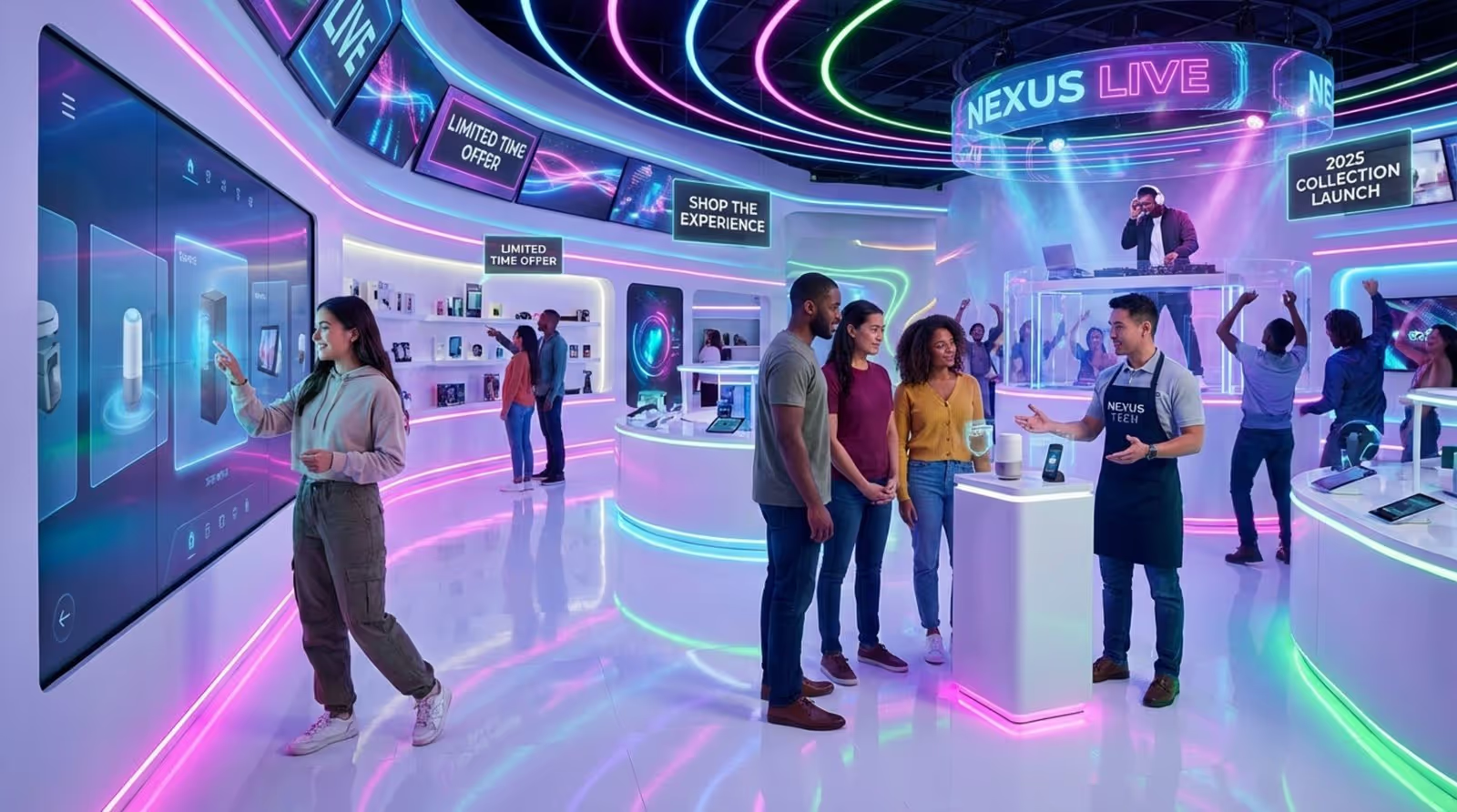
Retailtainment is often linked with “inspirational retailing” or “entertailing,” showing its aim to give customers more than a simple purchase. It uses interactive and themed spaces and often includes live shows, events, in-store activities, and learning sessions to keep people engaged. The main idea is to move from a plain features-and-benefits focus to one built around rich experiences and customer enjoyment. Stores become places people genuinely want to visit, explore, and return to, with standout moments that go far beyond the products on sale.
Retailtainment vs. experiential retail: what’s the difference?
People often use “retailtainment” and “experiential retail” as if they mean the same thing, but there are small differences. Experiential retail is the broader idea. It covers any marketing approach that focuses on what customers feel and do in the store. This includes workshops, one-on-one advice, product demos, and storytelling through the store layout and displays. The main goal is to create unique, memorable experiences that build emotional ties, loyalty, and repeat visits. Experiential retail uses physical spaces to offer special experiences that are hard to copy online, helping brands build strong, lasting relationships with customers beyond a single purchase.
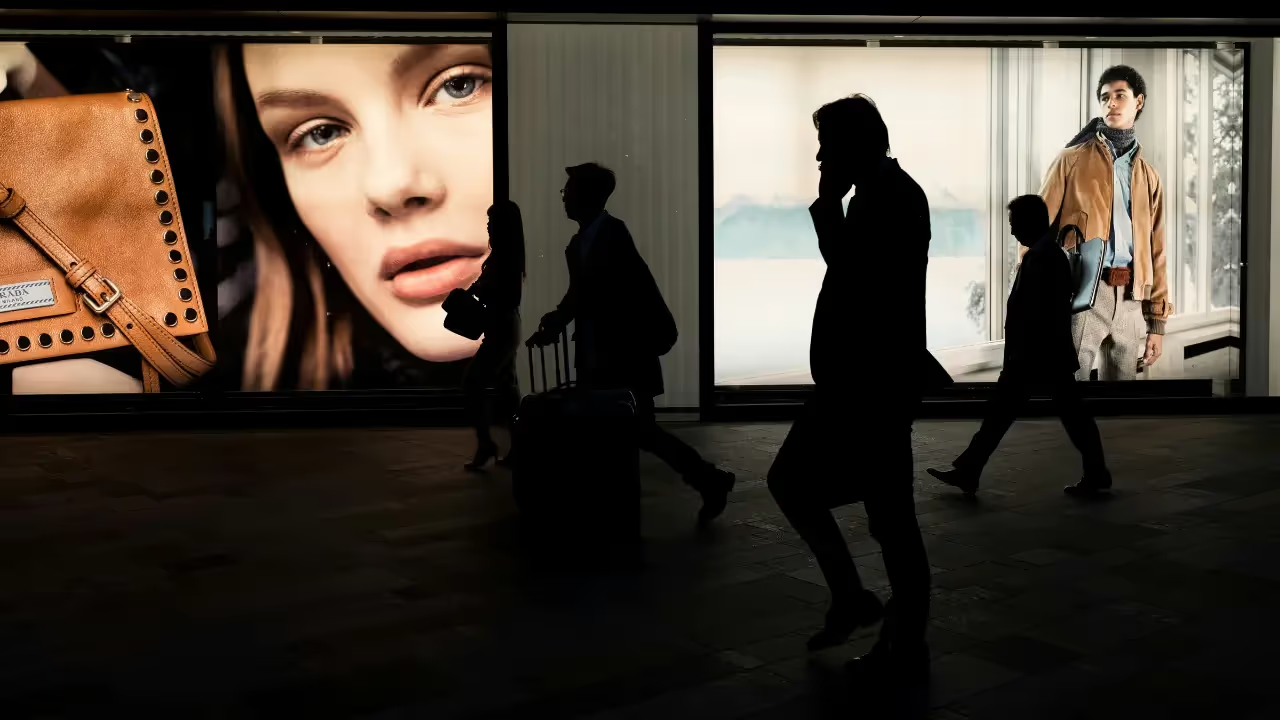
Retailtainment is a more specific type of experiential retail. It focuses strongly on adding clear entertainment features to the shopping trip. Examples include AR try-ons, immersive billboards, digital games, and shareable installations. All retailtainment is experiential retail, but experiential retail does not always include entertainment. Retailtainment is usually the more energetic, eye-catching part, built to drive quick traffic, engagement, and social media content. Experiential retail as a whole covers the full experience that leads to loyalty, often mixing entertainment with calmer or more educational elements. Both make shopping more enjoyable and engaging, but retailtainment leans heavily into the “fun and excitement” side.
Key features of retailtainment
Retailtainment is not a fixed formula. It is a flexible strategy made up of several key features that work together to build a strong customer journey. These features are meant to attract attention, involve people, and create delight, turning a simple shopping trip into something that feels like an event.
Interactive experiences and participation
Interactivity is central to retailtainment. Instead of customers only looking at products, they are invited to take part in the experience. This can include hands-on product testing zones, workshops where they learn new skills, or displays that react to movement or touch. The aim is to make people feel like they are part of the brand’s world and allow them to engage directly with products and ideas. This active role triggers strong feelings, such as the joy of discovering something new or the pride in making something themselves, making the visit far more memorable than simple browsing.
Themed environments and immersive design
Retailtainment often uses themed environments that feel like stepping into a different world. These spaces appeal to all the senses-sight, sound, smell, touch, and sometimes taste. By building attractive, themed store settings, retailers make shopping feel like an exploration, not just a purchase. This sense of escape catches people’s attention and helps tell the brand’s story in a vivid way, turning the visit into a small adventure.

Events, performances, and live entertainment
Creating a sense of occasion inside the store is another clear sign of retailtainment. This includes events, live performances, and other entertainment. Examples include live music, fashion shows, product launch parties, and appearances by influencers or celebrities. These activities add energy and excitement to the store, turning a standard visit into a social outing. They give brands chances to meet new audiences and build a sense of community. Because these events happen at set times, they give customers a specific reason to visit and often create a feeling of urgency or exclusivity.
Gamification and challenges
Retailtainment often makes shopping feel like a game. Gamification means adding game-style elements such as points, badges, leaderboards, and challenges to the store experience. This encourages people to join in and compete in a friendly way, turning product discovery into a fun quest. It might be an AR treasure hunt in the store, a challenge to customize an item, or a points-based activity. Gamification increases engagement, keeps customers in the store longer, and makes shopping more fun by nature. The sense of finishing a challenge or “winning” something can create lasting positive feelings toward the brand.
Integration of technology and phygital elements
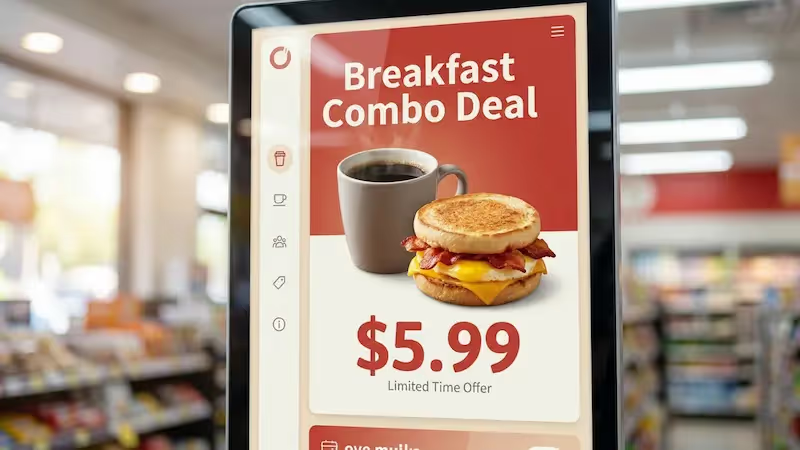
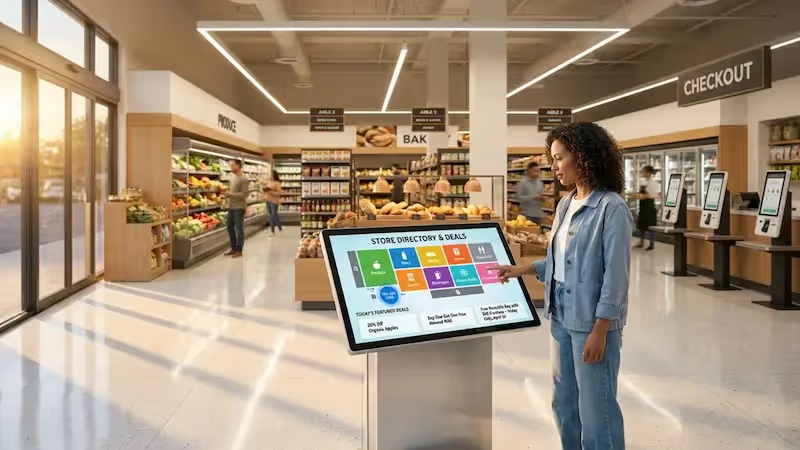
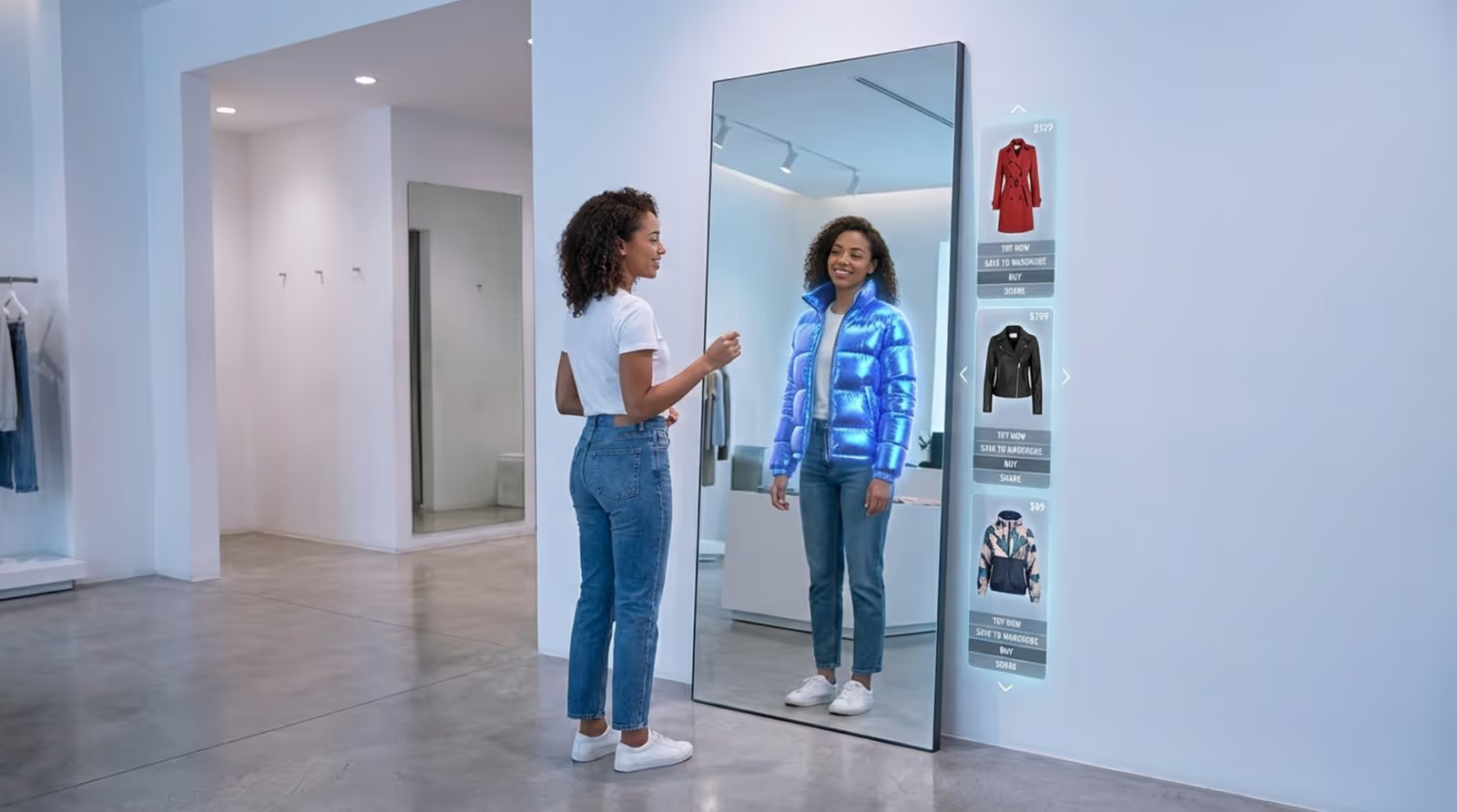
Modern retailtainment makes strong use of technology to blend physical and digital experiences into “phygital” journeys. This may include AR mirrors for virtual try-ons, interactive windows that react when people walk by, VR experiences that take customers into virtual spaces, or touch-screen mirrors that show detailed product information and personal suggestions. Digital signage is also important, showing changing content, interactive features, and targeted messages. This mix of tech and store space improves how customers interact with the brand and also provides useful data about their behavior.
Social sharing and community engagement
Because people are always connected, many retailtainment experiences are built with social media in mind. Eye-catching “Instagrammable” spots and unusual backdrops prompt customers to take photos and share them online, creating user-generated content and free promotion. Beyond social posts, retailtainment can help build a sense of community by hosting local events, encouraging people to meet and connect, and giving them shared experiences around the brand. When customers feel they belong to a brand community, they are more likely to stay loyal and to recommend the brand to others.
Types of retailtainment activities
One of the strengths of retailtainment is its flexibility. Stores can choose from many activities and pick the ones that fit their brand, audience, and goals. These activities aim to attract attention, teach, and entertain, turning a regular visit into something people remember.
Experiential pop-ups
Experiential pop-ups are short-term stores or installations that offer a special, limited-time experience. They usually focus on a theme, a new product, or a specific brand story, and they often create fear of missing out (FOMO) because they are only available for a short period. These temporary and highly themed spaces help brands test ideas, meet new customers, and create buzz. For example, Huda Beauty opened a sci-fi themed pop-up in London for the Mercury Retrograde eye-shadow palette, introducing the brand to new visitors through a striking, immersive setup.
Product showcases and demonstrations
Instead of static displays, retailtainment turns product showcases into active demonstrations. Staff may show how a product works, displays might let people test features themselves, or AR tools might let customers try items virtually. The idea is to inform and entertain at the same time so customers see the product in action. IKEA does this well with showrooms that present products in fully styled rooms, inviting people to sit, touch, and explore furniture in a “Try Before You Buy” way.
Workshops and educational events
Many retailtainment setups include learning-focused activities such as workshops and classes. These can be cooking classes in a kitchenware shop, beauty lessons in a cosmetics store, or DIY craft sessions in a hobby store. These scheduled events give hands-on, personal experiences and let customers gain new skills while interacting with the brand. For instance, Sephora’s in-store Beauty Hub holds workshops and tutorials led by experts, giving customers direct practice and custom advice.
Digital and augmented reality installations
Digital and AR installations use new technology to create engaging, interactive experiences. Examples include AR mirrors for trying clothing or makeup, windows that react to movement, or gamified areas where customers discover products in playful ways. Bershka’s Manchester flagship store features AR mirrors with live visual effects and Gen Z-style overlays, letting shoppers test digital looks. These installations entertain customers and also connect physical visits with digital tools, making the whole journey smoother and more engaging.
Seasonal campaigns and themed activations
Many retailers use holidays and seasons as a base for themed retailtainment. Stores might turn into Christmas wonderlands, summer escapes, or Halloween experiences. Examples include festive scenes with personalization machines, such as John Lewis’s project with Kinder, or spooky, immersive Halloween setups. These campaigns bring a sense of surprise and novelty, giving people a reason to come back and linking specific products to the mood of the season. They tap into seasonal emotions and make shopping feel like part of the celebration.
Benefits of retailtainment for retailers and shoppers
Retailtainment is not a short-lived fad. It is a planned approach that brings clear benefits to both businesses and customers. By changing the way people shop, it helps solve many of the problems stores face today and creates value on both sides.
Increases foot traffic and dwell time
As physical store visits drop in many markets, retailtainment gives people a reason to come in person. Exciting, interactive environments draw customers into the space. Once there, fun activities, interactive features, and a strong atmosphere encourage them to stay longer. Extra time in-store matters, as it opens more chances for staff to talk with customers, for customers to explore products, and for purchases to happen. The more time people spend in the store, the higher the chance they will find something they want and feel more attached to the brand.
Improves customer engagement and emotional connection
Retailtainment shifts focus from simple buying to active involvement. Interactive experiences start conversations, create shared memories, and build emotional ties between customers and the brand. When people join a workshop, finish a challenge, or walk through a themed space, they connect with the brand on a deeper level. This emotional link makes the visit stand out in their memory and turns them from passive visitors into active fans. Engaged and emotionally connected shoppers tend to buy more and remember how they felt long after they leave.
Boosts sales, conversion rates, and average transaction value
Retailtainment can have a clear impact on revenue. More visitors and longer stays lead to more chances to sell. Engaged customers are usually more open to advice and more willing to buy on the spot. Features like virtual try-ons or live demos make decisions easier and faster because people can see how products work for them. Enjoyable experiences also encourage customers to add extra items to their baskets, raising the average value of each purchase. Research shows that well-done retailtainment raises how customers see value, newness, and fun in the offer, which supports higher conversion rates.
Promotes brand loyalty and advocacy
When brands create special, enjoyable experiences, they build stronger ties than through products alone. Customers who have great in-store experiences are more likely to come back and to feel loyal to the brand. Loyal customers often talk about the brand to friends and family and share their experiences online. This unpaid promotion is powerful, since personal recommendations usually carry more weight than ads and help bring in new customers at a lower cost.
Generates valuable data and customer insights
Interactive retailtainment setups can collect rich data about how customers behave. Stores can track how long people spend in certain areas, which features they use most, what products they prefer, and how often they return. These insights help retailers personalize future experiences, adjust product mixes, and tweak marketing campaigns. Some platforms can give real-time dashboards showing number of interactions, peak times, and common behavior patterns, giving decision-makers clear information that standard store layouts often do not provide.
Provides a competitive advantage in a crowded market
With so many brands fighting for attention, being different matters. Retailtainment helps a brand stand out by offering experiences that others cannot easily copy. While online stores compete strongly on price and convenience, they struggle to match the multi-sensory, emotional side of a physical, experience-led store. By offering more than just a basic shopping trip, brands can attract people who value experiences as much as products. This difference helps build a clear identity and a stronger place in the market.
Improves overall brand perception
Retailtainment experiences tend to generate buzz. They lead to social posts, online reviews, and media coverage, all of which increase visibility and shape how people see the brand. When customers enjoy their time in-store, they talk about it, post photos, and share videos. This helps present the company as modern, people-focused, and fun. A positive image like this can influence how potential customers judge the brand even before they visit.
Retailtainment case study: a brand success story
To see how retailtainment works in practice, let’s look at a brand that has built it into its core retail strategy: IKEA.
Background and objectives
IKEA, the Swedish furniture retailer, has long been known for its creative store approach. Its goal is to make home furnishing simple, affordable, and enjoyable, turning what could feel like a boring chore into an inspiring journey. Knowing that shopping for home items can take time, IKEA set out to build elements of play and convenience into the process. The aim was to increase how long people stay, deepen engagement, and grow sales by making visits more appealing and less focused purely on the transaction. To sell furniture, IKEA first wanted to sell a lifestyle and a pleasant experience.
Implementation and features
IKEA’s retailtainment strategy is deep and built into its store layout. The stores are not just storage spaces; they act as life-size showrooms. Customers walk through fully furnished rooms where they can imagine how products might look in their own homes. This “Try Before You Buy” idea is central: visitors are encouraged to sit on sofas, lie on beds, open cupboards, and test drawers. The entire route doubles as a hands-on product testing path.
On top of the showrooms, IKEA adds several other retailtainment elements. Play zones for children let parents shop with fewer distractions. In-store cafes and restaurants offer affordable, family-friendly meals, making it easy for visitors to stay longer and turning a simple trip into half a day out. IKEA also hosts workshops and events, such as cooking classes in their display kitchens or IKEA Family Days that mix shopping, fun, and community activities. Shortcuts and clearly marked routes turn the visit into a gentle “treasure hunt,” encouraging people to explore more than they might have planned. Together, these elements make each visit feel complete and engaging from start to finish.

Results and impact on business
IKEA’s use of retailtainment has worked worldwide. By creating interactive and immersive spaces, the brand keeps customers in-store for long periods-often several hours. During that time, people explore many sections, test products, and enjoy meals, which increases both engagement and the chances of buying. The family focus, supported by kids’ areas and dining options, helps position IKEA as a day-out destination, appealing to a broad audience and boosting repeat visits.
Placing experience at the center has also led to strong brand loyalty. Customers do not just purchase IKEA items; they connect with the IKEA way of living and the experience around it. This bond supports higher sales, larger basket sizes, and strong word-of-mouth as happy customers talk about their visits. One creative example was the “Big Sleepover” event, where Facebook competition winners spent a night in an IKEA warehouse testing mattresses and bedding. The event drew media attention and social buzz, lifting brand visibility and engagement.
Key takeaways
The IKEA story offers several useful lessons for brands planning to use retailtainment:
- Stay true to your brand: The experience should match the brand’s identity and values.
- Make customers active participants: Interactivity and immersion matter; people want to do things, not just watch.
- Support comfort and convenience: Services like food, seating, and clear signage help people stay longer and enjoy the visit.
- Use customer insights: Feedback and social media reactions can spark new ideas and make future experiences more effective.
IKEA shows that by focusing on a full, enjoyable, and engaging in-store journey, a brand can go beyond simple buying and become a destination people look forward to visiting.