Table of Content
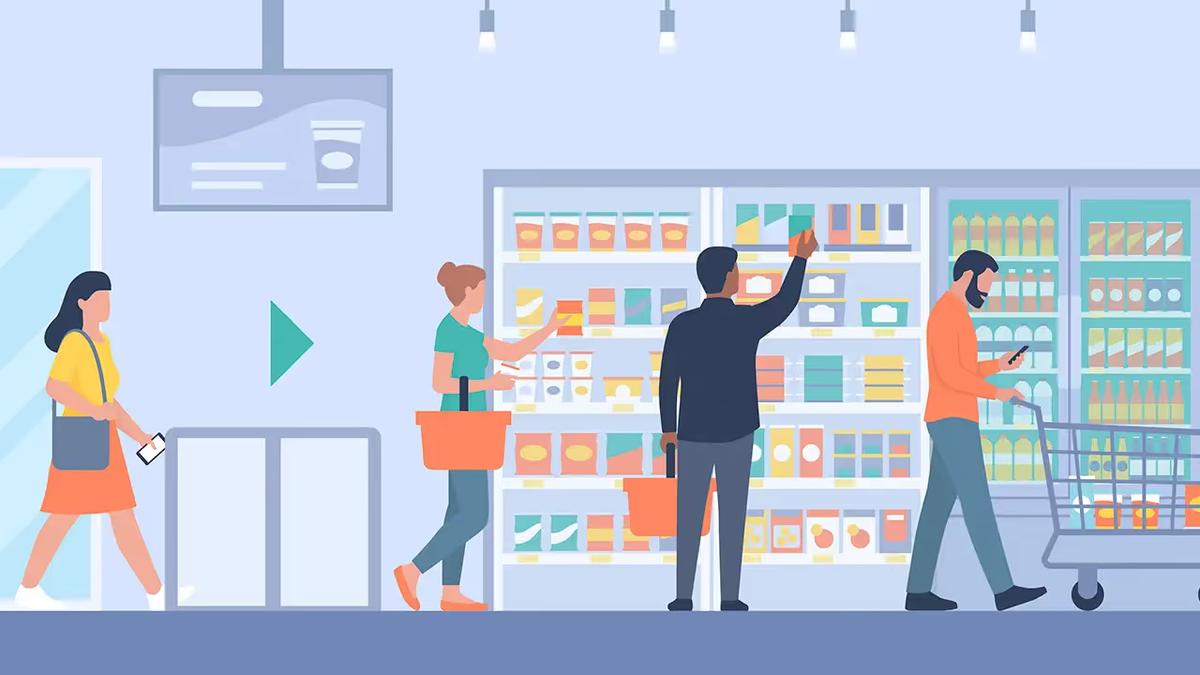
Busy convenience stores promise quick, in-and-out shopping, which makes marketing a real challenge. Old-fashioned signs often get ignored when customers are rushing. So why does your convenience store need digital signage? Because it is a powerful tool that improves the customer experience, increases sales, and makes daily operations smoother in ways printed signs never can. It grabs attention, shares clear messages, and helps grow your profits in a fast-paced setting.
Today’s retail market is highly competitive, and every second matters. Convenience stores are changing from simple gas-and-snack stops into full mini-markets offering more groceries and higher-value items. This change calls for a more flexible and lively way to talk to customers, and digital signage fits that role very well. It is no longer a “nice to have” extra, but a key tool for stores that want to succeed and stand out.
What Is Digital Signage for Convenience Stores?
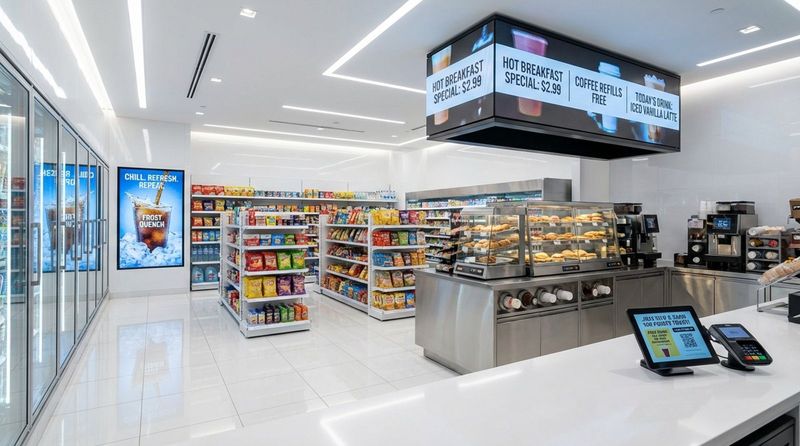
Digital signage in convenience stores means using digital screens, like TVs, tablets, or LED panels, to show content. This content might include promotions, time-sensitive alerts, useful messages, and even interactive tools. You can think of it as a modern, bright version of posters and printed signs, offering a more interesting and effective way to communicate with busy shoppers.
This technology gives you a flexible way to speak to your customers. You can send specific messages to the right audience on the right screens with very little effort. From small “pump topper” screens at the gas pumps to larger in-store displays, digital signage is built to grab attention and share information in a clear, engaging way. It turns passive glances into real interaction, so every display becomes a chance to connect with customers.
How Does Digital Signage Differ from Traditional Signage?
The difference between digital and traditional signage is clear and important. Traditional signs made from paper, cardboard, or static lightboxes do not move or change. Once they are printed or built, the message stays the same. Changing a promotion, fixing an error, or updating a price means replacing the whole sign. This takes time, effort, and money, and it creates waste. In a fast-moving retail environment, this approach is slow and rigid.
Digital signage offers a much more flexible option. It can show bright, sharp content such as photos, videos, animations, and interactive widgets. This movement and color attract far more attention. You can keep all your content in one place and change it with just a few clicks, updating many screens at once, even across different stores. Being able to react quickly and update messages in real time is where digital signage stands out, turning a routine shopping trip into something more memorable.
Top Reasons Why Your Convenience Store Needs Digital Signage
Digital signage brings value to almost every part of your convenience store, from how customers interact with your shelves to how smoothly your team works. It is a smart investment that supports long-term growth and helps your store do more than simply get by in a crowded market.
1. Boosts Customer Engagement and Experience
Moving images and bright colors on digital displays break up the usual routine and catch the eye. A customer rushing in for coffee is far more likely to notice a lively screen showing a fresh pastry deal than a dull, aging paper sign. This strong visual pull makes customers more aware of new products, special offers, and limited-time deals.
Digital signage also helps make the whole visit smoother and more pleasant. You can use screens to guide people through the store, point out featured products, or suggest natural pairings such as drinks near snacks or sauces near hot food. Touchscreen kiosks let customers browse items, check information, or place orders on their own, which can make waits feel shorter and give shoppers more control. This better experience turns a quick stop into a visit they’re happy to repeat, building loyalty over time.
2. Increases Sales and Drives Impulse Purchases
Digital signage is very effective at boosting sales, especially impulse buys. With bold animations, bright colors, and changing messages, you can present special offers that appear on screen and encourage shoppers to act quickly. A short-time discount, a countdown, or a tempting video of cold drinks on a hot day can prompt customers to add extra items on the spot.
When you place digital displays close to related products, you gently guide customers to pick up more. For example:
- Show battery offers near electronics.
- Promote drink deals beside chips or hot food.
- Advertise phone chargers and accessories at the checkout.

This visual “nudge” can grow the size of each purchase. Many stores find that digital menu boards and self-service kiosks lead customers to spend 20-30% more, because people notice more options and are more open to add-ons and upgrades.
3. Enables Real-Time Promotions and Dynamic Content
Speed and flexibility are major strengths of digital signage. There is no need to reprint or rehang signs for every price change or new offer. You can edit content from a computer and push updates out instantly. Use timers for flash sales, animated highlights for daily specials, or clear before-and-after pricing to show savings. You can also match promotions with busy times of day, such as breakfast deals in the morning or cold drink offers during afternoon rush hours.
Digital signage also lets you adjust content based on conditions around your store. For example:
- Show raincoat or umbrella offers when it starts raining.
- Highlight cold drinks and ice cream during hot weather.
- Promote hot coffee and soups during colder months.
This kind of timely content makes your marketing feel relevant and useful. You can swap out ads in seconds, giving you strong control over what customers see and when they see it.
4. Improves In-Store Communication and Compliance
Digital signage is not just for ads; it also helps with clear communication inside your store. You can rotate important information such as return rules, store hours, age limits, and safety messages without filling the space with cluttered posters. Customers get the details they need in a simple, readable form, leading to fewer questions and smoother service.
Screens can also show local updates like community events, weather alerts, or short trivia messages. This helps create a friendlier, more local feel, which can keep customers coming back. For store chains, digital signage allows head office to control messaging across all locations from one central system. Every store shows the same correct, current information, reducing staff errors and helping you follow company and legal standards more easily.
5. Enhances Branding and Store Image
First impressions matter. Digital signage instantly modernizes your store. Clean, bright displays give the sense that your business is current, organized, and focused on customer needs. Compared to stores filled with worn or messy signage, your location will look more professional and inviting.
Good signage-inside and outside-plays a large part in how people remember your brand. For chains, using the same colors, fonts, and style across all screens creates a consistent look and feel. This makes it easier for customers to recognize and trust your brand wherever they see it. You can use digital signage to share what makes your store special, from your food quality to your loyalty program, building a strong, positive image over time.
Brand ElementHow Digital Signage HelpsLogo & ColorsConsistent use on all screens across all locationsTone & StyleVideos and graphics match your brand personalityKey MessagesRotate core values, guarantees, and store benefits
6. Improves Operational Efficiency
The behind-the-scenes benefits of digital signage are often large, even if customers never notice them directly. Most systems give you one main dashboard to manage all on-screen content. You can create, schedule, and edit promotions, menus, and notices from one place. This removes the need for staff to walk around swapping out posters, which is slow and easy to get wrong.
Remote control means you can react quickly to changes-adjust prices, update sold-out items, or post urgent messages immediately. You can also set up schedules so breakfast, lunch, and late-night content appear automatically at the right times. This reduces manual work, cuts down on mistakes, and lets employees spend more time helping customers instead of dealing with signs.
7. Supports Data Analytics and Measurable Results
Unlike printed signs, digital signage can give you real data about how well your messages are working. Many platforms include built-in reports and can link to your POS system. You can see which promotions have the strongest effect on sales, test different layouts or messages, and compare results across stores.
Common metrics include:
- Sales changes when certain content is shown.
- Number of QR code scans from screens.
- Customer traffic patterns when using sensors.
With this information, you can adjust content to focus on what works best, improve weak spots, and plan future campaigns with confidence. Your marketing becomes a repeatable process based on facts instead of guesswork, making your digital signage setup a reliable tool for growth.
Cost Considerations and ROI of Digital Signage
Any new technology brings cost questions, and digital signage is no different. The upfront spend can seem high if you compare it only to printing a single batch of posters. But to get a clear picture, you need to look at the long-term costs and savings, plus the extra revenue that digital signage can generate.
Initial Investment vs. Long-Term Savings
Buying screens, players, and software is more expensive at the start than printing a few signs. But printed signs come with repeated expenses: design work, printing, shipping, and staff time spent putting them up and taking them down every time you launch something new. Over months and years, these ongoing costs can be quite large.
With digital signage, you pay more at the beginning, but then most of your costs move to content creation and software fees, which are easier to plan for and often lower than constant printing. Many modern displays use less power than old lightbox signs, helping reduce your energy bill as well. You move away from never-ending printing costs to a setup that is more stable and easier to manage over time.
How Digital Signage Reduces Print and Labor Costs
Digital signage cuts spending on both materials and labor. You no longer need to print big batches of posters, shelf talkers, and flyers for every promotion. That saves money on paper, ink, and shipping. It also removes the need for staff or external teams to hang, remove, and replace signs in each store.
Instead, a manager or marketing team member can update content for many locations at once from a desk. Staff can then focus more on stocking shelves, cleaning, helping customers, and other key tasks. This is not just about trimming the budget; it’s about using your team’s time better and keeping your stores running smoothly. Plus, using fewer printed materials supports greener practices, which many customers appreciate.
Measuring Return on Investment
Proving that digital signage pays off is often a main concern. Fortunately, it is quite easy to track results. By connecting your digital signage system with your sales data and using built-in reports, you can see how certain campaigns affect buying behavior.
For example, you can:
- Compare product sales during weeks when an item is featured on screens vs. when it is not.
- Track how many people scan on-screen QR codes or use promo codes shown only on digital signs.
- Test two versions of an ad (A/B testing) and keep the one with better performance.
These insights help you assign real numbers to your digital signage results. Higher impulse purchases, better repeat traffic due to improved experience, and lower printing and labor costs all add up. Over time, most stores see that digital signage more than pays for itself and becomes a steady driver of revenue and efficiency.