Table of Content
Digital signage for shopping malls is more than flashy screens; it is a live communication system that connects stores with visitors and reshapes the retail experience. As e-commerce grows, malls are changing into lively places for food, entertainment, and socializing, not just shopping. To succeed in this shifting market and stand out from many competitors, malls and retailers are using digital signage more and more. This tool catches attention, helps people move through large buildings, and supports higher sales and stronger brands.
What Is Digital Signage for Shopping Malls?
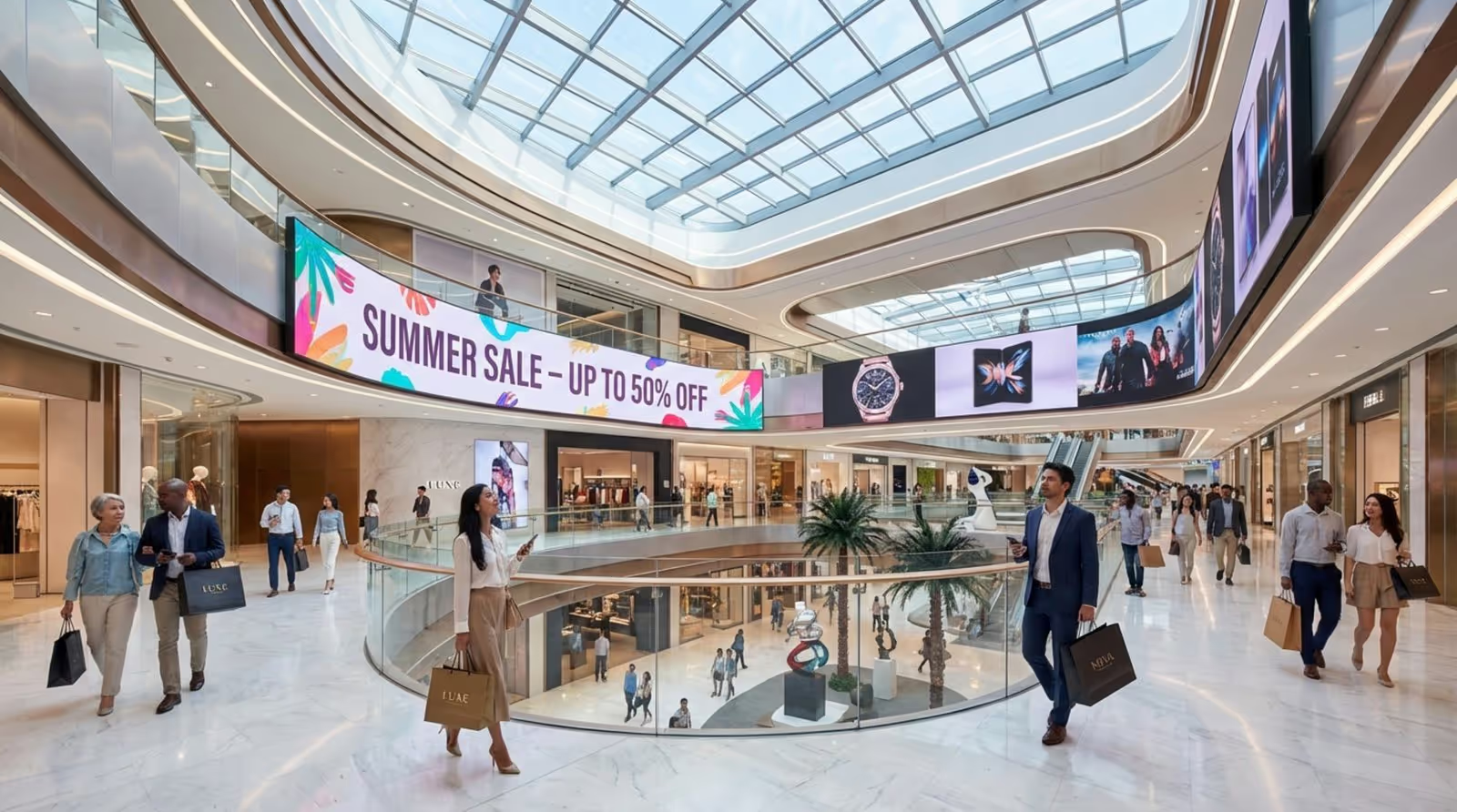
Digital signage in shopping malls means using digital screens, LED displays, and interactive kiosks to inform, engage, and guide visitors. These are not just digital posters. They can show moving, changeable, and interactive content. They replace old printed materials with bright, current information that can be updated in seconds and adjusted for certain groups or even single shoppers.
Digital signage stands out because it grabs attention with bright content, back-lit screens, and sharp images, making it far more effective than printed signs. It is now a key part of mall marketing, setting the tone in stores and drawing people in with visuals and interactive features. From promoting flash sales to helping people find their way, digital signage changes how visitors feel about the mall, making trips easier, more fun, and more memorable.
How Does Digital Signage Differ from Traditional Mall Signage?
The gap between digital and traditional mall signage is large, like comparing a still photo with a moving, interactive film. Traditional signs-printed posters, banners, and fixed directories-do not change once printed. Updating them means printing and installing new ones, which takes time and money. Their content stays the same until someone physically swaps it out, so there is no way to react quickly or show changing messages.
Digital signage, on the other hand, is flexible and dynamic. Content can be updated at once on many screens from a single control point. Promotions can change by the hour, events can appear on short notice, and wayfinding can adjust to visitor flow. While static signs are easy to miss, digital screens with bright motion and interactive tools draw the eye. They turn a simple viewing moment into an active experience, where shoppers can tap, explore products, and get the information they want instantly.
Key Components of a Shopping Mall Digital Signage System
A full mall digital signage setup is more than scattered screens. It is a connected system of hardware, software, and content working together to send the right message at the right time.
Main hardware elements include:
- LCD screens, LED walls, and interactive kiosks
- Media players that pull content from a central source
- Network links (Wi-Fi or Ethernet) so devices sync content automatically
The core software is the Content Management System (CMS) - a strong platform where staff upload, schedule, and track content. A good CMS lets users:
- Update screens remotely
- Build automated playlists
- Target content to certain areas or audiences
Content can be planned by day, week, or event to match promotions or seasons. Ready-made kiosks and compact signage players that turn any screen into a smart display make setup easier and help keep a professional, long-lasting look.
Why Invest in Digital Signage for Shopping Malls?
Spending on digital signage for shopping malls is now a strategic need, not a luxury. As online shopping grows, malls must give people clear reasons to visit in person. Digital signage helps by improving the visit and giving malls a strong edge. It lets tenants stand out in crowded corridors where many similar stores compete for attention.
Digital signage does more than bring in visitors; it affects how they act and can boost sales. Research shows that bright digital displays drive impulse buys and improve brand recall. For mall owners, this can mean more foot traffic, more repeat visits, and a stronger image as a fun, family-friendly place. Replacing paper posters and old maps with digital content also cuts waste and improves operations. It creates an environment that is more engaging, more informative, and more profitable for both malls and stores.
Benefits of Digital Signage for Shopping Malls
Using digital signage in malls brings many benefits, from better visitor experiences to smoother operations and higher revenue. It turns a mall from a simple shopping area into an active destination.
Increases Shopper Engagement and Dwell Time
Digital signage is very effective at catching eyes and keeping interest. Static ads are easy to ignore, but moving digital screens with bright colors, animation, and interactive features pull people in. This extra attention often leads to longer visits in the mall and inside stores. When people are entertained and informed, they tend to stay longer, look around more, and spend more.
Interactive kiosks let shoppers browse menus, look up products, or play games, turning waiting time into an engaging moment. This builds a more exciting atmosphere that encourages people to come back and connects them more closely with the brands inside the mall.
Improves Wayfinding and Getting Around
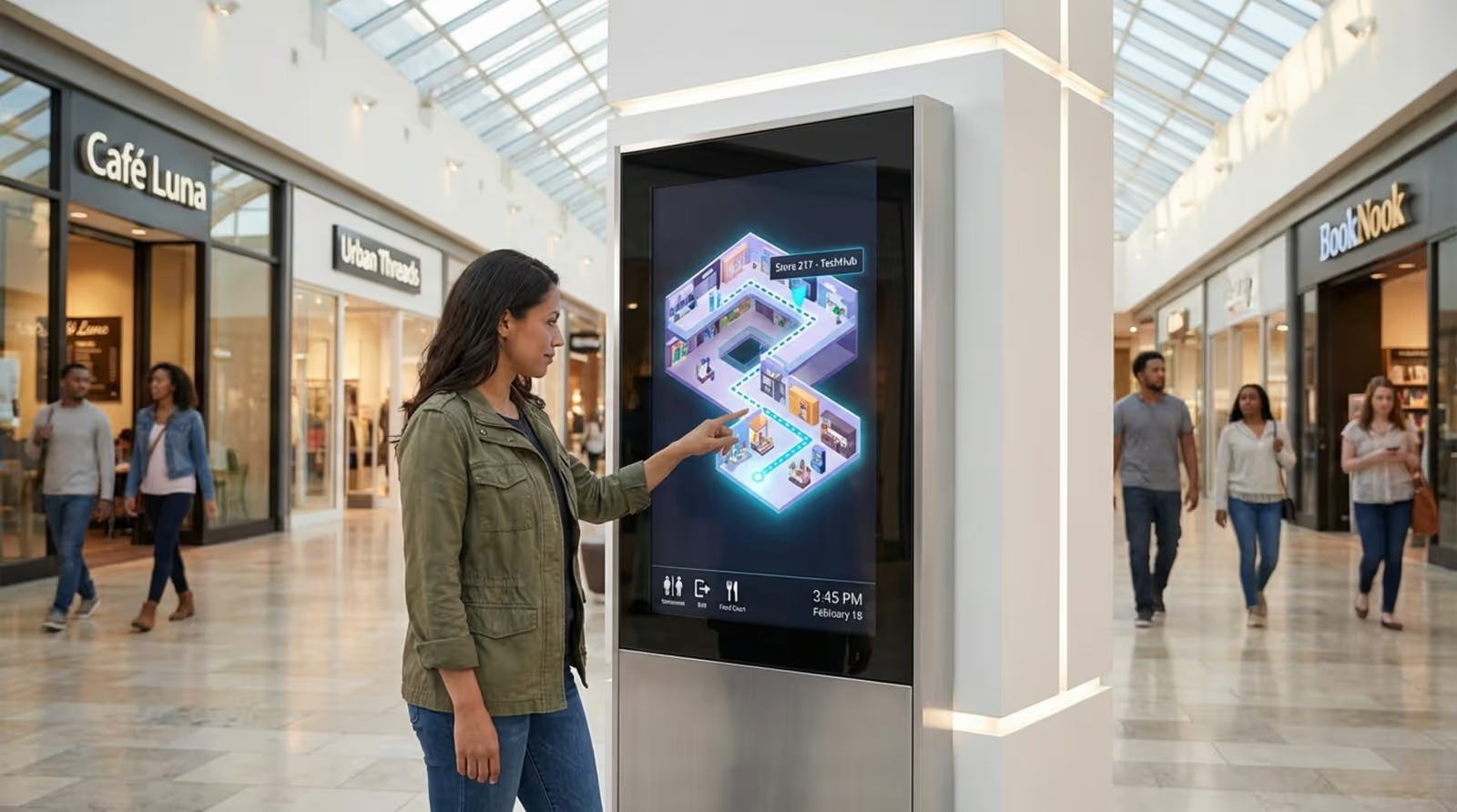
Malls can be large and confusing, especially for new visitors. Digital wayfinding screens act like personal guides, helping people move easily and avoid stress. Interactive maps can show the shopper’s current position, list nearby stores, and draw clear, color-coded routes to shops, restrooms, exits, or parking.
Because these maps update in real time, they can show new tenants, temporary closures, or event locations right away. This reduces confusion and makes visits smoother and more pleasant, which increases overall satisfaction.
Promotes Retailer Sales and Special Offers
For individual stores, digital signage is a strong sales tool. It allows instant display of discounts, flash sales, new arrivals, and seasonal offers, catching people at important decision points. A 2024 Journal of Retailing study showed that screen-based promotions influence buying decisions even when the advertised product is not physically near the screen.
Screens placed at escalators, entrances, and main halls reach many people. Features like countdowns, bold imagery, and QR codes for quick coupons can turn casual lookers into buyers and help stores stand out in a busy mall.
Delivers Real-Time Information and Alerts
Another key benefit is fast information sharing. Malls can use their screens to show opening hours, event times, local news, or weather. During emergencies, all signs can change at once to display clear instructions, direct people to safe exits, or reroute them if an area is blocked. This keeps visitors safer and shows that the mall is well run and reliable.
Supports Brand Awareness and Community Involvement
Digital signage helps malls build a clear identity and play a stronger role in the community. Screens can promote local events, school shows, charity campaigns, or holiday parades, showing the mall as part of local life.
Social media walls can display posts from visitors who use a mall hashtag, adding a fun, social layer. For stores, digital window and entrance signs with motion and bold visuals catch people walking by, highlight new products, and strengthen brand awareness in busy corridors.
Types of Digital Signage Used in Shopping Malls
Malls use many kinds of digital signage. Each type fits a certain place and purpose, and together they create a smooth experience for visitors.
Indoor Versus Outdoor Displays
Indoor and outdoor screens mainly differ in how they handle their surroundings and how bright they are. Outdoor screens are built to handle sun, rain, and heat or cold, and they are much brighter so they can be seen in daylight. They often include protective casings and anti-glare surfaces. Common examples are:
- Large LED boards on building exteriors
- Pole-mounted signs
- Pylon signs listing many tenants, visible from nearby roads
Indoor displays work in controlled environments and focus more on image quality and interaction. You will see them at store fronts, food courts, corridors, and seating areas.
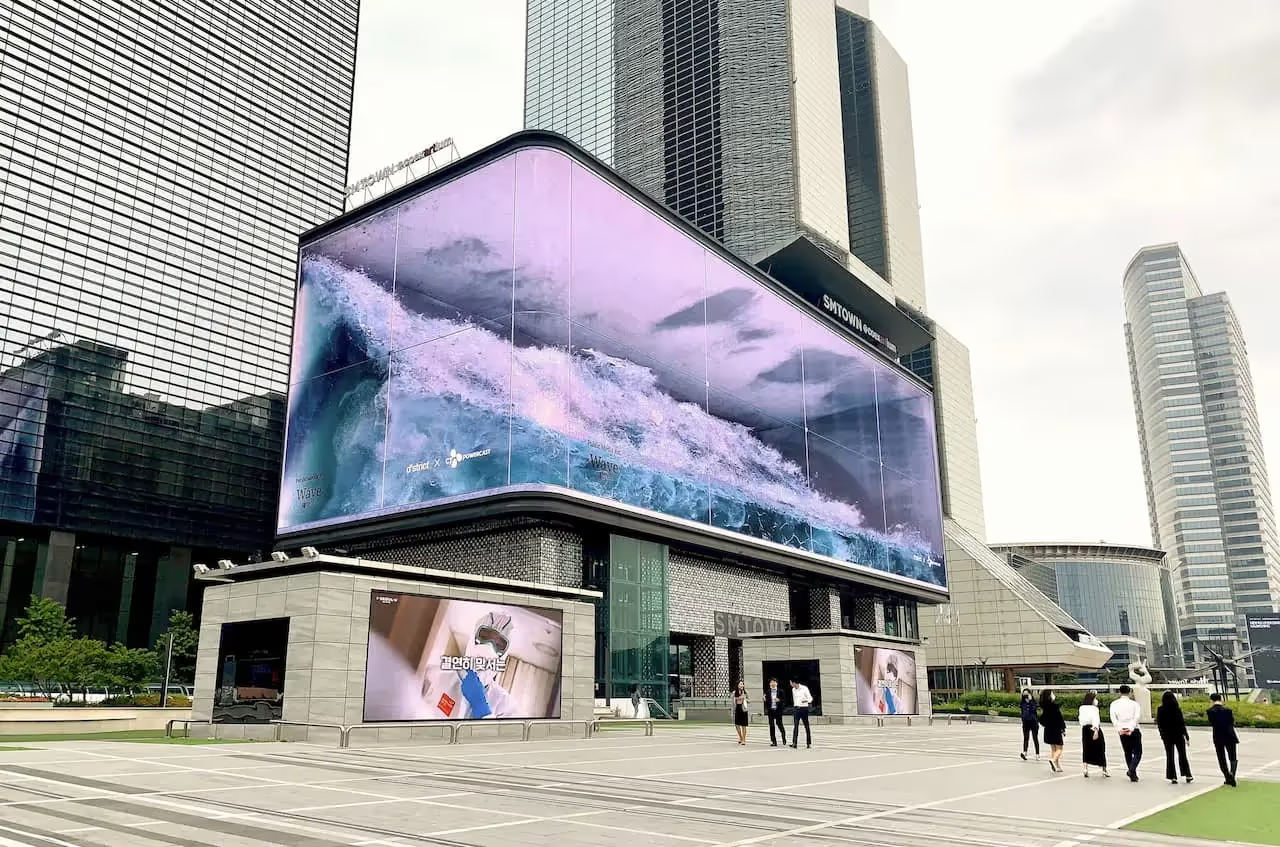
Video Walls and LED Screens
Video walls and large LED screens are among the most eye-catching formats. Made of many smaller panels that form one big screen, they often sit in high-traffic spots such as atriums, main entrances, or event zones. Their size and brightness make them perfect for:
- Big advertising campaigns
- Brand storytelling and immersive videos
- Mall-wide messages and event content
Examples include the 18,000-square-foot mega LED screen at American Dream mall and “The Wall” microLED display at Parque de Colina in Bogota. These setups create large-scale visual moments that people remember.
Interactive Kiosks and Touchscreens
Interactive kiosks and touchscreens give visitors self-service access to information. Placed at entrances, main junctions, and food courts, they let people:
- Search for stores or categories
- Check current offers
- View event details or promotions
They also often show floor maps and step-by-step directions. The Max Center mall in Bilbao, Spain, for example, has a 17-meter-high “totem” with interactive visuals that has earned several awards.
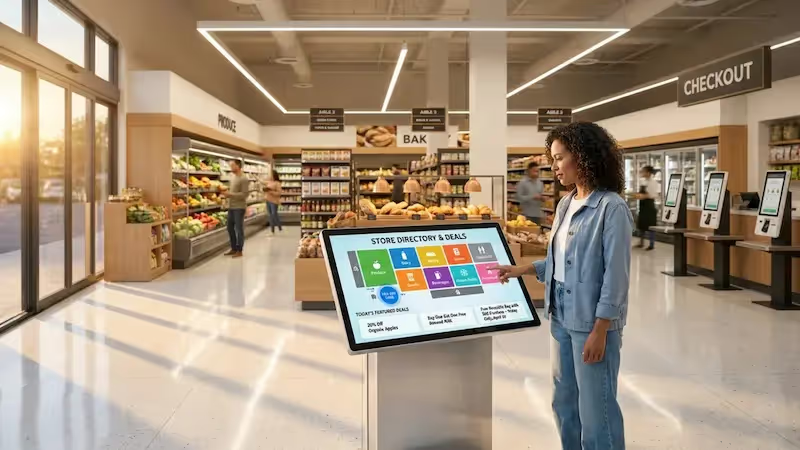
Wayfinding and Directory Signage
Wayfinding and directory screens are key to helping visitors handle complex layouts. Unlike static boards, digital versions can show real-time directions, highlight current deals, and offer search tools so users can find specific stores or services.
They may include:
- Search by store name or category
- Store hours
- Short ads or animations while people plan their route
Digital directories are easier to update than printed ones and more comfortable for visitors to use.
Digital Posters and Window Displays
Digital posters and window displays replace printed graphics with moving, bright content. For stores, these digital storefront signs help them stand out. They can:
- Show motion graphics and video ads
- Feature new collections or limited-time deals
- Explain key product benefits
These are often high-brightness LCD screens with dedicated software. Many fashion brands use such screens in windows to present styling tips or influencer content.
Touchless and Sensor-Based Solutions
With growing focus on hygiene and new interaction methods, touchless and sensor-based signs are becoming more common. They let people use hand gestures, smartphones, or QR codes instead of touching the screen itself. This is helpful in busy areas where many people pass by and touch surfaces. These systems help keep things cleaner and create a modern, safe-feeling experience.
Popular Applications and Content Strategies
The real strength of digital signage in malls comes from how content is used. Good strategy and creativity decide how well screens attract attention and support business goals.
Wayfinding and Interactive Maps
Modern digital wayfinding does much more than show a simple map. These tools can:
- Show the visitor’s current position with a “You Are Here” marker
- Give turn-by-turn routes to stores, restrooms, elevators, exits, or parking
- Let users search by store name, category, or brand
Content updates quickly to reflect new tenants or layout changes. Clear colors, arrows, and recognizable landmarks keep directions simple and reduce confusion.
Event Promotion and Mall Announcements
Digital signage is a strong channel for mall events and updates. Screens can advertise:
- Holiday sales and seasonal promos
- Live shows, pop-up shops, and brand activations
- Community events and local partnerships
Countdowns create excitement, and QR codes let visitors save events to their calendars. During urgent situations, the same network can show safety messages or quick updates across every screen at once.
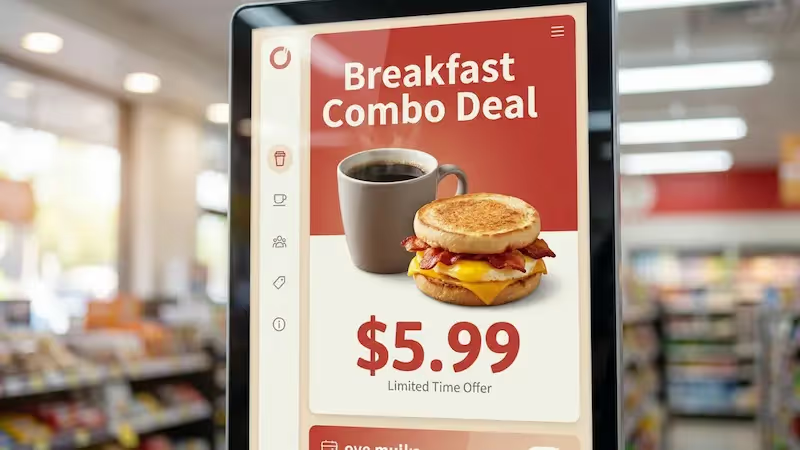
Food Court Menu Boards and Ordering
Food courts benefit greatly from digital signage. Digital menu boards replace printed menus with:
- High-quality food images and clear pricing
- Nutrition and allergen information
- Time-based menus (breakfast, lunch, dinner)
Some systems show estimated wait times or available seating areas, using colors to show which sections are busy or free. This speeds up ordering and makes the food court more attractive and organized.
Advertiser Partnerships and Revenue Generation
Malls can earn extra income by selling ad space on their screens. Advertisers may include:
- Mall tenants promoting their stores
- Outside brands targeting mall visitors
- Entertainment partners showing trailers or game ads
High-brightness displays and digital ad scheduling tools make these campaigns stand out. Malls can share detailed reports with advertisers, such as estimated views and engagement, to show how well campaigns perform.
Seasonal, Social, and Community-Focused Content
To keep visitors interested, malls should mix helpful and promotional content. A common approach is:
- About 70% useful or entertaining content
- About 30% ads or direct sales messages
Helpful content might include seasonal themes, holiday animations, social media posts from shoppers, local stories, or charity updates. Trivia, local news, or short tips can also keep people watching. This mix makes visitors feel like they are part of a wider experience, instead of just being shown ads all the time.
Key Considerations for Deploying Mall Digital Signage
To roll out digital signage successfully in a mall, careful planning is needed. The system should be effective from day one and easy to grow or update later.
Choosing the Right Screen Placement and Hardware
Where you place screens has a huge impact on results. Screens should appear where people naturally slow down or stop, such as:
- Main entrances and exits
- Food courts and seating areas
- Elevators and escalators
- Main corridors and junctions
A large map near the front entrance helps newcomers, while food court screens are ideal for menus and deals. Lighting also matters: bright atriums need higher-brightness displays than dim hallways.
Choosing durable, high-quality hardware is also key, including:
- Display type (LED, LCD, interactive, touchless) suited to each spot
- Purpose-built media players and mounts for 24/7 public use
Content Management and Scheduling Systems
A clear, easy-to-use CMS is the backbone of any digital signage setup. It should let staff:
- Create and upload content from a central dashboard
- Use templates to speed up design
- Schedule content by time of day, weekday, or special event
- Target specific screens or groups of screens
For example, morning coffee offers can automatically switch to lunch menus and later to entertainment ads in the evening. A strong CMS cuts manual work and keeps content relevant.

Data Security and Privacy Concerns
As screens get smarter and more interactive, protecting data becomes more important. Malls need to guard their networks from attacks and handle any collected data responsibly. This includes:
- Securing networks and media players
- Using strong passwords and user roles in the CMS
- Sharing clear information with visitors about how data is used when they interact
For touchless or sensor-based solutions, malls must carefully decide what data is collected, how long it is stored, and who can access it, to keep visitors’ trust.
Maintenance and Technical Support Needs
Digital signage requires regular care. Without it, screens may show dead pixels, flicker, or lose brightness. A typical plan includes:
- Scheduled cleaning, especially for outdoor displays
- Routine hardware checks and firmware updates
- Access to quick technical support for unexpected issues
Ongoing maintenance extends the life of the equipment and keeps the system looking and working as intended.
Measuring Performance and ROI
To prove value and improve results, malls need to measure how well digital signage works. Many systems now connect with analytics tools to track:
- How many people pass certain screens (footfall)
- How long people watch (dwell time)
- Interactions, such as taps or QR code scans
Malls can also compare retail sales before and after certain campaigns and run A/B tests with different content versions. These insights show which messages perform best and help refine the strategy over time.
Current Trends and Future Opportunities
Digital signage technology keeps moving forward, opening new ways for malls to engage visitors, personalize content, and run more efficiently.
Integration with Mobile and Omnichannel Experiences
Digital signage is increasingly linking with smartphones and wider retail channels. For example, a shopper might:
- Receive a targeted offer on their phone while walking past a screen
- Scan a QR code on a display to see reviews or buy online
- Use their phone as a remote to interact with on-screen content
Malls can promote their own apps on these screens, offer app-only deals, or create games that connect mobile devices with large displays. This builds a smooth journey between physical and digital touchpoints.
Personalization and AI-Driven Content
Digital signage is also moving toward greater personalization with help from AI. Without identifying individuals, AI can look at patterns like average age mix, busy hours, or weather and adjust content automatically. For example:
- Family-focused messages during weekends
- Raincoat and umbrella ads during sudden showers
- Different promotions for weekday workers versus evening crowds
AI can also power interactive tools that adapt to user input and offer custom suggestions, making the shopping experience feel more personal.
Sustainability and Energy Efficiency in Digital Displays
Environmental impact is another growing focus. Newer LED screens use less power while keeping strong brightness and image quality. Malls are also:
- Dimming screens overnight or in low-traffic hours
- Using power-saving modes when content is simple
- Selecting displays with better energy ratings
These steps lower costs and support wider sustainability goals, which appeals to visitors who care about the environment.
Expanding to Immersive and Experiential Installations
Malls are turning into mixed-use entertainment spaces, and digital signage is a key part of that change. Beyond standard screens, some malls are adding:
- Huge LED sculptures and digital art pieces
- 3D and augmented reality content
- Interactive floors or walls that react to movement
The Max Center’s 17-meter digital “totem,” with a digital version of Michelangelo’s David that reacts to visitors, is one strong example. These large experiences draw crowds, encourage people to take photos and share them online, and help position the mall as a destination, not just a place to shop.
Frequently Asked Questions about Digital Signage in Shopping Malls
Can digital signage be customized for specific stores within a mall?
Yes. One of the main strengths of digital signage is its flexibility. Individual tenants can run their own promotions, videos, and branding on in-store screens or in assigned slots on shared mall displays. This helps each shop attract passersby, show new products, and build brand identity inside the mall. Mall management can divide screen time or zones so every store gets fair, targeted exposure.
What are the ongoing costs and maintenance requirements?
The initial setup cost depends on the number and type of screens and can range from a few thousand dollars to much more for large projects. Ongoing costs usually include:
- Content creation and updates
- Electricity and internet connection
- Maintenance and technical support (often around $500-$1,000 per year per system as a rough estimate)
This covers cleaning, software updates, and fixing problems like dead pixels or flickering, so the screens keep working well and look good.
How can malls measure the effectiveness of digital signage?
Malls can use analytics tools built into many digital signage systems to track performance. Common metrics include:
- Foot traffic near each screen
- Dwell time in front of specific displays
- Interactions with touchscreens or QR codes
They can also compare store sales during certain campaigns with normal periods and run A/B tests to see which content performs better. This data helps improve messages and show a clear return on investment.
Are there limitations on content types displayed?
While digital signage can show many formats-images, video, text, and live feeds-there are still some limits. Content should fit the mall’s image and be suitable for a broad audience. Too many pushy or repeated ads can cause people to tune out, so a mix of helpful content, entertainment, and promotions tends to work best.
Technical details like resolution and aspect ratio also matter; content needs to match the screen’s specs for best results. Legal and ethical rules apply too, so content must follow advertising laws and be appropriate for a public setting.