Table of Content
In today's fast-moving business world, catching and keeping customer attention is harder than ever. Cutting-edge advertising digital displays help solve this problem by offering moving, eye-catching content that old-fashioned signs cannot match. These electronic displays are more than just screens; they are smart marketing tools used for promotion and customer interaction and are now a standard part of many business plans. Unlike printed ads, digital displays offer great flexibility, live updates, and interactive features that can raise brand awareness, improve customer experience, and increase sales.
The growth of digital displays has changed how companies speak to, attract, and inform their audiences. From busy retail stores to quiet office lobbies, these screens create a modern, professional look that connects with viewers. Because the content is easy to update, businesses can quickly react to trends, promote special deals, and present new products or services with speed and ease.
What Are Advertising Digital Displays?
An advertising digital display is an electronic screen that shows multimedia content to a chosen audience. You can think of it as a flexible digital board that can show bright images, videos, interactive tools, and even live data. These displays have grown quickly in popularity because they offer clear benefits over printed posters or billboards, which age fast and do little to encourage interaction.
The main goal of these displays is to catch people’s attention and make their experience better, whether by showing ads, useful information, or interactive content. They are a strong option for businesses that want to stand out, combining visual appeal with practical use, which makes them a key part of many modern marketing plans.
How Do Digital Displays Differ from Traditional Advertising?
Digital displays differ from traditional advertising mostly in how active, interactive, and flexible they are. Print ads such as billboards, newspapers, or flyers are fixed. Once they are printed, the message cannot change without new printing and new distribution, which takes time and money. In fast-changing markets, this can leave print ads outdated very quickly.
Digital displays, in contrast, let you change content in real time. You can update, schedule, and adjust messages in minutes from any location. This flexibility lets advertisers react to current events, the weather (for example, promoting ice cream on a hot day), or the type of people walking past. Many displays also include touchscreens and other interactive tools, turning viewers into active users. Static ads usually only send a one-way message, while digital displays can show animation, full-motion video, and even 3D-style effects that stay in people’s minds longer and strongly affect buying choices.
Where Are Digital Advertising Displays Commonly Used?
Digital advertising displays are used almost everywhere people pass by or gather, which shows how flexible and effective they are in many places and situations.
- Retail stores: For rotating promotions, new product highlights, and better customer experience at checkouts or waiting areas.
- Restaurants: Digital menu boards for quick price changes, daily specials, and appetizing food visuals.
- Corporate offices: Internal communication, news, announcements, and visitor welcome screens.
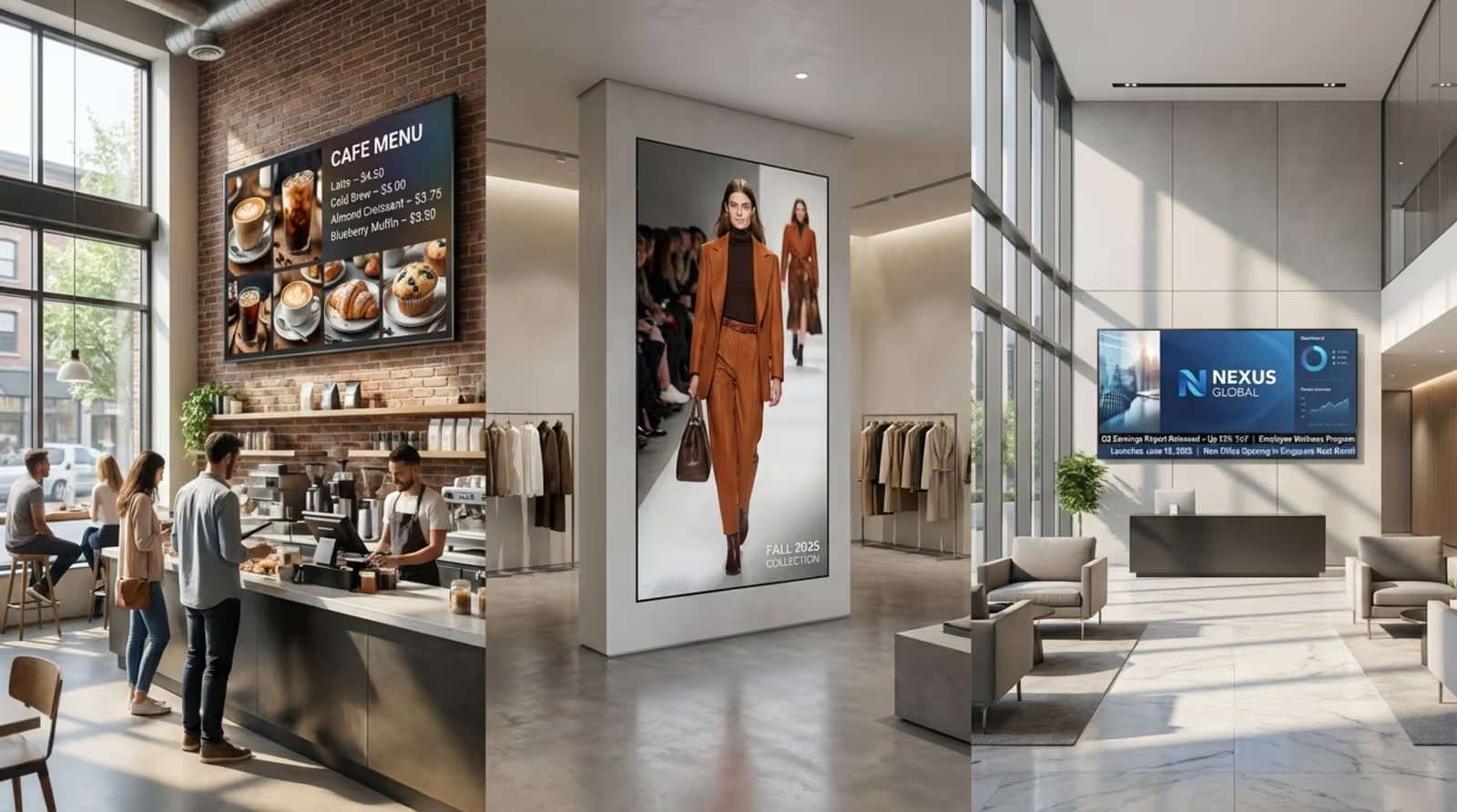
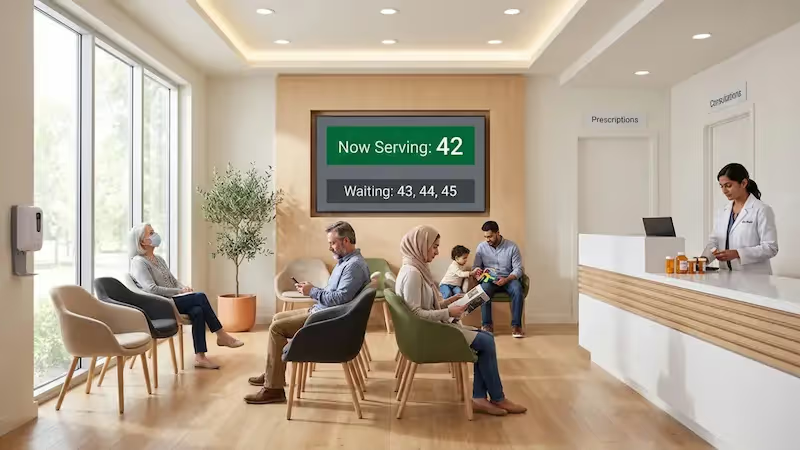
They are also common in public spaces like airports and train stations for travel updates, gate changes, advertising, and entertainment. Hospitals and clinics use them to organize patient flow, give health advice, and make waiting feel shorter. Event centers show schedules, speaker details, and sponsor ads. Schools and universities post campus news, while hotels greet guests and promote local activities. As new uses appear all the time, digital displays are becoming a standard tool for communication and engagement in almost any place.
What Types of Digital Advertising Displays Exist?
There are many kinds of digital advertising displays, meeting almost every need and space. Options range from small indoor screens to huge outdoor setups, each made with certain goals and features to get the best impact and interaction. This variety helps businesses choose the right screen based on campaign size, features, and budget.
Knowing the main types and sub-types is helpful for anyone who wants to use digital signage well. From customer interaction to key information, each type serves its own role in a wider digital advertising setup.
Indoor Ad Displays
Indoor digital displays are made for indoor locations, with a focus on clarity, good looks, and often interactivity. You’ll see them in shops, restaurants, and office spaces, where they inform, entertain, and influence both customers and staff. They usually need only medium brightness and are built to match the interior design.
Indoor digital signage is powerful because it can show changing, context-based content that you can update instantly. This makes it more effective than fixed signs for promotions, news, and interactive tools.
Digital Menu Boards
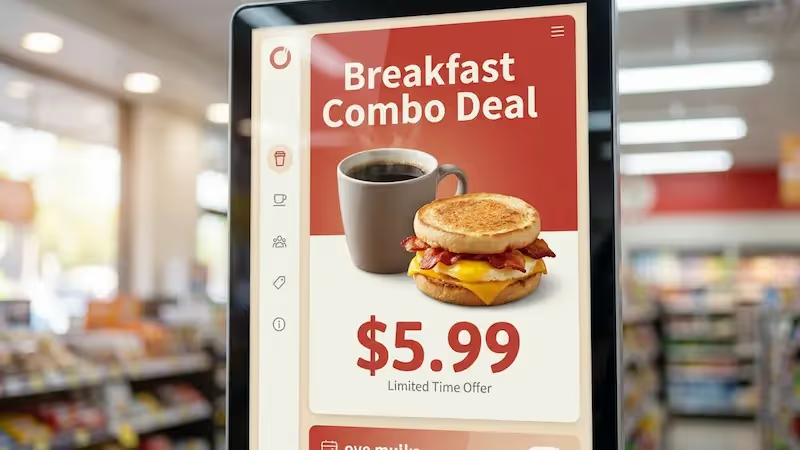
Digital menu boards have changed how the food and drink sector works. They replace printed menus with moving, vivid displays. Restaurants, cafes, and fast-food chains can change prices, add or remove items, and push special offers right away, without the delay and cost of printing. They can quickly react to stock levels, popular items, or breakfast/lunch/dinner menus.
These boards usually use LED screens for high visibility, with sharp images and motion graphics that make dishes and deals stand out. Using rich multimedia can improve the dining experience and support upselling of sides, drinks, and extras, turning the menu into a key branding and sales tool.
Interactive Touchscreen Displays
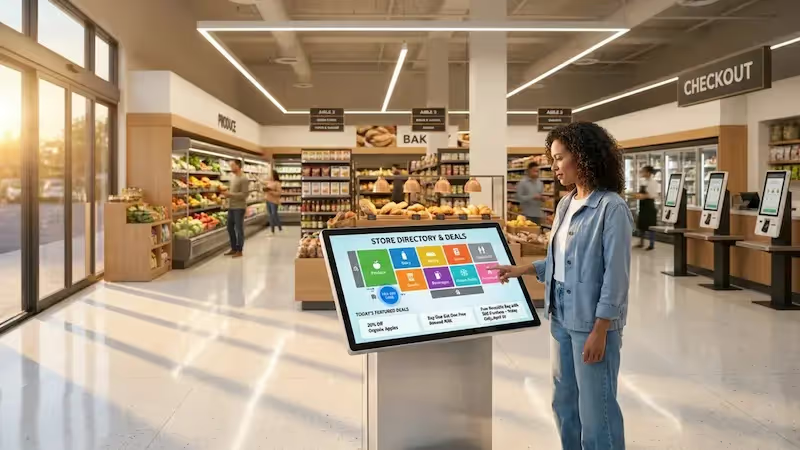
Interactive touchscreen displays give people a direct way to explore products, place orders, or find information. Common in retail, museums, airports, and offices, they turn viewers into users. You can browse a product catalog, build your own product, or find a route in a large building with a few taps.
With strong digital signage software, interactive kiosks can offer personalized content, such as product suggestions based on user behavior or location-based information. Because they come in many sizes and formats, they are a good choice for companies that want clearer communication, lower costs, and higher customer satisfaction.
Self-Service Kiosks
Self-service kiosks change how customers interact by letting them do tasks on their own. People can order food, buy tickets, check in, and more. This brings speed, convenience, and accuracy. Kiosks reduce lines, cut wait times, and free up staff to focus on higher-value, personal service, which improves the overall customer journey.
coWhen linked with a wider digital signage system, kiosks can be updated remotely, connected to POS systems, and set to show time-limited promotions. This setup helps businesses run more smoothly and react quickly to changes in demand.
Video Walls
Video walls combine several screens into one large display surface. They are ideal for high-impact content used in branding, advertising, entertainment, or large visual experiences. Research from Display Daily suggests that video walls can make content up to ten times more visible than a single screen, making them one of the strongest options available.
Video walls can take many shapes and sizes, though a wide rectangle made of four screens is common. They are often a cost-effective way to achieve a huge, attention-grabbing display. Brands such as Samsung sell advanced video wall screens like the VHR-R Series 55 and VHB-E Series 55, which have very thin bezels, high brightness, and fine calibration for a nearly seamless and bright image, even in bright rooms.

Outdoor Ad Displays
Outdoor digital displays are built specifically for use outside. They must cope with rain, dust, heat, cold, and direct sun while still showing clear, bright content. Because of this, they are often used for public ads, city information, and emergency messages.
Special weatherproof casings protect the electronics, while high-brightness LEDs keep content easy to read, even in strong daylight. Strong frames and rust-resistant parts add stability and long life, so organizations can show live, changing content to large crowds in many outdoor places.
Digital Billboards
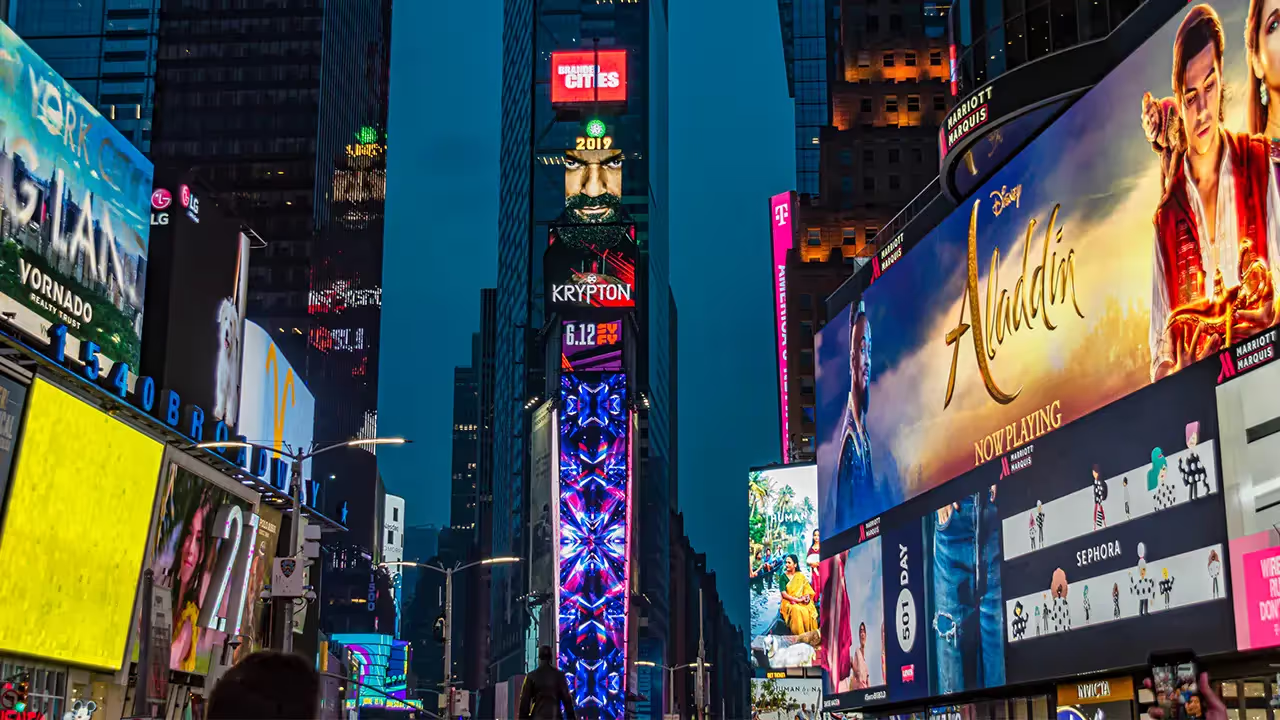
Digital billboards are the giants of outdoor advertising. You see them near busy roads, shopping zones, transit hubs, and stadiums. They reach thousands of viewers every day and are a big step up from static billboards. Their main strength is instant updates, removing printing and mounting costs and delays.
These big LED screens can show several ads in rotation, helping advertisers get a better return on each display. With bright colors, sharp resolution, and high brightness (about 3,000-4,000 nits in Samsung’s OMB Series), content stays clear from long distances, even under strong sun. Built-in sensors can change brightness automatically at night, keeping screens visible but not too bright and helping people remember the ads.
High-Brightness LED Screens
High-brightness LED screens are key for outdoor signage, especially in direct sunlight where regular screens would appear faded. These displays often reach more than 5,000 nits, keeping text and images sharp and vivid in almost any weather or light. Their high brightness sets them apart from LCDs and makes them the usual choice for outside use.
LED screens also use less power, last longer (often twice as long as LCDs), and have lower maintenance costs. They can handle many media types and work well with smart signage software for timed content, weather-based messages, and location-focused offers.
Mobile Displays
Mobile displays bring digital advertising to where people are, instead of waiting for them to pass a fixed screen. This group includes truck-mounted screens, trailer-based displays, and portable LED panels, which are very flexible for different events and campaigns.
They work especially well for events, political campaigns, product launches, parades, and local gatherings. One setup can reach many different audiences in several places on the same day. With GPS-based signage software, they can show messages that match the area they are in, making the ads more relevant and impactful.
Wayfinding and Directory Signage
Wayfinding and directory signage helps people move through large or complex spaces like airports, hospitals, malls, and office parks. These systems replace printed maps and boards with live, often interactive screens that cut confusion and improve visitor comfort.
Connected to a strong Content Management System (CMS), these displays can update routes, show event details, or send emergency notices right away. Users can pick a destination and receive step-by-step guidance, sometimes with live turn-by-turn support. This reduces the need for staff to give directions and lets them focus on other tasks.
Specialized and Emerging Technologies
Digital displays are changing fast, and new technologies are opening fresh ways to advertise and engage customers. Some create special visual effects or serve narrow uses where standard screens fall short. From “floating” images to screens built into shelves, these tools are changing how brands connect with buyers.
These special systems work best with a strong CMS so they can be updated in real time, use data-based personalization, and stay in sync across many sites.
Transparent OLED Displays
Transparent OLED displays combine advanced tech with stylish design. Viewers can see both what’s on the screen and what’s behind it, giving a futuristic and immersive effect. For example, a product can sit behind the screen while digital content seems to float around it.
This is popular for luxury retail, museums, and premium shop windows where a unique, memorable look matters. It lets businesses show information and effects without hiding the product or background, adding interest and elegance.
Shelf-Edge and End-Cap Displays
Shelf-edge and end-cap displays bring digital content right to the point of purchase. These small, affordable screens sit on the shelf front or at the aisle end, showing live prices, offers, and product details exactly where buying choices happen. This kind of timely, relevant message can boost impulse and add-on sales.
When connected to digital signage software, these screens can react to stock levels, time of day, and customer behavior patterns so that messages stay fresh and effective.
Projection-Based Digital Signage
Projection-based signage uses projectors to turn walls, floors, and even 3D objects into digital surfaces. It is useful for large or unusual spaces where regular screens do not fit well. This method opens a very wide “canvas” for creative concepts.
Common in exhibitions, big events, and experience-based marketing, projection can add motion to still images or create fully interactive scenes, including use of green screen effects. These “lit billboards” draw attention and fit well with social media campaigns, making them a strong tool for reaching target groups at specific venues, especially at night.
Dynamic and Programmatic Signage
Dynamic and programmatic signage uses live data and automation to change content on the fly. It goes beyond simple schedules and can show different messages based on age, gender, mood, weather, or even the type of passing car.
Programmatic digital out-of-home (PDOOH) automates ad buying, selling, and delivery with real-time bidding. For example, an ad for a cold drink might show only when the temperature passes a set level. Vantage Market Research reports that dynamic content can lift viewer engagement up to five times compared with static images. This data-based style keeps content relevant and effective and gives advertisers very fine control over what plays where and when.
What Core Features Set Cutting-Edge Digital Displays Apart?
“Cutting-edge” digital displays stand out because of groups of advanced features that raise their visual impact, interaction level, and ease of control far beyond basic screens. These features are carefully built to improve picture quality, user interaction, content control, and day-to-day operation, making the displays very useful for modern advertising.
Knowing these features helps explain why more companies are turning to digital displays to create engaging and successful campaigns. They provide the tech base that supports fast, personal, and responsive advertising that customers now expect.
High-Resolution and Ultra-Bright Displays
Modern high-end displays use very high resolutions, such as 4K UHD, like Samsung’s OMB Series or some 75-inch LG models. This level of detail keeps images sharp and text easy to read, which is important for making complex messages clear and eye-catching.
Brightness is just as important, especially outside or in window displays. Ultra-bright screens (3,000-5,000 nits or more) stay visible even under direct sun and avoid fading. Anti-glare panels and automatic brightness control add to readability, helping displays stand out in any light.
Customizable Size and Design Options
Today’s digital displays come in many sizes and shapes, not just standard rectangles. This flexibility lets businesses match screens to building layouts and creative ideas. Options range from small shelf-edge strips to huge video walls.
Video walls, for example, can be built in almost any shape and orientation. Screens can be mounted in landscape or portrait, tilted, or built into furniture and fixtures. This makes digital signage part of the space itself, both visually and functionally.
Interactivity and Touch Capabilities
Interactive and touch features turn watching into doing. Touchscreen displays, kiosks, and navigation screens let users control what they see and do.
With simple interfaces, people can browse catalogs, customize products, pull up detailed info, or find directions. This direct control gives users a better experience and also produces valuable data about their choices and behavior, which can then shape future content and campaigns.
AI and Data-Driven Personalization
Artificial Intelligence (AI) and data analytics move digital signage from one-size-fits-all to personal messaging. AI-based systems watch patterns in customer behavior and environment to decide which content to show.
For example, a sign might promote iced coffee on a hot day or show product suggestions based on a shopper’s past activity. This type of targeting improves the shopping experience and helps retailers fine-tune campaigns, track performance, and increase sales.
Real-Time Content Updates
Live content updates are one of the main strengths of digital displays. With a cloud-based CMS, businesses can publish, edit, and remove content in minutes from anywhere. If there is a mistake, a sudden event, or a new offer, authorized staff can react right away.
Campaigns can also be timed to show at certain hours or triggered by outside data such as weather or time of day. This fast control keeps messages accurate and timely and supports a strong, reliable brand image.
Remote Management and Centralized Control
For companies with many screens, remote management and central control are key. Modern signage platforms let users manage all displays from one online dashboard, no matter where the screens are installed. This makes it easier to keep content consistent and reduces the work of rolling out updates.
From a central panel, admins can plan content, check status, solve common issues, and run updates without visiting every site. This is very useful for big networks with dozens or hundreds of screens and helps lower mistakes and manual work.
Durability and Weather Resistance
For outdoor and tough indoor locations, long-lasting and weather-resistant designs are necessary. Advanced outdoor displays are built to survive heavy rain, dust, heat, cold, and bright sunlight.
Features can include weather-sealed enclosures, IP-rated dust and moisture protection (for example, Samsung OMB Series with IP5X), strong mounts, corrosion-resistant materials, and built-in heat management. This sturdy build protects your investment and keeps screens running clearly all year.
Energy Efficiency and Eco-Friendly Options
As more companies focus on sustainability, energy-saving displays have become more common. Many manufacturers now build screens that use less power but still perform well, cutting running costs and lowering environmental impact. LED screens in general use less energy than many old LCD systems and offer brighter, clearer images.
Some modern displays, including certain LG models, are designed to keep power use low. Vendors such as Infinite Audiovisual also promote eco-friendly signage options. Using energy-saving gear can support green goals and lead to long-term savings on electricity.
How Do Advanced Features Transform Advertising Results?
Advanced features in cutting-edge digital displays do more than just look nice; they have a strong effect on advertising results. By moving away from fixed, one-way messages, these screens create a flexible platform that is more engaging, easier to measure, and easier to adjust. This lets advertisers reach people in more personal and meaningful ways.
The mix of modern tools provides a level of control and impact that older methods could not offer, changing how marketing and advertising work.
Hyper-Targeted Marketing and Audience Analytics
Advanced displays support very precise targeting using audience analytics. Linked systems can measure which campaigns perform best for which groups without identifying individuals. Some setups can adjust the content based on age, gender, or mood of the person near the screen.
This accuracy helps create highly relevant messages that are more likely to drive interest and action. Web triggers can show special content when someone who matches certain criteria walks by. These insights help refine strategy and improve how budgets are used.
Programmatic Content Delivery
Programmatic content delivery automates how ads are bought, sold, and shown, especially on outdoor digital screens. It can change content based on many different factors so that the right ad appears at the best time.
One clear example is a McDonald’s outdoor campaign that changed based on weather. When temperatures rose past 22°C, the screens pushed cold drinks; past 25°C, they added the city name and live temperature. This type of real-time response increases relevance and can lead to better results and stronger returns.
Integration with Mobile Devices and Social Media
Digital displays can work closely with smartphones and social networks, increasing campaign reach. This mix makes it possible to link real-world screens with online channels.
- QR codes on screens can point to menus, forms, special offers, or payment pages.
- Projection campaigns can be shared on social platforms to build buzz.
- Live social feeds on screens can invite interaction and create a sense of community.
This approach widens the impact of each message and encourages people to interact directly with the brand.
Real-Time Performance Tracking and Campaign Adjustment
Another big shift is the ability to track performance in real time and adjust campaigns immediately. While print ads offer slow and rough feedback, digital signage software can report metrics like dwell time and interaction on the fly.
Marketers can quickly see which content works and which does not, then swap, move, or reschedule items to perform better. This constant testing and adjusting helps raise results and make better use of ad spend.
Brand Storytelling with Dynamic Visuals
High-end digital displays improve brand storytelling with motion and sound. While still images can send a message, video, animation, and interactivity can pull people into a brand’s story.
Video walls, for example, allow for full-screen product demos or campaigns with smooth transitions and animation. Brands can tell short stories, run interactive journeys, or shift visuals often to keep interest high and build stronger emotional ties, which improves awareness and recall.
Comparing Digital Display Technologies: Which Is Best for Your Needs?
Choosing between different digital display technologies can feel complex because each option has its own strengths and best uses. There is no single perfect choice; the best fit depends on your setting, your budget, and who you want to reach. Understanding the main differences helps you pick a solution that supports your goals and gives strong results.
This section compares the major types so you can select the setup that matches your plans.
Comparing LED, LCD, OLED, and Projection Displays
Each display type offers different pros:
TechnologyBest ForMain StrengthsLCDIndoor, close viewingSharp resolution, good for detailed text and imagesLEDOutdoor / large screensVery bright, energy-efficient, long lifespanOLEDPremium indoor, transparent effectsDeep blacks, high contrast, unique visual styleProjectionEvents, large or complex surfacesVery flexible size and shape, works on many surfaces
LCD panels are great where viewers are close and clarity is vital (receptions, POS areas). LED displays fit big or outdoor signs, keeping colors bright in sunlight with lower power use. OLED, including transparent versions, offers very high contrast and a striking look, often used in high-end settings. Projection works best for temporary or creative use, turning many surfaces into displays.
Choosing Between Indoor vs. Outdoor Solutions
Your environment mostly decides whether you need indoor or outdoor screens. Indoor systems are made for places like malls, eateries, and offices. They usually need only medium brightness and should look good with the decor. They may also include touch for closer interaction.
Outdoor systems must work through rain, dust, and strong light and often need 3,000-5,000 nits or more of brightness. They include weatherproof cases and sturdy frames. Some semi-outdoor or sheltered spaces can use indoor-grade screens, but true outdoor uses need fully hardened systems.
Factors to Consider: Location, Budget, and Audience
Picking the right solution involves three main points: location, budget, and audience.
- Location: Indoors or outdoors? Bright or dim? Any dust, moisture, or heat? These points decide brightness, protection level, and size.
- Budget: Lower-cost setups may use standard TVs or small displays, while large video walls or transparent OLED screens cost more. Balance desired impact with what you can spend.
- Audience: Are people walking past quickly (needing bold visuals and short messages) or stopping to interact (needing detailed info and possibly touchscreens or kiosks)? Match screen type and content to how people will use them.
What Are the Main Benefits and Challenges of Digital Display Advertising?
Digital display advertising brings many benefits but also some challenges. Knowing both helps businesses roll out systems that work well over time. While digital signage is flexible and powerful, it still needs planning and ongoing support.
By weighing these pros and cons, you can plan better and get more from your investments.
Increased Engagement and Brand Awareness
Digital displays draw far more attention than static signs. Intel reports that they can get up to 400% more views. Statista notes that more than 60% of customers find digital screens more eye-catching. According to the OAAA, digital billboards can raise ad recall by up to 83%.
High-definition video, animation, and interactive options create richer experiences that viewers remember. Studies show that in-store digital displays can lift brand awareness by almost 48%, making them very effective for building a presence and standing out.
Improved Flexibility and Cost Efficiency
Digital signage is very flexible and can save money over time compared to print. Content can be changed from afar in minutes, removing printing and shipping costs. This makes it easy to react to seasons, trends, or sudden events.
While buying hardware at the start can be more expensive than printing posters, long-term running costs are lower. There are no ongoing print runs, and cloud tools can simplify content changes. Being able to fine-tune content by time, place, and audience also helps get more value from every ad shown.
Potential Technical and Operational Challenges
On the other hand, digital display networks can be complex to launch and run. Setup may involve mounting hardware, wiring, software setup, and network design. Keeping many screens across multiple locations in sync needs a reliable CMS and sometimes support staff.
Possible issues include screen failures, software errors, and network downtime. Keeping content up to date and calibrated across all screens is an ongoing task. Teams also need good content workflows to avoid old or wrong information appearing on screen.
Privacy, Data, and Compliance Considerations
With AI and data-driven displays, privacy and compliance become more important. Features like audience analytics may track things such as age range or behavior. Companies must follow data laws like GDPR or CCPA when handling any user-related data, even if it is anonymized.
Clear communication about data practices helps maintain trust. Content should also follow ad rules and local law and avoid harmful or misleading claims. Care is needed so that personalization does not lead to unfair treatment of certain groups.
Trends Shaping the Future of Digital Advertising Displays
Digital advertising displays continue to change quickly as new technology appears and customer expectations rise. Several major trends are likely to change how businesses use screens to connect with people. These trends point to more immersive, smarter, and better-connected experiences.
From smarter targeting to tighter links with virtual tools, the future of digital displays looks rich with new options.
AI and Machine Learning Advancements
AI and Machine Learning will keep pushing digital signage forward. These tools are moving from simple personalization to systems that adapt and predict behavior. Displays will be able to examine how people react and then change content to what is most likely to work.
Over time, machine learning can improve targeting, support finer audience segments, and tune ad timing, pricing, and creative layouts. The aim is to have displays that respond like a smart digital assistant for marketing, showing the most relevant content at each moment.
Integration with Augmented and Virtual Reality
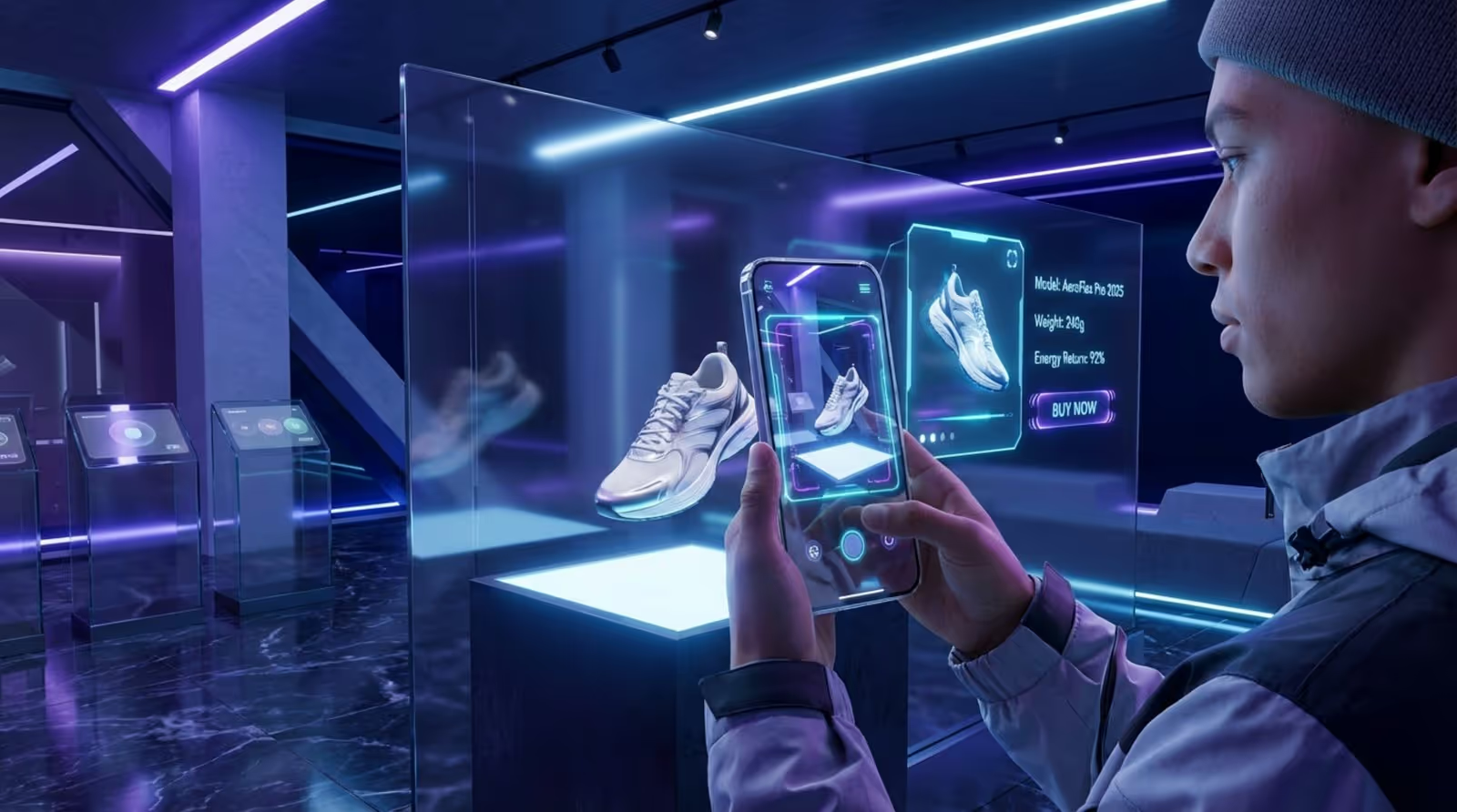
Combining digital displays with Augmented Reality (AR) and Virtual Reality (VR) is opening new ways to create deep, memorable advertising. While still early in many markets, this mix can blend physical and digital content.
Customers might view a store window through a phone and see extra product info, virtual try-ons, or animated mascots. In stores, AR mirrors can show how clothes would look without changing. Large projections tied to AR can turn buildings into interactive scenes that react to user movement.
Sustainability and Eco-Friendly Innovations
As environmental concerns grow, more brands want signage that uses less energy and produces less waste. Manufacturers are working on screens that need less power and that last longer.
Future steps may include using recycled materials in hardware, offering better take-back and recycling options, and using software that reduces power where possible. Many businesses will prefer vendors with clear eco credentials to match their own values and customer expectations.
Increasing Use in Retail, Hospitality, and Transportation
Use of digital displays will continue to grow, especially in retail, hospitality, and transportation.
- Retail: More interactive touchscreens, AI-based signage, and smart shelves that can affect up to 68% of buying choices.
- Hospitality: Hotels and restaurants using digital menus, lobby displays, and wayfinding to improve guest comfort and highlight services.
- Transportation: Airports and stations upgrading from simple boards to systems that show live ads, personal travel info, and interactive maps to improve traffic flow and user experience.
Key Takeaways for Selecting and Maximizing Digital Displays
Rolling out digital advertising displays can bring big rewards, but success depends on more than just putting up screens. You need clear goals, strong content, and ongoing tuning. With so many options, it helps to be systematic.
This section pulls together main points and practical tips so you can choose wisely and get the most from your investment.
Questions to Ask When Choosing a Display Solution
Ask yourself these questions before you buy:
- Environment: Indoors or outdoors? What is the light level? Any heat, cold, dust, or moisture? This affects brightness, protection level, and durability needs.
- Message and audience: What kind of content will you show, and who is it for? Simple loops or interactive experiences? This drives choices about resolution, size, and touch or non-touch.
- Content management: How often will you update content? Do you need live updates or just scheduled playlists? Will you manage from one place or locally? These answers shape your CMS and network setup.
- Budget and growth: What can you spend now, and do you plan to expand later? Your cost range will narrow down hardware options and help pick solutions that can grow with you.
Best Practices for Content Creation and Scheduling
Even the best hardware fails without good content and smart schedules.
- Use high-quality, dynamic visuals that grab attention fast: sharp images, strong colors, and motion where it fits.
- Keep messages short and clear, especially in fast-moving areas.
- Include simple, clear calls to action so viewers know what to do next.
- Use your CMS to plan time-based and data-based content (time of day, weekday/weekend, local events, weather).
- Refresh content regularly to avoid “screen blindness” and remove outdated information quickly.
Maximizing ROI Through Data and Audience Insights
To get the best return on your digital display spend, use data from your systems rather than guesswork.
Connect your signage platform with analytics tools to gather anonymous audience data, such as which content pieces get longer viewing times or more interaction. Look at which messages perform well for certain age groups, times, or locations.
Use AI and machine learning where available to adjust content based on real-time patterns. For instance, show different ads during peak foot traffic versus quiet times, or change offers based on past sales data. By testing, measuring, and improving over time, you turn your displays from simple screens into strong, data-driven tools for growth and customer engagement.