Table of Content
Choosing between digital and conventional Out-of-Home (OOH) display solutions is less about finding an overall winner and more about picking the right tool for your specific goal. In short, conventional OOH gives you a fixed, always-on physical presence with 100% share of voice, while digital OOH (DOOH) offers high flexibility, real-time updates, and strong options for interaction. The “best” choice depends on whether you want steady, long-term brand visibility or fast, data-led campaigns that can change quickly.
By early 2026, advertising has shifted a lot, with the digital OOH segment expected to grow more than 7% per year and likely pass $25 billion by 2030. At the same time, classic formats still play a key role for many large brands. Knowing the differences between these two main options is key for any marketer trying to stand out in an environment full of information and constant messages.
What Are OOH Display Solutions?
Defining Out-of-Home Advertising
Out-of-Home advertising, or OOH, is a type of marketing that reaches people when they are outside their homes and on the move. Unlike ads on phones or TV, OOH lives in physical spaces where people live, work, and travel. It is a strong reach channel that targets people as they go through their daily routines, making it one of the few remaining ad formats that people cannot simply skip.
From huge billboards on highways to sleek screens in shopping centers, OOH formats aim to catch attention during “in-between” moments-commuting, shopping, or traveling. Because these ads are not limited to personal devices, they offer size, public visibility, and presence that can build strong trust and authority for a brand over time.
Types of OOH Display Formats
OOH display solutions usually fall into two main groups: conventional and digital. Conventional formats are the “classic” ones we have seen for years-static billboards, posters, and transit wraps. They use printed materials like vinyl or paper to show the message.
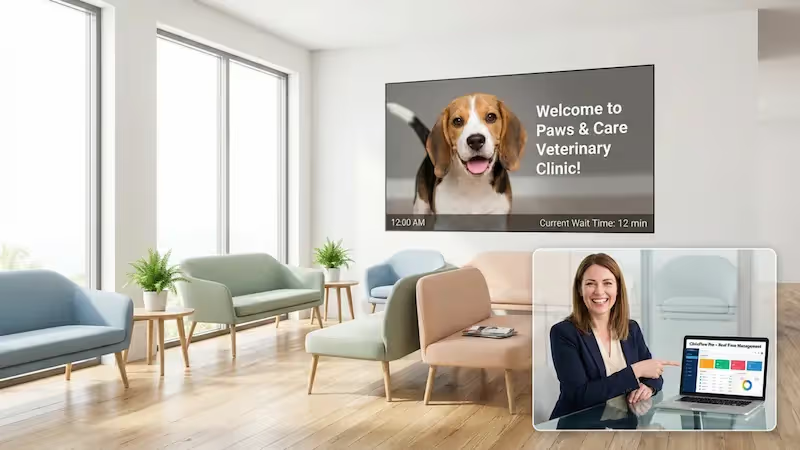
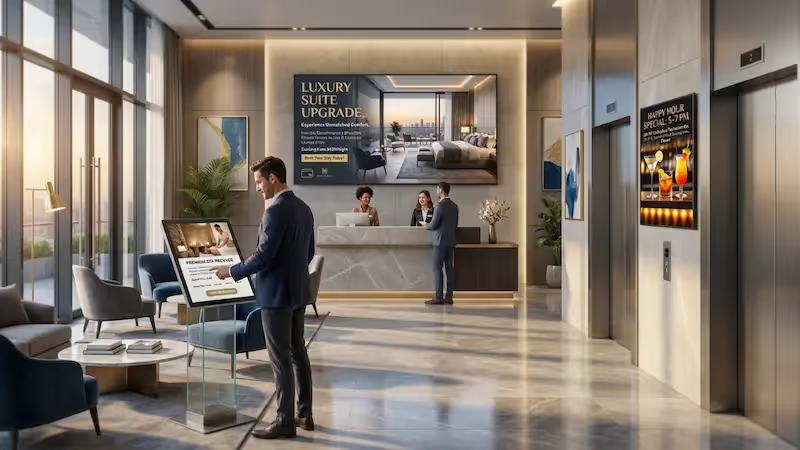
Digital OOH (DOOH) uses LED or LCD screens to show content. This category now includes digital billboards, interactive kiosks in city centers, and screens in places like elevators, gyms, and stores. Both groups cover a wide range of placements-from “street furniture” (such as bus shelters) to huge “spectaculars” in busy areas like Times Square.

Conventional OOH Displays: Features and Use Cases
What Are Static Billboards, Posters, and Transit Ads?
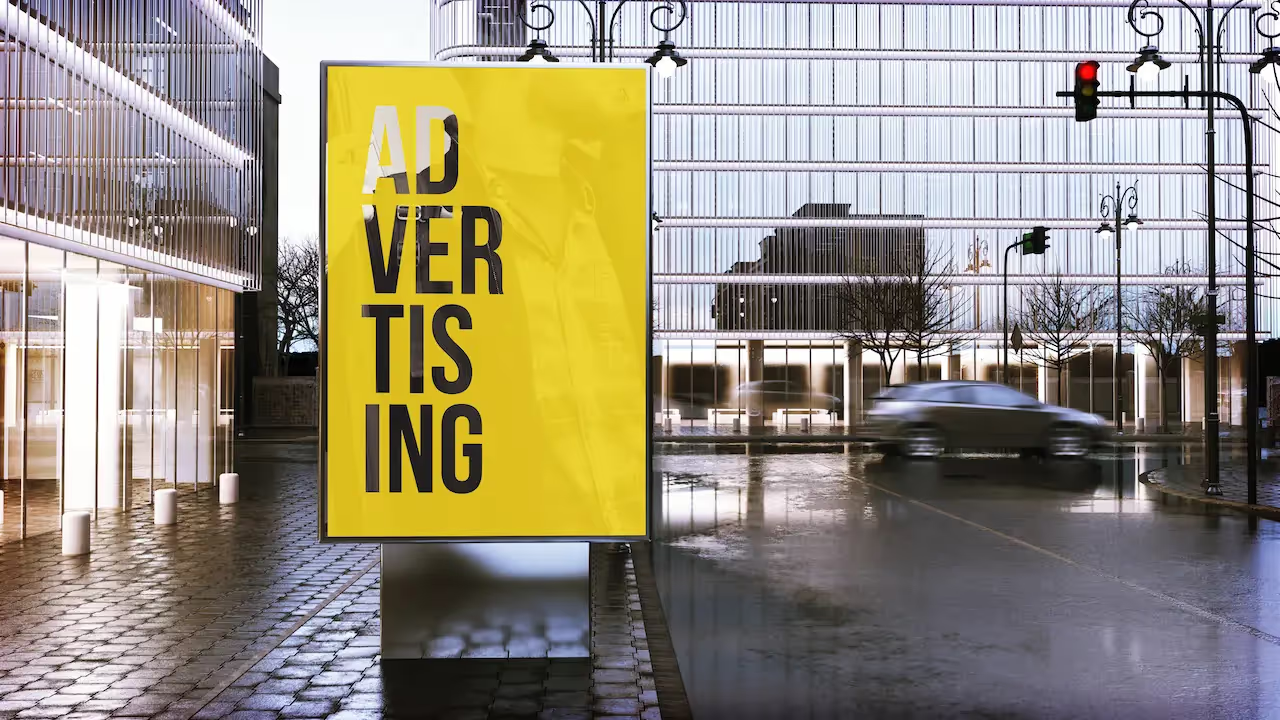
Conventional OOH is the long-standing base of the industry. It includes fixed, non-digital displays. The best-known example is the 14’ x 48’ highway billboard (often called a bulletin). Beyond that, posters offer smaller, more local reach, and transit ads wrap buses, trains, or trams with brand graphics. These formats are fixed, so the message stays the same until the printed material is physically replaced.
These displays are valued for their stability. When a brand buys a static billboard, it controls that space 24/7. There is no rotation with other advertisers; the message is always visible and often becomes a familiar landmark people pass again and again.
Benefits of Conventional OOH For Brand Visibility
The main benefit of conventional OOH is long-lasting exposure. One well-positioned billboard can deliver thousands of impressions every day, pushing a brand’s message into the minds of commuters over weeks or months. This steady presence helps build brand recognition and trust, and the physical size of these ads often signals that the brand is established and successful.

Static displays also provide 100% share of voice (SOV). In a digital loop where ads might switch every eight seconds, a printed board shows only your message. This makes it very useful for “directional” ads-such as telling drivers that your restaurant is at the next exit-or for building a clear local presence in a certain area.
Cost Implications for Traditional OOH
Traditional OOH is often more budget-friendly for brands that want wide reach but have limited funds. The media costs are usually lower than for digital screens. Since the content is printed and not run by advanced software or hardware, ongoing costs over the life of the campaign are usually lower.
However, production can add up. You need to print large vinyl sheets and pay teams to install them. While the rental cost for the board itself may be lower, you are locked into one creative design for the whole campaign period unless you pay again to change it.
Limitations and Challenges of Conventional Displays
The fixed nature of conventional OOH is also its biggest drawback. Once a poster or billboard is installed, you cannot easily change the message to react to new trends or shifts in customer behavior. Updating it means new printing and new installation, which takes time and money.
Measuring the return on investment (ROI) of static billboards is also harder. There is no direct real-time data on impressions or engagement. Marketers usually rely on traffic counts and older data models, which makes it harder for performance-focused teams to link exposure with store visits or online sales.
Digital OOH Displays: Features and Advantages
What Defines a Digital OOH Display?
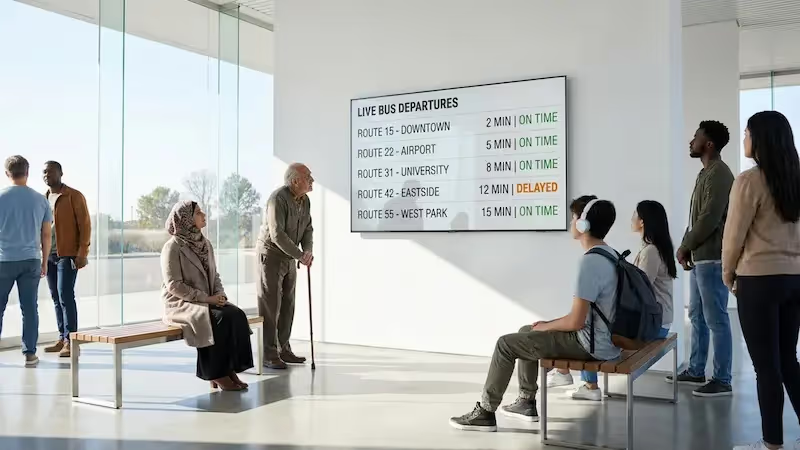
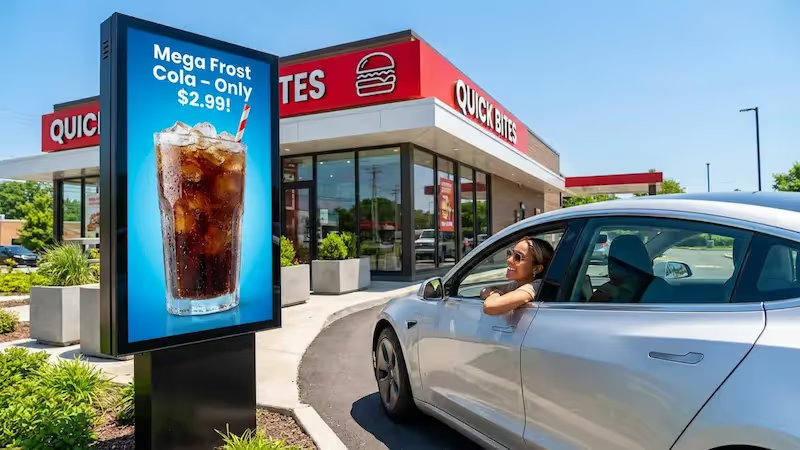
Digital Out-of-Home (DOOH) uses digital screens to show ads and promotions in many different locations. These screens can be large digital billboards on roads or smaller displays in elevators, gas stations, offices, and retail stores. Unlike static boards, DOOH screens can show multiple advertisers in a timed loop, usually changing the content every few seconds.
This technology has changed OOH by adding digital-style precision to physical locations. DOOH supports motion graphics, full video, and animations that draw more attention. Studies suggest that large digital OOH can capture up to five times more attention than typical online ads.
Dynamic Content and Real-Time Updates
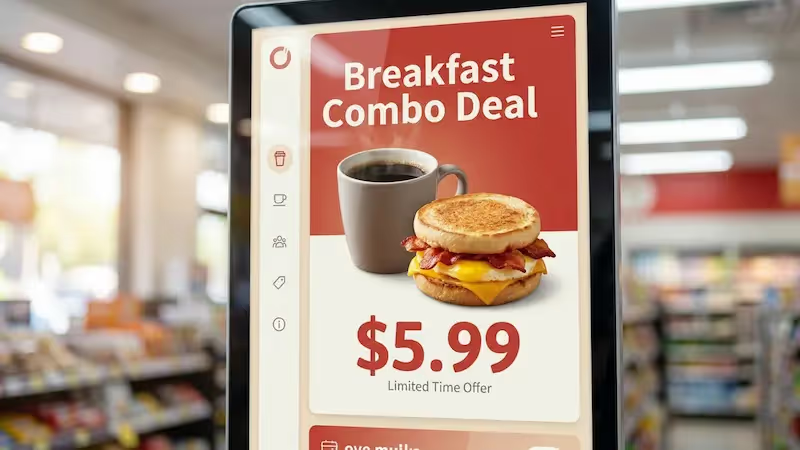
One of the strongest features of DOOH is the ability to update content remotely and almost instantly. Brands can swap out messages from their desks, reacting to news, promotions, stock levels, or weather conditions. For example, a restaurant can show breakfast deals in the morning and then switch to dinner offers by late afternoon without sending anyone on-site.

More advanced campaigns use “dynamic triggers.” A classic example is an allergy medicine ad that only appears when local pollen levels pass a set limit. This type of context-based messaging makes the ad feel timely and useful instead of random or annoying.
Interactivity and Audience Targeting
DOOH can also be interactive in ways static ads cannot. Screens can include touch capability, motion sensors, NFC, or QR codes to prompt people to take action on their phones. This turns a simple viewing moment into active engagement-people can check a menu, book a table, enter a contest, or grab a coupon code right away.
Digital OOH can also lean on audience and location data for better targeting. By looking at mobile movement patterns and purchase behavior, advertisers can choose to show ads only at certain times and places where their key audience-such as office workers, parents, or gym users-is most likely to pass by.
Integrating Digital OOH with Online Campaigns
DOOH is often part of a wider cross-channel plan. Brands link digital billboards with social media, search, and mobile ads so that people see related messages in multiple places. Someone might notice an ad on a train platform and then see a follow-up message on their social feed later that day.
This link also makes retargeting possible. If a mobile device is seen near a DOOH screen, the brand can later serve that device a digital ad, strengthening the message and boosting the chance that person will visit a store or website.
Long-Term ROI and Cost Considerations
Digital billboards and screens cost more up front because they involve advanced technology, software, and ongoing maintenance. But over time, DOOH often delivers better ROI. You can run several creatives in one booked slot, skip print costs, and buy ad time programmatically, which gives more control over when and where your budget is spent.
DOOH is also easier to measure. Advertisers can access real-time data on impressions, dwell time (how long people look), and follow-on behavior. This feedback helps teams adjust campaigns while they are live so that spend goes toward what actually works.
Comparing Digital vs. Conventional OOH Display Solutions
Visibility and Reach: Which Offers Greater Impact?
On pure attention-grabbing power, digital displays often come out ahead. Bright light, motion, and bold color naturally pull the eye more than a static image. But conventional OOH offers another kind of strength: constant presence. A static billboard that never changes can become part of the daily landscape and keep control of attention without competing messages rotating on the same screen.
Creativity and Engagement: Static vs. Dynamic Content
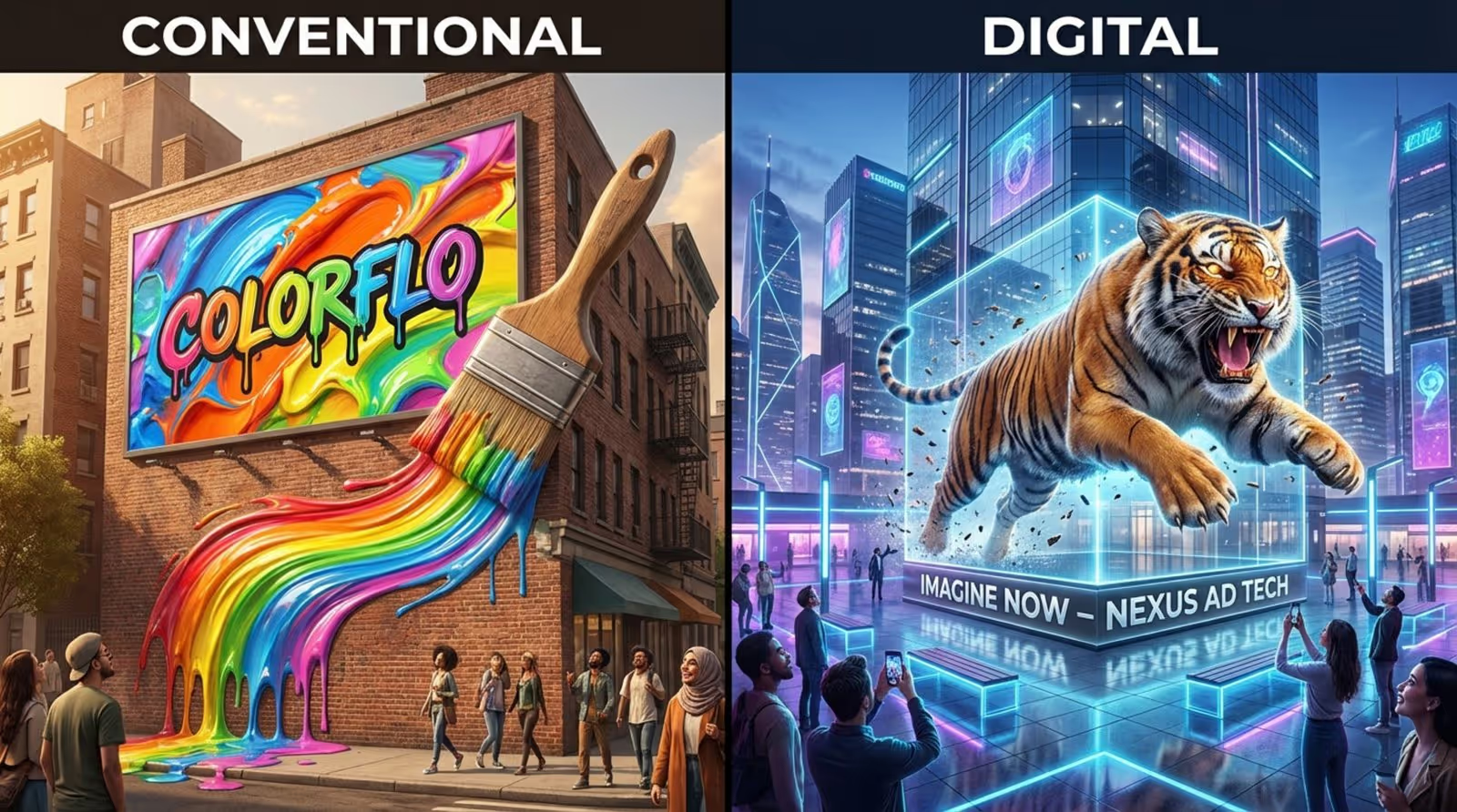
Both formats allow for creative ideas, just in different ways. Conventional OOH can use physical elements like cut-outs that extend beyond the frame, 3D props on top of the board, or spotlights to create drama. Digital OOH is well-suited to 3D-style “anamorphic” content that seems to jump off the screen, plus live feeds such as sports scores, countdown timers, and social posts that update in real time.
Measuring Performance and Analytics
This is a major point of difference. DOOH can provide verified impression counts, audience profiles, and links to outcomes like website traffic, app installs, or in-store visits. Conventional OOH is improving its measurement by using GPS data, mobile signals, and modeled reach, but it still does not match the level of detail and speed that digital screens can offer.
Sustainability and Environmental Factors
Conventional OOH often raises concerns about waste from vinyl, paper, and adhesives once campaigns end. Digital OOH does away with most printed materials, which many see as a more eco-friendly approach. Newer digital screens are also moving toward lower energy use, better power management, and automatic brightness controls to reduce electricity consumption.
Cost-Effectiveness Across Both Platforms
For long-running awareness campaigns where you want constant exposure in one place, a static board can be the more cost-effective option thanks to its 100% share of voice and lower media rates. For short bursts, product launches, or campaigns that need frequent message changes, DOOH usually makes better use of budget, especially when you want to reach specific groups at specific times.
Why Many Brands Use Both Digital and Conventional OOH Displays
Many brands now choose a mix of both. Combining the reach and staying power of print with the speed and flexibility of digital gives marketers a full-funnel approach. Static boards grow overall awareness and familiarity, while digital screens in busy city spots, transit hubs, or stores push time-sensitive offers and direct calls to action.
This mix suits today’s varied media habits. A person may first notice a brand thanks to a huge roadside billboard on their way to work (static) and then be prompted to scan a QR code on a mall screen later the same day (digital). Seeing related messages in different formats helps cement the brand in memory.
When Should You Use Digital or Conventional OOH Displays?
Selecting OOH Solutions Based on Campaign Goals
If you are running a fast product launch and need big impact in a 24-72 hour window, digital is usually the better fit. It can go live quickly and switch messages as needed. If you are opening a new store or want steady exposure in one area, a long-term static billboard or poster can be the smarter spend.
Suitability for Location and Audience
Location heavily influences format choice. Historic areas, scenic routes, and some residential zones often ban or restrict digital screens, which makes static OOH the only real option. Busy entertainment districts, airports, stadiums, and major transit hubs, on the other hand, are ideal for digital screens that match the fast pace and high energy of those spaces.
Examples of Successful OOH Campaigns
A drink brand might run looping video ads on elevator screens in office towers to reach professionals during the workday-this is a smart use of DOOH to catch a focused audience. A delivery service could place a series of static posters down a subway platform, telling a step-by-step story as commuters walk past each frame, guiding them through the brand message.
Emerging Trends in OOH Display Solutions
Rise of Programmatic and Automated Buying
Programmatic DOOH is one of the biggest current shifts. It lets buyers use automated systems to purchase screen time in real time, similar to online ad buying. This approach makes OOH more accessible for smaller brands and lets all advertisers spend more efficiently, since ads can run only at certain times, in certain locations, or under certain conditions.
Data-Driven Targeting and Personalization
As data tools improve, OOH is becoming far more precise. Advertisers can use large data sets to understand how people move through a city during the day and match placements to these patterns. Campaigns can be planned so that different messages appear at different hours, days, or neighborhoods, lining up closely with audience needs and habits.
The Role of AI and Augmented Reality in DOOH
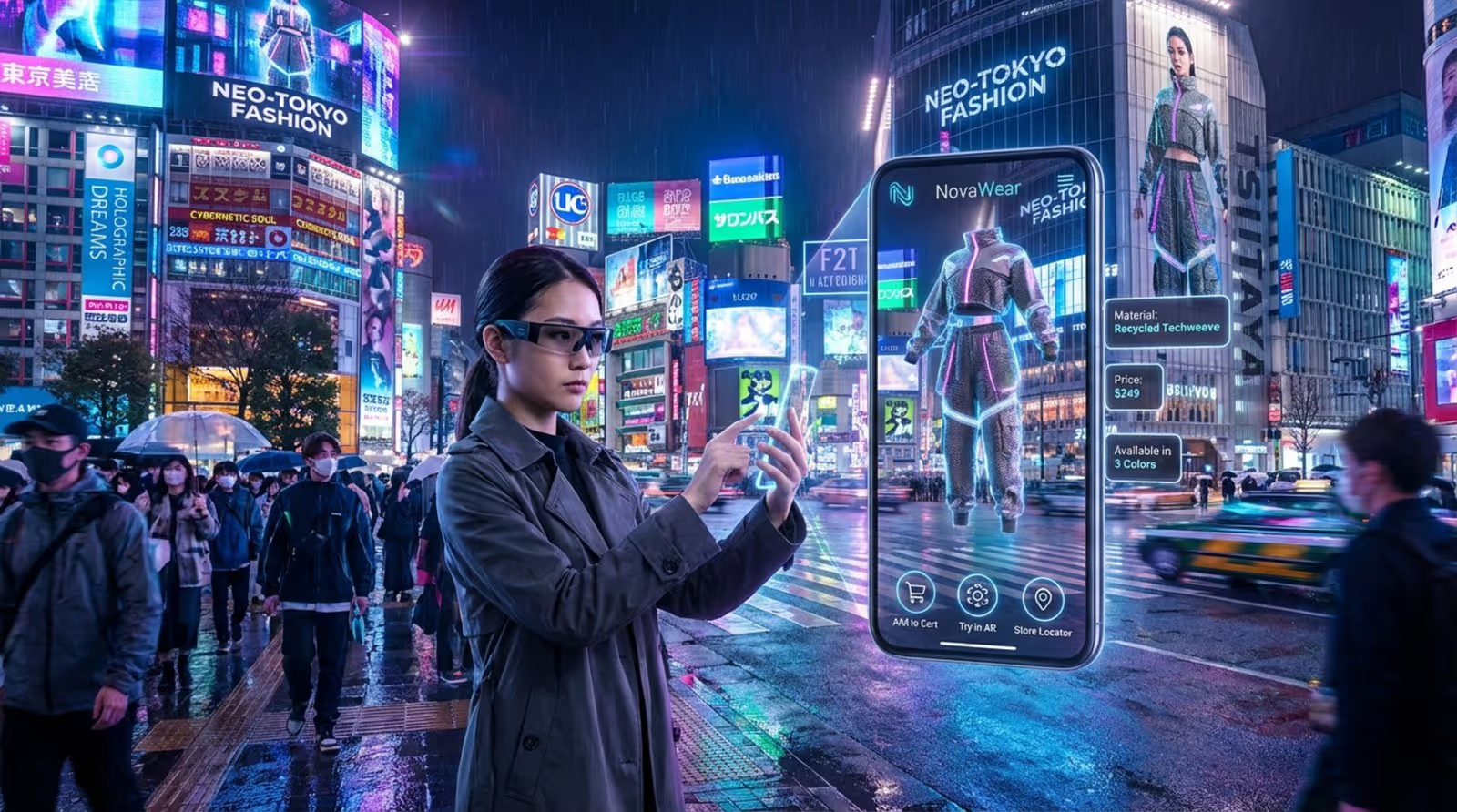
Artificial Intelligence is starting to shape DOOH content in real time, based on factors like traffic flow, time of day, or how people respond to current creative. Augmented Reality (AR) adds another layer by turning simple screens into interactive experiences. Using their phones, passersby can “try on” clothing or makeup, play with digital characters, or interact with gamified ads on a nearby display.
Key Considerations Before Choosing OOH Display Solutions
Budget and Technological Investments
Before you book any OOH, look at your budget for both media and production. Digital campaigns usually need high-quality images, motion graphics, or video, plus possible software and data costs. Conventional OOH needs good design, pre-press work, and high-quality printing. You also need to check that your team and systems can handle file delivery, updates, and, for digital, any live data feeds you plan to use.
Regulatory and Location Constraints
Always check local rules. Cities like San Francisco and Paris have strict laws about outdoor ads. Some areas limit sign size, light levels, timing, or ban digital boards entirely. Knowing this ahead of time helps you choose the right format and avoid legal issues, delays, or extra permit costs.
Long-Term Brand Strategy
Think about how your OOH choices support your wider brand story. A tech-focused brand may benefit from sleek digital screens that match its image, while a heritage or craft brand might lean into the classic feel of a large printed board. The medium you use sends a message about who you are, just like your slogan and visuals do.
Conclusion
OOH display solutions are moving toward a future where physical and digital blend together. Beyond the current focus on screens and print, new tools such as “neuro-marketing” are starting to track eye movements and facial reactions to learn how people feel when they see an ad in public. This means future OOH campaigns may adapt not just to place and time, but also to how people respond emotionally.
As smart cities grow, OOH displays are also becoming services. We already see digital kiosks that offer free Wi-Fi, maps, emergency alerts, and transit information alongside ads. For brands, that means OOH is shifting from simple ad space to useful public tools, where your message appears in moments when you are actually helping people. Whether you choose the steady presence of conventional OOH, the quick-change power of digital, or a mix of both, the main aim should be to support real human needs and real-world behavior.