
Table of Content
Exterior signage isn't just a nice extra for your business; it's a constant representative that plays a major role in drawing customers in, building brand recognition, and boosting sales. From the moment someone glances your way, your outdoor sign is already doing its job, showing who you are, what you do, and why they should come inside. It works all day, every day, keeping your business visible and memorable in a busy environment.
This guide walks through exterior signage in detail, covering its different types, purposes, and the strategic choices that can turn a simple sign into a strong marketing tool. You’ll see why it matters, how it helps your business, and what you should think about when creating signage that truly stands out.
What Is Exterior Signage?
Exterior signage is any sign, graphic, or display placed outside a business. These visual tools can be freestanding, mounted on a building, or built into the structure itself. Their main roles are to advertise what you offer, guide visitors, and give your brand a clear presence in physical space.
From bold storefront signs that show your brand name to small direction signs that help people find their way, exterior signs are made to grab attention and share information with passersby. They are often the very first visual contact a potential customer has with your business, which makes their design and placement very important.
Key Purposes of Exterior Signage for Businesses
Exterior signage serves several important purposes beyond basic identification. It acts as a primary form of advertising, promoting your business to a wide audience without the ongoing costs that come with many other marketing channels. Unlike a digital ad that disappears after a few seconds, a physical sign is a constant visual reminder that reinforces your brand message over time.
Exterior signs are also central to wayfinding, helping customers locate your business, especially in busy areas or large complexes. Studies show that many people have entered a business for the first time based solely on its signage. Good exterior signs also share useful information such as business hours, sales, or key services, encouraging people to act right away.
Common Materials Used in Outdoor Signs
The life span and performance of an outdoor sign depend heavily on the materials used. Traditional signs often use strong materials like wood and metal, which give a solid, long-lasting look. These options are chosen because they stand up well to weather and keep their appearance over time.
For more modern signs, especially lit or digital ones, materials like acrylic and aluminum are common. Acrylic is flexible in design and works well for illuminated signs because it lets light pass through evenly. Aluminum is lightweight but strong, making it a good structural base. In harsh environments, such as coastal regions or humid climates, anodized aluminum or 316 stainless steel may be suggested, as they resist rust and wear better. Choosing a material always involves balancing looks, local weather, and how long you expect the sign to last.

Why Does Exterior Signage Matter?
Exterior signage is far more than decoration; it is a powerful marketing tool that works nonstop for your business. In a crowded marketplace, you must stand out and leave a lasting impression, and your outdoor sign is often your first-and sometimes only-chance to do that.
It’s an investment that keeps paying back by giving ongoing brand exposure and directing customers right to your door. Without strong exterior signage, businesses are easier to overlook, making it harder to draw in new customers and keep current ones. Your sign acts as a visual anchor that gives your brand a clear place in the physical environment.
Increases Brand Visibility
Your exterior sign is a permanent billboard for your brand, seen by everyone passing by on foot or in a vehicle. Showing your logo, brand colors, and key message in the right spots helps reinforce your brand each time someone looks at it. Over time, this repeated exposure builds awareness and recall. Think of NVIDIA’s green emblem; when you see it prominently displayed, it instantly signals advanced technology and strong performance, even if you only catch it while driving past.
This steady visual contact helps build your brand into people’s daily routines. It quietly keeps your business in their minds, making it more likely they’ll think of you first when they need what you offer.
Helps Customers Find Your Location
One of the simplest yet most important jobs of exterior signage is helping people find you. It may sound basic, but research shows many people have trouble locating businesses because signs are poor, confusing, or missing. A clear, well-placed sign acts like a beacon, leading customers right to your entrance.
This is especially important in large shopping centers, strip malls, or busy roads. Good wayfinding signs, such as entry markers, parking indicators, and directional arrows-reduce confusion, improve the visit, and make sure interested customers don’t get lost or give up.
Drives Foot Traffic and Sales
Strong exterior signage often leads directly to more foot traffic, which can boost sales. Surveys suggest that around 76% of consumers have entered a store or business they had never visited before because its sign caught their eye. This shows just how powerful a good sign can be in turning passersby into visitors.
When a sign looks appealing and clearly shares an inviting message-like a new product, a special discount, or simply a warm, welcoming look-it acts as a direct invitation. This is even more effective when you update signs with timely content, such as a café promoting a seasonal drink or a store highlighting a limited-time sale.

Communicates Products and Services
Exterior signage also acts as a clear information board for what you sell or provide. A sign can quickly tell people what they’ll find inside, whether that’s a certain product, a special service, or the overall feel of your place. This helps catch the right kind of attention and draws in customers who are truly interested.
For instance, a digital LED sign outside a skincare store might promote a new hydrating serum, showing detailed images and short benefits like “24-hour moisture.” This kind of direct product message helps set expectations and can highlight items or services people might otherwise miss.
How Does Effective Exterior Signage Benefit Your Business?
Good exterior signage is more than a basic need; it’s a strategic asset that can support long-term growth. It shapes the first impression of your brand and supports ongoing loyalty.
With careful design and placement of your outdoor signs, you gain many benefits, from smoother daily customer interactions to stronger market presence. You’re using your physical space as a steady, silent marketing channel.
Builds First Impressions
Your exterior sign often forms the first impression people have of your business, like a firm handshake with a new customer. This first visual moment sets expectations. A sharp, well-designed sign suggests reliability, care, and a focus on quality inside the business as well.
If the sign is faded, broken, or dull, it can send the opposite message and push people away before they even enter. This is why the quality and look of your sign directly affect how people see your business from the start.
Distinguishes from Competitors
In a market full of choices, you must stand out. Exterior signage gives you a clear chance to show what makes your brand different. With unique graphics, colors, and layouts, you can make your business easy to recognize and hard to forget.
Take GAP as an example: a simple white background with bold blue capital letters. That clean style is instantly familiar and supports its modern fashion image. Choices like these cut through the noise and appeal to customers who connect with your particular look and message.
Supports Cost-Effective Advertising
Compared with many other marketing options, exterior signs are a very cost-effective way to advertise. Digital campaigns like pay-per-click ads can cost hundreds or thousands of dollars every month. A sign, on the other hand, is mainly a one-time expense.
After installation, your main ongoing costs are basic care and occasional repairs. This makes exterior signage a smart way to keep your brand visible and draw in customers without the constant spend that comes with many other channels.
Expands Brand Recognition
The constant presence of your exterior sign helps strengthen and grow brand recognition. Every time someone sees your logo and colors, it repeats your message in their mind. Over time, this makes your brand feel more familiar and trustworthy.
In this way, exterior signage works as a steady visual reminder. Even if people don’t come in right away, they are more likely to remember you later when they need your products or services.
What Types of Exterior Signage Exist?
Exterior signage comes in many styles, so there’s an option for almost every business, location, and design preference. Each type of sign has its own role and benefits, allowing you to shape your visual communication to fit your needs. From storefront signs to tall roadside panels, knowing your choices helps you make better decisions.
Your choice will depend on how visible you want to be, who you want to reach, local rules, and the image you want to project. Below are some of the most common and effective types of exterior signs used today.
Storefront Signs
Storefront signs, also known as fascia signs, are the horizontal signs mounted on the front of your building. They are one of the most common and important exterior signs, as they usually display your business name, logo, and sometimes a short tagline or promotion. They need to be clear and easy to read, since they act as the main identifier of your business.
The style can be simple and classic or bold and modern, and it sets the tone for what customers expect inside. Whether you choose big channel letters for a retail shop or a sleek dimensional sign for an office, your storefront sign often delivers that crucial first impression.
Channel Letters
Channel letters are three-dimensional letters or shapes, often lit from within by LEDs. They are bright, eye-catching, and highly customizable. Their depth and lighting give a polished and professional look, which is why they are popular for restaurants, stores, and offices.
While older channel letter signs might need manual changes for promotions, modern designs use energy-efficient LEDs for bright and reliable lighting. These signs are very effective at catching the eye, especially from the road, and are a go-to option for businesses that want strong visibility.
Monument Signs
Monument signs, sometimes called monolith signs, are freestanding structures placed close to the ground. Unlike tall poles, they have a lower, wider profile and give a sense of stability and prestige. They are often made from stone, concrete, brick, or similar durable materials to handle tough weather and give a solid presence.
These signs work well for office parks, schools, hospitals, and locations with several tenants. They create a strong entrance, help visitors find the site, and support a professional image. Monument signs can be built in many shapes and colors and can look sleek and modern while still guiding people through large areas.
Pylon and Pole Signs
Pylon and pole signs are tall freestanding signs built to be seen from far away. Their main difference from monument signs is height. Pylon signs often reach 8 feet or more and are supported by one or two poles, with an aluminum cabinet that carries the graphics or logo.
They are ideal near highways or busy roads, such as at shopping centers, gas stations, car lots, and hotels, where drivers need to see them in advance. Their height helps people spot your location from a distance, similar to gas station signs lining major interstates.

Awning Signs
Awning signs serve both style and function. They provide branded exposure and also give shade and shelter at the entrance. These signs are common in downtown districts, cafés, restaurants, and coffee shops, bringing character and a cozy feel to storefronts. Awnings can be made from fabric, metal, or acrylic materials and are often highly customizable.
Besides their look, awnings protect customers from sun and rain and keep entryways more comfortable. You can also add lighting to highlight text or logos, keeping your brand visible even at night.
Window Graphics and Vinyl Decals
Window graphics and vinyl decals are flexible, budget-friendly options that make use of your window space. You can display your logo, hours, “Sale Today,” or apply privacy film that still lets in natural light.
These are great for cafés, gyms, salons, retail stores, and offices because they’re easy to update and don’t require large structures. Window graphics are excellent at catching the eyes of pedestrians and sharing timely messages or offers.
Wayfinding and Directional Signs
Wayfinding and directional signs help people move through large or unfamiliar locations. They guide visitors, reduce confusion, and support safety by managing the flow of people. You’ll find them in airports, malls, hospitals, universities, and large campuses.
Examples include arrows pointing to gates, room numbers in offices, museum information boards, and ADA-compliant signs that help with accessibility. Good wayfinding signs make it easy for people to locate parking, entrances, elevators, and departments, leading to a smoother and less stressful visit.
A-Frame and Sidewalk Signs
A-frame or sandwich board signs are portable signs that sit directly on the sidewalk. They are excellent for attracting pedestrians in busy foot traffic areas. Businesses like cafés, restaurants, pop-up shops, farmers’ markets, salons, and small stores use them regularly.
These signs are easy to move, bring inside at night, or reposition during the day. Many include chalkboard panels or changeable inserts for daily specials or new promotions, making them a simple and effective way to catch attention and bring people through the door.
Digital and LED Signs
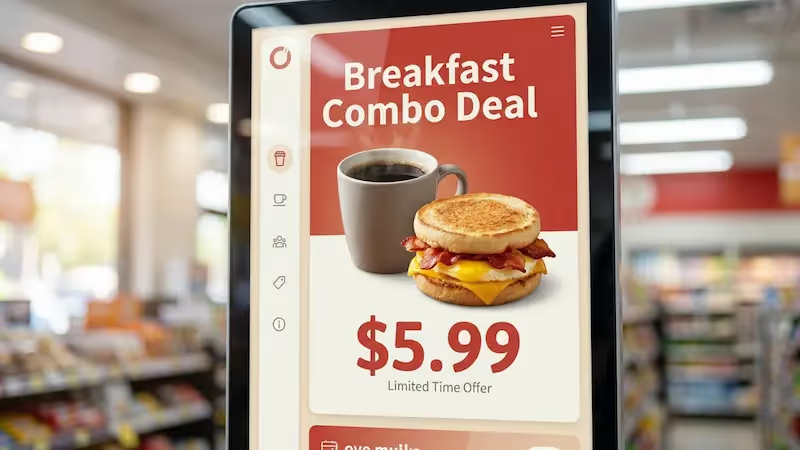
Digital and LED signs are among the most dynamic forms of exterior signage. They use LED or LCD technology to display animated or rotating content instead of a static image. Messages can be updated quickly without printing new materials, making them ideal for timely announcements, promotions, or live updates.
Moving visuals tend to draw more attention than static graphics, which suits audiences who quickly scan their surroundings. These signs are popular at entertainment venues, restaurants, plazas, and shopping centers. They can rotate ads, adjust to the time of day, or invite interaction with elements like QR codes, giving a modern feel that appeals to tech-aware customers.
What Should You Consider When Choosing Exterior Signage?
Choosing exterior signage is a key business decision that goes far beyond looks. You need to think carefully about how your sign will perform, last, and support your business goals. A strong plan covers both appearance and function-how the sign works in its location, how visible it is, and how well it supports the customer experience.
Ignoring these points can lead to signs that people don’t notice, don’t follow local rules, or wear out too quickly. Below are key elements to think through before you decide.
Location and Visibility
Where you place your sign is one of the most important decisions. Before you choose or design a sign, closely review the spot where it will go. Look at pedestrian and vehicle traffic patterns to find where people naturally look and move. The sign should sit at a height and angle where it is easy to see from a distance and not blocked by trees, poles, or other buildings.
Check how the sign will look from different distances and directions, and adjust layout or size if needed. Also pay attention to what sits behind the sign-brick, glass, sky-so that the edges stay clear and the design stands out from its background.
Size and Readability
Size directly affects how well people can read your sign. If the lettering is too small or crowded, people will miss it. While larger signs are usually easier to see, they still need to fit your storefront and local rules. Your letters must be big enough to read easily, even at a quick glance.
A common guide is that each inch of letter height is readable from about 10 feet away. For example, 10-inch letters can be read from roughly 100 feet. Also think about font style and spacing. Simple, clear fonts work better, and enough open space around text and images helps avoid a cluttered look. Avoid heavy cursive fonts or long phrases in all caps, as they can quickly become hard to read, especially for people driving by.
Compliance with Local Codes and Permits
Local sign rules are a major factor that many businesses overlook. Most cities have detailed rules about how big signs can be, how high they can go, how bright they can be, and where they may be placed. If your sign breaks these rules, you may face fines, be forced to change it, or even take it down.
Before you start, get familiar with your local sign codes and approval steps. Working with a professional sign company helps a lot, since they usually know the local laws and can handle drawings, paperwork, and permit submissions for you.
Lighting and Illumination
For your sign to work well, people must be able to see it during the day and at night, and in bad weather. This is where lighting comes in. You can light a sign from the inside, which is common with channel letters and cabinet signs, or from the outside with spotlights or floodlights.
For LED signs, you also have to manage heat through fans or vents so they run reliably. Good lighting or reflective materials turn your sign into a full-time salesperson, working 24/7. The type of lighting should match your brand style and help the sign stand out at night without creating glare or light pollution.
Brand Consistency in Design
Your exterior signage should clearly reflect your brand. It needs to match the overall feel you want people to get from your business-modern, classic, playful, luxury, and so on. That means keeping your colors, fonts, logo style, and tone consistent with the rest of your branding.
If you have more than one visible sign, they should all use the same basic design rules. This unity helps people recognize your brand quickly and builds trust. For example, a modern tech brand may choose sleek, backlit channel letters or digital displays, while a heritage brand might go for hand-painted wood or refined dimensional letters.
Durability and Maintenance
Outdoor signs must stand up to sun, rain, wind, and temperature changes. So you need hard-wearing materials and solid construction to keep them looking good and working well. Materials like brick, stone, anodized aluminum, and 316 stainless steel are common choices for harsher climates because they hold up better over time.
Even so, all signs need regular care. Routine checks help you spot early signs of damage, such as fading, cracks, or lighting failures. Simple cleaning with mild soap, adjusting timers for seasonal daylight changes, and checking brackets after storms all add years to the life of your sign and keep your brand looking professional.
Audience and Messaging
The best exterior signs are built around the people you want to reach. Think about your main customer group and what message will matter most to them. Your colors, fonts, and images should appeal to that group in particular.
For example, if you target families with young children, bright colors and playful images can work well. If your audience is mainly business professionals, a clean, simple, and elegant design is often more fitting. Your message should be short, clear, and easy to understand in a second or two, since most people will only glance at your sign.
How to Design Effective Outdoor Signs
Designing outdoor signs blends creativity with practical thinking. The goal is not just to make something attractive, but to create a sign that works-one that grabs attention and communicates clearly, even when people are moving quickly.
From basic design rules to color choices and placement, every decision affects how well your sign performs and how strongly it represents your brand.
Principles of Signage Design
Key principles for signage design include clarity, simplicity, and relevance. A strong sign should be easy to understand at a glance. Usually, that means using fewer words and focusing on the most important information. Too much text or too many images can overwhelm people and cause them to ignore the sign.
The design should suit the audience and connect directly with what the business offers. Layout also matters: use fonts that are easy to read and color combinations that support visibility. Well-known examples like GAP’s simple logo or New York City subway signs-with their clean typeface and color-coded lines-show how clear design makes information instantly recognizable and easy to follow.
Color Contrast and Typography
Color contrast and font choices strongly affect how readable your sign is. High contrast-such as dark text on a light background or light text on a dark background-helps letters stand out and makes them easier to read from a distance.
Typography is just as important. Sans-serif fonts are generally easier to read on outdoor signs because they are simpler and cleaner. The height and spacing of the letters must match the expected viewing distance, and crowding too many letters together makes the text hard to scan. Avoid overly decorative fonts, which may look stylish up close but become unreadable at speed.

Placement for Maximum Impact
The location of your sign can determine how well it works. Studies and industry experience show that even a well-designed sign will fail if it’s placed in the wrong spot. To get the most value, you need to review how cars and people move in the area and choose a location with strong sightlines.
The sign should be mounted high and angled enough to be seen from likely approach routes. Also think about the background so the sign doesn’t blend in. Lighting or reflective materials help keep the sign visible after dark, turning it into a constant guide for your business.
Digital Signage Content Strategies
Digital and LED signs introduce a new layer of planning: content strategy. Unlike static signs, digital displays can change content frequently, which opens up more options for tailored messages. You can rotate ads, share live updates, or connect with people using QR codes.
To get the best results, use strong visuals and keep text short. Many studies show that visuals perform much better than text alone, with a mix of about two parts visuals to one part text often working well for engagement. Digital Out-of-Home (DOOH) advertising can also change messages based on time of day, weather, or events, and audience data can help you test and refine which content works best.
What’s Involved in the Exterior Signage Process?
Creating exterior signage is a step-by-step process, from the first idea to final installation. Each stage needs care, attention to rules, and skilled work. Knowing what’s involved helps you set realistic timelines, budgets, and expectations, and it makes it easier to work smoothly with sign professionals.
From the first site visit to the finished sign on your building, every phase plays a role in producing a result that truly supports your business.
Site Survey and Planning
The process usually starts with a detailed site survey. At this stage, sign professionals visit your location to review the physical space, check power sources, inspect wall strength, and study how people and cars approach the building. They look at sightlines from different angles to decide what type and size of sign will work best.
Planning also includes learning about your brand, your goals for the sign, and any messages you want to feature. This joint effort helps shape a solution that fits both your business and your site conditions.
Permitting and Legal Requirements
After planning, the next step is handling permits and legal rules. Most local governments have sign codes that define allowable sizes, heights, lighting levels, and installation methods. Ignoring these can lead to fines, delays, or removal of the sign.
Sign companies often manage this process by checking the rules, preparing drawings, and submitting applications to the city. This step protects your budget and schedule and gives you confidence that your sign will be legal and approved.
Fabrication and Installation Steps
Once designs are approved and permits are in place, the project moves into fabrication and installation. Fabrication means building the sign using chosen materials like metal, acrylic, vinyl, and electronic components. Craftspeople cut, shape, paint, wire, and assemble the units with care so that the finished product matches the approved design and meets safety standards.
Installation is then planned to cover hardware needs, access equipment like lifts, electrical hookups, and anchoring methods. On installation day, the crew mounts the sign, connects power if needed, seals joints, and tests lighting and stability. It often ends with a review with the client, where they go over basic maintenance and confirm everything looks and works as expected. For brands with many locations, this same process can be repeated or scaled to keep signage consistent.
Typical Timeframes for Installation
Timelines for exterior signage can vary a lot. Simple projects like window graphics or A-frame signs might be finished in a few days or a week. Larger or more complex signs-such as custom channel letters, monument signs, or digital displays-take longer.
The permit phase alone may take weeks or months, depending on local review speed. Fabrication can range from a couple of weeks for standard designs to several months for complex or very large signs. Actual installation often takes one or two days but must be timed around weather and site access. Because of this, many businesses start planning major signage projects several months before they want the sign in place.
How to Keep Your Exterior Signs in Top Condition
An exterior sign is a major investment and always visible to the public, so keeping it in good condition is important. A neglected sign can fade, break, or look dirty, which can make your business seem less professional. A small amount of regular care helps protect both appearance and function.
Knowing what routine maintenance to do, how to handle damage, and when to call a professional will help you get the longest life and best performance from your exterior signage.
Recommended Maintenance Routines
Even the strongest signs need regular care. Routine checks help you spot problems early, such as fading, peeling paint, rust, or lighting failures. Washing the sign face with mild soap and water removes dirt and pollution that can dull the colors or block the message. For painted aluminum and vinyl, gentle cleaning is especially important to protect the finish.
For lit signs, review timers and photocells and adjust them as daylight hours change so the sign comes on at the right time. After storms or high winds, it’s smart to inspect the mounting hardware and structure. A steady maintenance plan will extend the life of your sign and keep your brand looking sharp.
Repairing Damaged or Faded Signs
Over time, exposure to sun, rain, and wind can cause signs to fade or break. When you notice damage, address it quickly so a small issue doesn’t become a big repair. Faded surfaces can often be restored with repainting or by replacing faces, panels, or vinyl graphics. Cracks or chips may require part replacement or structural repairs.
With illuminated signs, flickering lights or dark sections usually point to electrical problems or failing LEDs or transformers. These components can often be replaced without rebuilding the entire sign. If you are also updating your branding, you might keep the frame and structure while refreshing only the faces and graphics to save money.
When Professional Help Is Needed
While staff can handle simple cleaning and basic checks, many issues call for a professional. If you’re facing a tight deadline, confusing code requirements, a difficult mounting surface, or complex electrical work, a sign company is your safest choice. They have the skills, tools, and safety training to tackle tricky jobs.
For major repairs, electrical troubleshooting, or structural work, trying to fix things yourself can be risky and may void any warranties. A qualified sign team helps protect your staff, your building, and your investment, and makes sure the sign continues to meet both safety standards and local regulations.
Key Takeaways for Choosing Exterior Signage
Exterior signage is far more than decoration on your building. It is a working asset that constantly attracts attention, shares information, and shapes how people see your brand. From the first glance at your storefront, your sign starts telling a story about your business, setting expectations, and inviting people in.
Thoughtful use of exterior signage supports long-term visibility and trust. It helps you make a strong first impression, stand apart from competitors, and express what makes your brand unique without saying a word. By carefully planning location, design, materials, lighting, and legal compliance, you turn a simple display into a key part of your marketing. In a marketplace full of choices, a clear, well-designed exterior sign can be the guide that leads customers to you-day after day.