Table of Content
How can physical stores compete with the convenience of online shopping? The answer lies in transforming your location from a simple sales point into a destination that offers experiences a website cannot replicate. By combining "curb appeal" with digital visibility and operational efficiency, you can turn casual passersby into loyal, repeat visitors.
Attracting more visitors requires a mix of traditional retail tactics and modern tools. Whether you are running a boutique or a multi-location network, the goal is to make your brand the most attractive option on the block.
What is Retail Foot Traffic?
Retail foot traffic is the number of people who enter your physical store during a specific timeframe. It is a fundamental metric for brick-and-mortar success, representing your pool of potential customers. Stores often track this using door counters, sensors, or software that analyzes movement patterns.
Beyond raw numbers, foot traffic indicates relevance. High numbers suggest your location and marketing are working. However, the ultimate goal is to convert these visitors. Foot traffic brings people to the door; your layout, pricing, and service must turn that interest into revenue.
Why Does Foot Traffic Matter for Retail Stores?
Foot traffic is critical because it represents immediate sales opportunities. A person inside your store is a "warm lead" who has already made the effort to visit. Unlike a web visitor who can close a tab instantly, an in-store shopper is immersed in your brand environment, making impulse buys and larger basket sizes more likely.
Physical visits also build trust. When customers can handle products and speak to staff, they form a connection that digital ads rarely achieve. A lively store acts as a social hub, helping your brand become part of the local community rather than just another transaction.
What Factors Influence Foot Traffic in Retail Stores?
Various factors affect how many people walk through your doors. Understanding these allows you to adjust your operations, staffing, and promotions to keep numbers steady.
Location and Accessibility
Visibility is key. A store in a high-traffic area naturally benefits from people who weren't specifically looking for you but decided to stop in. Accessibility is just as important; if parking is difficult or the entrance is obscured, even loyal customers may choose a more convenient option.
This includes physical accessibility. Stores in pedestrian-friendly zones usually see higher engagement. Ensure your entrance is welcoming, well-lit, and barrier-free to encourage spontaneous visits.
Storefront Appeal and Visual Merchandising
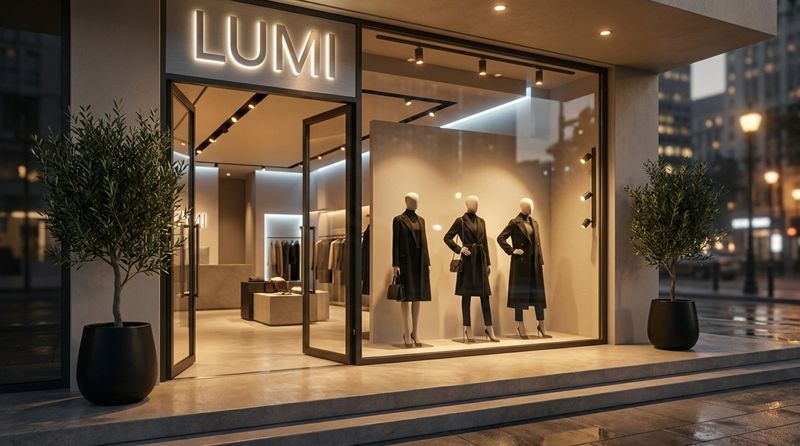
Your storefront needs to communicate your value in seconds. Effective visual merchandising uses lighting, color, and storytelling to create an emotional hook. A neglected window display suggests that the experience inside will be equally underwhelming.
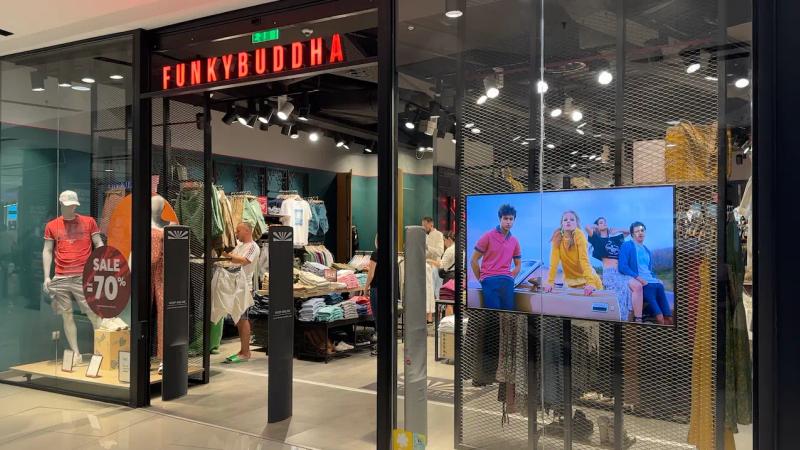
To keep attention, displays must change frequently. This is where digital signage software can help. Replacing static posters with high-brightness screens allows you to update messaging instantly-catching the eye with motion and ensuring your offers are never outdated.
Seasonal Trends and Local Events
Traffic ebbs and flows with the calendar. A local festival might bring crowds to your street, while extreme weather keeps them away. Agile retailers align their promotions with these events.
Beyond major holidays, consider micro-seasons like back-to-school or local sports schedules. Aligning your in-store messaging with the community's current focus makes your store feel relevant and timely.
Competitor Presence
Nearby competitors can actually be beneficial. Clusters of similar shops create a shopping destination, drawing larger crowds than a standalone store might. However, you must differentiate yourself.
If a neighbor offers lower prices, compete on experience or service. Observe their window displays and promotions, then offer something they lack to give shoppers a clear reason to choose you.
Customer Experience and Convenience
Convenience is a major driver of foot traffic. Shoppers favor stores that are easy to navigate and staffed by helpful teams. Negative reviews regarding long lines or messy aisles travel fast and can deter future visitors.
The sensory "feel" of the shop-lighting, music, and temperature-also plays a role. A comfortable environment encourages people to stay longer and return often.
What Are Common Challenges for Increasing Retail Foot Traffic?
Even with solid strategies, retailers face headwinds driven by technology and shifting habits. Addressing these challenges requires more than just sales and discounts.
Changing Consumer Behavior
Shoppers are more informed than ever. Many practice "webrooming"-researching online before visiting. They arrive with specific expectations. If inventory doesn't match what they saw online, they may leave frustrated.
Patience is also shorter. The friction of traveling to a store competes with the ease of one-click ordering. You must prove that the in-store visit offers value that justifies the trip.
Online Competition
E-commerce giants often win on price due to lower overheads. Physical stores cannot always compete on margins, so they must compete on immediacy and tangibility.
Focus on the benefits the internet cannot provide: instant gratification (taking the item home now), tactile inspection, and face-to-face expertise. Highlight these advantages in your marketing.
Operational Limitations and Staffing
Your store’s performance relies on your team. Understaffing or lack of training leads to poor service, which kills foot traffic over time. If customers cannot get help, they are unlikely to return.
Operational consistencies, such as stock levels and reliable checkout systems, are equally vital. A reputation for being "always out of stock" will reduce visits significantly.
Proven Strategies to Increase Foot Traffic in a Retail Store
Driving traffic requires active management. Combining the following strategies can help you attract new customers and keep regulars coming back.
Host In-Store Events, Workshops, and Community Activities
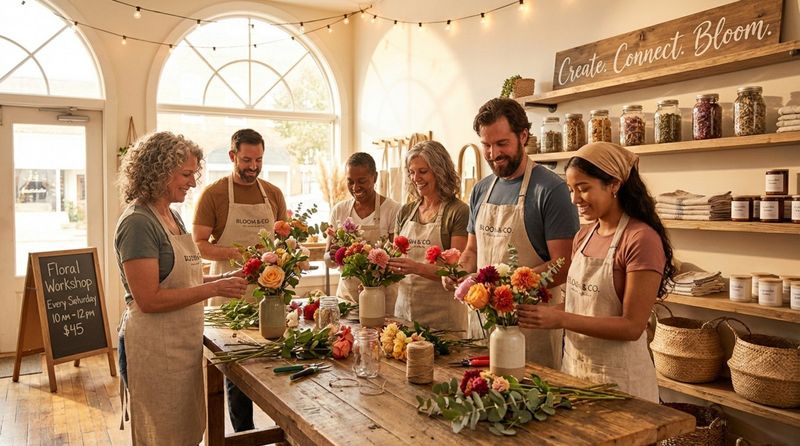
Transform your space into a destination. Hosting events like product demos, classes, or meetups gives people a reason to visit that isn't purely transactional. This builds community and dwell time.
Events create a "fear of missing out" (FOMO). Passersby seeing activity inside are more likely to enter out of curiosity. Promoting these events through local channels drives awareness.
Run Exclusive In-Store Promotions and Limited-Time Offers
Give online audiences a reason to get off the couch. Promotions available only in-store can drive immediate traffic. Flash sales or "happy hour" discounts are effective tactics.
Use urgency. If a deal is available all month, customers will procrastinate. Limited-time offers encourage immediate action.
Improve Window Displays and Maintain Storefronts
Your window is your 24/7 salesperson. Keep it clean, bright, and updated. Static cardboard displays can fade and become background noise; keep the visual story fresh.
Basic maintenance signals quality. Clean glass, well-lit signage, and a clutter-free entrance invite people in. Neglect outside suggests neglect inside.
Build Local Partnerships and Collaborations
Leverage the audiences of non-competing local businesses. A coffee shop might partner with a bookstore for cross-promotions. This allows you to reach new potential customers who already trust your partner.
Pop-ups are another excellent tool. Inviting a local artisan to set up a temporary table in your store brings their followers into your space, adding variety for your regular shoppers.
Offer Click-and-Collect and In-Store Returns
Bridge the gap between digital and physical with "Buy Online, Pick Up In-Store" (BOPIS). This offers customers the ease of online browsing with instant availability. Once inside, pickup customers often browse and add items to their order.
Accepting in-store returns for online purchases is also valuable. It turns a potential refund into an exchange opportunity and brings a customer back into your sales environment.
Launch Loyalty and Referral Programs
Incentivize frequency. A loyalty program that rewards visits-not just spend-encourages habit formation. Simple perks for checking in can increase footfall.
Referral programs leverage word-of-mouth. Offering a discount to customers who bring a friend helps you acquire new leads with high trust levels.
Upgrade Store Ambiance and Layout for Better Flow
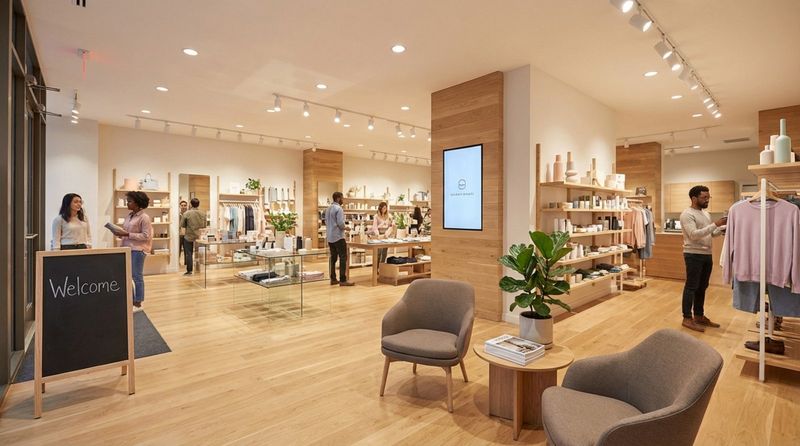
Your layout directs the customer journey. positioning high-demand items at the back draws people through the store, increasing exposure to other products. Ensure aisles are wide enough to be comfortable.
Ambiance matters. Lighting should flatter the products, and music should match the brand energy. A pleasant environment reduces stress and keeps shoppers browsing longer.
Provide Personalized and Memorable Customer Service
In an automated world, human connection is a differentiator. Train staff to recognize regulars and offer genuine advice. This personal touch builds emotional loyalty that algorithms cannot match.
Small gestures-offering a drink, holding a door, or carrying bags-create a service experience that customers will mention to friends.
Introduce Technology-Driven Shopping Experiences
Modernizing your in-store communication can significantly impact how customers perceive your brand. Replacing printed posters with digital displays allows for dynamic, eye-catching content that can be updated in minutes from anywhere.
Look Digital Signage (Look DS) is a cloud-based solution designed to help retailers manage screens easily. It fits well for businesses that want to modernize their storefronts and interiors without complex IT setups. Here is how it supports retail foot traffic:
- Ready-made Templates: You can quickly create professional promotions for sales or events using the library of templates, keeping your window displays fresh without hiring a designer.
- Smart Scheduling: Automate your content to match the time of day. You can schedule breakfast deals for the morning and happy hour promos for the evening, ensuring the right message hits the right audience.
- Screen Layouts: Use split-screen layouts to show a promotional video alongside a live social media feed or weather updates, maximizing the information you deliver on a single screen.
- Offline Playback: Look DS caches content locally, meaning your screens keep running reliably even if the internet connection drops, ensuring your marketing never goes dark.
Stay Active on Social Media and Use Influencer Marketing
Social media drives physical visits. Post regularly about new arrivals and store culture. Use location tags so people searching for local shopping find you.
Local micro-influencers can also be powerful. If a local figure posts about their visit to your store, it validates your brand to their local followers.
Use Google My Business and Local Search Optimization
Ensure you are visible when people search "stores near me." A verified Google My Business profile with current hours, photos, and reviews is essential. Active management of reviews shows you care about customer feedback.
On your website, clearly list your location and neighborhood. This helps search engines connect your digital presence to your physical address.
Run Seasonal Sales and Themed Decorations
Visual changes signal "newness." Rotate decorations to match seasons or holidays. This breaks the visual monotony for regular passersby.
Turn sales into events. Rather than just discounting items, theme the sale to create an atmosphere. Music and decor can make a standard clearance feel like a special occasion.
Add Fun Photo Opportunities and Shareable Moments
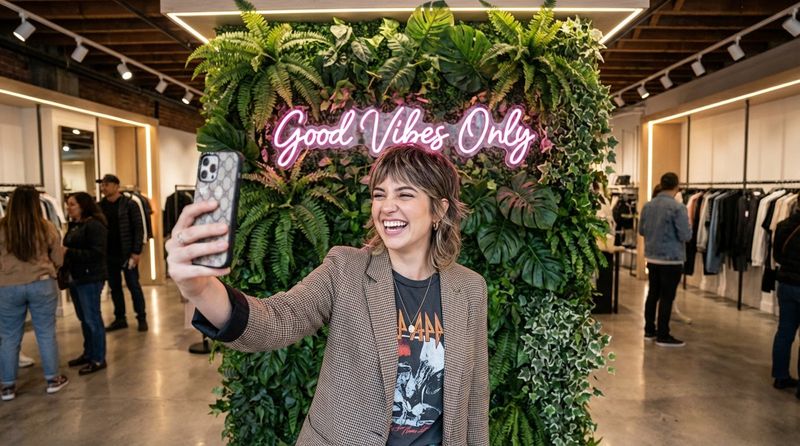
Create spaces designed for social sharing. A unique wall mural, neon sign, or installation encourages customers to take photos. When they tag your store, they provide free advertising to their network.
These "Instagrammable" spots can become destinations in themselves, drawing in people who want to capture the content.
How to Retain Foot Traffic and Encourage Repeat Visits
Acquiring a visitor is the first step; retaining them is where profitability lies. It is generally more cost-effective to retain an existing customer than to find a new one.
Follow Up with Thank-You Notes and Digital Communication
Extend the relationship beyond the exit door. Collecting email addresses (with permission) allows you to send follow-up thank-you notes or surveys. This keeps your brand top-of-mind.
Newsletters should offer value, not just sales pitches. Share product care tips or industry news to position your brand as a helpful resource.
Offer Incentives for Future Visits
Bounce-back offers-coupons valid only during a specific future window-give customers a reason to return quickly. This helps build a habit of visiting.
Consider incentives for sustainable behaviors, like bringing reusable bags or recycling packaging. This aligns your brand with positive values while encouraging return trips.
Engage Customers with Ongoing Education and Events
Position your store as a hub of expertise. Regular workshops or "expert hours" give customers a reason to visit for advice, not just products. This establishes trust and authority.
Consistent event schedules (e.g., "First Friday" demos) help customers plan their visits, creating predictable traffic spikes you can prepare for.
Best Practices for Getting the Most from Increased Foot Traffic
Driving traffic is only half the battle. You must be operationally ready to capitalize on the increased visitor count.
Plan Staff Scheduling Around Busy Times
Analyze your traffic data to identify peak hours. Schedule your strongest staff during these times to maximize conversion. Understaffing during a rush leads to lost sales and frustrated customers.
Proper scheduling also prevents burnout. A well-rested team provides better service, which directly impacts customer retention.
Measure and Analyze Foot Traffic Data
Data drives decisions. Use counters and analytics to understand flow. Correlate this data with your marketing activities to see which campaigns actually drove physical visits.
If you use digital signage, platforms like Look DS can provide proof-of-play reports, helping you understand which messages were displayed during peak traffic times.
Improve Store Conversion Rates
Traffic without sales is vanity. Focus on conversion optimization. Ensure popular products are easy to find and that the checkout process is frictionless. Train staff on simple, helpful sales techniques.
Clear signage is vital. If shoppers cannot navigate your store, they will leave empty-handed. Use clear category markers to guide exploration.
Regularly Refresh Store Features and Merchandise
Stagnation kills interest. Even without new inventory, rotating displays and changing layouts creates a fresh experience. Regular customers should notice something different every few visits.
Update sensory elements like playlists or scents periodically. Small, low-cost changes keep the environment feeling dynamic.
Frequently Asked Questions About Boosting Retail Foot Traffic
Should Small Businesses Use the Same Strategies as Large Retailers?
The principles are similar, but execution differs. Small businesses should leverage their agility and personal connection. While you may not have the budget for massive ad campaigns, you can win on community engagement, local partnerships, and personalized service.
Small retailers can also react faster to trends. You can launch a flash sale or change a window display in an afternoon, whereas large chains often face bureaucratic delays.
What Is the Most Cost-Effective Way to Increase Foot Traffic?
Optimizing your Google My Business profile is free and highly effective for local discovery. Simple improvements to curb appeal, such as cleaning windows and using clear signage, also offer a high return on investment.
Social media content that showcases your store's personality is another low-cost driver. Authentic, behind-the-scenes content often performs better than polished ads.
Can Technology Replace Traditional Methods to Attract Shoppers?
Technology should enhance, not replace, fundamentals. A digital screen is a powerful tool, but it cannot fix a messy store or rude service. The best approach combines reliable tech-like digital signage for communication and POS systems for speed-with excellent human hospitality.
Looking ahead, the "third place" concept will continue to grow. Shoppers seek spaces that offer comfort and connection. Retailers that combine efficiency with a welcoming, sensory-rich environment will see the most consistent foot traffic. By using tools like Look DS to manage your messaging and focusing on the human experience, you can ensure your store remains a preferred destination.