Table of Content
How can you turn passersby into customers and keep your audience engaged without constantly increasing your headcount? Signage advertising bridges the gap between your brand and your potential clients, acting as a visual communication tool that works around the clock. Whether you rely on traditional printed banners or modern cloud-based digital screens, effective signage captures attention, provides direction, and drives action the moment it matters most.
To use signage effectively, you need to view it as more than just decoration; it is a blend of clear design, psychology, and marketing strategy. It relies on three core components: strong visuals, a specific message, and a defined audience. By placing these elements in high-traffic locations, businesses can gain exposure that online ads often miss. In a distracted world, clear and consistent signage remains one of the most reliable ways to build brand presence.

What Is Signage Advertising?
Is Signage Considered Advertising?
Yes. Signage is clearly a form of advertising when its primary goal is to promote a product, service, or brand. While some signs are purely functional-like restroom or exit markers-commercial signage is designed to catch interest and encourage sales. It acts as an always-on marketing channel, visible to everyone in the physical space, offering a level of repeat exposure that is hard to replicate elsewhere.
Whenever a business uses a billboard, window display, or digital screen to feature a special deal, they are utilizing signage advertising. This is particularly effective in retail environments as point-of-purchase advertising-encouraging impulse buys and reinforcing brand messaging right when customers are making decisions. Because it lives in the physical world, it reaches a broad audience without relying on digital targeting algorithms.
How Does Signage Differ from Signs and Banners?
While often used interchangeably, these terms have distinct meanings. A "sign" is a single object-a standalone item providing specific information, like a nameplate or a menu board. "Signage" is the collective term for a system of signs working together as part of a larger communication strategy. For example, the arrows, room numbers, and directories in a hospital collectively form its wayfinding signage system.
Banners are a specific format of signage. Usually printed on flexible materials like vinyl or fabric, banners are typically used for temporary needs such as grand openings or seasonal sales. While a building’s main sign is a permanent fixture, a banner is a flexible tool for high-impact, short-term campaigns. Understanding these differences helps you choose the right format for your specific goal.
What Are the Main Functions of Signage?
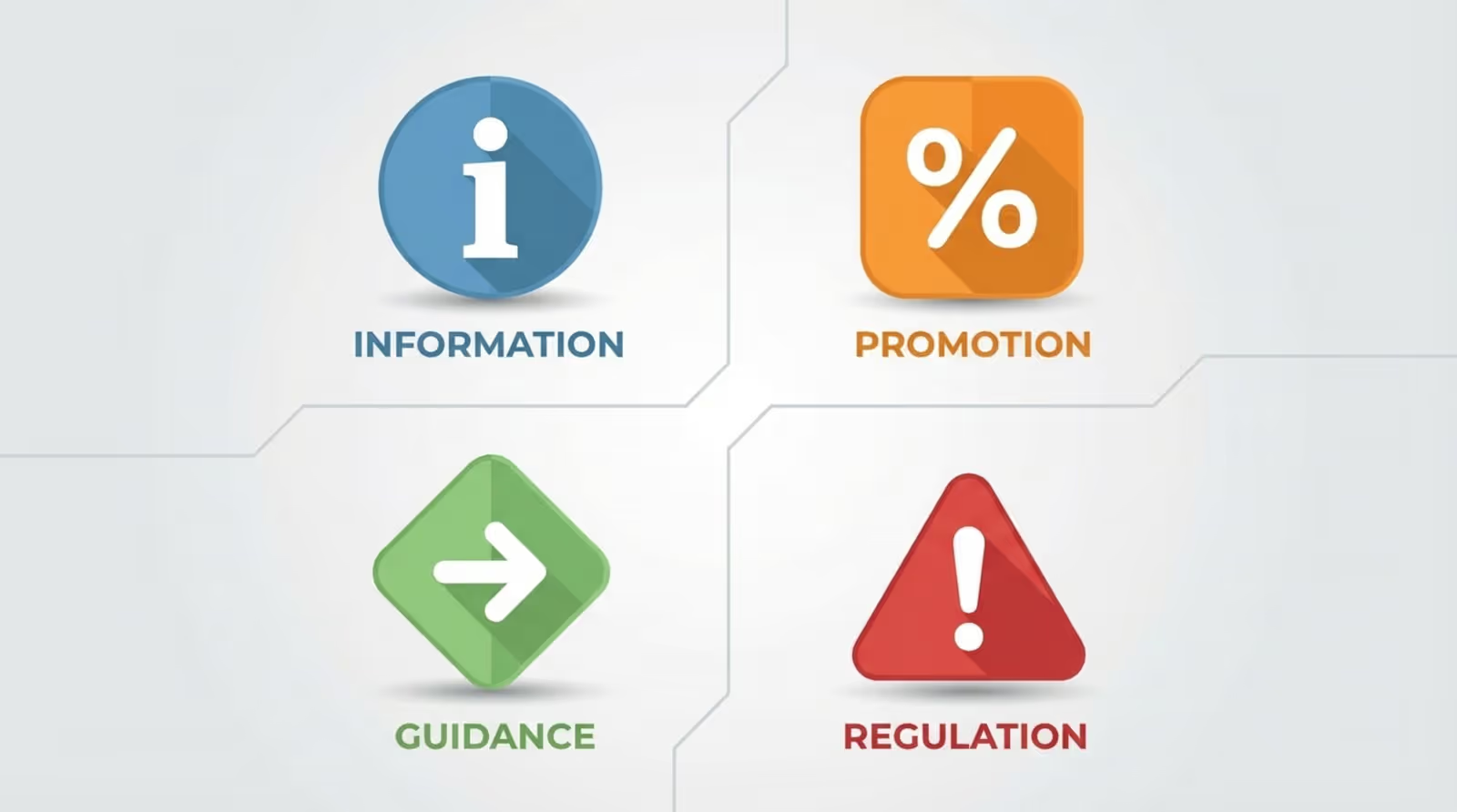
Signage generally falls into four main functional categories: information, promotion, guidance, and regulation. Informational signs provide essentials like opening hours or policies. Promotional signs are the revenue drivers, built to advertise sales and attract new customers with bold visuals.
Beyond advertising, signage is critical for wayfinding, helping people navigate complex spaces like malls or campuses without confusion. Regulatory and safety signage ensures compliance and keeps people safe by displaying warnings and emergency procedures. When these functions work in harmony, they create a professional environment that improves the overall customer experience.
Why Businesses Use Signage in Advertising
Attracting New Customers
One of the primary reasons to invest in signage is its ability to drive foot traffic. A striking window display or a well-placed sidewalk A-frame can stop someone in their tracks. It serves as an invitation, turning a passerby into a visitor.
Signs in high-visibility areas act as beacons. With the right contrast and design, your business cuts through the visual clutter of the street. Industry observations consistently show that clear, visible signage correlates with higher foot traffic by sparking curiosity and providing a clear next step for the consumer.
Building Brand Identity
Signage is a powerful tool for reinforcing brand identity. By consistently using your logo, color palette, and typography, you cement your brand in the customer's mind. Major global brands use signage to ensure their locations are instantly recognizable, regardless of the city or country.
Repeated exposure builds recall. When a customer sees the same visual language on a highway billboard, a storefront, and a digital display inside, it builds familiarity and trust. This consistency keeps your brand top-of-mind, ensuring that your signage serves as a long-term branding asset.

Promoting Products and Services
Businesses use signage to highlight new arrivals, services, and limited-time offers. Digital screens are especially useful here, allowing you to rotate menus or promotions without printing new materials. Signage delivers a direct pitch to customers-communicating value without requiring a staff interaction.
In retail, promotional signage placed near checkouts is excellent for triggering impulse purchases. By displaying benefits or bundles clearly, these signs can increase the average transaction value. The ability to update content quickly-especially with digital solutions-allows businesses to react to inventory levels or trends in minutes.
Supporting Wayfinding and Directional Needs
Confusion kills customer experience. Directional, or wayfinding, signage is essential in large facilities like hospitals, corporate offices, and transport hubs. By clearly pointing the way to specific departments, restrooms, or exits, you reduce frustration and create a welcoming atmosphere.
Effective wayfinding also reflects well on your brand operations. A logical sign system demonstrates that you value your visitors' time and comfort. When people can navigate your space effortlessly, they are more likely to have a positive perception of your business and return in the future.
Enhancing Visual Appeal of Premises
Signage contributes significantly to the aesthetics of a location. A high-quality illuminated sign or a modern digital lobby display can transform a plain space into a professional environment. It signals that the business is established and pays attention to detail.
In many cases, signage is an architectural element. It can complement a building’s style or modernize an older storefront. By improving the visual appeal of your physical space, you elevate the perceived value of your brand and attract a clientele that appreciates quality.
What Are the Categories of Signage?
Informational Signage
Informational signage provides the answers to common questions before they are asked. This includes business hours, Wi-Fi details, and service lists. In sectors like healthcare and hospitality, clear informational signage streamlines operations and keeps guests informed.
Examples include digital menu boards, safety protocols in warehouses, and directory maps. By providing this data upfront, you reduce the workload on your staff and help customers make decisions faster.
Directional Signage
Directional signage is purely functional: getting people from point A to point B. In large venues like stadiums or airports, these signs are critical, often utilizing universal icons to bridge language barriers.
Good directional signage prevents bottlenecks and reduces the need for staff to act as guides. Whether it is floor graphics leading to a clearance section or overhead signs pointing to elevators, these visual cues maintain order and flow.

Regulatory and Safety Signage
Regulatory signage is often mandatory to ensure safety and legal compliance. These signs highlight hazards, mandate actions (like wearing PPE), and outline emergency egress routes. You will see these prominently in factories, kitchens, and construction sites.
These signs prioritize visibility, often using standard high-contrast colors like red and yellow. While their primary role is safety, they also protect the business by demonstrating due diligence in warning visitors and staff about potential risks.
Promotional Signage
Promotional signage is the most aggressive form of advertising in this mix. Its goal is to sell. This category includes billboards, window graphics, and point-of-sale displays. These signs utilize persuasive copy and strong imagery to capture attention quickly.
Because promotional signage competes for attention, the design must be sharp. The most effective examples use urgency or compelling visuals to drive an immediate action, such as entering a store or scanning a QR code.
Types of Signage Used in Advertising
Outdoor Signage
Outdoor signage is your first handshake with the public. It needs to be large enough to be seen from a distance and durable enough to withstand the elements.
Billboards
Billboards remain a staple for mass visibility. Positioned along highways or in city centers, they target drivers and pedestrians alike. Because the viewing time is short, billboards rely on minimal text and maximum visual impact to convey a message in seconds.

Shop Fronts and Building Signs
Your main exterior sign is the anchor of your physical presence. It introduces your brand and sets expectations. A clean, illuminated shop front invites customers in, while a neglected sign can deter them. These are often backlit to ensure visibility around the clock.
A-Frames and Sidewalk Signs
A-frames, or sandwich boards, are portable signs targeting foot traffic. Cafes and boutiques use them to highlight daily specials or direct people into an entrance. Placed at eye level on the sidewalk, they are highly effective at capturing local attention.
Flags and Banners
Flags and banners add movement to your outdoor advertising. Flags catch the eye naturally as they move in the wind. Banners are ideal for temporary announcements, offering a cost-effective way to broadcast events or sales without a permanent installation.
Indoor Signage
Once inside, signage dictates the customer journey and reinforces the brand atmosphere. Indoor signs can afford to be more detailed, as viewers typically have more dwell time.
Wall-mounted Signs
Wall-mounted signs utilize vertical space for branding or information. In corporate offices, they might display the company logo behind a reception desk. In retail, they categorize sections or highlight featured brands. Materials range from acrylic to metal, often chosen to match the interior design.
Window Graphics
Window graphics utilize glass surfaces for advertising. Decals and vinyl stickers can promote sales, provide privacy, or add decorative branding. This allows you to monetize your window space without completely obstructing the view into your store.
Roll-up Banners
Roll-up banners are the standard for portability. Common at trade shows and events, they are easy to transport and set up in minutes. They provide a significant vertical canvas for information, making them perfect for explaining product features or service tiers.
Digital Signage
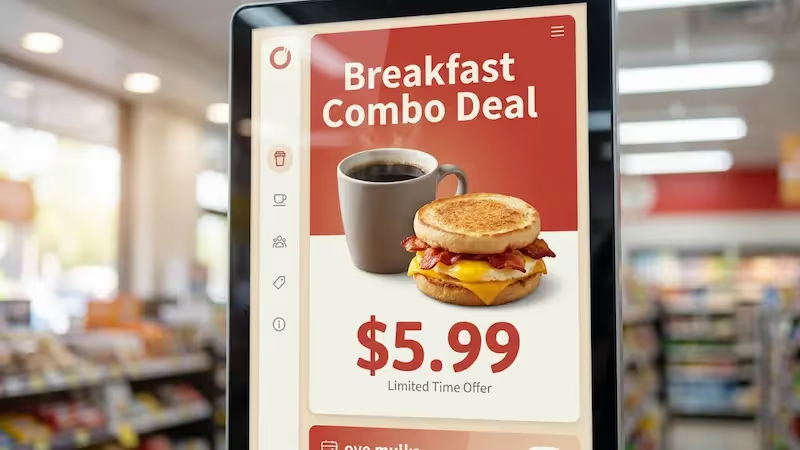
Digital signage transforms static spaces into dynamic communication channels. By using screens, businesses can display unlimited content without printing costs.
Digital Screens and Kiosks
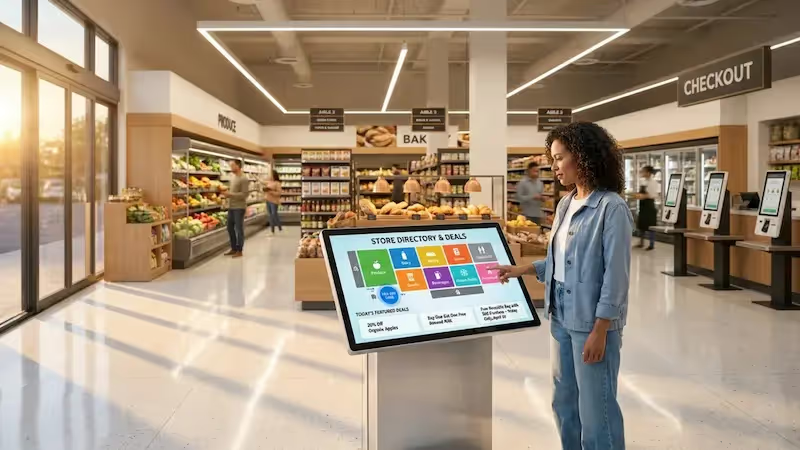
Screens are increasingly common in lobbies, waiting rooms, and retail floors. A single screen can cycle through multiple messages, maximizing the utility of the space. Interactive kiosks take this further, allowing customers to check in, browse catalogs, or wayfind via touch.

Moving and Interactive Signs
Motion grabs attention. Digital signage allows for video and animation, which engage viewers more effectively than static print. Interactive scenarios, such as product builders or surveys, invite direct participation, turning a passive viewing into an active brand experience.
Key Elements of Effective Signage Design
Color and Contrast
Color influences emotion and visibility. Red often signals urgency, while blue conveys trust. Selecting the right palette ensures your sign aligns with the feeling you want your brand to evoke.
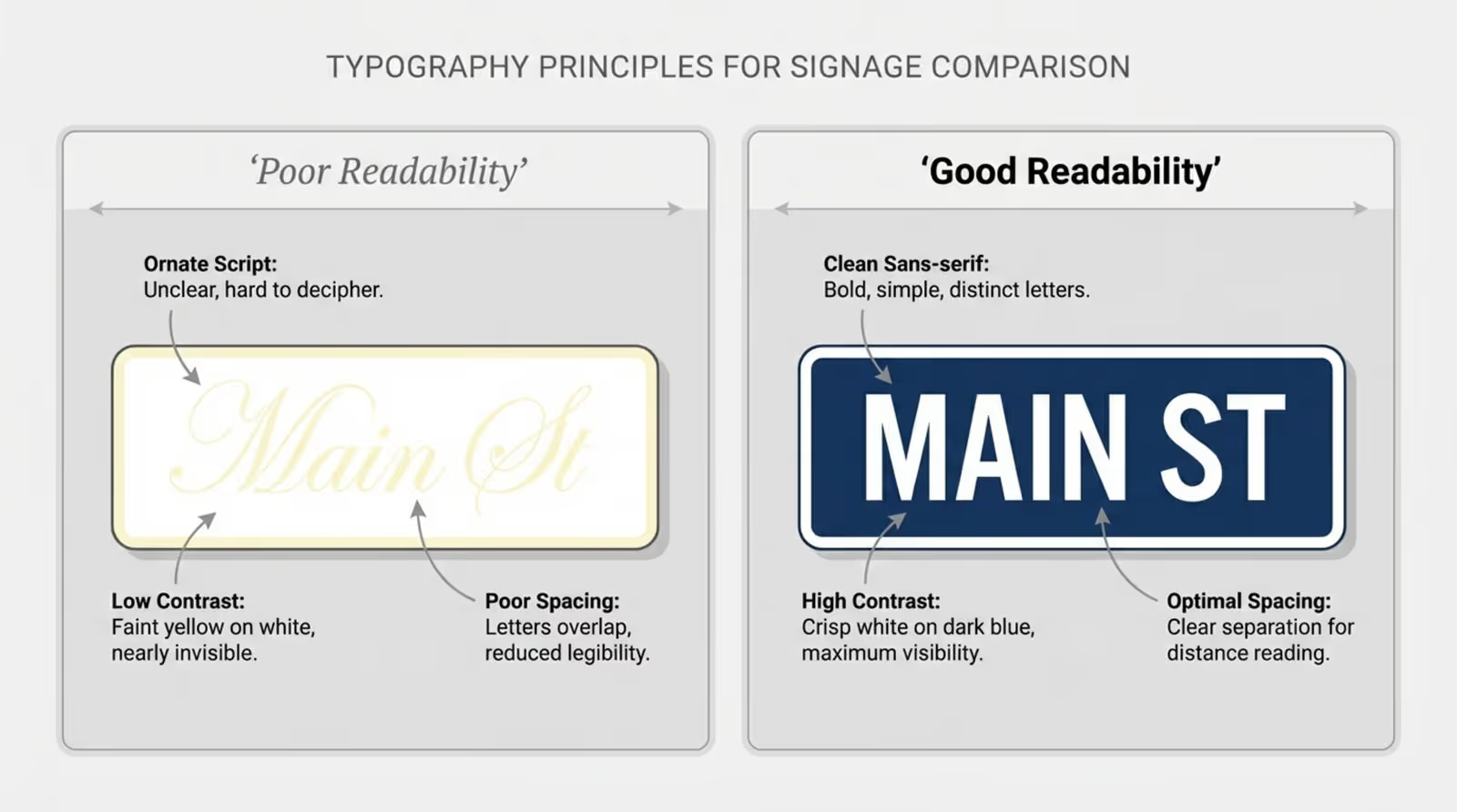
Contrast is non-negotiable for readability. High contrast between the text and background-such as dark text on a light background-ensures the message is legible from a distance. Poor contrast can render even the most expensive sign useless.
Typography and Readability
Typography sets the tone. While serif fonts can feel traditional, sans-serif fonts are generally preferred for signage due to their clean lines and readability at a distance. Simple fonts like Arial or Helvetica are industry standards for a reason.
A useful guideline is to keep the message brief. On outdoor signs, limiting text to seven words or fewer ensures that people moving past can absorb the message without slowing down.
Graphics and Visuals
Images communicate faster than text. High-quality visuals can transcend language barriers and clarify your offer instantly. However, visuals must support the core message; cluttering a sign with decorative elements dilutes the impact.
Resolution is critical. Always use high-definition images to maintain a professional appearance. Pixelated or blurry graphics suggest a lack of quality that can negatively impact brand perception.
Material and Durability
The choice of material dictates longevity. Outdoor signs require weather-resistant substrates like aluminum or treated plastics to prevent fading and warping. Indoor signs have more flexibility but should still reflect the quality of the brand.
Sustainability is also a growing factor. Using eco-friendly materials demonstrates corporate responsibility, which is increasingly important to modern consumers.
Sign Size and Placement
Size must correlate with viewing distance. A highway billboard needs massive text, while a shelf-talker can use small print. The sign must be large enough to be seen but not so large that it overwhelms the space.
Placement is equally vital. Signs should be positioned at natural eye levels and kept free of obstructions. Understanding traffic flow helps you place messages where they are most likely to be seen.
Branding Consistency
From your largest exterior sign to your smallest digital shelf label, consistency is key. Using the same logos, fonts, and colors across all touchpoints creates a cohesive brand experience. This uniformity builds trust and makes your business memorable.
Inconsistent signage confuses customers and dilutes brand equity. A unified approach ensures that every visual interaction reinforces your identity.
Steps to Create Impactful Signage
Researching Audience and Location
Start by defining the "who" and "where." Understand your target demographics-what appeals to them? A sign for a discount warehouse will differ vastly from one for a boutique hotel. Analyze competitors to see what works and identifying gaps.
Location surveys are essential. Check for visual obstructions like trees or other signs. Consider lighting conditions at different times of day. Checking local zoning laws early prevents costly compliance issues down the road.
Drafting and Reviewing Design Concepts
Move from sketches to digital mockups to test layouts. Experiment with different color combinations and font sizes. It is crucial to gather feedback at this stage-what makes sense to you might be unclear to a customer.
External review helps catch readability issues or confusing phrasing. Refine the design based on this feedback to ensure the final product is both attractive and functional.
Selecting Materials and Production Methods
Match the material to the environment. An outdoor sign in a coastal area needs different materials than one in a dry climate. For premium brands, materials like brushed metal or etched glass add perceived value.
Work with professional producers who can guide you on the best printing or fabrication methods. Whether it is digital printing, CNC cutting, or LED assembly, professional production ensures a clean, durable result.
Installation and Maintenance Best Practices
Proper installation ensures safety and longevity. Outdoor signs must be securely mounted to withstand wind and weather. Digital displays require secure cabling and ventilation. Lighting should be adjusted to ensure visibility without causing glare.
Maintenance is often overlooked. A dirty or broken sign harms your reputation. Regular cleaning and repairs are necessary to keep your brand looking its best. For digital signs, this also means keeping software and content up to date.
Advantages and Disadvantages of Signage Advertising
Benefits for Businesses
The primary advantage of signage is 24/7 visibility. Unlike a digital ad that disappears when the budget runs out, a physical sign works continuously. It provides constant exposure to anyone in the vicinity.
Signage is also highly cost-effective over time. Once installed, the cost per impression is incredibly low compared to ongoing digital ad spend. It acts as a permanent sales asset on your property.
Potential Drawbacks and Limitations
Static signage suffers from "sign blindness"-people stop noticing it after a while. To combat this, content needs to be refreshed, which can be costly with printed materials.
Inflexibility is another challenge. You cannot fix a typo or change a price on a printed banner without reprinting it. This lag time can be a disadvantage in fast-moving industries. Outdoor signs also depreciate due to weather exposure, requiring budget for eventual replacement.
Digital Signage: Modern Trends and Benefits
How Digital Signage Increases Engagement
Digital signage solves the flexibility problem of traditional print. By using screens, businesses can leverage motion and bright visuals to capture attention more effectively than static boards. Our eyes are naturally drawn to movement, making digital screens standout performers in busy environments.
Furthermore, digital signage allows for real-time updates. You can schedule content to change based on the time of day, weather, or inventory levels, ensuring your message is always relevant.
Bridging the Gap with Look Digital Signage
For businesses looking to modernize their advertising without complex IT projects, we recommend Look Digital Signage. Look DS is a cloud-based platform designed to help teams manage any screen, from anywhere. It addresses the common pain points of digital setups-complexity and reliability-with a suite of practical features.
Look DS offers Ready-made Templates that allow you to create professional, branded content in minutes, even without a designer. With Smart Scheduling, you can automate your playlists to show breakfast menus in the morning and happy hour promos in the evening, ensuring your screens are always driving the right sales. Additionally, Offline Playback ensures your content keeps running smoothly even if the internet connection drops, providing the reliability businesses need.

Comparing Static and Digital Signage
While static signs are excellent for permanent branding, digital signage is the superior choice for dynamic communication. For industries like retail, hospitality, and healthcare, the ability to update messages instantly often justifies the initial investment.
Tips for Maximizing Signage Impact on Branding and Sales
Aligning Signage with Marketing Campaigns
Your physical signage should not exist in a vacuum. It should mirror your online and print marketing efforts. If you are running a specific campaign on social media, your in-store digital screens and window graphics should reflect that same campaign.
This omnichannel approach reinforces the message. When a customer recognizes a promotion from their phone on your store's screen, it builds confidence and increases the likelihood of a purchase.
Avoiding Common Signage Design Mistakes
Overcrowding is the enemy of effective signage. Trying to say too much results in a sign that says nothing. Stick to one clear message and one call to action per sign. Ensure your color choices provide adequate contrast for readability.
Context matters. A sign placed in a dark corner or behind an obstruction is wasted budget. Always consider the line of sight and the speed at which people are passing by when determining placement.
Refreshing and Updating Signage Over Time
To fight sign blindness, you must keep content fresh. With digital signage, this is easy-you can simply update the playlist remotely. For static signs, rotate movable items like A-frames or window decals seasonally.
Small updates can make a big difference. Changing a headline, a background color, or a featured product can re-engage customers who may have tuned out your old signage. Keeping your visual communication active shows that your business is vibrant and attentive.
Frequently Asked Questions About Signage Advertising
What Is Commercial Signage?
Commercial signage refers to any visual display used by a business to market itself. This spans from large exterior branding to small internal point-of-sale signs. The goal is to increase visibility, attract traffic, and drive revenue.
How Do You Measure Signage Effectiveness?
While harder to track than digital clicks, effectiveness can be measured by monitoring foot traffic and sales volume following a new installation. Many businesses report tangible increases in visits and transaction values after upgrading their signage.
Is Billboard Advertising the Same as Signage?
A billboard is a specific type of signage, but not all signage is a billboard. "Signage" is the broad category encompassing all visual communication, whereas billboards are large-format outdoor advertising structures.
When Should You Use Temporary vs. Permanent Signs?
Use permanent signs for your core identity-business name, logo, and main wayfinding. Use temporary signs (or digital screens) for changing information like sales, events, or seasonal offers. A strong strategy utilizes both to balance stability with flexibility.
Technology and sustainability are reshaping how we think about physical advertising. From smart screens that adjust to the environment to energy-efficient displays, the medium is evolving. However, the core value remains: the first physical interaction a customer has with your business is often a sign. In an era of digital noise, a clear, well-placed sign acts as a trustworthy landmark. By treating signage as a vital part of your business infrastructure, you create a lasting connection with your community and your customers.