Table of Content
Advertising is changing fast, and media buyers are always looking for new and effective ways to reach their audiences. Digital advertising screens, a core part of Digital Out-of-Home (DOOH) advertising, have become a strong option, connecting real-world exposure with the measurable results of online campaigns. These are far more than big TVs. They are advanced electronic displays, usually using LED or LCD technology, placed where people gather, wait, or walk by in large numbers. For media buyers, learning how to use these screens well is no longer optional. It is a key part of building campaigns that connect with people and deliver clear, trackable outcomes.
Digital advertising screens stand out because they mix the visibility of classic billboards with the real-time control and data of digital marketing. Unlike static posters that are hard and costly to update or track, digital screens let you change creative, adjust targeting, and measure results from one central system. This guide explains how digital advertising screens work and gives media buyers the practical knowledge and strategies they need to use them to their full advantage.
What Are Digital Advertising Screens?
Digital advertising screens are electronic displays that show ads using LED or LCD technology. They are a major step forward from paper posters and vinyl billboards, giving advertisers a moving, changeable space to speak to people in physical locations. These screens are a main part of Digital Out-of-Home (DOOH) advertising, a sector that has grown quickly because it catches attention and generates measurable data.
DOOH began as a modern replacement for traditional outdoor posters. Brands quickly saw the value of instant updates and bright visuals on digital screens. Over time, the tech improved, and networks added software that lets advertisers schedule ads by time of day, location, and audience profile. This growth has turned DOOH into a flexible and high-performing channel for many types of campaigns.
Types of Digital Advertising Screens
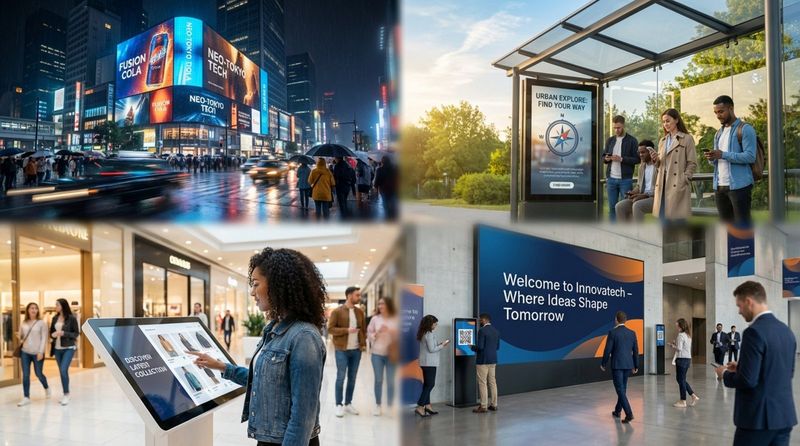
Digital advertising screens come in many forms, each suited to different spaces and types of audience behavior. Each type offers specific strengths and planning points for media buyers.
- Large-Format Digital Billboards
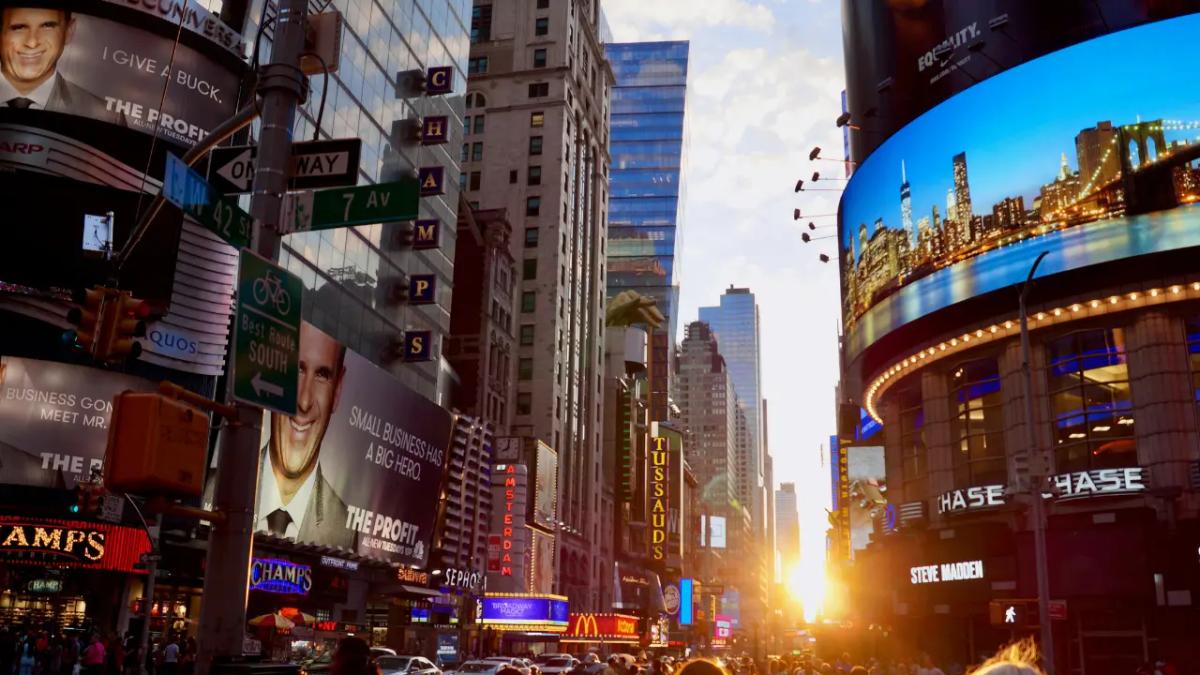
These are the giants of DOOH, often placed along highways and in busy city centers. These big LED boards reach huge numbers of people, so they work well for broad brand awareness. Creative on these units should be bold and simple, with very few words so drivers can read the message at a glance. Brands often treat these placements as premium options for maximum visibility. - Transit Screens
Found in airports, bus stops, train and subway stations, transit screens reach people on the go, but often while they are waiting. This makes them perfect for repeated exposure. They support “dayparting” - running different ads at different times of day - so you can speak to morning commuters differently from evening travelers and reach the same people many times. - Retail and Mall Displays
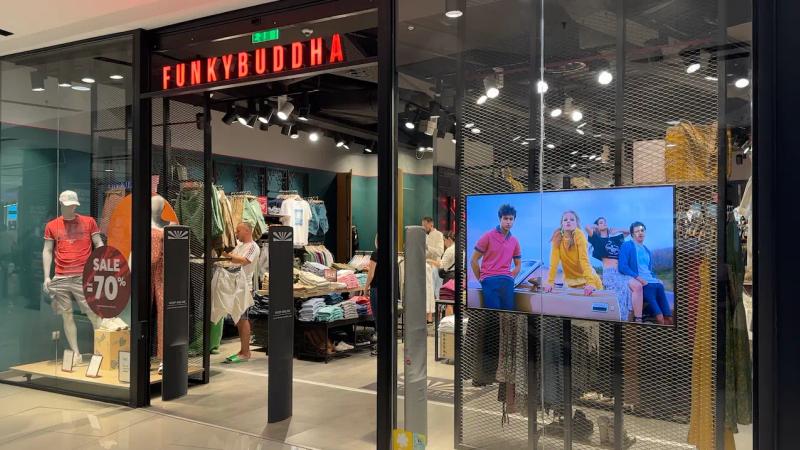
These screens sit close to purchase points and are great for promotions and interactive campaigns. Studies show that digital displays influence over 40% of shoppers, and some reports show up to a 33% lift in sales. Because they show information right where buying decisions happen, they can strongly affect what people choose. Many now include interactive features like games or product browsers, which can boost results and justify higher ad rates. - Indoor Screens in Corporate and Event Venues
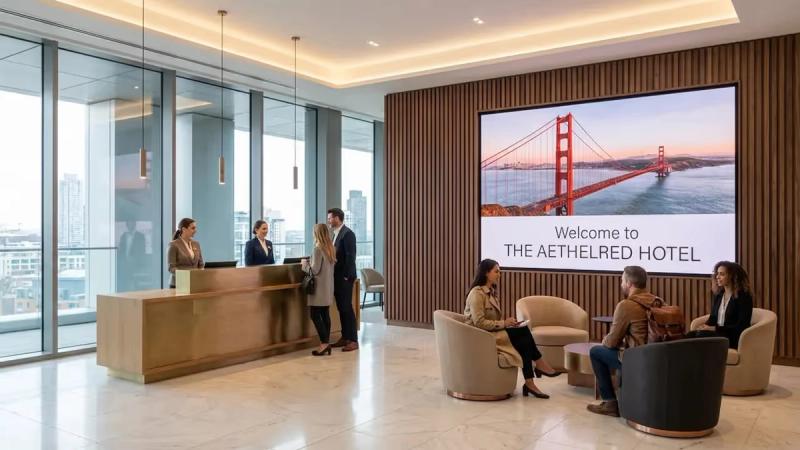
Screens in offices, trade shows, and conference centers target more focused professional audiences. B2B campaigns do especially well when they reach decision-makers in their own spaces. When media buyers package event signage with sponsor ads, they become valuable partners to event organizers. These screens connect brands to a targeted group of professionals and can provide recurring revenue every event cycle.
Digital Screens vs. Traditional Advertising Boards
Digital screens differ clearly from traditional outdoor boards and posters, and their key strengths stand out right away. Static out-of-home placements are hard to change after installation. Updating a vinyl billboard requires crews, printing, and time, and you still get very limited tracking.
Digital screens, in contrast, are flexible. Advertisers can run several ads in rotation or change creative instantly in response to news, trends, or performance data. This speed lets campaigns shift quickly if a message underperforms. Digital screens also support animation and interactive content, which tend to catch and hold attention better than a single still image, often leading to higher engagement.
Key Benefits of Digital Advertising Screens
Digital screens offer more than flexibility. They bring a range of benefits that make them highly attractive for media buyers.
- Real-Time Content Updates and Targeted Messaging
A cafe might promote breakfast in the morning and switch to lunch offers later in the day - instantly, with no printing. This speed is ideal for testing offers and responding to demand changes. Ads can also link to local events, weather, or specific times, keeping messages relevant. - Higher Engagement Through Motion and Interactivity
Digital screens can show short videos, animations, and rotating product features. Moving images naturally attract the eye more than static signs. Some setups include touchscreens or motion sensors, inviting people to interact. Research shows digital displays often have better recall than print, online banners, audio, or even live and streaming TV. - Cost-Effective and Scalable Over Time
While screens can cost more upfront than posters, they lower long-term printing and replacement costs. One screen can host several advertisers in a loop, increasing its value. They can also scale easily, from a few screens for a small local brand to hundreds for a national one, with budgets and packages adapted to each case. Programs like the Look Partner offering help media buyers run large, data-driven campaigns efficiently.
Common Environments for Digital Advertising Screens
Digital screens are now common in many spaces, reaching different audiences throughout the day. Their effectiveness depends heavily on where they are placed and who passes by or waits near them.
Beyond large roadside billboards and transit hubs, you will see screens in shops and malls. There, they function as active sales tools, showing product videos, deals, and interactive content. A clothing store might play a loop of new outfits. A quick-service restaurant might show daily specials on a bright menu board. These screens aim to capture attention and encourage quick decisions.
Corporate offices and event venues also use screens heavily. At conferences and trade shows, they show wayfinding, agendas, and sponsor messages. Inside companies, they display internal news, recognition, and safety reminders. Indoor locations allow for screens that focus more on detailed information and less on weather resistance. Because they can be set up in so many ways, these screens can inform, entertain, and engage almost any group of people in physical spaces.
How Do Digital Advertising Screens Work in Media Buying?
For media buyers, digital screens combine the visibility of outdoor ads with the data and control of digital campaigns. Moving from static posters to dynamic screens changes the whole buying and planning process, adding new steps to strategy, buying, and optimization.
Media buying for digital screens means learning how networks work, using programmatic tools, and carefully thinking about several factors that affect outcomes. The aim is to move beyond simple impressions and create deeper engagement and measurable real-world impact.
Screen Networks and Placement Strategies
Working with digital screens starts with understanding screen networks and planning smart placements. Instead of buying just one billboard, you often buy access to groups of screens run by network operators.
Media buyers usually work with companies that manage screens in places like store chains, transit systems, or entertainment venues. The key is choosing networks that match the client’s audience and goals. A brand for frequent flyers might favor airport lounges; a neighborhood cafe might choose local grocery and gym screens. Grouping screens by area, audience, or campaign goal is very powerful. It enables localized messages and quick deployment of new creative across many screens at once, keeping campaigns consistent and saving time.
Programmatic Digital Out-of-Home (DOOH) Buying
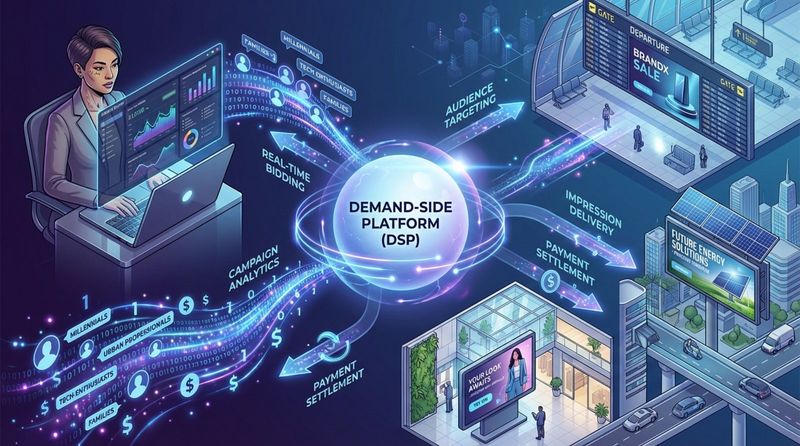
Programmatic buying has reshaped DOOH by bringing automated, data-driven buying methods from online media into physical screens. Instead of locking in fixed deals screen by screen, programmatic DOOH automates where and when ads appear.
This gives media buyers access to many networks at once and makes it easy to adjust budgets and creative on the fly. Agencies benefit from faster launches and unified reporting because all performance data comes through one platform. Demand-side platforms (DSPs) sit at the center of this system. They gather data on foot traffic, ad slots, and audience profiles, helping buyers explain clearly which screens are best and why. Some DSPs also connect to live feeds like weather or location data, supporting highly relevant, context-aware targeting.
Factors Impacting Successful Media Buys
Success with digital screen buys depends on a set of linked factors. Getting a spot is only part of it; what matters is how that spot is used.
- Integration with Digital Signage Software
A strong Content Management System (CMS) is the control center for any campaign. It makes it easy to schedule and manage content across many screens. Tools like Look Digital Signage let media buyers run campaigns from a single dashboard, avoiding multiple platforms and manual updates. This supports consistent messaging and frees time for higher-level planning. Features like real-time creative changes help avoid wasting budget on low-performing ads. - Creative Strategy and Environment Fit
The creative must match each screen’s context. You need to think about viewing distance, lighting, and how fast people move through the space. In fast environments, simple visuals and short text work best. In waiting areas, more detailed information can work well. The ability to schedule and rotate different creatives easily, supported by advanced CMS tools, is key to testing messages, using dayparting, and responding to special events.
What Influences Media Buying Decisions for Digital Screens?
Buying digital screen media involves several layers, including audience insights, physical location, creative format, and pricing. To get strong returns, media buyers must look closely at each element and match it to campaign goals.
The aim is to go beyond just “showing an ad” and create contact that people remember and act on. This calls for a clear view of how environment, technology, and message work together.
Audience Targeting and Measurement
A clear picture of the target audience sits at the center of every strong media plan. For digital screens, this goes beyond general demographics to who will actually see the ad and how they might respond. Location is often the most important factor: do you need a large general audience for brand lift, or a more focused setting to trigger specific actions?
Measurement tools for DOOH have advanced a lot. Instead of just impressions, digital screens allow deeper reporting. For example, using QR codes on screens connects offline exposure to online engagement, letting you track who visits a website or landing page after seeing an ad. For physical stores, tracking visits and sales in the area can show whether local screen campaigns are driving people to the door. This constant flow of data supports ongoing improvements to keep campaigns relevant and effective.
Screen Location, Visibility, and Traffic
Where a screen is placed, how visible it is, and what kind of traffic passes by are major factors in buying decisions. High-traffic screens cost more, but what really matters is whether the people passing by match your audience.
Compare a highway billboard, mostly seen by drivers, with a smaller, interactive screen in a shop where people are in a buying mindset. Viewing distance, ambient light, and movement speed all shape what type of creative will work. In crowded or fast-moving spots, simple bold visuals and short messages are best. In areas with more dwell time, like lounges or waiting rooms, you can use denser content. Carefully reviewing these physical factors helps media buyers match each message to the right screen type.
Ad Formats, Duration, and Content Considerations
Ad format, length, and content all matter for digital screen performance. Unlike print posters, screens can support many types of execution.
Options include short videos, animations, and image rotations, and interactive experiences. Ad slots are usually short - often only a few seconds - so creative must be clear, fast, and visually strong. A simple hook, like a strong line, a striking image, or a direct call to action, helps capture attention. If several messages appear in sequence, transitions should be smooth so people can follow the main idea. Content should also be flexible enough to change by time of day or event, for example switching a restaurant ad from breakfast to dinner. This keeps the message in line with what viewers need at that moment.
Pricing Models: CPM, CPC, and Performance Metrics
To manage budgets well, media buyers need to understand how digital screen pricing works. Digital screens move away from the old model of fixed rates for long periods, offering more flexible and performance-based options.
| Model | What It Means | Typical Use in DOOH |
|---|---|---|
| CPM (Cost Per Mille) | Cost per 1,000 impressions | Most common. Impressions estimated through foot traffic and measurement tools |
| CPC (Cost Per Click) | Cost per click or direct action | Used when QR codes or digital links allow direct tracking of engagement |
Beyond pricing, performance metrics often include engagement (QR scans, touches), store visits tied to exposure, and sales lift. Programmatic DOOH and advanced analytics platforms show detailed data such as total plays, which screens show the ad most often, and which creatives hold attention longest. Media buyers can then shift spend to the best-performing slots and reduce it where results are weaker, similar to how they manage online campaigns.
Integration with Digital Signage Software
Good integration with digital signage software is a core factor in digital screen media buying. The software runs the campaign: it schedules content, connects data, and supports reporting.
A cloud-based CMS such as Look Digital Signage lets buyers manage many screens from one place. This removes the need for separate logins and manual updates and keeps brand messaging consistent everywhere. Features like instant content swapping make it easy to react when an ad underperforms. Grouping screens, sending new creatives in bulk, and pulling clear reports all make planning and optimization smoother and more accurate.
Best Practices for Digital Advertising Screen Campaigns
Running a digital screen campaign is more than booking inventory. It demands smart content, smart use of data, and smart placement. Media buyers who follow best practices can raise the impact of each campaign and make sure messages reach the right people in the right way.
The aim is to create short, memorable moments that people notice and act on, using what DOOH does best: big visuals, real-world context, and trackable results.
Creating Compelling Visual Content
An ad on a digital screen only has a few seconds to work, so strong visual creative is key. This is not the right place for long text blocks or complex charts.
Movement and bold design are your main tools: bright colors, clear layouts, simple animation, and short, sharp copy. But movement alone is not enough. Each ad needs a clear focal point - a main image, a short phrase, or a direct call to action. If one screen shows several messages in sequence, each must flow logically into the next. Sudden, confusing changes can weaken the main message. Creative should also fit the space: what works on a giant roadside board is different from what works on a small indoor screen near shoppers. In the end, the best content is visually strong, quickly understood, and relevant to that specific place and audience.
Using Data-Driven Strategies for Optimization
The real strength of digital screens for media buyers comes from data. Instead of guessing, you can watch how people respond and adjust accordingly.
Location data helps you choose the right times and places for each ad. For example, if data shows a spike in foot traffic around noon at a certain screen, a quick-service restaurant can run lunch offers there during those hours. Different neighborhoods and venues may need different creative versions. Regular checks on metrics like QR scans or landing page visits help show whether an ad is still working. If numbers drop, you can refresh creative or shift time slots to keep performance strong. This ongoing review and adjustment loop keeps campaigns effective and makes better use of the budget.
Maximizing Brand Impact with Contextual Relevancy
Context is a big driver of impact on digital screens. Ads that feel timely and relevant to what people are doing or feeling in that moment are more likely to stand out.
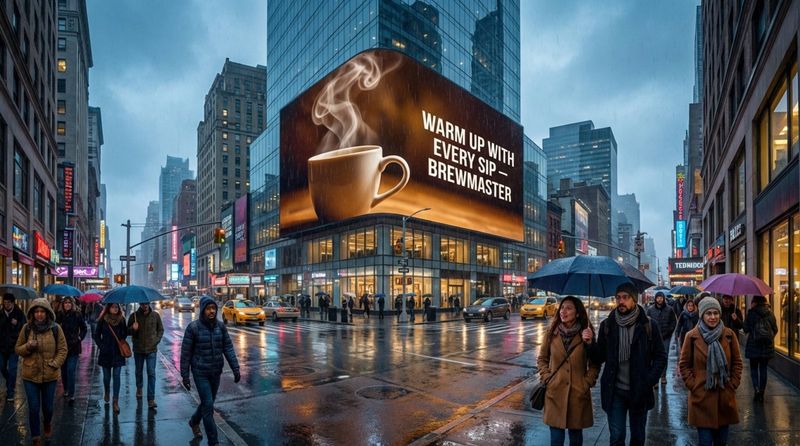
This means adjusting creative based on real-life situations. Weather, time, and local events all matter. A cold drink ad works better on hot days. An umbrella ad is more appealing when it rains. Morning commuters might see coffee offers, while evening travelers see dinner promotions. Programmatic DOOH tools that connect with weather and location data make this kind of targeting easier. Matching the message to the moment makes campaigns more memorable and separates them from the constant background of other media.
Complying with Technical and Design Specifications
To get good on-screen results, media buyers must follow each network’s technical and design rules carefully. These rules control how content appears and whether it can even run.
Technical specs usually cover file type (e.g., MP4 for video, JPEG/PNG for images), resolution, aspect ratio, and file size. Wrong specs can lead to stretched images, blur, or rejection by the network. Design rules can include safe zones for text and logos, minimum font sizes for readability, and color settings. Large roadside screens need big, simple designs with few words that can be read from far away and at speed. Smaller indoor displays can show more detail. Some networks also limit flashing or fast animation for safety reasons. Following specs from the start avoids rework, keeps quality high, and supports a smooth campaign launch.
How to Measure the Success of Digital Screen Campaigns
Measuring digital screen campaigns is key for proving ROI, improving future plans, and defending budgets. Unlike traditional posters, digital screens produce rich data that allow a detailed view of what is working.
The focus shifts from just counting how many people might have seen an ad to understanding engagement, behavior, and business results. This means choosing the right KPIs, using strong attribution methods, and working with capable analytics tools.
Key Performance Indicators (KPIs) for Digital Screens
Digital screen campaigns can be measured with several KPIs that go beyond basic impression counts.
- Impressions - Estimated ad displays and potential views, often refined with audience size and dwell-time estimates.
- Reach and Frequency - How many unique people see the ad and how often they see it.
- Engagement - Actions triggered by the ad, such as QR code scans, touchscreen interactions, or visits to a landing page.
- Store Visits / Footfall Attribution - Numbers of people who visit a store or venue after being exposed to a screen.
The most important KPIs depend on campaign goals: brand awareness, leads, or direct sales will each point to different core metrics.
Attribution Methods and ROI Analysis
Attribution for digital screens connects ad exposure in the physical world to online or offline actions. This makes ROI much clearer than with old-style out-of-home.
One common method is using unique QR codes per creative or screen group. When someone scans a code, they reach a specific landing page, and their action can be tied back to that placement. You can then track sign-ups, purchases, or app installs from that source. For stores and venues, geo-fencing helps track people who were near a screen that showed your ad and then visited your location. Comparing sales or foot traffic before and after the campaign, and between exposed and non-exposed areas, supports incrementality tests. These methods help measure the real business impact of DOOH and calculate ROI with more confidence.
Tools and Analytics Platforms for Campaign Tracking
Good measurement and optimization depend on the right tools and platforms. These systems collect, organize, and present performance data in usable ways.
Modern CMS platforms, like Look Digital Signage, often include built-in dashboards. They track metrics such as total ad plays, which screens ran which content, and which creatives had the longest exposure. Media buyers can see which placements give the best results and adjust campaigns quickly. Programmatic DOOH DSPs add further detail on audience profiles, impressions, and bidding. Many tools allow data exports (e.g., CSV files) for sharing or deeper analysis. Together, these platforms give a full picture of performance, helping media buyers make better choices and refine tactics over time.
Common Challenges and Solutions in Digital Screen Media Buying
Digital screens offer big opportunities but also bring their own set of challenges. Dealing with these issues early helps media buyers run DOOH campaigns that are reliable and scalable.
From impression quality and brand safety to technical issues and cross-network management, careful planning and the right partners are key to getting the most from this channel.
Ad Fraud and Brand Safety Risks
Ad fraud and brand safety are concerns across digital media, and DOOH is affected too. Fraud may involve inflated impression counts, screens that are turned off or blocked, or ads that don’t run correctly. Brand safety issues arise when ads appear near content or locations that do not match a brand’s values.
To lower these risks, media buyers should work with trusted networks and programmatic platforms that prioritize transparency and independent checks. Look for detailed reports on proof-of-play, impression estimates, and screen locations. Regular audits of placements and creative can catch issues early. Using platforms with fine control over where and when ads run, plus live monitoring, reduces exposure to harmful contexts. Clear rules for acceptable locations and content adjacency should be agreed with network partners in advance.
Ensuring Campaign Scalability Across Multiple Screens
One big advantage of digital screens is their ability to scale across many locations. But managing large, mixed networks can be complex without the right tools.
The main solution is a strong, cloud-based CMS. A good system lets buyers group screens by city, venue, audience, or campaign and push updates to all relevant screens at once. This removes slow, manual processes and keeps content consistent. Programmatic DOOH platforms also help by giving access to many networks through a single interface, simplifying budget splits, scheduling, and reporting. This approach lets partners support both small and large advertisers with the same framework, while keeping full control and visibility.
Interoperability and Technical Compatibility
The DOOH ecosystem includes many different screen types, media players, and software platforms. These differences can cause issues if creative is not built with flexibility in mind.
Media buyers can reduce problems by planning formats that adapt well to different sizes and ratios. Choosing a CMS that supports multiple file types and auto-adjusts content for different screens is a big help. Hardware and software known for broad compatibility and open standards also reduce friction. Many manufacturers, such as Samsung and LG, now ship screens with built-in signage features, offering easier setup. For more advanced campaigns, a third-party CMS that works with common operating systems (Android, Windows, BrightSign, etc.) is often needed. Testing creative across sample devices before full rollout is an important step to catch and fix any technical problems early.
Real-World Applications: Case Studies and Success Stories
The real power of digital screens becomes clear when you look at how brands and organizations actually use them. Real campaigns show how DOOH can boost engagement, improve the customer journey, and support business goals in different sectors.
From shops and restaurants to public spaces and events, digital screens are becoming central to modern communication and marketing strategies.
Retail and Quick-Service Restaurant Campaigns
Retailers and quick-service restaurants (QSRs) were among the first to adopt digital screens on a large scale. In stores, screens highlight new products, run promotions, and host interactive experiences that encourage browsing. A clothing brand, for example, might feature a loop of different outfits on a large screen, with QR codes linking to product pages or showing where to find items in-store. Research shows that this kind of in-store digital media can strongly influence buying decisions and drive noticeable sales growth.
QSRs rely on digital menu boards to keep offers fresh and in sync with time of day. They can quickly update prices, emphasize limited-time deals, and show appetizing food images. Switching from breakfast to lunch to dinner content at the right times helps keep menus relevant. Some setups allow customers to touch the screen to customize meals or view nutrition details. Walmart, for instance, uses Look's digital signage platform to power its in-store networks, collect engagement data, and offer strong analytics to partner brands, showing how DOOH can scale in large retail environments.
Transportation and Public Space Advertising
Transport hubs and public spaces are prime locations for digital screens. In airports, bus stations, and metro systems, passengers often have waiting time, making them more open to nearby messaging. Screens can promote local attractions to visitors, new services to commuters, or retail offers nearby.
These displays also carry useful information, such as departure times, delays, weather, and safety alerts, mixing practical value with commercial content. Large-format city-center boards and roadside units help build broad awareness among drivers and pedestrians with short, impactful messages. For example, travel center operator Pilot tested digital signage from DEEL to increase hot food sales in their deli areas, showing how DOOH can be targeted to drive very specific in-location behaviors.
Special Events and Pop-Up Installations
Special events and pop-ups use digital screens to turn temporary spaces into rich media environments. At trade shows, conferences, and festivals, indoor screens can show agendas, session highlights, sponsor ads, and maps. This improves the visitor experience and gives sponsors more exposure.
Pop-up shops and brand activations also use screens to build immersive experiences. A brand launching a new product in a temporary location might set up a video wall to show product demos and add interactive panels for games, surveys, or social media posts. Modern digital signage platforms make setup and remote management simple, so organizers can change content on the fly. Companies like Digital Screen Hire Australia (DSH) help clients publish new messages instantly, making them helpful partners for events where speed and impact matter. These examples show that screens are not just for permanent fixtures; they also work well for short, high-impact campaigns.
Key Takeaways for Media Buyers Using Digital Advertising Screens
Digital advertising screens offer media buyers a strong mix of physical presence and digital intelligence. They open up new ways to reach people that are visible, flexible, and measurable.
For media buyers, the main point is that digital screens are a clear upgrade from static out-of-home. They call for more thoughtful planning, stronger data use, and better creative. By taking full advantage of their flexibility and real-time capabilities, you can raise the performance of your campaigns and better match messages to audiences and moments.
Fast reaction to market changes, deeper analytics, and the ability to adjust creative to real-world conditions all add value. These features support ongoing improvements so each advertising dollar works harder. Combined with capable digital signage software, even complex multi-screen campaigns become easier to run and easier to measure. This makes it simpler to launch, manage, and grow screen-based media plans while always knowing how they perform.
Looking ahead, Digital Out-of-Home (DOOH) offers strong growth potential, especially for media buyers who focus on delivering full solutions, not just ad slots. By working with leading platforms and using advanced tools, media buyers can offer clients modern DOOH packages that stand out in a crowded market. Advertising is becoming more dynamic, more context-aware, and more measurable, and digital screens sit at the center of that shift.