Table of Content
Digital menu boards are electronic displays that use LED or LCD screens to show a restaurant’s menu and promotions. They are the modern replacement for paper menus or chalkboards that can wear out, get dirty, or quickly go out of date. These bright screens have changed how quick-service restaurants (QSRs) work, helping improve value, speed, and, most importantly, sales.
Unlike old printed boards, digital menus are flexible and quick to update, making them perfect for busy fast food environments. They do more than list food items. They create a clear, attractive visual experience that draws in customers and helps them order faster. In a business where speed and clarity are everything, these screens have become a key tool.
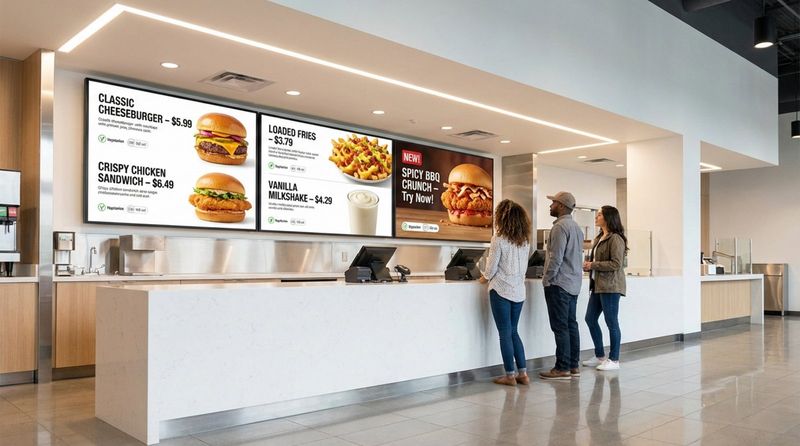
How Do Digital Menu Boards Work?
Digital menu boards work by showing content that can be updated in real time. The system usually runs on a cloud-based platform or digital signage software. With this, restaurant owners or managers can change menu items, prices, availability, and promotions from almost anywhere with an internet connection. With a few clicks, they can update all screens across many locations-no more printing menus or manually updating each screen with a USB drive.
The software can update multiple screens at once without needing a local server or a person at each site. This flexibility means a new seasonal offer can be launched across all stores at the same moment. The same system can schedule content in advance, so menus and campaigns for holidays or new products can be planned months before and go live automatically at the right time.
Types of Digital Menu Boards Used in Fast Food Settings
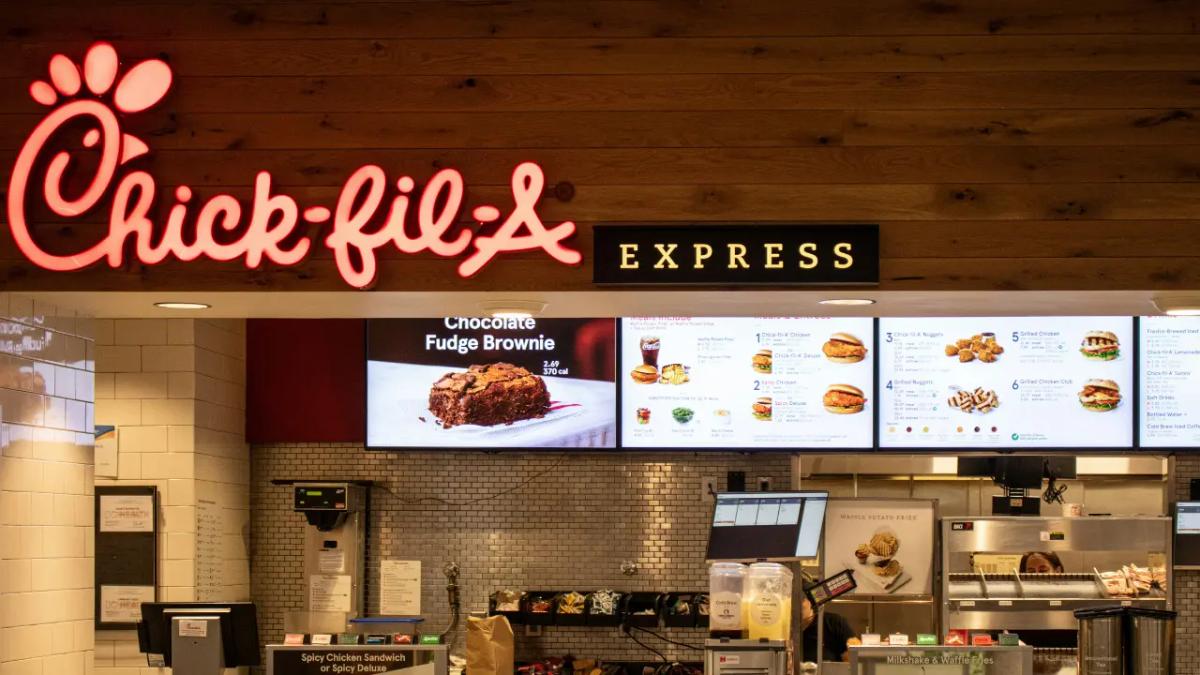
Digital menu boards come in different formats, each suited to a particular area of a fast food restaurant. Indoor digital menus are usually large TV-style screens placed above the counter. They show the main menu, new items, nutrition details, and current deals. These screens can rotate through slides, using sharp images and motion effects to present the full menu in an attractive way.
Drive-thru digital boards are just as important. These weather-resistant screens are placed along the drive-thru lane, before the speaker, and sometimes at the order point. They promote new products, specials, and high-profit items so customers see them before ordering. Some drive-thru systems include simple interactive features and can link with voice-based ordering kiosks for smooth communication. Many fast food chains also use touch-screen digital menus for self-service ordering inside the restaurant, letting customers build and customize orders themselves, which cuts waiting time and boosts satisfaction.
Why Do Digital Menu Boards Work So Well in Fast Food Restaurants?
Digital menu boards are now a core feature for most fast food brands, and their success is no accident. They match basic human behavior and improve daily operations at the same time. They show clear, engaging information quickly, which fits perfectly with the fast pace of QSRs.
They solve issues that printed menus never could, turning the wait in line from a boring pause into a more interesting and smoother experience. This mix of better customer experience and more efficient service is why they have become a standard tool across the industry.
Visual Impact on Customer Engagement
One main reason digital menu boards are so effective is their strong visual impact. Research from Nielsen Norman Group shows that people are more likely to look at moving content than at something still. Digital menus use this by showing high-quality photos and videos, custom layouts, simple animations, and rich colors. This moving, colorful content is much more engaging than plain text.
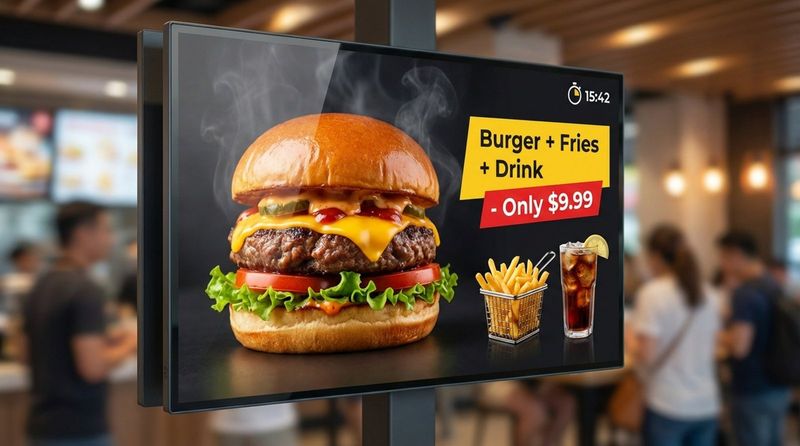
Good food images and short clips of food being prepared strongly affect what people choose. When customers see a great-looking burger or dessert on screen, they are more likely to want it right away, decide faster, and spend more. This visual pull often leads to impulse buys, especially for high-margin extras like drinks, sides, and desserts that might go unnoticed on a basic text menu.
Role in Reducing Perceived Wait Times
Waiting for food can feel slow and annoying. Digital menu boards help by shifting customers’ focus. Moving visuals and changing content give people something to watch, making the time feel shorter. A 2016 Impax Media Study found that 84% of shoppers feel that video ads on screens help pass the time while they wait in line.
This goes beyond simple entertainment. When customers are engaged, they feel like they are waiting less, which leads to higher satisfaction. The line might be the same length, but it feels shorter, which makes service seem faster and the visit more pleasant.
Effect on Order Speed and Accuracy
In fast food, even a small delay can cause a backup. Digital menu boards help speed up ordering and reduce mistakes. An A3M report states that people understand images tens of thousands of times faster than text. By using clean layouts and clear pictures, digital menus help customers quickly see what they want and choose with confidence, so they spend less time at the counter.
They can also cut down on wrong orders. A study of McDonald’s digital displays showed a 15% increase in order accuracy. Fewer mistakes mean happier customers and shorter lines. When menus show order details, item descriptions, and even nutritional information clearly, customers know exactly what they’re getting, which reduces confusion and errors.
Consistent Brand Image and Messaging
Keeping a consistent brand look is very important for fast food chains, especially those with many locations. Different-looking menus, fonts, or colors from one branch to another can confuse customers and hurt the brand image. Digital menu boards solve this problem by making it easy to show the same menu design in every store.
Digital signage software lets you push the same layouts, colors, fonts, and promotions to all screens at once, no matter where they are. This creates a steady, trustworthy image and makes the brand feel professional and reliable. Whether you introduce a big promotion or make a small price change, digital menus keep everything aligned with your brand, which helps build loyalty over time.
Key Benefits of Digital Menu Boards for Fast Food Restaurants
Switching from printed menus to digital ones marks a major step forward for QSRs. Digital menu boards offer many benefits beyond looks; they change how restaurants run and interact with customers. They help save money, boost sales, and improve daily operations.
Digital menus are more than a nice extra. They are a smart business investment. They give restaurants strong control over how and when they present their menus, so they can react quickly to customer trends, stock changes, and competition. The result is better use of menu space, smoother work behind the counter, and higher profits.
Faster and Easy Menu Updates
One of the biggest advantages of digital menu boards is how quickly and easily menus can be updated. Changing a price, adding a new burger, or starting a special offer no longer means paying for new design work, printing, and shipping to every store. With a cloud-based system, all you need is an internet connection to update menus in real time from anywhere.
Tools like DotSignage let you change content for all locations from a single account. You can update menu items, promotions, and prices at once, without extra labor. Their simple template editor lets staff make quick edits without a designer. This speed is especially helpful in fast food, where product availability, costs, and trends can change quickly.
Cost Savings Over Time vs. Traditional Menus
Digital menu boards may cost more upfront than printed ones, but they usually save money over time. Printed menus bring ongoing costs: design, printing, shipping, and replacing worn or damaged boards. For chains with several branches, these repeating costs can add up fast, especially with frequent menu changes.
Digital menus remove most of these repeated expenses. Once the screens and system are in place, changes are done through software at little or no extra cost. The screens stay clean and professional and do not suffer from stains or fading like paper. Over the long run, digital boards often pay for themselves through lower printing costs and the extra sales they generate.
Driving Promotions and Upsell Opportunities
Digital menus are powerful tools for promoting deals and encouraging customers to buy more. Unlike printed signs with limited space and simple graphics, digital screens can show rich images, videos, and animations that make items look more appealing.
Restaurants can highlight limited-time offers, new items, and high-margin choices like combo meals, premium toppings, or meal upgrades. Placing eye-catching visuals of these items next to regular options gives customers a gentle push to choose the more profitable version. ResearchGate reports that over 30% of customers say digital menus influence what they buy, and DotSignage users have seen sales increase by up to 10% after switching.
Dynamic Dayparting: Automatic Menu Changes
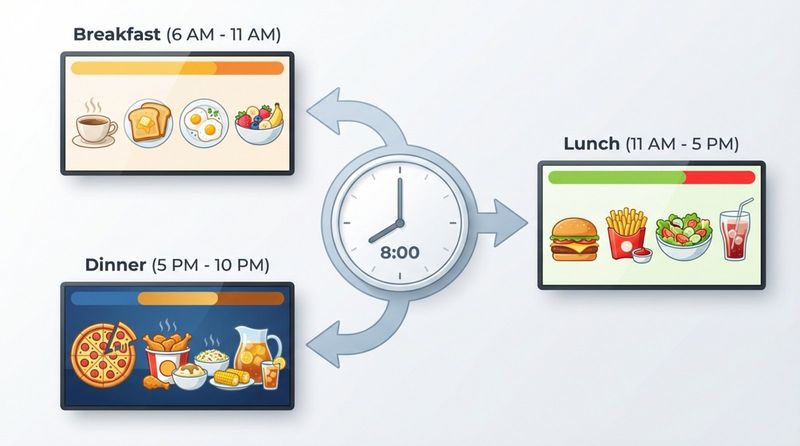
Many fast food restaurants serve different menus for breakfast, lunch, dinner, and late night. Handling this with printed menus can be clumsy and prone to mistakes. Digital menu boards solve this with time-based scheduling, often called dayparting. The system automatically swaps menus based on time or day.
Staff no longer need to manually flip boards or worry about showing breakfast items in the afternoon. Only items that are currently available appear on the screen, which prevents customer confusion and makes operations smoother. You can also schedule content on screens facing the street so they promote upcoming menu items or daily deals even when the restaurant is closed.
Enhanced Accessibility and Multilingual Support
Serving a wide range of customers is more important than ever. Digital menu boards help by making menus easier to read and more inclusive. Customers want to know what is in their food and how many calories it has. Digital screens make it simple to show ingredients, allergens, and nutrition data clearly next to each item, helping meet health rules and building trust.
Digital menus can also switch languages easily. For restaurants in areas with multiple language groups, this is a big advantage. Customers can read the menu in a language they are comfortable with, which improves their experience and helps them order with confidence.
How Digital Menu Boards Improve Customer Experience
Customer experience is the foundation of success in fast food, and digital menu boards play a strong role in improving it. They turn a standard ordering step into something more enjoyable and efficient. Customers feel more in control, better informed, and more satisfied with their choices.
Digital menus do more than display food. They guide customers through the menu, clarify options, and reduce confusion. That leads to quicker service, fewer mistakes, and a more pleasant visit, which all support repeat business and long-term loyalty.
Encouraging Visual Exploration of Menu Items
People react strongly to visuals, especially when it comes to food. Digital menu boards take advantage of this by showing clear, appetizing images and sometimes short videos of meals. A well-lit photo of a burger, fries, and a drink is much more tempting than a plain text line.
These visuals help customers see what they are ordering and imagine the taste and portion size. They also help customers notice items they might skip on a text-only board. This turns the menu into a visual gallery where people can browse, compare, and choose more confidently, often leading them to try extra items or higher-value options.
Helping Customers Make Faster Decisions
Speed matters in fast food. Customers want to order quickly and get their food without a long wait. Studies show that the average person spends under two minutes scanning a menu before deciding. Plain, text-heavy menus can make this harder and push people to pick the first thing they see or the cheapest option.
Digital menu boards make the decision process easier. Clear categories, bold images, and smart placement of best-sellers and specials guide the eye. Showing details like ingredients, spice level, allergy info, and calorie counts on the screen reduces the need to ask staff questions. Customers can choose quickly without feeling pressured, which shortens lines and improves the experience for everyone.
Operational Advantages for Fast Food Businesses
Beyond customer-facing benefits, digital menu boards bring strong operational gains. They help reduce manual work, lower labor costs, and make restaurants easier to manage. In a field where profits are thin and speed matters, these improvements can have a large impact.
Digital menus free staff time, support better decisions, and allow managers to change content quickly based on real needs. This leads to smoother daily operations and better use of both staff and technology.
Streamlining Training and Reducing Staff Errors
Staff in fast food venues often answer the same questions again and again: “What’s in this dish?” “Is it spicy?” “Can I customize it?” “How many calories is that?” These conversations take time and can slow down the line.
Digital menu boards show much of this information on the screen, so customers can read it themselves. That reduces repeated questions and interruptions. Staff can focus on taking orders, preparing food, and helping customers who really need assistance. With fewer distractions and clearer information, mistakes fall and service becomes faster and more accurate.
Centralized Content Management
For chains with several branches, one of the biggest advantages of digital menus is central control. Without digital signage software, updating content store by store is slow and costly. Someone would need to visit each location or send files for staff to update manually, which is prone to errors.
With a strong digital signage platform, managers can update all screens from a single dashboard. Menu changes, promotions, and price updates appear in every store at the same time. This saves hours of work, avoids mix-ups between locations, and keeps branding and information consistent everywhere.
Supporting Real-Time Promotions and Limited-Time Offers
Fast food brands often rely on limited-time offers (LTOs) to drive interest and test new products. Digital menu boards are ideal for this. They can show special items with graphics, animations, or countdown timers that build urgency and excitement.
Instead of waiting for printed materials, restaurants can roll out new deals across all locations instantly. They can also adjust promotions quickly based on stock, local events, or time of day. This flexibility helps restaurants react faster to what customers want, boost average order size, and keep the menu feeling fresh and new.
Trends and Innovations in Fast Food Digital Menu Boards
Digital menu boards in fast food are changing quickly as new technology appears. As restaurants spend more on software and tools, digital menus are becoming smarter and more connected with other systems. The future menu screen will not just show items; it will respond to data, behavior, and conditions in real time.
New trends are pushing digital menus to act as part of a larger system that covers marketing, operations, and customer engagement. This means more personalization, better use of data, and smoother links between devices and platforms.
AI-Powered Personalization and Recommendations
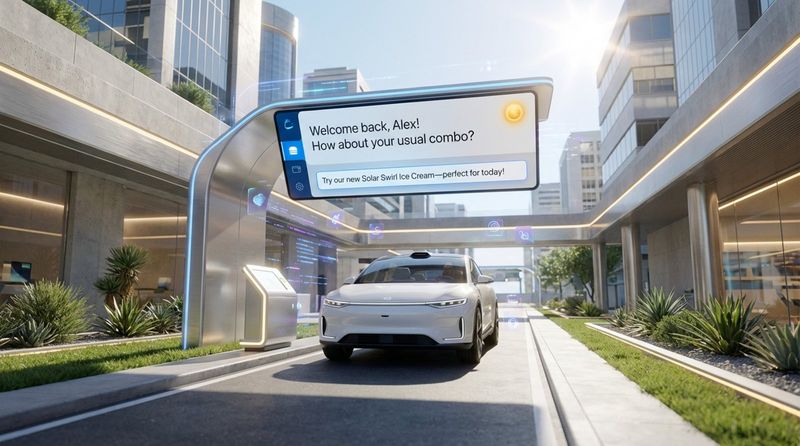
One of the most exciting changes is the use of Artificial Intelligence (AI) to customize what appears on digital menus. Imagine a drive-thru menu that changes based on the car that pulls up. AI tools can look at patterns-like vehicle type, time of day, or past orders-and adjust the menu to show items that customer types are more likely to buy.
Machine learning can use data from loyalty programs, sales history, and other signals to highlight combo meals, sides, or desserts that fit that customer’s habits. Menus could also change with the weather (hot drinks on cold days, cold drinks on hot days) or by location. For loyalty members, screens may show offers based on their last orders, creating a very personal experience and higher chance of upsell.
Integration With Mobile and Self-Service Platforms
Today’s customers expect their phone, in-store screens, and drive-thru systems to work together smoothly. Digital menu boards are becoming closely linked with mobile apps and self-service kiosks. Many screens now display QR codes that let customers open the menu, read nutrition details, or get app-only offers on their phones.
Self-order kiosks inside restaurants often use the same digital menu content. Customers can browse, customize, and pay on these screens without waiting in line for a cashier. Behind the scenes, these systems connect to ordering and kitchen tools, so the whole process-from viewing the menu to preparing the food-runs more smoothly. Real-time status updates for curbside pickup or in-store orders can also be shown on screens, adding to customer convenience.
Sustainability and Energy-Saving Features
As more restaurants try to reduce their impact on the environment, the design of digital menu boards is also changing. While screens do use electricity, newer models are being built to use less power and last longer.
Modern displays are more energy-efficient and often use components that are easier to recycle. By removing the need for frequent printing and reprinting of paper menus, digital boards cut paper waste in a big way. Future developments are likely to focus even more on power savings, greener materials, and longer lifespans, which support both cost control and sustainability goals.
Lessons From Real-World Fast Food Digital Menu Board Implementations
Real-world use of digital menu boards shows how effective they can be. Across the fast food sector, from small shops to major chains, businesses are using these screens to improve ticket sizes, update branding, and make operations smoother. Their results give useful guidance on what works best and what to avoid.
These examples show how flexible digital signage is and how it can fit many different types of food businesses. They also highlight common hurdles and practical ways to handle them.
Case Study: Sales Growth After Digital Menu Adoption
Sales growth is one of the most reported benefits of digital menu boards. DotSignage notes that 91% of its customers saw sales rise by up to 10% after switching to digital menus. This increase comes from several factors: more attention from bright visuals, better promotion of profitable items, and clearer menu layouts.
For instance, Bagel Market in New York updated its traditional boards to TV-based digital menus using DotSignage, which improved how their menu looked and made it easier to highlight popular items. American Releaf, a cannabis dispensary, used the same platform to show live product lists and pricing, so customers always see the latest data. These changes improved the overall experience, encouraged customers to explore more items, and supported higher sales.
Operational Challenges and Solutions
Digital menu boards do come with some challenges. The initial cost of screens, media players, installation, and software can be a barrier. A single commercial-grade screen can cost around $1,000, before other equipment. But many businesses recover this cost through increased sales and lower printing and labor costs.
Smaller brands often do best with affordable, easy-to-use tools that include ready-made templates and drag-and-drop editing, and that work with common hardware like Android TVs. Another challenge is keeping content consistent across many locations. Without the right software, updates can be slow and uneven. Cloud-based tools like DotSignage solve this by allowing chain-wide changes from one dashboard. They also collect data on item performance, which helps with menu planning and marketing decisions based on real customer behavior.
Common Questions About Digital Menu Boards in Fast Food
As more fast food restaurants consider digital menu boards, many owners and managers ask similar questions. They want to know if the investment pays off, how hard the system is to use, and how to measure results. Clear answers to these questions help them decide if digital menus are right for their business.
Below are some of the most common questions and straightforward explanations that address them.
Can Digital Menu Boards Increase Sales?
Yes. Many studies and case reports show that digital menus can raise sales noticeably-some sources quote increases up to 23%, while DotSignage clients typically see up to about 10%. This boost comes from several effects working together.
Digital boards catch attention more strongly than static boards, making food look more tempting through motion and sharp images. They make it easier to highlight high-margin items like add-ons, desserts, and drinks, and to feature combos or time-limited deals where customers can see them clearly. Fast, clear presentation shortens ordering time, which lets you serve more people during busy periods. All of these factors help grow both average order value and total daily revenue.
Are Digital Menu Boards Difficult to Set Up?
Modern digital menu systems are much easier to set up and manage than in the past. While you may need help mounting screens and connecting initial hardware, most current platforms are built to be simple to use day to day.
Services like DotSignage offer hundreds of ready-made templates that can be edited quickly with drag-and-drop tools. Managers can change prices, swap images, or add new items without special design or technical skills. Many solutions run on standard Android TVs or similar devices, reducing the need for custom hardware. With cloud-based management, once everything is installed, updates are done online and pushed directly to each screen.
How Do Restaurants Measure the Impact of Digital Menu Boards?
Restaurants can track the impact of digital menus using a mix of sales data, customer feedback, and operational metrics. Useful measurements include:
- Average ticket size before and after installation
- Sales of promoted or highlighted items
- Total revenue changes over set periods
Many digital signage platforms provide built-in analytics, showing which layouts or promotions work best at different times. Restaurants can also gather feedback on perceived wait times and satisfaction through surveys or review monitoring. Operational data like order accuracy and service time can indicate process improvements.
A/B testing is another strong tool: you can show different versions of a menu layout or promotion at different times and compare sales numbers. Over time, this testing helps refine content so the digital menu boards deliver the highest possible return.