

Table of Content
How can teachers cut through the noise and ensure students actually retain information? Effective classroom communication combines clear verbal instruction with modern visual tools to create an environment where every student stays engaged and informed.
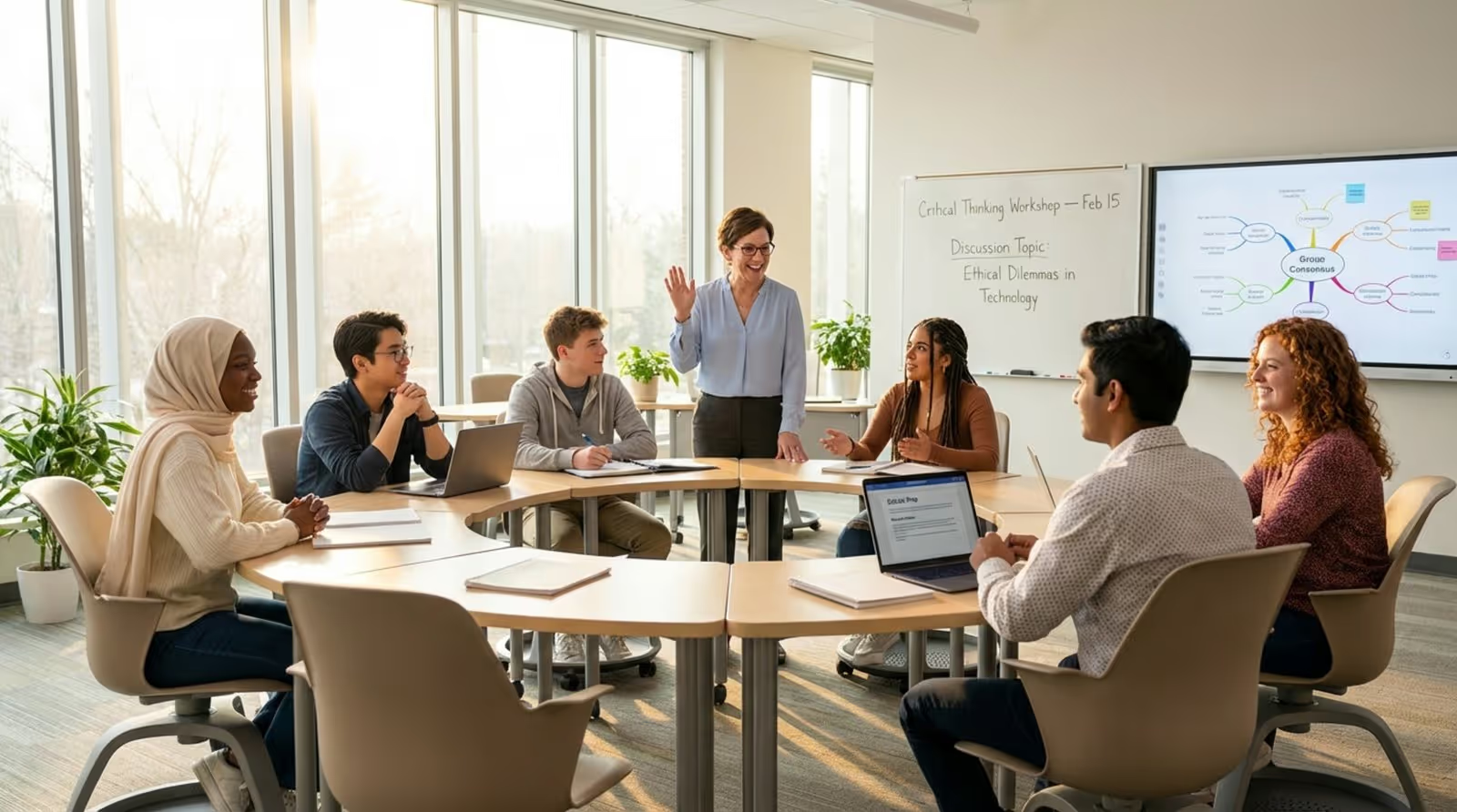
Communication in education is more than just delivering facts; it is a two-way process that builds understanding. In modern schools, this means balancing face-to-face interaction with digital solutions. Improving this flow requires removing barriers, adapting to different learning styles, and using the right tools to keep messages consistent.
What Is Classroom Communication?
What Are the Main Types of Communication in Classrooms?
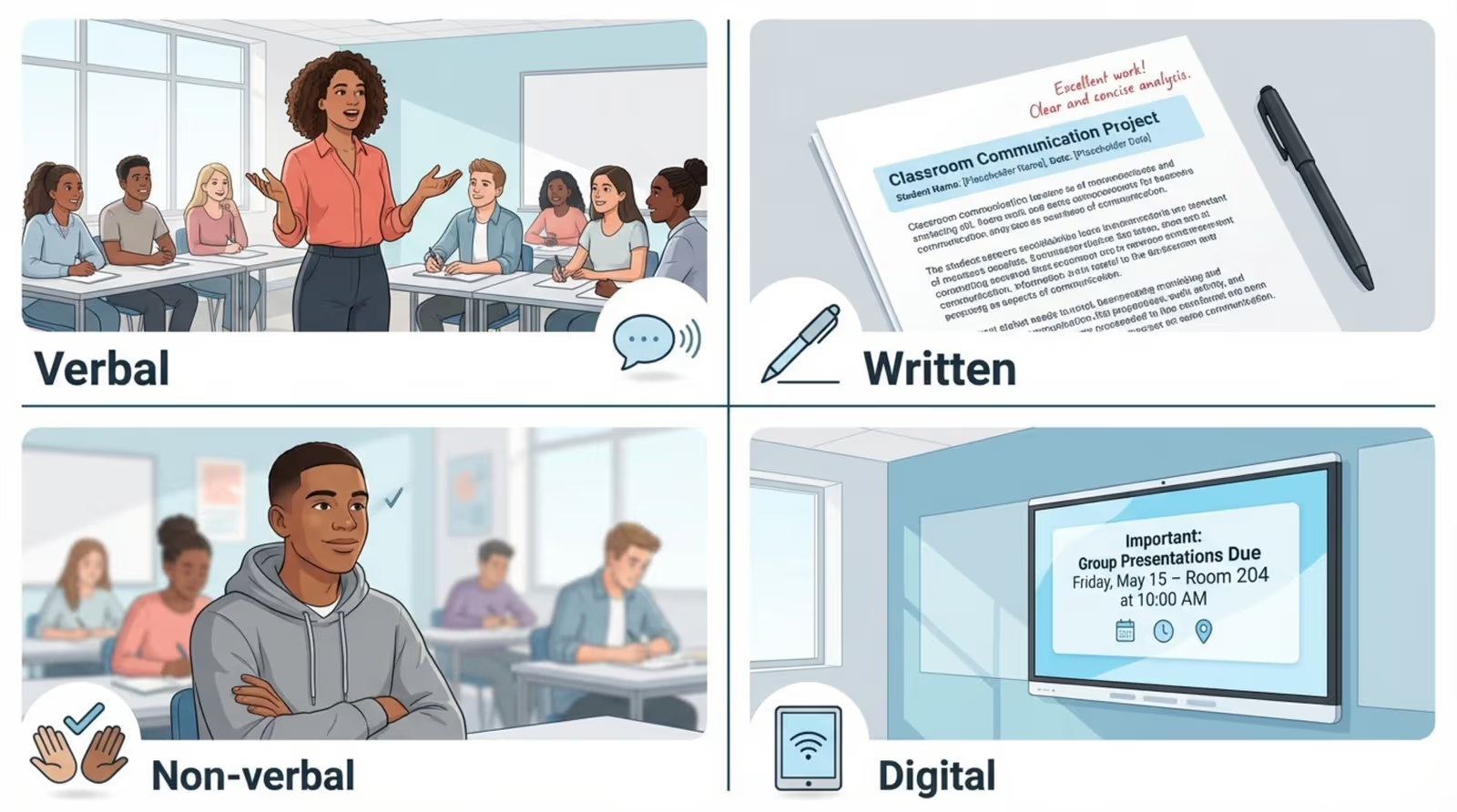
Classroom communication appears in several forms. Verbal communication covers lectures, discussions, and feedback. Written communication includes whiteboard notes, assignments, and grading rubrics. Today, digital communication is equally critical, involving learning management systems, emails, and increasingly, digital signage screens that display announcements and reminders.
Non-verbal communication also shapes the learning environment. A teacher’s body language, eye contact, and tone set the atmosphere. Students respond with their own silent cues-posture, nodding, or expressions of confusion. Recognizing these signals allows teachers to adjust their approach and ensure the message is landing correctly.
How Does Classroom Communication Affect Learning?
Clear communication reduces the mental load on students. When instructions are precise, students can focus their energy on the lesson content rather than trying to decipher what is expected. Direct and supportive communication creates a safe environment where students feel comfortable asking questions, leading to deeper engagement.
Conversely, weak communication creates friction. If students feel misunderstood or unsure of expectations, motivation drops. Communication acts as the bridge between curriculum and understanding; without it, even the best lesson plans can fail to connect.
Why Classroom Communication Matters for Students and Teachers
Benefits of Effective Communication in Class
For students, clear communication builds confidence and essential social skills. When they are encouraged to articulate their ideas, they engage more deeply with the material, often resulting in better retention and academic performance. It also models professional interaction, preparing them for future teamwork.
For teachers, clarity saves time. It minimizes the need to repeat instructions and reduces classroom management issues. When teachers can accurately read student feedback, they can address gaps in understanding immediately. This creates a smoother, more efficient classroom environment and reduces daily stress.
Consequences of Poor Communication
When communication breaks down, frustration follows. Students may disengage or act out if they feel ignored or confused. Vague expectations often lead to grading disputes and a sense of unfairness, eroding trust between the teacher and the class.
For educators, poor communication contributes to burnout. constantly clarifying misunderstood directions or managing conflict is exhausting. Without clear channels for feedback, teachers may not realize a method isn't working until it is too late. Clear communication removes this "noise" and keeps the focus on learning.
Channels of Communication Used in Classrooms
Verbal Communication: Speaking and Listening
Verbal delivery involves tone, volume, and pacing. A varied voice holds attention better than a monotone one. However, listening is equally vital. Using "wait time"-pausing for a few seconds after asking a question-gives students time to process and formulate answers, increasing participation.
Group work relies heavily on verbal skills. When students explain concepts to peers, they reinforce their own understanding. Checking for understanding through questions ensures the conversation remains two-way and that students are following the lesson flow.
Non-Verbal Communication: Body Language and Expressions
Body language often speaks louder than words. Open posture and movement around the room make a teacher appear approachable. Eye contact is a powerful tool for connection; it can validate a student's contribution or gently redirect a distracted student without verbal interruption.
Teachers must also read student signals. A confused expression or slumped posture indicates a need for a pause or a new explanation. Aligning non-verbal cues with verbal messages builds trust and authority.
Visual Communication: Screens, Boards, and Digital Media
Visuals support spoken instructions and help varied learning styles. Whether using a whiteboard, a slide deck, or digital signage, visual aids clarify complex topics. Infographics and diagrams can simplify dense information, making it easier to digest.
Visual consistency helps with routine management. Using screens to display schedules, reminders, or "anchor charts" gives students a constant reference point, reducing repetitive questions. In a media-rich world, integrating professional-grade visual communication helps students process information efficiently.

Barriers to Effective Classroom Communication
Common Communication Challenges for Teachers
Teachers navigate many obstacles, including large class sizes and limited time. Physical classroom layouts can sometimes block sightlines, isolating certain students. The pressure to cover extensive curriculum often leads to "information dumping," where clarity is sacrificed for speed.
Stress and fatigue can also unintentionally affect tone and patience. Additionally, "expert blind spots" occur when teachers assume foundational knowledge that students may not yet have. Overcoming these barriers requires conscious planning and regular checks for understanding.
Common Challenges for Students
Social anxiety or fear of embarrassment prevents many students from participating. Students with different learning needs may find rapid-fire questioning or long lectures difficult to follow. They may require alternative methods or additional time to process information.
External factors, such as fatigue or personal issues, also impact a student's ability to focus. If the classroom culture does not actively encourage questions, students often default to silence rather than risking a mistake.

How Do Cultural and Linguistic Barriers Influence Communication?
Classrooms are increasingly diverse. Language barriers may cause students to hesitate, even if they understand the concept. Teachers can support English Language Learners (ELLs) with visual scaffolds, clear enunciation, and written summaries.
Cultural differences also shape communication styles. Norms regarding eye contact, questioning authority, and personal space vary. Educators should be aware of these differences to ensure they interpret student behavior accurately and create an inclusive environment where every student feels respected.
Useful Tips To Improve Communication in the Classroom
Active Listening for Teachers and Students
Active listening requires full attention. For teachers, this means listening to understand, not just to reply. Paraphrasing a student’s comment ("So, you are suggesting that...") confirms understanding and validates the student's input.
Students can practice this through structured activities. Asking students to summarize a peer's point before adding their own encourages careful attention. This practice shifts the classroom dynamic from passive hearing to active engagement.
Promoting Student Participation and Interaction
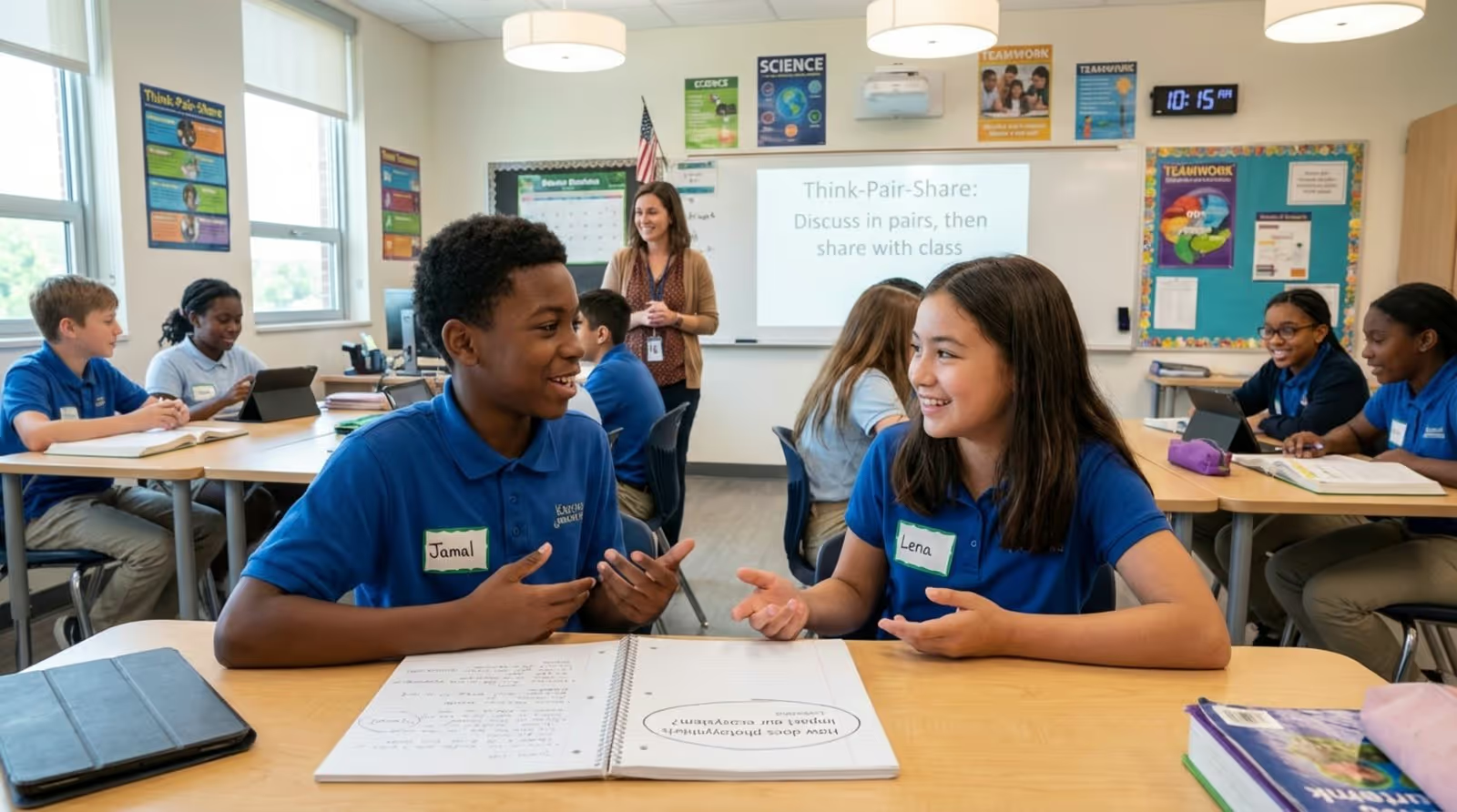
Shift away from one-way lectures by using strategies like "Think-Pair-Share." Allowing students to discuss ideas with a partner before sharing with the class reduces the pressure of public speaking. This simple setup often leads to higher participation rates.
Using random selection tools or a "no-hands" policy can also ensure equity, provided the environment is supportive. Allowing students to "pass" or consult a friend ensures that being called on is an opportunity to contribute, not a source of anxiety.
Setting Clear Expectations and Instructions
Ambiguity causes confusion. Deliver instructions through multiple channels: spoken aloud, written on the board, and posted digitally. Breaking complex projects into smaller, manageable steps helps students stay on track.
Establish clear communication norms early. Agreements on how to ask for help or disagree respectfully create a framework for positive interaction. Consistent application of these norms helps the classroom run smoothly.
Leveraging Technology for Better Communication
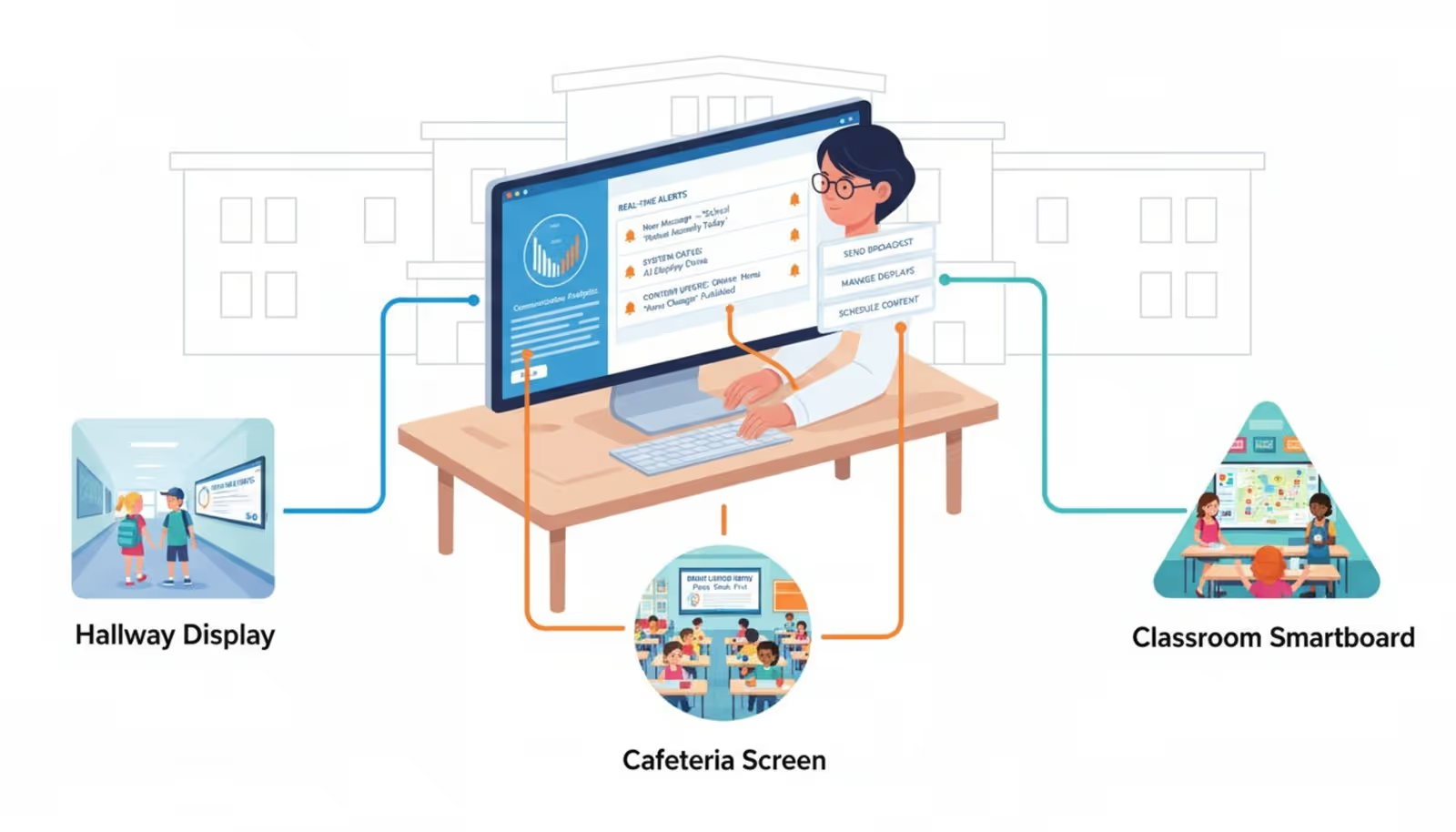
Technology offers powerful ways to streamline communication. Digital tools allow for real-time collaboration and instant feedback. For schools managing announcements, emergency alerts, or cafeteria menus across campus, relying on paper or oral announcements is inefficient.
For these scenarios, Look Digital Signage is a strong fit for modernizing school communication. It allows administrators to manage content across one or thousands of screens from a central dashboard. You can use Ready-made Templates to quickly create professional announcements, rely on Smart Scheduling to automate bell schedules or event notifications, and trust Offline Playback to keep screens running even if the school internet connection drops.
Using Visual Aids and Multi-Modal Strategies
Presenting information in various formats ensures it reaches all learners. Combine verbal explanations with images, videos, and text. This multi-modal approach reinforces the lesson and aids memory retention.
Visual aids should be clean and focused. "Dual coding"-pairing a distinct image with a keyword-helps students build mental connections. Keep these visuals visible via digital screens or posters to serve as long-term reminders.
Building Positive Classroom Relationships
Communication thrives on trust. learning names, showing interest in student well-being, and greeting students at the door establishes a connection. Small gestures signal that the teacher is approachable and invested in their success.
Strong relationships make feedback more effective. When students trust their teacher, they are more receptive to constructive criticism. A welcoming atmosphere is the foundation for open, honest dialogue.
Adapting Communication for Diverse Learners
Universal Design for Learning (UDL) suggests offering multiple ways for students to engage. A single method will rarely work for everyone. For example, providing captions for videos or written checklists for tasks supports students with different processing needs.
Allow students to demonstrate understanding in different ways-orally, in writing, or creatively. providing options leverages individual strengths and supports a more inclusive learning environment.
How Teachers Can Overcome Communication Anxiety
Managing Nerves Before and During Class
Preparation is the best antidote to anxiety. detailed lesson planning and familiarity with the material build confidence. Physical techniques, such as deep breathing or maintaining a strong posture, can also help regulate nerves before a class begins.
If anxiety strikes during a lesson, a brief pause is effective. Ask students to discuss a question in pairs or complete a quick writing task. This buys time to reset. acknowledging a moment of hesitation with a brief, honest comment can also humanize the teacher and reduce tension.
Building Communication Confidence Over Time
Confidence grows with practice. Recording lessons to review later is a practical way to identify habits like speaking too fast or using filler words. While uncomfortable, it provides data for improvement.
Inviting a colleague to observe and provide specific feedback is also valuable. Communication is a skill that improves with repetition and reflection. As teachers see positive student responses, their confidence naturally increases.
Strategies for Resolving Communication Conflicts
Approaches to Handling Misunderstandings
When misunderstandings occur, stay calm and objective. Describe the behavior and its impact rather than assuming intent. using "I" statements ("I find it difficult to teach when...") reduces defensiveness compared to accusatory language.
Ask clarifying questions. Often, what appears to be defiance is actually confusion or frustration. Approaching conflict with curiosity ("Can you explain what you meant?") can de-escalate the situation and lead to a resolution.
Effective Conflict Resolution Techniques
Structured methods like Restorative Circles can address serious conflicts by focusing on repairing relationships rather than simple punishment. This gives all parties a voice and a path forward.
Address individual conflicts privately whenever possible. Public correction often forces a student into a defensive posture. A private conversation allows for a more honest exchange and protects the student's dignity while addressing the behavior.
Developing a Culture of Open Communication in Your Classroom
Gathering Feedback Regularly
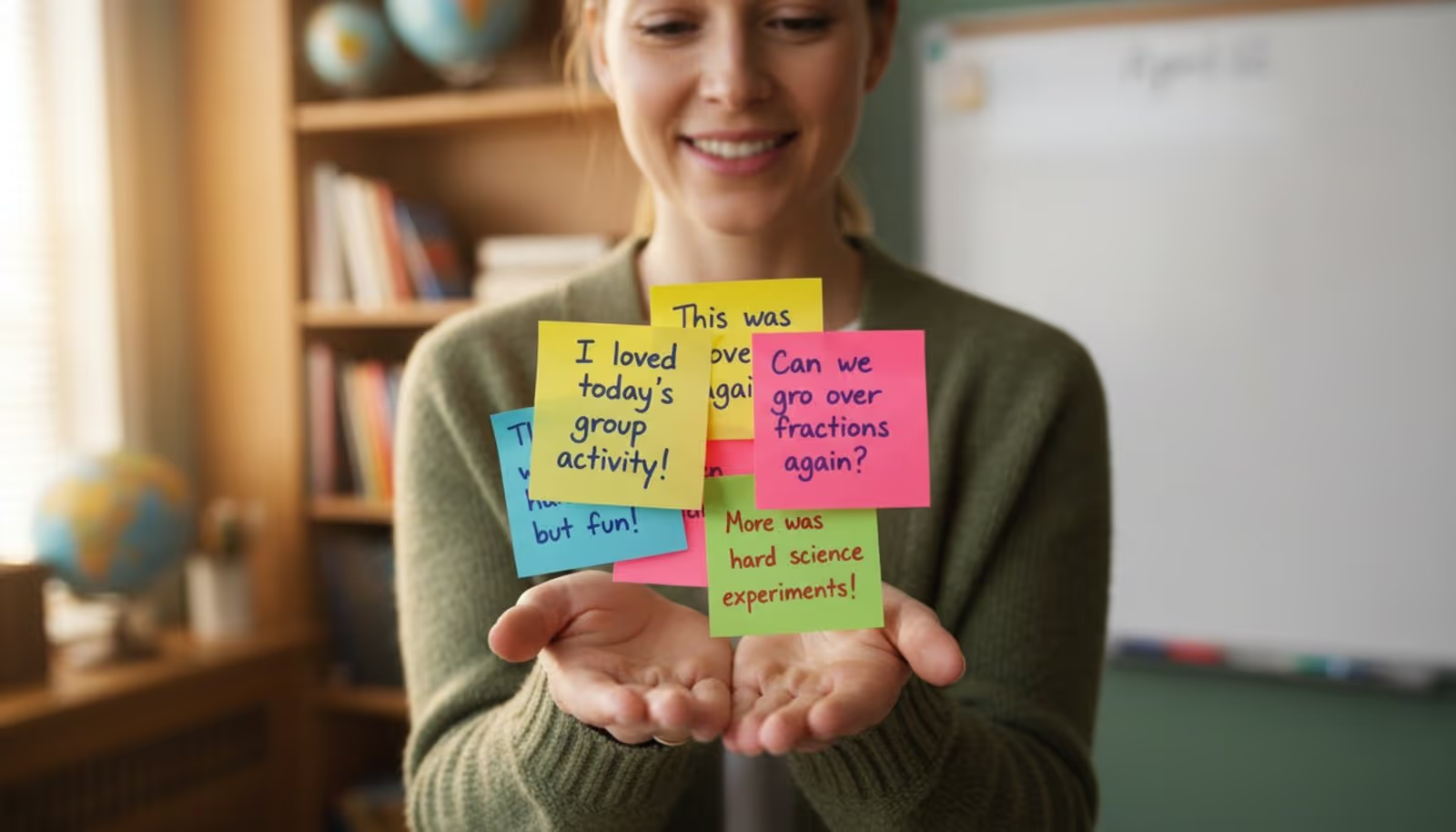
Effective communication flows both ways. Regularly ask students for feedback on what teaching methods are working. Simple tools like exit tickets or surveys provide valuable insights. Acting on this feedback demonstrates that student opinions matter.
Provide specific, timely feedback to students. Instead of generic praise, highlight exactly what was done well. This guides their future efforts and turns assessment into a tool for growth.
Encouraging Dialogue and Collaboration
Shift the teacher's role from sole authority to facilitator. Encourage discussions, debates, and group problem-solving. Strategies like Socratic seminars empower students to lead the conversation, fostering critical thinking.
Group projects teach negotiation and teamwork. These experiences highlight the importance of clear communication in achieving shared goals. reinforcing collaborative success builds a classroom culture that values cooperation.
Reflecting and Continuing to Learn
Communication skills require ongoing refinement. Teachers should stay informed about new strategies and reflect on their daily interactions. Taking time to assess what went well and what could be improved ensures continuous growth.
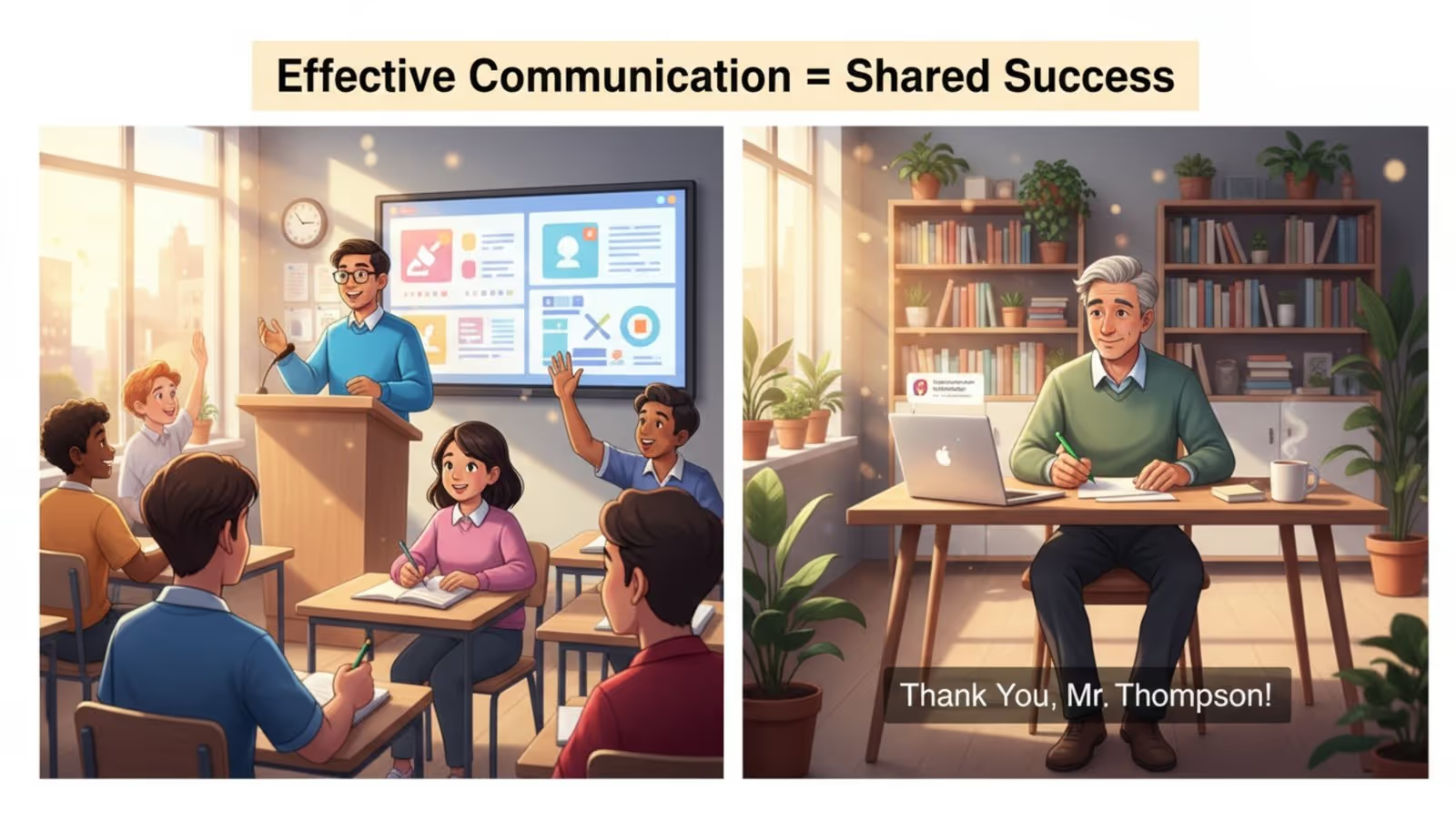
By remaining open to change and focused on clarity, educators can create a dynamic and supportive learning environment. Strong communication skills improve academic outcomes and leave a lasting positive impact on students.
As education evolves, the ability to connect and explain remains a teacher's most valuable asset. By combining clear verbal instruction with efficient tools like digital signage, educators can build classrooms where every student is connected and ready to learn.