
Table of Content
In today’s education setting, clear communication is key. So, what is digital signage in schools? It’s a modern way to share information using digital screens instead of paper posters or old-style noticeboards. These screens show messages, videos, and images that catch attention, keep students informed, and make the school feel more connected. Unlike static posters, digital signage offers a bright, live platform that can show anything from urgent alerts to good news and celebrations. This technology helps schools stay organized and makes sure important messages stand out and reach people quickly.
This modern communication method is quickly becoming a standard in schools of all sizes. From small primary schools full of young learners to large university campuses, digital signage is proving to be a flexible and highly useful tool.
What is digital signage in schools?
Digital signage in schools means using electronic displays-such as LED screens, TVs, or interactive touchscreens-to share different types of content. These screens are placed in busy areas like hallways, cafeterias, reception areas, and classrooms. They can show text, photos, videos, animations, and even live information, all controlled through special software.
This setup is about more than just posting notices. It helps create an active, engaging communication system across the whole school. Messages can be timely, relevant, and visually interesting, so people are more likely to notice and remember them. Because content is easy to manage and change, digital signage works well for many communication needs in any type of school.

How does digital signage work in the education sector?
Digital signage in education is usually run through a network of connected screens that are controlled from a central content management system (CMS). This cloud-based software lets staff-or even trusted students-create, schedule, and send content to one screen or many screens at once. Someone can update the lunch menu in the cafeteria, change a schedule in the main corridor, and send an emergency alert to every display, all from one online dashboard.
This setup is very flexible. Content can be scheduled in advance, changed on the spot, or pushed out instantly for urgent situations. Some platforms, like CleverLive, include one-button messaging for immediate, campus-wide announcements. Central control means no more walking around to update posters or individual screens by hand, saving both time and effort. Many digital signage systems also connect with existing school tools, such as academic calendars, social media accounts, and news feeds, so screens can automatically show fresh, useful content.
Digital signage vs traditional communication methods in schools
Compared to traditional tools like paper flyers, noticeboards, emails, or public address (PA) announcements, digital signage offers clear advantages. Paper notices are often missed, damaged, or out of date. PA announcements are easy to ignore or may not be heard in noisy areas. A bright digital display with motion and color is far more likely to catch someone’s eye.
Digital signage supports moving images, animations, and videos, which helps people remember messages better than plain text alone. A short video reminder about exam dates, for example, will likely stick more than a printed leaflet. Content can be updated instantly from anywhere, so information stays current and accurate, reducing mistakes and confusion. Digital signage also cuts down on printing and paper waste, making it a more efficient and environmentally friendly option for modern schools.
What are the key uses of digital signage in schools?
Digital signage can support many different needs in schools. It helps with daily operations, builds a stronger sense of community, and supports a safer, more organized campus. Messages spread faster, engagement rises, and people know what is happening around them.
In 2026, K-12 schools and campuses are using digital signage in many creative ways, showing just how flexible and impactful it can be. It goes far beyond simply posting a message on a screen-digital signage reshapes how information is shared and seen throughout an entire institution.
Improving school-wide communication and announcements
One of the main uses of digital signage is improving school-wide announcements. Important information no longer has to rely on PA systems or stacks of printed sheets. Digital bulletin boards provide a modern, attractive way to share daily schedules, morning announcements, and campus news. Schools can update these in real time, add images, videos, and even RSS feeds for automatic content.
This steady flow of clear, visible information helps students, staff, and visitors stay up to date. Reminders about school plays, timetable changes, exams, or general news can be shown throughout the day. Key messages are easy to see and quick to read, helping to build a more informed, connected school community.
Enhancing emergency alerts and campus safety
During emergencies, every second matters, and digital signage can play a major role in keeping people safe. Screens across the school can instantly display emergency notices with simple, clear instructions. This covers events such as severe weather, lockdowns, building issues, or fire and evacuation procedures.
Schools can send different messages to different areas, so only the people affected get specific information. In a lockdown, for example, screens can show live updates and explain what actions to take. Because messages spread quickly and widely, digital signage can help reduce confusion, support calmer responses, and protect student and staff safety as part of a wider school safety plan.

Supporting digital wayfinding for students and visitors
Large or multi-building campuses can be hard to move around, especially for new students, parents, or visitors. Digital wayfinding screens help by providing clear maps and directions. These displays can show building layouts, room locations, event areas, and live room timetables, making it easier for people to find where they need to go.
Interactive wayfinding stations let users tap on a destination and see a simple route on-screen. Mobile wayfinding adds another layer of help: by scanning QR codes placed by doors or in corridors, people can get turn-by-turn directions on their phones, styled with the school’s own branding. This reduces stress, saves staff time answering direction questions, and cuts down on reprinting paper signs for each timetable or room change.
Displaying cafeteria menus and nutrition information
The cafeteria is one of the busiest places in a school, and digital menu boards can make it run more smoothly. Screens can show daily breakfast and lunch menus with photos, prices, and serving times. They can also include calorie counts, allergen warnings, and other nutrition details so students can quickly see what suits their needs.
Menu changes are easy to make and can be adjusted day by day or week by week. Special items or limited-time offers can be highlighted to spark interest. This helps students, especially those with allergies or dietary requirements, choose their meals more safely and confidently. It also helps kitchen staff respond to demand, plan stock, and reduce food waste by updating offers based on what is selling well.
Celebrating student achievements and standout work
Celebrating students’ efforts is important for building a positive culture and encouraging high performance. Digital signage gives schools a lively way to show off achievements. Screens can feature a “Student of the Month,” honor teachers, share sports results, or highlight awards in music, drama, robotics, and academic competitions.
Schools can also display student-created content such as artwork, design projects, and media work made in class. When students see their work and successes on-screen, it boosts pride and motivation. This recognition spreads across the whole community, helping everyone notice and value the wide range of talents in the school.

Promoting events, sports, and activities on campus
Schools host many events-sports fixtures, club meetings, assemblies, concerts, exhibitions, and more. Keeping everyone informed about these can be difficult if the school relies only on flyers or verbal announcements. Digital signage offers a highly visible way to promote upcoming events and increase turnout.
Screens can cycle through messages that list event names, dates, locations, and key details. A shared digital calendar can show term dates, holidays, exam periods, field trips, and parent evenings. With all this information displayed clearly, people are less likely to miss deadlines, meetings, or special occasions. This helps boost school spirit and makes it easier for students and families to get involved in school life.
Showcasing social media and live content
Many students spend a lot of time on social media, and schools can connect this online activity with their physical spaces. Digital signage can pull in posts from platforms like X (Twitter), Instagram, and Facebook to show official school updates, event photos, or approved student content directly on school screens.
These live feeds help display school spirit in hallways, cafeterias, and reception areas and keep parents and visitors in touch with what is happening. Screens can also show live news tickers or educational videos from trusted sources. This keeps content fresh, varied, and engaging throughout the day.
What are popular content types for school digital displays?
Digital signage can show many different types of content, so schools can choose what best fits each area and audience. The key is to pick content that is useful, interesting, and suited to where the screen is placed. For example, a screen in the cafeteria might show menus and club ads, while a classroom display might focus on lesson-related content and schedule changes.
Daily schedules and academic calendars
To keep a school running smoothly, everyone needs to know where they should be and when. Digital displays can show daily bell times, class changes, and room swaps so students and staff know their next lesson or duty at a glance. Screens can also show upcoming events and key dates from the school calendar, including holidays, exams, report deadlines, and parent-teacher meetings.
Because updates can be made right away, digital schedules avoid the problems that come with old printed timetables pinned up on walls. When times or rooms change, the screen can reflect it instantly. This helps cut down on lateness, missed lessons, and confusion, making everyday life smoother for everyone.
Weather, news, and real-time updates
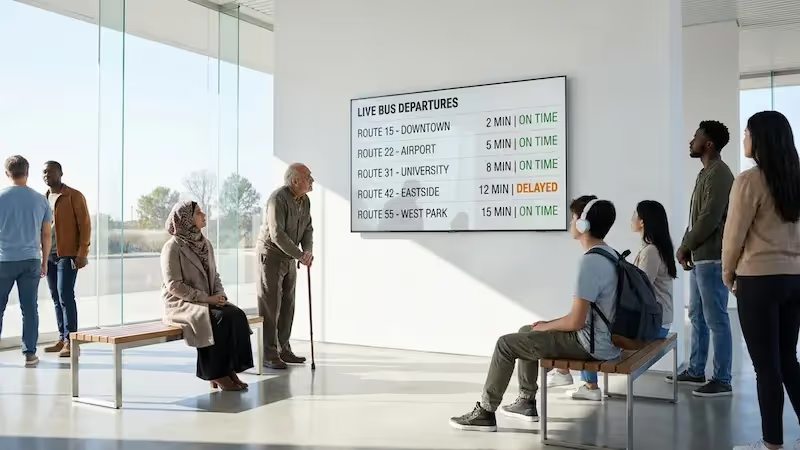
Adding live information like weather forecasts, news, and transport updates makes digital signage even more helpful. Current weather and short forecasts help students and staff prepare for rain, heat, or snow. Local and global news clips or headlines can support learning in subjects like geography, politics, and social studies by encouraging discussion.
Because this information updates itself automatically, screens stay relevant without extra work for staff. Students can see what is happening beyond the school gates, while still getting school-specific updates in the same place. This mix of content works especially well in shared spaces where people wait, such as reception areas or common rooms.
Interactive directories and virtual tours
Digital signage is also useful for interactive directories. These allow users to search for a person, department, or room and then see exactly where it is on a map. Large schools can list staff contacts, office hours, and room numbers, helping visitors avoid feeling lost or confused.
Screens can also run virtual tours of key areas such as libraries, labs, sports halls, or arts facilities. This is helpful for open days and for families who are choosing a school. Teachers can use the same tools in lessons to take students on virtual field trips-to museums, historical sites, or other countries-using high-quality videos and images that give a realistic sense of place.
How does digital signage benefit students, staff, and visitors?
Digital signage changes more than just how messages are delivered; it changes how people experience the school environment. Screens help build a connected, informed, and visually rich campus that supports learning and daily life for everyone who uses it.
Fostering engagement and participation
Digital signage supports higher levels of engagement across the school community. Moving graphics, bright colors, and changing content catch the eye much more than static posters. When students see their clubs, events, and achievements promoted prominently, they are more likely to take part and feel part of something bigger.
For staff, digital signage helps keep track of school-wide projects, staff meetings, policy updates, and training opportunities. Clear communication helps teams work together more smoothly. When the information on screens feels current and relevant, it builds interest and keeps people paying attention.
Reducing information overload and confusion
Schools generate a lot of information every day. Without a clear system, people can feel overwhelmed and miss what matters most. Digital signage helps by organizing content into simple, easy-to-read segments. People can quickly scan a screen to find the key details they need.
Because content can be scheduled, schools can show the right information at the right time-such as morning announcements before first period, menus before lunch, and event reminders at the end of the day. Urgent alerts can instantly appear on all screens, replacing normal content so nothing distracts from the message. This clear, managed flow of information reduces misunderstandings and supports a calmer, more orderly environment.
Assisting school orientation and navigation
Starting at a new school or visiting for the first time can feel stressful. Digital signage can make those first steps much easier. Welcome screens can greet guests with messages, photos of key staff, and short introductions to the school’s values and aims. Interactive maps and wayfinding tools then help people move around confidently without needing to ask for directions at every turn.
During enrollment and orientation periods, displays can show instructions, timetables, and key locations such as student services, IT support, or the counseling office. Some schools even turn orientation into an activity, using screens as markers in a scavenger hunt that encourages new students to explore the site with friends. This kind of approach helps newcomers settle in more quickly and feel at home in their new surroundings.