
Table of Content
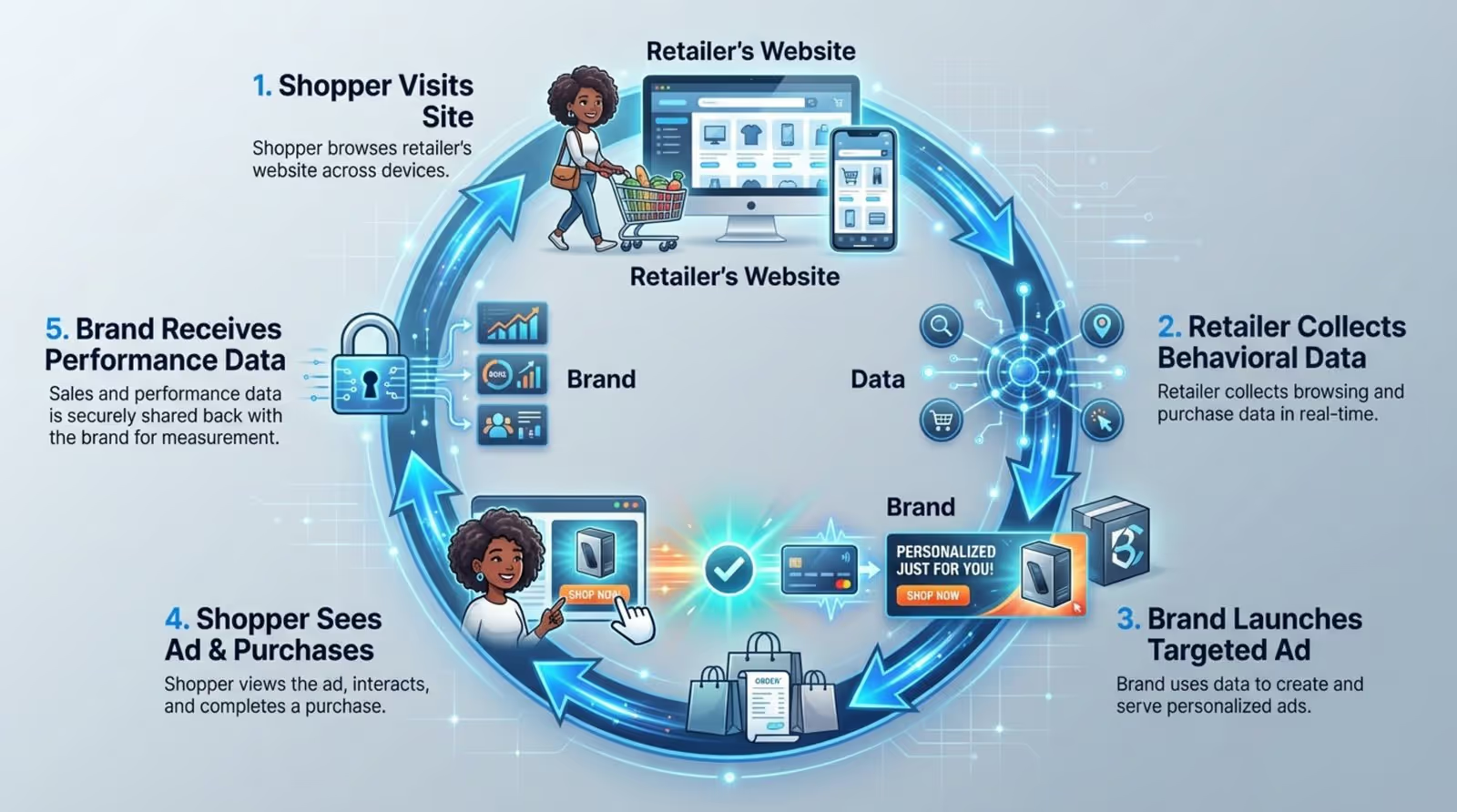
How can retailers turn their customer data into a powerful new revenue stream? Retail Media Networks (RMNs) act as closed-loop advertising engines, connecting brands with shoppers right when they are ready to buy-whether online or in the physical aisle. By integrating ad technology directly into the shopping journey, these networks offer precise targeting and real-time tracking that traditional advertising simply cannot match.
Today, these networks have evolved far beyond basic banner ads. They are sophisticated systems linking brand awareness to actual sales. By leveraging real purchase data rather than just browsing history, retail media networks deliver highly relevant offers. The result is a practical win-win: shoppers find products they actually need, brands see clear ROI, and retailers unlock a high-margin income source.
What are retail media networks?
A retail media network (RMN) is a platform where a retailer sells advertising space across its digital and physical channels to third-party brands. Effectively, the retailer acts as both a store and a media publisher. Instead of just selling groceries, electronics, or apparel, you are selling access to your audience. Because you know your customers' habits-thanks to loyalty programs and purchase history-you can offer brands the ability to reach specific shoppers at the exact moment of decision.
This model has expanded rapidly because it solves the "last mile" problem of advertising. While a TV commercial builds general awareness, a retail media ad appears when the customer is in a buying mindset. With third-party cookies disappearing, this "walled garden" approach-where data remains secure within the retailer’s system-is becoming the new standard for data-driven marketing.

Key components of retail media networks
The engine behind an RMN relies on three core pillars: data, technology, and inventory. Data is the fuel; it includes first-party details like past purchases and basic demographics. This is verified behavioral data, allowing for precise targeting.
The technology, often called the "ad engine," handles the logistics: running auctions for ad space, serving creatives, and tracking performance. It must operate in milliseconds. Finally, inventory is the real estate where ads appear: homepage banners, search results, email newsletters, and increasingly, digital signage screens in physical stores.
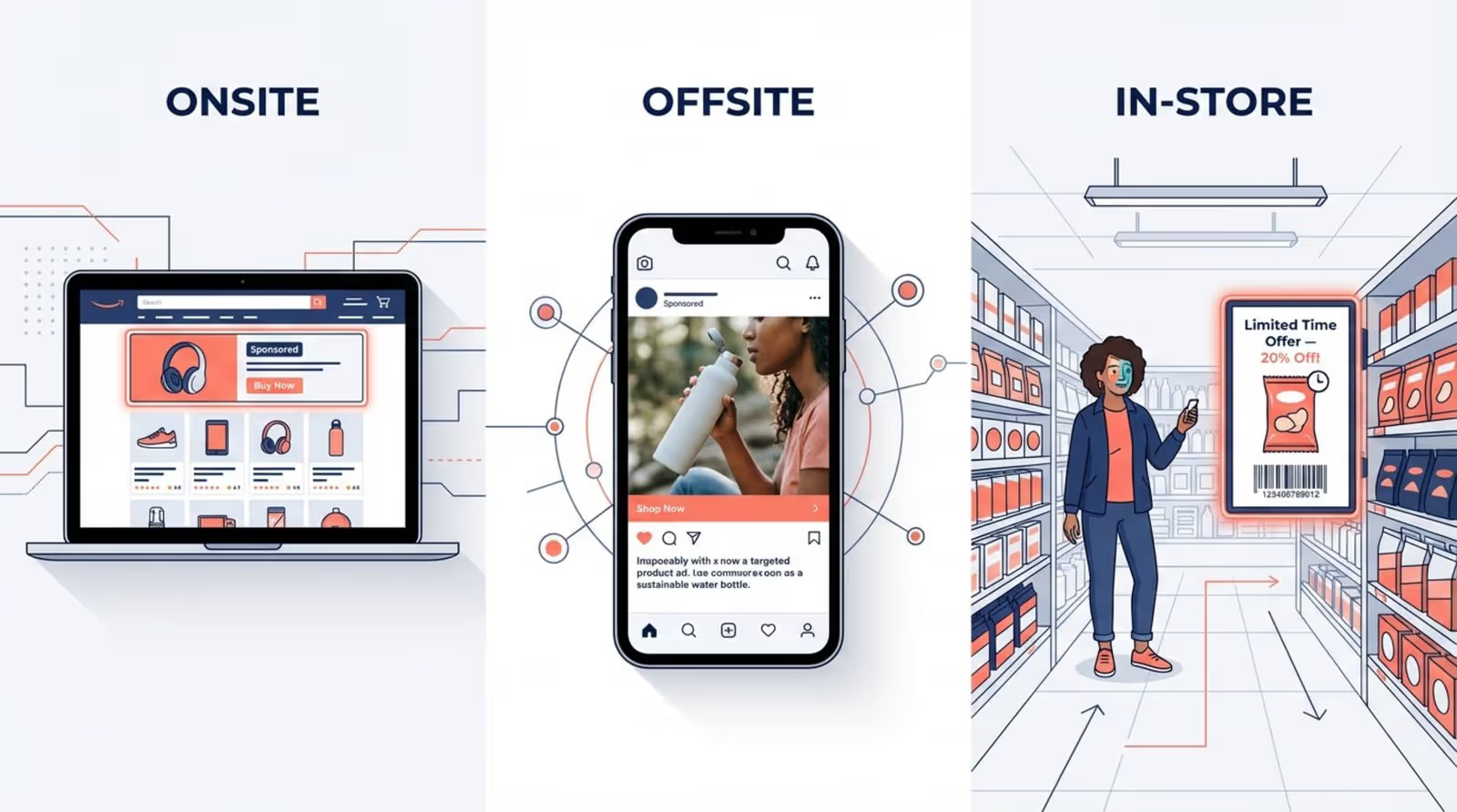
Differences between onsite, offsite, and in-store retail media
Onsite retail media occurs on the retailer’s own website or app. If you search for "coffee maker" and see a sponsored listing at the top, that is onsite media. It is highly effective because the shopper is already on the platform with clear intent.
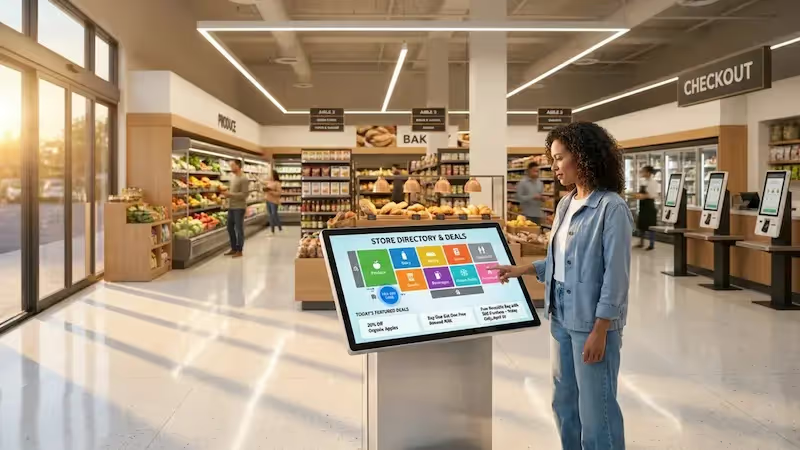
Offsite retail media leverages first-party data to reach shoppers on the open web, such as social media or news sites. If a retailer knows a customer frequently buys pet supplies, they can serve a relevant ad while that user browses a social feed. In-store retail media brings this digital precision into brick-and-mortar locations using digital signage, end-cap screens, and checkout displays, capturing the attention of the vast majority of shoppers who still purchase in physical stores.
Types of retail media ad placements
RMNs offer a variety of placements designed to guide customers from discovery to purchase. By securing visibility across multiple touchpoints, brands can stay top-of-mind throughout the entire shopping trip.
Modern engines often use dynamic creative optimization. This means the ad displayed changes based on who is looking. A loyal customer might see a bulk discount, while a new shopper sees an introductory offer. This efficiency ensures every digital pixel works harder to drive conversion.
Onsite ad placements (website and app)
Onsite placements are the foundation of most networks. The Sponsored Product ad is the most common format; it blends into search results but is boosted for visibility. These are powerful because they align perfectly with active searches.
Retailers also offer Brand Stores-dedicated pages for a specific manufacturer-and "Add-to-Cart" suggestions. For example, suggesting batteries when a customer adds a toy taps directly into impulse buying behavior at the most critical moment.
Offsite ad placements (social, display, and programmatic)
Offsite placements allow retailers to monetize their data beyond their own properties. By integrating with programmatic platforms, retailers help brands find known shoppers across the web. A beauty retailer, for instance, can target "organic skincare" buyers on video platforms or fashion blogs.
This approach builds awareness when the shopper isn't actively shopping, yet the targeting remains grounded in real purchase data rather than vague demographic assumptions.
In-store retail media (digital signage and interactive displays)
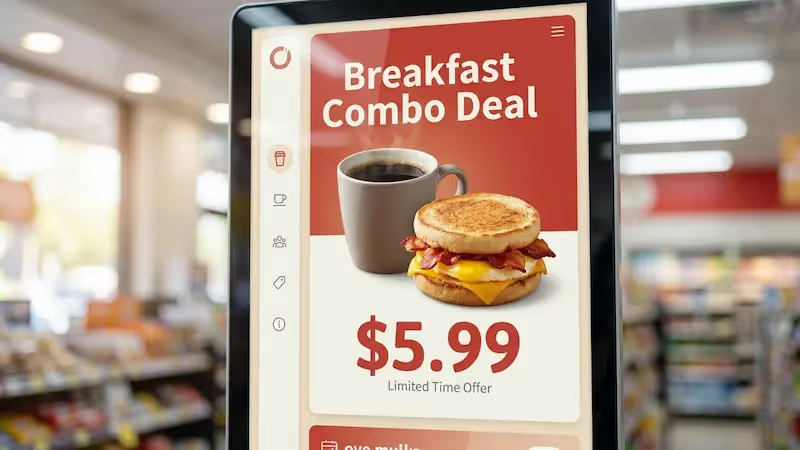
In-store media is the fastest-growing segment of the RMN landscape. Digital screens are replacing static posters, allowing content to change based on time of day, inventory levels, or local weather. If it starts raining, a screen at the entrance can automatically switch to promote umbrellas.
To manage this network effectively, reliability is key. Look Digital Signage is a strong fit for retailers building an in-store media network. It allows you to manage thousands of screens remotely, ensuring ads run smoothly without constant IT intervention. With features like Smart Scheduling to target specific times of day and Proof-of-Play reports to verify ad delivery for your advertisers, Look DS provides the infrastructure needed to turn screens into revenue generators.

How do digital advertising engines operate within retail media networks?
The operational side of an RMN combines data processing, algorithms, and rapid content delivery. The objective is to make ads feel like helpful recommendations rather than interruptions. Most of this process is automated via Real-Time Bidding (RTB) and machine learning.
When a page loads or a digital sign refreshes, the engine evaluates numerous signals in milliseconds to decide which ad to show. It balances user history, brand budgets, and inventory availability to maximize the chance of a sale.
Step 1: Data aggregation and inventory management
The system aggregates data into a central platform, pooling website clicks, store transactions, and loyalty program details. This data is anonymized and organized into segments like "price-sensitive" or "new parents."
Simultaneously, the engine monitors inventory-the available ad slots across web, mobile, and physical screens. This ensures the retailer never oversells space, even during high-traffic periods like Black Friday.
Step 2: Campaign setup and audience targeting
Brands use a self-service portal to configure campaigns. A brand manager can select specific audiences, such as "shoppers who bought pasta but not sauce," and set budgets and bidding strategies.
Targeting can be granular, filtering by region, device, or time of day. This precision helps brands reduce wasted spend and focus on high-intent shoppers.
Step 3: Real-time ad serving and personalization
When a shopper enters the ecosystem, the auction begins. The engine reviews all eligible campaigns, compares bids, and selects the winner instantly. Personalization ensures that different shoppers see different creatives based on their purchase history, making the ad more relevant and effective.
Step 4: Customer engagement and driving conversions
Once the ad runs, the engine tracks interaction. Did the user click? Did they add to cart? Real-time data allows the system to adjust automatically. If an ad isn't performing, the budget can be shifted to a better-performing creative or placement.
The goal is always the sale. The engine might use nudges like "limited time offer" to encourage immediate action, tracking the journey all the way to checkout.
Step 5: Measurement, attribution, and closed-loop reporting
Closed-loop measurement is the defining advantage of RMNs. Because the retailer owns the transaction data, they can prove exactly which ad led to which sale. This is called attribution. Reports show Return on Ad Spend (ROAS), giving brands definitive proof of value.
For in-store screens, software like Look Digital Signage supports this loop by providing detailed Playback Analytics. This data confirms how often an ad played, allowing retailers to correlate screen time with sales data from the POS system.

How is ad pricing determined in retail media networks?
Pricing is typically dynamic, often utilizing a second-price auction model where the winner pays just above the second-highest bid. This maintains fair market value while maximizing revenue for the retailer.
Pricing also reflects intent. A search ad for a competitive term will cost more than a general display banner because the likelihood of conversion is much higher.
Factors influencing retail media pricing
Competition is the primary driver: higher demand for "shelf space" equals higher costs. Seasonality also impacts rates; prices surge during holidays as brands compete for shopper attention.
Relevance scores matter. Engines often reward high-performing ads with lower costs because they improve the customer experience. Irrelevant or low-quality ads may require higher bids to win placement.

Audience size and quality
A broad audience is generally cheaper to reach than a niche, high-value segment. Brands are willing to pay a premium for audiences that have shown strong purchase intent.
Brand positioning and product category
High-margin categories like electronics or beauty command higher ad prices than low-margin staples. Premium brands may also bid aggressively to maintain dominance in their category.
Transaction size, volume, and market demand
Keywords associated with high-ticket items generally cost more. External factors, such as a sudden weather event, can also spike demand and ad prices for related products instantly.
What are the benefits of advertising on retail media networks?
For brands, RMNs provide transparency. In an era of wasted ad spend, these networks offer a direct line from investment to revenue. They allow for targeted, efficient campaigns that respect the shopper’s time.
For retailers, RMNs generate high-margin revenue that can offset the thinner margins of retail sales. This income can be reinvested into better store operations, competitive pricing, or improved infrastructure.
Access to first-party data for targeting
Retailers possess deterministic data: they know exactly what customers buy. This eliminates guesswork. Brands can target verified buyers rather than relying on broad demographic proxies.
This data also powers "lookalike" modeling, helping brands find new customers who share behaviors with their best existing buyers.
Closed-loop measurement and sales attribution
Linking ad exposure to transaction data solves the attribution puzzle. Brands can see exactly how their budget performs.
This agility allows marketers to shift funds to high-performing channels in real-time. If mobile search is driving more sales than desktop banners, the budget can move instantly.
Improved personalization and shopper engagement
Good retail media feels like a service. It helps shoppers discover products that fit their needs. Personalized coupons and reorder reminders build loyalty and streamline the shopping experience.
Richer formats, such as video demos or interactive guides, further enhance engagement. By providing useful content, RMNs make shopping easier and more efficient.
What challenges and risks do retail media networks face?
The market is becoming fragmented. With every major retailer launching a network, brands must navigate dozens of different platforms, each with unique metrics and rules. This complexity can lead to inefficiency.
User experience is another risk. Overloading a site or store with ads can frustrate shoppers. Maintaining a clean, helpful interface is essential to keeping customer trust.
Fragmentation and lack of standardization
Large brands struggle to manage campaigns across multiple distinct retailers. Inconsistent definitions of metrics like "impressions" make it difficult to compare performance across networks.
While aggregator tools are emerging, the lack of industry-wide standards remains a hurdle for scalable execution.
Balancing user experience with ad load
Ads consume space that could display organic products. Retailers must be careful not to prioritize revenue over usability. If the shopping experience degrades, customers will leave.
AI is increasingly used to balance ad density, ensuring placements feel natural and helpful rather than intrusive.
Data privacy, clean rooms, and regulatory compliance
RMNs depend on personal data, attracting regulatory scrutiny. Compliance with laws like GDPR is non-negotiable. Retailers must be transparent about data usage.
Data Clean Rooms are the solution here-secure environments where retailers and brands can analyze combined data without exposing individual identities. This ensures insights are gained without compromising privacy.
Emerging trends in digital retail media
Retail media is moving beyond screens and phones into the physical world and connected devices. We are approaching "Unified Commerce," where the distinction between online and offline marketing blurs.
Automation will drive the next phase. AI agents will manage campaigns, adjusting bids and creatives in real-time with minimal human oversight.
AI-driven targeting and personalization
Artificial Intelligence is central to modern RMNs. Generative AI can tailor ad copy to specific user preferences instantly. Predictive tools can even anticipate needs, suggesting products before the customer actively searches for them.
Integration with programmatic buying
RMNs are integrating with standard demand-side platforms (DSPs), allowing brands to buy retail inventory alongside other media. This creates a true omnichannel strategy.
Integration also improves inventory management. If a product goes out of stock, ads can pause automatically, preventing wasted spend.
Expansion into CTV and streaming platforms
Connected TV (CTV) is becoming a vital RMN channel. Retailers are partnering with streaming services to use first-party data for TV targeting, making ads shoppable via QR codes.
This enables brands to track the ROI of TV ads with the same precision as digital display.

Future of privacy-first measurement and data clean rooms
Privacy-first design will define the future. Data Clean Rooms will become standard for collaboration. Zero-Party Data-information customers explicitly share-will become highly valuable, fostering a relationship based on trust and mutual value.