Table of Content
When IPTV (Internet Protocol Television) works together with digital signage, it creates a powerful content delivery system that changes how information is shared and viewed in many places. This mix lets organizations show more engaging, real-time content that fits a specific audience and location, going far beyond traditional TV. Bringing these two strong technologies together turns static screens into interactive, centrally controlled communication tools, improving everything from corporate communications to fan experiences in sports venues.
The world is quickly moving from traditional broadcasting, like cable and satellite TV, to streaming and on-demand services. This change is clear in viewing habits: in 2015, 76% of viewers watched content through traditional TV, but by 2021 that number had dropped to 56%, according to the Pew Research Center. Businesses are increasingly using technologies such as IPTV to deliver content smoothly to customers and guests. By combining IPTV with digital signage, organizations gain a new level of flexibility and strength in how they communicate.
When IPTV Meets Digital Signage: Key Concepts Explained
How IPTV and Digital Signage Systems Work Together
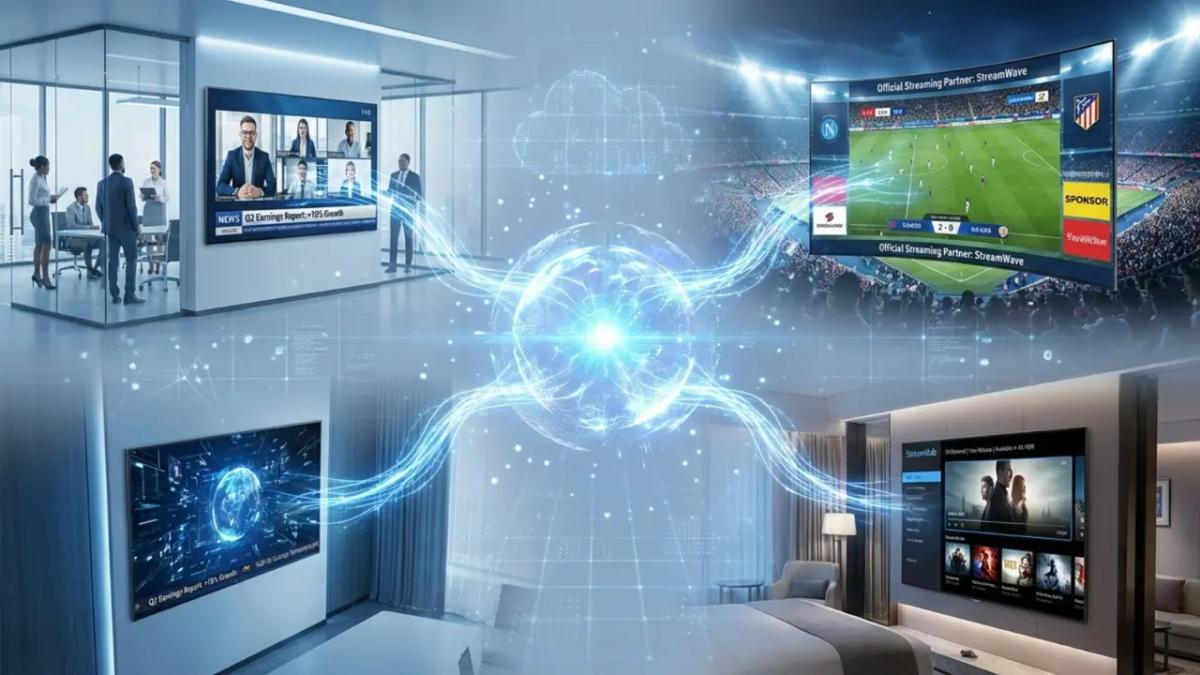
The combination of IPTV and digital signage is like a well-coordinated orchestra, where each part plays a key role in creating a rich experience. IPTV streams TV and video over an IP network, giving instant access to media without download delays. Digital signage usually manages dynamic content such as graphics, short videos, and announcements across many screens. When joined, a single display can show a live game, sponsor messages, and live stats at the same time, all controlled from one central system.
This strong mix turns every screen into a communication device that can update content in real time. For example, in a sports stadium, an IPTV head-end encodes live game feeds and sends them through the local area network (LAN). Each screen, whether in a suite or on the concourse, receives these streams through a set-top box or media player. At the same time, the digital signage system adds layers of content, such as ads, event schedules, or emergency messages, all managed from one dashboard. This smooth setup makes sure the right message reaches the right people at the right moment, improving communication, engagement, and daily operations.
What Are the Main Differences and Similarities?
Even though IPTV and digital signage are often discussed together, each has its own main role. IPTV is mainly about delivering TV and video over an internet connection. Unlike terrestrial, satellite, or cable TV, it sends video and images using internet protocols, giving benefits such as on-demand access and more user control. A key feature of IPTV is Video on Demand (VOD), which lets users watch stored programs or live streams when they choose. Its core focus is sending and viewing live (linear) and on-demand (non-linear) video streams.
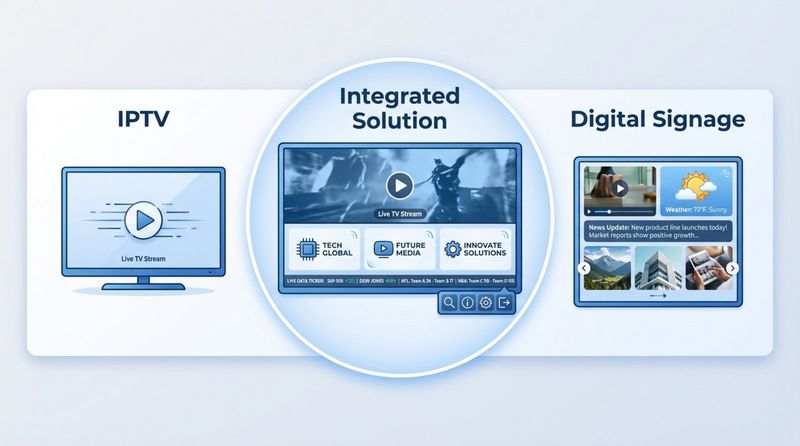
Digital signage is a broader solution that focuses on showing dynamic content-videos, pictures, text, and interactive items-on screens in public or private areas for information, advertising, or entertainment. Its strength is in managing and scheduling many types of content across a network of screens. The overlap appears when digital signage includes video, especially live or on-demand streams. Both use network infrastructure to send content and aim to catch the viewer’s eye. However, digital signage can run without any live video, using only images or scheduled slideshows, while IPTV’s main purpose is video delivery. When used together, IPTV provides the strong video streaming base, and digital signage provides the design and management layer to combine that video with other information, making the whole system more powerful and engaging.
Core Components of an IPTV Digital Signage Solution
A strong IPTV digital signage setup brings several technologies together, each with a key job in delivering a smooth visual experience. Knowing these main parts is important for anyone planning to build such a system, because how well they work together will decide the system’s performance and flexibility.
IPTV Head-End and Content Sources
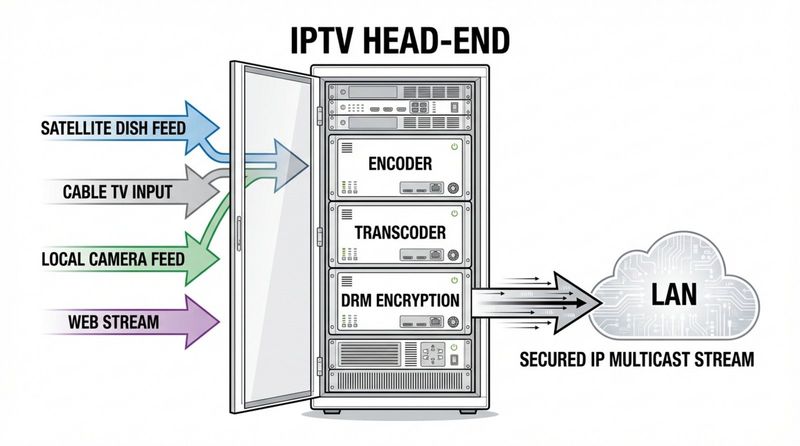
The IPTV head-end is the brain of the system. It is the central point where all video content is received, processed, and prepared for delivery. It takes in different live feeds, including Cable TV channels, satellite content, internal camera feeds, and online streams. Once received, the head-end encodes these signals into IP streams so they can travel over the network. It also encrypts and decrypts live video to meet Digital Rights Management (DRM) rules, which is especially important for businesses showing live TV legally.
Besides live feeds, the head-end also manages VOD libraries. VOD lets users watch stored programs or other streams whenever they want. This feature is very popular: about 82% of US homes with broadband have a VOD subscription. The head-end’s ability to handle many different sources and prepare them for IP delivery is a key factor in how flexible and rich any IPTV and digital signage solution can be.
Digital Signage Players and Displays
After the IPTV head-end processes content, it must reach the viewer. This is where digital signage players and displays come in. Digital signage players are usually small devices that act as the link between the network and the screen. They receive IP streams and other content, decode them, and play them on the displays. These players are built to connect easily to existing networks and can support high data speeds, sometimes up to 1 Gbit/s on local connections.
The displays are what the audience actually sees. They can be standard commercial screens, interactive touchscreens, video walls, or smart TVs that may not need separate set-top boxes. The mix of capable players and flexible displays allows for rich presentations, where live video can sit alongside graphics, text, and interactive content. The durability of these devices at the edge of the network is especially important in places with tough conditions, such as outdoor areas or high-traffic zones, so that performance and image quality stay consistent.
Streaming Protocols and Network Infrastructure
The base of any IPTV digital signage solution is a strong network and the streaming protocols that run on it. IPTV uses IP networks to deliver content. While it can work over public or private networks, private networks are usually preferred because they offer better reliability, security, and control. Many service providers use a dedicated setup-often based on DSL (Digital Subscriber Line)-to send large video streams smoothly without affecting other internet services.
Streaming protocols are key to sending video efficiently. Multicast protocols like UDP/RTP are widely used in large places, such as stadiums, to send live HD or 4K video to many screens at once without overloading the network. RTSP (Real-Time Streaming Protocol) is used to pull streams from IP cameras or encoders. HTTP/HTTPS is used to bring in web-based or external streams. A well-planned network, often using Layer 3 switches, must handle high bandwidth and keep delay low, especially where real-time video is important and even small delays can hurt the viewing experience.
Content Management and Scheduling Tools
To get the most value from an IPTV digital signage system, strong content management and scheduling tools are key. These tools offer a central place where teams can create, manage, and publish all kinds of content-from live streams and VOD to graphics, text, and interactive elements. A full-featured Content Management System (CMS) controls layouts, playlists, and schedules, and in a combined solution, it also pulls in IPTV streams to merge live video with other media.
With these tools, authorized staff can upload new content, adjust messages, and pull video feeds as needed. They support flexible scheduling, so content can play at certain times or be triggered by events. Many systems also allow instant updates and overrides, so important information, such as emergency alerts or score changes, can instantly replace normal programming across all screens. This level of control and flexibility is key for delivering targeted, timely, and useful content while keeping viewers engaged and operations smooth.
What Are the Benefits of Combining IPTV with Digital Signage?
Using IPTV together with digital signage brings many advantages, turning static spaces into active, informative, and engaging environments. This combination goes beyond simple screen content and supports broader goals for many types of organizations.
Real-Time and On-Demand Video Delivery
One major benefit of integrating IPTV and digital signage is smooth delivery of both live and on-demand video. Unlike older methods that rely on downloading files, IPTV streaming lets viewers access content right away. This is important where up-to-date information is needed, such as live sports in stadiums or urgent company announcements.
VOD inside the IPTV setup adds even more flexibility. Viewers can choose stored programs or content when it suits them. A hotel guest can watch a movie at any hour, and an employee can revisit a training video as needed. Having both live and on-demand content together greatly improves the viewing experience, making information and entertainment easy to access and better matched to individual needs.
Improved Audience Engagement and Interactivity
Combining IPTV and digital signage can greatly increase how much people pay attention and interact with content. Dynamic content tied to strong elements-like a live match in an arena-draws and holds attention better than static posters. Screens can mix live video with social media feeds, stats, and venue messages to create a more connected, lively experience.
Adding interactive tools such as touchscreens or QR codes beside IPTV content lets viewers take part directly. They can open live streams, answer polls, or browse on-demand content, which makes the experience feel more personal. In a corporate breakroom, for example, employees might share ideas or comments via an interactive interface while watching a company video feed, helping build a more open and collaborative culture.
Centralized Content Control Across Multiple Locations
A major practical benefit of an integrated IPTV and digital signage solution is centralized control. One system can manage and schedule content for all screens across multiple sites. Whether it’s updating menus in cafeterias, sending CEO messages to offices in several cities, or managing ads in stores, it can all be handled from a single console.
This central control reduces operational effort, keeps content in sync, and cuts down on the need to manage each screen individually. It supports fast, real-time changes for special offers, in-game events, or urgent alerts, making sure important information spreads quickly. This approach improves efficiency and helps keep branding and messaging consistent everywhere.
Cost Savings and Operational Efficiency
Using IPTV with digital signage can cut costs and streamline operations. Because it uses existing IP network infrastructure, many businesses can run IPTV on their current devices, avoiding extra hardware spending. In some cases, digital signage smart TVs can connect directly, removing the need for additional set-top boxes and lowering costs further.
The central CMS also reduces maintenance costs, since operators can schedule or override content on thousands of screens from one place instead of updating each display by hand. Cloud-based digital signage tools simplify content design, uploading, and scheduling from anywhere. IPTV systems also scale easily; adding more sources or endpoints usually only needs another IP network connection and doesn’t interrupt service. All this supports smoother workflows and better use of resources.
Key Use Cases for Integrated IPTV and Digital Signage Systems
The combined strength of IPTV and digital signage supports many use cases across different sectors and changes how organizations communicate and operate. These systems are about more than showing information-they help create interactive and responsive environments.
Corporate Communication and Training
In businesses, IPTV and digital signage networks are powerful tools for internal communication and training. They can send CEO messages, company news, and important notices to desktops, shared spaces, and meeting rooms. This helps make sure all staff receive the same information quickly, building a more informed workforce.
For training, interactive IPTV systems in meeting rooms can provide on-demand access to training videos and other company content, supporting ongoing learning. In lounges or break areas, screens can show live TV, news, or internal updates, helping employees stay engaged and informed. When tied into emergency systems, these networks can also display instant alerts and guidance during critical situations, supporting safety and readiness.
Stadiums, Arenas, and Live Events
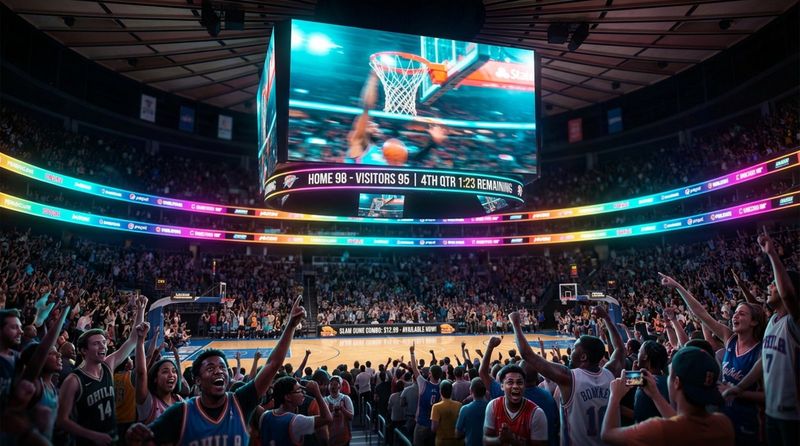
Stadiums, arenas, and event venues gain a lot from IPTV and digital signage because these tools can upgrade the fan experience and venue operations. The goal is to offer something fans cannot get at home. IPTV systems send live game coverage, replays, player stats, and sports news to screens throughout the venue, from seating areas to concourses, lounges, and suites.
Digital signage adds sponsor content, ads, and live data on top of these feeds to make viewing richer. Interactive maps and wayfinding help fans move around more easily and reduce crowding. Digital menu boards show live updates, such as specials and wait times, in concession stands. This approach keeps fans connected to the action even when they leave their seats, encourages them to explore the venue, and increases revenue with targeted ads and better sponsor exposure.
Healthcare and Educational Facilities
Hospitals and schools use IPTV and digital signage to improve experiences, streamline processes, and support clear communication. In hospitals, screens in waiting rooms can show health tips, entertainment, and key hospital information, helping reduce perceived wait times and keep visitors informed. Emergency messages can appear across all displays quickly, helping protect patients and staff.
On campuses, these systems can show news, event calendars, and emergency notices. They can also deliver educational videos in classrooms or shared spaces. Being able to provide focused information and entertainment helps build a more engaging and supportive setting for patients, visitors, students, and staff. Secure and controlled content delivery is very important in these places, making IPTV’s managed network a strong fit.
Hospitality and Retail Environments
Hotels and retailers use IPTV and digital signage to improve guest experiences, increase sales, and strengthen their brand. In hotels, guests can watch live TV, access VOD, and use hotel services directly from their in-room TV, which feels personal and convenient. Screens in lobbies and public areas can show welcome messages, event times, and local tips, making the space more inviting.
In retail, live video and images can show promotions and product information at checkout or in key aisles, encouraging impulse buys and upselling. Digital signage can also direct customers to certain product sections. Some advanced setups can even detect customer location using mobile phones and show related content on nearby digital billboards. This ability to show targeted content helps create a dynamic shopping experience and supports brand goals through focused messaging.
What Technical Factors Should Be Considered?
Setting up an integrated IPTV and digital signage solution is a major project that requires careful planning of several technical points. Ignoring these can lead to poor performance, security risks, and problems when trying to scale up later.
Compatibility with Existing Networks and Hardware
One of the first technical points is whether the new IPTV digital signage system will work well with your current network and hardware. Ideally, the new system should plug into the existing IP network, using current cabling and switches as much as possible to reduce cost and disruption. At the same time, it’s necessary to check whether the current network can handle the higher bandwidth needs of streaming video without hurting other services.
Compatibility with existing screens also matters. Many newer digital signage smart TVs can connect to IPTV streams without a separate set-top box, which can lower hardware costs. Older displays may need set-top boxes or media players to link the video feed to the screen. A detailed review of your current infrastructure is needed to see what upgrades or extra components will be required to keep everything running smoothly and avoid surprise expenses.
Streaming Quality, Bandwidth, and Latency
Video quality is a major factor, especially when video is the main content. It depends on both available bandwidth and latency. HD and 4K streams require a lot of bandwidth, and the network needs to support these demands across all displays at once without quality loss. In venues like stadiums, where many screens show live content, efficient multicast streaming is key to avoid network overload.
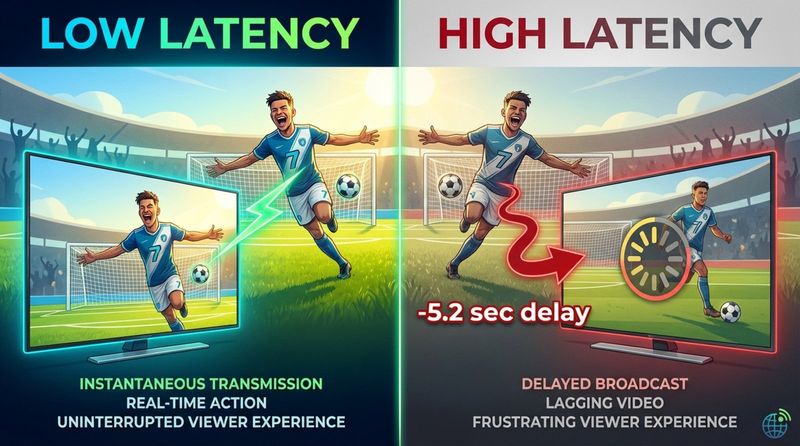
Latency-the delay between real-world action and what appears on the screen-is also very important. In sports venues, for example, low latency (ideally under 500 milliseconds) is needed so that what happens on the field matches what viewers see on screens. It can be hard to keep both low latency and high image quality during encoding, distribution, and decoding. Higher quality and better compression can increase latency, so you must find a balance based on your use case and what your audience expects.
Security and Access Control
Security is a must-have for any system running over IP networks, and IPTV digital signage is no different. Video and other content traveling over the network must be protected against unauthorized access, tampering, and data leaks. That means securing the IPTV head-end, which handles video encryption and decryption, and following DRM rules for broadcast content.
Access control is another key element. The system should let admins define user roles so that only certain people or teams can change specific content or manage certain screens, while keeping core settings protected. Role-based access, combined with stream encryption where needed, strengthens the security of the whole solution. Using private networks instead of public ones also improves security by giving more control over the environment and allowing closer monitoring.
Scalability for Future Expansion
A good IPTV digital signage system should be easy to grow and adjust as needs change. The design should make it simple to add more screens, new content types, or additional locations without rebuilding everything from scratch.
IPTV systems are often praised for being easy to expand, since they usually just need more IP connections to add new endpoints or sources. But scaling also depends on whether the CMS can handle more content and displays and whether the network can support more traffic. Thinking about long-term plans and possible future needs early on is important. Choosing a solution with a modular design and strong infrastructure helps keep the system ready for growth and maintains efficient operations over time.
How to Maximize Value from IPTV Digital Signage Integration
Putting IPTV and digital signage in place is only the first step. To get real value, organizations need clear approaches to content planning, personalization, and measurement.
Content Strategy and Dynamic Scheduling
The core of a successful digital signage rollout-especially with IPTV-is a clear content strategy. It’s not about simply filling screens; it’s about showing content that matters to the audience. This means planning what types of video (live, on-demand, ads), graphics, and text to show, and knowing the goal of each message.
Dynamic scheduling is how that plan comes to life. It lets you program content for certain times, days, or in response to live events. A retailer might show promo videos during busy shopping periods, while a corporate office might show company updates at times when more staff are on break. Mixing pre-recorded clips, animated overlays, and live streams into a single channel that goes to many screens helps keep content fresh and attention-grabbing. This planned, flexible approach keeps displays active, relevant, and impactful.
Personalization and Targeted Messaging
Personalization and targeted messages are key to making IPTV digital signage more effective. The strength of these systems lies in sending different content to different groups and locations instead of showing the same thing everywhere.
For example, in a sports arena, concourse screens might show sponsor ads and basic stats, while suite TVs run higher-end ads for VIP guests. In an office, different departments can receive news feeds related to their work. Some advanced setups can even detect a customer’s location via their phone and show matching content as they walk past a digital display. By assigning unique content “channels” to different areas, organizations can send the right message to the right people and make communication feel more relevant and personal.
Measuring Engagement and ROI
To check whether an IPTV digital signage investment is paying off, organizations need to measure engagement and track Return on Investment (ROI). Without data, it’s hard to know which content or schedules are effective and where changes are needed. Many modern systems offer analytics and reporting tools that show how content is performing and how users interact with it.
These tools can track screen uptime, how long each piece of content plays, and how often people interact with touchscreens or scan QR codes. Advertisers can get proof-of-play reports to confirm that their campaigns ran as planned. By looking at real-time stats on service quality and channel usage, organizations can refine their content lineups and schedules. This data-driven approach supports ongoing improvement, better engagement, and clearer proof of business value.
Is IPTV Digital Signage the Right Fit for Your Organization?
Before investing in an IPTV digital signage system, organizations should honestly review whether it matches their goals, needs, and current capabilities. This means asking the right questions and being aware of possible challenges.
Questions to Ask Before Adoption
Key questions to guide your decision include:
- What are your main communication and engagement goals? Are you aiming to improve training, customer experience, sales, or emergency messaging?
- What features and scale do you need to meet these goals?
- Can your existing network support high-bandwidth video streaming, or will it need upgrades?
- Are your current displays compatible, or will they need set-top boxes or replacement?
- Do you have people and processes in place to create and manage dynamic content on a regular basis, or will you rely on outside help?
- What is your budget for installation and ongoing operations?
Clear answers to these questions will help you see how realistic an IPTV digital signage project is and what kind of impact it could have.
Common Challenges and How to Overcome Them
Although the benefits are strong, there are several common hurdles in IPTV digital signage projects. One is providing enough bandwidth and keeping latency low, especially in large sites with many screens. Upgrading to a capable Layer 3 switch network and using multicast streaming can help send video efficiently without overloading the network.
Another challenge is content production and management. Keeping content engaging and up to date needs a clear plan and proper resources. Helpful steps include investing in easy-to-use CMS tools, often cloud-based, that simplify design and scheduling, and building a content calendar. Technical tasks such as installation, maintenance, and support can also be a strain. Working with experienced software vendors or service providers who can guide the project and offer ongoing support or managed services can reduce this burden. Finally, security and regulatory compliance-especially around DRM for broadcast material-must be taken seriously. Strong encryption, secure network setup, and strict access control policies are key parts of addressing this.