
Table of Content
Can digital signage really change your merchandising strategy and increase sales in a big way? Yes. In today’s fast-moving retail market, old-fashioned static signs are losing ground to bright, flexible, and engaging digital screens. This technology takes merchandising to a higher level, grabbing customer attention and strongly shaping what they decide to buy. By using digital displays, retailers can turn their stores into immersive, interactive spaces that show products more clearly and also drive real gains in sales and customer engagement.
What Is Merchandising Strategy in Retail?
Merchandising in retail is much more than putting products on shelves; it’s a planned approach aimed at attracting shoppers and encouraging them to buy. It covers a full set of actions that make products stand out and look appealing from the moment a customer enters the store. The goal is to build an environment where products don’t just sit there, but actively catch the eye, create desire, and lead to a purchase.
This approach includes careful thought about many elements, from which products the store stocks to where each item sits in the space. It’s about building an experience that guides the customer’s eye, shows value, and makes buying feel easy and natural.
Core Components of Successful Merchandising
Successful merchandising depends on several key components, each playing an important part in the shopping experience. To start, there is product selection: making sure the store carries the right items to match customer demand and current trends. Then comes store layout, which shapes how products are arranged. Popular products are often placed at the front or at eye level to increase visibility and ease of access.
Next are displays, which use signs, lighting, fixtures, and creative setups to make products stand out. Think of a well-lit window display or a clever endcap that pulls customers in. Promotions like sales, coupons, and loyalty programs are another key part, used to build excitement and give customers reasons to buy now. Finally, clear and complete product information helps customers understand what they’re buying, answer their questions, and build trust.
How Merchandising Influences Shopper Behavior
Good merchandising heavily shapes how shoppers behave. By carefully combining the core elements, retailers can lift the overall shopping experience, making it smoother and more enjoyable. This affects how customers see value and often leads to impulse buys they did not plan. When products look attractive, information is easy to find, and promotions feel like good chances, shoppers are more likely to browse, explore, and purchase.

The mix of visual appeal, smart product placement, and clear messaging can gently guide customers through the store, leading their attention to high-margin products or new launches. It’s about building a story around the products that connects with customers, making them feel a pull and a need for what’s on display. This psychological effect is a major reason why merchandising drives sales so strongly.
What Is Digital Signage and How Does It Impact Sales?
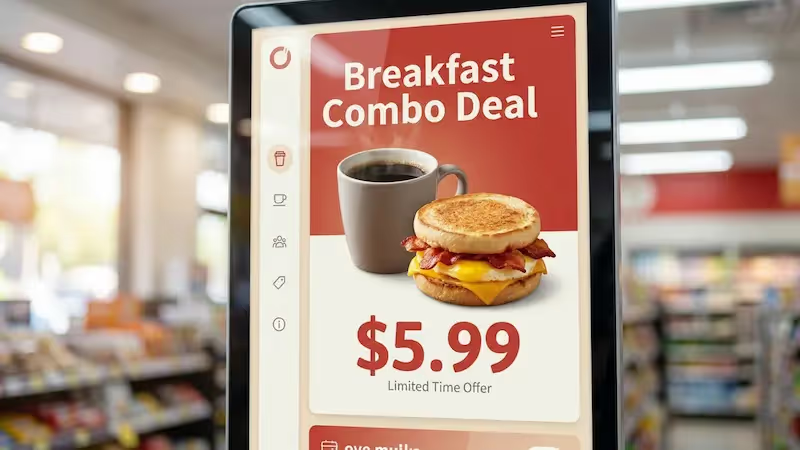
Digital signage means using electronic displays, such as LCD or LED screens, to show changing content inside a store. Instead of fixed posters, these screens show a mix of media: promo videos, ads, detailed product info, interactive catalogs, and real-time updates. It is a flexible and powerful tool that turns a standard store into a more active, engaging, and often interactive space.
Digital signage in retail has a strong and proven impact on sales. Moving visuals catch the eye in ways printed signs cannot. Studies show digital signage can get up to 400% more views than static signs, and 83% of customers remember information they see on a digital ad. This higher attention leads directly to better sales, with reported lifts of up to 30% and foot traffic increases up to 49%.
Key Advantages of Digital Signage Versus Traditional Displays
Switching from static displays to digital signage brings many benefits that help raise sales and improve the customer experience. One of the biggest is real-time content updates. Printed signs need new design, printing, and installation every time something changes, which costs time and money. Digital screens can be updated instantly, often from a central system. Retailers can quickly react to market trends, launch flash sales, or adjust promotions based on stock levels or time of day.
Digital signage also supports rich dynamic visual content. Motion, animation, and high-quality video are much more engaging than still images. They can show products in action-drinks being poured, tools being used, or appliances running-making them more appealing than items just sitting on a shelf. This moving content draws the eye and helps products stand out in busy spaces. In addition, digital displays support interactive engagement through touchscreens or QR codes, letting customers explore product details, watch demos, or get custom suggestions, which makes the shopping trip more satisfying.
Types of Digital Signage Used in Retail Environments
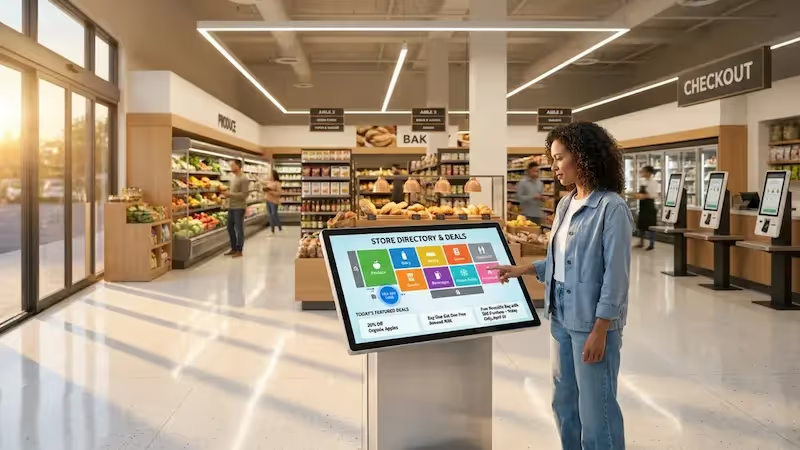
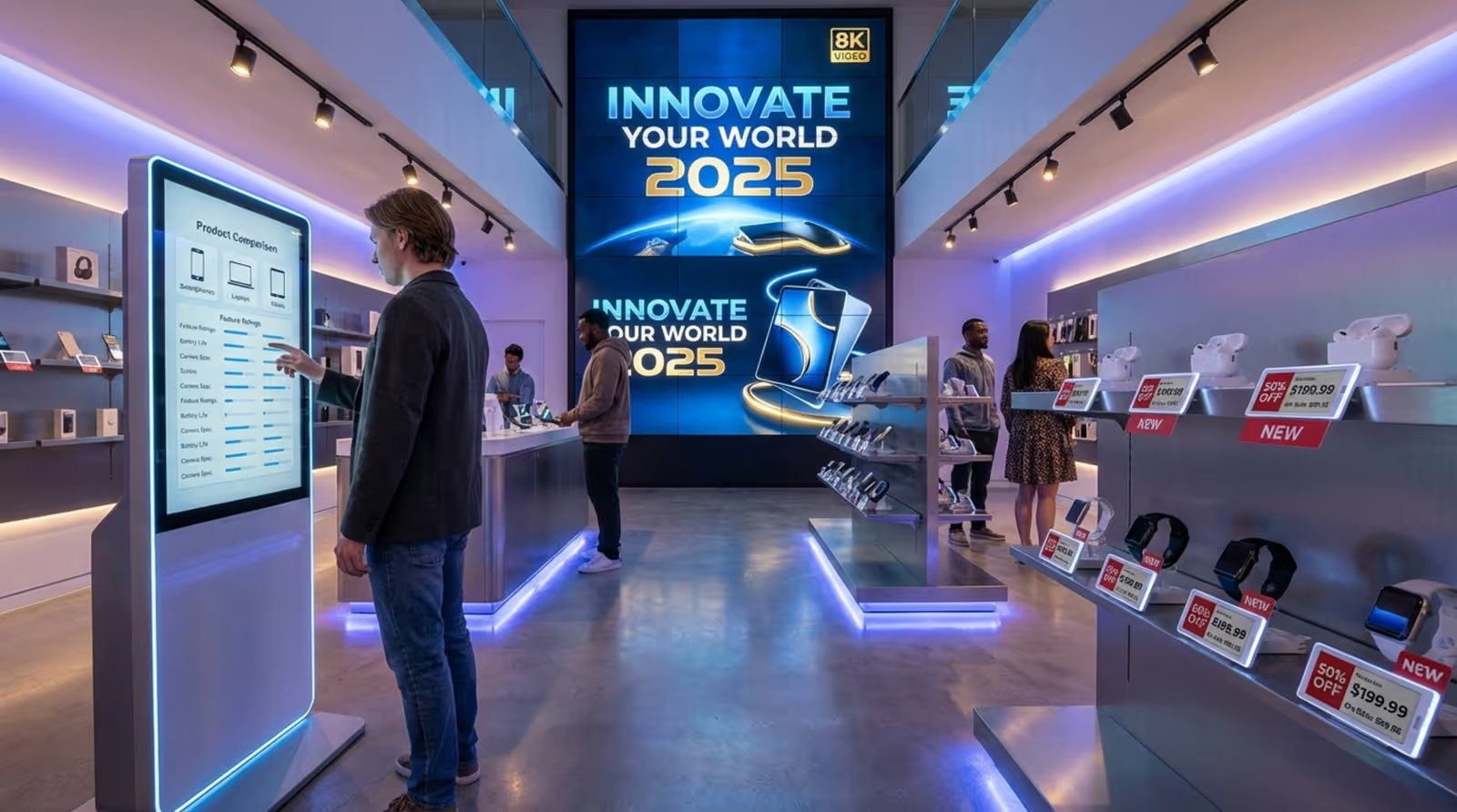
Retailers use several kinds of digital signage, each set up to meet different goals and customer moments. Large format displays in storefronts or key in-store spots use bright images and strong offers to pull people inside. They can act like virtual mannequins, showing clothing on moving models. Interactive kiosks with touchscreens let customers go deeper: compare items, check stock, look up specs, or even build custom products, giving them a sense of control and choice.
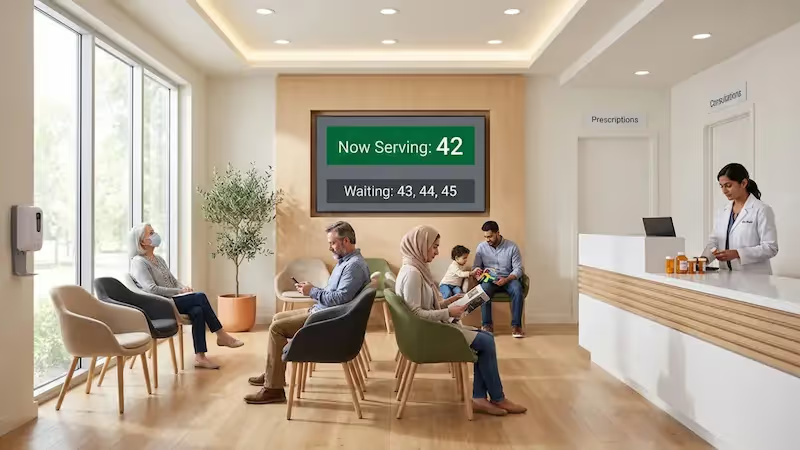
Video walls create big, immersive scenes that work well for brand stories or lifestyle content. Smaller shelf-edge displays and endcap screens can push single products, show prices, or promote quick deals right where buying decisions happen. Queue management screens can both show wait times and quietly promote offers or loyalty programs. The main task is to choose the right type of screen for each location and goal so it fits the store’s look and supports the shopper’s path.
How Digital Signage Changes Merchandising Strategy
Digital signage is more than a slight upgrade; it changes how merchandising strategies are planned and put into action. It brings motion, flexibility, and precise control to every part of product display and promotion. Instead of being stuck with fixed signs, retailers can run a responsive and engaging store that adapts to customers and conditions in real time. This helps them stay more current, more useful, and more effective in driving sales.
Real-Time Content Updates and Dynamic Messaging
Real-time updates are one of the biggest game-changers with digital signage. Think about a sudden weather shift, surprise stock arrival, or a new promo from a competitor. With printed signs, reacting means delays and extra cost. With digital screens, content can change right away.
Retailers can adjust promos, prices, or featured products across all screens with just a few clicks. Messages stay current, relevant, and appealing. For example, a clothing store can switch from promoting winter coats on a cold day to pushing sunglasses and summer wear when the sun comes out. This quick reaction keeps the store feeling fresh and keeps promotions closely tied to real-time needs.
Enabling Timely Promotions and Flash Offers
Digital signage is perfect for timely promos and flash deals that create urgency and drive impulse buys. Retailers can roll out last-minute seasonal offers or short-term discounts across all screens with little effort. This works very well during events like Black Friday, Mother’s Day, or Back to School, where certain products matter only for a short time. Countdown timers on screens can increase the pressure, encouraging customers to buy before time runs out.
Beyond these big events, screens can adapt hour by hour. They can promote umbrellas when it starts raining or food deals around lunch and dinner. Doing this with printed signs would be slow and expensive. Digital signage makes it easy and cost-effective to run these timely offers.
Maximizing Impact with Location-Based Content
Digital signage supports very targeted, location-based content. Screens can show different messages depending on where they are and what customers nearby might want. A display next to high-end TVs can show specs and comparisons, while a screen near scented candles may focus on mood visuals and price points.
This way, customers see information linked to what they are already viewing, which helps them decide faster and more confidently. Interactive kiosks go even further by letting shoppers search for the kinds of deals and info that match their own interests, shaping a more personal trip through the store.
Consistency and Brand Storytelling Across Displays
Keeping a consistent brand look across many locations is a challenge for large retailers. Digital signage offers a strong answer by showing the same logos, colors, fonts, and style on all screens, no matter the store. This stable look builds recognition and trust.
Digital screens are also great tools for brand stories. Retailers can share short videos about how products are made, what the company stands for, or how it supports the community. They can show customer testimonials or behind-the-scenes clips. This type of content makes the brand feel more human and relatable, building emotional ties and long-term loyalty. With easy-to-use templates, chains with many branches can build and push out content that always follows brand rules.
Proven Techniques for Boosting Sales with Digital Signage
Digital signage is not just decoration; it is a planned sales tool. When used with clear goals and strong content, it can actively guide buying decisions and grow revenue. The methods range from soft suggestions to direct calls to buy now.
Highlighting New Products and High-Margin Items
One strong use of digital signage is to push new products and high-margin items. Retailers can use bright animations and bold layouts to announce fresh arrivals. For example, a fashion retailer can show a new line with video clips of models walking, or a tech store can show a short demo of a new device.
Digital screens also help move items the store wants to push for profit reasons. A home store may show high-end candles or luxury bedding near related sections. An electronics store can feature big-screen TVs with the best profit margins, using clear visuals and benefit highlights to support the higher price. This focus makes sure key items get noticed and contribute more to revenue.
Upselling and Cross-Selling through Targeted Recommendations
Digital signage is very effective at suggestive selling. It can promote add-ons (cross-sell) and higher-priced versions (upsell) to raise the average sale. For example, near a smartphone display, a screen can show protective cases, earbuds, and chargers, positioning them as natural add-ons to complete the purchase.
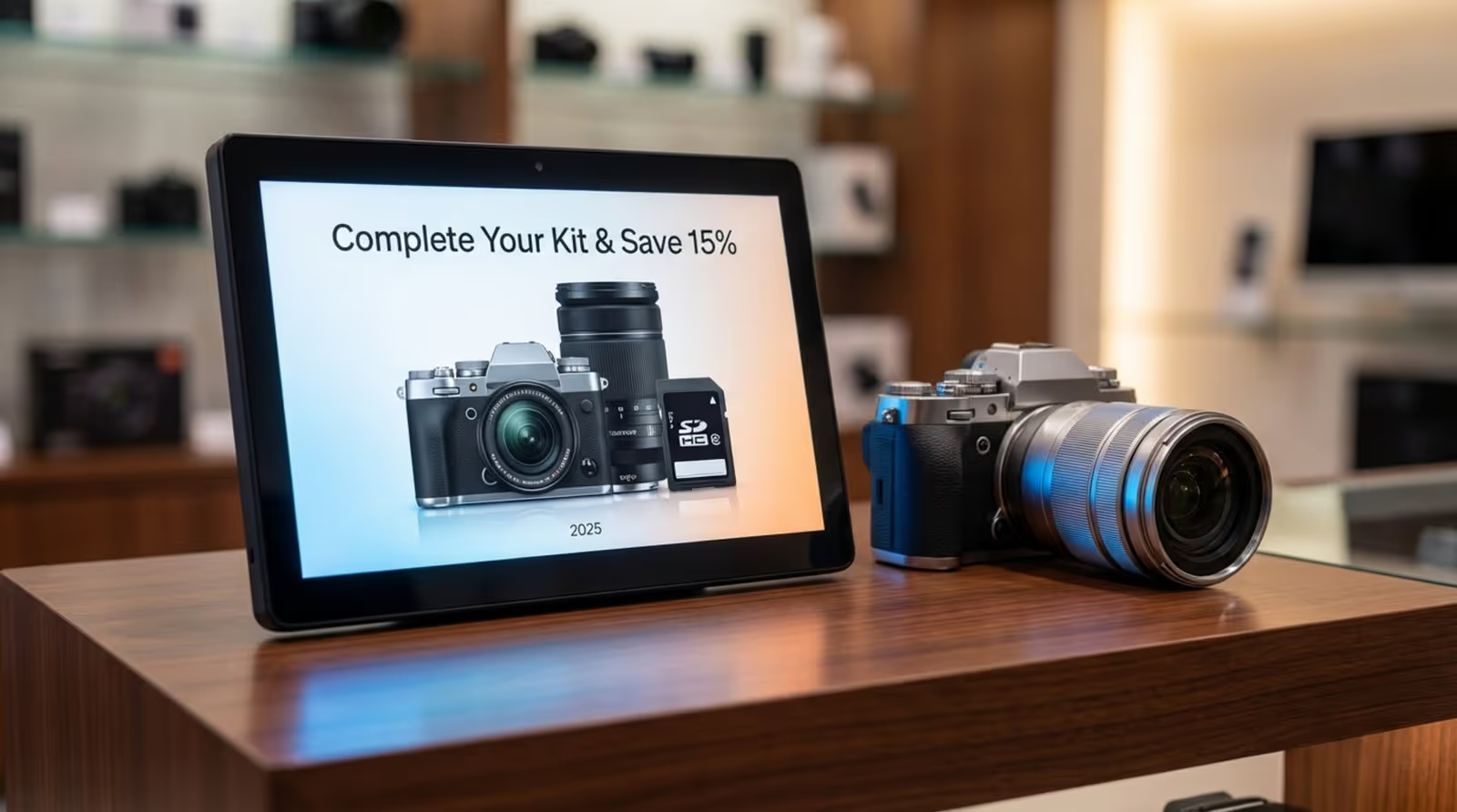
For upselling, content can show how a premium model is better than the basic one, focusing on extra features or better performance. The goal is to present these options as helpful ideas that add value, not as pushy sales tactics. A study from McKinsey & Company found that good cross-selling can lift revenue by 20% and profit by 30%, showing how powerful this method can be when backed by digital signage.
Seasonal, Event, and Time-Limited Campaigns
Because content is easy to change, digital signage is ideal for seasonal, event-based, and time-limited campaigns. Stores can quickly shift into holiday mode for Christmas with snow graphics, ornaments, and special deals plus matching music. When Back to School season arrives, screens can switch to notebooks, backpacks, and tech for students. Before Mother’s Day, they can show gift ideas and reminders, and in summer they can feature sunscreen, grills, or swimwear.
This fast changeover keeps promotions aligned with what customers care about right now. Compared to constantly printing and swapping physical signs, digital screens save time, reduce waste, and make it easier to match campaigns to seasonal buying patterns.
Interactive and Personalized Customer Engagement
Digital signage also supports interactive and personal experiences instead of just one-way viewing. Touchscreen kiosks let customers search for products, watch demo videos, or get recommendations based on their choices. This hands-on approach helps shoppers find what they want more quickly and makes the visit more satisfying.
More advanced systems can also adjust content based on simple inputs like time of day, weather, or broad audience profiles (while still respecting privacy rules). A mall screen might show faster, more energetic content in the afternoon when more teens arrive, and more detailed, calm content in the morning. When shoppers feel the messages fit them better, they pay more attention and build a stronger link with the brand. Adding QR codes for surveys, contests, or social feeds lets customers engage beyond the store, building a community feeling.
Optimizing In-Store Layouts for Maximum Sales Impact
Where you place digital signage matters as much as what you put on it. It’s not about filling empty walls; it’s about planning screens into the shopper’s path so they guide, inform, and persuade. A well-planned store layout uses screens to support a smooth, persuasive journey that leads to more sales.
Strategic Placement: Entrances, Checkout Counters, and Endcaps
To get the most from digital signage, placement is key. Entrances are prime spots because they form the first impression. Bright window screens with strong visuals and offers can pull people into the store. Just inside, entrance screens can greet customers, show a quick map, or highlight current deals, setting clear expectations.
Checkout counters are another important area. While customers wait, screens can show low-cost add-ons, special deals, or limited offers that encourage last-minute purchases. People standing in line often welcome something to look at, and they are already in a buying mindset. Endcaps at the ends of aisles are great for promoting products linked to that aisle or new arrivals, catching the eye as people walk by. Placing digital signs in these busy spots increases both views and influence.
Wayfinding and Shopper Journey Guidance
Digital signage helps customers find their way and reduces confusion. Clear digital signs around the store can show where departments, services, or featured items are, cutting down on frustration. For example, a large screen near an escalator might say “Shoes” with arrows and product highlights so shoppers know exactly what floor they are on and where to go.
Screens placed at key junctions-near escalators, main aisles, or category zones-can act as guides, pointing people toward key departments or current campaigns. This saves customers time and leads them into areas where they are most likely to buy.
Triggering Impulse Buys at Key Locations
Digital signage is very effective at triggering impulse buys when placed in the right spots. Beyond checkouts and endcaps, screens near fitting rooms can suggest items that go with what customers are trying on-like belts, shoes, or jackets. In waiting areas, screens can entertain while promoting quick snacks, small gadgets, or limited-time bargains.
These screens can show short videos and simple calls to action, creating quick desire or curiosity. For instance, a screen near a seating area could loop a clip of a popular new drink or snack and show a “Today Only” price. By timing these prompts when customers are standing still or thinking, retailers can increase spontaneous purchases.
Best Practices for Implementing Digital Signage in Merchandising
Effective digital signage takes more than installing screens. It needs a clear plan for content, the right technology, and smooth integration into daily store operations. Following some basic best practices helps turn screens into strong sales tools instead of just background decor.
Keeping Content Fresh and Visually Consistent
The most important rule is to keep content fresh. If customers see the same loop over and over, they start to ignore it. Retailers should regularly add new products, deals, images, and videos. Short animations and smooth transitions help keep things lively and eye-catching.
Visual consistency also matters. All screens should follow the same brand rules: logo, colors, fonts, and tone. This builds a clear, recognizable identity. Every display should follow basic style standards, such as how big the logo is and which fonts are used, creating a clean, professional look that supports brand recognition.
Choosing Hardware and Platforms for Reliability
The success of digital signage depends heavily on reliable hardware and software. Stores should invest in durable, high-resolution screens and solid media players made for long hours of use in public spaces. This includes handling constant operation, minor bumps, and varied lighting or temperature.
Just as important is the content management system (CMS) that runs everything. It should be easy to use, stable, and allow staff to update content, schedule playlists, and manage many screens remotely. Features like scheduling content by time or date, or switching messages automatically, can save staff time and reduce errors. Without dependable hardware and a strong platform, even the best content can fail due to outages or glitches.
Personalizing Content with Analytics and AI
Using analytics and Artificial Intelligence (AI) takes digital signage to the next level by making content more relevant. AI tools can study how customers move through the store, where they stop, and which messages they respond to. With that data, screens can adjust what they show throughout the day.
For example, a screen might show family-focused offers when foot traffic data suggests more parents with kids, or push coffee and snacks during mid-morning break times. Stores can also link loyalty data so that offers match known buying patterns (while respecting privacy rules). This kind of personalization helps raise both customer satisfaction and sales by showing the right message to the right people at the right time.
Integrating Customer Reviews and Social Proof
Customer opinions matter a lot today. Showing reviews and testimonials directly on digital signage can strongly affect what shoppers decide to buy. Screens can pull in ratings from sites like Google or Yelp or show user photos of products in real life.
Research shows that products with multiple reviews see much higher chances of being bought-one study found up to a 270% rise in purchase likelihood for items with at least five reviews. The reviews shown should be real, easy to read, and updated often. This is especially useful for products where quality and satisfaction are major concerns. By putting real customer voices on screen, retailers give shoppers extra confidence.
Measuring the Sales Impact of Digital Signage
Digital signage costs money to set up and run, so it needs to be measured like any other investment. Running screens without tracking results can lead to wasted budget. Smart retailers treat digital signage as a test-and-learn tool, always checking data and improving content and placement.
Key Metrics for Tracking Performance
To understand how digital signage affects sales, retailers should watch a few key metrics:
- Sales uplift: Compare sales of products when they appear on screens versus when they don’t. If a product sells 15% more in the week it is featured, that points to impact.
- Foot traffic: Use sensors or counters to see if digital storefronts and in-store screens bring more visitors into the store or into specific areas.
- Conversion rate: Use unique QR codes or promo codes on screens to track how many viewers take an action, such as purchasing or signing up.
- Average transaction value: Check if receipts from customers exposed to screens are larger or contain more items.
These numbers together give a clear view of how screens affect behavior and income.
Analyzing Data to Refine Merchandising Strategy
Collecting data is only the first step; the real benefit comes from using it to improve your merchandising plan. Retailers should review metrics regularly-weekly is often a good pace-to spot patterns. If a certain video style always leads to more sales, it makes sense to create more content in that style. If some promos work better at certain times of day, schedules can be adjusted.
A/B testing is especially useful. For example, two different versions of a promo can run in separate stores or on different days. By comparing results, retailers can choose the better-performing version. Over time, this cycle of testing and adjusting turns digital signage into a constantly improving sales tool.
Frequently Asked Questions about Digital Signage and Merchandising
Does digital signage really boost retail sales?
Yes, digital signage can lift retail sales in a meaningful way. Many studies and case examples show that businesses using digital screens in their stores have seen average sales increases of up to about 32%. The rise comes from the screens’ ability to grab attention, show real-time offers, and present engaging content that nudges customers to buy. It makes the shopping experience more active and informative, which usually leads to more revenue and higher store visits.
What are the best ways to set up digital signage for maximum effect?
To get the best results from digital signage, focus on three main areas:
- Placement: Put screens in busy, high-visibility spots-entrances, checkouts, and endcaps at or near eye level.
- Content: Create clear, bold messages with short text, strong visuals, and direct calls to action. Highlight key products and limited-time deals.
- Technology: Use durable, high-quality screens and a reliable content management platform that allows quick updates and scheduling.
Adding simple interactive touches like QR codes can further raise engagement and help you track results.
How can I measure the ROI of digital signage in my store?
To measure ROI, compare the income gained to the cost of hardware, software, and content production. Track:
- Sales uplift for products shown on screens versus times they are not shown
- Average transaction values before and after digital signage deployment
- Use of QR codes or promo codes that appear only on screens
- Changes in foot traffic after installing window or entrance screens
Putting these numbers into a simple ROI formula (net profit from signage divided by total signage cost) helps you judge success and identify ways to improve.
Key Takeaways for Maximizing Merchandising with Digital Signage
Bringing digital signage into your merchandising plan is now a basic step for retailers who want to stay competitive. Moving from fixed signs to digital screens marks a clear shift in how stores interact with customers, offering more room for creativity, faster reactions, and stronger influence on buying decisions.
Looking ahead, digital signage will keep getting smarter. More advanced AI will help screens respond to real-time signals, offering very personal shopping paths. Augmented reality (AR) could let customers virtually try on clothes or see how furniture looks at home using in-store displays. Smooth links between online and in-store experiences will grow more important, with digital signage acting as a key connector between e-commerce and physical retail.
For retailers, the path forward is to adopt these tools as part of a full strategy focused on customer experience, not just as gadgets. By staying flexible, testing new ideas, and always focusing on what helps customers most, digital signage can turn stores into lively, high-performing sales spaces that keep people coming back.