Table of Content
How do you turn a static building into a helpful, engaging experience for every visitor? Environmental Graphic Design (EGD) answers this by blending architecture, interior design, and graphics to guide people and tell a story. It uses visual cues-like signs, colors, and digital displays-to help people find their way and feel connected to a space.
In 2026, physical spaces must compete with the speed and ease of digital worlds. Designers are doing more than hanging signs; they are building environments that support strong brands and reduce stress. From busy airports to local cafes, EGD quietly directs traffic, provides comfort, and shares your identity without saying a word.
What is Environmental Graphic Design?
How does environmental graphic design differ from traditional graphic design?
Traditional graphic design usually lives on flat, 2D surfaces like brochures or websites. Environmental graphic design works in 3D. It focuses on how people move through a physical area. While you look at a website on a screen, you walk through and around EGD.
Designers in this field must think about materials and scale. A logo on a website is made of pixels, but a logo on a building must handle rain, wind, and sun. Designers also consider viewing distances. A sign must be readable from 100 feet away for drivers, but look good from five feet away for pedestrians.
What are the main goals of environmental graphic design projects?
The primary goal is to make a space work better for the people inside it. This often starts with wayfinding-helping people get from point A to point B without getting lost. EGD also builds a "sense of place." It turns a plain hallway into a branded environment that reflects what an organization stands for.
Clear communication is also vital. in complex places like hospitals or transit hubs, EGD must share safety info, directions, and educational content instantly. The aim is to lower the mental effort for your visitors. When done well, EGD makes a facility feel simple, friendly, and professional.
Key Components of Environmental Graphic Design
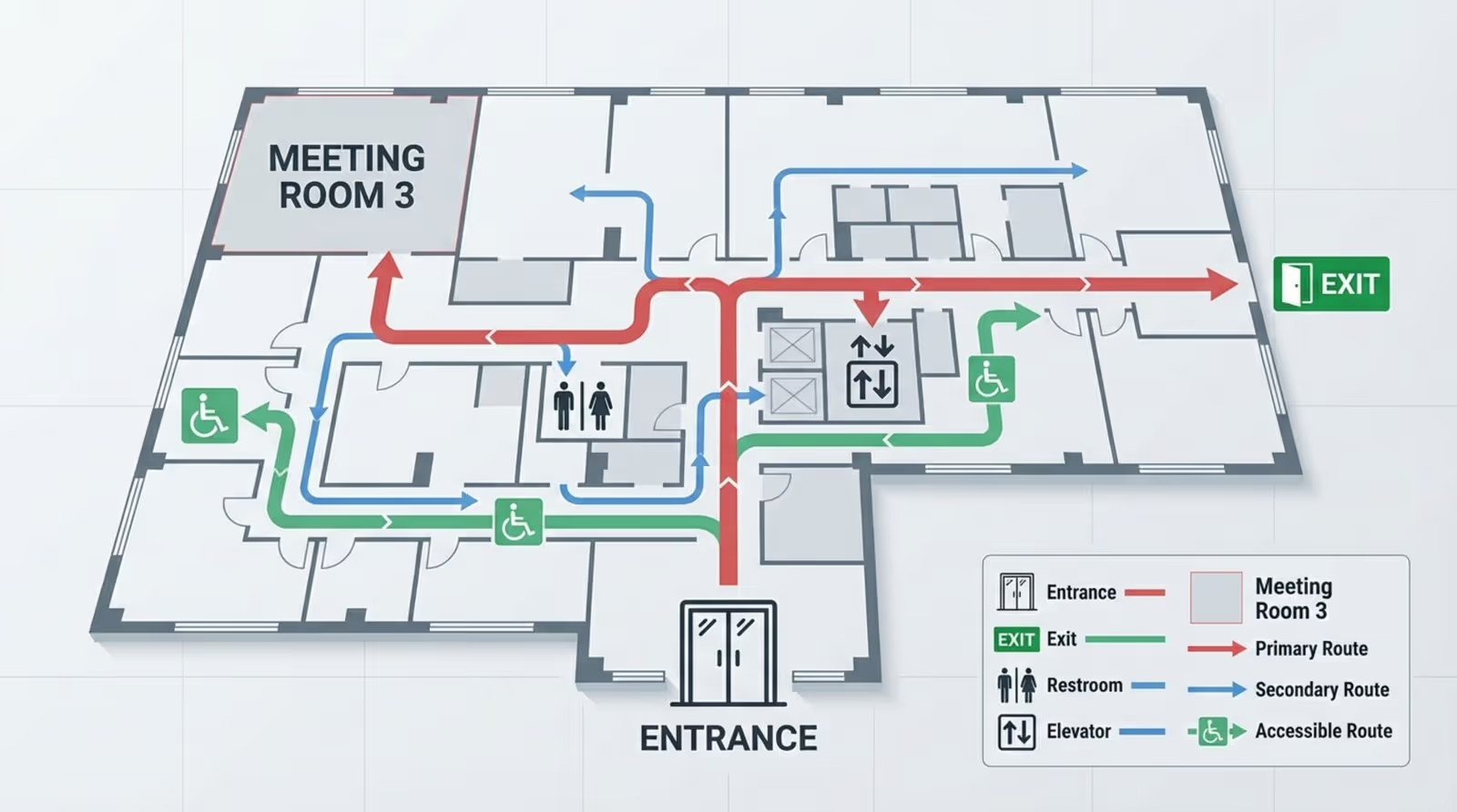
Wayfinding systems and navigation aids
Wayfinding is the most practical part of EGD. It connects signs, maps, and symbols to help people navigate. Good wayfinding feels invisible; it gives you the right information exactly when you need to make a turn. It prevents the stress of feeling lost.
Modern wayfinding uses landmarks, not just text. A designer might use a large sculpture or a bold "blue wall" as a reference point. Remembering "turn at the blue wall" is often easier than remembering "Hallway 4-B." This mixes logic with strong visual cues.
Signage and dimensional lettering
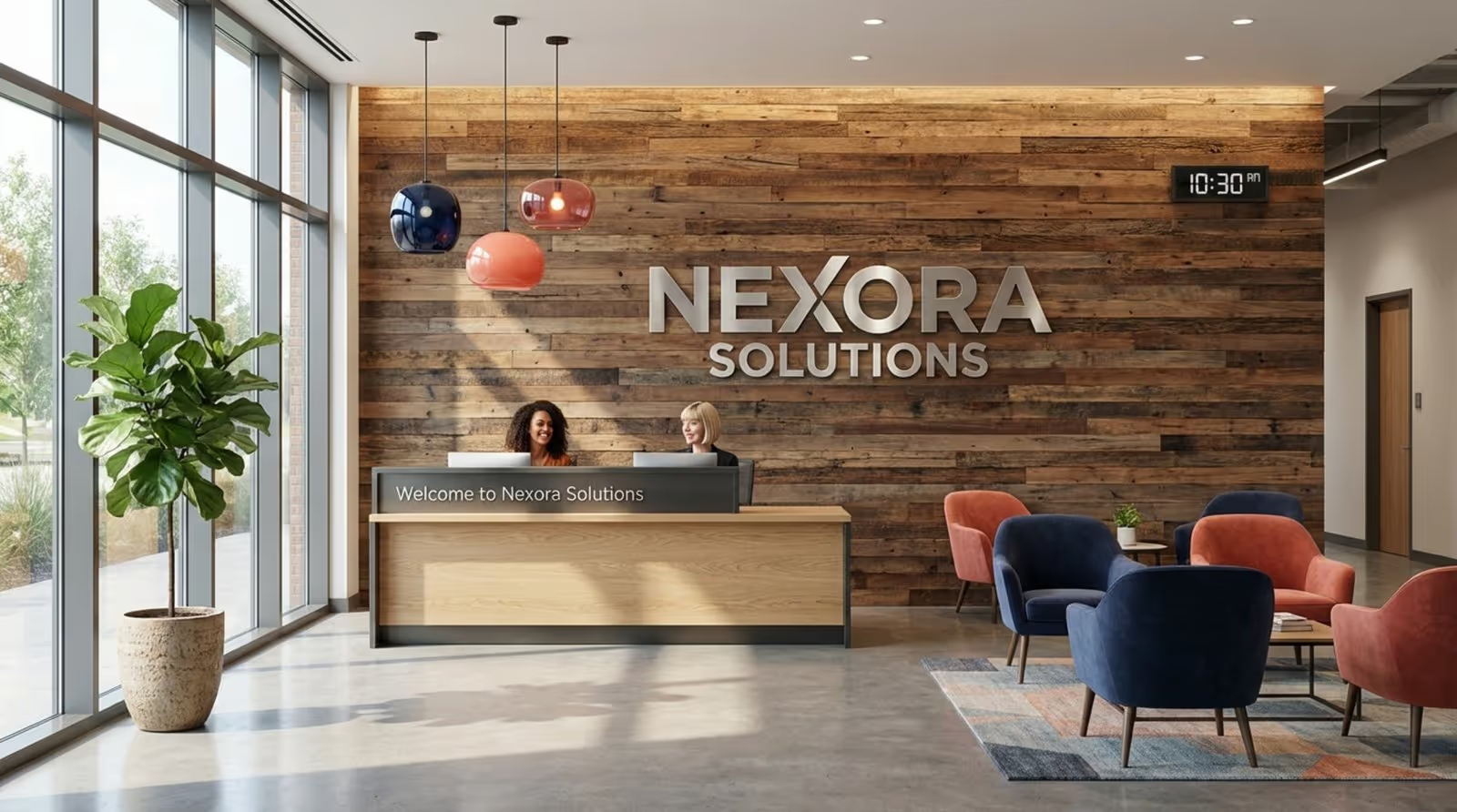
Signage acts as the voice of the building. Dimensional lettering-text made from metal, acrylic, or wood-adds depth that flat prints cannot match. The shadows and materials create a premium look. The font, color, and size all help shape the character of the building.
This category also includes regulatory signs for exits, restrooms, and fire safety. These must meet strict legal codes but can still fit your design style. Balancing legal rules with creativity is a key challenge for designers.
Branding and identity in physical spaces
Branding in EGD means more than pasting a logo on a wall. It involves weaving your identity into the room itself. You might use brand colors on furniture or choose materials that match your values-like reclaimed wood for a sustainable brand or polished glass for a tech firm.
Integrated branding creates a consistent vibe for visitors and staff. It supports company culture and helps people understand what you stand for. The space becomes a silent spokesperson for your brand.
Murals, wall wraps, and visual storytelling
Large graphics like murals and vinyl wraps tell stories. They can turn a dull wall into a company timeline, a local art piece, or a calming nature scene. These elements make industrial spaces feel human and welcoming.
Wall wraps are cost-effective and easy to update. Retailers and offices use them for seasonal campaigns or new product launches. You can set the mood quickly, from energetic sports visuals to soothing clinic landscapes.
Digital signage and interactive elements
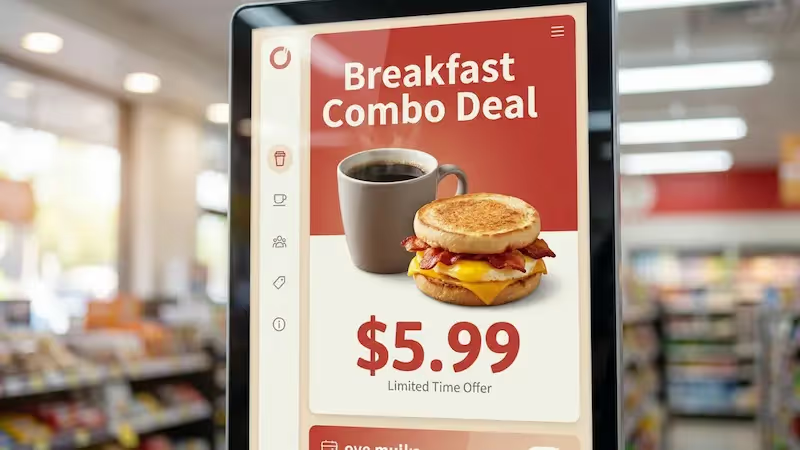
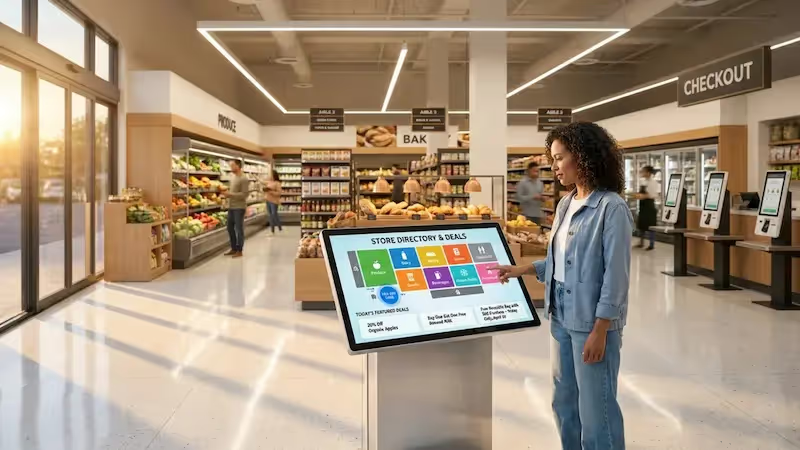
EGD is increasingly digital. Interactive kiosks, LED walls, and screens allow you to change content in real time. A digital directory can update instantly when a store moves, while interactive maps can send directions to a visitor's phone.
Digital layers add flexibility. In museums, touchscreens let visitors explore history timelines. In corporate lobbies, dashboards show live company data. This keeps the environment fresh and relevant without needing to reprint physical signs.
Architectural integration and materials selection
EGD works best when it looks like part of the building, not an afterthought. Graphic designers work with architects to embed patterns into glass, metal, or concrete. This integration makes the design feel permanent and intentional.
Material choice affects durability. High-traffic areas need surfaces that are easy to clean, while outdoor signs must resist weather. Choosing the right materials ensures the design stays looking good for years.
Accessibility and universal design principles
Inclusive design makes spaces usable for everyone. Universal design uses Braille, tactile characters, and high-contrast colors to help people with low vision. Clear symbols help those who speak different languages.
Placement matters, too. Signs must be mounted at a height visible to wheelchair users. Type must be large enough to read from a distance. Putting accessibility first makes spaces respectful and welcoming to all.
Common Types and Applications
Offices and workplaces
In offices, EGD defines zones for quiet work, meetings, or socializing. Wall graphics and brand statements can lift morale and help employees feel connected to the company mission.
It also helps visitors and new hires find their way. Clear meeting room names and floor maps save time. As hybrid work grows, EGD helps make the office a destination where people want to be.
Retail and commercial environments
Retail relies on EGD to guide the customer journey. Graphics draw people in, lead them through products, and guide them to checkout. Window displays and floor decals influence how shoppers move.
In malls, EGD manages crowds and highlights amenities. Designers create "Instagrammable" moments-backdrops that encourage social sharing, spreading the brand message organically.
Hospitals and healthcare facilities
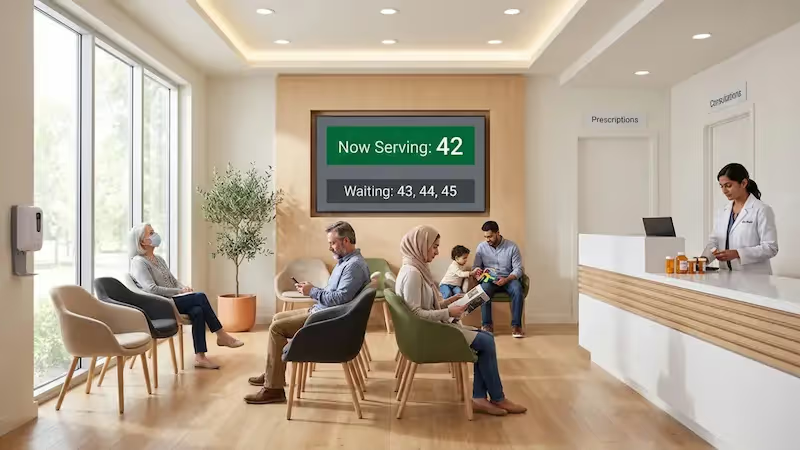
Hospitals can be stressful and confusing. Clear wayfinding is critical here. Color-coded paths and simple icons help patients and families find their way, reducing anxiety.
Graphics also aid healing. Evidence-based design uses nature imagery and calm colors to improve mood. EGD in healthcare aims to support physical recovery and emotional comfort.

Schools, universities, and educational spaces
Schools use EGD to build school spirit and manage campuses. Alumni walls, mascots, and clear building directories help students and visitors feel they belong.
For younger students, floors and walls can become teaching tools. Graphics showing maps or math facts turn hallways into active learning zones.
Airports and transportation hubs
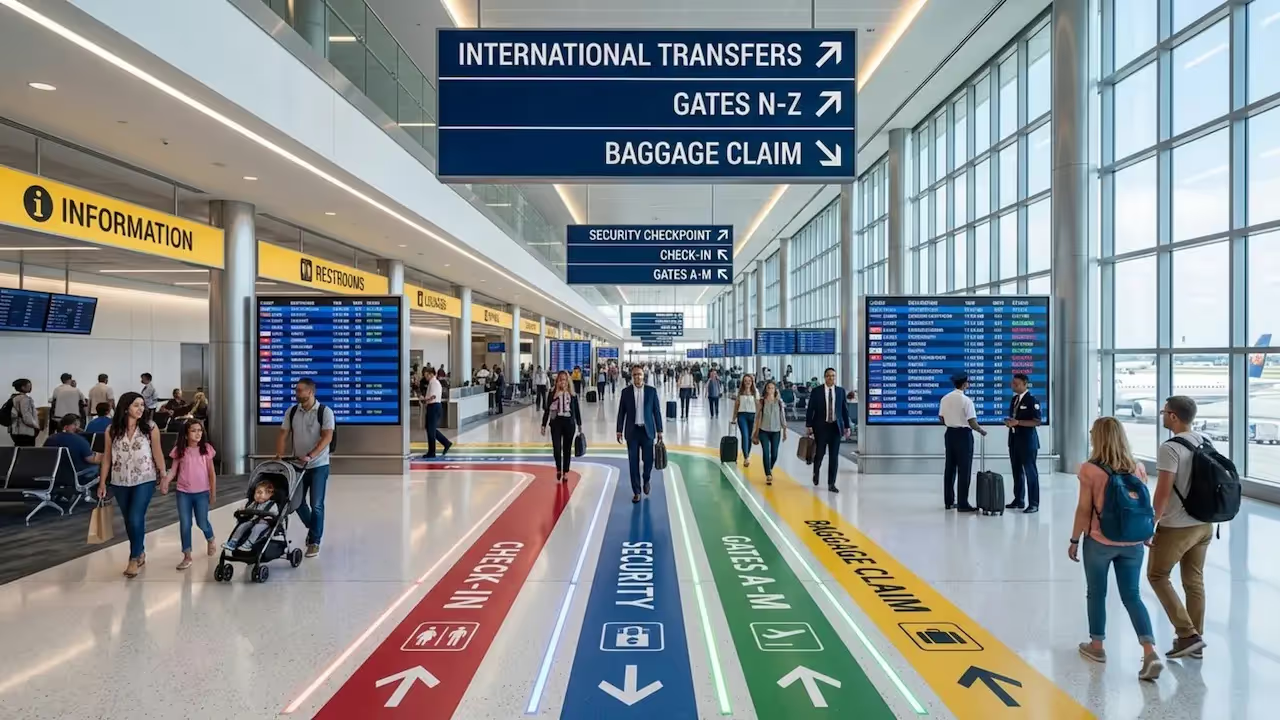
Airports serve huge, diverse crowds, making EGD essential. Signs rely on universal icons to overcome language barriers. Backlit signs guide passengers through security and to their gates.
Train and bus stations use floor markings and dynamic boards to control flow. These graphics reduce bottlenecks and serve as the first impression of a city.
Museums, galleries, and exhibition spaces
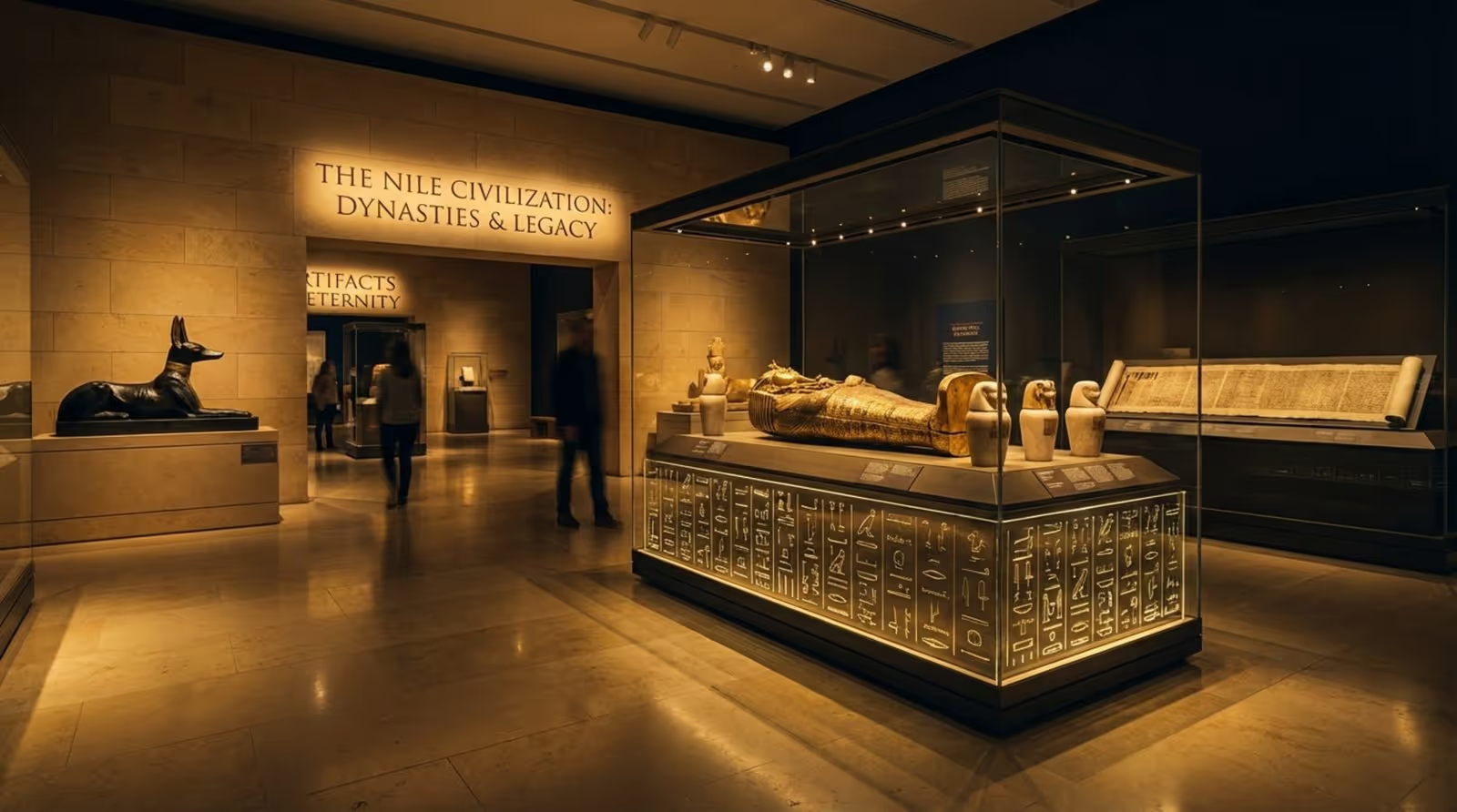
In museums, EGD provides context. Wall text and labels explain what visitors are seeing without distracting from the art. The style supports the collection.
Temporary exhibits rely on EGD to create immersive worlds quickly. Strong graphics and lighting guide attention and shape the visitor's memory of the event.
Public art and community installations
EGD appears outdoors in murals and park sculptures. These projects reflect local stories and turn public areas into open-air galleries, encouraging community pride.
Public graphics can revitalize neighborhoods. Distinctive street art and lighting create an identity that draws visitors and supports local businesses.
Benefits of Environmental Graphic Design
Improves wayfinding for visitors and staff
The clearest benefit is less confusion. When a building is easy to navigate, people feel confident. This is vital in high-stress areas like airports. Good wayfinding saves time and stops staff from having to constantly give directions.
For operations teams, it improves efficiency. Deliveries arrive at the right door, and emergency responders find locations faster. Clear navigation keeps the building running smoothly.
Strengthens brand identity
EGD allows a brand to live in 3D. When clients walk in, they instantly recognize your style and values, which builds trust. It signals that you pay attention to detail.
For employees, a branded workspace is a reminder of shared goals. It turns the office into a physical representation of the company culture.
Improves user experience and satisfaction
Logical, attractive spaces are more enjoyable to use. EGD sets the atmosphere, whether you want calm, excitement, or focus. Colors and layout directly impact how people feel.
Better experiences lead to better results: positive reviews, repeat customers, and happier employees. EGD turns a simple visit into a memorable interaction.
Encourages cultural and community connection
EGD can honor local history or culture. By using regional symbols or stories, designers make spaces feel like they belong to the community. This builds respect for the environment.
In offices, EGD can highlight team diversity. Recognizing the people and the land connects the building to its occupants.
Supports educational and interpretive storytelling
EGD teaches. In zoos or historic sites, graphics break down complex facts into simple visuals. People learn as they walk.
This works in corporate spaces, too. Timelines of company innovation or mission statements help people absorb information during their daily routine.
Process of Environmental Graphic Design Projects
Research and discovery phase
A strong project starts with research. Designers visit the site to see where people get lost or where the message is unclear. They study floor plans and code requirements.
This phase gathers the facts needed to make smart design choices that fit the architecture and the user's needs.
Design development and collaboration
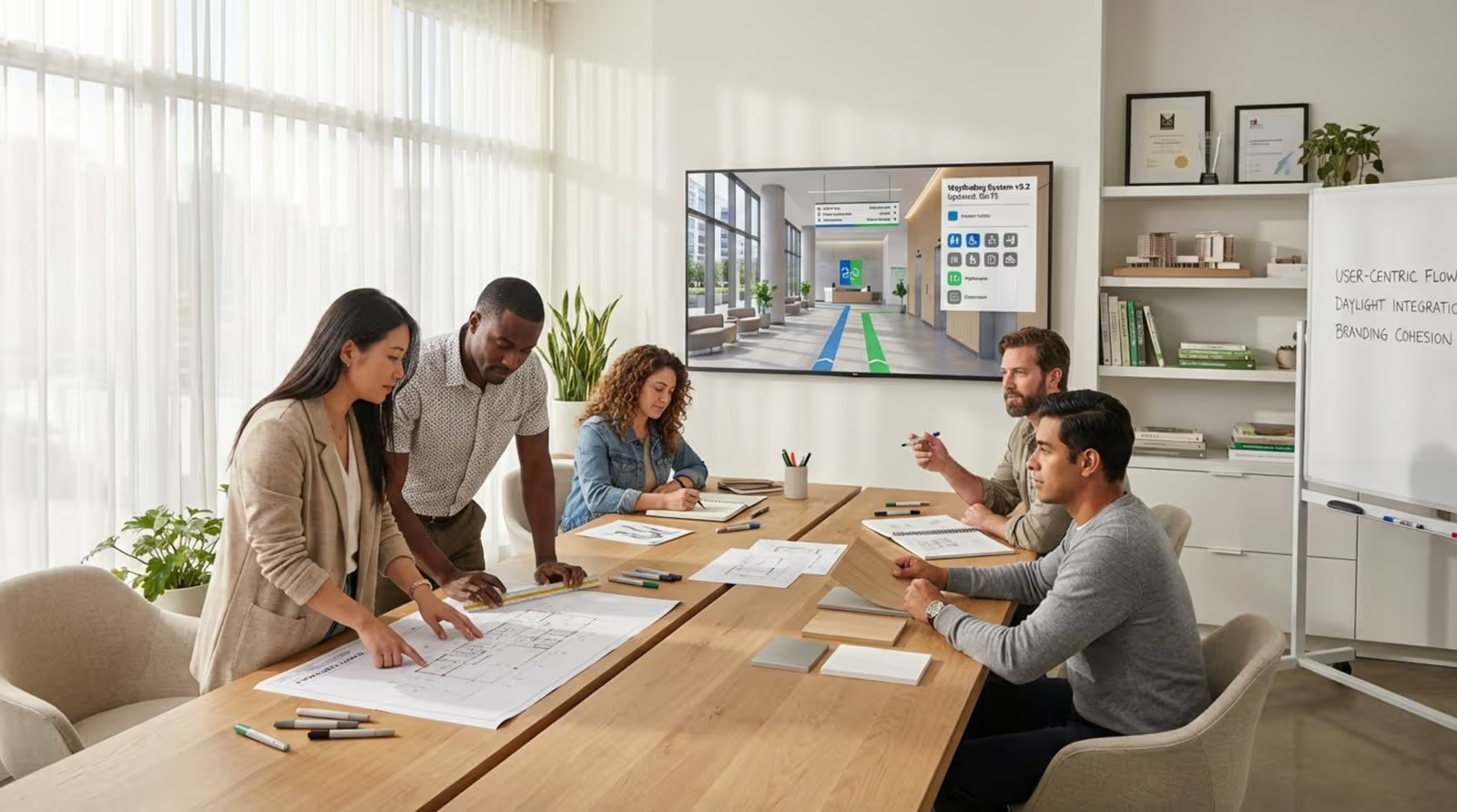
Designers create concepts and layouts, working with architects to match the building's style. They create mockups and test signs to check readability and size.
This iterative process ensures the information is in the right place and looks correct before anything is built.
Fabrication and production
Designs move to production, where digital files become real objects. This involves printing, metal cutting, and programming digital screens.
Choosing the right fabricator is key. They must follow color specs and measurements exactly to avoid costly errors.
Installation and realization
Installation brings the work to life. Coordinators work with construction crews to mount signs securely and connect power to screens. Everything must be straight and safe.
Once installed, the graphics begin guiding and informing visitors immediately.
Evaluating project success
Designers often return to observe how the space is used. Are people still getting lost? Do they stop to read the wall text?
Feedback helps measure impact and provides lessons for future projects. If a sign is confusing, it can be adjusted.
Technologies and Materials in Environmental Graphic Design
Digital and interactive signage software
Screens are now a standard part of EGD because they allow you to change messaging without replacing physical hardware. To manage this effectively, Look Digital Signage software is a strong choice for business environments. It allows you to control content on one screen or a thousand from a single cloud-based dashboard.
Using Look CMS, you can design Screen Layouts that combine branding, wayfinding, and live data on one display. Features like Smart Scheduling ensure the right directional cues or promotions appear exactly when needed, while Interactive Scenarios allow you to build touch-screen directories without complex coding. This makes the digital layer of your environment easy to manage remotely.
Sustainable and eco-friendly materials
Sustainability is expected. Projects now use PVC-free films, recycled plastics, and responsibly sourced wood. Water-based inks protect indoor air quality.
Durability is also sustainable. Designing systems with changeable inserts means you can update a name without throwing away the whole sign frame.
Printing, fabrication, and installation techniques
New printers can apply graphics to brick, glass, or carpet. UV-cured inks are tough and resist fading. 3D printing allows for custom shapes without high costs.
Magnetic backers and clip-in frames make updates easy. These flexible methods reduce long-term costs for the facility.
Trends and the Future of Environmental Graphic Design
Smart and data-driven solutions
Buildings now use data to track occupancy and conditions. EGD can display this info in real time-showing cafeteria wait times or quiet zones on a digital screen. Look Digital Signage helps teams visualize this data through easy integrations.
Data-driven art is also growing. Displays can change visuals based on the weather or energy usage, turning walls into living dashboards.
Immersive and experiential environments
Augmented Reality (AR) adds digital layers to physical spaces. Visitors can point a phone at a wall to see 3D models or translations. This connects graphics to digital content instantly.
Projection mapping uses light to change a building's appearance. It allows stores or events to change themes quickly without construction.
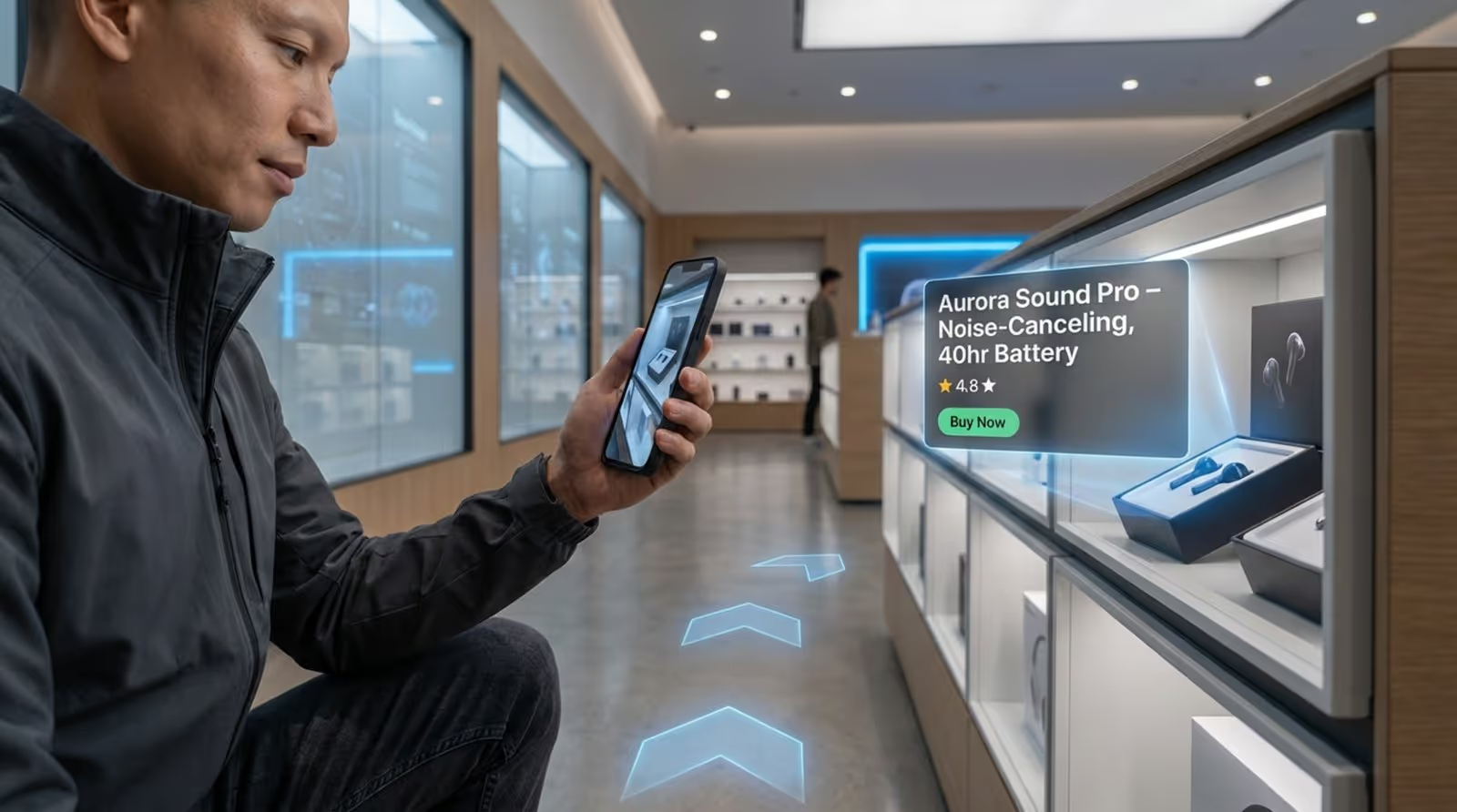
Personalized journeys and touchpoints
Spaces are reacting to visitors. Using beacons, a museum app might suggest exhibits based on a visitor's history. Digital screens can adapt content to the audience.
This personalization makes spaces feel more relevant, though privacy must always be considered.
Integration with smart cities and connected spaces
EGD is expanding to city-scale systems. Smart city projects aim for consistent signage across buses, trains, and streets. A shared visual language makes cities easier to navigate.
Connected journeys guide people from home to their destination. An app might find parking, while garage signs guide the driver to the spot. This connected approach is the future of design.
Elevating Spaces through Environmental Graphic Design
Actionable tips to implement impactful design
If you are adding EGD to your space, start with these steps:
- Walk the path: Enter your building as a stranger. Note where you hesitate. These spots need clearer signs.
- Simplify the message: Keep directions short and direct. Avoid clever or cryptic language.
- Reduce clutter: Too many signs confuse people. A few strong elements work better than many small ones.
- Stay consistent: Use the same fonts, colors, and icons everywhere to create a unified system.
Factors when choosing an environmental graphic designer
Look for a designer with a diverse portfolio. They should understand both creative concepts and construction reality. Ask about their experience with ADA compliance, as this is mandatory.
Communication is vital. The designer should work closely with your team and ask about your users. They should be able to explain the "why" behind every sign location and material choice.
Frequently Asked Questions about Environmental Graphic Design
Which industries benefit most from environmental graphic design?
Healthcare, transportation, education, and retail see the biggest benefits because they have complex layouts and high traffic. Corporate offices also use EGD to improve engagement. Any space where people need to find their way or connect with a brand will benefit.
How is accessibility handled in environmental graphics?
Designers follow standards like the ADA for mounting heights, contrast, and Braille. They also use universal design principles-simple symbols and clear text-to help as many people as possible use the space independently.
What tools and software do designers use?
Designers use Adobe Creative Cloud for visuals and CAD tools for space planning. For the dynamic side of EGD, they use software like Look Digital Signage to manage content remotely, schedule updates, and ensure screens are always playing the right message.
What are common misconceptions about environmental graphic design?
A common myth is that EGD is just "hanging signs" at the end of a project. In reality, it works best when planned early with the architecture. Another myth is that it is only about looks; the main goal is always function and clarity.
As buildings become smarter, EGD will continue to shape how we experience them. By combining physical cues with digital tools like Look DS, you can create spaces that are efficient, welcoming, and easy to use.