Table of Content
What does the future of digital signage look like in 2026? It has evolved from simple looping playlists to responsive, data-driven communication channels that adapt to real-world conditions. Driven by smarter software and the need for operational efficiency, modern signage now connects physical spaces with digital strategies to deliver clear, timely messages without adding workload to your team.
This shift prioritizes engagement and verifiable results. Modern networks are agile-changing content based on audience demographics, inventory levels, or local weather. For businesses, this means moving away from static loops toward dynamic interactions that feel personal and useful. Look Digital Signage supports this evolution by providing a flexible platform that turns screens into active business tools.
What Is Driving Digital Signage Evolution in 2026?
Two main factors drive these changes: connectivity speed and customer expectations. With 5G and emerging 6G networks, the lag that once hindered interactive screens is gone. Audiences accustomed to instant responses on their phones now expect similar speed and relevance from screens in retail stores, corporate offices, and transit hubs.
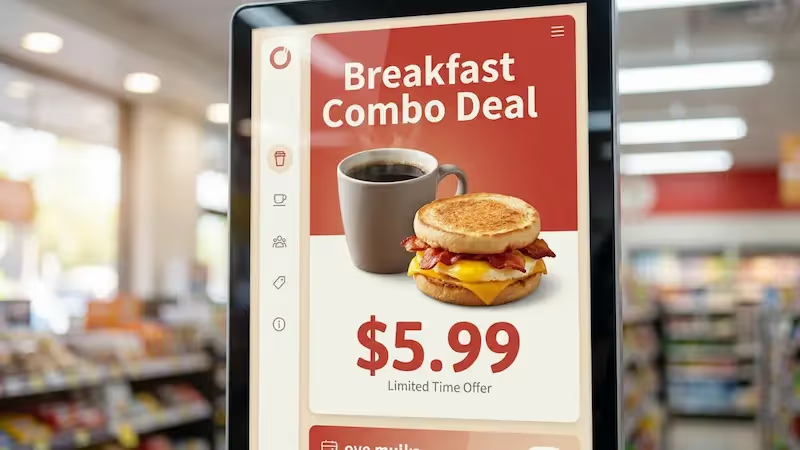
Integration with enterprise data has also transformed screens into essential operational assets. When digital signage software connects to your CRM or POS systems, content aligns with live business goals. A quick-service restaurant can automatically update digital menu boards based on ingredient stock, while a retailer can highlight specific items during peak traffic hours. This focus on efficiency and waste reduction is a primary catalyst for adoption.
How We Identify and Track Industry Shifts
We analyze performance data from thousands of active screens globally to understand what works. By tracking metrics like uptime, update frequency, and interaction rates, we identify which technologies are moving from niche experiments to standard best practices. This data-driven approach helps us spot practical trends-like the demand for seamless remote management-before they become industry standards.
Beyond the numbers, we incorporate feedback from users in hospitality, retail, and corporate communications. This helps us understand the human side of the technology, such as how teams actually use features like templates or scheduling tools. By combining technical performance with user experience, we help you choose solutions that solve real problems rather than just chasing hype.
1. Artificial Intelligence Powers Digital Signage Personalization
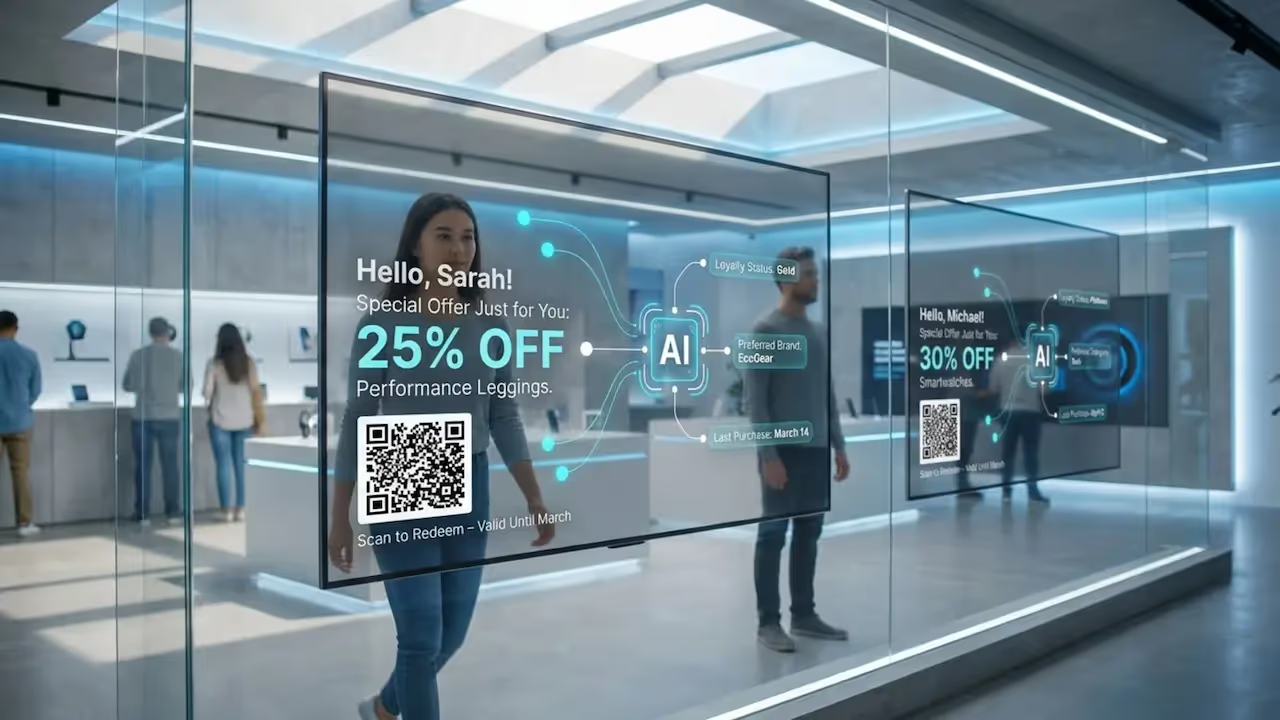
In 2026, Artificial Intelligence acts as a practical assistant for digital signage networks. Rather than just generating reports, AI tools can help automate content decisions. Smart signage systems can detect basic demographic cues-like estimated age or group size-and switch to playlists that are more likely to resonate with that specific audience. This creates a natural, timely viewer experience without being intrusive.

AI also simplifies content production. Tools like the Look AI Wizard allow teams to generate professional visuals inside the CMS in minutes. Instead of waiting on design resources, you can produce on-brand layouts and headlines quickly. This capability allows small teams to maintain fresh, high-quality content that competes with larger enterprises.
AI-Driven Content Creation and Dynamic Targeting
Dynamic targeting is essential for maximizing ROI. Using computer vision and anonymous analytics, systems can gauge engagement levels. If a screen detects a high volume of foot traffic, it can automatically switch to high-impact, short-form messaging to capture quick attention. This responsiveness ensures your screens are always working to support your conversion goals.
Content creation is now a continuous process. Intelligent platforms can run A/B tests on live screens, rotating headlines or colors to identify which versions hold attention longest. This allows you to optimize your campaigns over time based on actual performance data from your specific locations.
Audience Behavior Recognition and Real-Time Content Adaptation
Audience behavior recognition helps you understand intent. Modern sensors can track which areas of a screen draw the most focus. If a user lingers on a specific product image, the system can trigger detailed information or a QR code for a discount. This transforms a passive display into a helpful, information-rich touchpoint.
Real-time adaptation also accounts for environmental context. Signage integrated with external APIs can adjust content based on local conditions. A pharmacy display might promote allergy relief during high-pollen days, while a transit screen offers ride-share options during service delays. This context-aware approach makes your signage feel helpful rather than generic.
2. Internet of Things (IoT) Connects Devices Around Digital Signage
The Internet of Things (IoT) integrates digital signage into the broader "nervous system" of smart spaces. In 2026, screens rarely operate in isolation; they connect with sensors, mobile devices, and inventory systems. For example, lifting a product equipped with an RFID tag can trigger a nearby screen to display a demo video or comparison chart automatically.
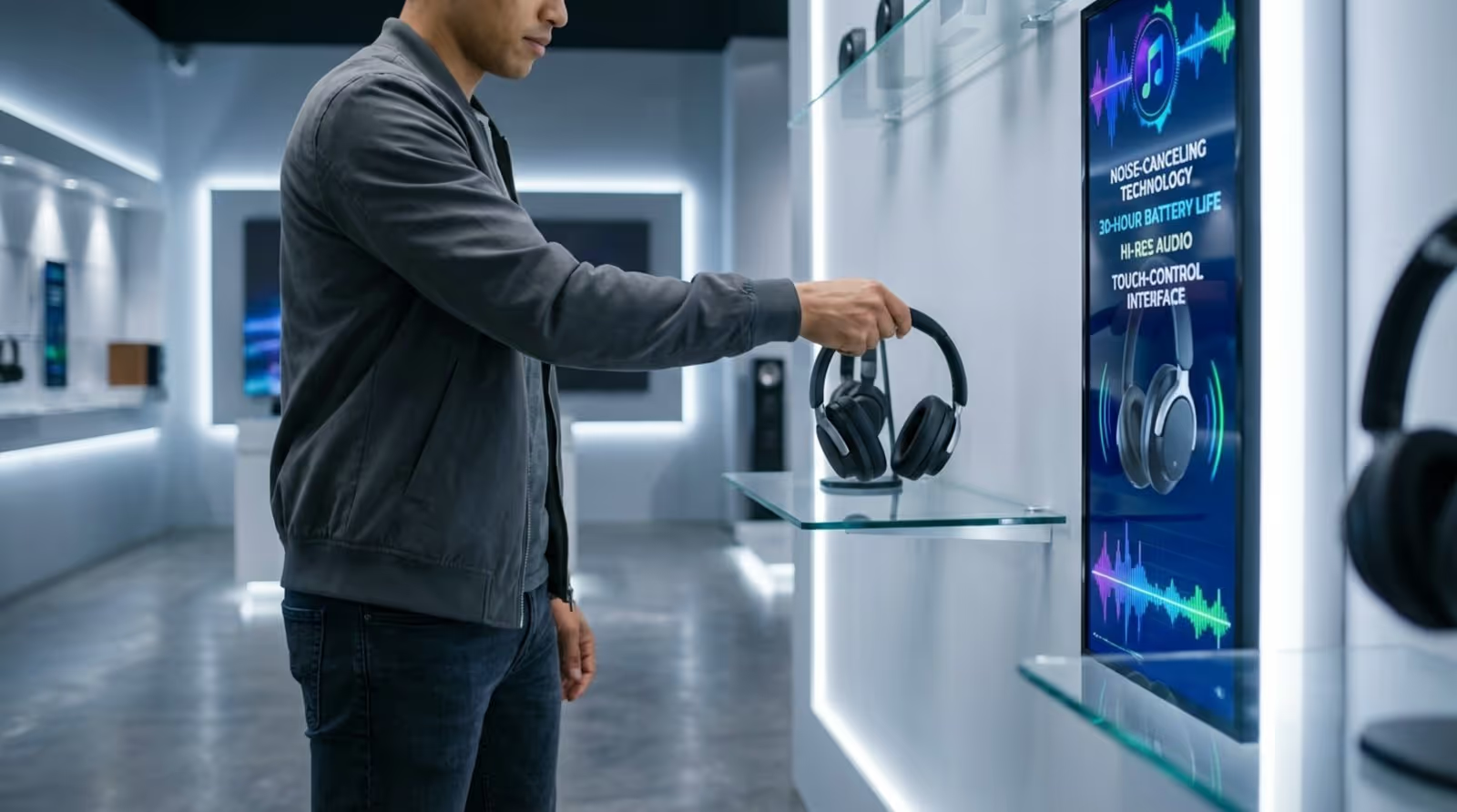
This connectivity extends to facility management. IoT-enabled signage can display data from room sensors, such as temperature or occupancy levels. In smart cities or large campuses, these screens serve as vital communication hubs, displaying real-time transport updates or emergency alerts derived directly from sensor networks.
Seamless Device Interactions and Smart Environments
Interactions between smartphones and digital screens are becoming seamless. Technologies like NFC allow screens to communicate with mobile devices, enabling features like "tap to save" for coupons or information. This bridges the physical and digital gap, allowing a customer to continue their journey on their phone after leaving the screen.
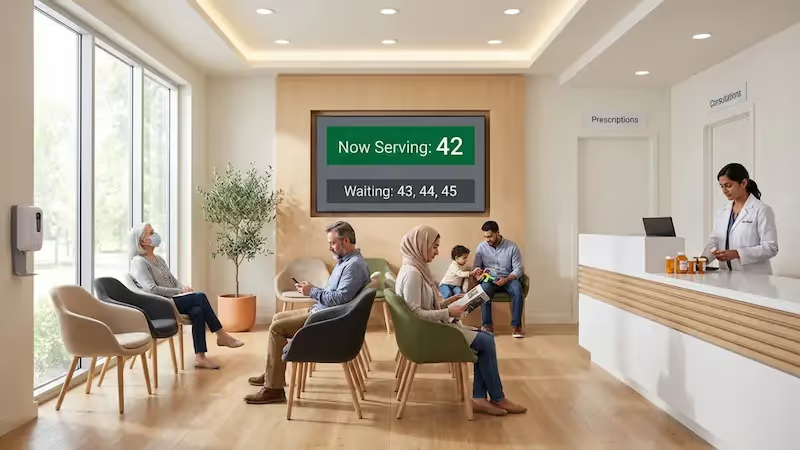
Smart environments also respond to workflow needs. In corporate offices, Screen Layouts can automatically update meeting room availability as employees check in via an app. In healthcare, connected screens display live wait times to reduce patient anxiety and help staff manage patient flow more effectively.
Operational Efficiencies with IoT-Based Monitoring
IoT significantly reduces downtime. Media players and displays send constant health status updates to your cloud dashboard. Look CMS provides monitoring tools that alert IT teams to connection issues or device status changes immediately. This allows for proactive troubleshooting, often resolving issues remotely before they impact the viewer experience.
Energy management is another key benefit. Smart power systems can adjust screen brightness based on ambient light or power down specific zones during off-hours. This automated regulation helps control utility costs and extends the lifespan of your hardware.
3. Sustainability and Energy-Efficient Digital Signage Solutions
Sustainability is a core operational requirement in 2026. Businesses are prioritizing energy-efficient hardware and responsible software practices. We see a shift toward Energy Star-rated displays and low-power media players, as organizations recognize that a greener network is also cheaper to run.
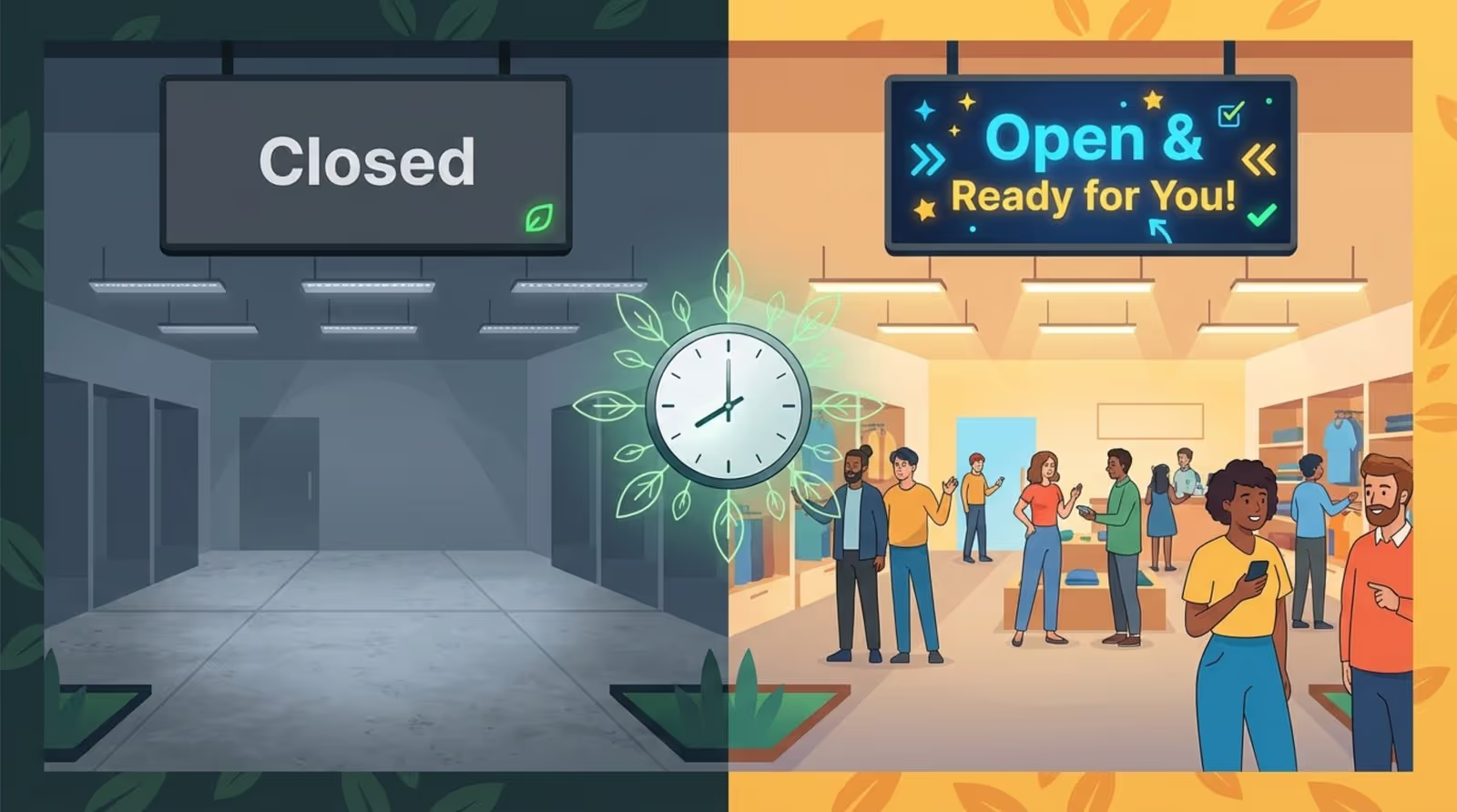
Regional regulations often limit power consumption for public displays, accelerating the adoption of efficient LED technology and smart software features. Smart Scheduling within Look DS allows you to automate exactly when screens turn on and off, ensuring energy is not wasted on empty rooms or closed storefronts.
Eco-Friendly Hardware and Material Innovations
Hardware lifecycles are improving. Displays are increasingly built with recycled materials and designed for easier disassembly at the end of their life. Modular components allow businesses to upgrade a processor or player without replacing the entire screen, significantly reducing electronic waste.
Low-power display options, such as e-paper, are gaining traction for static information like menus or transportation schedules. These screens consume minimal energy, making them an excellent choice for locations where full-motion video is not required.
Energy Consumption Reductions and Cost Benefits
Reducing energy use relies heavily on software management. Modern CMS platforms provide visibility into device activity. By identifying screens that run 24/7 unnecessarily and applying strict schedules, companies see immediate cost reductions.
Lower energy consumption also protects hardware. Heat is a primary cause of electronic failure; by managing operating hours and brightness levels, you reduce thermal stress on the components. This lowers the Total Cost of Ownership (TCO) and ensures your investment lasts longer.
4. Rise of Advanced Interactivity and Touchless Experiences
While touchscreens remain useful, touchless interactions are becoming standard. Triggered by hygiene awareness and convenience, gesture and voice controls provide interaction without physical contact. These methods are intuitive and fast, removing barriers to engagement.
Touchless technology also improves accessibility. Voice-activated directories help visually impaired users navigate complex spaces. Gesture controls allow interaction with large video walls from a distance, enabling engaging presentations or public information displays that multiple people can view simultaneously.
Gesture, Voice, and Motion-Activated Signage
Gesture control allows users to navigate content with simple hand movements. In retail, shoppers might wave to cycle through a digital catalog or product options. This type of interaction is particularly effective for high-end retail or showroom environments where visual exploration drives interest.

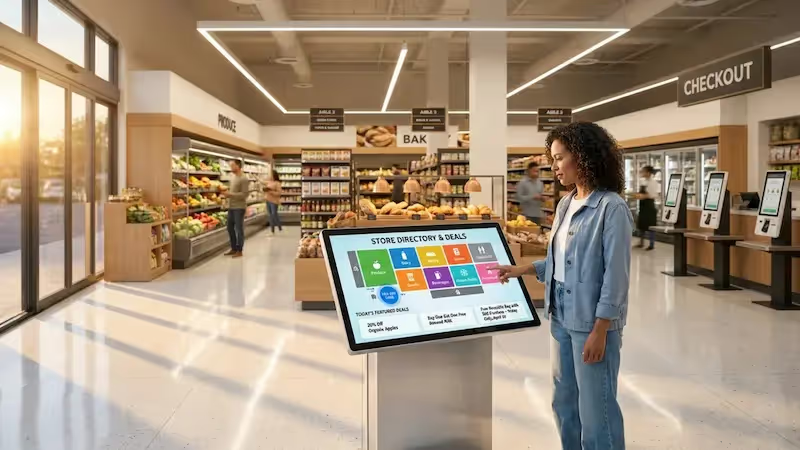
Voice interaction utilizes local processing to understand commands even in busy environments. A visitor might ask a kiosk for directions to a specific department, receiving an instant map on the screen. This mimics the helpfulness of a concierge while operating purely through digital signage.
Improved Accessibility and User Safety
Safety and inclusivity are critical. Touchless interfaces reduce germ transmission in high-traffic areas like medical centers and food courts. Motion sensors can detect a user's approach and automatically adjust font size or contrast to improve readability.
These systems also generate valuable data. Look DS can integrate with interactive tools to track which menu paths or content triggers are used most frequently. This data helps you refine your interface layout and content strategy to better serve your audience.
5. Ultra High-Resolution and OLED Display Technologies
4K and 8K resolutions are becoming the expectation for commercial installations. As consumer technology improves, the public expects similar clarity from professional displays. High-resolution signage ensures text is crisp and visuals are compelling, which is vital for industries relying on visual detail, such as fashion, real estate, and healthcare.
OLED and MicroLED technologies offer superior contrast and brightness. These screens deliver true blacks and vibrant colors that remain visible even in bright ambient light, ensuring your message stands out in crowded environments.
Benefits of Emerging Display Hardware
OLED technology allows for thinner, more flexible installation options. Screens can be transparent, curved, or mounted in tight spaces where traditional displays wouldn't fit. This flexibility allows digital signage to blend into the architectural design of a space rather than appearing as an afterthought.
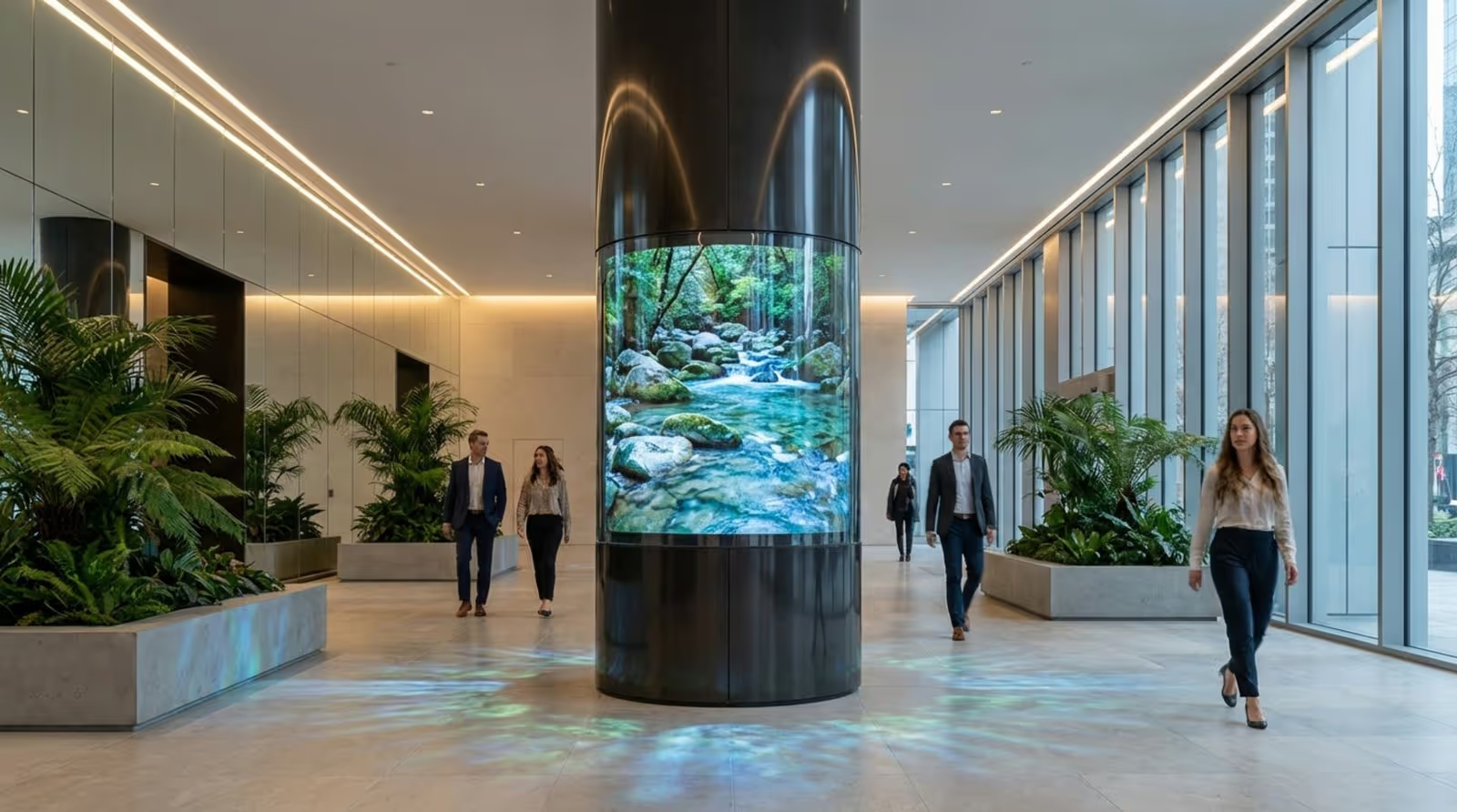
MicroLED serves as a robust solution for large-scale video walls. Its modular nature allows you to build screens of any size or aspect ratio without visible seams. It is highly durable and energy-efficient, making it suitable for long-term outdoor or high-brightness indoor applications.
Impact on Visual Storytelling and Brand Engagement
High-resolution displays enhance your brand's visual storytelling. With the ability to display fine details, you can use high-quality video and imagery that captures emotion. A travel agency can display immersive landscapes, or a luxury brand can highlight the craftsmanship of their products with crystal clarity.
Quality impacts retention. Data suggests that high-definition content holds viewer attention significantly longer than standard definition. When the image quality matches the premium nature of your brand, it builds trust and improves message recall.
6. Immersive Experiences with AR, VR, and Metaverse Integration
Digital signage is becoming a bridge to immersive digital experiences. Augmented Reality (AR) and Virtual Reality (VR) integration allows screens to serve as portals. For example, a classroom display might initiate a VR history lesson, or a retail screen could allow customers to visualize furniture in their own homes via AR.
"Digital Twins"-virtual replicas of physical systems-are valuable in industrial settings. A screen on a factory floor can display a real-time digital twin of machinery, highlighting performance metrics and maintenance needs. This improves safety and operational decision-making.
Use Cases for Augmented and Virtual Reality in Signage
Retail utilizes AR for "Magic Mirror" applications, where shoppers can virtually try on apparel or accessories. These interactive moments are often shared on social media, amplifying brand reach. In real estate, VR kiosks enable potential buyers to tour properties remotely, speeding up the sales process.

Public spaces use AR for navigation. By scanning a QR code displayed on a digital sign, visitors can view walking directions overlaid on their smartphone camera feed. This simplifies wayfinding in complex venues like airports or university campuses.
Digital Signage in Connected, Hybrid Spaces
Hybrid workspaces require tools that connect on-site and remote teams. In conference rooms, digital signage ensures remote participants are visible and included. Screens can display shared dashboards or video feeds, creating a unified meeting experience regardless of physical location.
At events, digital signage links the live experience with digital interaction. Attendees can use their phones to participate in live polls shown on large venue screens or engage with gamified content. This transforms passive viewing into active participation.
7. Cloud-Based Management Reshaping Digital Signage Networks
Cloud-native platforms are the standard for efficient operations in 2026. Look CMS allows you to manage one or thousands of screens from a single web-based dashboard, eliminating the need for USB drives or local servers. Marketing teams can push updates instantly, ensuring agility in your communication strategy.
Cloud management also enhances security. With centralized access controls, encryption, and automatic backups, the risk of unauthorized access is minimized. For multi-location businesses, this ensures consistent branding while allowing regional managers to customize specific local messages.
Centralized Control Across Multiple Locations
Managing content across different regions and time zones is simplified with cloud tools. A central marketing team can lock branding elements within Templates, while local managers update daily specials or announcements. This maintains brand integrity while keeping content relevant to the local customer base.
Remote support capabilities drastically reduce maintenance costs. IT staff can view device health, reboot players, or update firmware directly from the cloud. This solves many technical issues without requiring an on-site technician, keeping your screens running smoothly.
Real-Time Content Updates and System Scalability
Scalability is seamless with cloud-based systems. Adding a new screen typically involves installing the Look App or plugging in a player and entering a pairing code. The device automatically downloads the correct schedules and content. This allows businesses to grow from a pilot program to a full rollout with minimal friction.
Real-time updates allow you to react fast. If inventory runs out, you can remove a promotion instantly across all screens. In emergencies, critical alerts can be broadcast network-wide in seconds. This speed turns digital signage into a responsive, real-time communication channel.
8. Data-Driven Analytics for Smarter Campaign Optimization
Effective signage relies on data, not guesswork. Modern platforms focus on actionable metrics: proof-of-play, uptime, and interaction data. With Integrations to external tools via Zapier or API, signage can trigger automated content changes based on data inputs, such as sales figures or inventory levels.
This data-centric approach helps prove ROI. You can correlate content playback times with sales transactions to see what drives revenue. If a specific promotion corresponds with a sales lift, you have the data to justify the strategy.

Using Real-Time Data for Targeted Messaging
Targeting is becoming more precise. Analytics can help predict which content performs best at specific times of the day. This allows for smarter scheduling, ensuring high-value content runs when your target audience is most likely to be present.
Real-time data supports hyper-local relevance. A screen can pull live data to show local transit times, weather-dependent offers, or news tickers. By providing useful information alongside your promotional content, you increase viewer engagement and trust.
Performance Measurement and Continuous Improvement
Digital signage is an iterative process. Playback Analytics provide insight into how often content runs and on which screens. Interactive screens can generate heatmaps showing which buttons or areas receive the most engagement. This feedback loop allows you to refine your layouts and calls to action continuously.
We recommend testing campaigns in a few locations, analyzing the performance data, and then rolling out the successful versions network-wide. This method reduces risk and ensures your content strategy is always improving.
9. Omnichannel Integration and Unified Customer Experiences
Digital signage is a key component of an omnichannel strategy, working alongside mobile apps and online stores. The goal is a unified experience where the brand presence feels consistent whether a customer is online or in your physical location. Look Digital Signage helps bridge this gap by integrating with the tools you already use.
QR codes are simple yet powerful connectors. By generating QR codes via the Content Creator, you can link physical screens to digital actions-downloading an app, saving a coupon, or viewing a product catalog. This extends the interaction beyond the screen.
https://example.com/promo?id=fall25&source=screen12&action=save_coupon
Synchronizing Digital Signage with Mobile and Social Platforms
Social media integration brings your online community into the physical space. Using Look Apps, you can display live social feeds or user-generated content on your screens. Seeing their own content or reviews on a large display builds social proof and encourages further engagement from customers.

Mobile synchronization allows for personalized moments. When integrated with loyalty apps, a screen can trigger a welcome message or offer when a customer enters the store. This creates a connected experience that feels modern and attentive.
Building Seamless Journeys Across Physical and Digital Touchpoints
Digital signage guides the customer journey. For example, a customer might configure a product on an in-store kiosk and use a QR code to complete the purchase on their phone. The screen facilitates the decision-making process, while the mobile device handles the transaction.
This integration also supports customer service. Screens can display "help" options that connect shoppers with remote experts via video or provide instant access to FAQs. By removing friction points, you create a smoother experience that encourages repeat visits.
What Do These Digital Signage Trends Mean for Businesses in 2026?
For businesses, these trends transform physical locations into data-rich media channels. Adopting these technologies allows you to react faster, communicate more effectively, and operate more efficiently. The ability to measure impact in physical spaces gives you control comparable to digital advertising.
However, responsible data use is paramount. As you leverage sensors and analytics, transparency and privacy compliance are essential. Building trust with your audience by using data to help-rather than just to sell-will be a key differentiator.
Competitive Advantages and New Opportunities
Relevance is the ultimate competitive advantage. Brands that deliver the right message at the right time will capture attention. Small businesses can leverage Look CMS and Templates to deliver professional, automated experiences that rival larger competitors.
New revenue streams are also emerging. Retailers are creating Retail Media Networks, selling ad space on their in-store screens to partner brands. By using analytics to prove audience reach, you can monetize your screen network effectively.
Key Factors for Investing in Next-Generation Solutions
When investing in digital signage, prioritize the software ecosystem. A robust solution like Look Digital Signage offers:
- Reliability: Features like Offline Playback keep screens running even if the internet drops.
- Scalability: The ability to manage screens from one dashboard as you grow.
- Flexibility: Compatibility with various hardware, from the Look HDMI Player to existing consumer TVs via the Look App.
- Data: Clear analytics to track performance and prove ROI.
Preparing for the Digital Signage Landscape of 2026 with Look Insights
Preparation starts with clarity. Define your primary goal: are you trying to drive sales, improve internal communication, or reduce perceived wait times? Once your goal is set, choose the tools that support it. Start with a reliable foundation using Look CMS, then layer in advanced features like Smart Scheduling and Integrations as your team becomes comfortable.
Build for flexibility. The trends of 2026 will continue to evolve. By establishing a scalable, cloud-based network now, you ensure your business is ready to adapt to future technologies without expensive overhauls.
Implementation Roadmap and Best Practices for Adoption
We recommend a three-phase approach for successful rollout:
- Foundation: Centralize control with a cloud CMS and standardize your hardware. Ensure all screens are connected and manageable remotely.
- Intelligence: Integrate external data sources and use scheduling to automate content updates. This improves relevance and reduces manual work.
- Expansion: Explore interactive scenarios and advanced integrations to create unique brand experiences.
Establish clear governance regarding who can publish content and how approvals work. Combining reliable tools like Look Digital Signage with clear internal processes ensures your network remains an asset, not a burden.
Frequently Asked Questions
What is the most significant digital signage trend for 2026?
The move toward data-driven, automated content is the biggest shift. Screens are evolving from passive displays into responsive systems that use data to show the most relevant message for the current time and audience.
How can businesses benefit from AI-powered digital signage?
AI helps you save time and improve results. Tools like the Look AI Wizard speed up content creation, while smart algorithms can help target messages more effectively, ensuring your content resonates with viewers and improves ROI.
Is sustainability influencing signage investments in 2026?
Yes. Businesses are reducing costs and carbon footprints by choosing energy-efficient hardware and using Smart Scheduling to turn screens off automatically when they aren't needed.
Which industries gain most from immersive signage technologies?
Retail, real estate, and healthcare see huge benefits. Retailers use screens for product visualization, real estate for virtual tours, and healthcare for interactive wayfinding that reduces patient stress.
How does cloud-based management improve operational efficiency?
It allows you to manage your entire network from anywhere. You can publish content, monitor device health, and troubleshoot issues remotely, which saves staff time and eliminates the need for site visits.
The future of digital signage is about intelligence and utility. By focusing on practical, data-informed strategies and partnering with reliable platforms like Look Digital Signage, you can build a communication network that drives real business results in 2026 and beyond.