
Table of Content
In today's fast-paced digital world, making workflows smoother is a necessity, not a bonus. For businesses using digital signage, this means improving how content is created, shared, and managed across many screens. Screen management software is the key tool here. This type of software, often called a digital signage Content Management System (CMS), lets you control a whole network of digital screens from one central platform. It cuts down manual work, improves communication, and helps you get better results.
Without this software, managing digital signage can be a heavy administrative task. Imagine updating each screen by hand, maybe even using tools like Adobe for every single content change. This is slow, inconsistent, and easy to get wrong. Screen management software changes this by giving you one dashboard where you can edit layouts, push updates, and fix problems across your whole network, whether you have one location or many sites around the world.
What Is Screen Management Software and Why Does It Matter?
Screen management software is the control center of any digital signage setup. It is the main platform that lets you plan and manage what appears on your digital displays. It works closely with media players that show the images and videos. This is not just about putting nice visuals on screens; it is about smart communication, automated tasks, and using data to improve how your business connects with its audience.
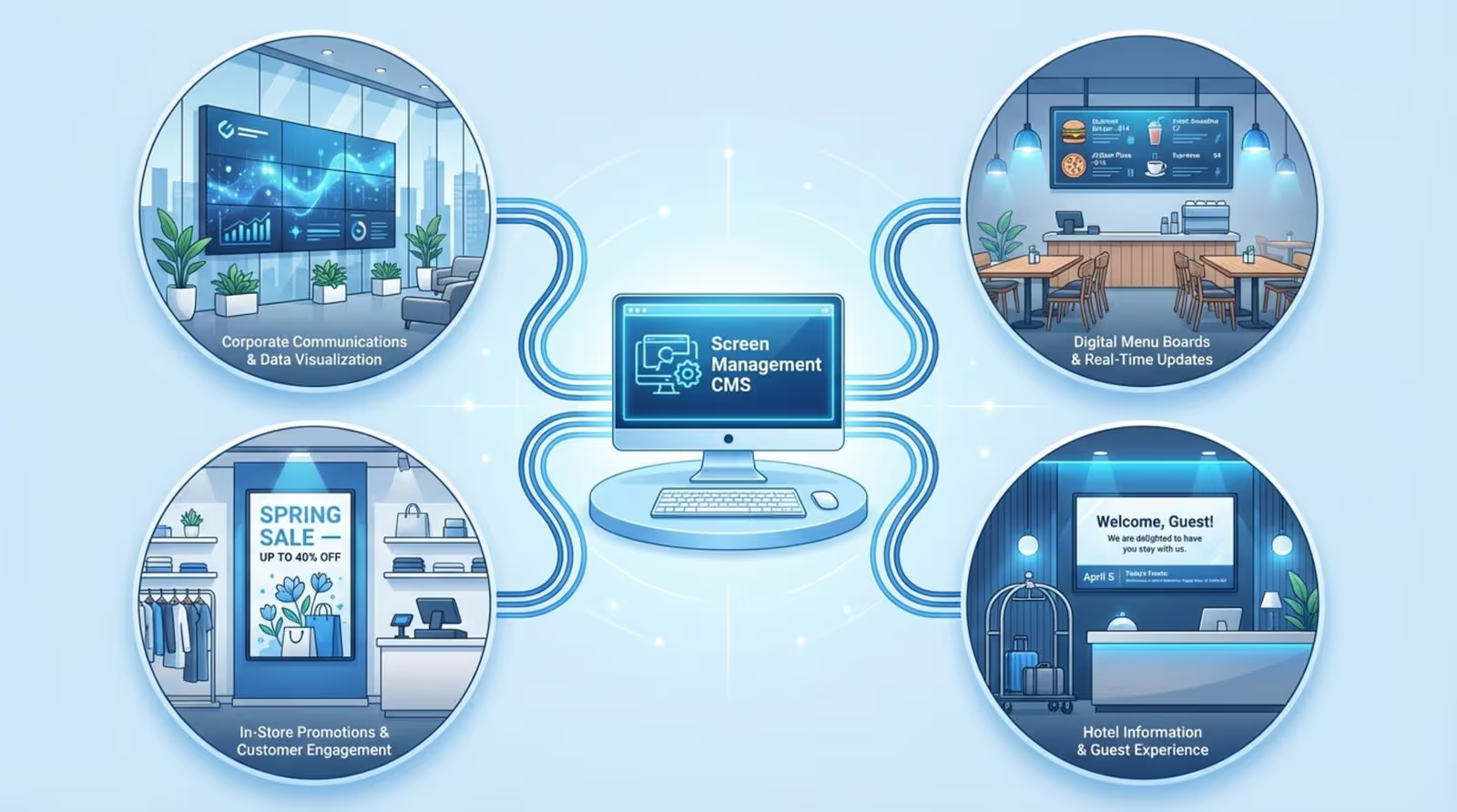
This software plays a very important role. Experts say you often have less than three seconds to catch someone’s eye and keep them looking at your screen. Generic, one-message-for-everyone content is no longer enough. Screen management software lets you send dynamic, targeted content so every second counts. It is necessary for any organization that wants strong results from its digital signage, whether in retail, hospitality, offices, or education.
How Screen Management Software Improves Workflow Efficiency
Screen management software can greatly improve workflow efficiency. It shifts digital signage from a manual, reactive task to an automated, planned, and data-based process. Traditional signage work includes creating content for many needs, running several campaigns at once, and fixing technical issues on many screens. All of this can take a lot of time and staff effort.
With screen management software, these tasks become much simpler. It makes communication smoother with targeted messages, automates updates, and gives you useful data on how people interact with your content. This helps businesses send stronger, more relevant messages and keep improving their content based on real results, leading to smoother and more effective operations.
Key Features That Streamline Digital Workflows
The strength of screen management software comes from its wide range of features, each focused on improving a specific part of digital signage work. Together, these features make workflows faster and easier, cut down on manual tasks, and give you better control over all your screens.
Centralized Control for Multiple Screens and Devices
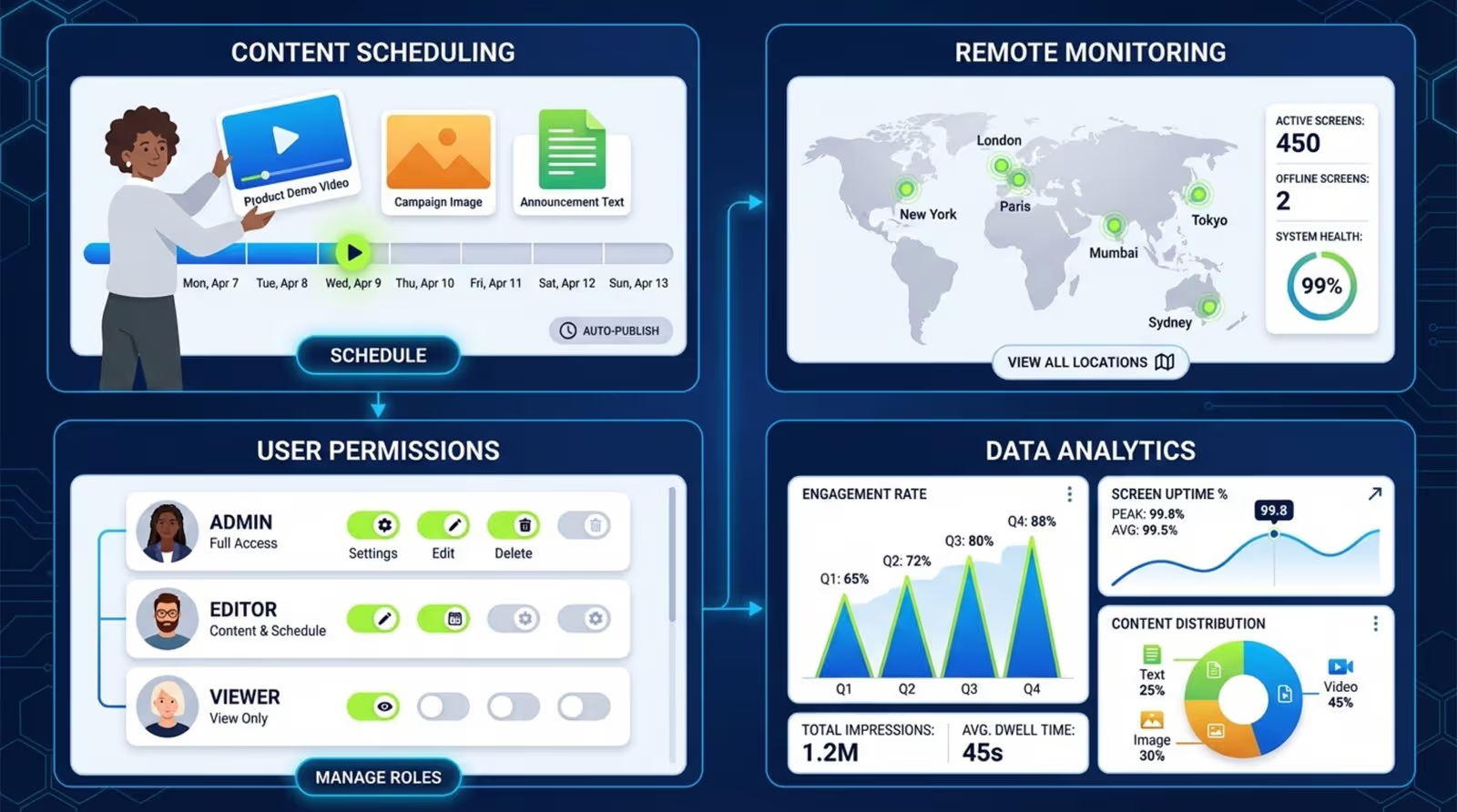
One of the main benefits of screen management software is centralized control. From one easy-to-use dashboard, you can manage every screen, no matter where it is. You no longer need to update each display one by one. This saves a lot of time and keeps your messaging consistent everywhere. Whether you have a few screens in one building or hundreds in different cities, you can manage them all in the same place.
Content Scheduling and Automated Updates
Manual content changes are a thing of the past. Screen management software lets you schedule content in detail so you can plan your campaigns well ahead of time. This is especially helpful for seasonal offers, promotions, or time-sensitive alerts. You can edit ready-made templates, build playlists, and set them to run on specific dates and times. Automation features can also let your screens react to changing conditions, such as weather, age groups, or other audience data, so your content stays relevant and effective.

Remote Access, Monitoring, and Troubleshooting
Remote access and monitoring are major advantages of modern screen management tools. You can check the status of your entire signage network from anywhere. This includes getting instant alerts about issues, reviewing device health, and often fixing problems without being on-site. This cuts downtime and reduces the need for expensive, time-heavy technician visits, helping your screens stay online and your messages visible.
Customizable User Permissions and Security
For larger organizations or teams, flexible user permissions are very helpful. Screen management software lets administrators set who can create, edit, or just view content. This keeps content control organized and secure. You can also set up approval steps so, for example, training or policy content is reviewed and approved before it shows on any screen. This protects your brand and keeps information accurate.
Data Analytics and Real-Time Reporting
To get real value from digital signage, you need to understand how it performs. Screen management software often includes strong analytics tools to track engagement, measure how content performs, and learn about your audience. Metrics like dwell time, impressions, and basic demographics give insight into what works and what does not. Using this data, you can keep fine-tuning your content, improve results, and get more return from your digital signage spend.
Benefits of Using Screen Management Software for Workflow Optimization
Beyond individual features, screen management software offers wider benefits that directly improve workflows. These gains affect many parts of a business, from daily operations to long-term planning and decision-making.
Reduces Manual Tasks and Administrative Burden
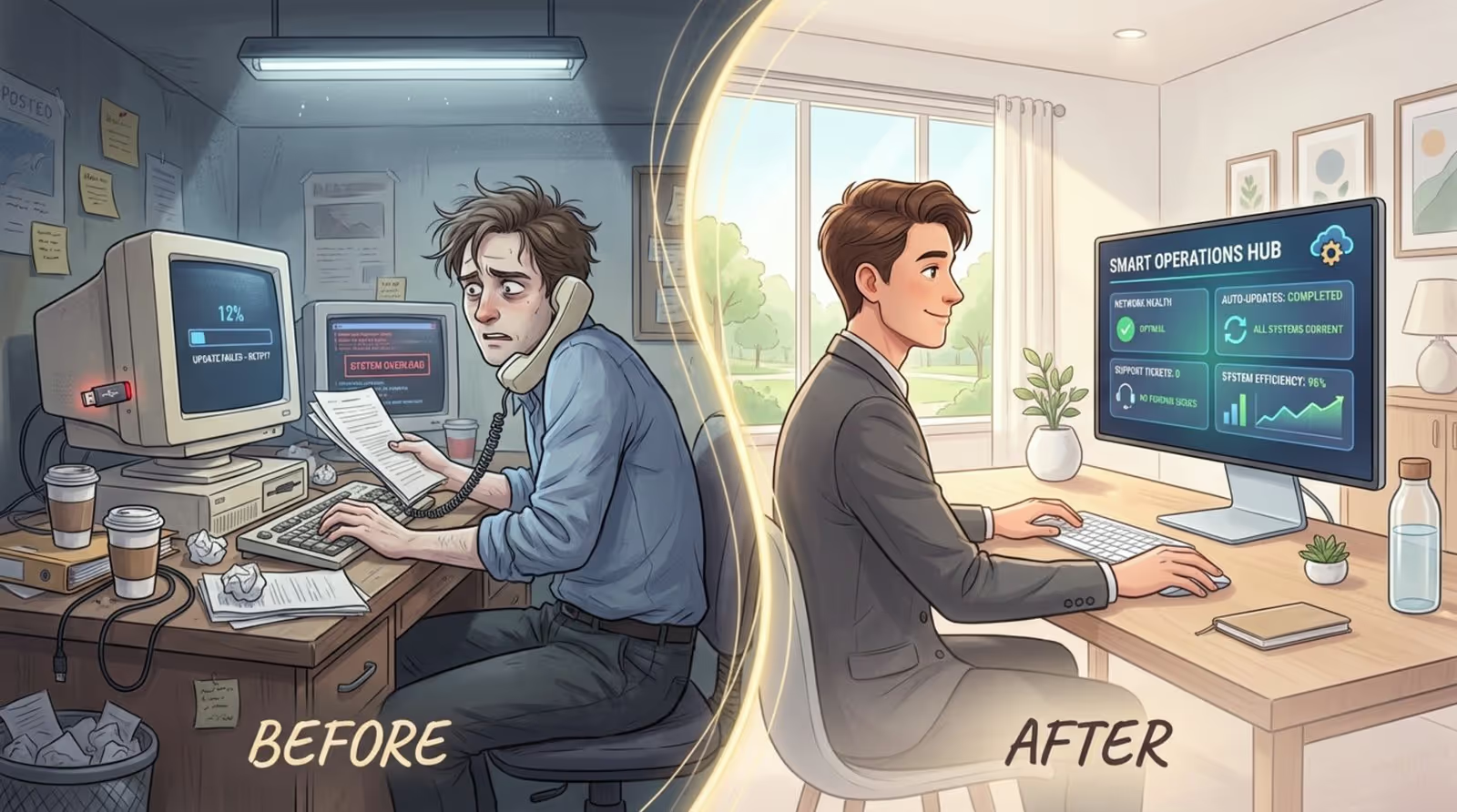
The first clear benefit is a big drop in manual work and admin tasks. Centralized control and automated content delivery mean you no longer need to push updates screen by screen. Staff can then spend time on higher-value work, such as planning campaigns and creating strong content, instead of routine technical tasks. The hours saved can be used to build richer, more engaging messaging.
Improves Communication and Collaboration
Clear communication is key to any successful company. Screen management software supports both internal and external communication. Internally, it keeps messages the same across all locations, which helps with onboarding, policy changes, and company-wide news. Externally, it supports focused, personalized messages to customers, which boosts engagement. Built-in tools for shared access and scheduling also help teams work better together and keep a consistent brand voice.
Increases Content Accuracy and Consistency
Keeping content accurate and consistent across many displays is hard without a central system. Screen management software helps keep everything correct and current. Approval workflows and timed updates lower the chance of old or wrong content showing up. This reliability builds trust with your audience and supports a strong brand image, instead of bland, easily ignored messaging.
Minimizes Downtime and Technical Disruptions
When digital displays go down, you miss chances to inform or influence your audience, and it can hurt your brand. Remote monitoring and problem-solving tools in screen management software help cut these issues. Early alerts give your team time to act before problems get bigger, and remote fixes get screens running again faster. This keeps your message flow steady and your signage network dependable.
Top Tips to Streamline Workflow With Screen Management Software
Getting screen management software is only the first step. To really get its full value and improve your workflow, you need a clear plan. Below are practical tips to help you make the most of your system.
Set Clear Goals and Success Metrics
Before publishing any content, define what success looks like. Vague aims like “increase sales” are not helpful. Set specific, measurable goals such as “raise sales of product X by 15% this quarter.” These targets will guide your content style, timing, and placement. Think about how your signage can gather data as well as show it-such as tracking inquiries, survey replies, or purchase patterns. This information will be key for checking progress and improving your approach.
Train Your Team on Best Practices
Even easy-to-use software still needs proper training. Spend time teaching your team how to use the system well. Cover content design rules, scheduling steps, and how to read analytics reports. Short, clear video guides can help, especially for new team members. Consistent training reduces mistakes and makes sure everyone uses the software in the same way, which boosts efficiency.
Use Automation and Integration Features
Do not treat your screen management software as just a basic player. Use its automation and integration tools fully. Automate tasks like playlist updates, live news feeds, and social media pulls. Connect it with tools you already use, such as CRM or sales platforms, using APIs or services like Zapier. This lets your screens update based on real-time data. For example, a new customer sign-up could trigger a welcome message on lobby displays.
Leverage Templates and Scheduling Tools
Speed up content creation by using the template libraries most screen management systems offer. These pre-built layouts can be easily adjusted to match your brand and campaigns, saving design time. Combined with strong scheduling tools, you can plan content weeks or months ahead, arrange playlists, and set start and end dates. Planning like this keeps your messages timely and relevant, especially during holidays, events, or big promotions.
Regularly Review and Improve Existing Processes
Avoid setting up your signage and leaving it unchanged for months. Your workflows and content should be checked regularly. Look for slow steps, repeated tasks, or confusing approval chains and adjust them. This may mean refining who approves what, changing how often content is updated, or trying new content formats. Ongoing review helps keep your signage effective and aligned with changing business needs and audience habits.
Monitor Analytics to Drive Continuous Improvement
Your screen management software gives you a large amount of data on audience behavior and content results. Use these analytics actively. Watch dwell time, impressions, and viewer profiles to learn which messages catch attention and which do not. Add direct feedback methods, such as quick on-screen polls, or ask frontline staff what people react to most. Keep an eye on how competitors use digital signage and use these observations to make your own content stand out.
Common Challenges and How to Address Workflow Bottlenecks
While screen management software offers many benefits, there can be hurdles during setup and ongoing use. Handling these issues early helps keep your workflows smooth and reliable.
Overcoming User Adoption Resistance
A frequent challenge is staff resistance to new tools. People may prefer familiar methods, even if they are slower. To address this, explain clearly how the new software makes their work easier and cuts repetitive tasks. Provide solid training, ongoing support, and appoint internal “power users” who can help others. Share quick wins and real examples of time saved or errors reduced to build confidence and buy-in.
Ensuring Compatibility with Existing Systems
Connecting new software with your current IT setup can be tricky. Before choosing a screen management platform, check how well it fits with your existing media players, content tools, and business systems. Look for solutions with strong integration options, such as open APIs or ready-made connectors like Zapier. Good integration keeps data moving smoothly across systems and helps prevent workflow slowdowns.
Handling Security and Access Control Risks
Centralized control also means you must manage security well. Set clear user roles and permissions so only the right people can change content or settings. Use strong passwords and consider multi-factor authentication. Review access logs from time to time to spot unusual activity. A clear security setup protects your screens from unauthorized changes and keeps your network safer from outside threats.
Actionable Next Steps to Maximize Workflow Streamlining
Now that you have a clear picture of what screen management software can do, the next move is to apply it in a structured way. A planned rollout and ongoing fine-tuning will help you get the best workflow gains.
Checklist for Successful Adoption
Use this checklist to guide your adoption process:
Resources for Ongoing Support and Updates
Your workflow will keep improving over time if you stay engaged with updates and support. Keep an eye on new software releases, as they may bring easier interfaces, better automation, or improved analytics. Many vendors provide newsletters, how-to articles, and training videos to help you get more value from the system.
Use all available support options, such as online help centers, community forums, and direct support channels. Quick access to help reduces downtime and keeps your team confident in using the software. With steady use of these resources, you can streamline your processes, create stronger content, and get lasting returns from your digital signage investment.