Table of Content
How can physical stores compete with the endless efficiency of online shopping? The answer lies in turning passive aisles into active engagement zones. In 2026, a strong POSM (Point of Sale Material) display is a "phygital" hybrid-seamlessly blending sustainable physical structures with dynamic digital content. Retail displays are shifting from static cardboard to responsive experiences, requiring designs that are tech-smart, data-driven, and visually arresting.
Modern shoppers expect more than stacked products. They want information, interaction, and value at a glance. Consequently, POSM displays have evolved into smart touchpoints that deliver real-time updates and personalized offers. To stay competitive, retail teams must view these displays not just as furniture, but as the final, critical step in the customer's journey.
What is a POSM display?
How does POSM differ from POS and POP displays?
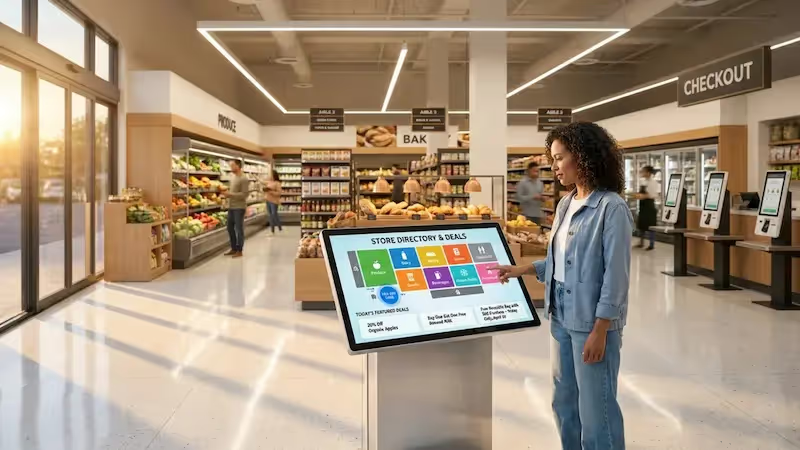
While often used interchangeably, these terms have distinct roles that operations managers should clarify. POS (Point of Sale) refers to the transactional area, like a checkout counter or self-service kiosk. POP (Point of Purchase) encompasses the broader environment where decisions are made-the entire sales floor. POSM (Point of Sale Materials) refers to the specific tools within that space: standees, digital screens, wobblers, and shelving units designed to arrest attention.
Think of the POP area as the stage, the POS as the box office, and POSM as the lighting and props that direct the audience's attention. In 2026, mobile payment tech blurs the lines of "where" a sale happens, making the POSM display even more vital as the primary anchor for product engagement.

Why are POSM displays important for retail marketing?
Physical stores now function as live showrooms. POSM displays bridge the gap between digital interest and physical purchase. They act as "silent salespeople," delivering product specs, comparisons, and social proof without requiring staff intervention. Since a significant percentage of purchasing decisions occur in-aisle, a strategic display can trigger impulse buys by highlighting a time-sensitive offer or a unique benefit.
Furthermore, POSM displays allow brands to carve out their own narrative within a retailer’s environment. On a crowded shelf, products fight on price and packaging alone. A dedicated display creates a branded ecosystem, shielding the product from visual noise and elevating its perceived value through curated content.
What are the main types of POSM displays?
Countertop displays and CDUs
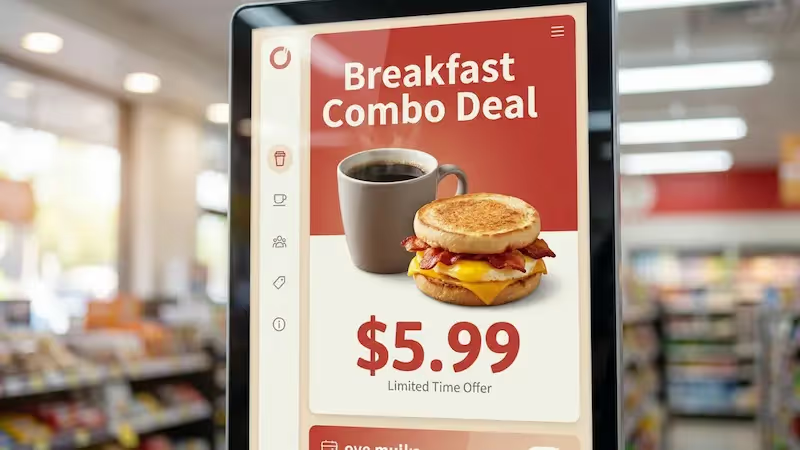
Countertop Display Units (CDUs) dominate the checkout zone. Ideal for high-margin impulse items like beauty products or electronics accessories, they capitalize on dwell time during queuing. In 2026, CDUs have become smarter. Many now integrate small screens or tablets running digital signage software to rotate offers dynamically based on the time of day, rather than relying on static print.
Space remains a premium at the counter. Modern CDUs utilize compact footprints and premium materials-like brushed recycled metals or bio-resins-to signal quality while occupying minimal real estate.
Freestanding display units (FSDUs)
FSDUs are standalone units placed in high-traffic walkways. Visibility is key, so 2026 designs favor 360-degree accessibility. Digital integration is increasingly common here; for example, a fashion brand might embed a vertical screen into an FSDU to show runway footage alongside the physical garment.
Shape disruption is a major trend. Moving away from rectangular towers, brands are utilizing curves, cut-outs, and layered levels to break the visual monotony of the aisle and stop shoppers in their tracks.
Shelf talkers and shelf strips
Shelf talkers extend from the shelf edge to "speak" to passersby. While traditional versions were static, 2026 sees a rise in digital shelf edge displays and NFC-enabled tags. A shopper can tap their phone to a talker to view allergen info or reviews, bridging the physical-digital gap instantly.
Similarly, shelf strips are evolving into thin LED ribbons or digital bars. These can be synchronized to flash for flash sales or color-code different product categories, adding rhythm and navigation cues to dense aisles in supermarkets or pharmacies.
Dump bins and gravity feed displays
Dump bins, once simple wire cages for clearance items, have matured. Brands now use sturdy, printed corrugated board to maintain brand equity even when clearing stock. They remain effective for high-volume, lower-price items.
Gravity feed displays offer a cleaner alternative, using product weight to self-face inventory. This format is standard in zero-waste and refill stations, aligning with the 2026 push toward circular shopping habits and reduced packaging.
Endcaps and entrance displays
Endcaps face the main walkways and are prime real estate for category dominance. Entrance displays set the tone for the entire visit. In 2026, these areas act as mini-stages, often anchoring the store's digital strategy. Large-format screens running Look Digital Signage can transform these spots into immersive zones, playing 4K video loops or dynamic playlists that change based on weather or inventory levels.

Digital signage and interactive displays
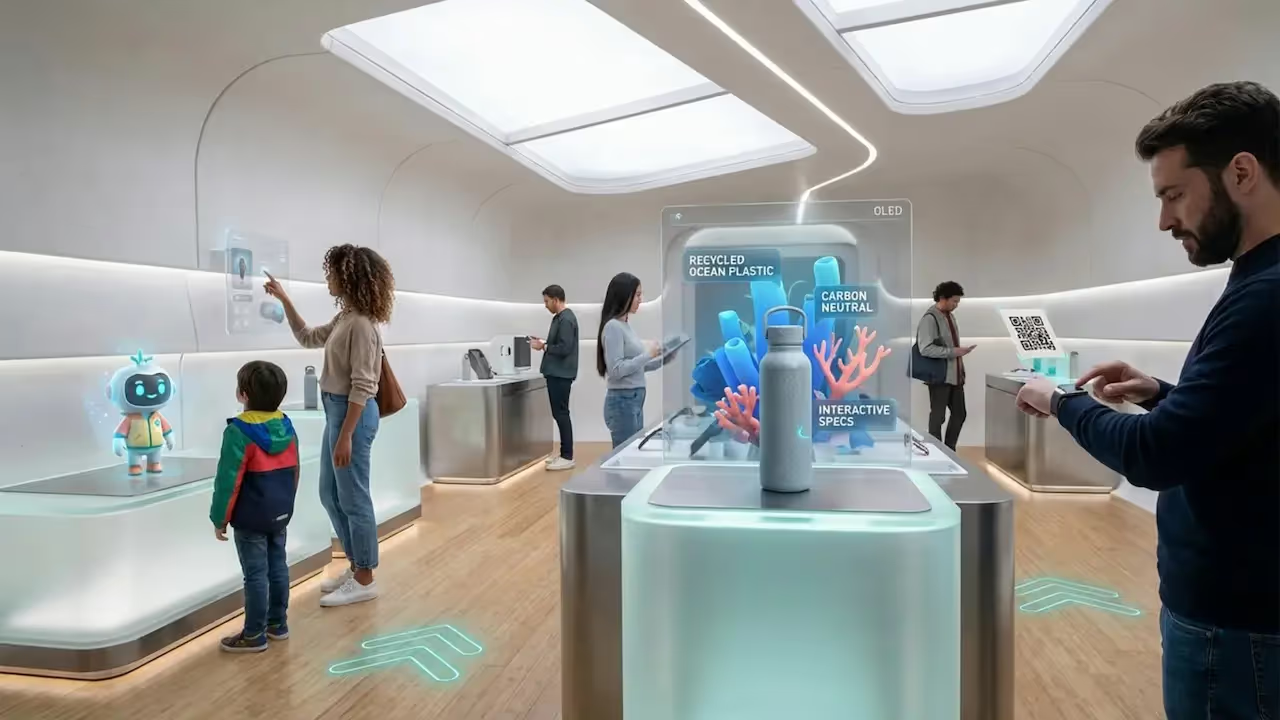
Digital signage has graduated from passive TV screens to integrated retail intelligence. Transparent OLEDs now overlay digital content onto physical products inside glass cabinets. Motion sensors can trigger content changes when a customer approaches, shifting from a generic brand loop to specific product details.
For high-value items, "Lift and Learn" technology is a game-changer. Using Interactive Scenarios, a display detects when a product is picked up and instantly triggers related content on a nearby screen-such as a comparison chart or origin story. This seamless interaction builds buyer confidence without staff assistance.
Specialty and modular display fixtures
Specialty fixtures cater to unique product shapes or luxury goods, often incorporating smart lighting that adjusts color temperature to flatter the merchandise. Modular fixtures are favored for their sustainability; a single kit can be reconfigured for different campaigns, reducing the need to manufacture new hardware for every season.
Which POSM display trends will shape retail in 2026?
Digital integration and smart signage
"Smart POSM" is the standard for 2026. This involves connecting physical units to a central content management system (CMS). Platforms like Look Digital Signage allow teams to manage screens remotely. If a product runs out of stock, you can instantly update the playlist to promote an alternative item or display a QR code for home delivery, ensuring the display remains productive.
Immersive and multisensory display experiences
To compete with e-commerce, stores must offer sensory richness. Displays now engage multiple senses-using directional audio, tactile materials, or even scent diffusion. A coffee brand might combine the aroma of roasted beans with a slow-motion video of the brewing process, creating a mood that a website cannot replicate.
Personalized and interactive customer engagement
Personalization is moving into the physical aisle. Advanced displays use anonymous analytics and sensors to tailor content. For example, a screen might switch to high-contrast text or larger fonts if it detects a shopper standing further away, or display dynamic QR codes that link to personalized coupons.
Sustainability and recycled display materials
Sustainability is no longer optional. Brands are replacing single-use plastics with mycelium (mushroom-based structures), ocean plastics, and cardboard. Digital signage also plays a role here: by updating pricing and promos digitally via Look CMS, retailers significantly reduce the carbon footprint associated with printing, shipping, and disposing of paper signage.

Modular, reconfigurable, and portable displays
Agility is key. Retailers prefer POSM units that are lightweight and modular. Systems that snap together like building blocks allow store staff to refresh layouts in minutes. This flexibility supports the "pop-up" mentality, where store layouts change frequently to keep the experience fresh.
Minimalist aesthetics and brand-forward design
Visual clutter is out; refined focus is in. The most effective displays in 2026 use monochromatic schemes or natural textures to let the product shine. By reducing visual noise, the core message lands harder. Reclaimed wood and matte finishes convey luxury and sustainability without shouting.
Inclusive and accessible POSM solutions
Accessibility is a priority. Displays are being designed with wheelchair-friendly heights and high-contrast visuals for visually impaired shoppers. Digital screens often include touch interfaces with clear navigation, ensuring all customers can access product information easily.
Energy-efficient tech in POSM displays
With strict energy regulations, display technology is becoming leaner. E-ink displays (drawing power only when the image changes) are replacing paper labels. Digital screens are paired with Smart Scheduling features-like those in Look DS-to automatically turn off displays during closing hours, extending hardware life and reducing energy costs.
How should a successful POSM display look in 2026?
Design fundamentals: clarity, visibility, and storytelling
A successful display must communicate its value proposition in under three seconds. The primary visual and core benefit should be at eye level. Digital templates are excellent for this, allowing you to test different headlines and layouts to see what captures attention best. The goal is a single, clear promise-whether it's a discount, a health benefit, or an eco-credential.
Placement is equally critical. Using heat map data, retailers position displays in high-dwell zones. The physical design often uses guiding lines or lighting to steer the eye directly to the product or the interactive screen.
Visual elements: colors, lighting, and spatial layout
Biophilic palettes-greens, blues, and earth tones-are dominating 2026 design. Lighting is theatrical, using accents to create depth. Digital screens should be integrated into the furniture, not just bolted on. Using Screen Layouts in your signage software allows you to split screens between promotional video and static informational sidebars, maximizing the utility of the visual space.
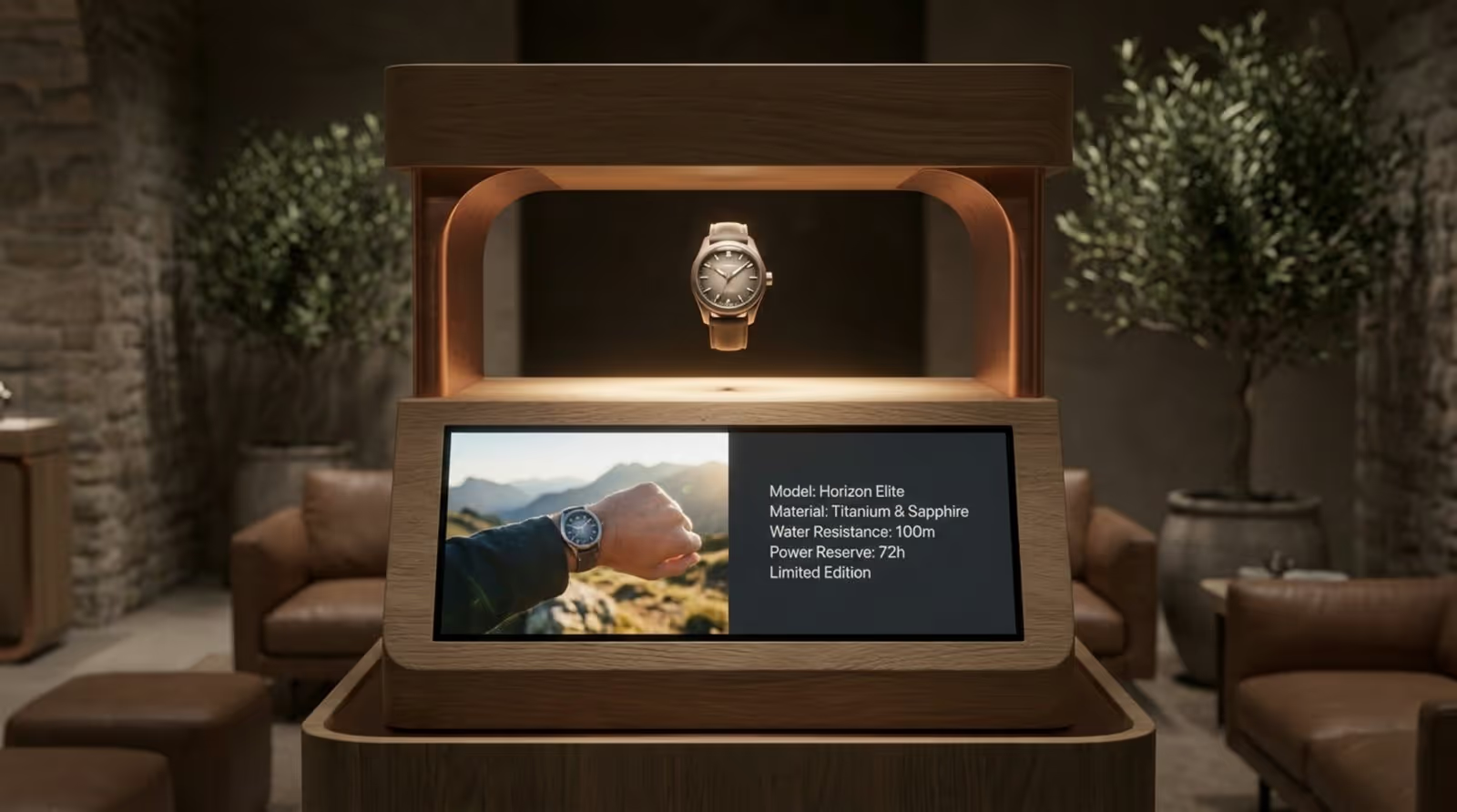
Integrating technology: AR, sensors, and digital touchpoints
Tech should feel invisible. AR markers embedded in graphics allow shoppers to visualize products in their own homes via smartphone. Sensors tucked inside the unit can wake up a display when someone approaches. This responsiveness makes the display feel alive without overwhelming the shopper with visible wires and hardware.
Balancing impact with sustainability
"Eco-Chic" is the prevailing aesthetic. This involves highlighting sustainable materials-like exposed edges of recycled board-as part of the design story. Digital screens support this by reducing the need for printed add-ons. You can tell a deep sustainability story on a loop without printing a 20-page brochure.
Creating social-media-ready ‘showpiece’ moments
Every display is a potential content backdrop. Brands are designing "Instagrammable" moments-mirrors, illusions, or bold 3D elements-that encourage shoppers to snap and share photos. This authentic user-generated content extends the display's reach far beyond the store walls.
How to choose the right POSM display for your brand and campaign
Factors: product type, retail environment, and customer profile
Match the display to the product and the venue. Heavy items need robust FSDUs; luxury cosmetics require sleek, lighted CDUs. If your audience is digitally native, incorporating a touch screen or QR code strategy is essential. Look Digital Signage is a strong fit for these scenarios, offering tools like the **Content Creator** to build branded QR codes directly within your slides.
Budget, goals, and brand alignment
Evaluate Total Cost of Ownership (TCO). A high-quality digital display powered by reliable software may cost more upfront than cardboard, but it lasts for years and can support hundreds of different campaigns. If your goal is long-term brand building, investing in a permanent digital endcap managed via the cloud often yields better ROI than disposable bins.
Keeping consistency across multiple locations
Scaling a campaign across 50 or 500 stores can be a logistical nightmare with print. Digital POSM solves this. Using Look CMS, you can design a playlist once and publish it to every screen in your network instantly. You can also group screens by region to localize offers while maintaining brand consistency globally.
Common POSM display mistakes to avoid in 2026
Static, non-interactive displays
In an era of dynamic content, static displays blend into the wallpaper. A display that offers no movement or interaction is easily ignored. Even simple animations or rotating digital messaging can significantly increase engagement rates compared to a static poster.
Overcrowded or unfocused visuals
Avoid the "Christmas Tree effect." Overloading a display with too many stickers, messages, and products confuses the shopper. Stick to one clear message. If you have more to say, use a digital playlist to cycle through benefits sequentially rather than cramming them all onto one printed board.
One-size-fits-all and unbranded solutions
Generic fixtures dilute brand impact. Customization is standard in 2026. This doesn't just mean physical shape; it means content, too. Using software like Look DS allows you to tailor the digital content on your POSM to fit the specific context of the store-displaying different messaging for a boutique versus a big-box retailer.
Wasteful or unsustainable materials
Using difficult-to-recycle materials is a reputational risk. Shoppers are quick to criticize excessive waste. Opting for a mix of recyclable physical structures and updateable digital screens is the most responsible path forward, reducing the volume of single-use materials sent to landfills.
Frequently asked questions about POSM displays and future retail trends
Looking ahead to late 2026 and 2027, common questions arise regarding longevity and technology. “How long should a POSM display stay on the floor?” While physical structures often tire after 4-6 weeks, digital POSM extends this lifecycle. By refreshing the content remotely, you can make the same physical unit feel new again without redeployment costs.
Another frequent question: “Will AI replace human designers?” AI is a powerful tool for efficiency. Features like the Look AI Wizard help teams generate layouts and text variations in seconds, speeding up production. However, human insight is still required to craft the emotional hook and strategy. The future is collaborative-AI handles the heavy lifting of production and data analysis, while humans drive the creative storytelling and sustainable design.